Trail Club: September at Hadley Valley
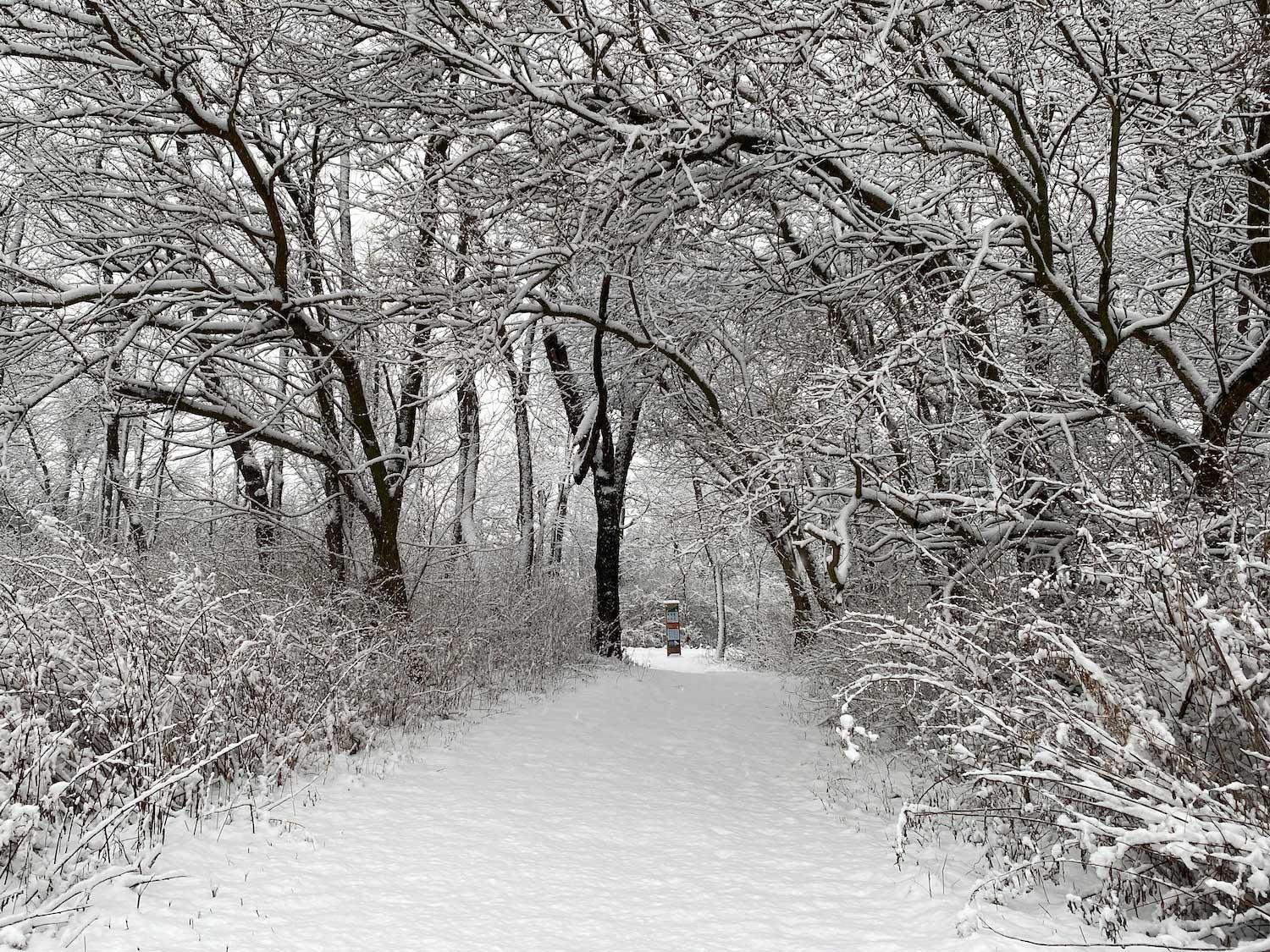
Trail Club is back this fall, and in September the group will meet at 5 p.m. Wednesdays at Hadley Valley.
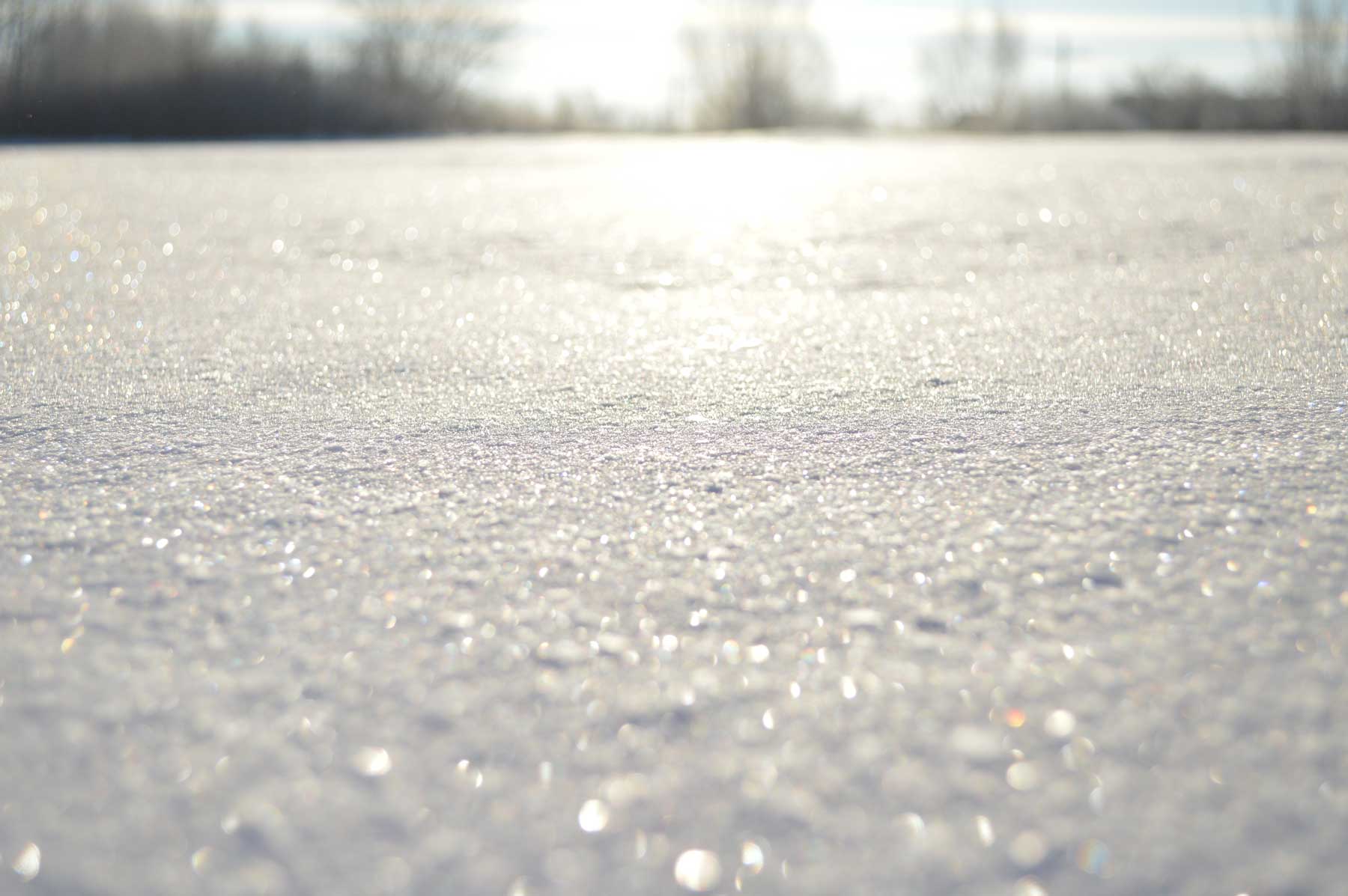
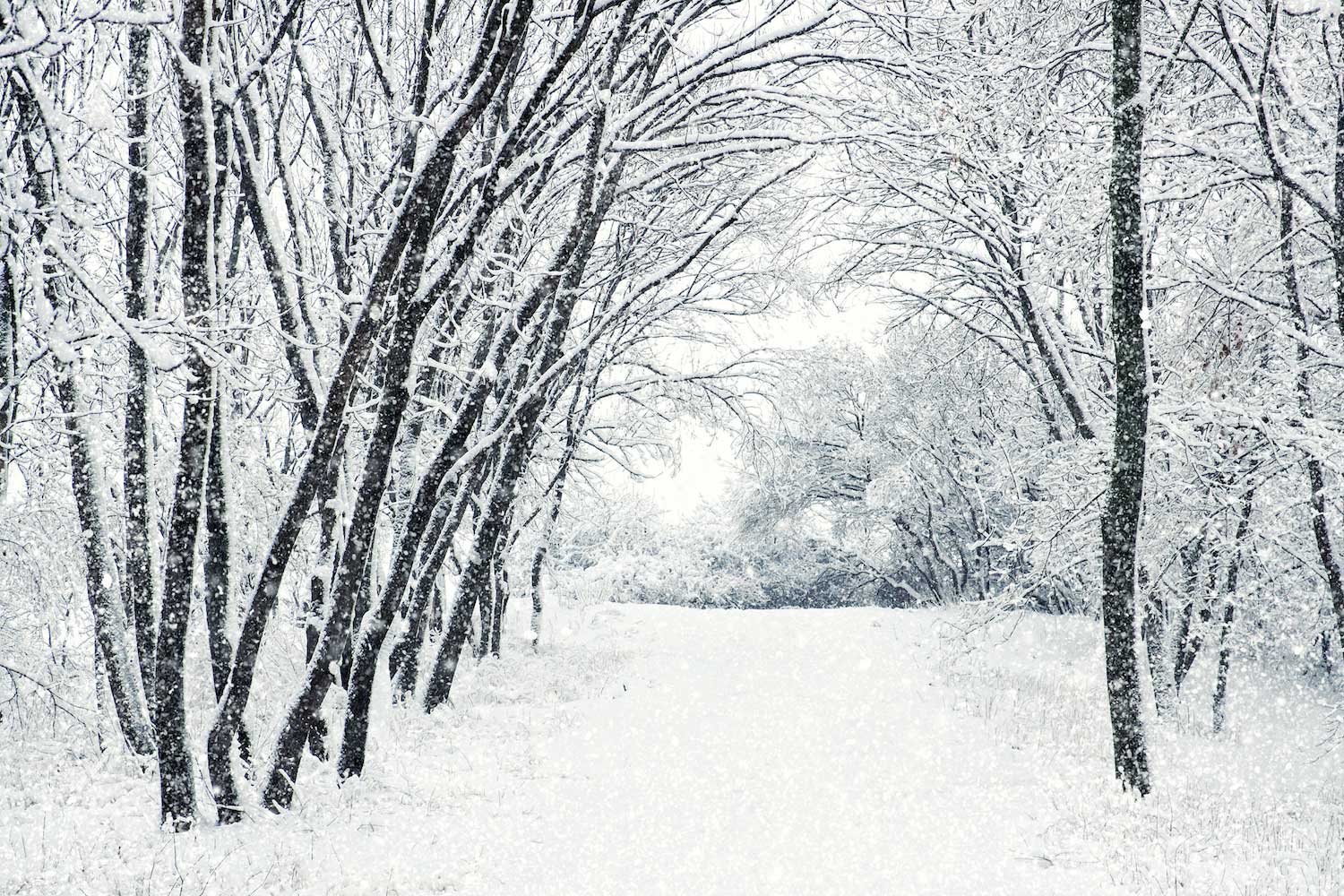
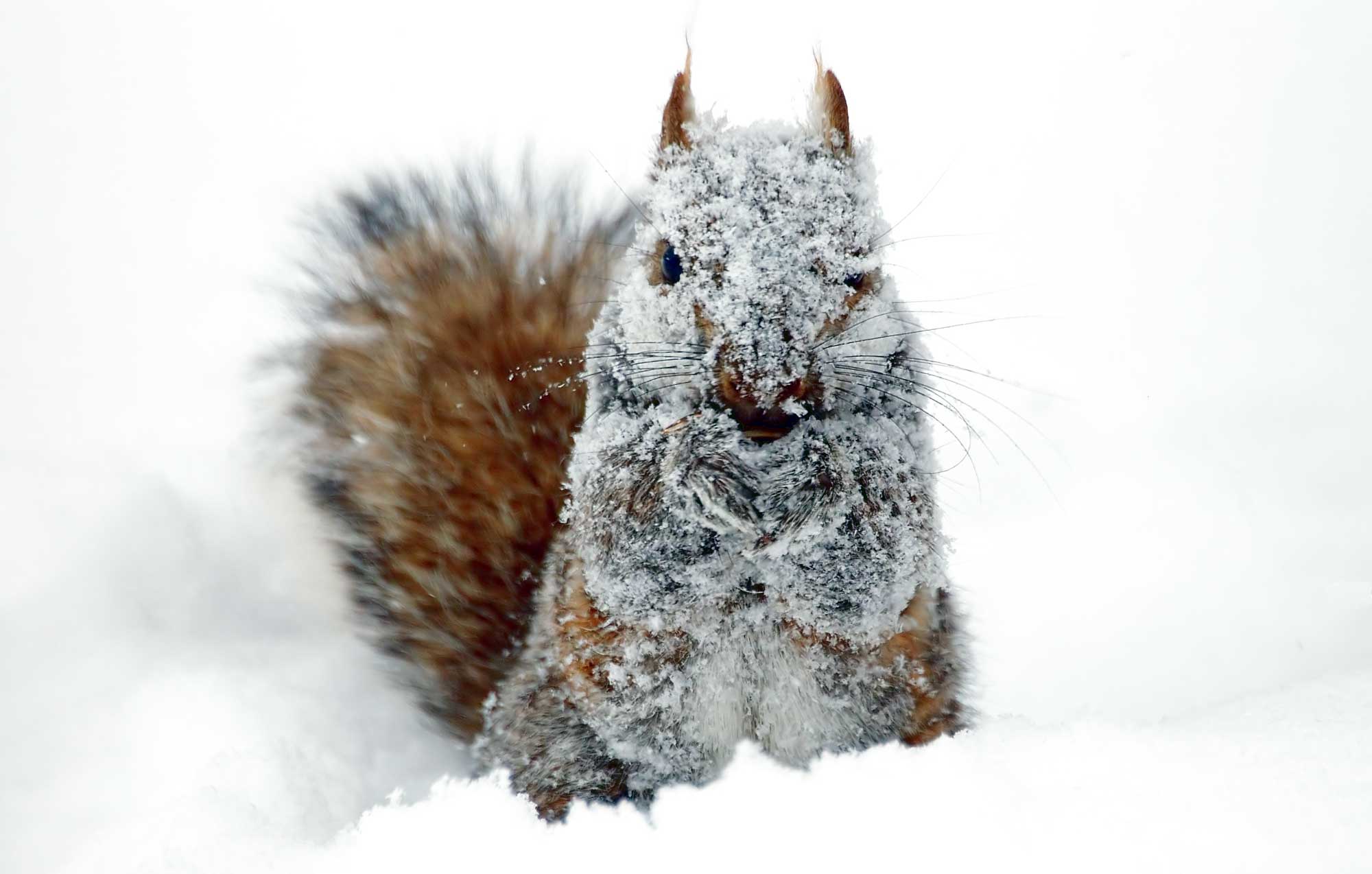
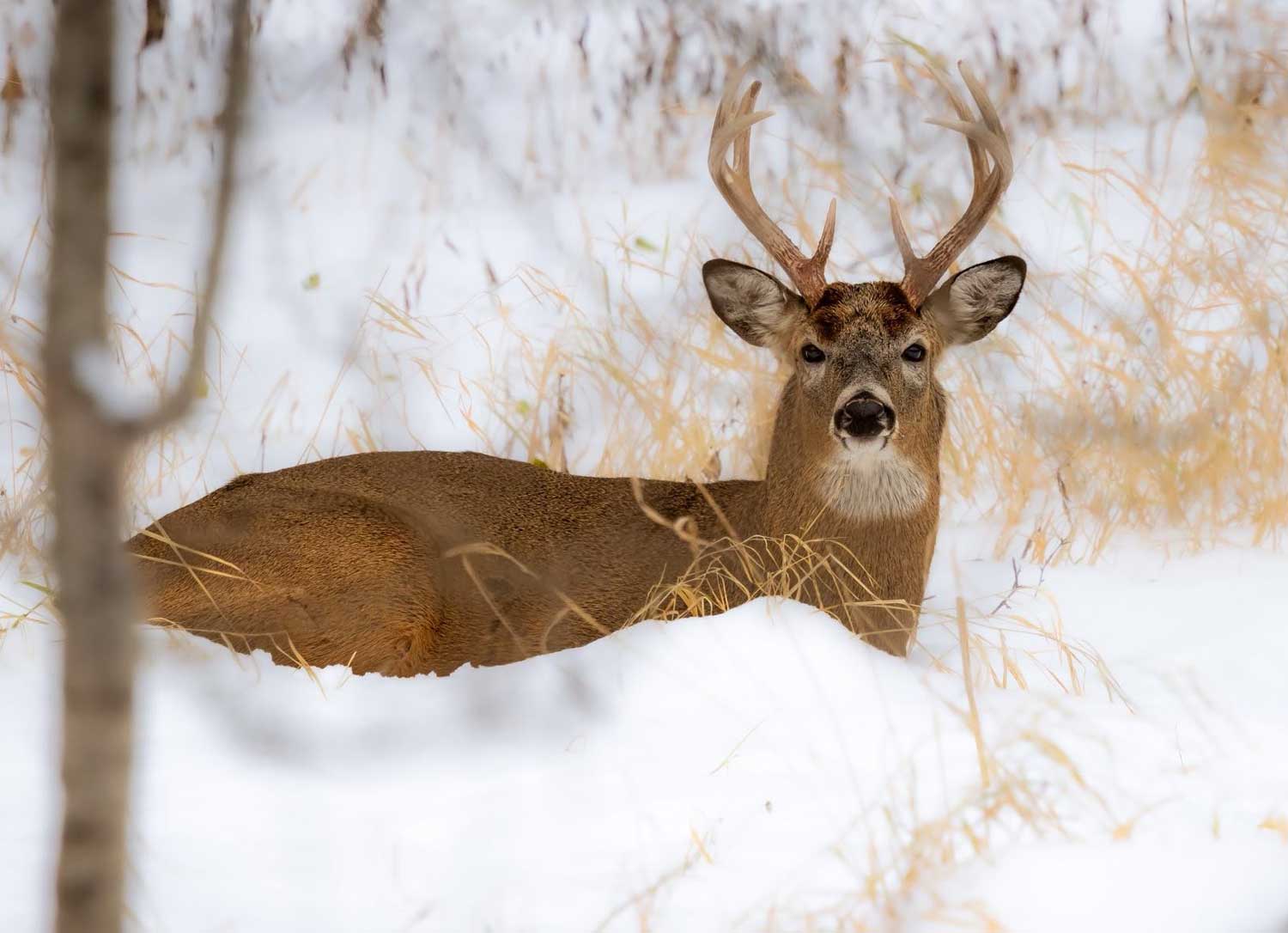
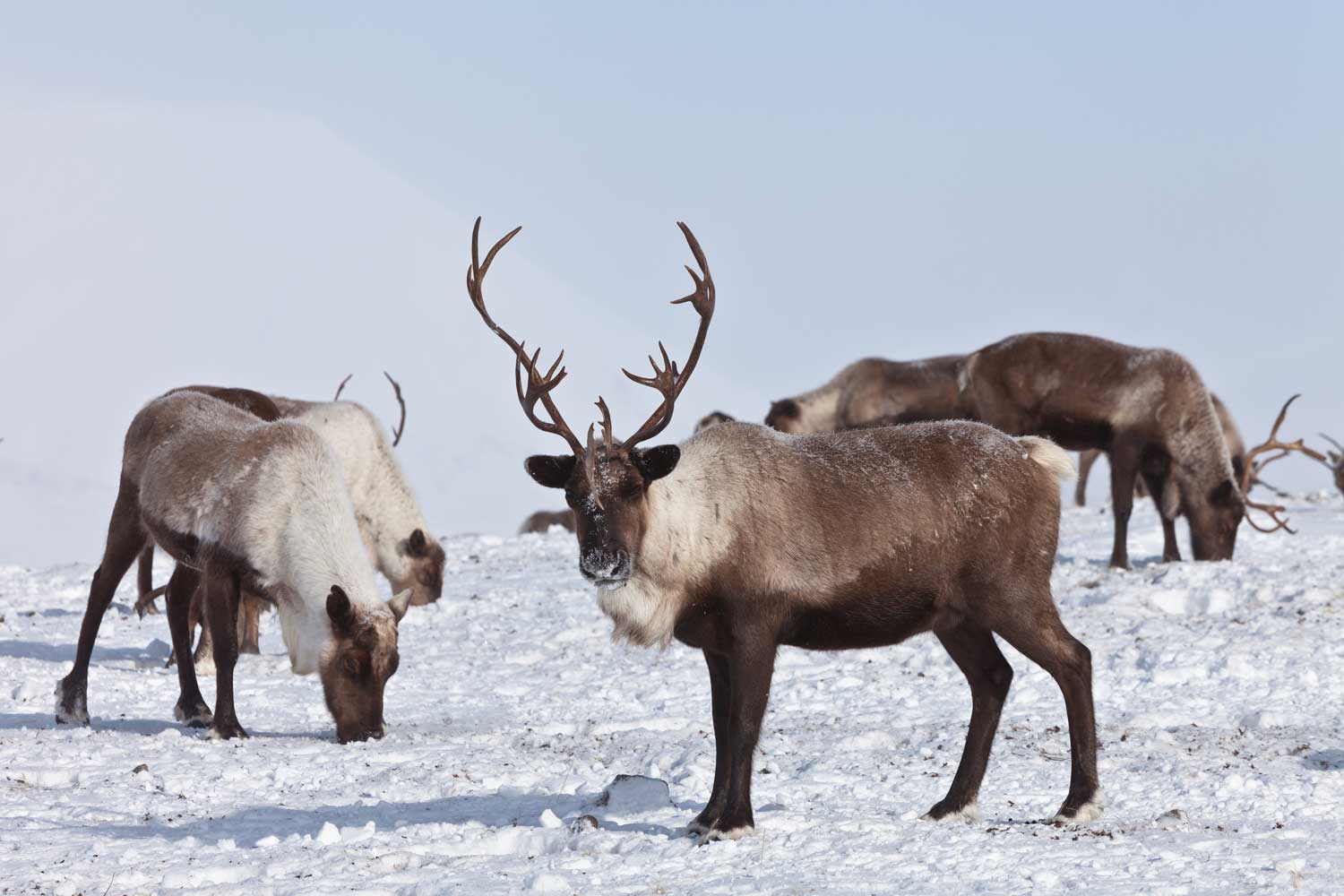
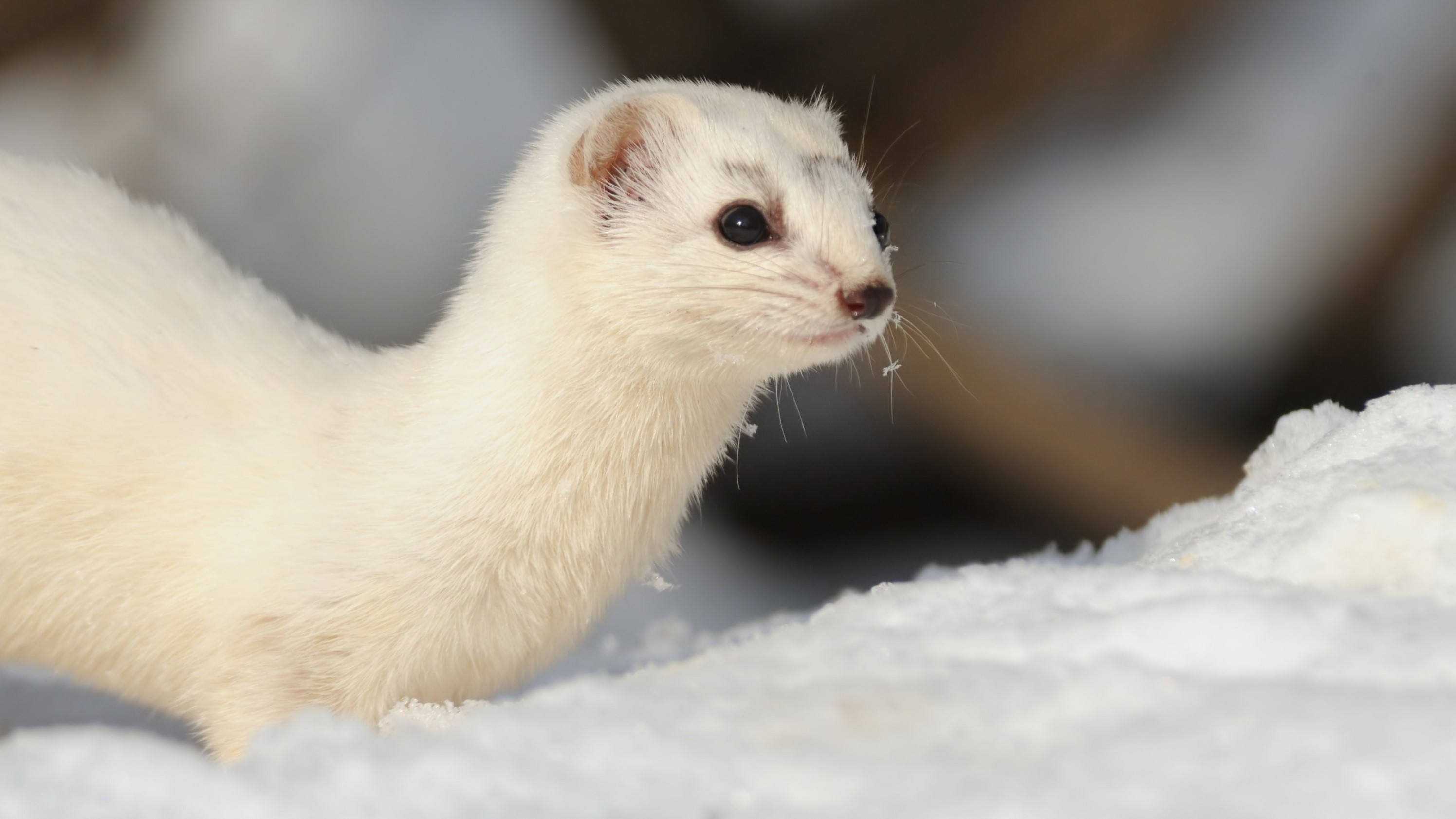
For some animals, preparing for winter means turning an entirely different color. Find out how their white fur helps them get by in snowy weather.
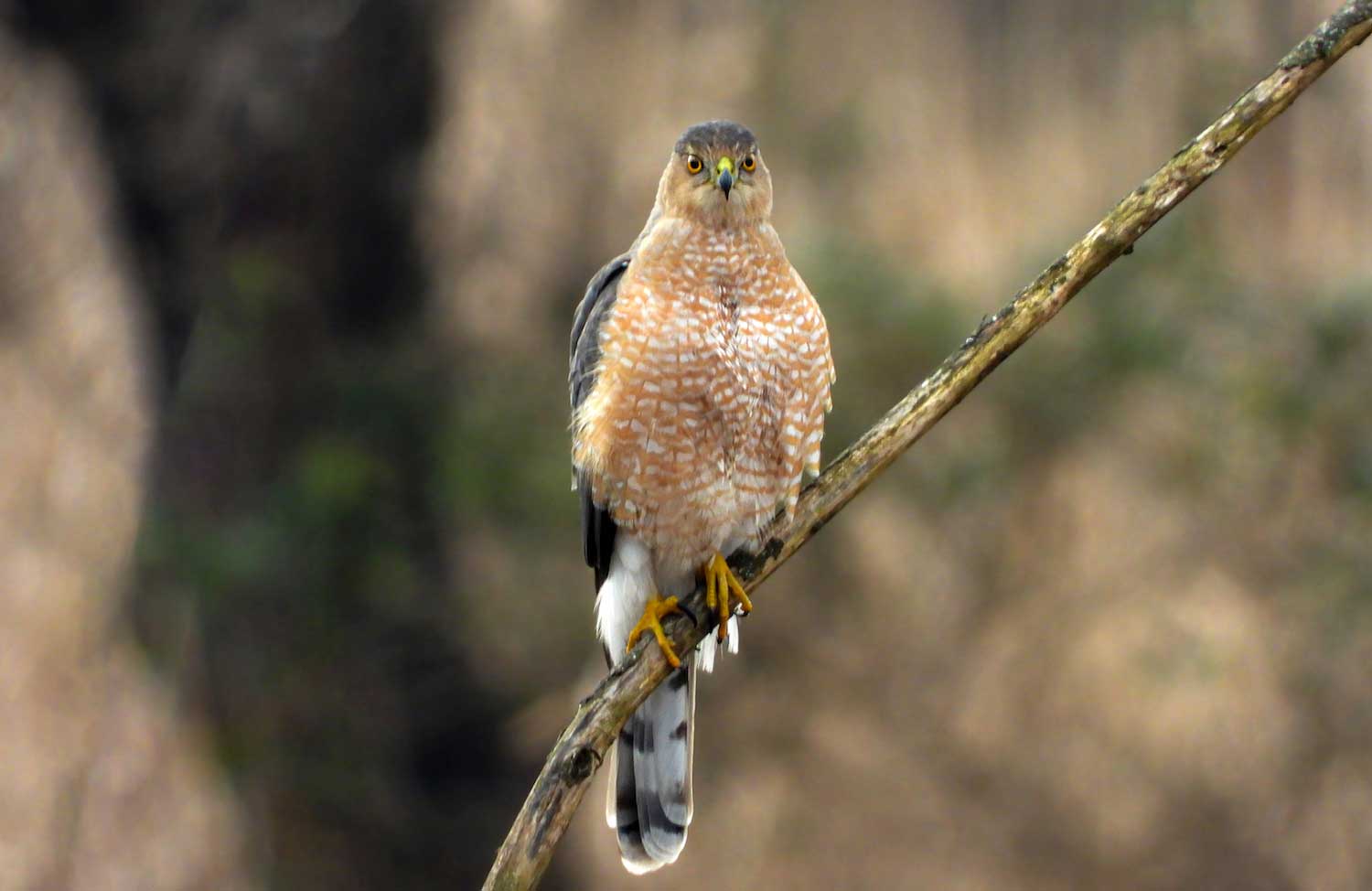
Cooper's hawks once faced similar threats to bald eagles and peregrine falcons, but these hawks have recovered and now thrive across Illinois.
The world is home to two turkey species, and most of us are pretty familiar with one of them. The other is called the ocellated turkey, and they look like a technicolor version of the wild turkey.
Our forests and fields are home to many owl species, and many are only active at night, when they are night easy to see. Learn to identify our local owls by their songs and calls.
Meet Alyssa Parker, a program coordinator at Plum Creek Nature Center.
Nine new plant species have been added to Illinois' Exotic Weeds Act.
The white-naped crane lives only in parts of Asia and Russia, but these elegant birds might remind you of the cranes we see closer to home.
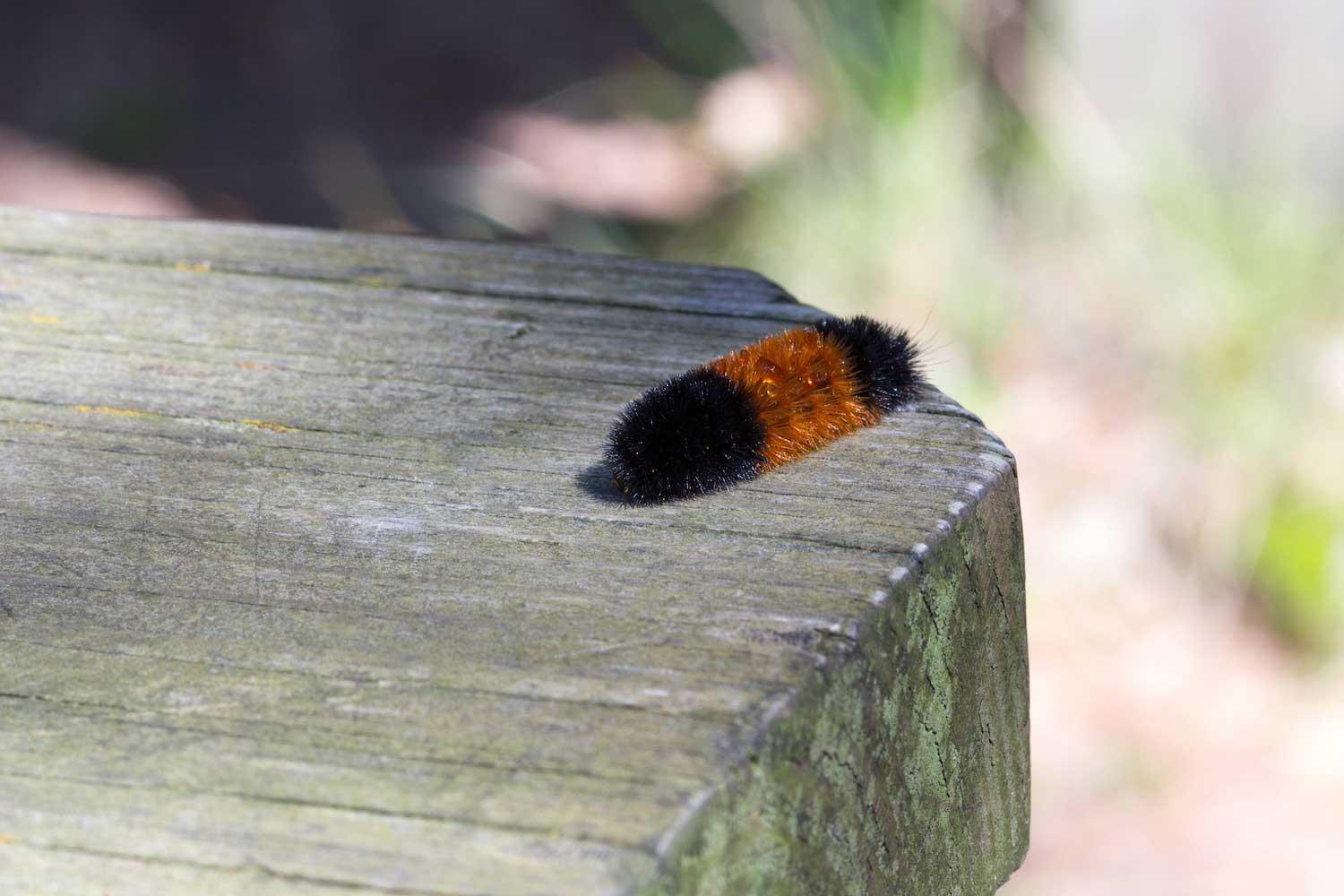
These creatures have a reputation for being among the creepiest, so they fit right in during spooky season.
Lizards and salamanders are easy to confuse with one another because they look similar, but there are many differences between them, starting with how they are classified in the animal kingdom.
It may just seem like Mother Nature is showing off when fall color hits its peak, but the spectacular display is the result of complex yet gradual changes in each of those lovely leaves.
River otters have staged an extraordinary comeback in Illinois, with populations rebounding from near extinction to more than 11,000 today.
Our domesticated dogs have many wild relatives roaming the world. In Africa, that includes the colorful and distinctive African painted dog.
Many people don't welcome the sight of a coyote in their neighborhood, but they are an important part of the ecosystem and their presence across Illinois is beneficial.
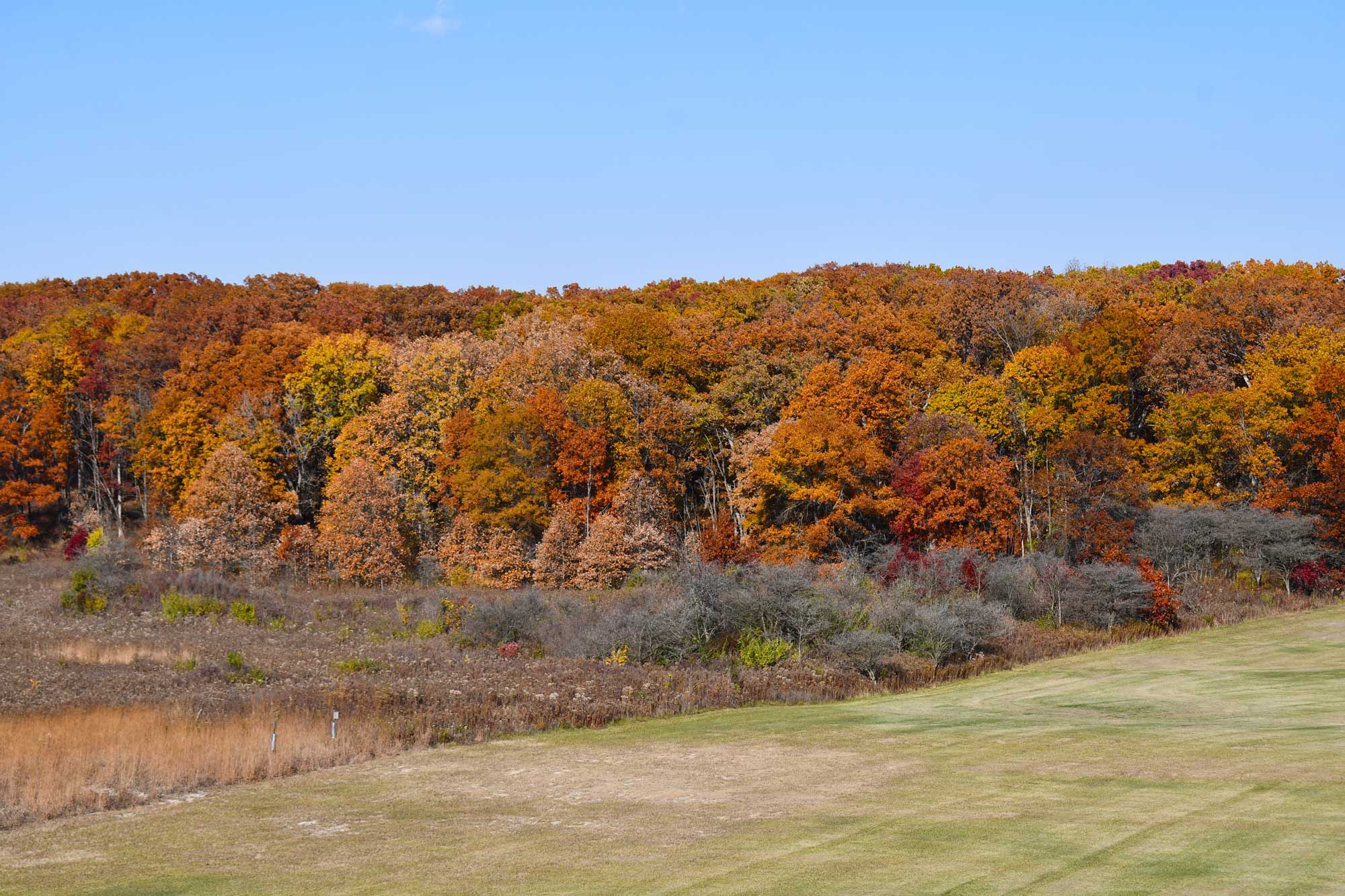
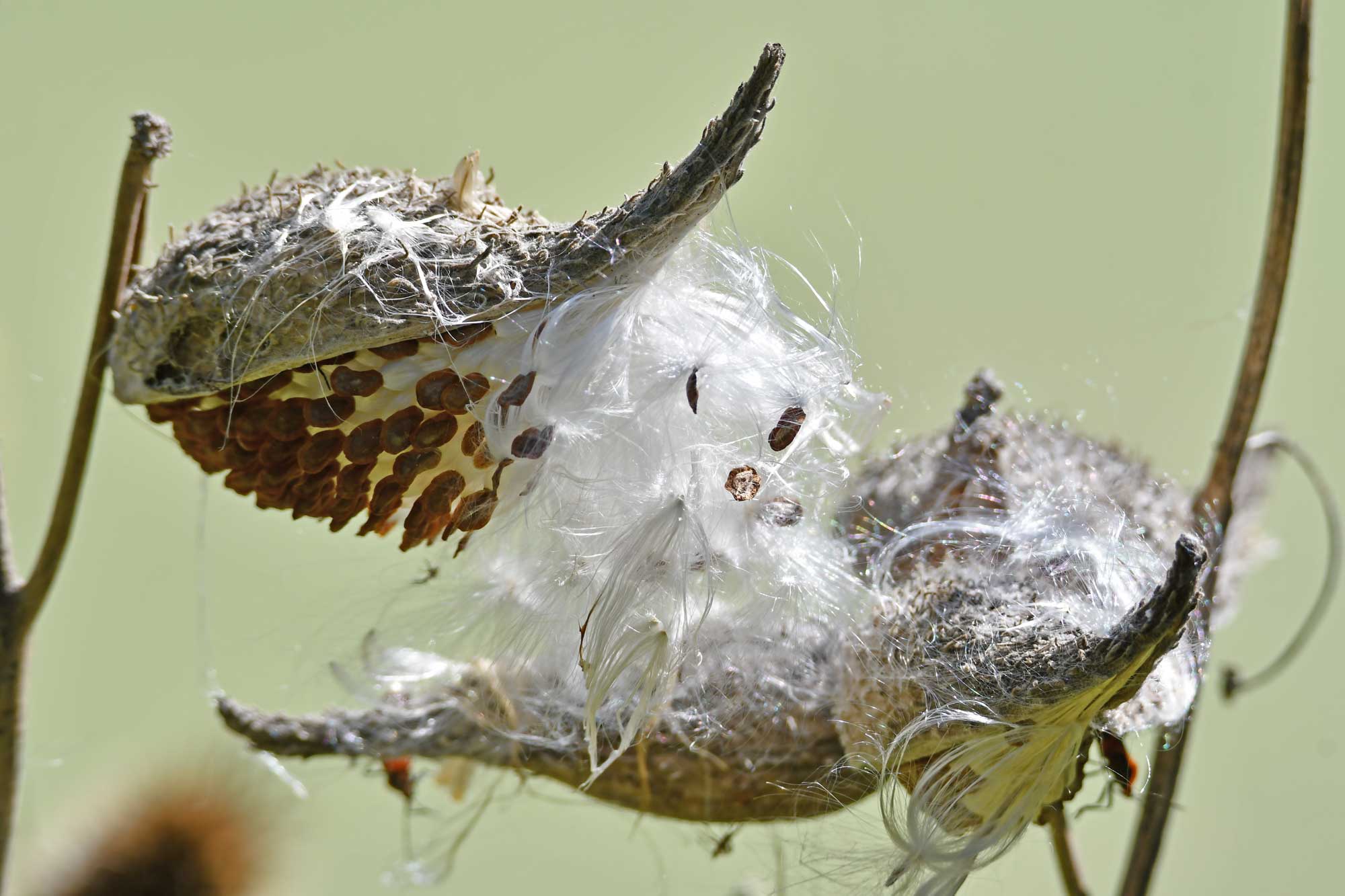
Fall means changing leaves and earlier sunsets, but there are plenty more signs of the season if you know where to look.
Dung beetles might do some dirty work, but we owe them a debt of gratitude for it.
Young sunflowers follow the sun as it moves across the sky, and this adaptation helps them grow and mature.
For some animals, preparing for winter means turning an entirely different color. Find out how their white fur helps them get by in snowy weather.
Cooper's hawks once faced similar threats to bald eagles and peregrine falcons, but these hawks have recovered and now thrive across Illinois.
The world is home to two turkey species, and most of us are pretty familiar with one of them. The other is called the ocellated turkey, and they look like a technicolor version of the wild turkey.
Our forests and fields are home to many owl species, and many are only active at night, when they are night easy to see. Learn to identify our local owls by their songs and calls.
Meet Alyssa Parker, a program coordinator at Plum Creek Nature Center.
Nine new plant species have been added to Illinois' Exotic Weeds Act.
The white-naped crane lives only in parts of Asia and Russia, but these elegant birds might remind you of the cranes we see closer to home.
These creatures have a reputation for being among the creepiest, so they fit right in during spooky season.
Lizards and salamanders are easy to confuse with one another because they look similar, but there are many differences between them, starting with how they are classified in the animal kingdom.
It may just seem like Mother Nature is showing off when fall color hits its peak, but the spectacular display is the result of complex yet gradual changes in each of those lovely leaves.
River otters have staged an extraordinary comeback in Illinois, with populations rebounding from near extinction to more than 11,000 today.
Our domesticated dogs have many wild relatives roaming the world. In Africa, that includes the colorful and distinctive African painted dog.
Many people don't welcome the sight of a coyote in their neighborhood, but they are an important part of the ecosystem and their presence across Illinois is beneficial.
Fall means changing leaves and earlier sunsets, but there are plenty more signs of the season if you know where to look.
Dung beetles might do some dirty work, but we owe them a debt of gratitude for it.
Young sunflowers follow the sun as it moves across the sky, and this adaptation helps them grow and mature.
Trail Club is back this fall, and in September the group will meet at 5 p.m. Wednesdays at Hadley Valley.
Say goodbye to summertime with a sunset paddle on Monee Reservoir.
Interactive map predicts when fall color will peak in Will County and beyond.
These big white birds typically stick around until November or into December.
Hummingbirds are here in Will County for a good portion of the year, but knowing when they migrate can help determine when to have hummingbird feeders out.