Nature curiosity: Why do some animals turn white in winter?
Animals have many different strategies for surviving winter. Some migrate south to where food is more plentiful. Others head underground and hibernate throughout the season. Still others endure the winter, staying active throughout the season. These winter warriors rely on many adaptations to help them survive the season, and for a select few their winter survival strategies include a unique adaptation: turning white.
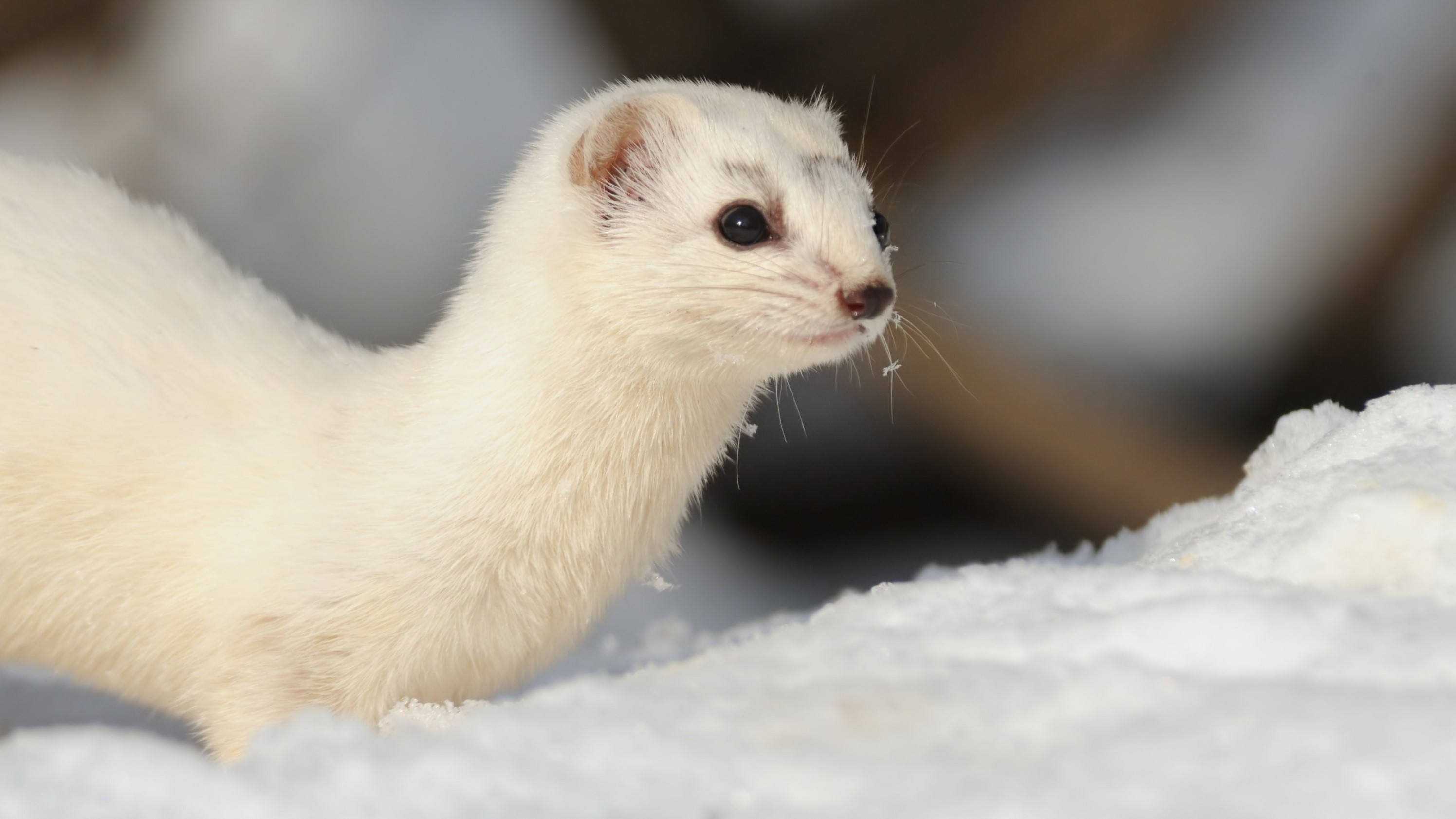
Among those creatures that sport winter white are Arctic foxes, peary caribou, collared lemmings and several species of hares and weasels, including two local species: the least weasel and the long-tailed weasel. It's not just mammals that turn white in winter. A few birds do too, namely ptarmigans, which primarily live in the tundra across northern North America, Europe and Asia.
The color change itself is signaled by changes in the amount of daylight as the seasons change, just like decreasing daylight signals the leaves on the trees to begin changing color and eventually fall. For the animals, decreasing daylight signals a decrease in the production of melanin, the pigment that gives fur its color, according to the Montana Natural History Center. Without melanin, the fur grows in white.
The primary reason these animals switch over to white fur in winter is because it allows them to blend in to their environment. This aids them both in hunting and in avoiding being detected by predators. But camouflage isn't the only way white winter coats help color-changing animals. It's also thought that white fur helps them stay warmer in winter. Scientists believe that white fur helps insulate animals because the lack of pigment in the shafts of fur creates spaces that can be filled with body heat. The body heat then provides additional insulation from the cold, National Geographic reports.
The change over to white fur happens gradually instead of all at once. It takes a few months for animals to change from their summer coats to their winter white coats, according to the Alaska Department of Fish and Game. The same is true when they trade their winter white for brown or red fur they sport in the warmer months. During these periods of transition, their fur can appear patchy or blotchy with the two colors mixed.
So what happens to these animals when there is no snow on the ground? They stick out, just like they would on a snowy landscape if they didn't change color. The animals don't know they don't blend in with their surroundings, so they don't change their behavior to better blend in or otherwise avoid detection, National Geographic reports.
As the climate has begun to change, scientists have started to notice some changes among these animals that turn white in winter. For example, some have shown signs of adapting their range as the climate changes and snow becomes less common. One such example is the snowshoe hare. They used to live as far south as North Carolina, but the southern edge of their range has moved north to West Virginia because of changes in snow patterns, National Geographic reports.
Similarly, the weasels that live in Illinois do not always completely undergo this transformation to white fur in winter. In the northern part of the state, weasels will grow a white winter coat, but in southern Illinois, where snow is much less common, some weasels do not change color at all and other may develop a patchy white coat, according to Wildlife Illinois.
Interestingly, the color change is thought to be genetic. If you take a weasel from the northern part of their range, where they turn white in winter, into the south, they will continue to turn white each winter. And weasels from the southern part of their range will not turn white in winter even if they are relocated north to a snowy area, according to the Alaska Department of Fish and Game.