Tempest Farm: A love story preserved for eternity
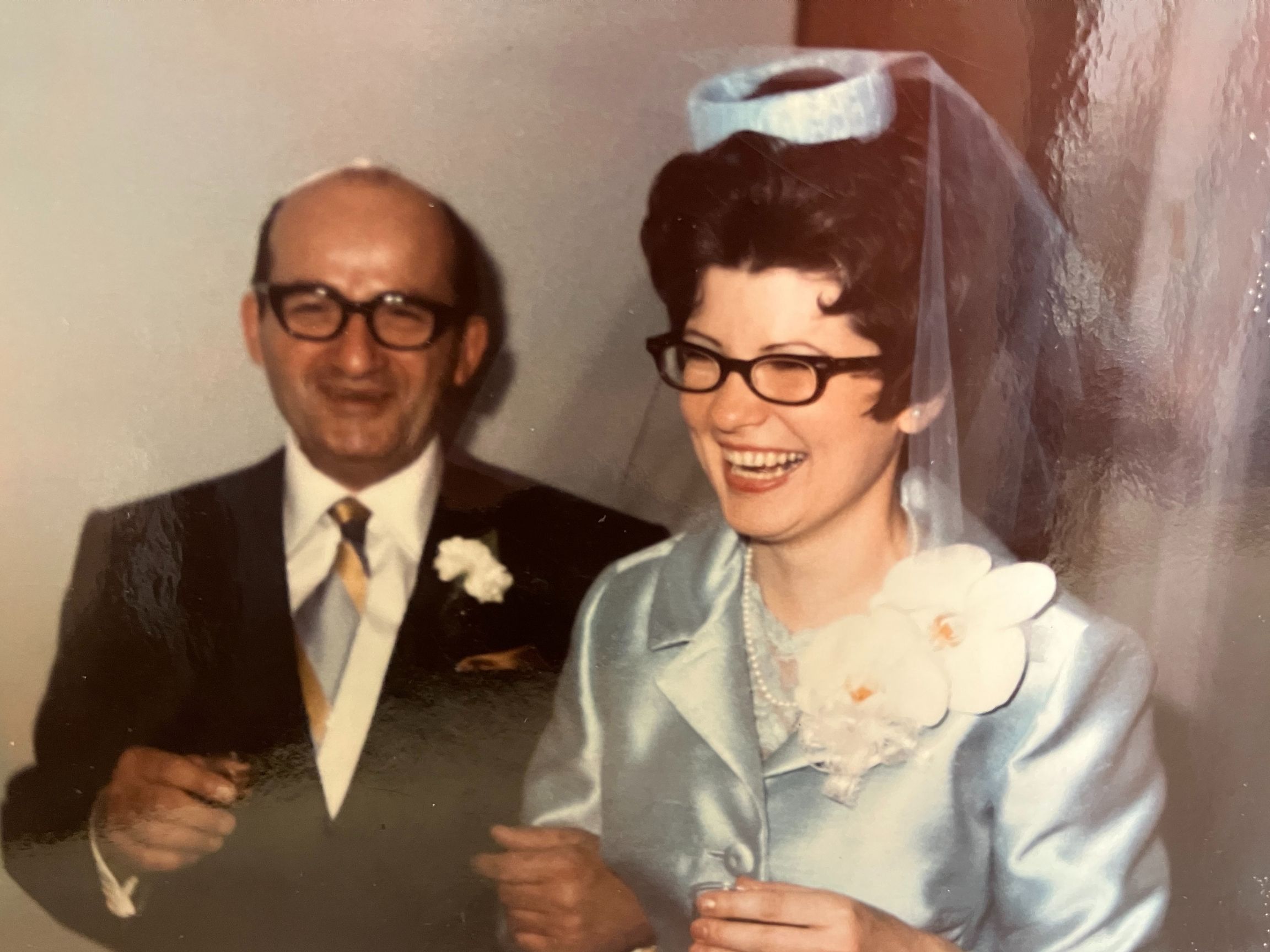
Beth Temple went on a blind date in February 1969 that would change her life.
She was a young mother of a 2-year-old and a teacher at the time. Some of her female colleagues thought she would be a good match for an older surgeon, Dr. Arvid Temple, and they set up a blind date for Beth.
That one date turned into a deeply loving relationship for Beth, who married Arvid in May 1969, and it also led to a special relationship with a 160-acre farm in eastern Will County that Arvid had purchased in 1965.
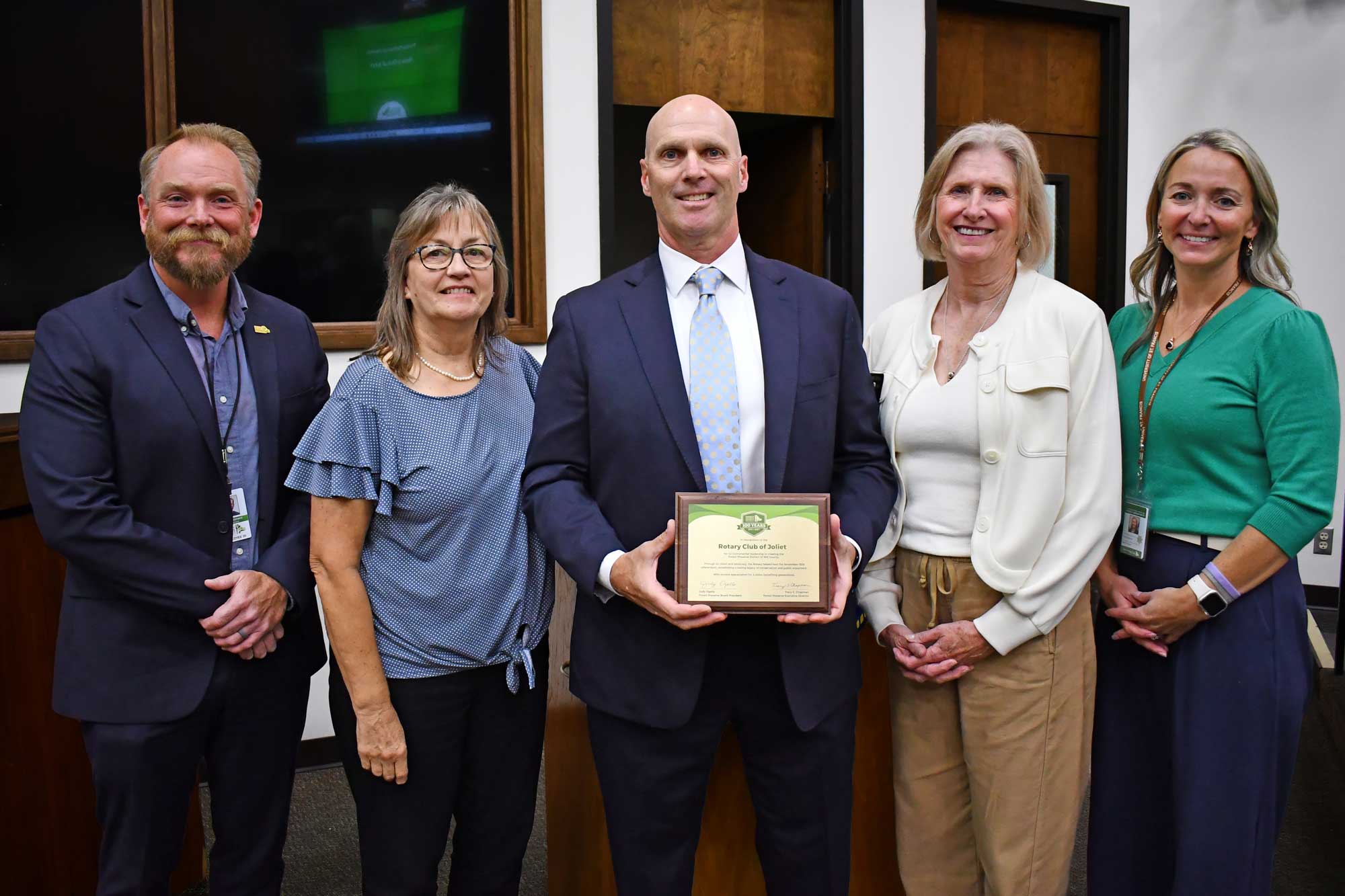
More than 60 years later, the Washington Township farm is in the process of becoming the largest land donation in the Forest Preserve District’s history.
Here is how that one blind date led to Beth’s love of a man — and the land.
This is just him
Arvid’s parents came to the United States from Belarus, a country that did not allow Jewish people to own land at the time. They bought a home in Chicago with a small backyard shaded by cherry trees, which made it difficult to grow a garden. But Arvid’s connection to that small patch of land planted a seed in him as a child.
And when he had the means, he bought his own dairy farm. He named it after his beloved horse, Tempest, which he sold when he served in the Korean War as a doctor in the medical corps in 1951. He loved that first horse so much that he later named a second horse — and a giant, “doofus” German shepherd dog — Tempest as well.
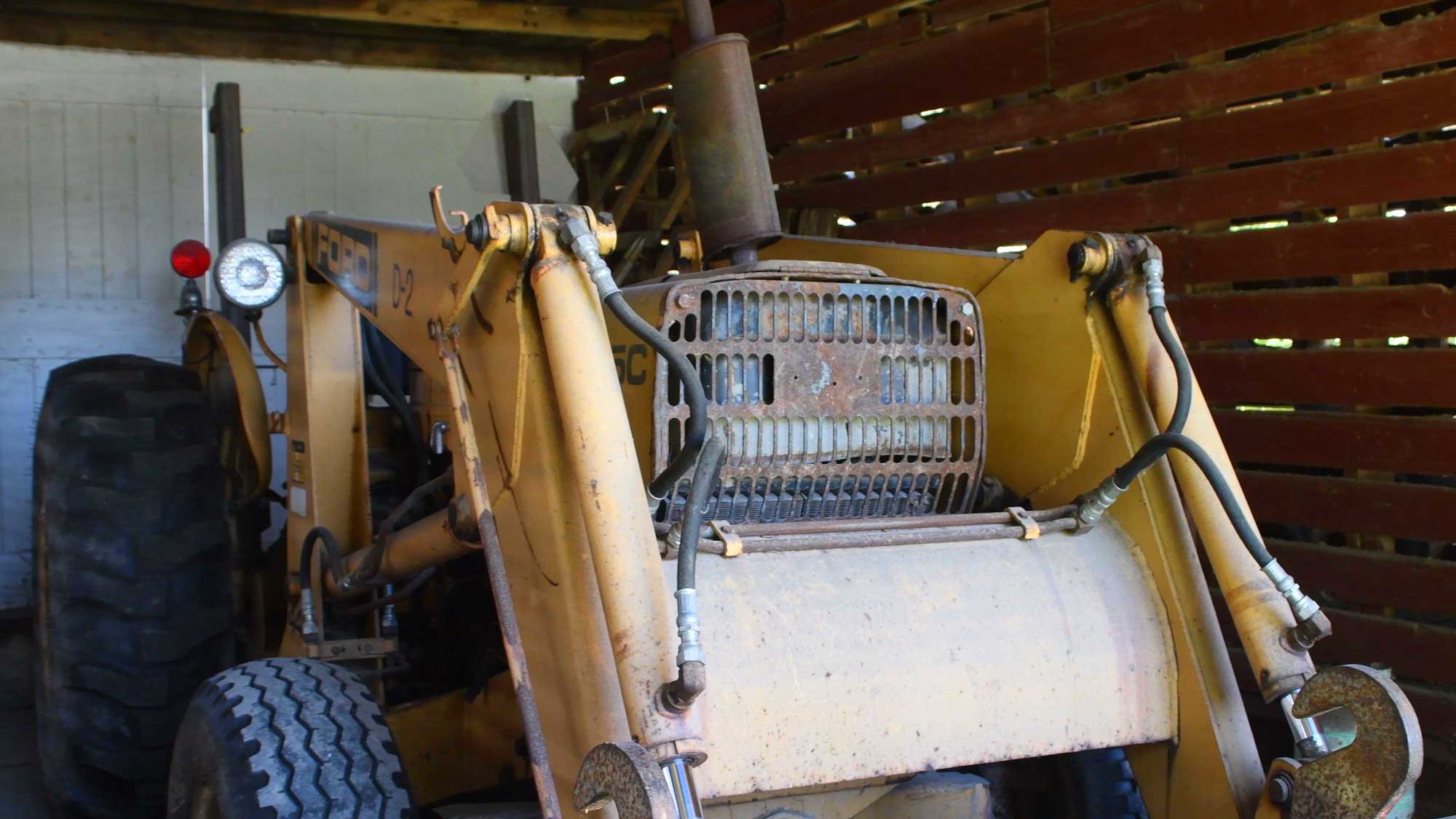
Beth flourished with Arvid and the farm. She tells stories now of milking cows, learning how to use a front-end loader and a skill saw, planting and harvesting vegetables, cleaning the milking barn and planting all but one of the trees that now dot the landscape around the farm buildings.
During an interview about the farm and its history, tears came to her eyes as she talked about her husband, who died in July 2007.
She recounted Arvid’s struggles to become a doctor and then a surgeon. Chicago colleges had filled their quotas for Jewish students, so he could not enroll until he was accepted at Chicago Medical School. Then he could not become a surgeon until he served in the Army during the Korean War, which paved the way to surgical residencies at veterans hospitals and his 50-year medical career.
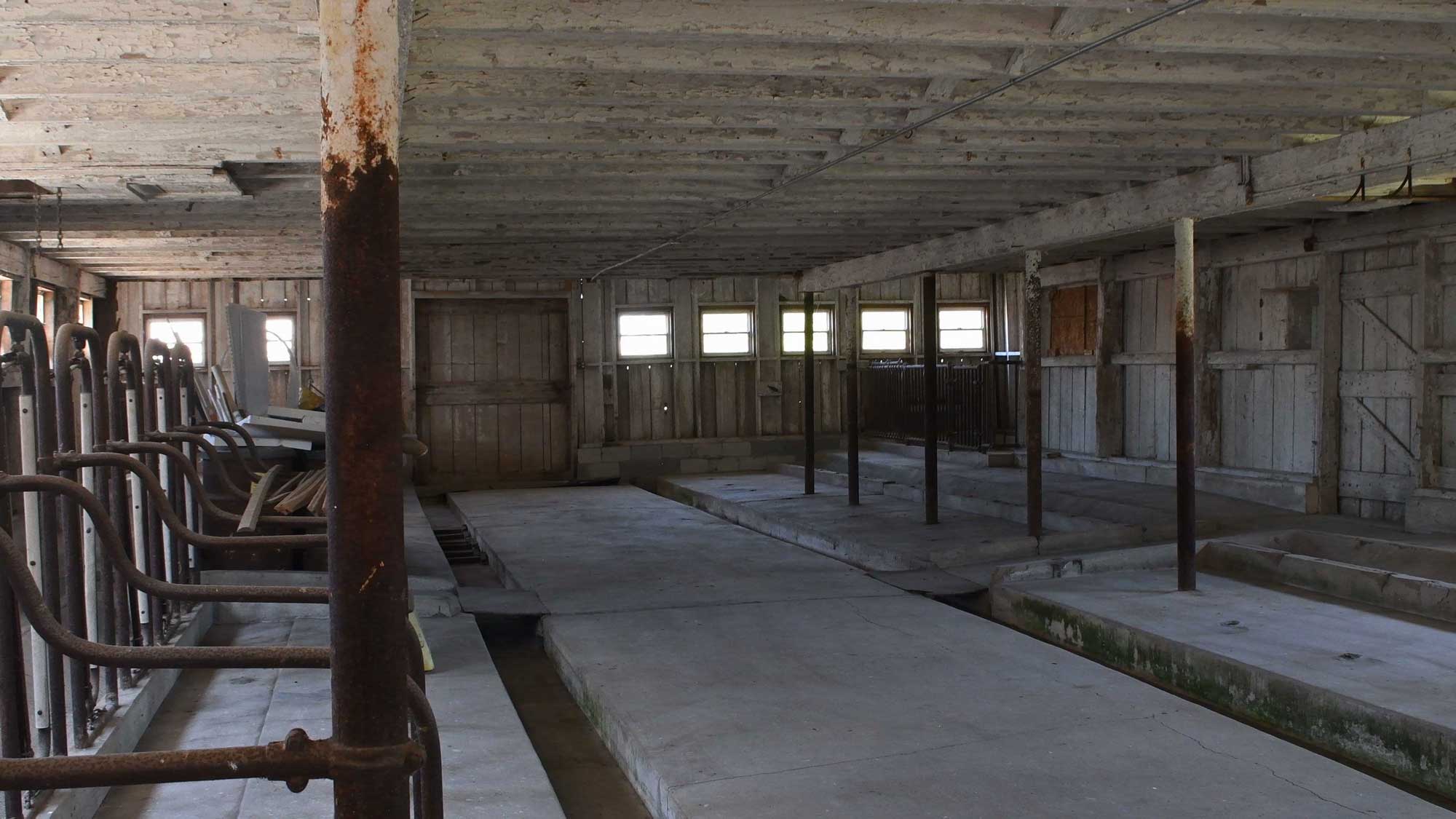
Beth recalled how the farm was their special place on the weekends and the skills and lessons she learned there. She remembered being kicked by a cow as she injected antibiotic into an infected teat. And there was the time she steam-cleaned the milking barn before it was painted, not realizing the cows knew which milking stanchions to stand by based on smell. She removed those scents with her cleaning.
“It took two hours to get the cows back to their own stanchions,” she said.
The couple grew vegetables and fruits on the farm and delivered bags of food to people in need. They donated to an organization called Respond Now, a social service agency in Chicago Heights that distributes fresh food to clients.
“He taught me the importance of caring for others,” she said.
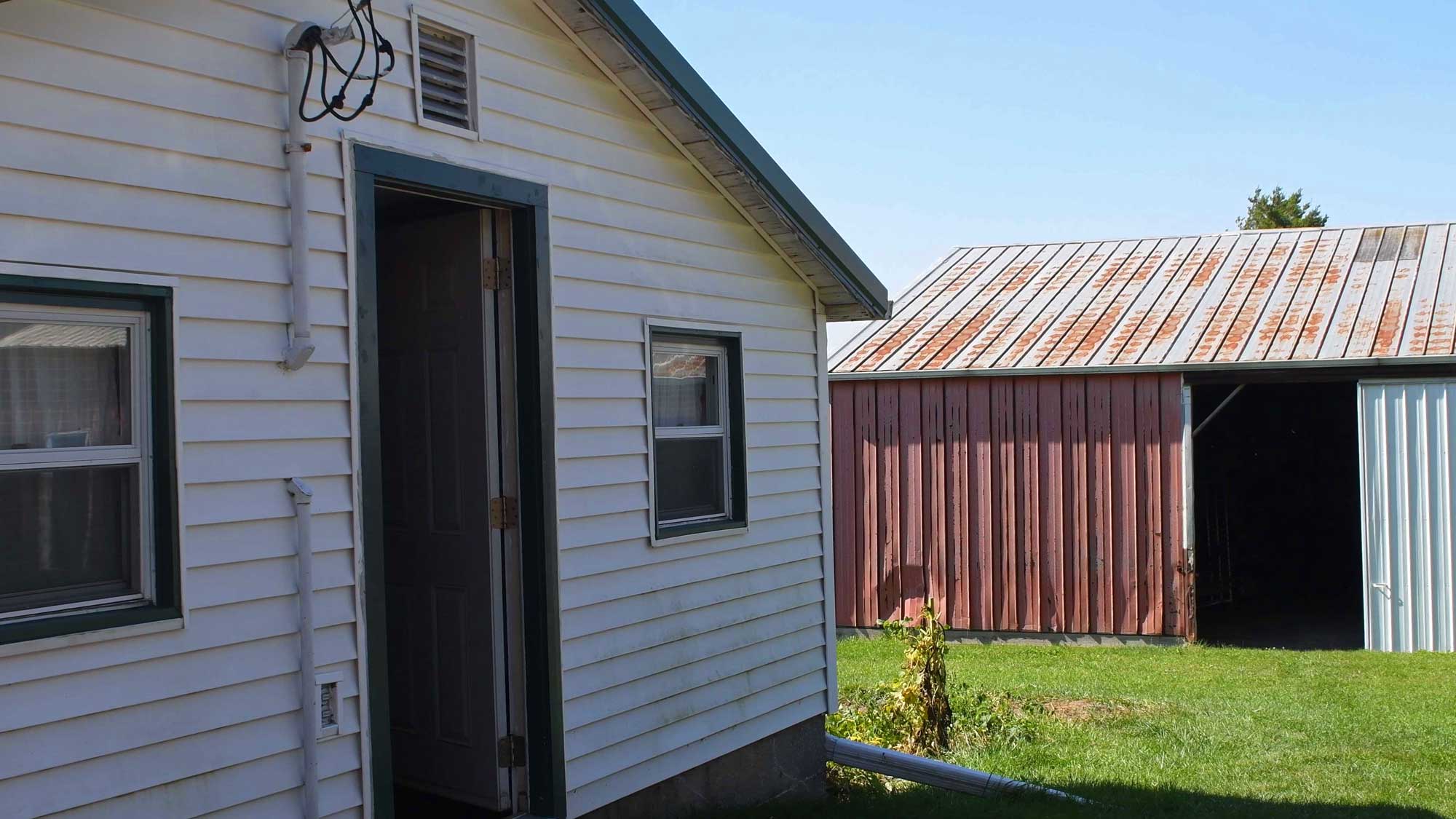
After her husband died, Beth began ripping out the interior of the former chicken coop with help from her carpenter friends. It took her five years to organize the building and create a workspace for herself.
She added storage areas for gardening and woodworking tools, fasteners, automotive supplies, crafting tools, a compressor and a warm condominium for the farm cats. She also has photos of Arvid and mementoes from his medical years.
“In the summer I come in for lunch — period,” she said. “The rest of the time, I’m outdoors.”
In the winter, she uses a portable heater so she can paint, make toys or read the newspaper inside the former chicken coop. She loves being at the farm year-round.
“I come here because this is where he is and where we spent most of our time together,” she said. “It was a very sharing time. We would be working on things together. There are also memories of him here. I can’t escape the pictures or the awards he earned. This is just him.”
Preserving the farm
Beth donated the first 40 acres of the farm to the Forest Preserve District in 2020 so it will be protected in perpetuity. The remaining 120 acres, located on South Yates Avenue east of Beecher, are in a conservation easement with the Forest Preserve as the beneficiary.
Both Trim and Pike creeks run through the farm, which is dotted with wetlands and features rich soil, salamanders, green frogs, tree frogs, barn swallows, tree swallows and other wildlife.
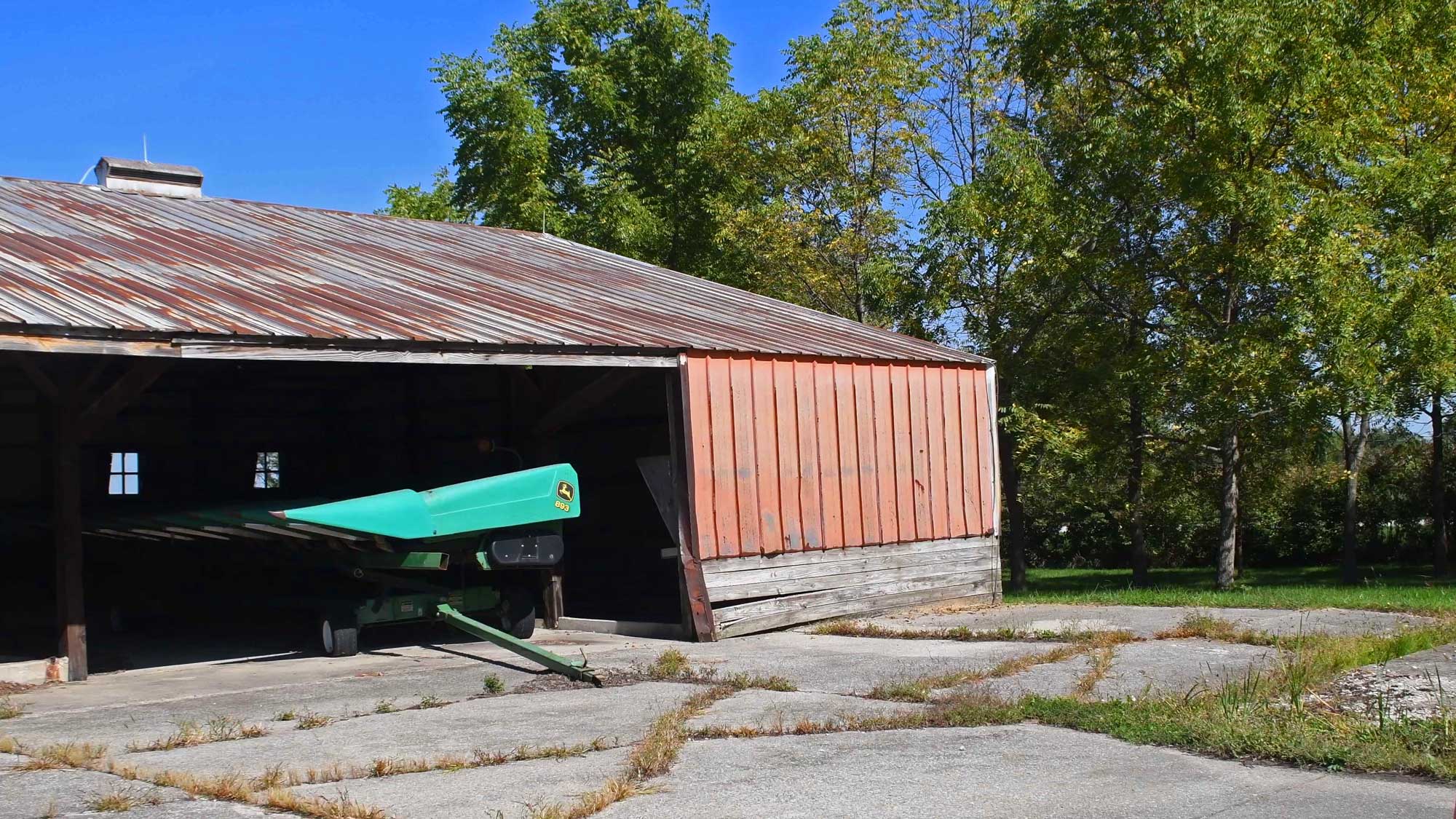
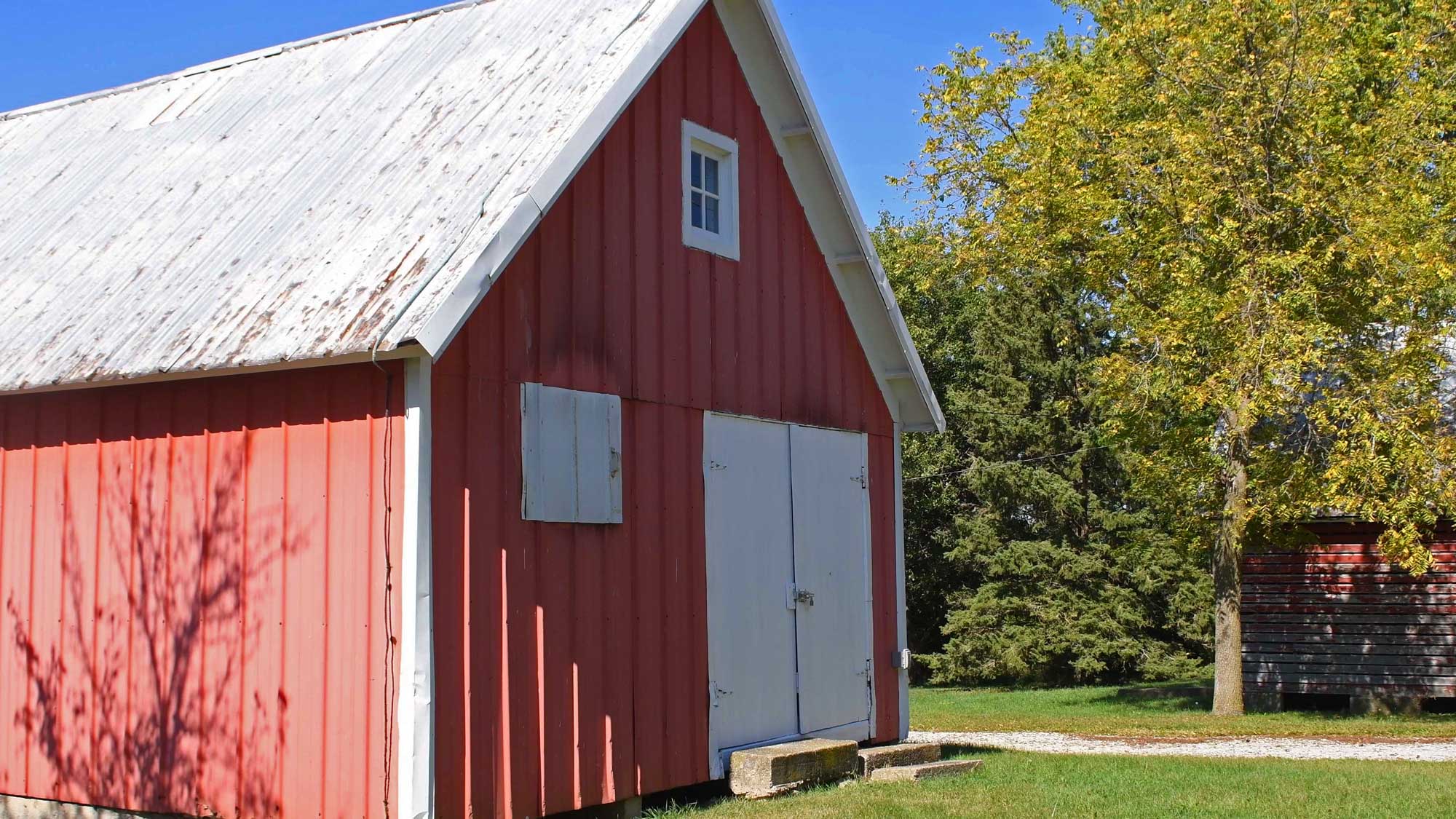
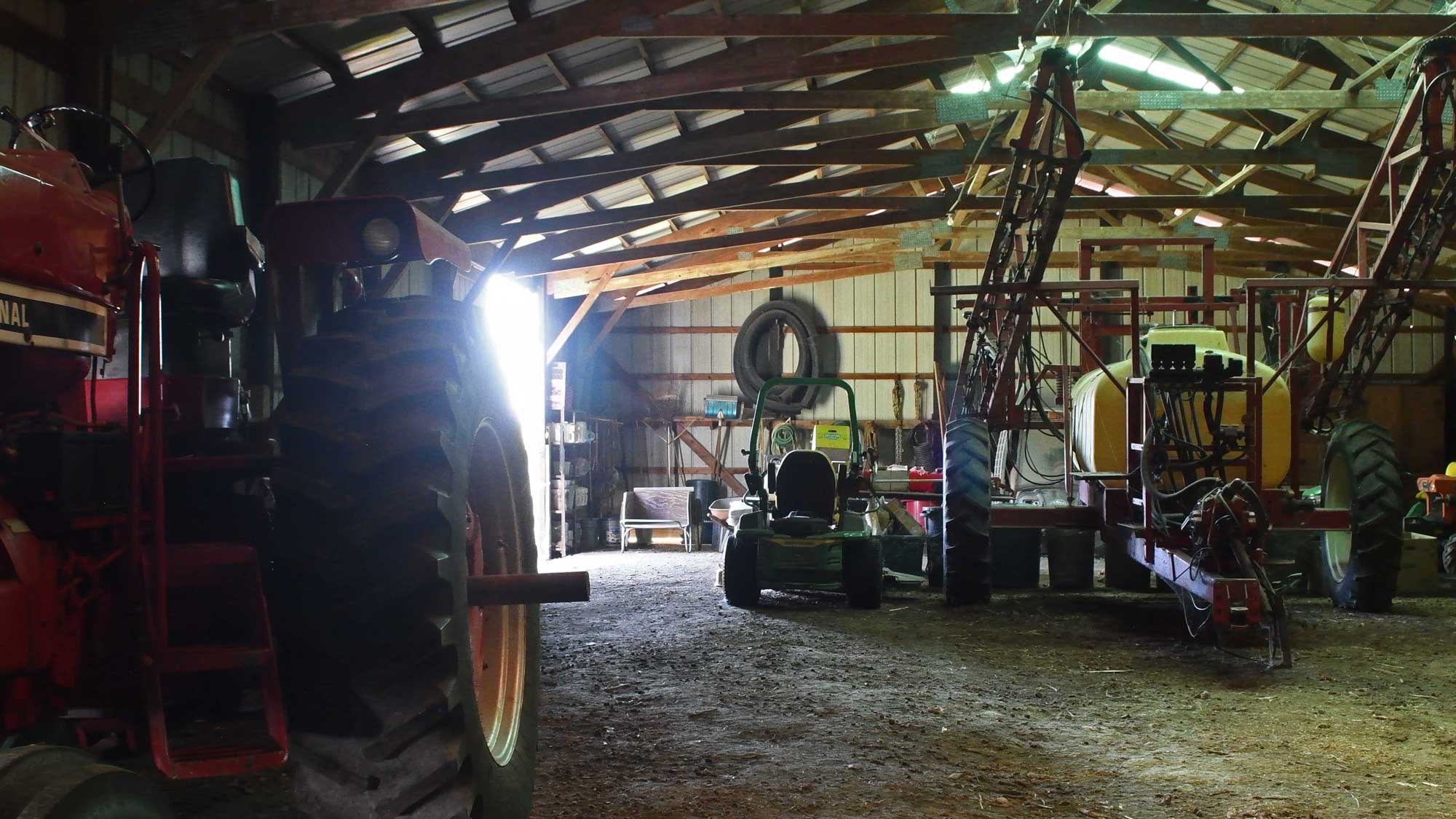
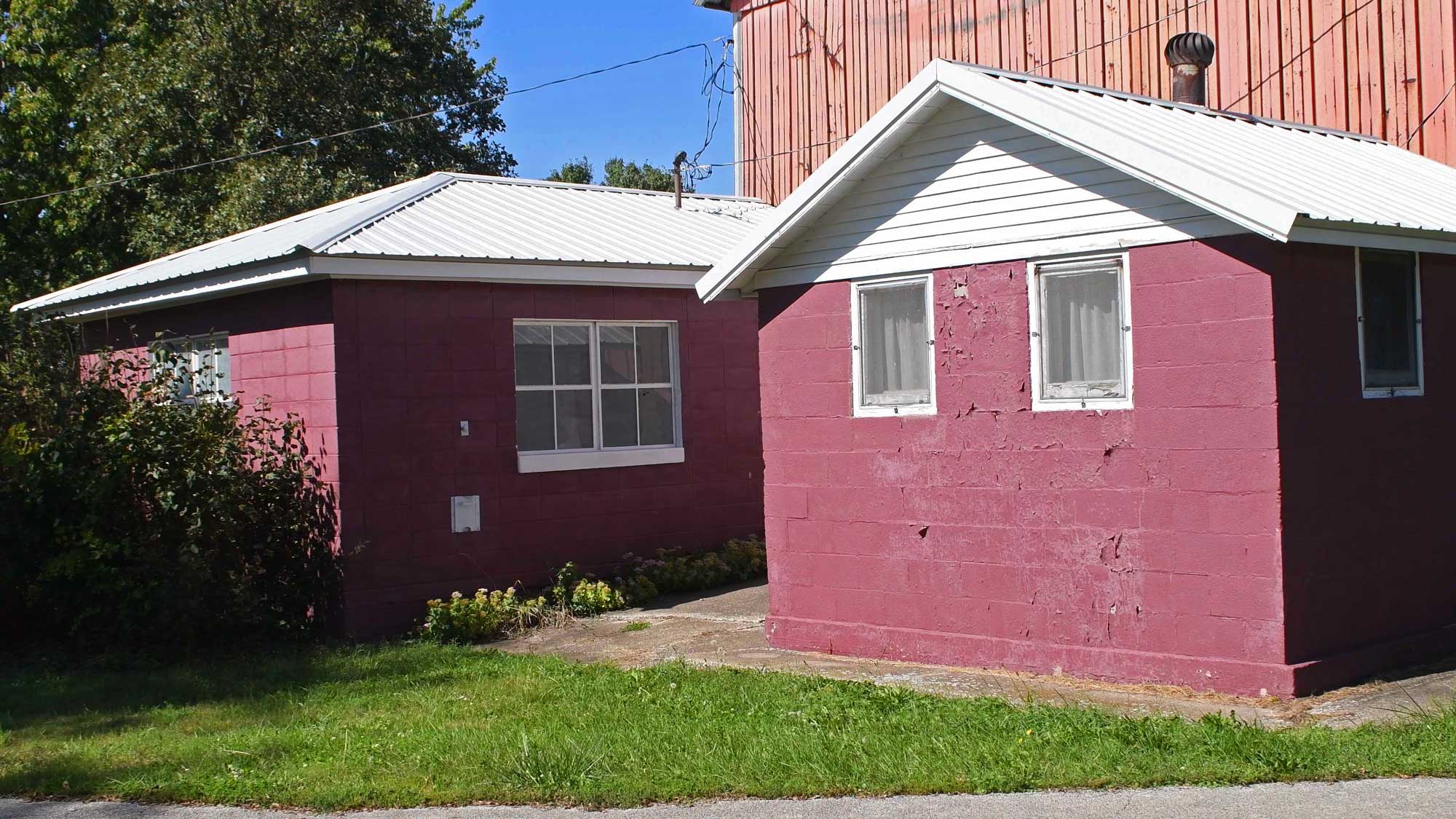
During a tour of the farm, Beth detailed the history of each building and its role in farm life, as well as how her husband improved the farm’s operations by adding metal siding and roofs, pipes for modern milk collection, and concrete for the cow yard so the animals did not have to stand in chest-high mud.
These are the buildings of Tempest Farm: