Illinois expands Exotic Weeds Act to include nine more plants
Will County's natural habitats will be better protected from destructive non-native plants with the addition of nine more invasive plant species to the state's official list of exotic weeds.
These plants pose serious threats to Illinois' natural areas because they don't occur here naturally and can spread rapidly once introduced, causing harm to ecosystems, the University of Illinois Extension reports.
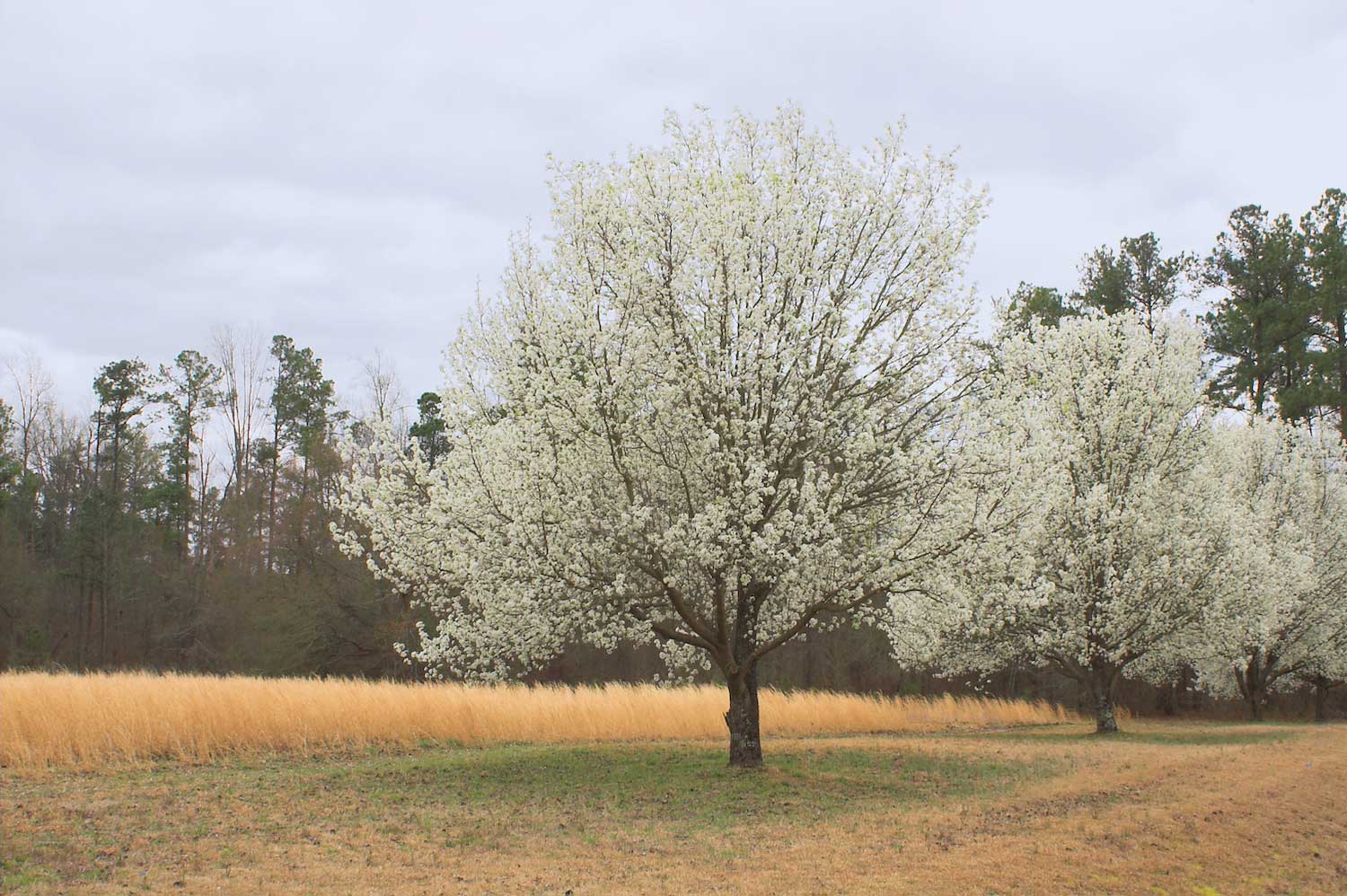
The newly listed plants are tree-of-heaven, garlic mustard, leafy spurge, sericea lespedeza, Japanese stiltgrass, Amur corktree, black swallowwort and pale swallowwort. Eight of the nine are immediately included on the state's official list of exotic weeds effective Oct. 1, 2025, which means they cannot be bought, sold, distributed or planted in Illinois. The only exception is for Callery pear, also known as Bradford pear. The tree will be added to the list on Jan. 1, 2028, to allow growers to phase out their stock of the trees, the University of Illinois Extension reports.
Many of the newly listed plants have been documented in Will County preserves, said Juli Mason, director of conservation for the Forest Preserve District. These include Callery pear, garlic mustard, Japanese stiltgrass, leafy spurge, sericea lespedeza and tree of heaven.
Mason said Forest Preserve staff manage for these plants at preserves that are considered a high priority for ecological management. Management techniques vary by species to optimize effectiveness. For example, for plants such as Japanese stiltgrass and leafy spurge, crews use selective herbicide treatments. For Callery pear trees, the primary management technique is a basal bark herbicide treatment, which is often done in conjunction with prescribed burns. For tree of heaven, crews also use basal bark herbicide treatments as well as cut stump treatments and girdling.
The addition of the nine new species brings the total number of exotic weeds in Illinois to 34. Plants that were already on the list include several species of both buckthorn and honeysuckle as well as teasel, multiflora rose, poison hemlock and giant hogweed.
The newly included exotic weeds were added based on recommendations from the Illinois Invasive Species Council. The process for adding a plant includes consideration of several factors, including the plant's native range and distribution; its rate of spread with no management; the extent of impacts to native species, species diversity and ecosystem health; and the ability to hybridize with native species and produce viable seed and fertile offspring.
In addition to the Illinois Exotic Weed Act, other state laws used to regulate invasive species are the Illinois Noxious Weed Act and the Illinois Injurious Species Rule. These laws are intended to restrict the sale and movement of invasive plant species across the state.