Nature curiosity: Why do leaves change color then fall?
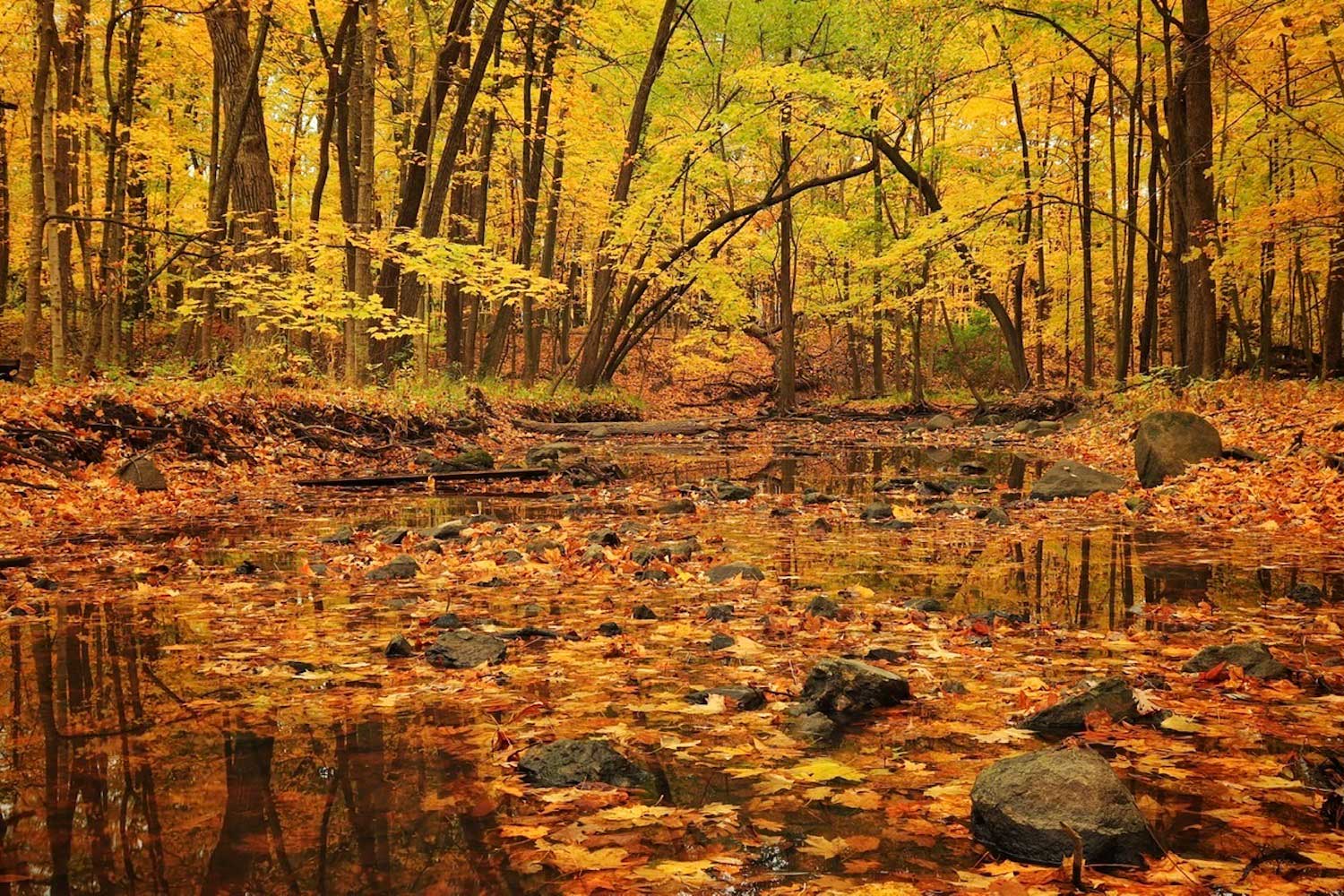
There comes a time each fall when the tree canopy reaches its peak — a dazzling mosaic of yellows, oranges, reds, purples and browns. It may just seem like Mother Nature is showing off, but the spectacular color show is the result of complex yet gradual changes in each of those lovely leaves — leaves that were all green not all that long before.
The yellows and oranges and reds and purples and browns that paint our forests each fall are the result of pigments, which is also why leaves start off as green. They are green in the spring and summer because of the presence of a pigment called chlorophyll. Chlorophyll is what makes the leaves green, and it also helps the trees make energy through photosynthesis, according to the U.S. Forest Service.
Think back to middle school biology. Remember the photosynthesis equation? Plants use carbon dioxide, water and sunlight to make energy in the form of glucose and oxygen. Chlorophyll is important in photosynthesis because it absorbs the energy from the sun.
As summer continues on, the days begin to get shorter as the sun rises later and sets earlier. The angle of the sun also changes as we move closer toward fall. The leaves on our trees are sensitive to these changes, and less sunlight signals the leaves to stop producing chlorophyll, according to the National Oceanic Atmospheric Administration. When the chlorophyll begins to break down in the leaves without being replaced, the green color begins to fade away. When that happens, it allows the colors of other pigments to become visible.
The various leaf colors we see in fall are created by these different pigments. Shades of yellow are created by pigments called xanthophylls, while shades of orange come from pigments called carotenoids and reds and purples are from anthocyanins, the NOAA reports.
Each tree produces the same color leaves each fall, but the vividness and vibrancy can vary from year to year based on the weather conditions in late summer and early fall. The brightest displays happen in years with stretches of warm, sunny days with cool but not freezing nights, according to the Forest Service. These are the optimum conditions because the sunny days allow the leaves to produce sugars but the cool nights prevent the sugars from leaving the leaves.
In particular, this weather pattern can make red and purple leaves appear brighter because anthocyanins — the pigments that create red and purple leaves — are most affected by sunlight and sugar production, the Forest Service reports. There is less variance from year to year in the appearance of yellow and orange leaves because the pigments causing those colors are always present so they aren't as influenced by weather condition as summer turns to fall.
Other weather and environmental factors, such as rainfall, temperature and even food supply, can affect how leaves change color, but none of these factors is nearly as impactful as the decreasing amount of sunlight, the Forest Service reports.
Want to know what colors you can expect to see in your neighborhood? Oak leaves turn red or brown, while hickory leaves will turn a shade of golden bronze, the Forest Service reports. You'll see yellow leaves on aspen, birch and poplar trees, and beech trees typically have tan-colored leaves in fall. The most color variation occurs among different maple tree species. Red maples have bright red leaves, while sugar maple leaves are an orangish-red color and black maple leaves turn yellow.
Once fall color fully sets in, it doesn't stick around for too long. After a few weeks, the leaves will begin to fall from the trees. Leaves are too delicate to survive winter, and if they remained on the trees it would make the trees themselves more vulnerable to damage from winter weather, according to the Smithsonian Institute.
To avoid this, the trees will create a seal between the leaves and their branches. Once the seal is formed, the leaves no longer receive fluid from the tree. After they are cut off from fluid, they eventually fall from the tree, leaving the tree bare until spring returns once more and the process begins all over again.