Dung beetles get down and dirty in dung
Most of us go out of our way to avoid piles of dung and manure on the ground, but for dung beetles, those piles of poop look inviting and hospitable. And it's lucky for us that they do because these insects do some important work in there.
Dung beetles earned their name because they feed on and even live in and lay their eggs in animal waste. As gross as that may seem, their lifestyle is a benefit to us because it helps reduce the amount of animal waste in our environment. They also reduce the population of pesky insects like flies that also like to congregate on poop, and they help return nutrients to the soil much more quickly, improving soil quality, according to the Missouri Department of Conservation.
North America is home to about 75 species of dung beetles, and they live on every other continent except Antarctica, the San Diego Zoo reports. Their size and appearance vary by species. Most are dark colored, but they can be bright shades of green or red, and most are less than 1 inch long.
They can live in just about any type of habitat, from desert to prairie and from forest to farmland. Their only habitat requirement is access to dung, and they are partial to manure from herbivores because many of these animals, like cows and elephants, don't digest the plants they eat very well, leaving a lot of liquid and partially digested grass and plants behind, according to the San Diego Zoo.
Most dung beetles eat from the poop piles where they congregate, but others eat carrion, fungi or decaying plant matter, according to the Missouri Department of Conservation. Some have long, straw-like mouthparts that allow them to slurp up liquids. For dung beetles that eat feces, moisture level is important. If it's too dry, they won't get the necessary nutrients from it.
Dung beetles have some unusual anatomical features that help them live in and around dung. They have spurs on their back legs that help them roll up small balls of dung from the master pile, the zoo reports. They also have strong front legs to dig into piles of poop. Males can also use their front legs to fight off other dung beetles and predators, plus some have horn-like appendages on their heads and bodies that help them fight.
So how do they find the dung they need to live and reproduce? Their antennae help them hone in on a perfect pile. Most are skilled flyers, so they may travel several miles to find dung where they can do their business.
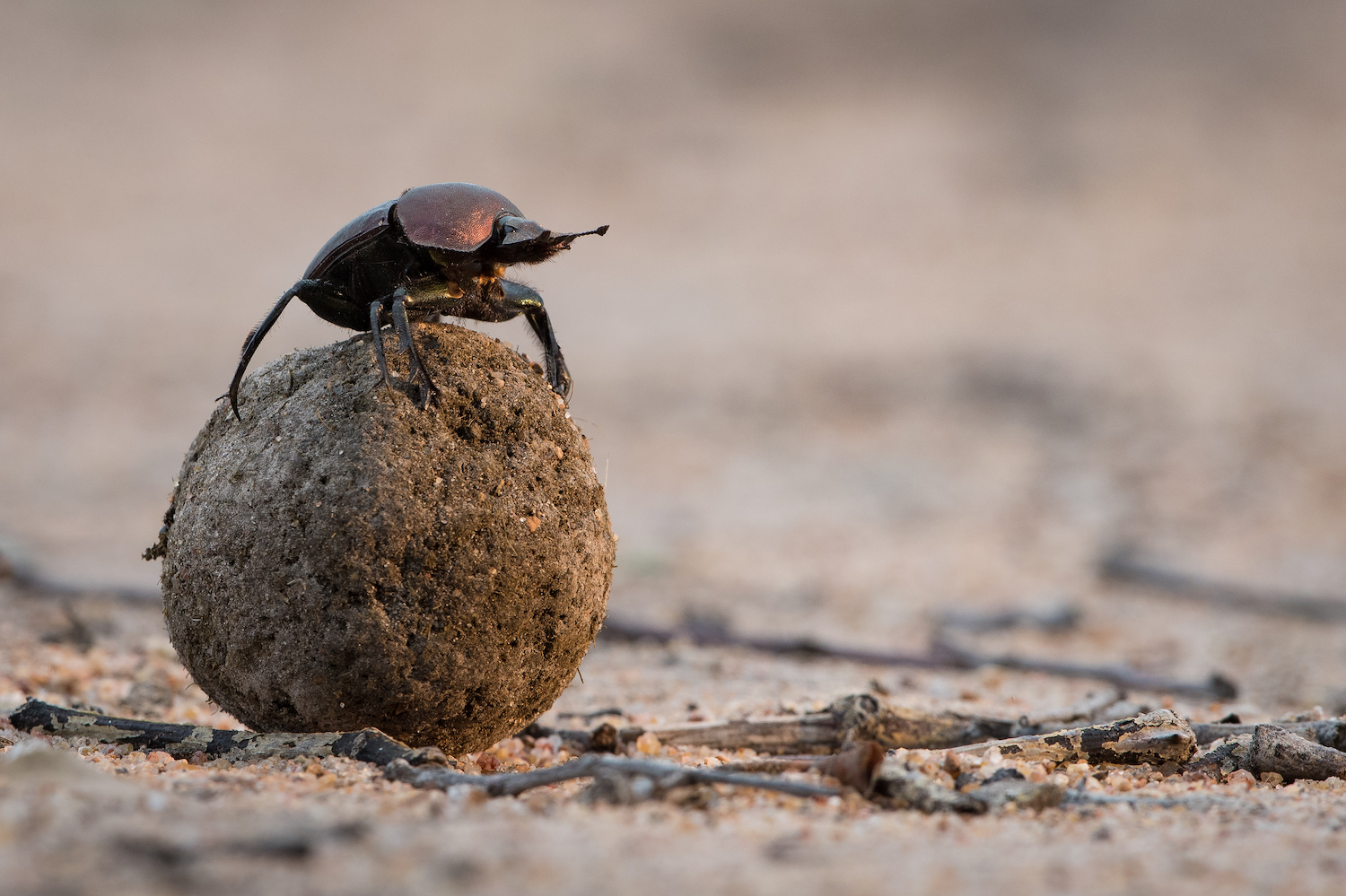
Dung beetles use dung in different ways, and this is how scientists classify them, the San Diego Zoo reports. Some form a small amount of dung and roll it into a ball and bury it. These are called rollers. Some tunnel into wet dung and bury part of it underground, so they are called tunnelers. A third group, called dwellers, sit atop the dung.
No matter what they do with the dung, they are doing it for an important reason: to lay eggs and raise their offspring. For rollers, a male will offer a female a small pile of dung. If she is agreeable to his offer, they will roll the pile to a new spot, with the female riding atop it, and then mate, the San Diego Zoo reports. A pair of tunnelers will burrow to the bottom of a dung pile and set up a place for their larvae, once hatched, to stay safe and protected. Dwellers use the top of the dung pile, with females laying eggs on the pile, and the eggs hatching and then growing into adults within it.
Some adult dung beetles take care of their offspring, which is unusual in the insect world. Some female rollers will stay close to their ball of dung for as long as two months to clean the larvae, according to the zoo. Tunnelers are even more attentive parents. Male tunnelers will bring feces home to the dung pile while the female will sort out and arrange the dung in their tunnel. Both parents stay with their larvae until they mature.
Some ancient cultures, like the Egyptians, revered dung beetles, which they called scarabs. They considered these beetles a symbol of rebirth, the Missouri Department of Conservation reports.
Today, these creatures remain an important part of the ecosystem, playing a key role in how nutrients are broken down and returned to the soil as they burrow into and bury animal waste. These beetles also help rid the environment of waste because they eat dung.
In some areas of Texas, dung beetles are able to bury about 80% of the manure cows leave in their wake, the San Diego Zoo reports. Without the beetles, that poop would litter the landscape, altering plant life and also allowing flies and other insects to take over. In some places in Australia, they have actually introduced dung beetles into an area to help control the amount of manure left behind by cattle.