
Hadley Valley
Location
Hadley Valley has three access areas:
- Bruce Road, located on Bruce Road east of Interstate 355, in Homer Township.
- Gougar Road, located on Gougar Road north of Route 6/Maple Road in Joliet.
- Route 6, located on Route 6/Maple Road east of Farrell Road in Joliet.
Hours
8 a.m.-sunset
Trails
Spring Creek Greenway Trail
Veterans Memorial Trail
Phone
815-727-8700
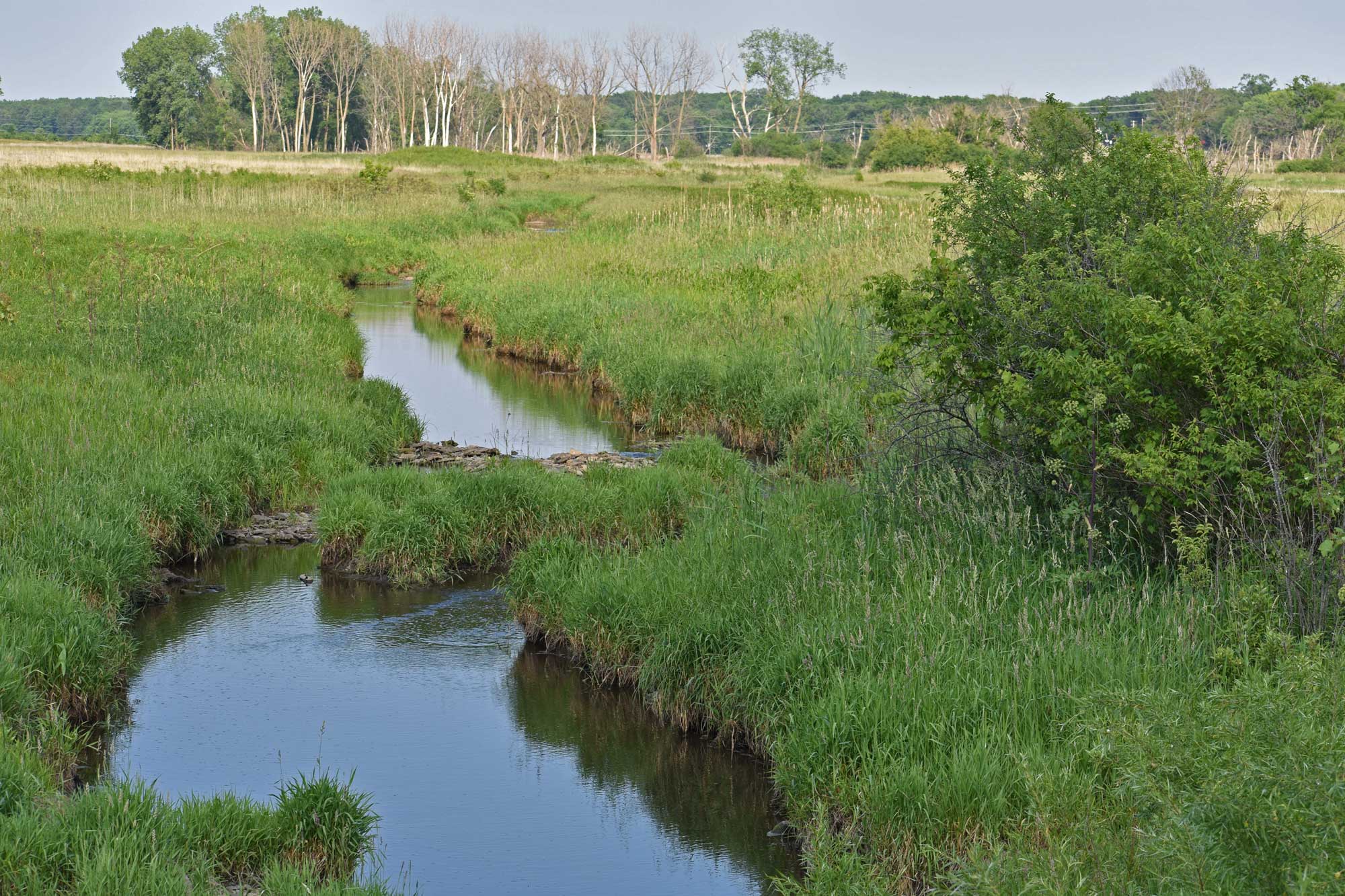
Encompassing 854 acres, Hadley Valley offers a dynamic mix of habitats shaped by both natural processes and extensive restoration efforts.
The preserve has three access areas: Bruce Road in Homer Glen, Gougar Road in Joliet and Route 6 in Joliet.
Planning your visit
Hadley Valley Preserve is open 8 a.m. to sunset every day of the year except Christmas.
Amenities and activities
- Picnicking: Two picnic shelters are available. Bruce Road Access offers a shelter for groups of fewer than 25 people on a first-come, first-served basis; no permit is required. Gougar Road Access offers a reservable shelter with a capacity of 100 people.
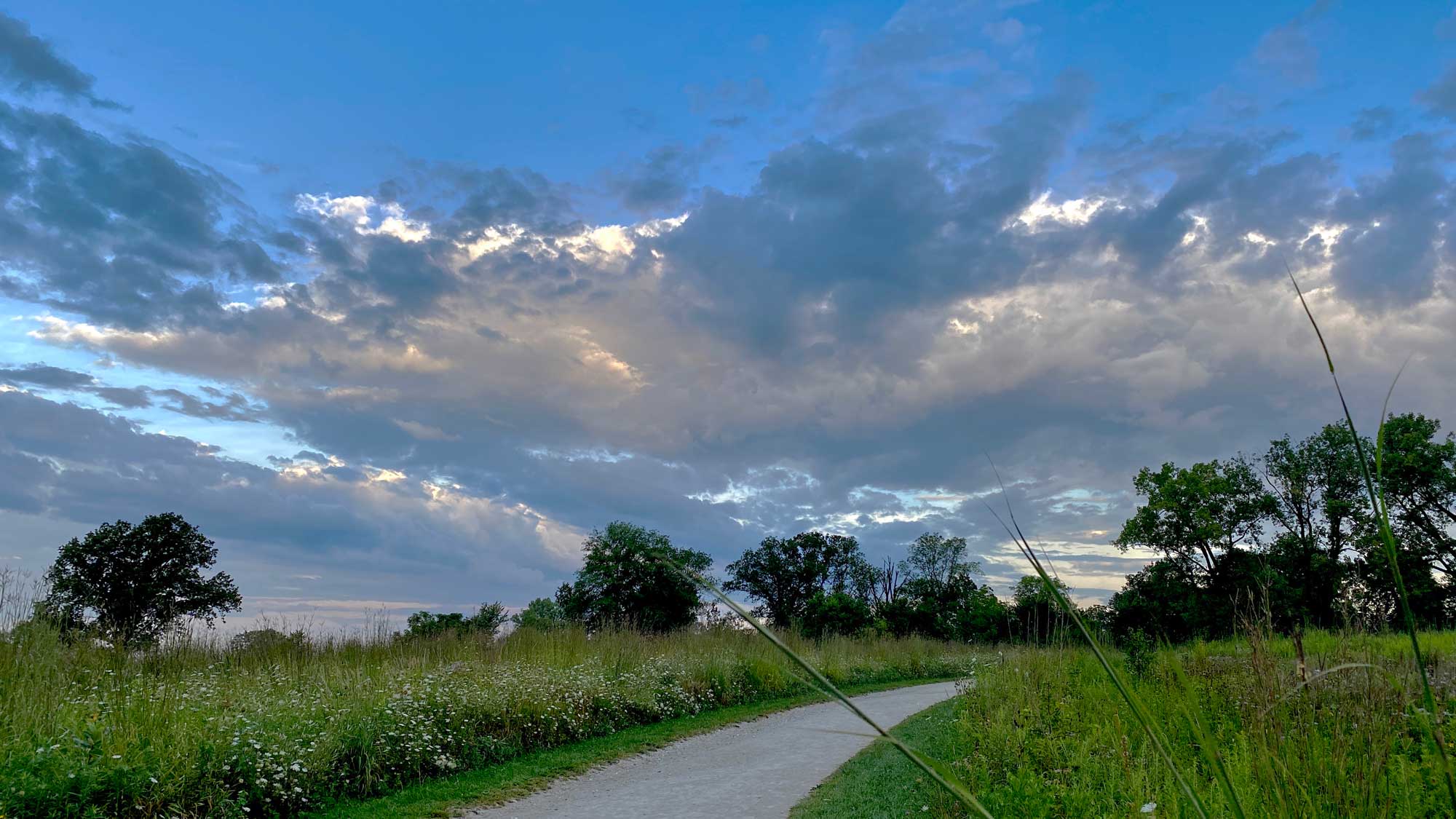
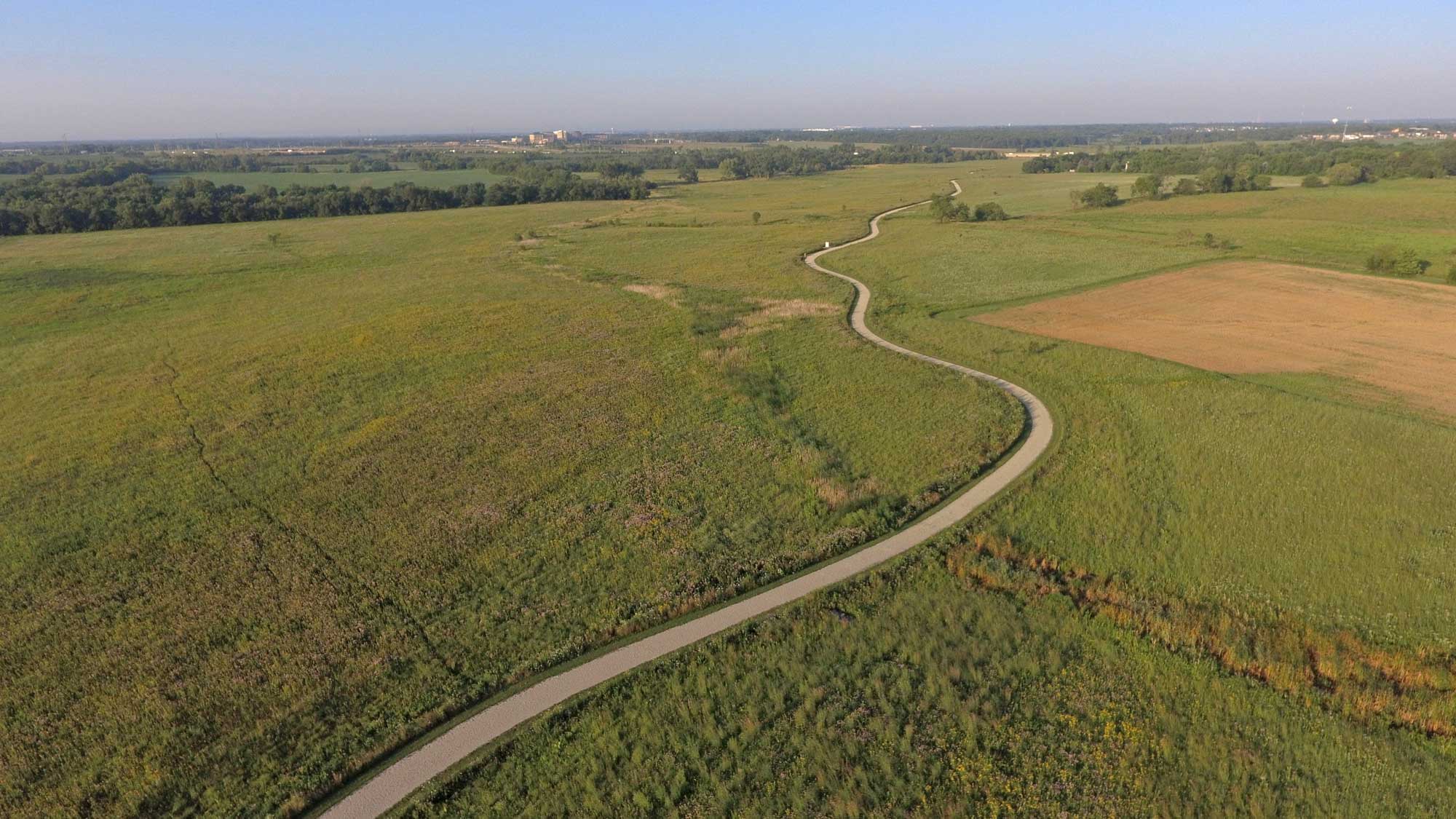
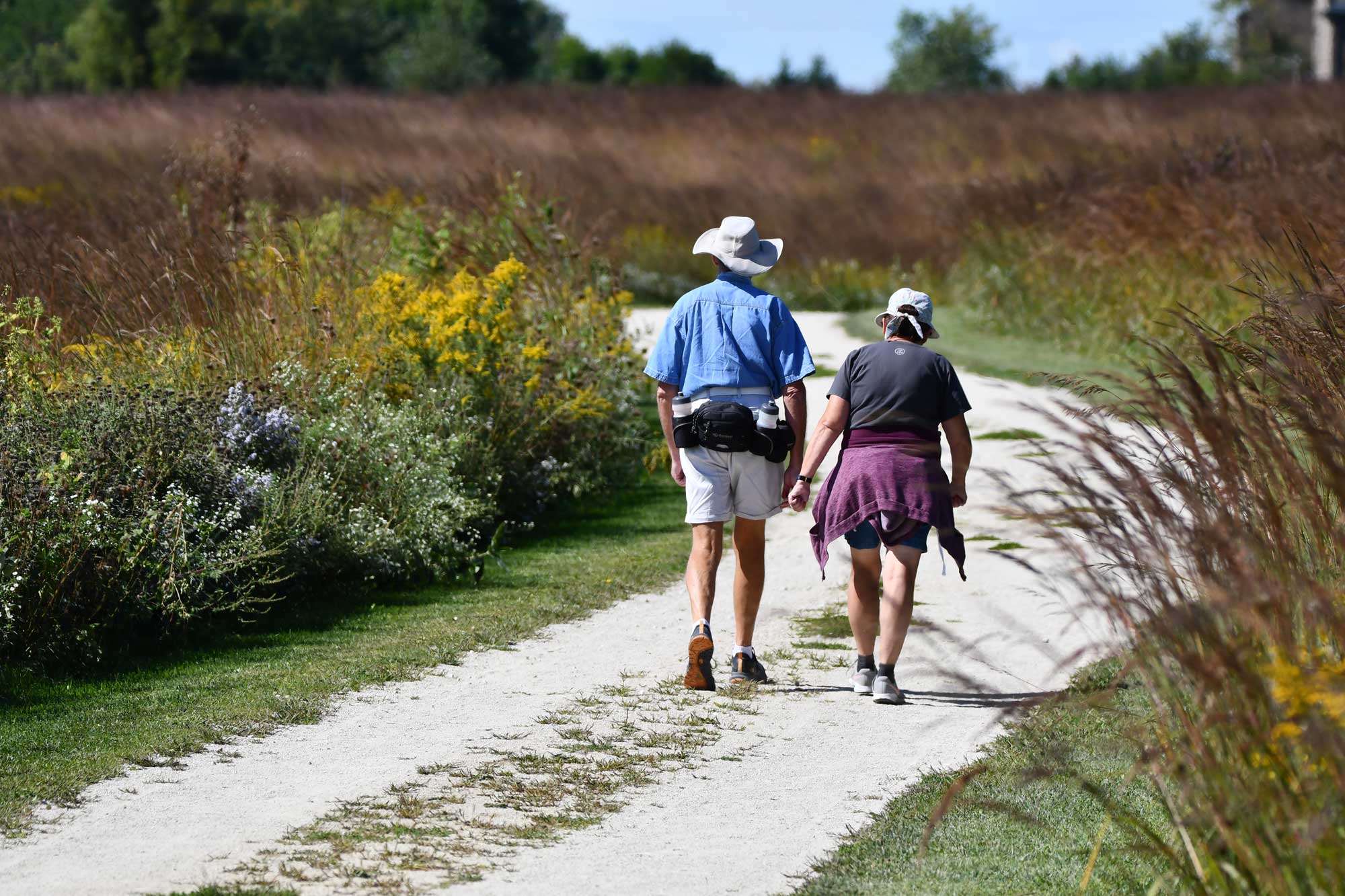
- Trail: All three access areas connect to a 5.09-mile segment of the Spring Creek Greenway Trail, ideal for biking, horseback riding (trailer parking available), hiking, running, cross-country skiing and snowshoeing. Most of the trail is crushed limestone except for around 0.25 mile that is paved from Interstate 355 east to a bridge over Spring Creek. The paved portion has a wider mowed shoulder to allow equestrians to continue their rides.
Flora and fauna
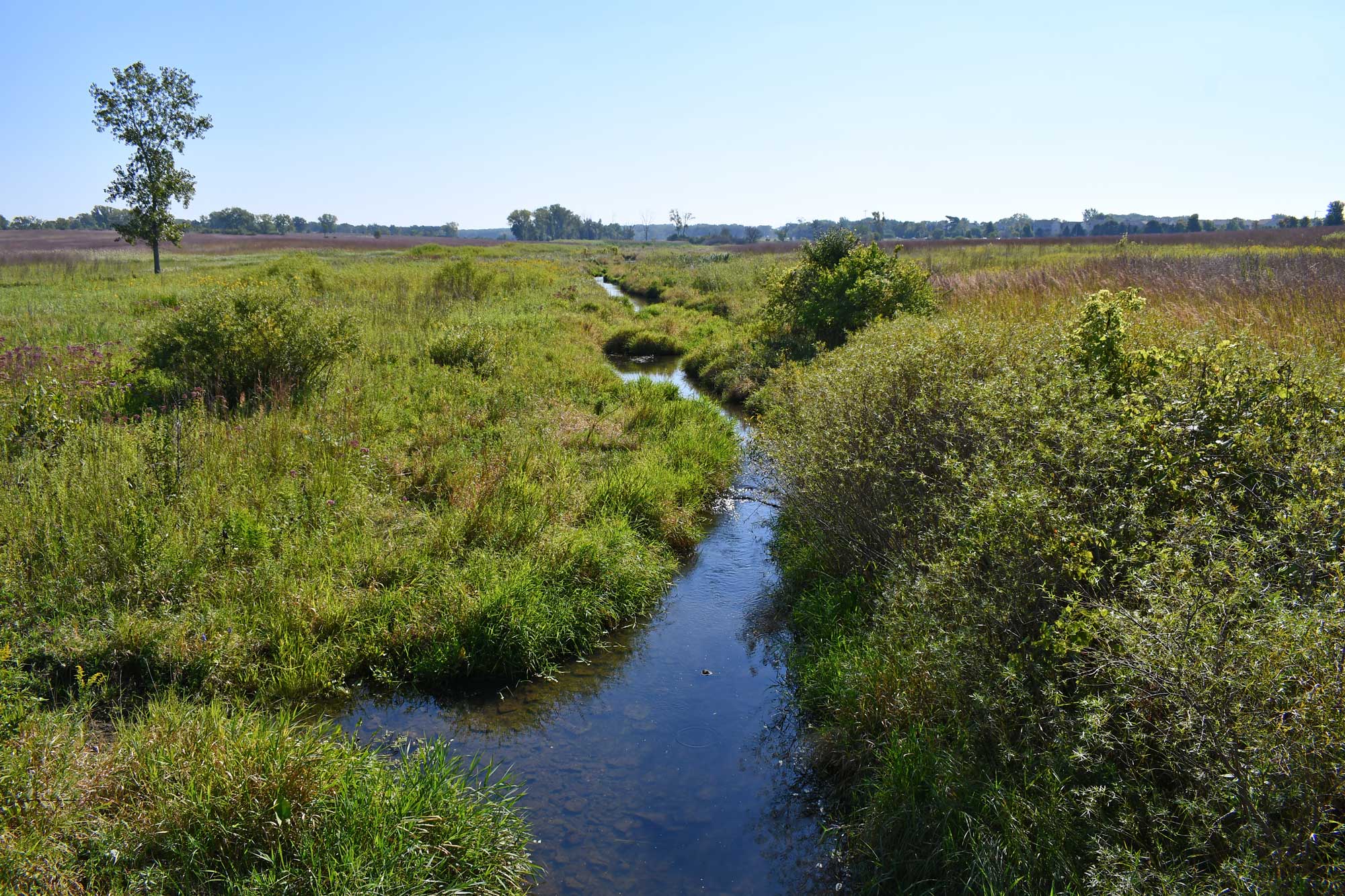
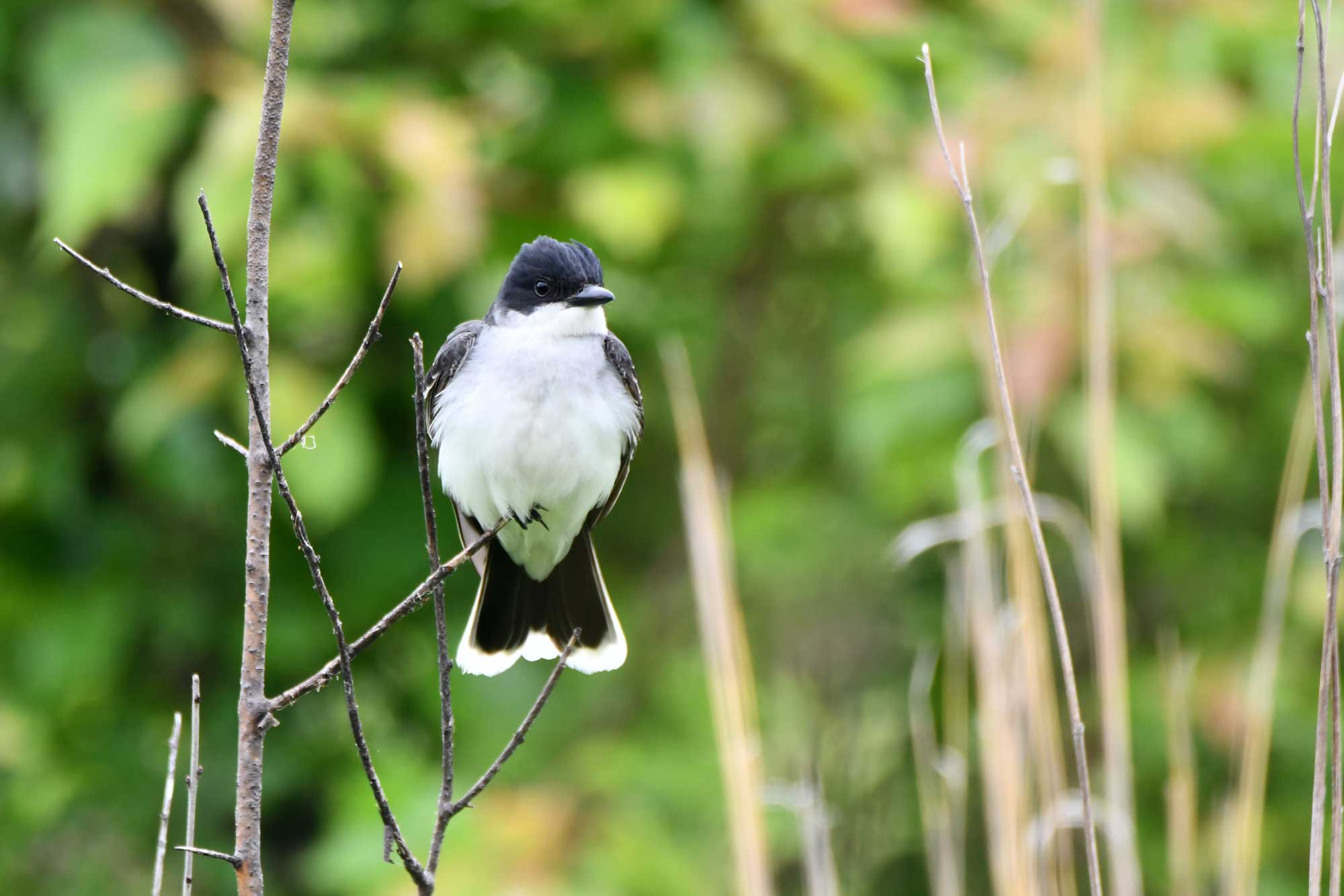
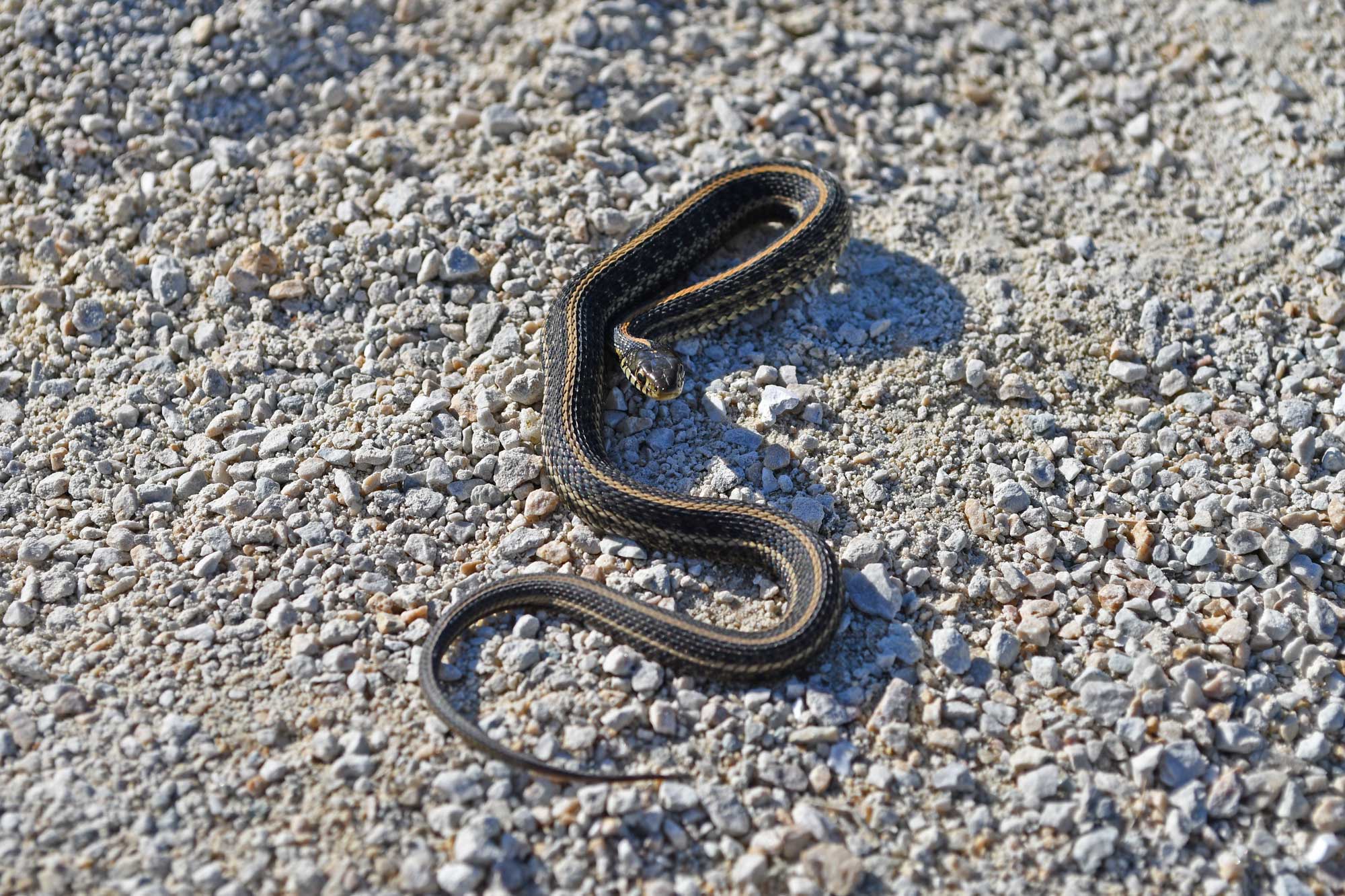
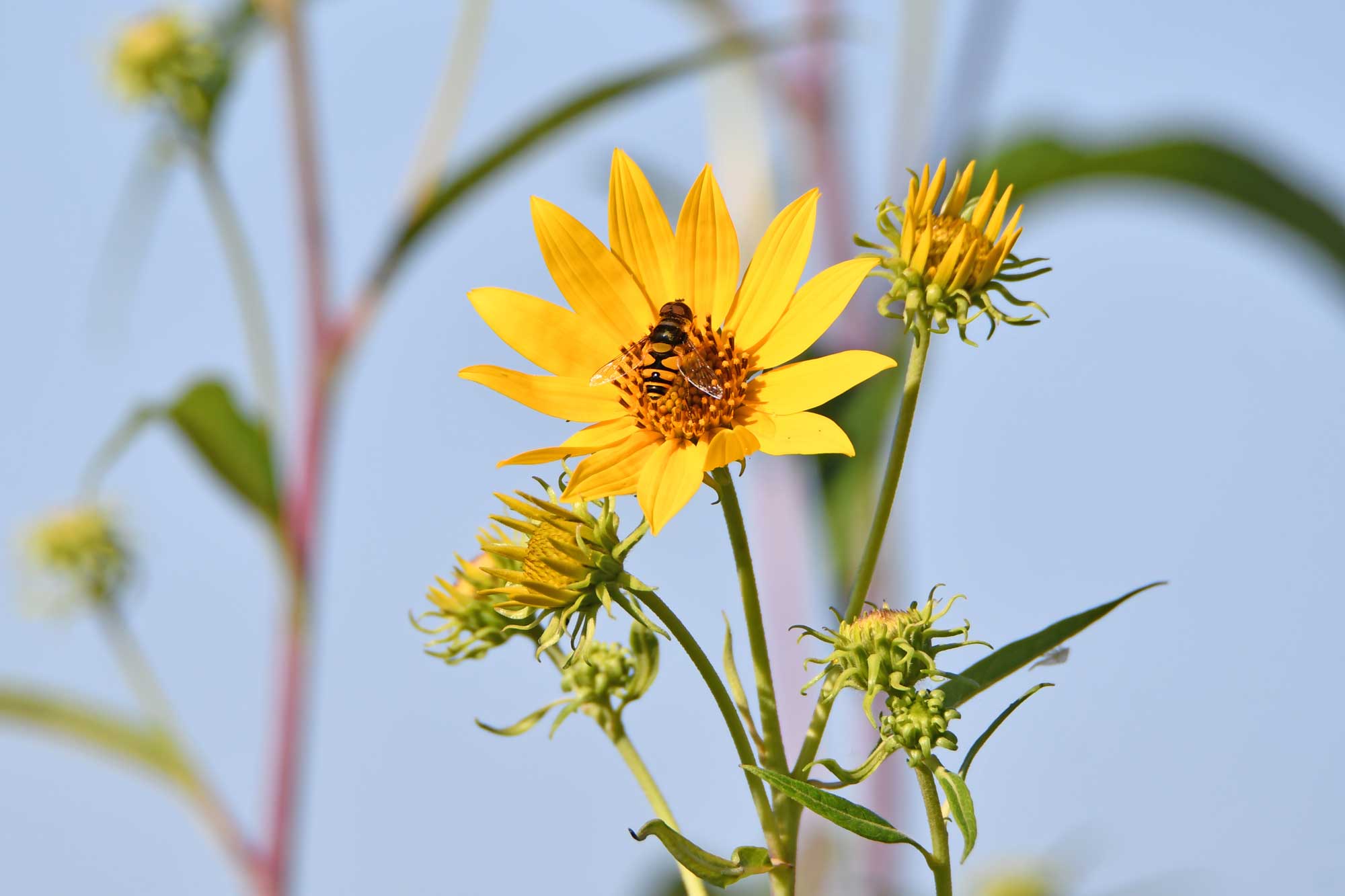
Hadley Valley protects a diversity of habitats, including forest, savanna, wetland and a portion of Spring Creek. Wildlife at the preserve includes hundreds of species of insects, birds, aquatic invertebrates, fish, mammals, amphibians and reptiles. The preserve’s plant communities include tall swamp marigold, wahoo, great angelica, yellow avens and shingle oak. The site is managed through invasive species control, prescribed burning, native species establishment and soil stabilization to support healthy ecosystems.
Hadley Valley is also the site of the largest restoration project in the District’s history — a 500-acre effort that included stream de-channelization, wetland restoration and wildlife habitat improvements in partnership with the Illinois State Toll Highway Authority, Openlands, the U.S. Army Corps of Engineers and the O’Hare Modernization Program.
This project has received multiple honors, including the 2019 Excellence in Ecological Restoration Program accreditation from Chicago Wilderness, the 2010 Illinois Chapter of the American Planning Association Implementation Award, the 2009 Illinois Parks & Recreation Association Outstanding Conservation Program Award and the 2008 Chicago Wilderness Excellence in Conservation Award.
Preserve history
Hadley Valley was acquired between 2000 and 2014. The preserve is part of the Spring Creek preservation system, which protects more than 2,200 acres.
Upcoming events
View all events
Full Moon: Hunt the Moon at Hadley Valley
Join us on a moonlight hike as we hunt for sights and sounds of wildlife while learning about hunting practices of the past.
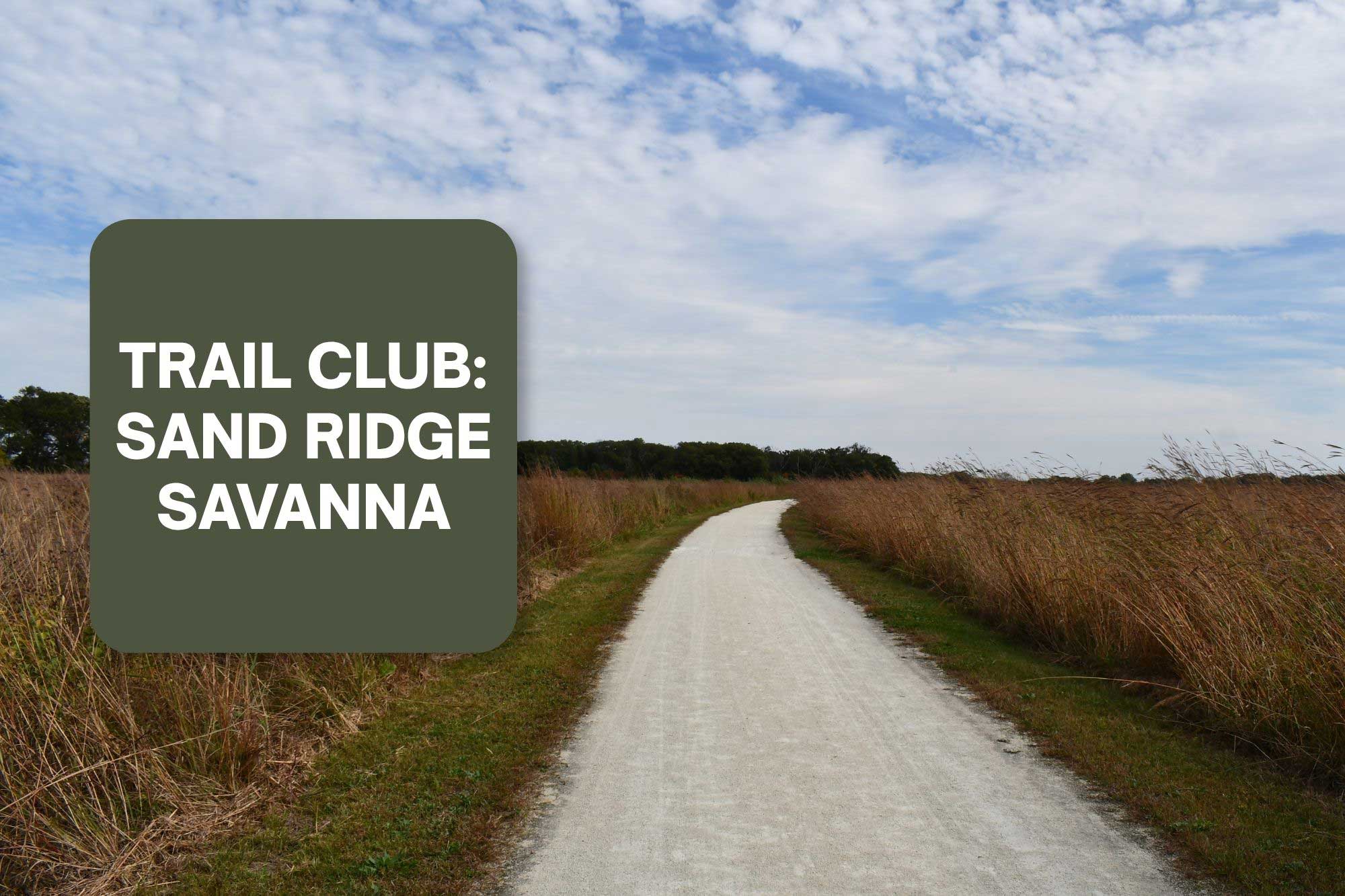
Trail Club: October at Sand Ridge Savanna Nature Preserve
Trail Club is back this fall. October's sessions will be at 8 a.m. Wednesdays at Sand Ridge Savanna.
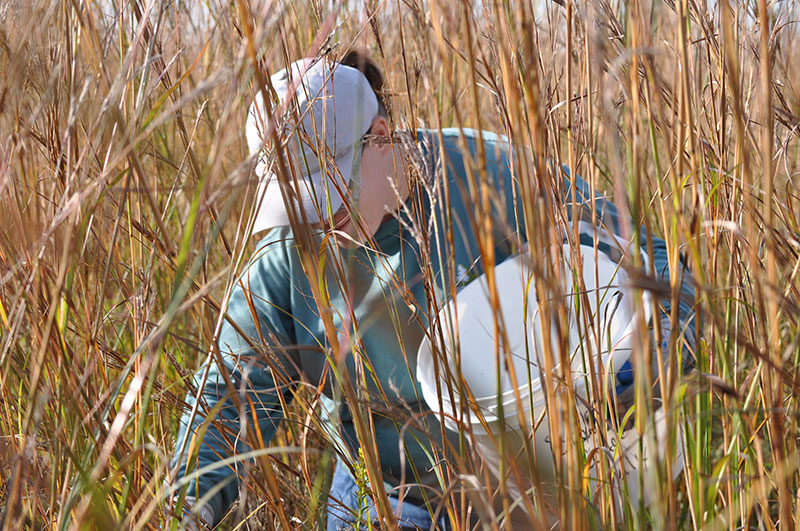
Volunteer Morning: Sand Ridge Savanna Nature Preserve
Get some fresh air and exercise while helping to make a difference in your community by attending one or more of the Forest Preserve’s volunteer mornings.
Latest headlines
View all headlines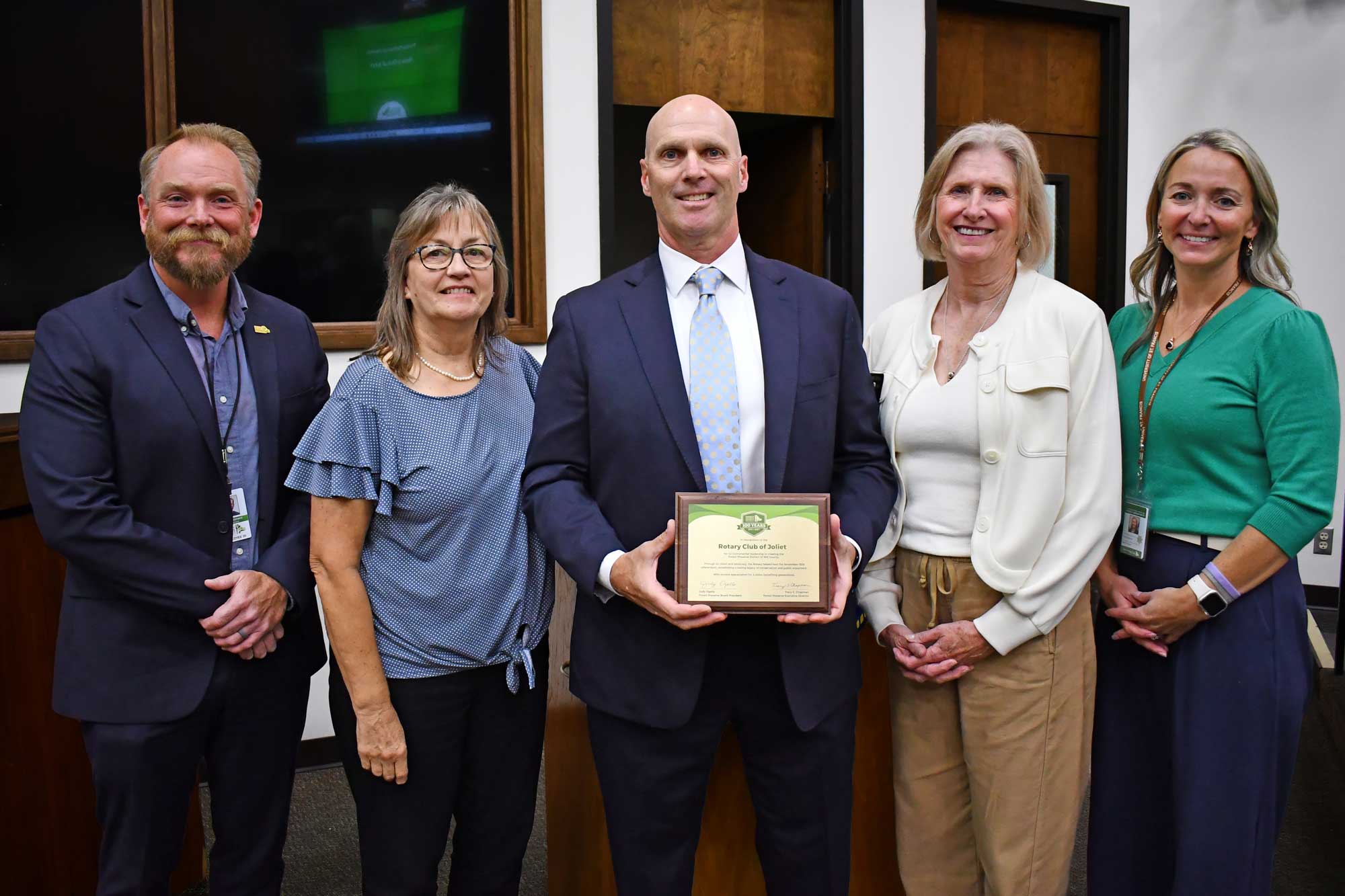
‘Absolute gem’: Rotary Club honored for role in Forest Preserve’s creation
Rotary Club's vision helped shape 100 years of preservation.
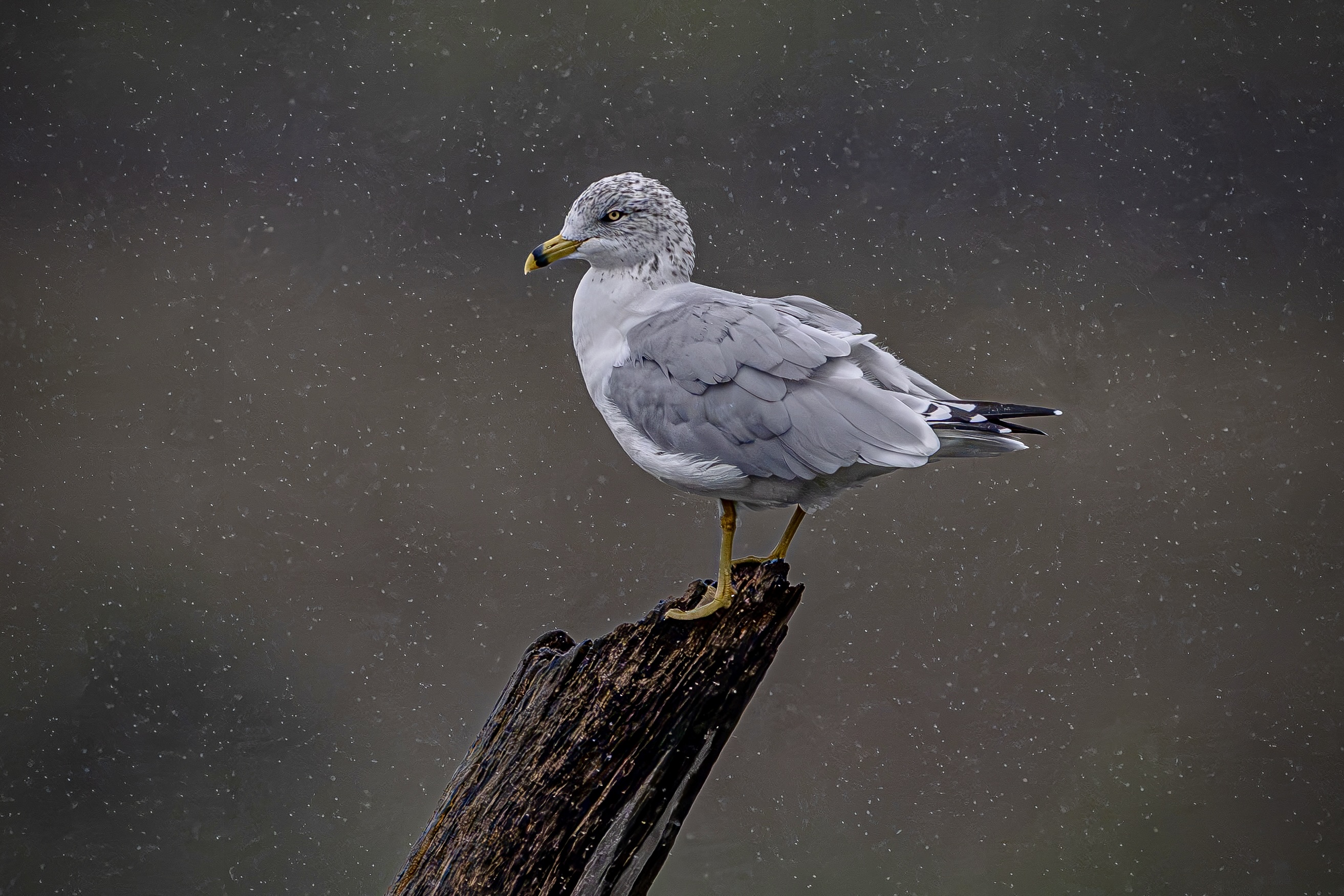
Rainy day gull shot wins September photo contest
Shorewood photographer captures moody moment at Whalon Lake Preserve.

Mocktails at Messenger Woods – a Halloween-themed program for adults
Sip seasonal mocktails, explore the preserve after dark and relax around a campfire on Oct. 15.
Frequently asked questions
Electric-assist bicycles are allowed within the preserves as long as they meet certain requirements. The bikes must:
- Be low speed (an electric motor of less than 750 watts).
- Have a maximum speed of less than 20 miles per hour.
- Have functional pedals.
- Have a rider who is 16 years of age or older.
Per the District's General Use Ordinance, persons riding a bicycle must conform to federal and state bicycle laws.
Prescribed fire is a carefully planned activity, and controlled burns are conducted under specific weather conditions by trained professionals. Many Illinois ecosystems — including prairie, oak savanna and woodland — evolved with periodic fire. Prescribed burning helps:
- Control invasive species
- Encourage native plant growth
- Recycle nutrients
- Maintain healthy ecosystem structure
Burns are conducted with public safety as the top priority.
Natural material of any kind cannot be removed from the forest preserves.
A picnic permit can be obtained in person at Four Rivers Environmental Education Center in Channahon, Hidden Oaks Nature Center in Bolingbrook, Isle a la Cache Museum in Romeoville, Monee Reservoir in Monee Township or Plum Creek Nature Center in Crete Township, Sugar Creek Administration Center in Joliet. A reservation can also be made online. Please note, Monee Reservoir only issues permits for the shelters and grove at Monee Reservoir. Reservations must be made at least two business days in advance of the reservation date.
To reserve the shelter at Four Rivers Environmental Education Center, call 815-722-9470.
Visit the picnicking page for more information.
The Forest Preserve District of Will County does not provide rehabilitation services or support for animals found on District or private property.
The state of Illinois provides guidance on its Wildlife Illinois website, including a list of licensed wildlife rehabilitators.
In addition, there are regional wildlife rehabilitation centers in other counties that may be of assistance including the DuPage Wildlife Conservation Center in Glen Ellyn and Flint Creek Wildlife Rehabilitation in Barrington.
If you find an injured bird, you can call Chicago Bird Collision Monitors at 773-988-1867 (you cannot text). The agency is staffed by volunteers who might be available to transport the injured bird to a rehabilitation facility.