Going with the grain: First organic crop harvested on Forest Preserve land
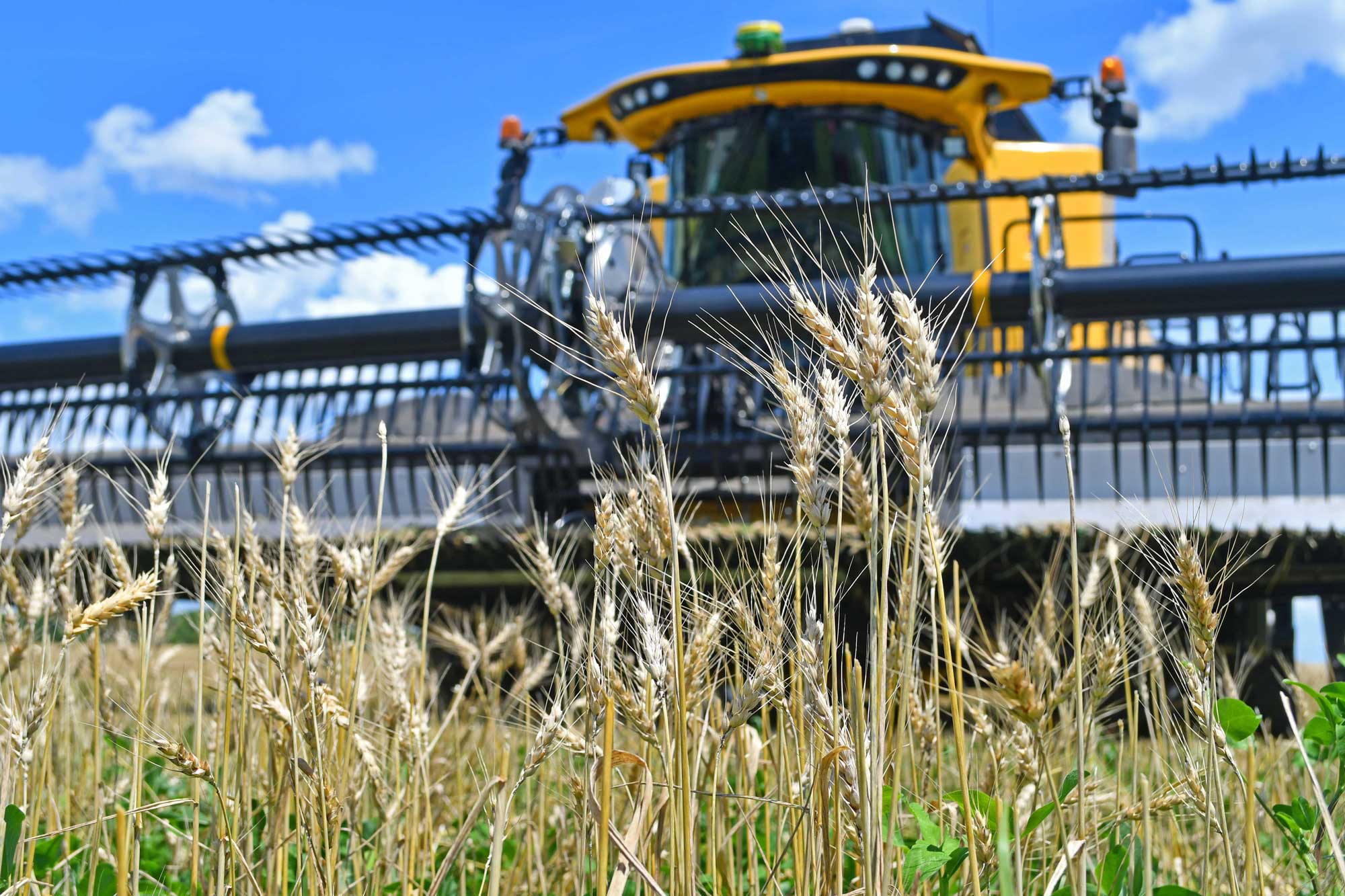
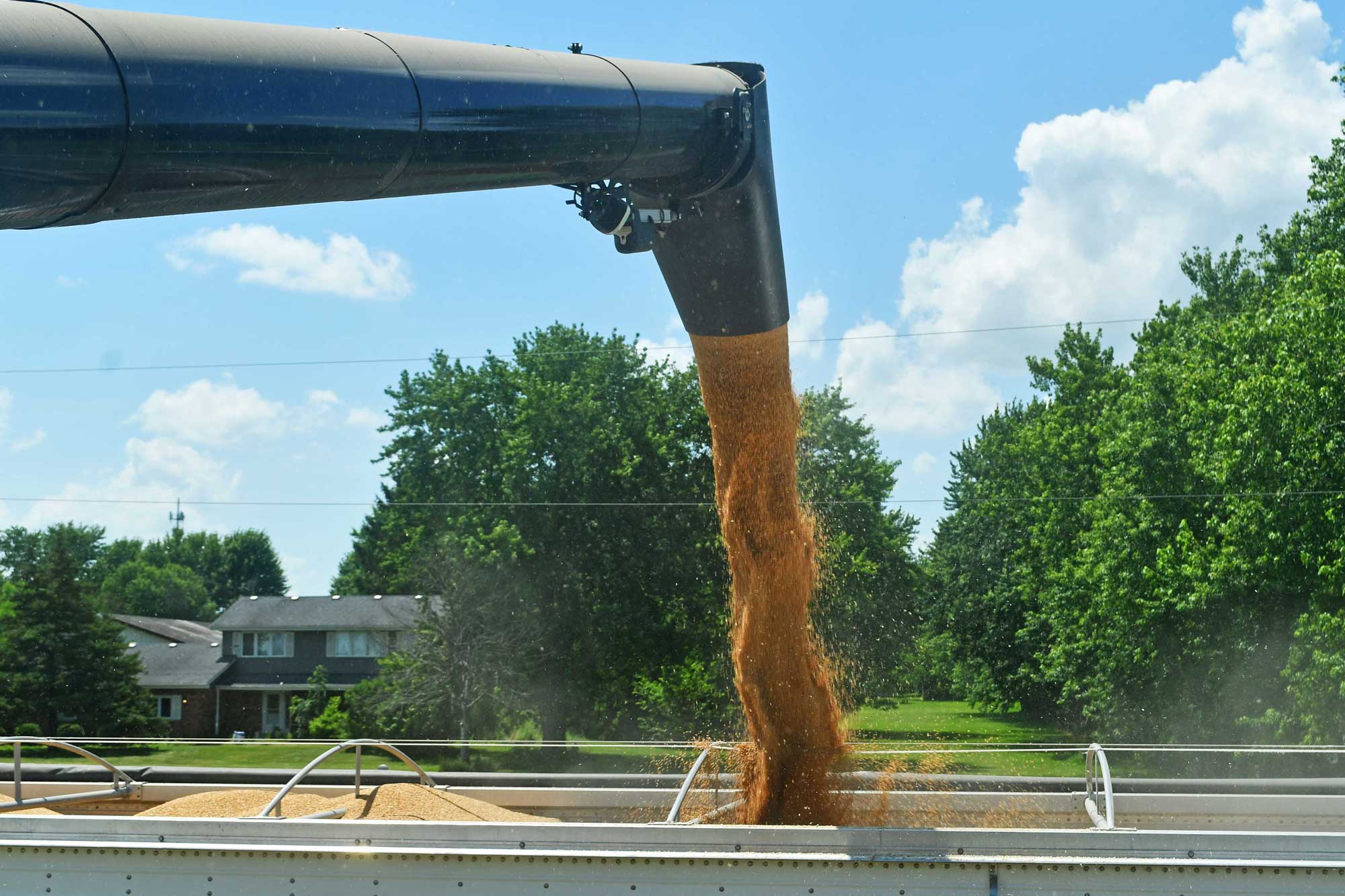
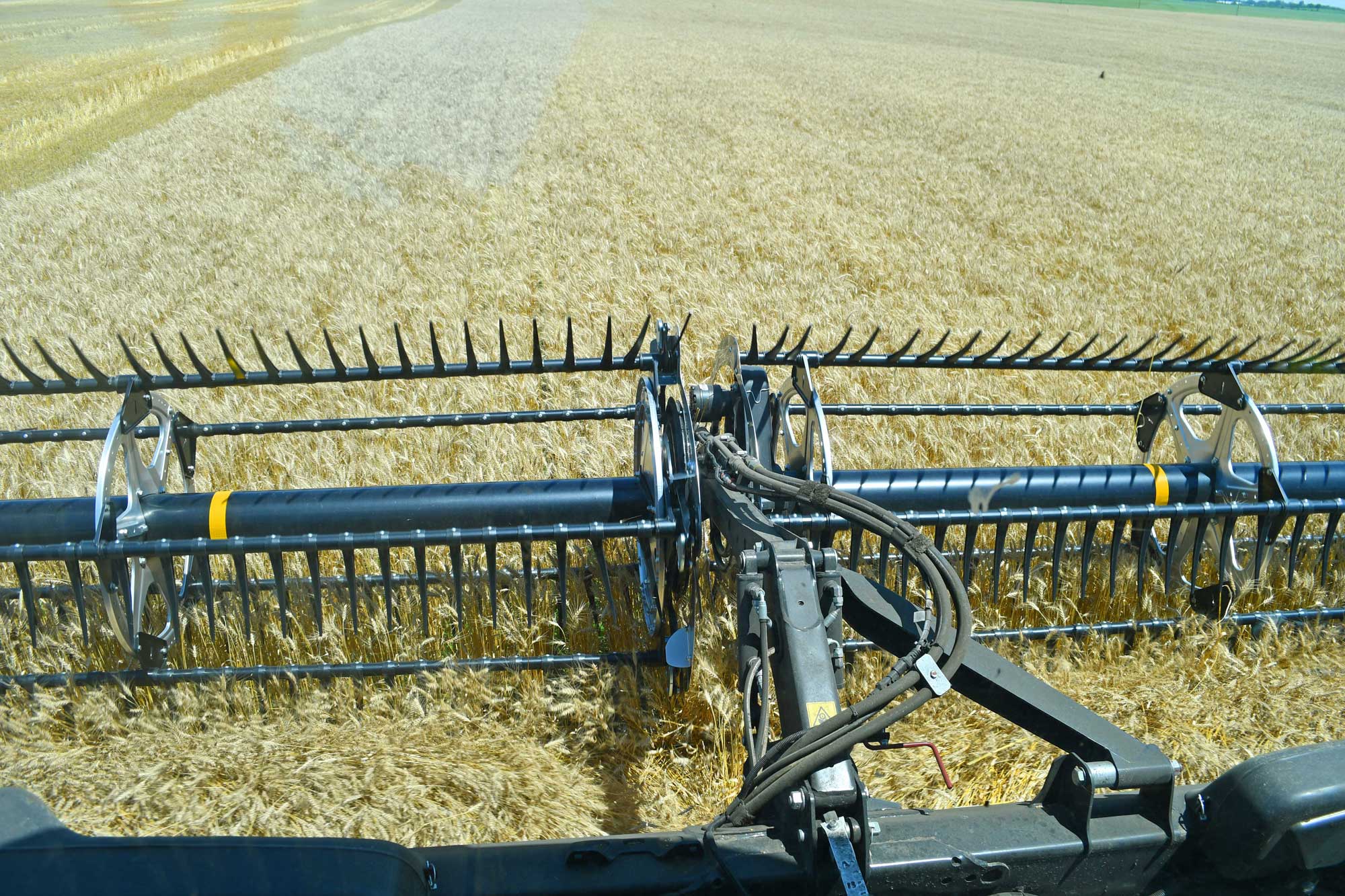
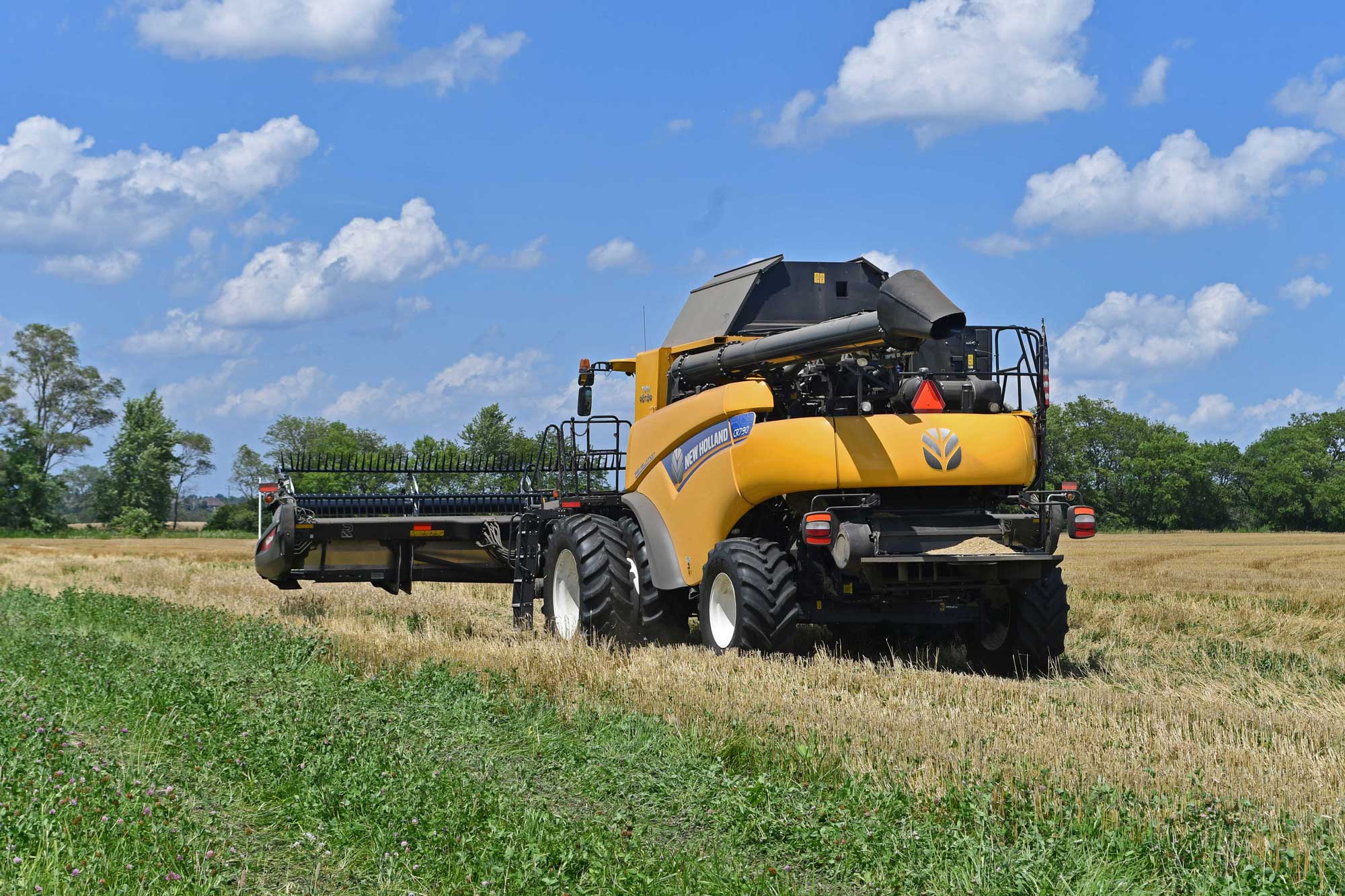
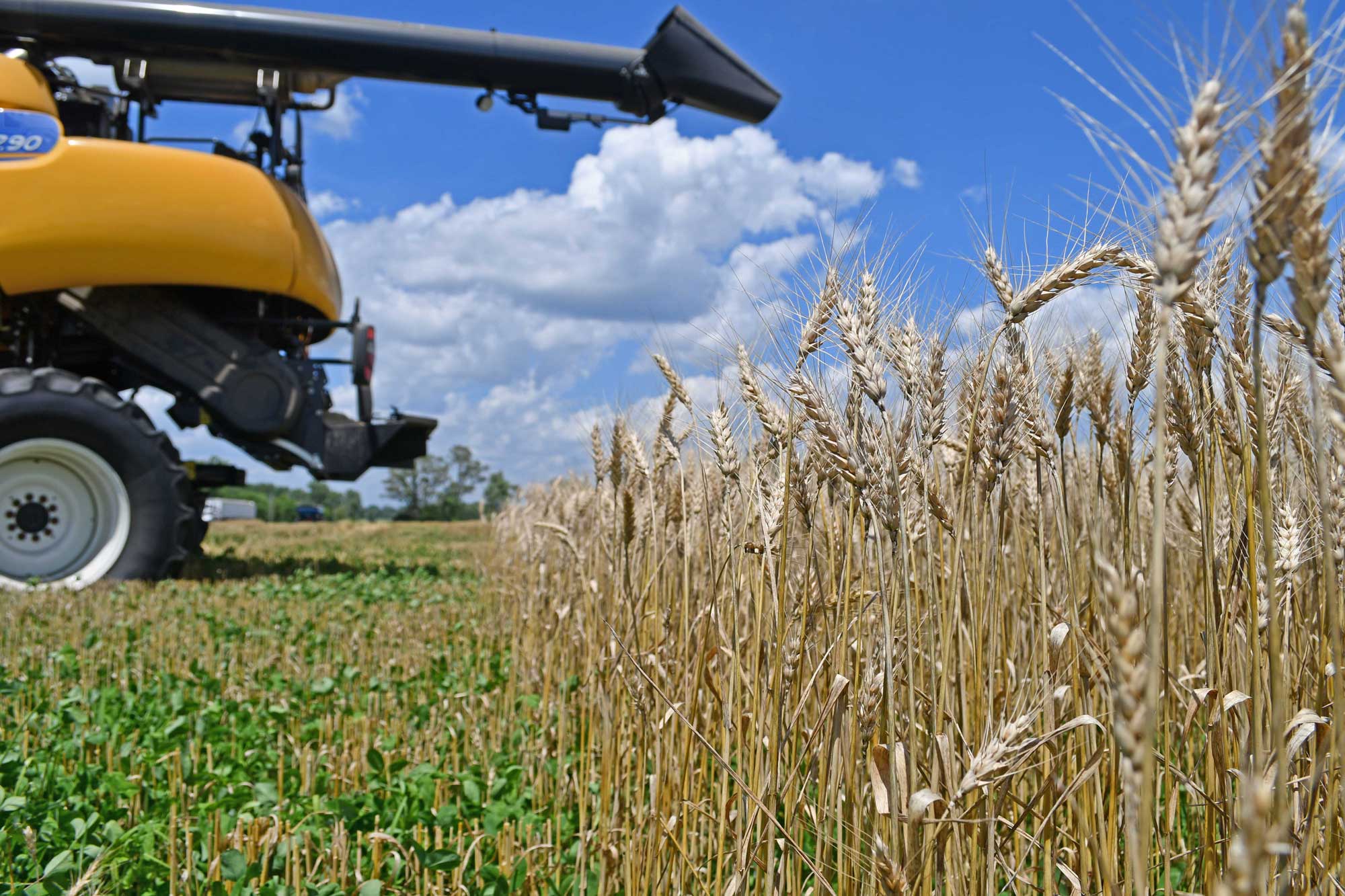
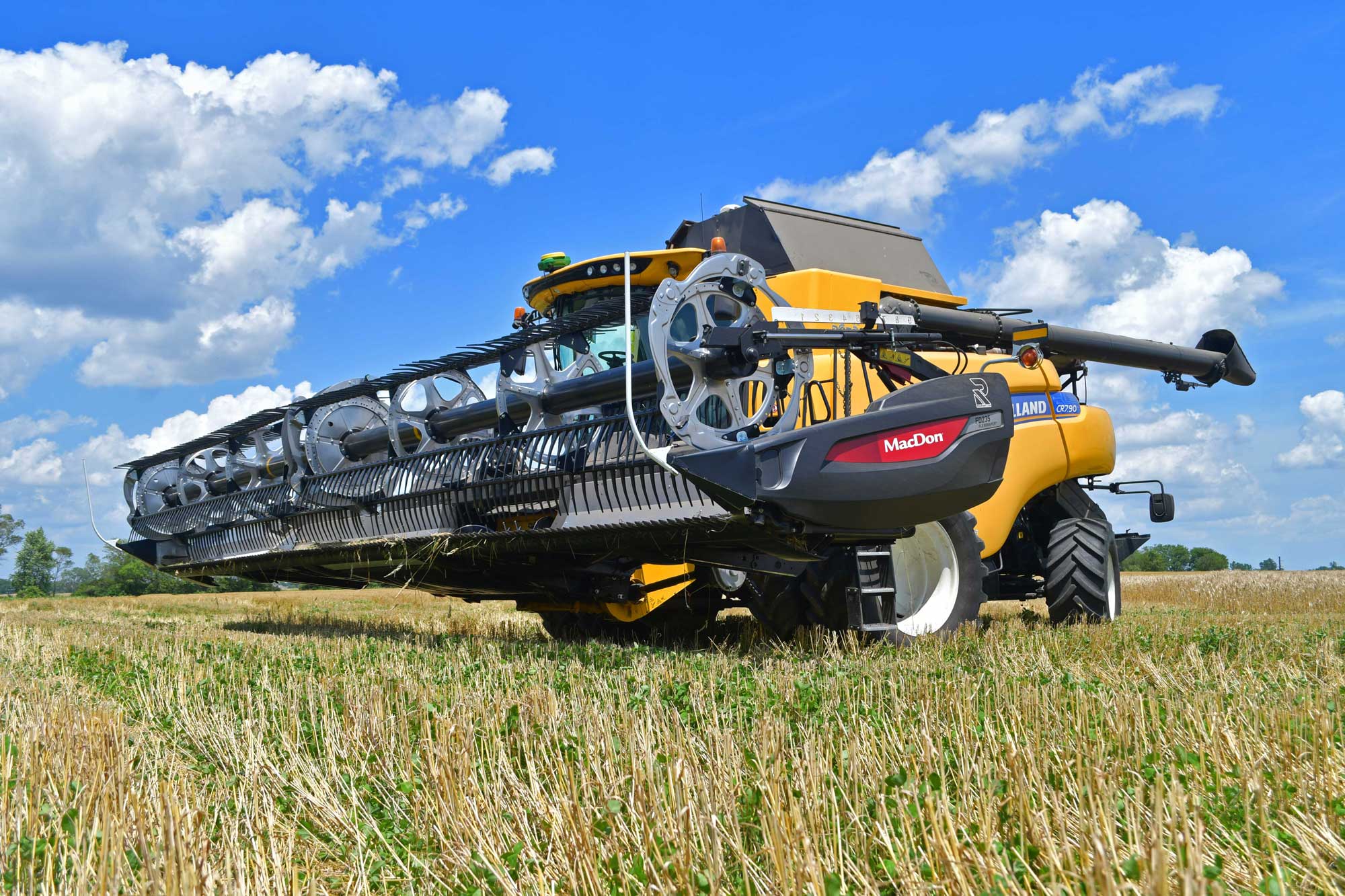
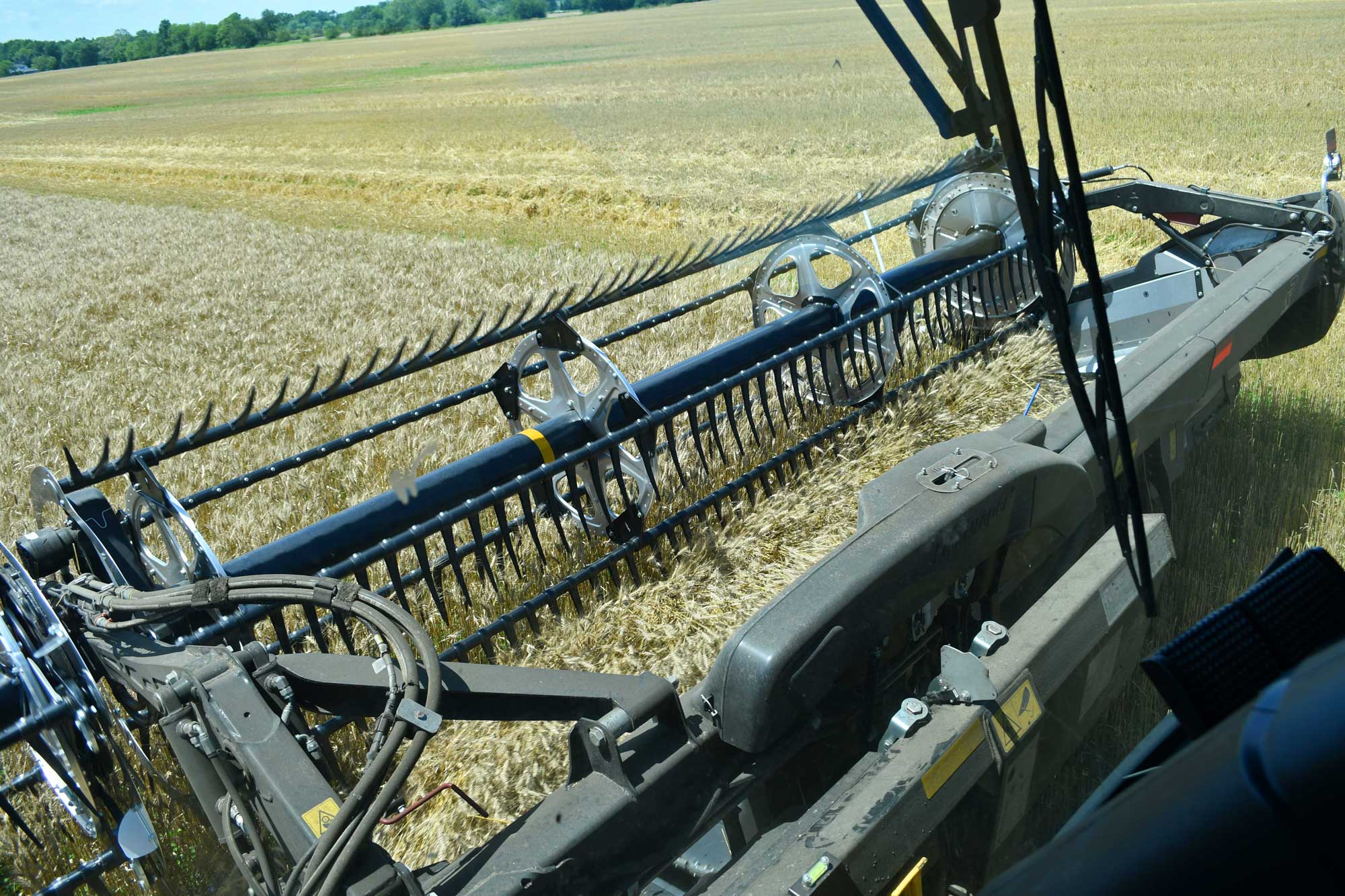
As most people were preparing for a festive Fourth of July weekend, farmer Doug Yunker was perched high in his massive combine harvesting wheat.
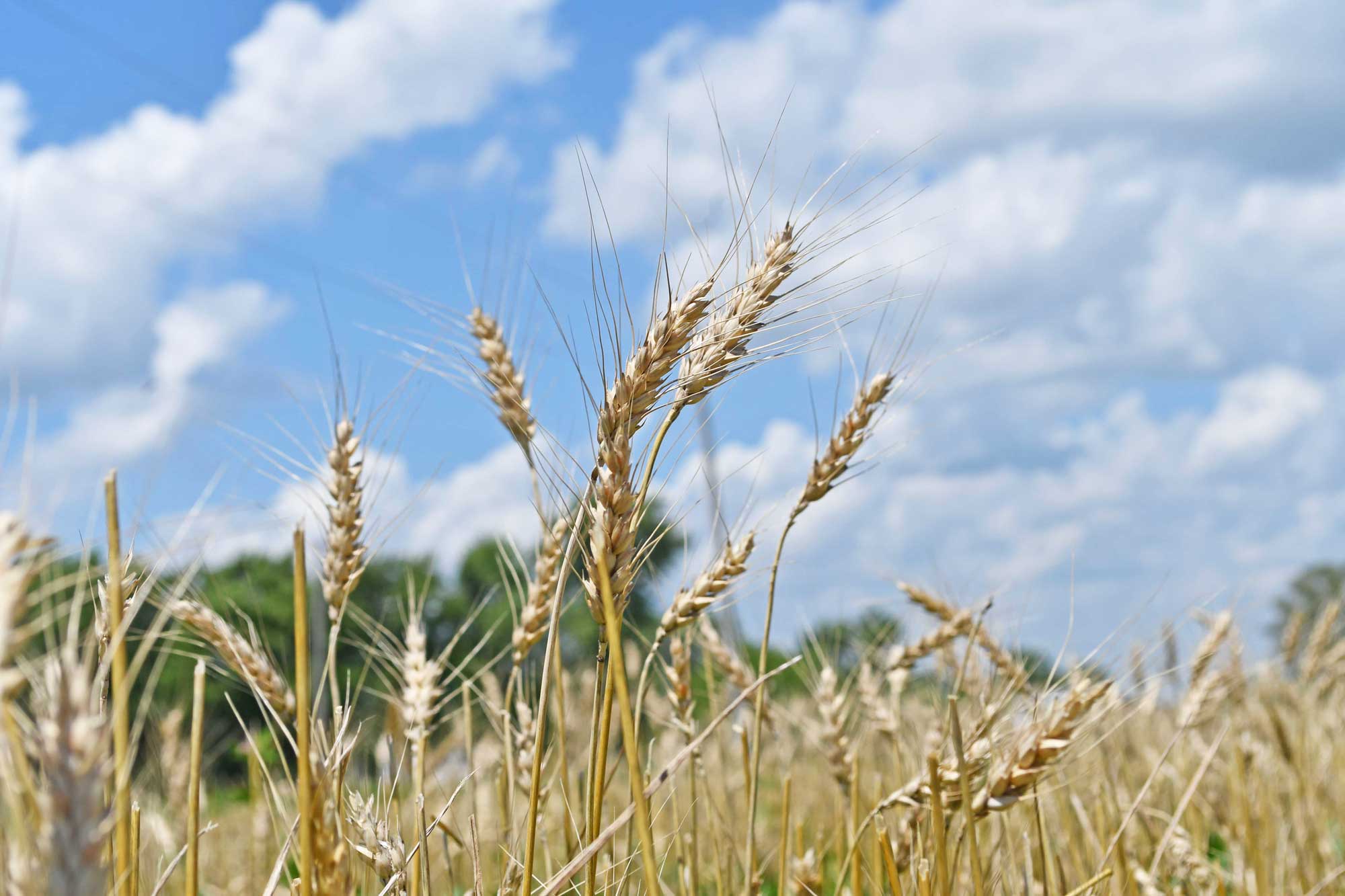
The grain collected was the first certified organic crop harvested on Forest Preserve District land. The harvest at Jackson Creek Preserve in Green Garden Township was the culmination of a multiyear plan to convert the field from conventional agriculture to organic farming.
Farming keeps invasive species and woody vegetation off the land until the District has the funds to restore it to its natural state. Acreage farmed using organic methods will make the transition even smoother.
“Organic farming improves soil health by relying on biological and mechanical practices rather than synthetic fertilizers and chemical pesticides,” said Judith Wallace, the Forest Preserve’s land management coordinator.
Cover crops used by organic farmers and natural fertilizers increase organic matter in the soil, she added.
“Higher organic matter improves water infiltration, reduces erosion and helps prevent soil loss,” she said. “Because synthetic chemicals are not used, there is also less risk of runoff entering nearby waterways.”
The Forest Preserve District has 3,165 acres in row crop farming: 2,778 acres in conventional row crops and 387 acres in organic crops.
Organic opportunity
Yunker, whose family has been farming in the region for more than 100 years, obtained the Forest Preserve’s first organic farm license for 147 acres at Jackson Creek Preserve in 2022.
A second organic license was issued for 155 acres at Huyck’s Grove Preserve in Wilton Township. This land is expected to become certified organic in 2028. A third license for 86 acres at Donohue Grove Preserve in Wesley Township is scheduled to be established in 2027.
Crops cannot be certified organic until a field has been pesticide- and herbicide-free for three years. The process is overseen by the U.S. Department of Agriculture’s National Organic Program, Wallace explained.
Only untreated, non-GMO seed may be planted, and farmers must maintain detailed records and establish prairie strips to help prevent contamination from neighboring conventional fields, she said.
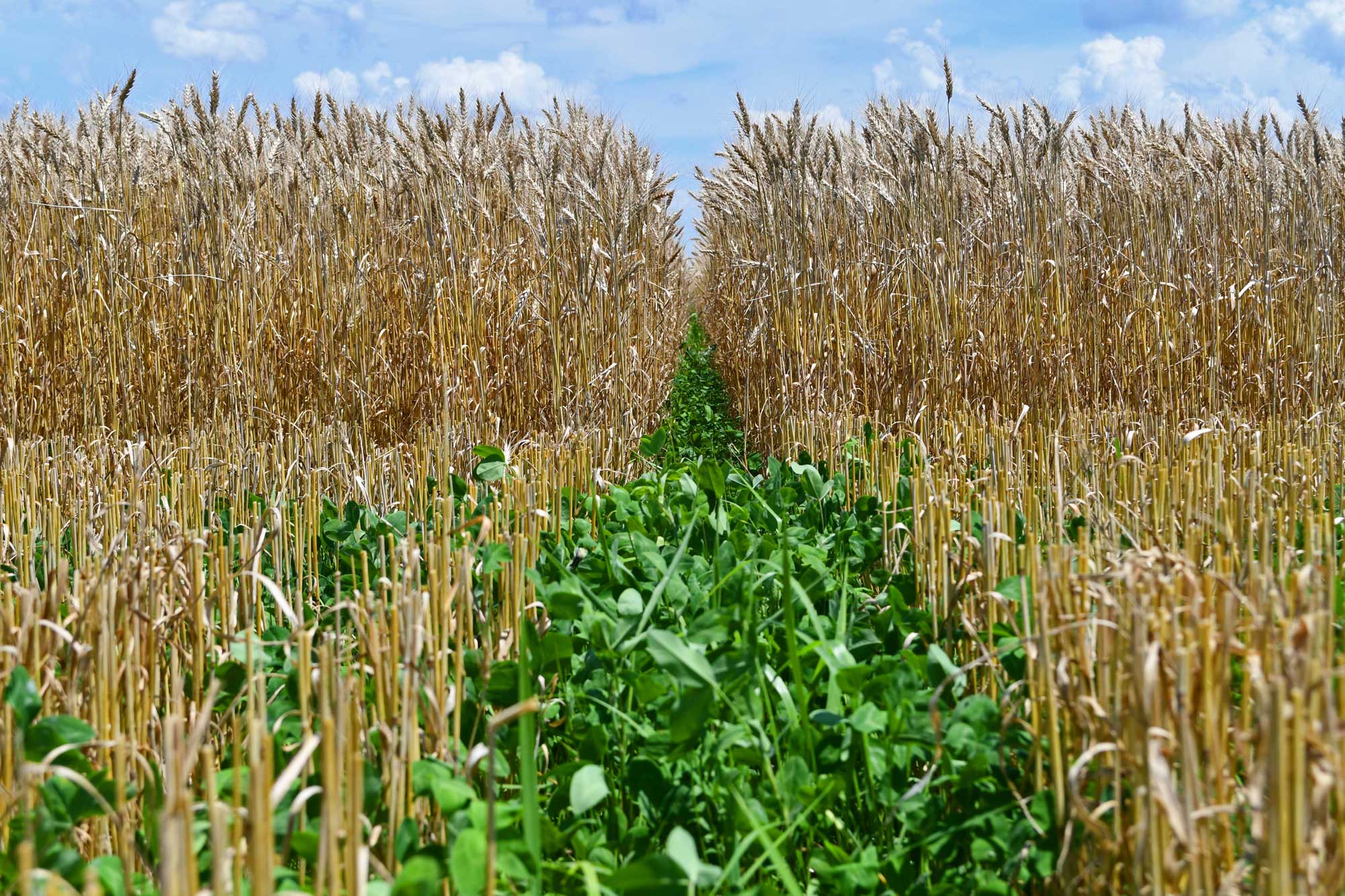
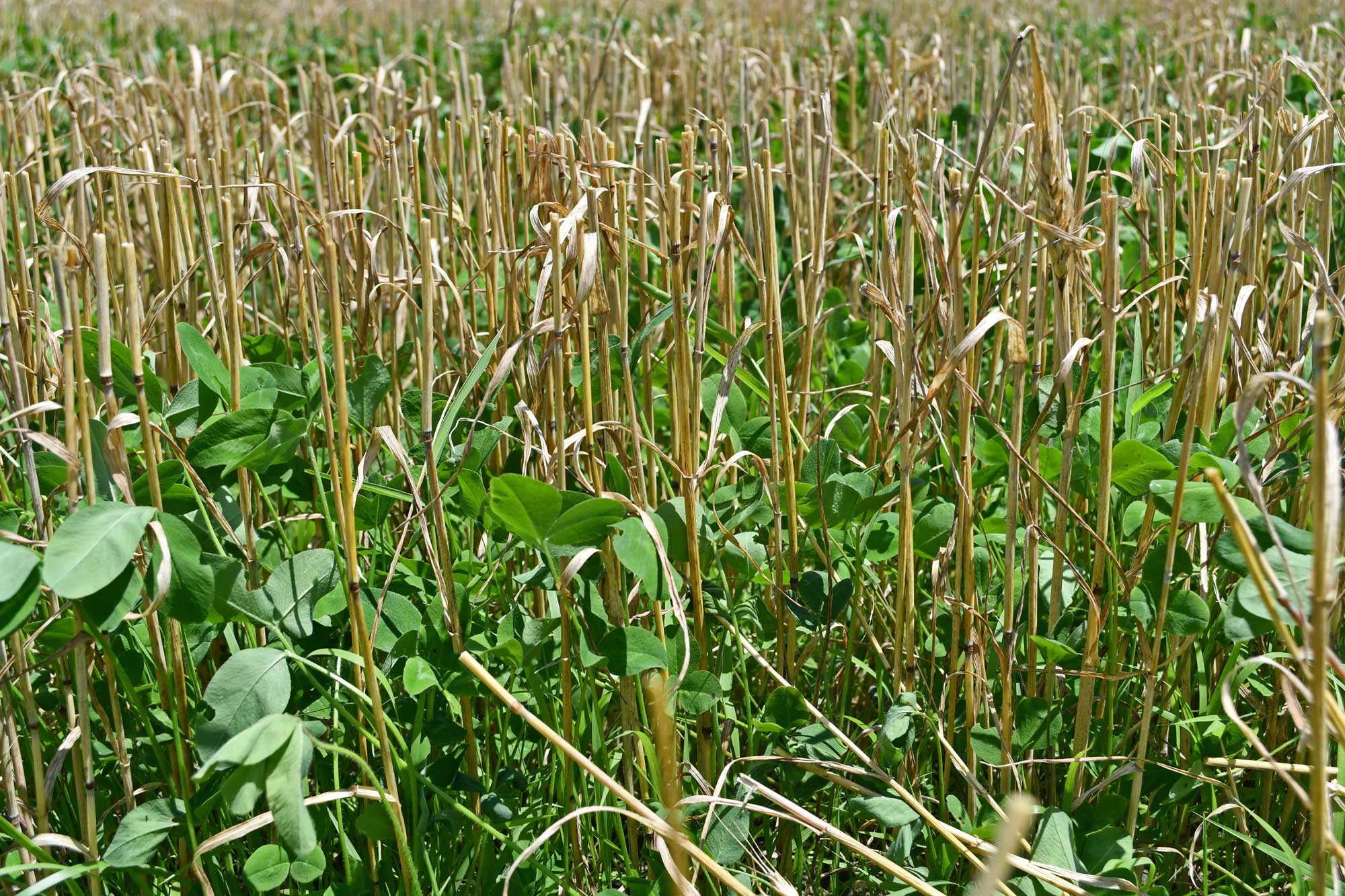
The Forest Preserve also requires cover crops to prevent weed growth, and Yunker chose to plant red clover on his wheat field.
“That red clover will grow up after the wheat gets harvested and that will provide a nitrogen source for our organic corn for next year and also help us manage weeds,” he said as he stood in the hot sun waiting to resume the harvest.
After the harvest, the winter wheat, which was planted last fall, was taken to an organic elevator in Indiana. The grains will most likely be used in organic livestock feed or bread flour.
Yunker started organic farming in 2018, a few years after graduating from college. There wasn’t enough conventional farmland available locally, so he pivoted to organic farming, which gave him the opportunity to farm full time.
“The Forest Preserve District has been great to work with,” he said.
The process has not been without its challenges, though, including fighting weeds and disease pressures and having to wait to sell crops at organic prices until they were certified.
Although not every farmer will choose organic methods, just as not every consumer buys organic products, Yunker is happy to play a role in the Forest Preserve’s early organic farming efforts.
"It's been fun learning all this new stuff because it's a different way of farming," he said.
Regenerative practices
Adding the first organic farm license in 2022 was one of several steps the Forest Preserve has taken to shift its farm lease program toward regenerative practices.
In addition to adding organic acreage, the Forest Preserve changed its requirements for conventional farmers.
The changes improve soil structure, reduce erosion, increase the diversity of organisms in the soil biome, improve water quality and provide habitat for pollinators and other wildlife in buffer areas.
The requirements include:
- Maintaining grassed waterways and buffer strips that provide habitat for pollinators and wildlife.
- Using no-till farming practices to reduce soil erosion and runoff.
- Encouraging the use of cover crops to protect and improve soil health.
The Forest Preserve acquires agricultural acreage as part of broader land acquisition campaigns designed to protect sensitive natural areas.
The number of agricultural acres will shrink over time as more land is restored with native plant species or developed with picnic shelters, trails and other amenities. Revenue generated by the farm leases is reinvested in the natural resource management program.
“Will County is home to some of the most productive farmland in the nation,” Wallace said. “The Forest Preserve District is committed to being a responsible steward of these lands by promoting sustainable farming practices that preserve soil health, protect water quality, and ensure this valuable resource remains productive for generations to come.”