Festival of Arts Through Nature
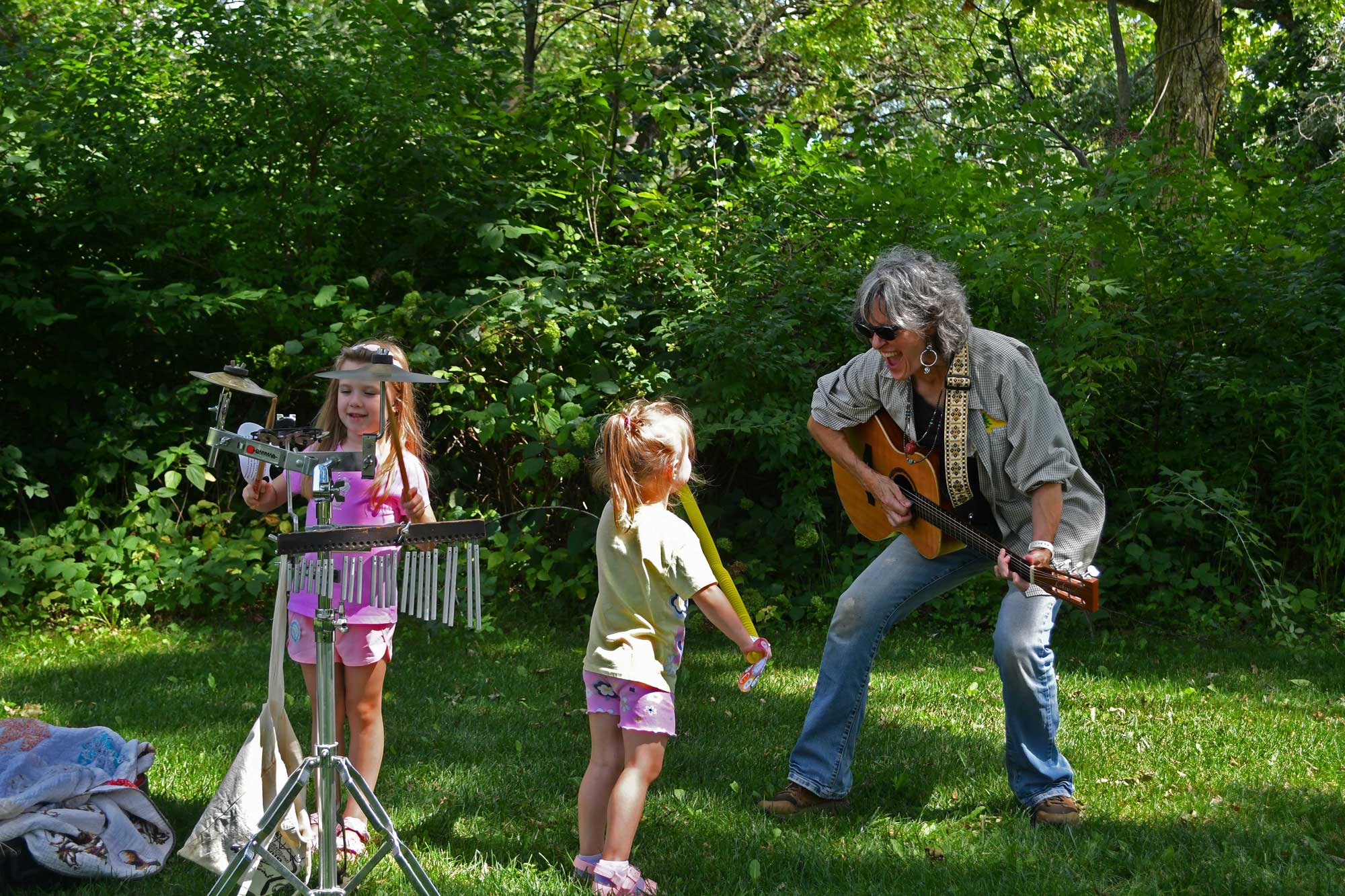
Find your nature’s muse at this event full of hands-on activities that let you express yourself through music, movement and visual arts

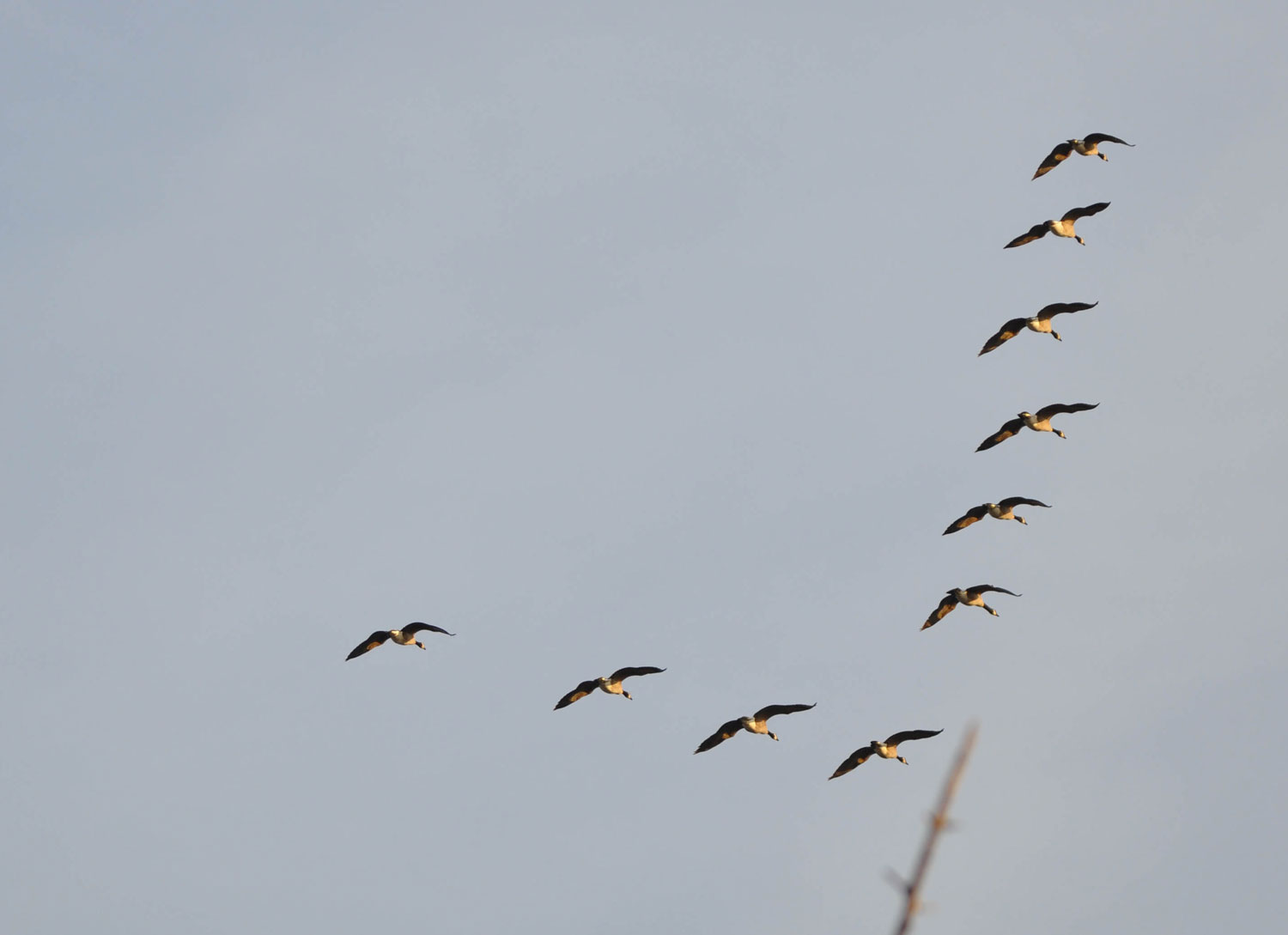
Birds flying in formation can be an awe-inspiring feat of nature, but how do the birds do it? And why?
They have a bad rep as being drab, but they are among the most diverse organisms on Earth.
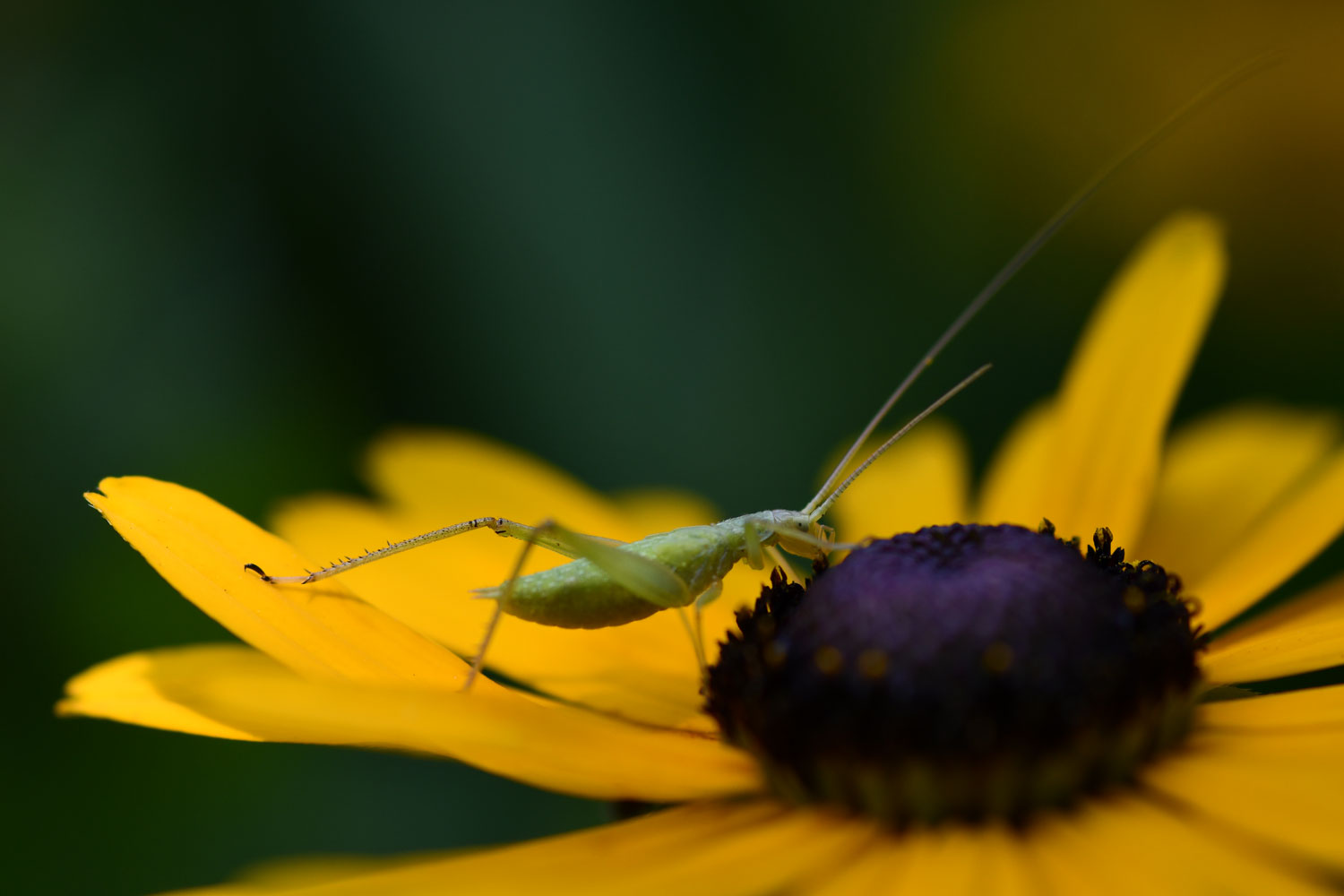
If you listen closely at night, you'll hear a chorus of insects. Cicadas, crickets and katydids all combine to create a symphony of sound.
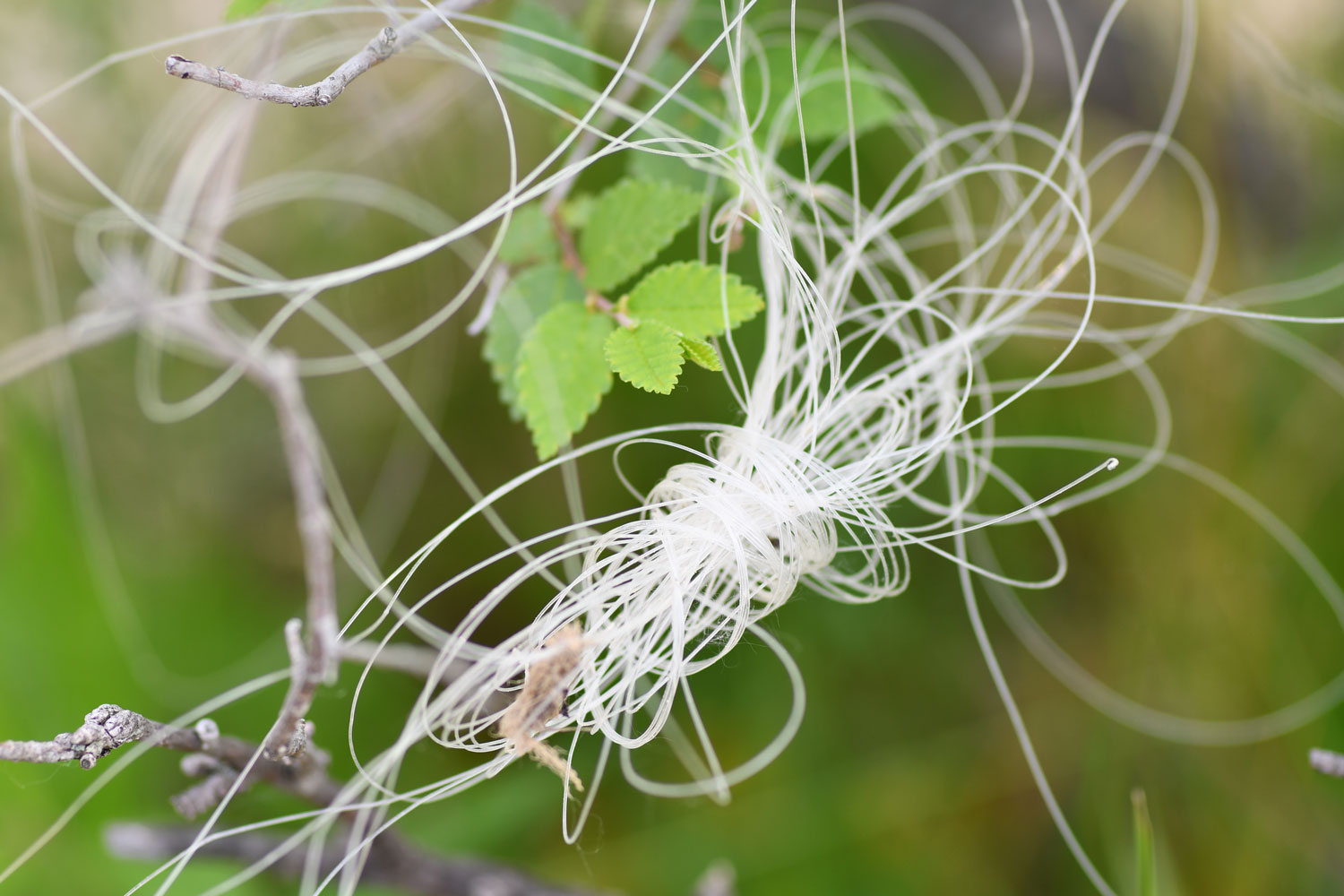
Fishing line seems like an innocuous tool, but in reality it's a death trap for untold numbers of wildlife.
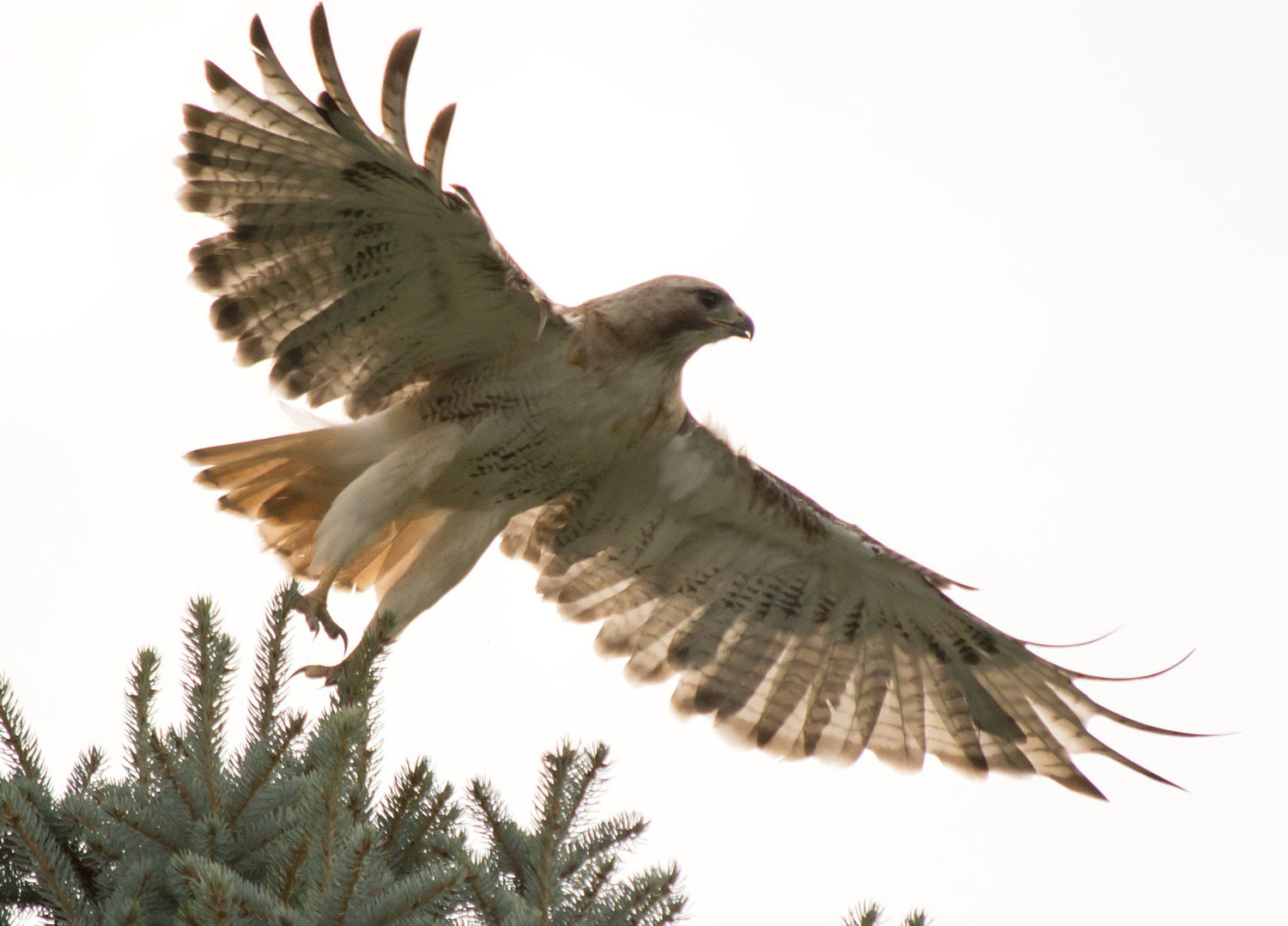
That hawk soaring overhead or perched atop a light pole is probably a red-tailed hawk. Learn more about these high-flying birds.
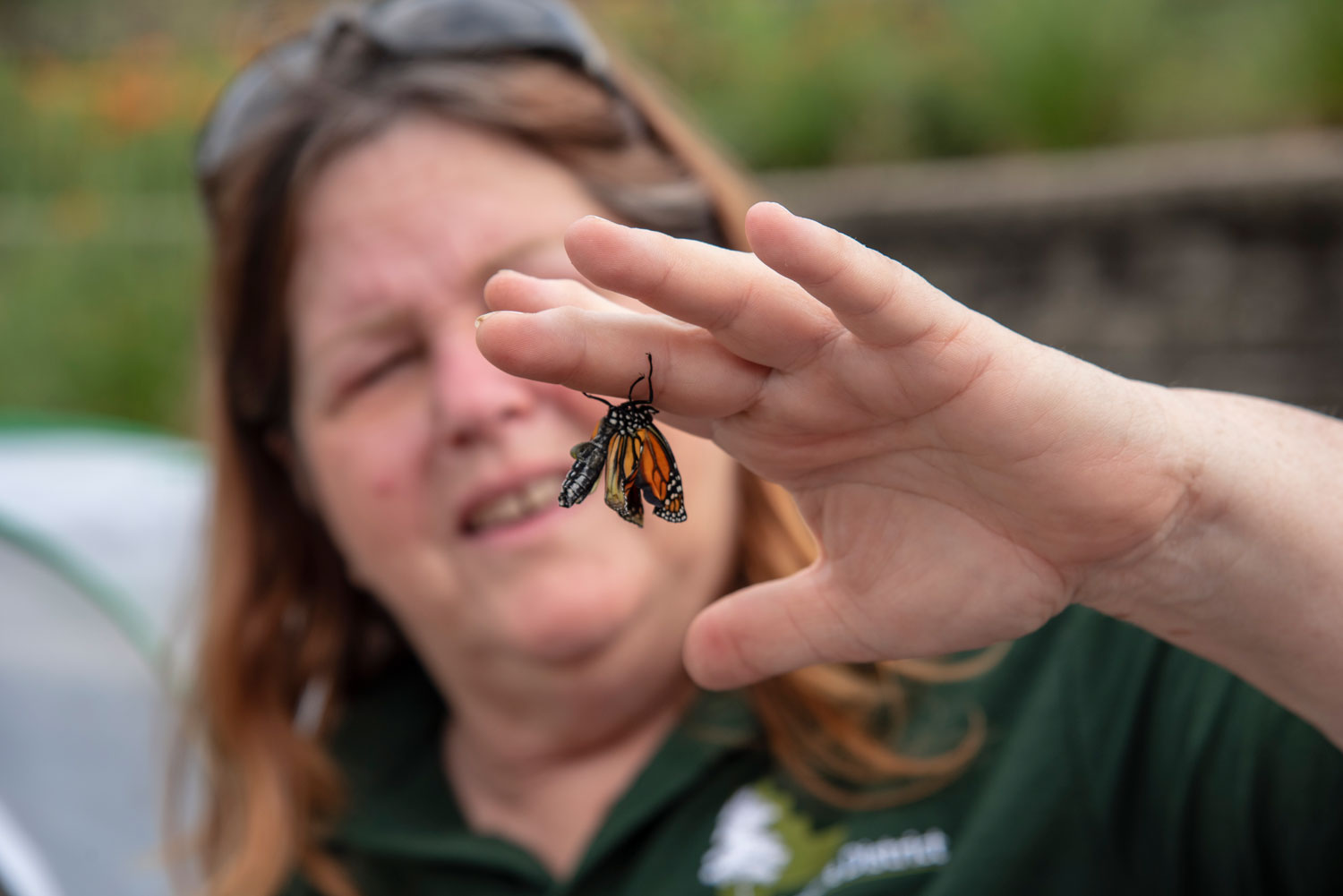
Barb Ferry has been raising monarch butterflies at home and releasing them into the wild, with the ultimate goals of helping sustain their population and educating the public of their importance.
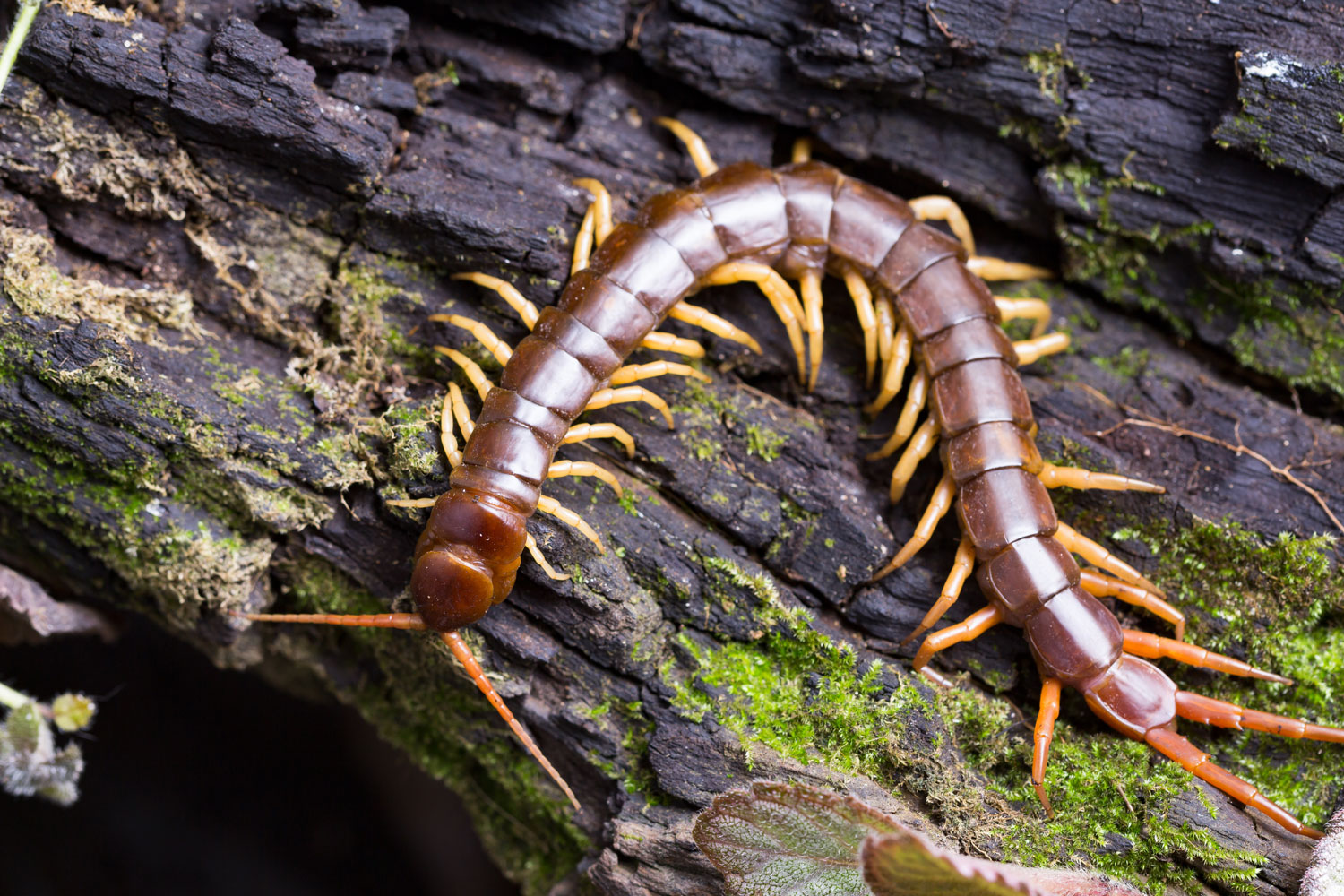
Is that creepy crawly covered in legs a centipede or a millipede? Here's how to tell.
If you've ever spent a long day in the sun with no sunscreen, you've probably paid the price in the form of a bad sunburn. But are animals at risk for painful sunburns too?
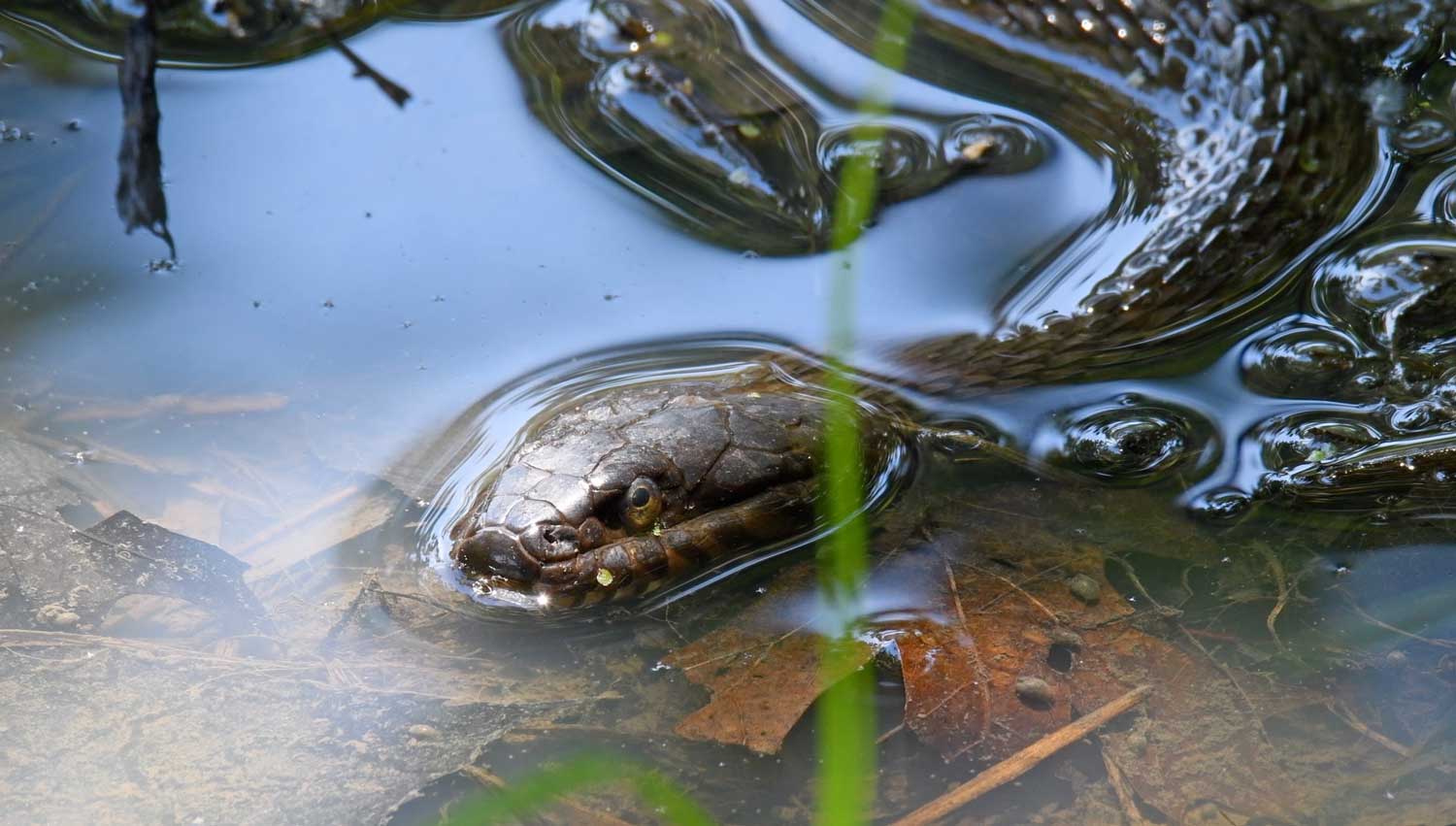
Learn more about the northern water snake, one of the most common water snakes in Illinois.
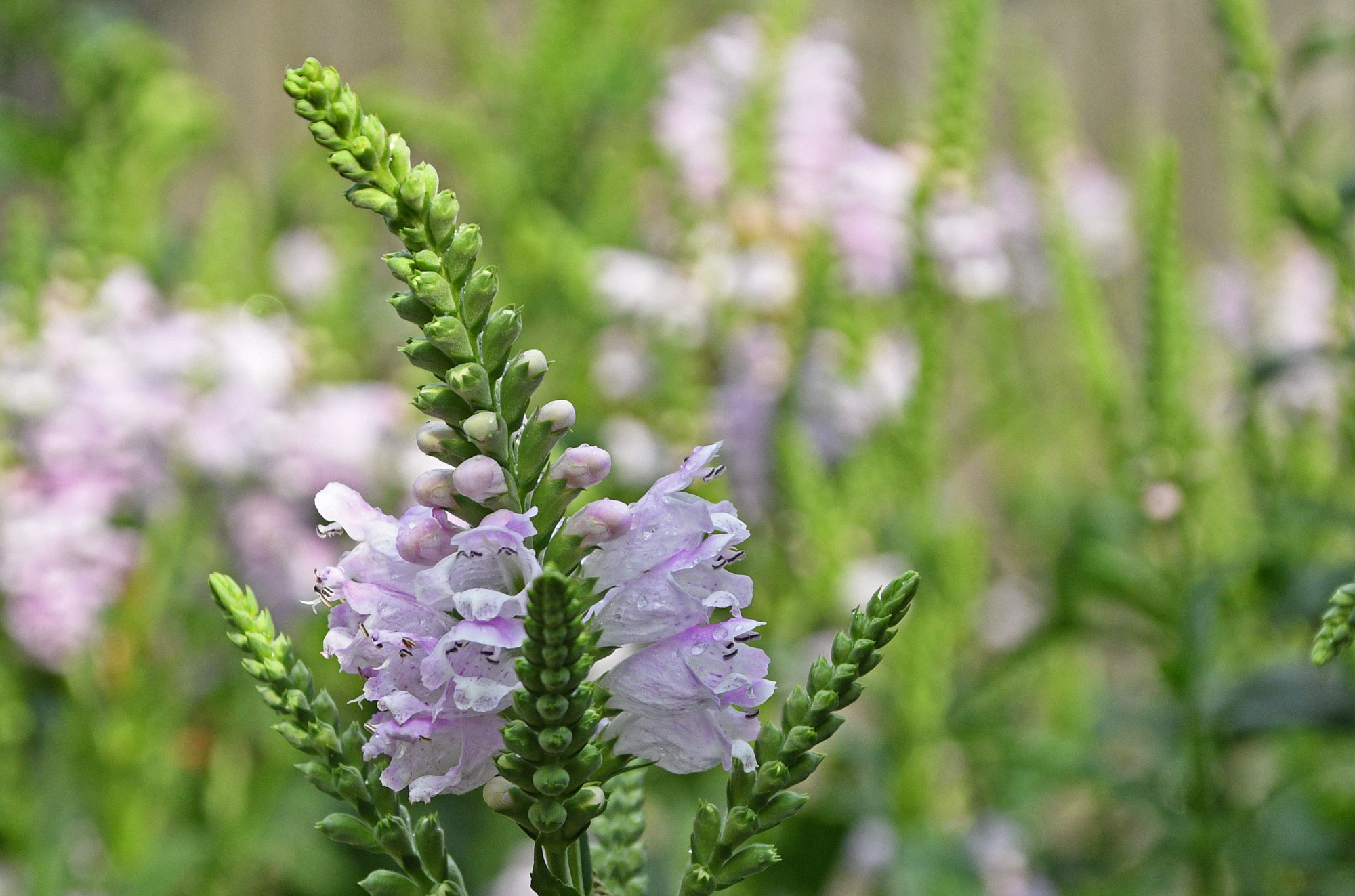
A plant that does what it's told? The name obedient plant may seem like a misnomer, but the flowers of this plant can be turned in any direction and will stay in place once moved, hence the name.
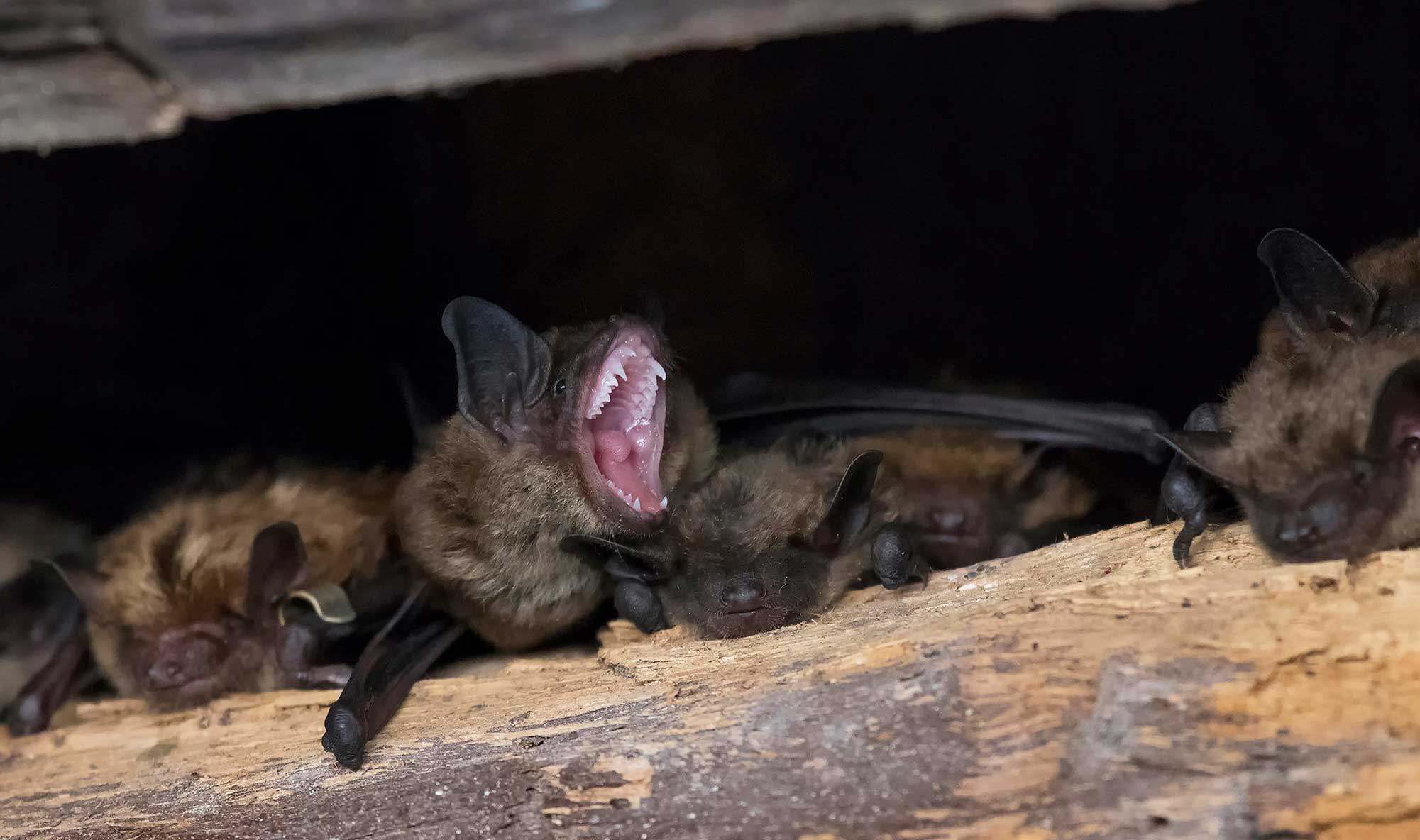
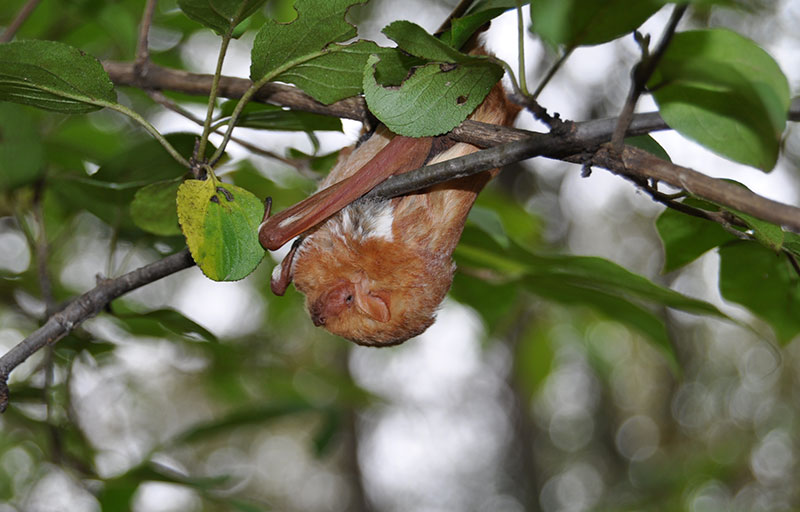
Most of us try to avoid bats, but creating a welcoming habitat for them may be beneficial.
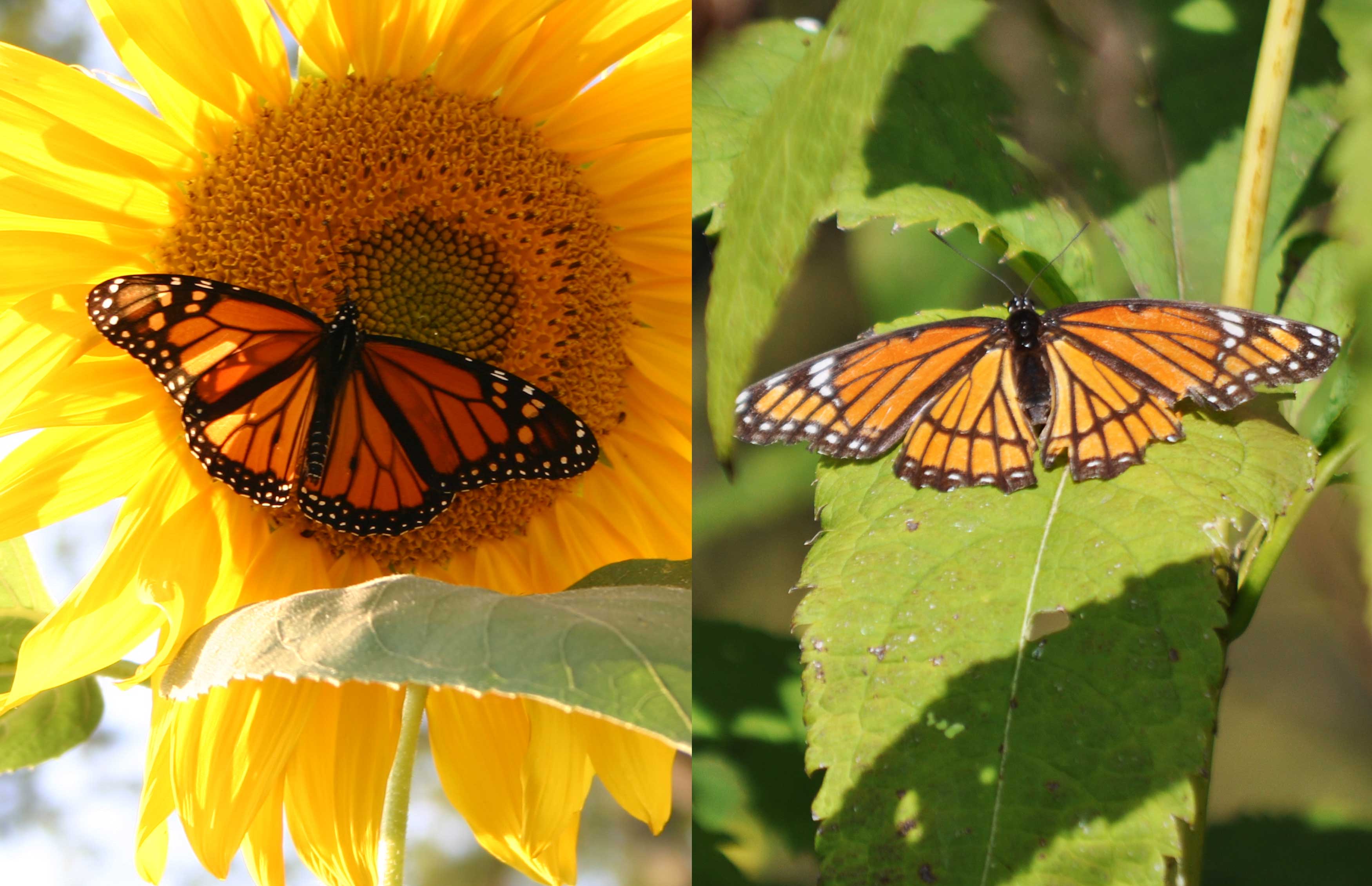
Is that orange and black butterfly floating by a monarch or a viceroy? Here's how to tell the difference.
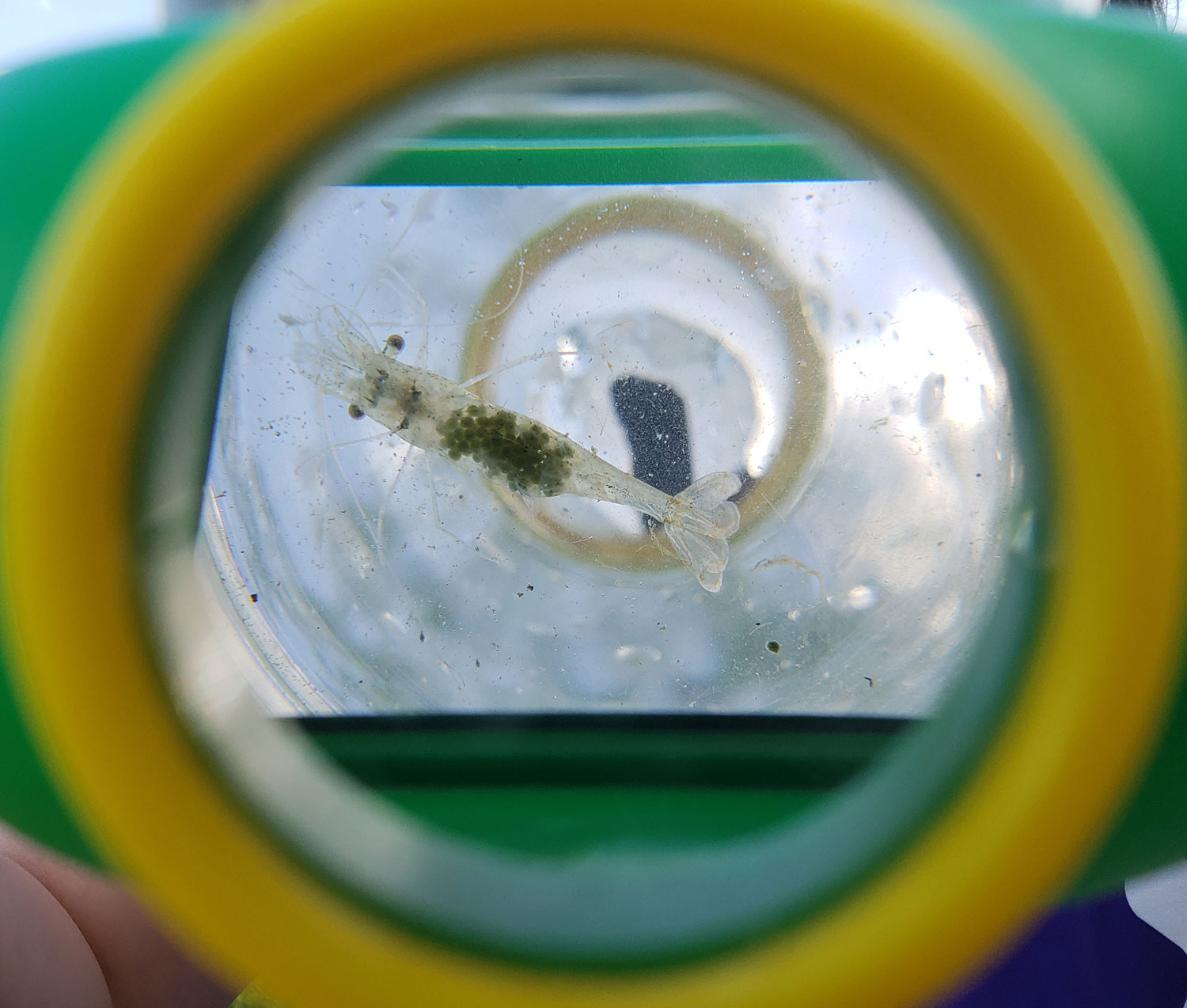
Shrimp in Illinois waterways? It's true, but these aren't the kind of crustaceans you'd order in a restaurant.
Here’s a closer look at some of the plants that can cause you harm and are best avoided.
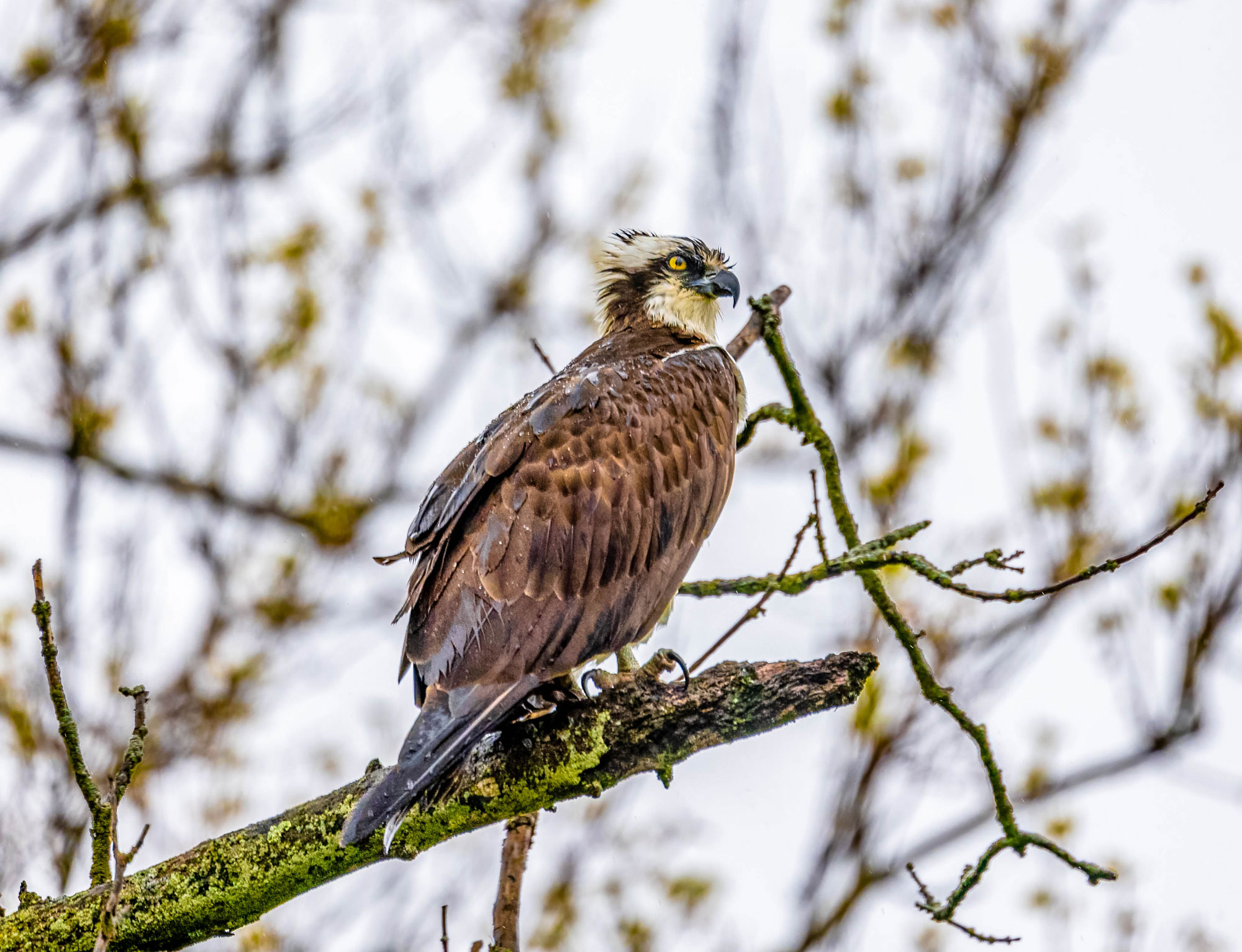
Osprey or eagle? Learn what sets the osprey apart from other birds of prey.
Hanging upside down for even a few seconds will leave anyone feeling dizzy and a little lightheaded, so how do bats do it?
Birds flying in formation can be an awe-inspiring feat of nature, but how do the birds do it? And why?
They have a bad rep as being drab, but they are among the most diverse organisms on Earth.
If you listen closely at night, you'll hear a chorus of insects. Cicadas, crickets and katydids all combine to create a symphony of sound.
Fishing line seems like an innocuous tool, but in reality it's a death trap for untold numbers of wildlife.
That hawk soaring overhead or perched atop a light pole is probably a red-tailed hawk. Learn more about these high-flying birds.
Barb Ferry has been raising monarch butterflies at home and releasing them into the wild, with the ultimate goals of helping sustain their population and educating the public of their importance.
Is that creepy crawly covered in legs a centipede or a millipede? Here's how to tell.
If you've ever spent a long day in the sun with no sunscreen, you've probably paid the price in the form of a bad sunburn. But are animals at risk for painful sunburns too?
Learn more about the northern water snake, one of the most common water snakes in Illinois.
A plant that does what it's told? The name obedient plant may seem like a misnomer, but the flowers of this plant can be turned in any direction and will stay in place once moved, hence the name.
Most of us try to avoid bats, but creating a welcoming habitat for them may be beneficial.
Is that orange and black butterfly floating by a monarch or a viceroy? Here's how to tell the difference.
Shrimp in Illinois waterways? It's true, but these aren't the kind of crustaceans you'd order in a restaurant.
Here’s a closer look at some of the plants that can cause you harm and are best avoided.
Osprey or eagle? Learn what sets the osprey apart from other birds of prey.
Hanging upside down for even a few seconds will leave anyone feeling dizzy and a little lightheaded, so how do bats do it?
Find your nature’s muse at this event full of hands-on activities that let you express yourself through music, movement and visual arts
Four Rivers is collaborating with the Three Rivers Public Library District for a book club on the go! The book for September is “North Woods” by Daniel Mason.
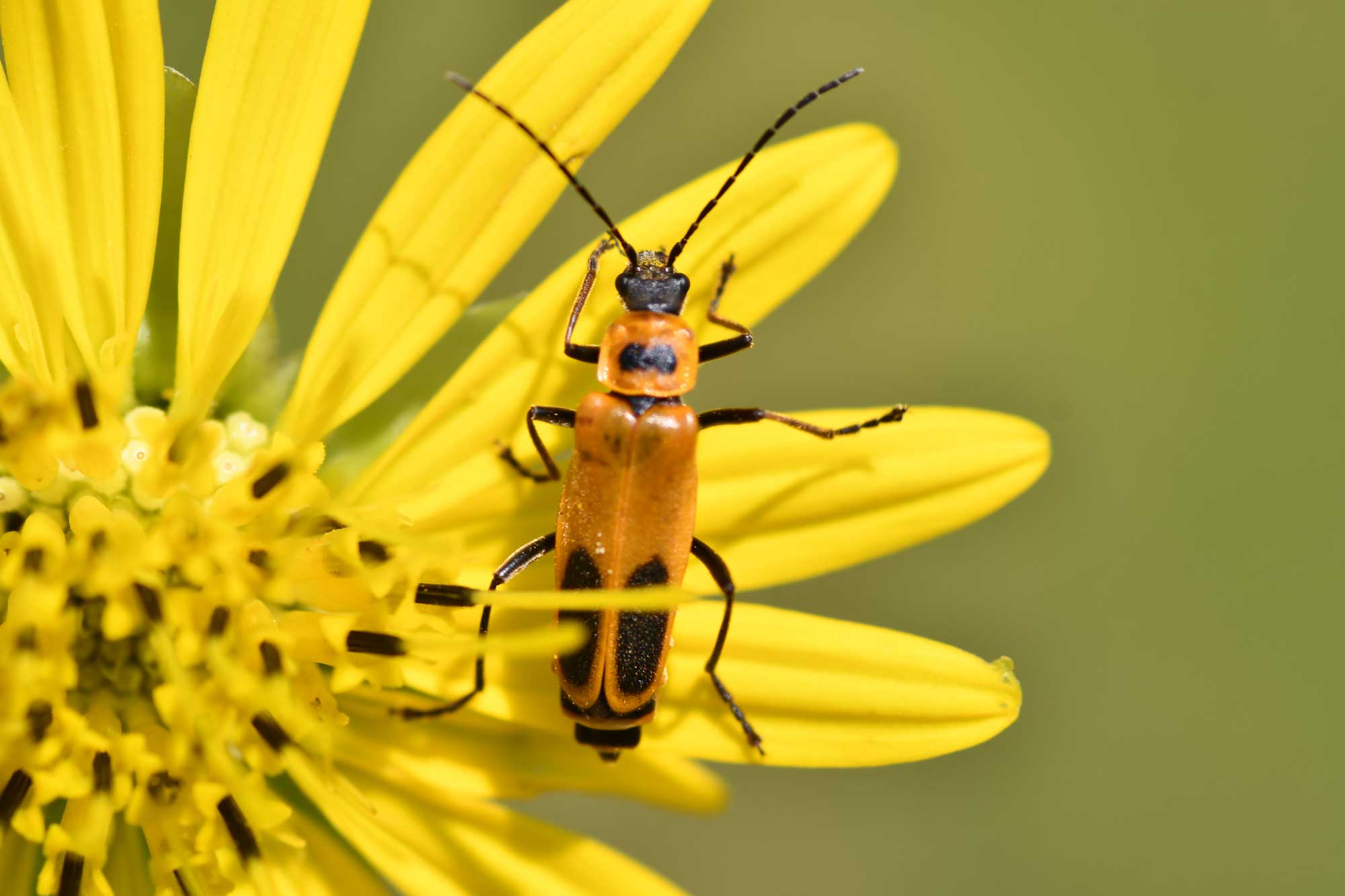
Fall is a trying time for pollinators. They're still in need of food and water even as their regular sources begin to fade away as autumn sets in.
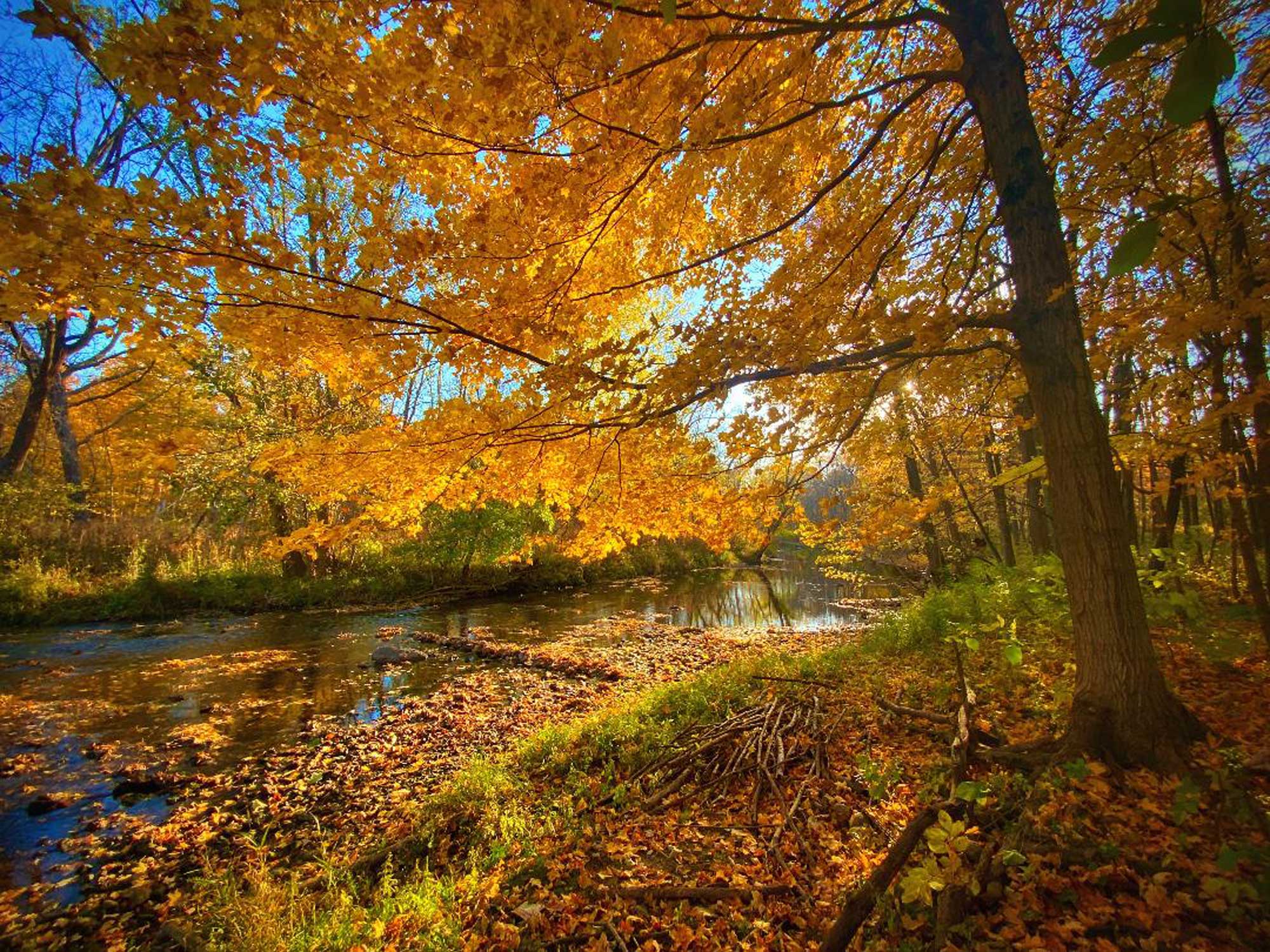
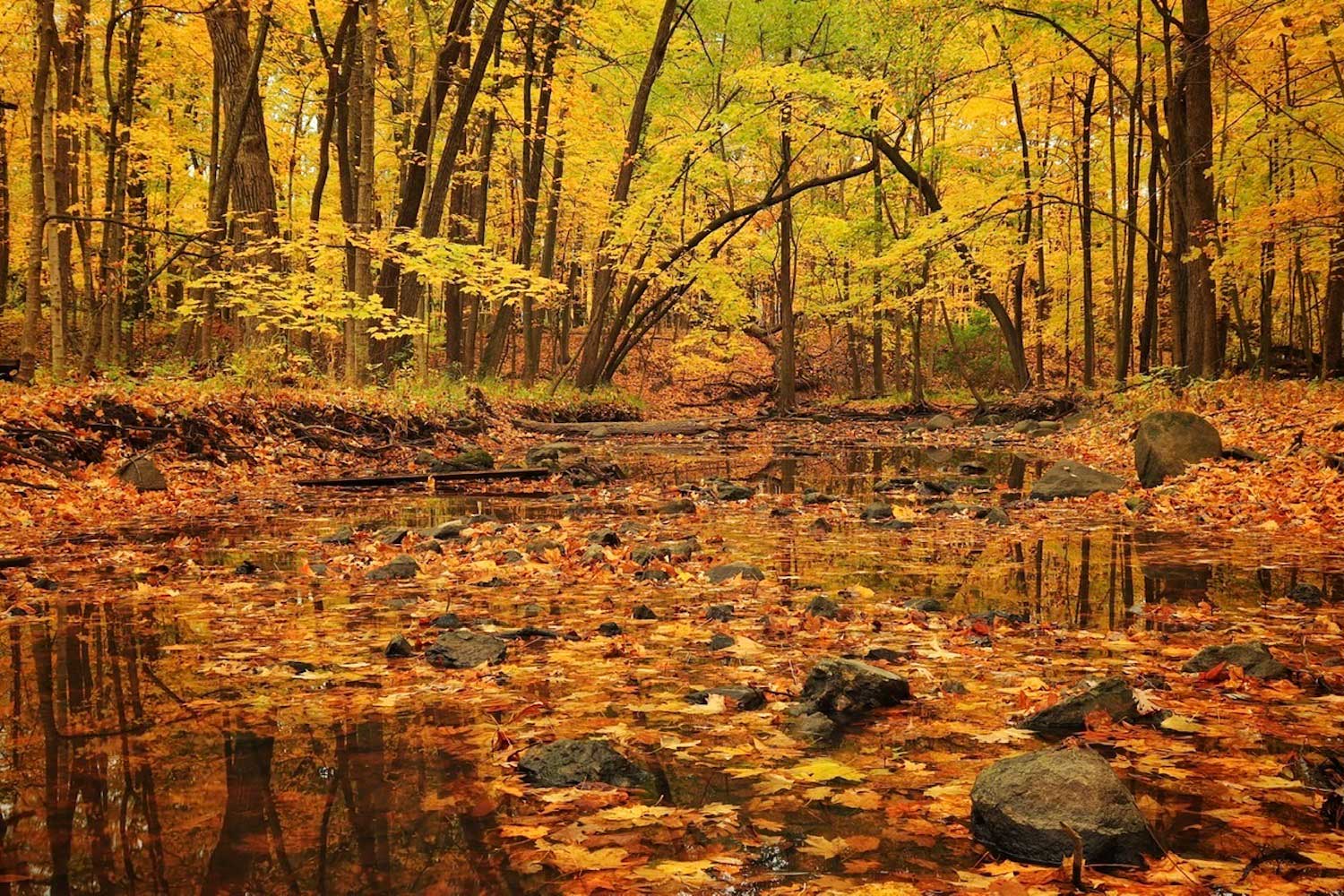
If you love fall color, hope the coming weeks bring us warm, sunny days and cool, crisp nights.
Interactive map predicts when fall color will peak in Will County and beyond.