
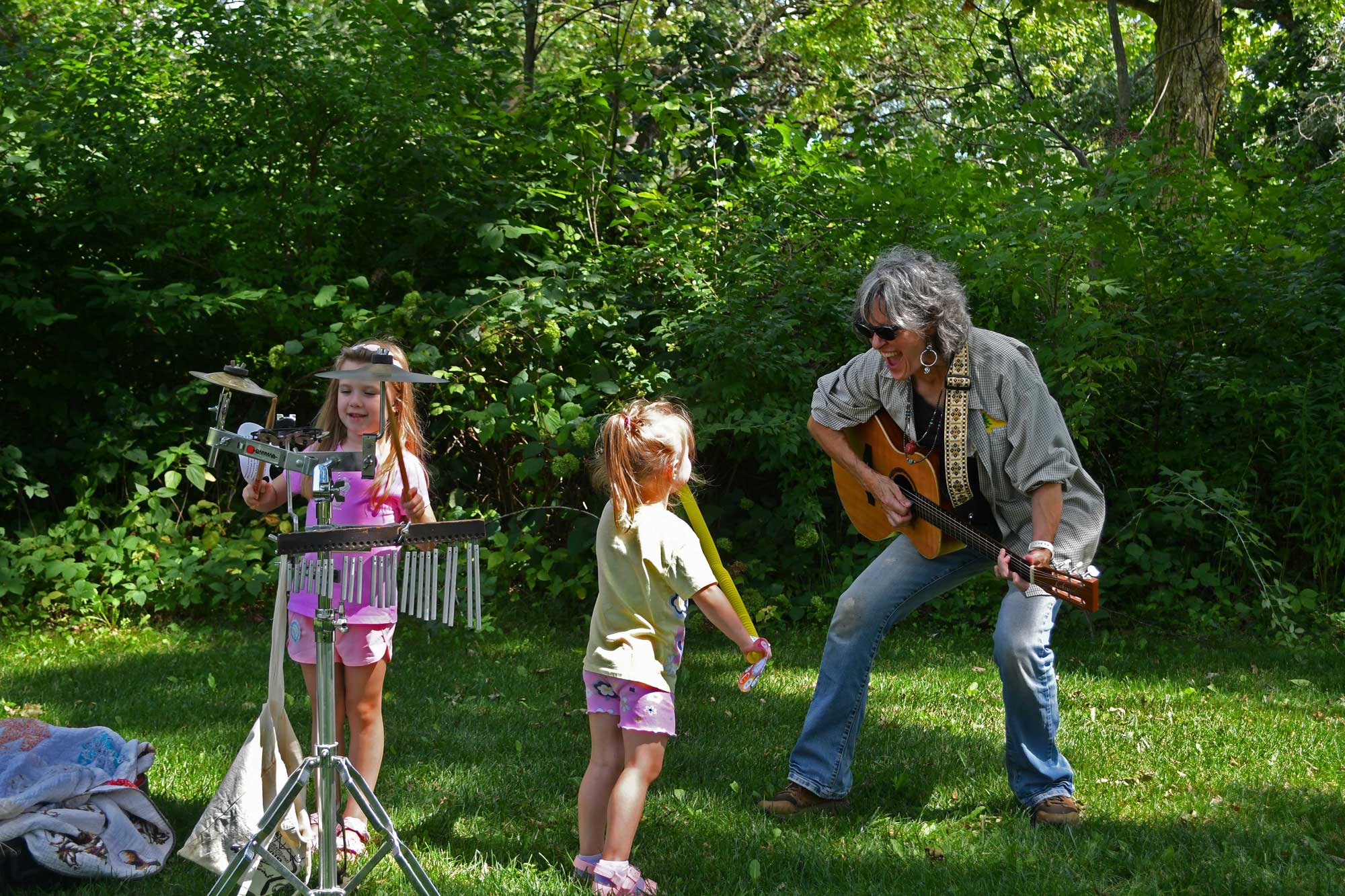
Festival of Arts Through Nature
Find your nature’s muse at this event full of hands-on activities that let you express yourself through music, movement and visual arts

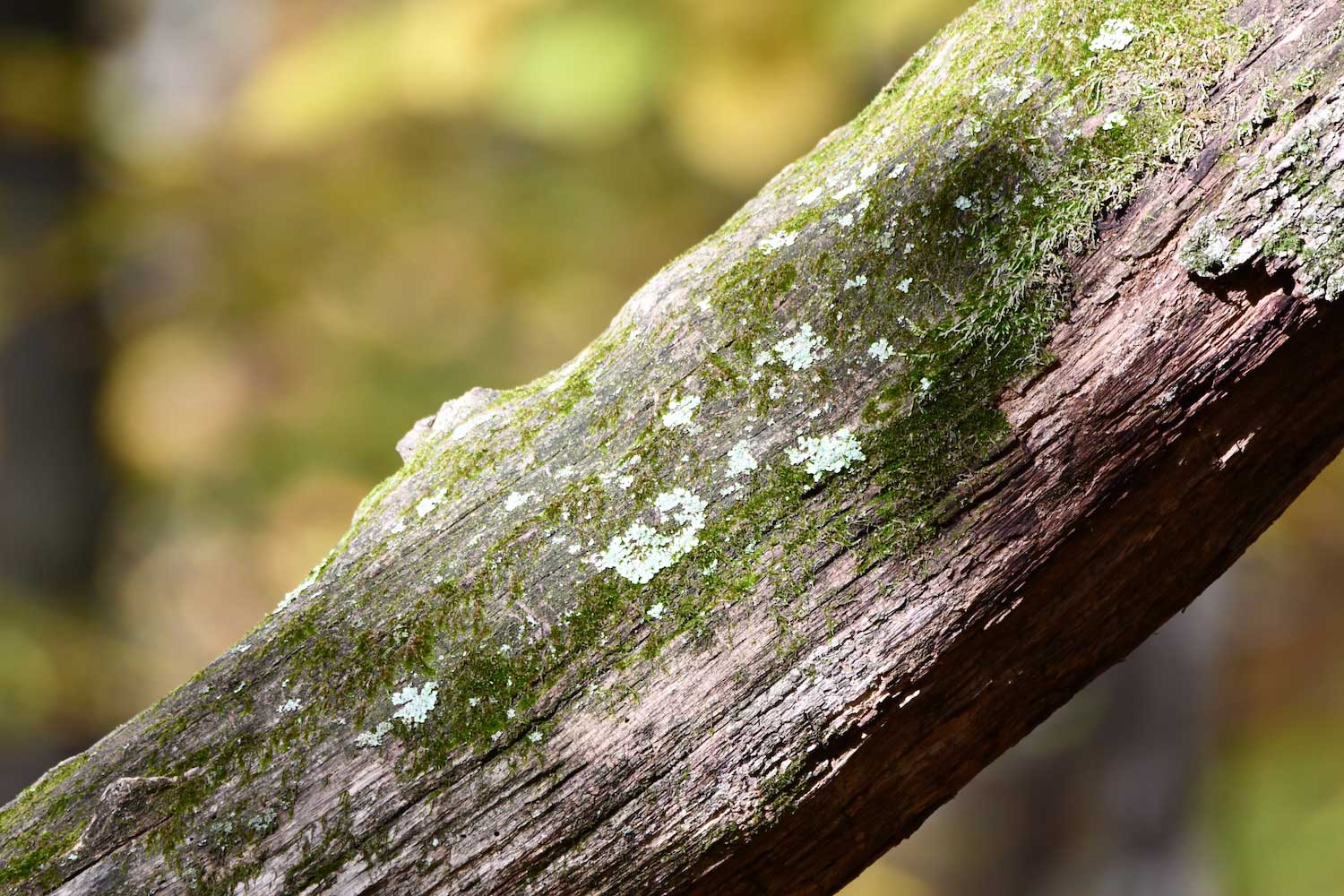
Can you tell the difference between a lichen and a moss? They often look very similar, but there are a few key differences.
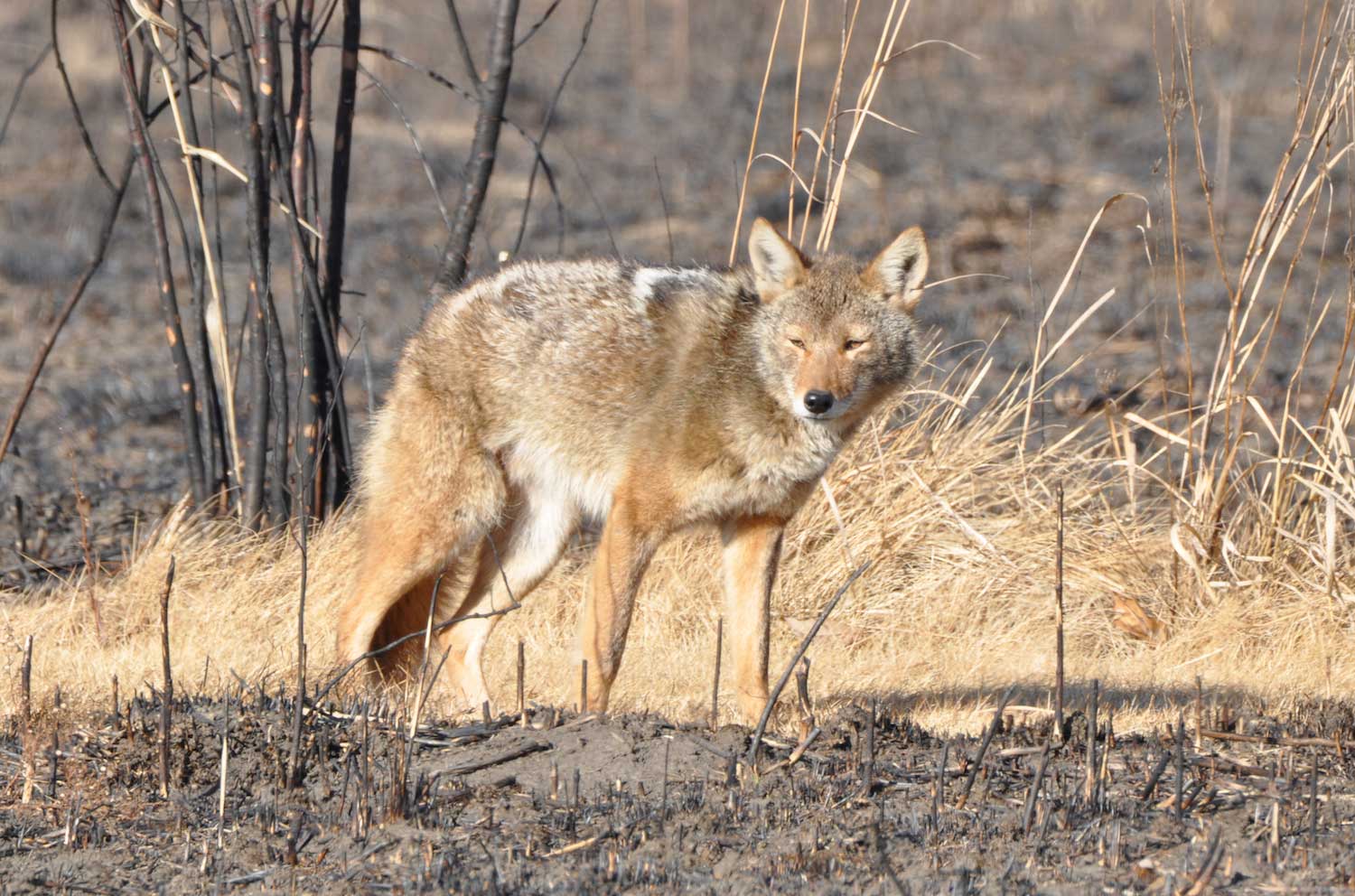
Seeing coyotes in your neighborhood is not cause for alarm because these animals are common throughout all of Illinois. You can keep yourself and your pets safe from them by following some simple, common-sense precautions.
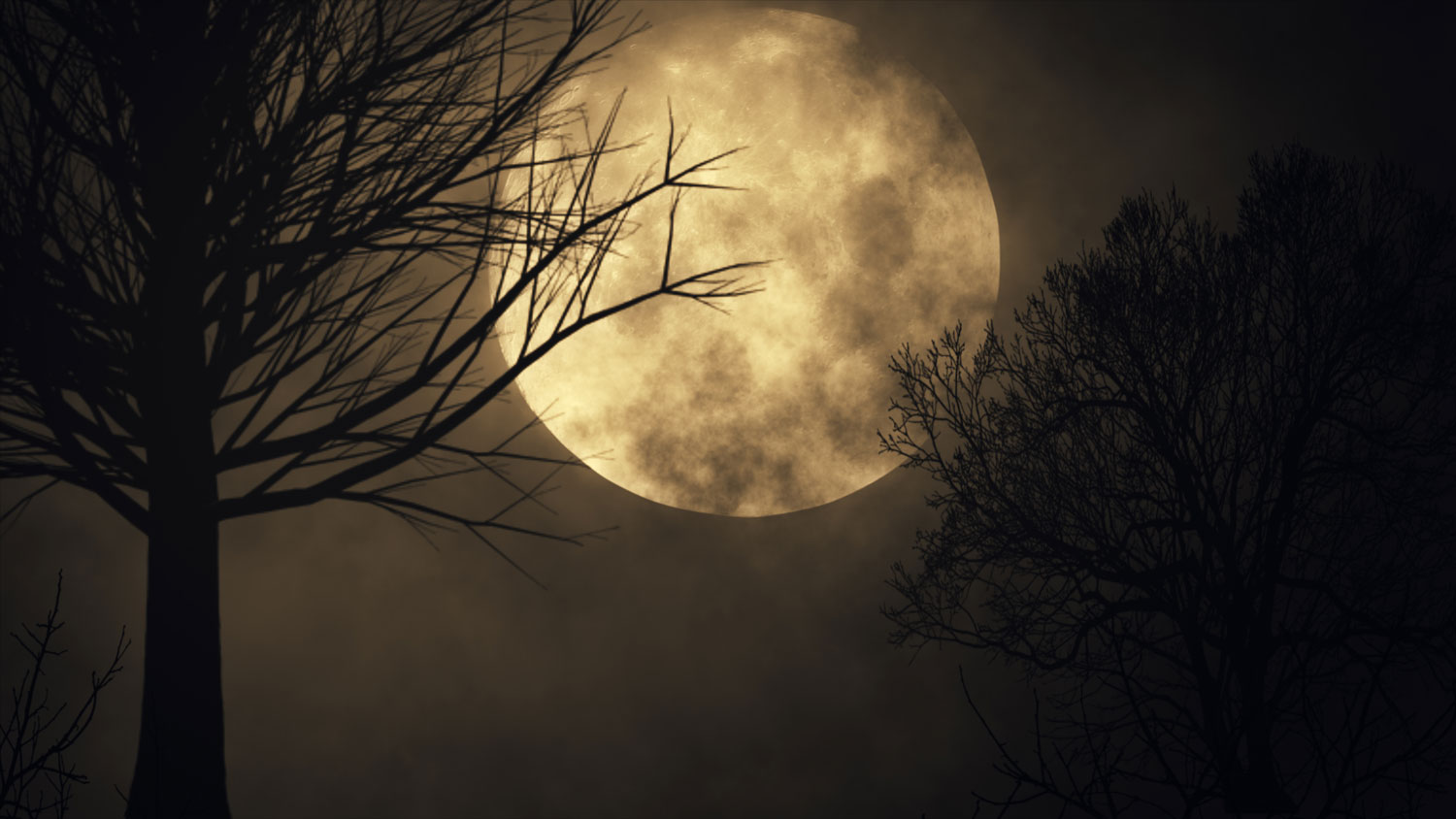
Think the full moon makes people act a little batty? Think again. This belief has existed for many moons, but it simply isn't true.
From what they eat to where they live, get to know North America's most common deer.
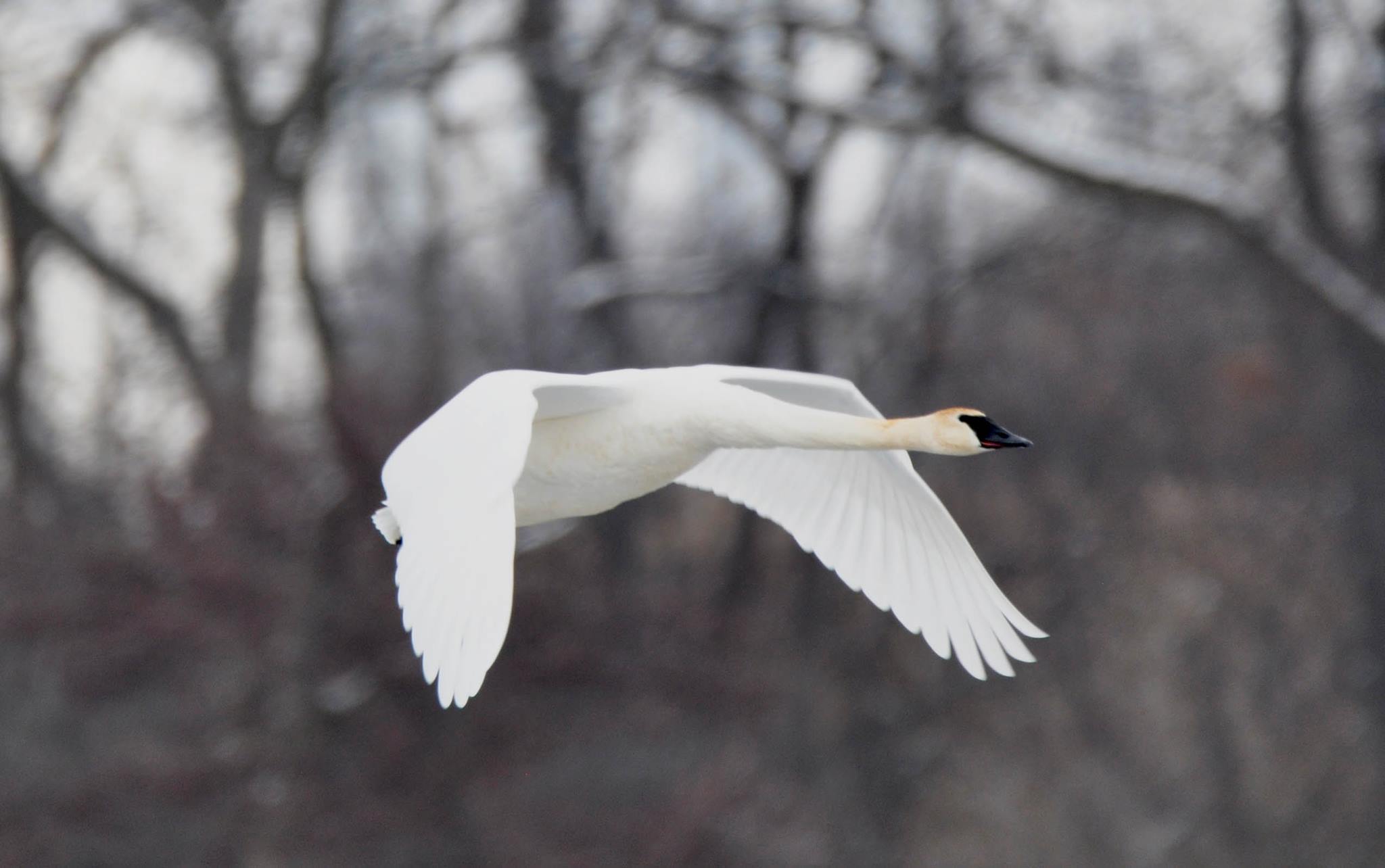
Three types of swans populate our waterways, but these white birds can be hard to tell apart from one another. Learn what features can help you distinguish between trumpeter swans, tundra swans and mute swans.
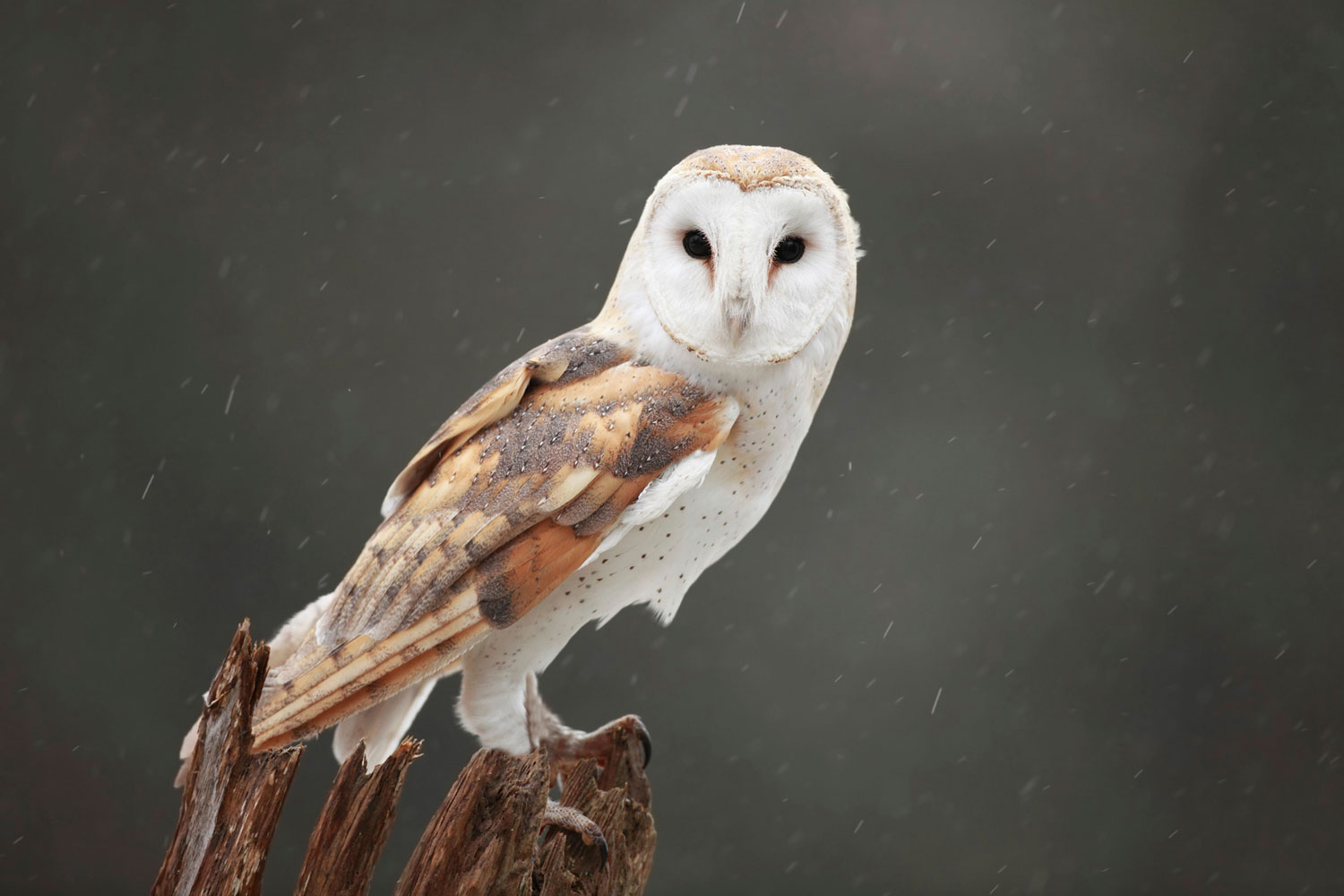
Many owls are masters of camouflage, far more often heard than seen.
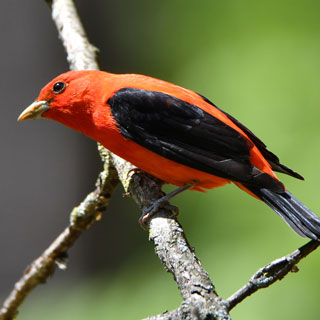
Nearly two-thirds of the bird species in North America — 389 of the 604 species — are at risk of facing 'unlivable climate conditions across most of their current ranges by 2080 if global temperatures remain on track to rise by 3 degrees Celsius.'
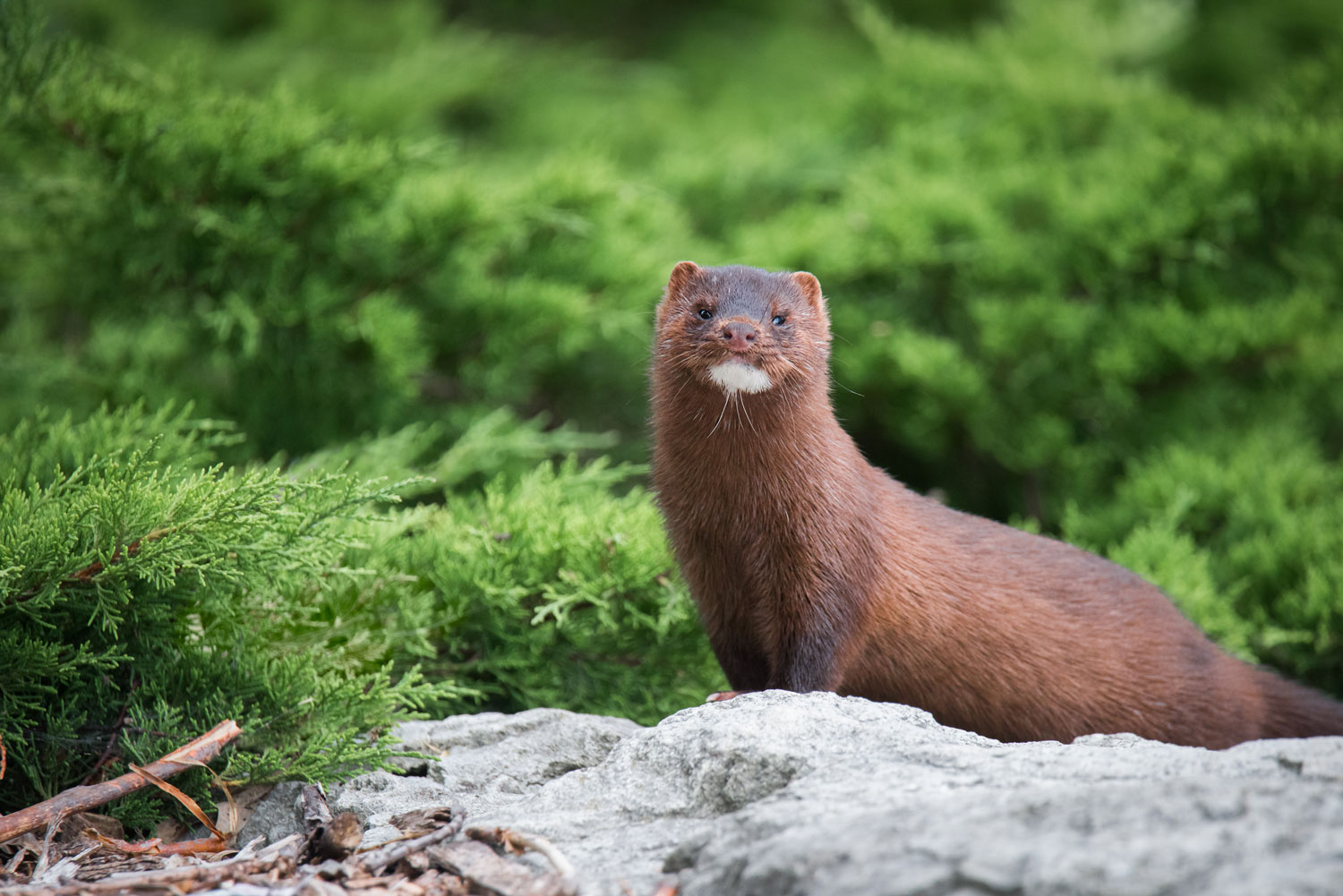
The mysterious mink lives across Illinois, but are not often seen by humans.
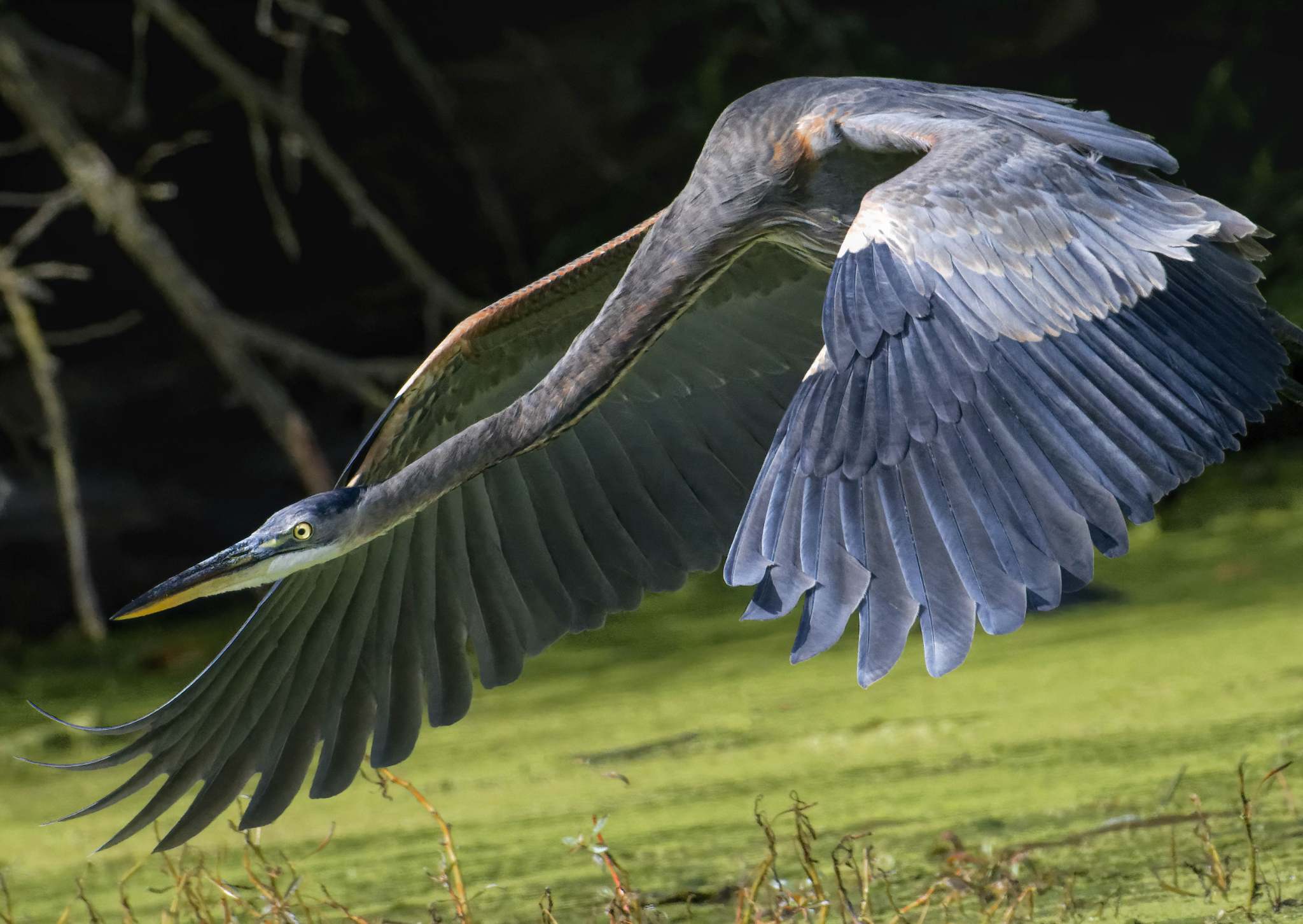
Despite what you learned in school many years ago, dinosaurs do still exist. The birds we see today are actually modern-day dinosaurs.
The latest installment of the Forest Preserve District's "Happy Place" series features a retired Will County Sheriff's Police sergeant who made riding a bike on the Wauponsee Glacial Trail a key part of his retirement plan.
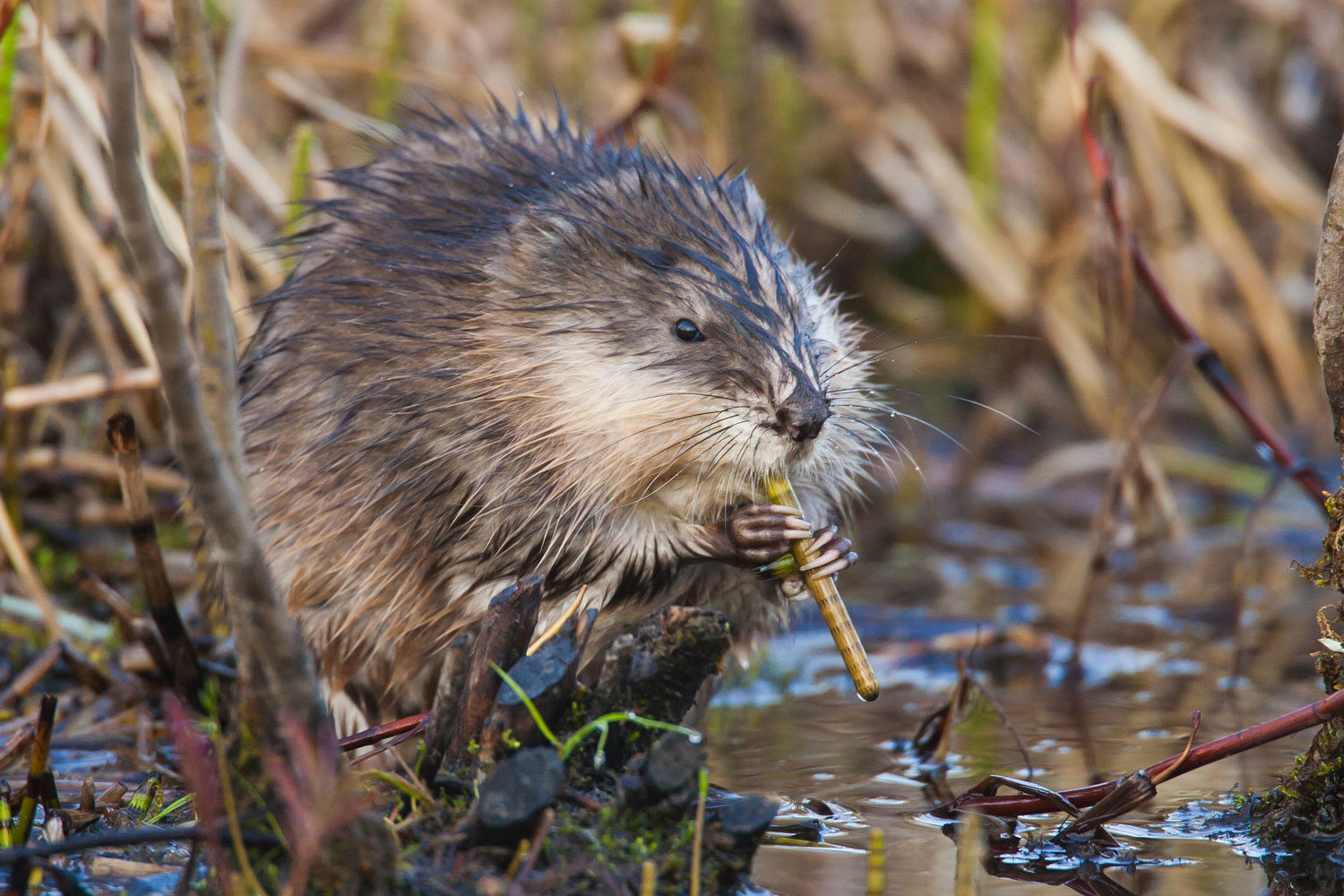
If you've ever caught a glimpse of a muskrat, it was probably near water. These rodents spend most of their time in and around water, feasting on aquatic plants and animals.
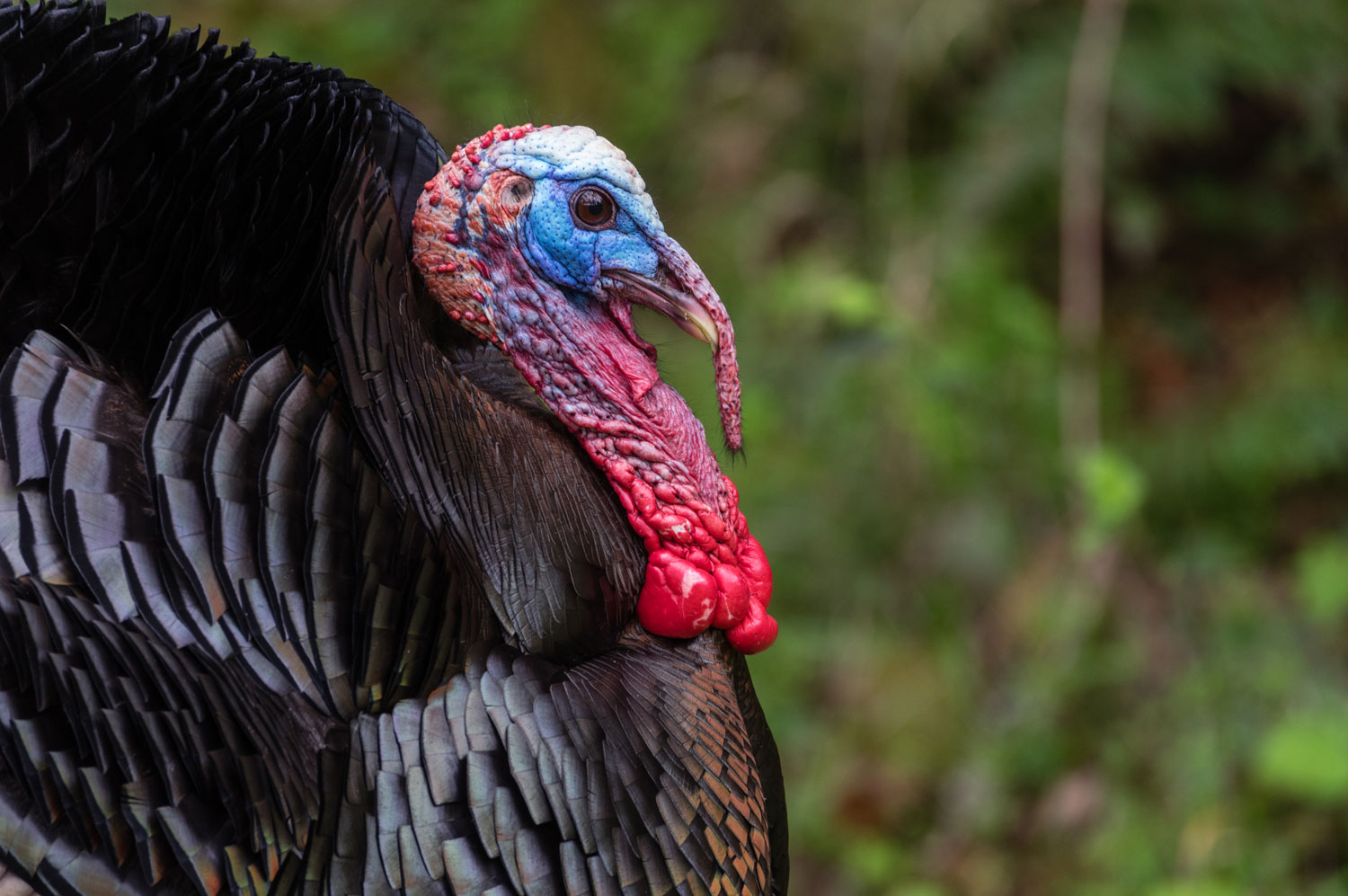
The wattle on a turkey is its most identifiable feature, but what's it for anyway?
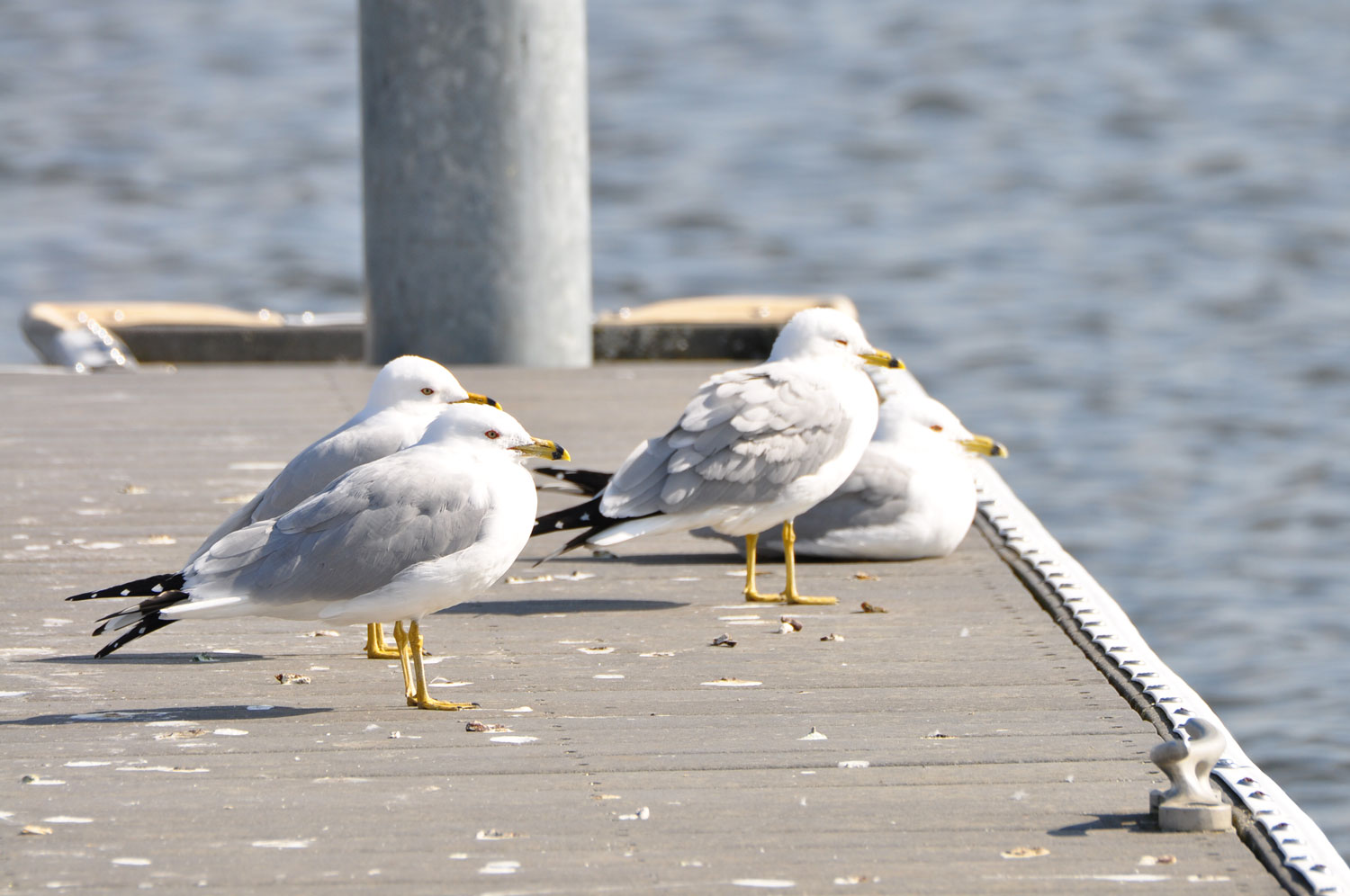
Can you tell a gull from a tern? Here's a few quick pointers to tell them apart.
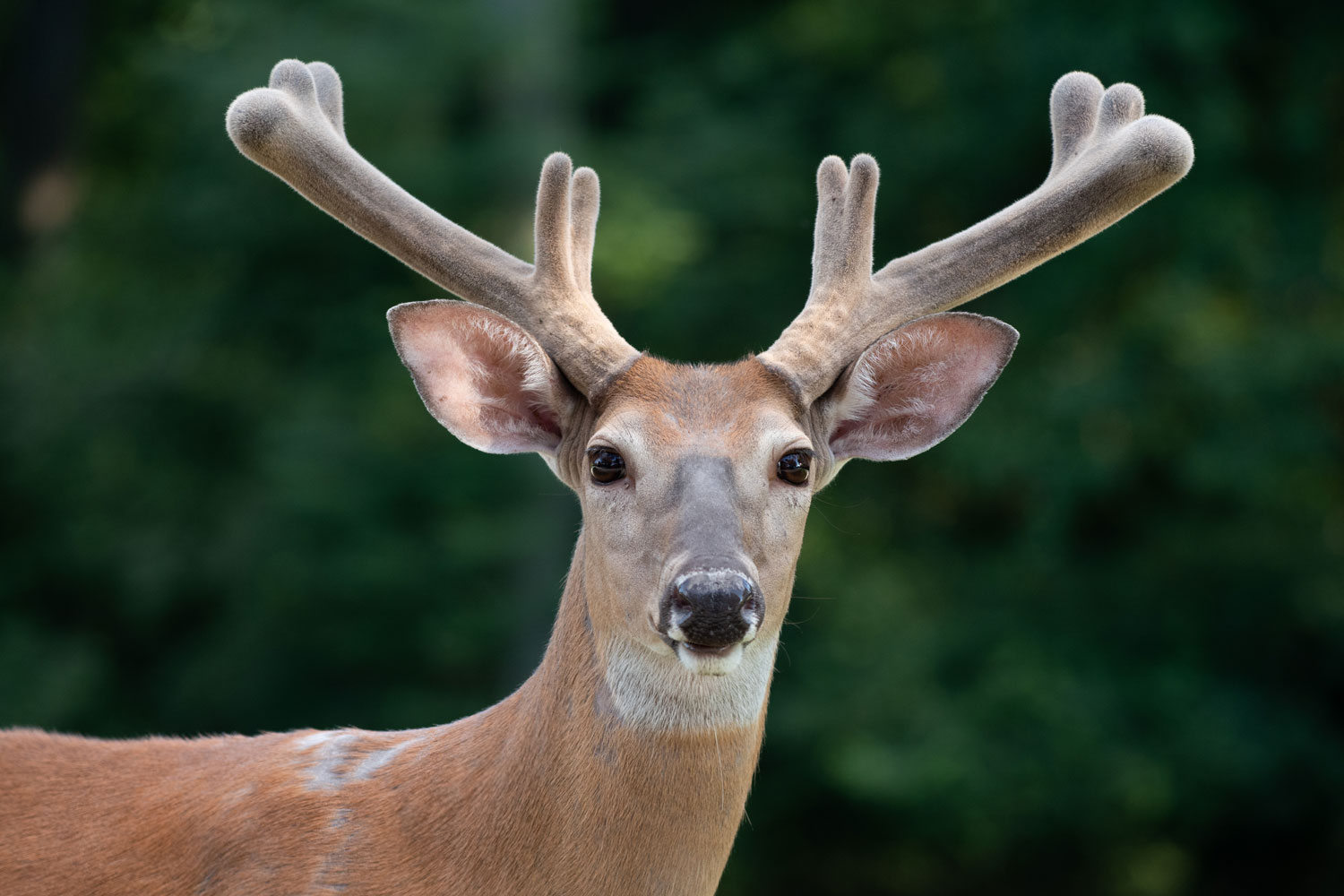
Deer antlers seem to grow overnight, and in reality they actually do. A buck's antlers can grow a quarter inch a day, but it's a process that requires a lot of energy.
Hibernating is just one way animals survive the coldest part of the year, but it takes on many different forms.
From eagle eyes to Benjamin Franklin, dive into these offbeat facts.
Can you tell the difference between a lichen and a moss? They often look very similar, but there are a few key differences.
Seeing coyotes in your neighborhood is not cause for alarm because these animals are common throughout all of Illinois. You can keep yourself and your pets safe from them by following some simple, common-sense precautions.
Think the full moon makes people act a little batty? Think again. This belief has existed for many moons, but it simply isn't true.
From what they eat to where they live, get to know North America's most common deer.
Three types of swans populate our waterways, but these white birds can be hard to tell apart from one another. Learn what features can help you distinguish between trumpeter swans, tundra swans and mute swans.
Many owls are masters of camouflage, far more often heard than seen.
Nearly two-thirds of the bird species in North America — 389 of the 604 species — are at risk of facing 'unlivable climate conditions across most of their current ranges by 2080 if global temperatures remain on track to rise by 3 degrees Celsius.'
The mysterious mink lives across Illinois, but are not often seen by humans.
Despite what you learned in school many years ago, dinosaurs do still exist. The birds we see today are actually modern-day dinosaurs.
The latest installment of the Forest Preserve District's "Happy Place" series features a retired Will County Sheriff's Police sergeant who made riding a bike on the Wauponsee Glacial Trail a key part of his retirement plan.
If you've ever caught a glimpse of a muskrat, it was probably near water. These rodents spend most of their time in and around water, feasting on aquatic plants and animals.
The wattle on a turkey is its most identifiable feature, but what's it for anyway?
Can you tell a gull from a tern? Here's a few quick pointers to tell them apart.
Deer antlers seem to grow overnight, and in reality they actually do. A buck's antlers can grow a quarter inch a day, but it's a process that requires a lot of energy.
Hibernating is just one way animals survive the coldest part of the year, but it takes on many different forms.
From eagle eyes to Benjamin Franklin, dive into these offbeat facts.
Find your nature’s muse at this event full of hands-on activities that let you express yourself through music, movement and visual arts
Four Rivers is collaborating with the Three Rivers Public Library District for a book club on the go! The book for September is “North Woods” by Daniel Mason.
Fall is a trying time for pollinators. They're still in need of food and water even as their regular sources begin to fade away as autumn sets in.
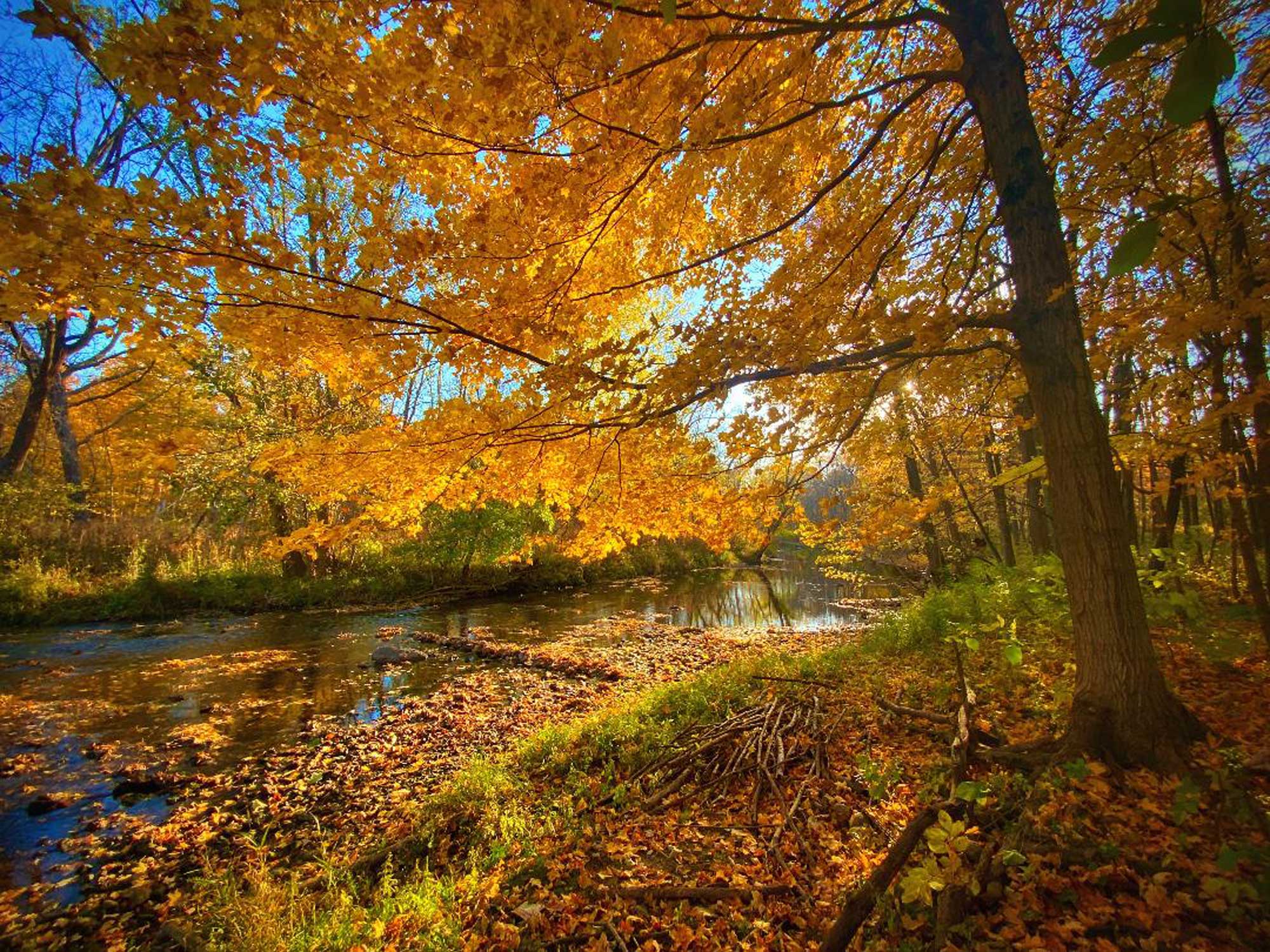
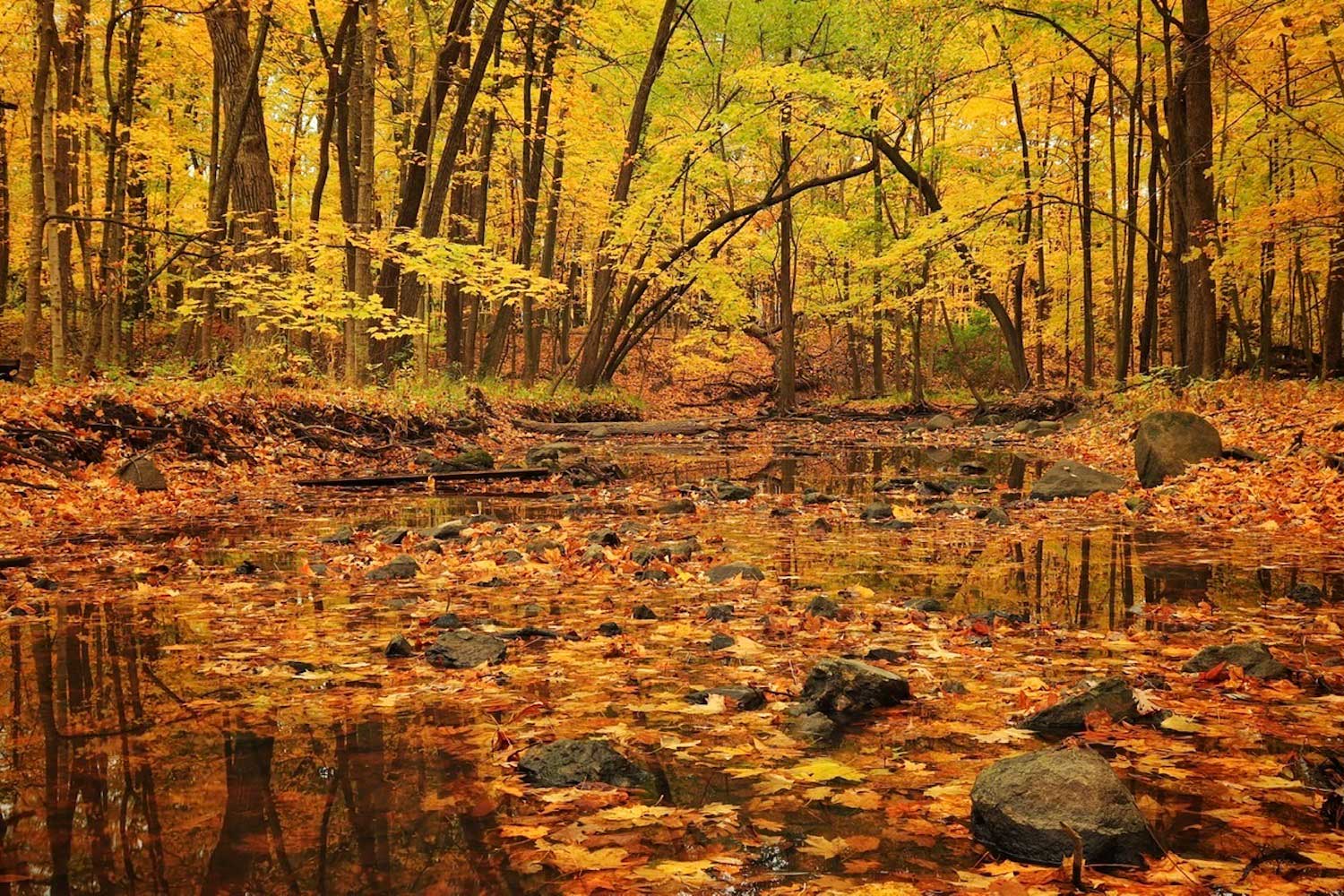
If you love fall color, hope the coming weeks bring us warm, sunny days and cool, crisp nights.
Interactive map predicts when fall color will peak in Will County and beyond.