
Sounds of Insects Night Hike
Venture out on the trail at Thorn Creek Woods at dusk listening for the chorus of nocturnal insects.
If you’ve thought to yourself "Do birds have ears?," well the answer to that question is both yes and no.
Beavers are second only to humans in their ability to change the environment they live in.
Many people prefer to only see the cuter and cuddly side of nature, but there's also a brutally raw side to it.
Most of us think of turkey as the star of the Thanksgiving table, but these birds live among us too, right in our own forests and prairies.
While you may hear them calling out in the preserves, seeing them is a rare treat.
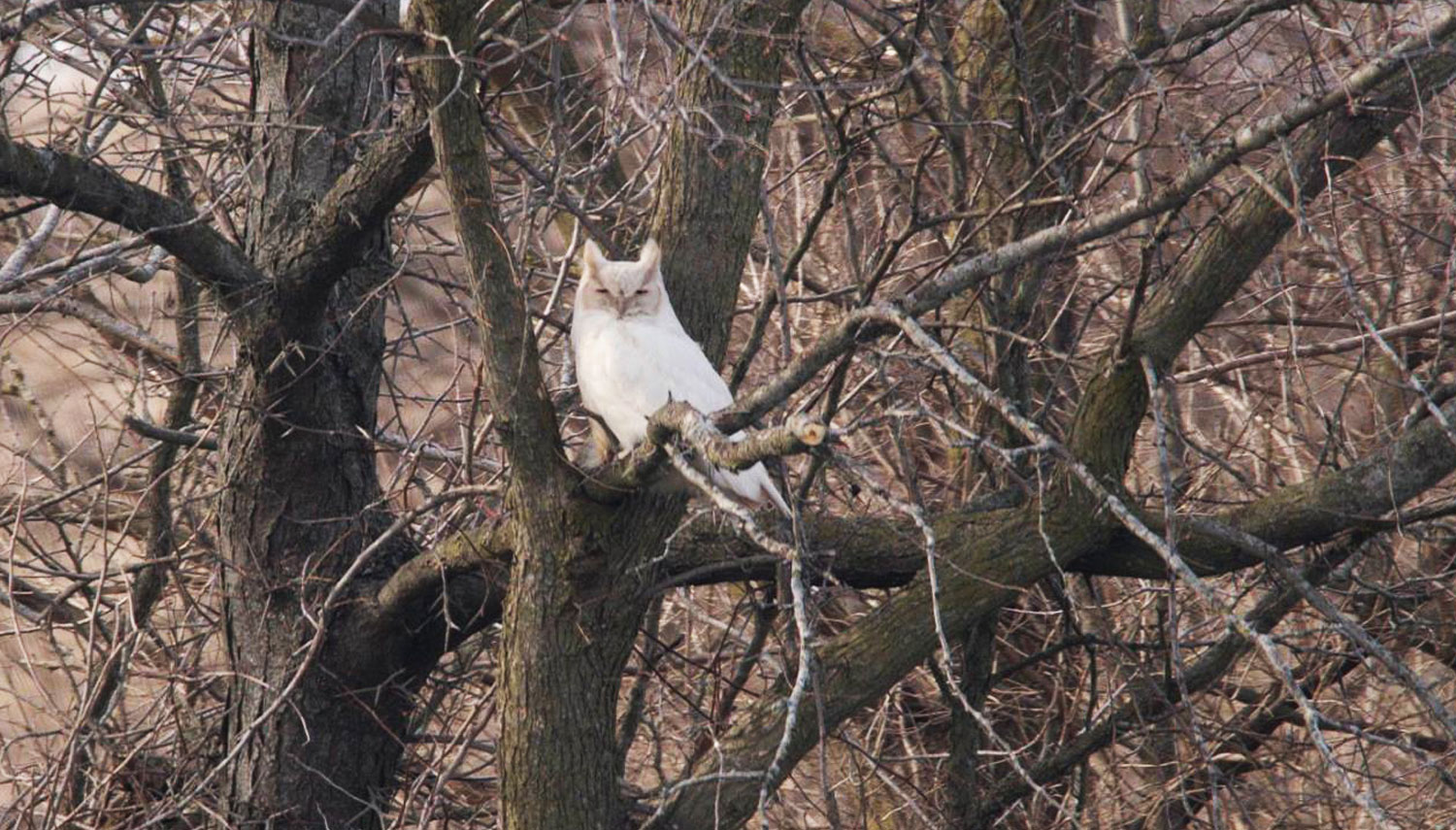
The great horned owl is most well known from storybooks and folklore, because it is the owl that makes the famous hooting call.
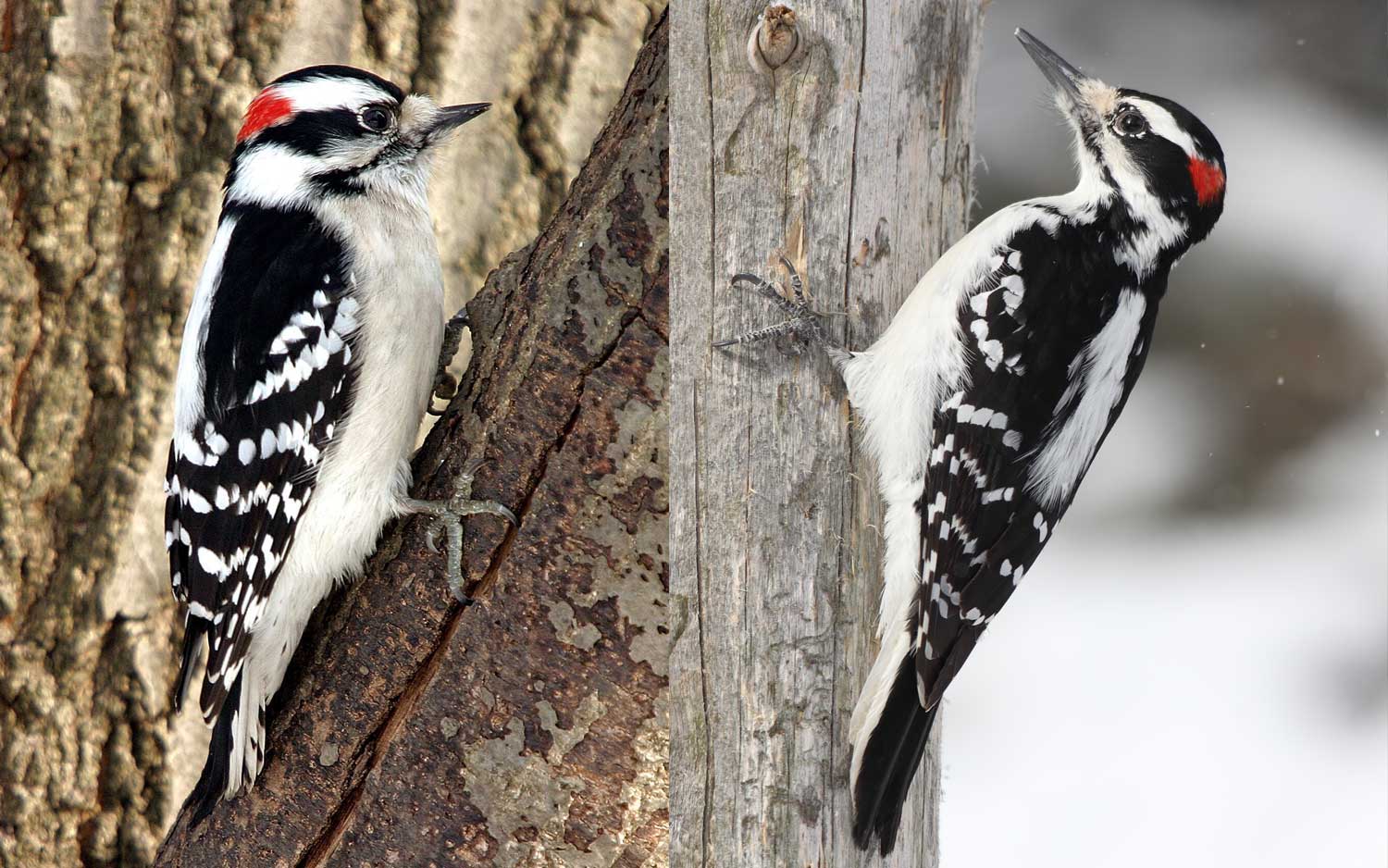
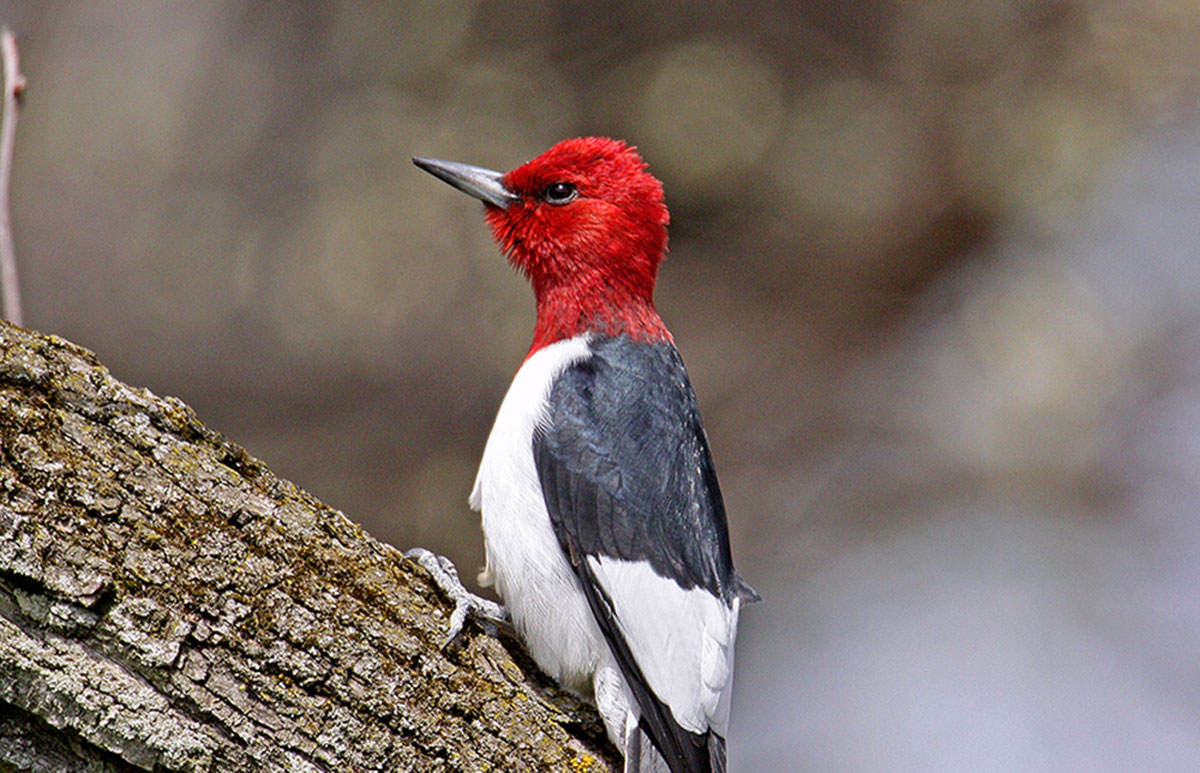
No matter what the weather is like, woodpeckers are active and are a special treat for bird-watchers.
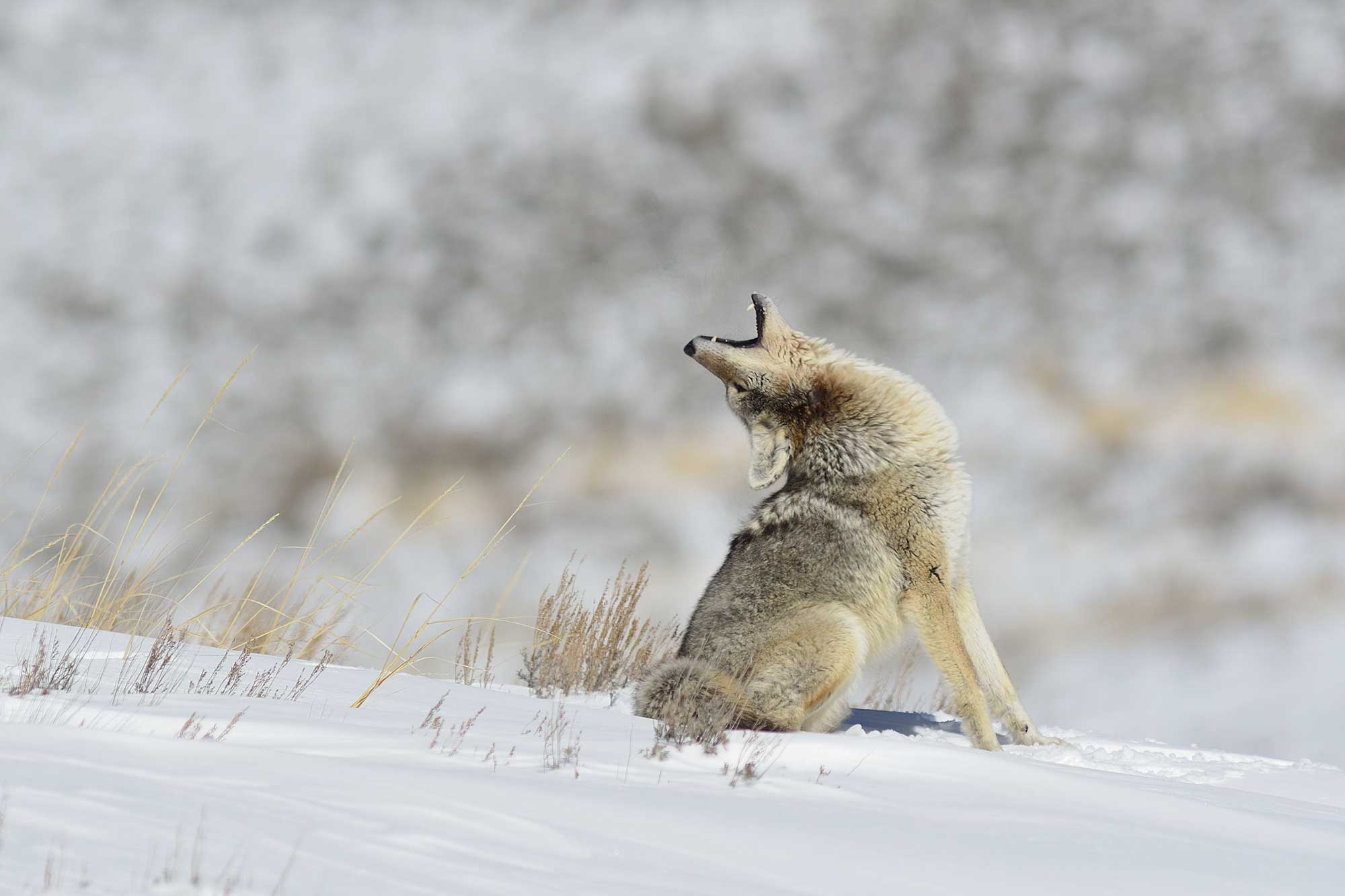
Coyotes try to remain unseen, hunting under the cover of darkness to protect themselves from being hunted.
It's not your common, everyday occurrence.
Sandhill cranes are a magnificent sight, whether flying overhead or congregating in prairies and fields, but we often realize the birds are nearby because we hear them before we see them.
Here's your chance to get to know the eight bat species that call the preserves home.
Here’s a look at some of the animals that spend their winters in northern Illinois and what they do this time of year to prepare.
These birds are smaller than most falcons, known for their powerful flying and astute hunting abilities.
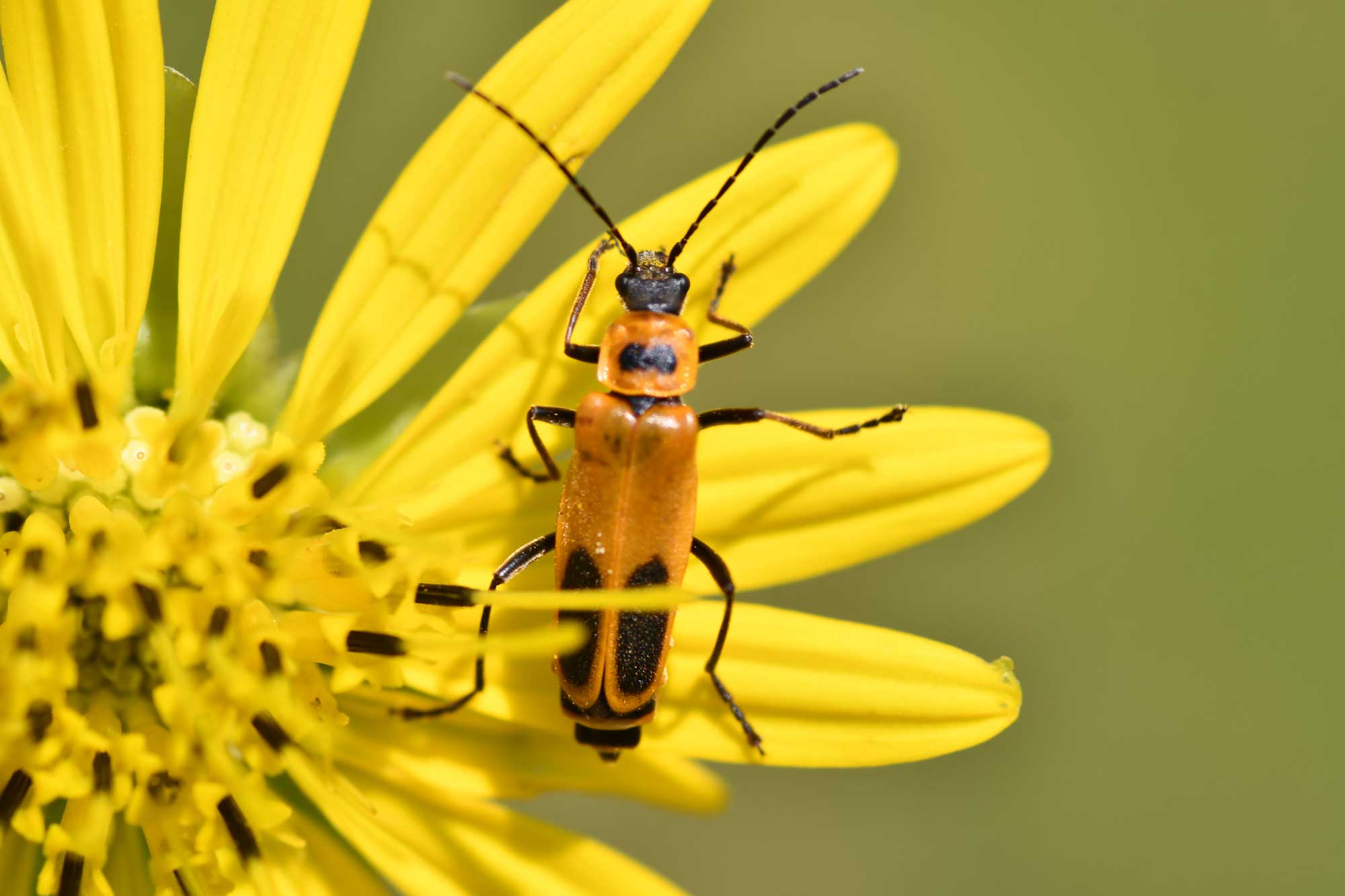
September and October are the most common times to see these intriguing insects.
They make pit stops in Will County during spring and fall migration.
After peeling back the layers, this unique preserve conserves a piece of the 'City of Steel's' heritage.
If you’ve thought to yourself "Do birds have ears?," well the answer to that question is both yes and no.
Beavers are second only to humans in their ability to change the environment they live in.
Many people prefer to only see the cuter and cuddly side of nature, but there's also a brutally raw side to it.
Most of us think of turkey as the star of the Thanksgiving table, but these birds live among us too, right in our own forests and prairies.
While you may hear them calling out in the preserves, seeing them is a rare treat.
The great horned owl is most well known from storybooks and folklore, because it is the owl that makes the famous hooting call.
No matter what the weather is like, woodpeckers are active and are a special treat for bird-watchers.
Coyotes try to remain unseen, hunting under the cover of darkness to protect themselves from being hunted.
It's not your common, everyday occurrence.
Sandhill cranes are a magnificent sight, whether flying overhead or congregating in prairies and fields, but we often realize the birds are nearby because we hear them before we see them.
Here's your chance to get to know the eight bat species that call the preserves home.
Here’s a look at some of the animals that spend their winters in northern Illinois and what they do this time of year to prepare.
These birds are smaller than most falcons, known for their powerful flying and astute hunting abilities.
September and October are the most common times to see these intriguing insects.
They make pit stops in Will County during spring and fall migration.
After peeling back the layers, this unique preserve conserves a piece of the 'City of Steel's' heritage.
Venture out on the trail at Thorn Creek Woods at dusk listening for the chorus of nocturnal insects.
Get some fresh air and exercise while helping to make a difference in your community by attending one or more of the Forest Preserve’s volunteer mornings.
The monarchs you see at this time of the year are special, part of a 'super generation' different than the three generations that preceded it.
Ruby-throated hummingbirds migrate in waves, and some have already departed. But we'll see the birds in Will County for weeks or even months, so keep filling your feeders.
If you are seeing more bees than birds at your hummingbird feeders lately, you're not alone. Learn why we see them more at this time of year and how you might keep them away from your hummingbird feeders.