
Monarchs and Día de los Muertos: These winged souls can bring life to your yard
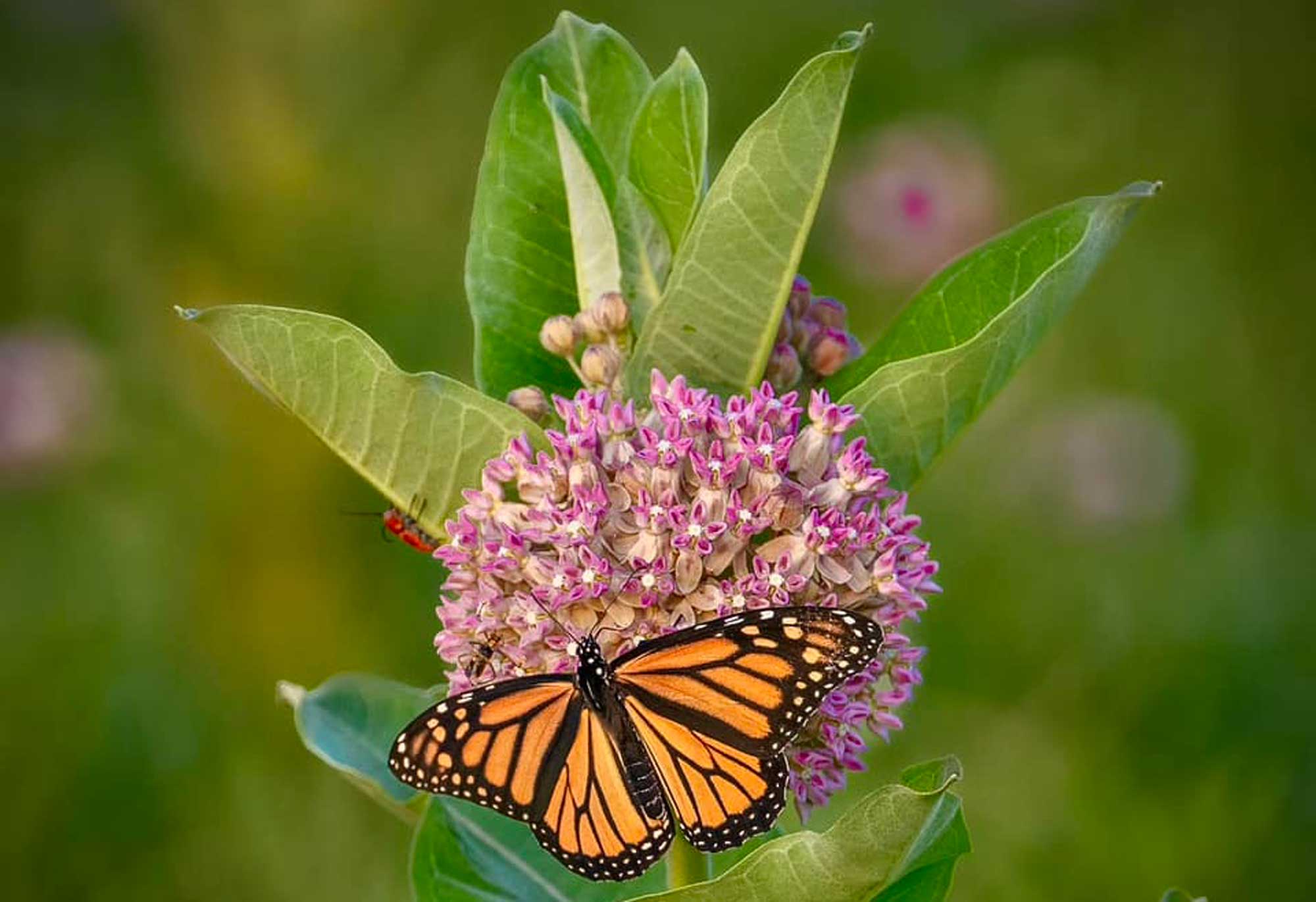
Monarch butterflies are winging their way south to Mexico on their spectacular migration to the oyamel fir forests in the Sierra Madre mountains, but now is the time to start thinking about how to attract these beauties to your yard next year.
That's because milkweed plants — the single most important plant for monarch butterflies and caterpillars — release their seeds around this time each fall, said Sara Russell, an interpretive naturalist at the Forest Preserve's Isle a la Cache Museum.
"Seeds are being released into the wind," she said.
Monarchs, along with marigolds and sugar skulls, are common symbols in the celebration of Day of the Dead. The butterflies are particularly meaningful, Russell said. "These monarchs are the souls of ancestors passed," she said.
But without milkweed, we won't have monarchs. That's because monarch caterpillars eat only milkweed, and the female monarch butterflies only lay their eggs on milkweed plants. The bottom line is milkweed is essential for their survival as a species, the National Wildlife Federation reports.
"We need to continue to have milkweed plants in Illinois if we want the migration (of the butterflies) to continue," Russell said.
Now is the time to plant milkweed seeds both because this is when the plants naturally release their seeds and because the seeds require freezing temperatures before germinating in the spring. A freeze-and-thaw cycle softens the coating on the seeds, which then allows the plants to grow come spring, according to the Illinois Department of Natural Resources.
You can plant the seeds at any point until the soil freezes. Simply sprinkling the seeds on the ground can be enough to find milkweed sprouting up in the spring, but you can also gently work the seeds into the soil, Russell said.
Many varieties of milkweed exist, but not all are native to Illinois and the Midwest. It's best to only plant native species in your yard and gardens, both with milkweed and other types of plants, because these plants are best suited for the climate and soils we have here. Illinois is home to 24 species of milkweed, but two of these are not native to the state, according to the Illinois Department of Natural Resources.
In the northeastern United States, including Illinois, milkweed species recommended for planting in home gardens are butterfly weed, common milkweed, poke milkweed, swamp milkweed and whorled milkweed, according to Monarch Joint Venture.
You don't have to focus solely on milkweed in hopes of seeing monarch butterflies in your yard. While the female butterflies only lay their eggs on milkweed, monarchs visit a variety of wildflowers for nectar. Among the wildflowers native to the Midwest that attract monarchs are wild bergamot, prairie blazing star, black-eyed Susan, eastern purple coneflower, pale purple coneflower, showy goldenrod, stiff goldenrod, field thistle, swamp thistle and New England aster, according to the Xerces Society.


