Sounds of Insects Night Hike
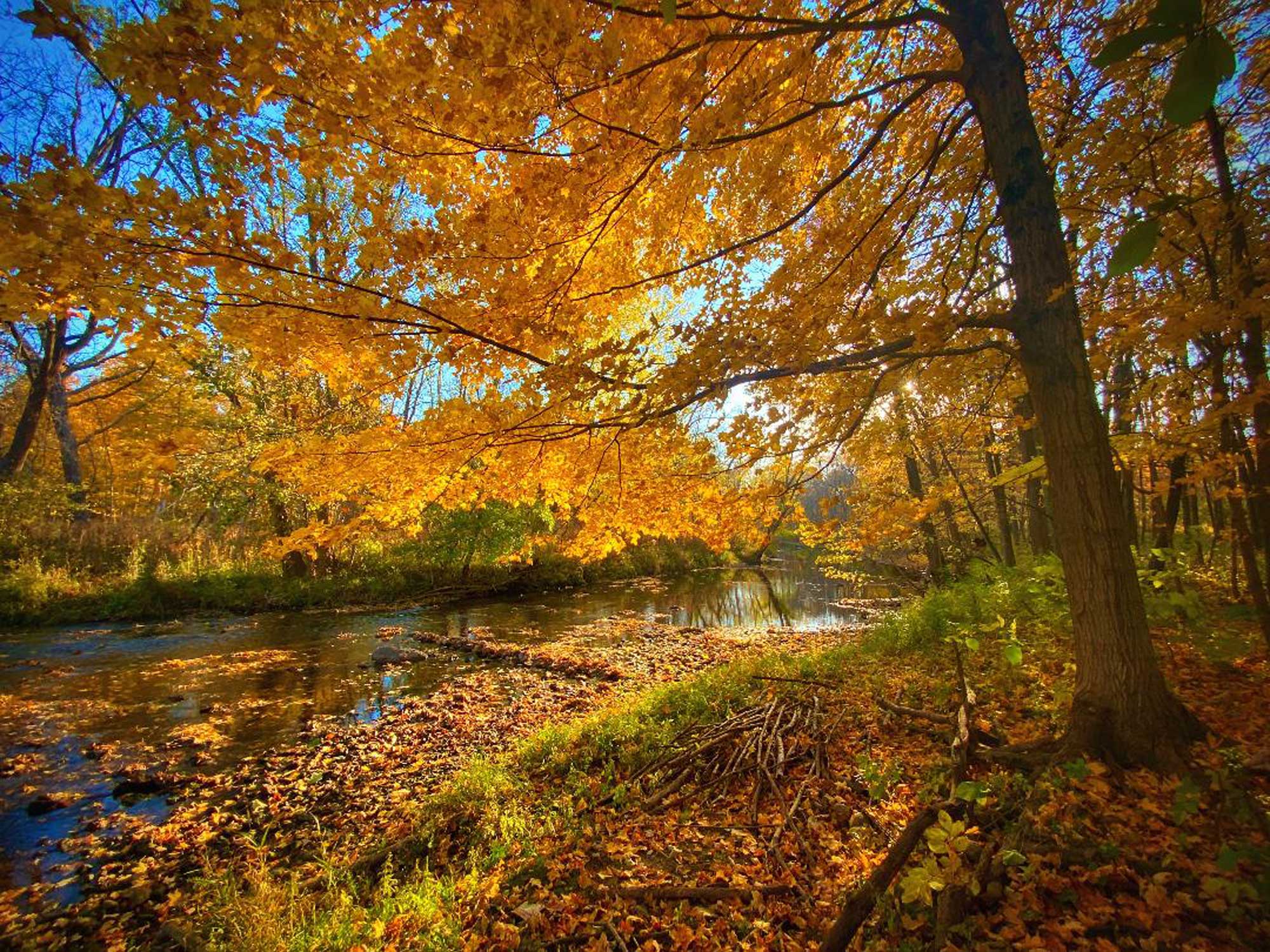
Venture out on the trail at Thorn Creek Woods at dusk listening for the chorus of nocturnal insects.
Barb Ferry has been raising monarch butterflies at home and releasing them into the wild, with the ultimate goals of helping sustain their population and educating the public of their importance.
Is that creepy crawly covered in legs a centipede or a millipede? Here's how to tell.
If you've ever spent a long day in the sun with no sunscreen, you've probably paid the price in the form of a bad sunburn. But are animals at risk for painful sunburns too?
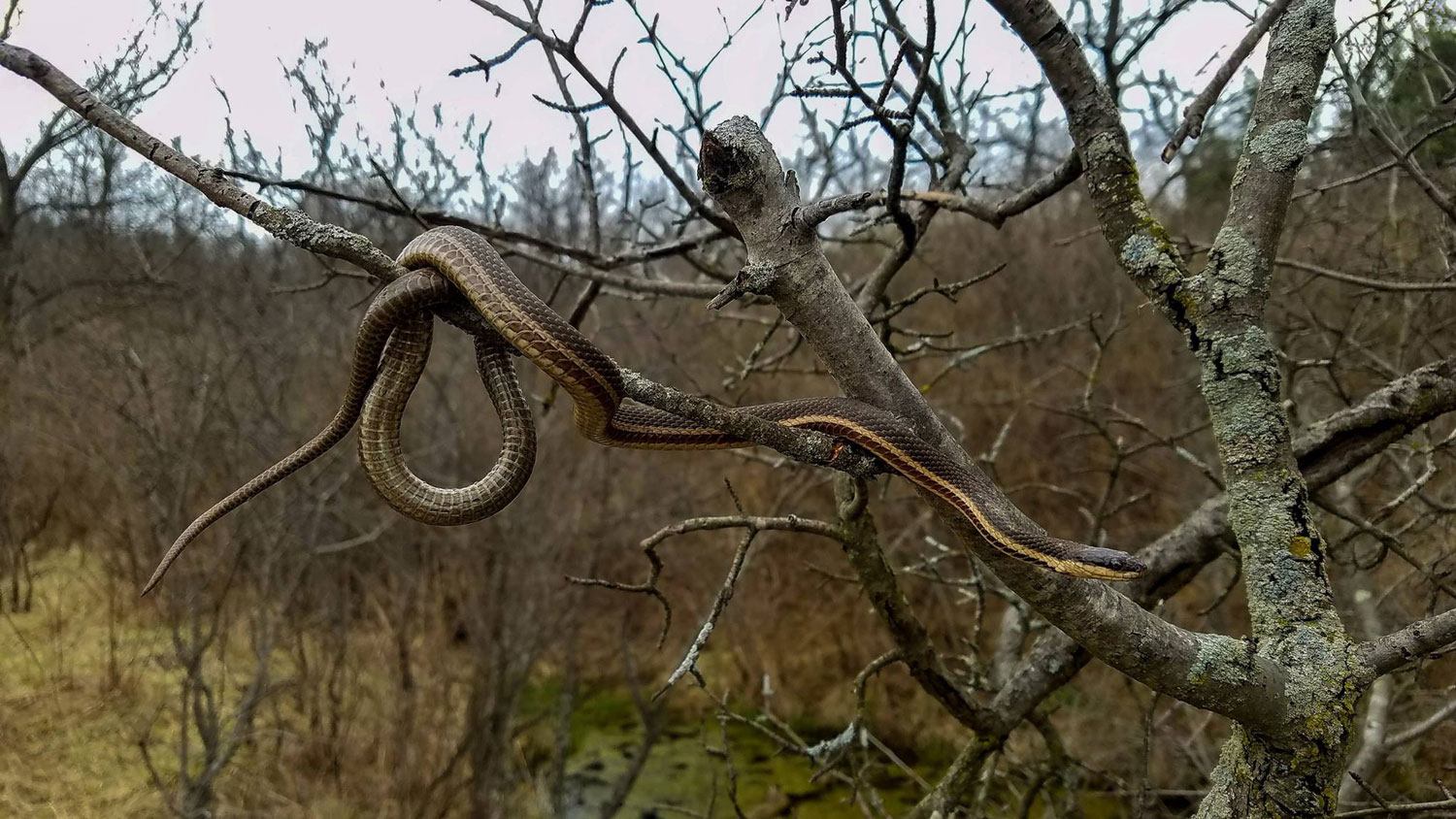
Learn more about the northern water snake, one of the most common water snakes in Illinois.
A plant that does what it's told? The name obedient plant may seem like a misnomer, but the flowers of this plant can be turned in any direction and will stay in place once moved, hence the name.
Most of us try to avoid bats, but creating a welcoming habitat for them may be beneficial.
Is that orange and black butterfly floating by a monarch or a viceroy? Here's how to tell the difference.
Shrimp in Illinois waterways? It's true, but these aren't the kind of crustaceans you'd order in a restaurant.
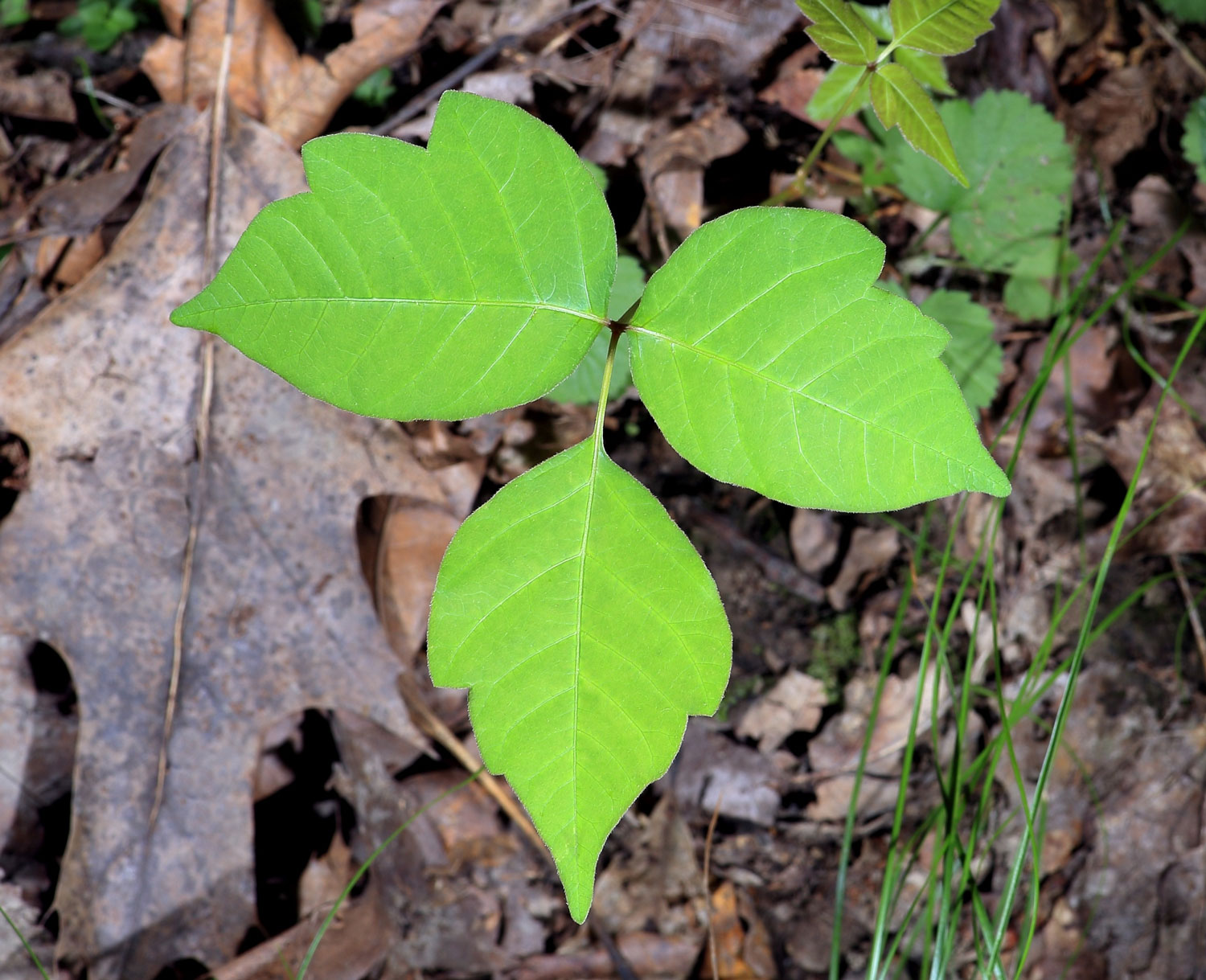
Here’s a closer look at some of the plants that can cause you harm and are best avoided.
Osprey or eagle? Learn what sets the osprey apart from other birds of prey.
Hanging upside down for even a few seconds will leave anyone feeling dizzy and a little lightheaded, so how do bats do it?
Will County forest preserves play a key role in acting as rainwater sponges.
From cactus to carnivorous plants, there are some surprises in the preserves.
Is that big, buzzing insect a dragonfly or a damselfly? Learn how to tell the difference.
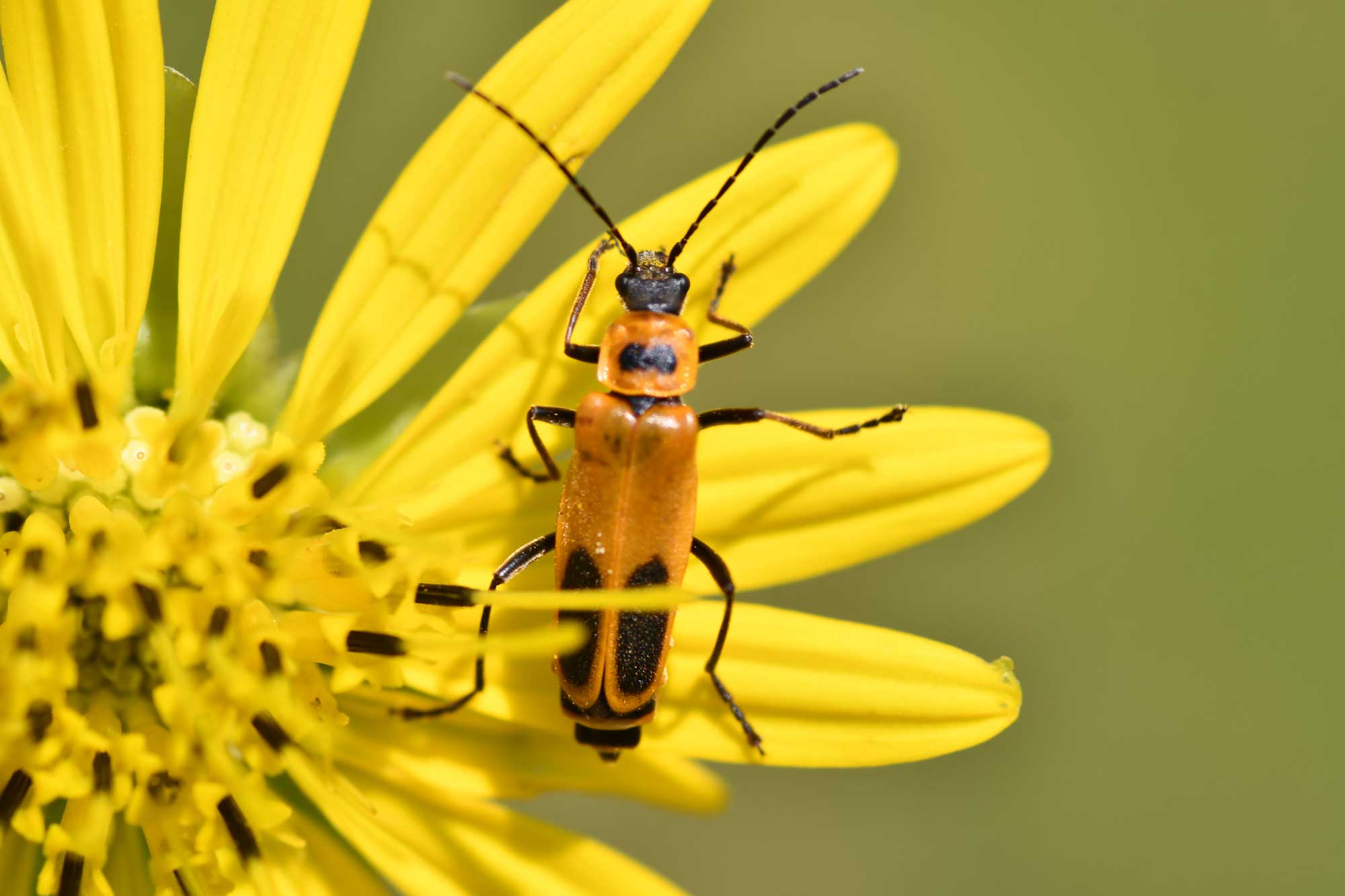
Ichneumon wasps are scary-looking insects, but what many people think is a dangerous stinger is really used for laying eggs.
Most of us don’t give ants a second thought unless an invasion of them happens to be ruining our time outside.
Barb Ferry has been raising monarch butterflies at home and releasing them into the wild, with the ultimate goals of helping sustain their population and educating the public of their importance.
Is that creepy crawly covered in legs a centipede or a millipede? Here's how to tell.
If you've ever spent a long day in the sun with no sunscreen, you've probably paid the price in the form of a bad sunburn. But are animals at risk for painful sunburns too?
Learn more about the northern water snake, one of the most common water snakes in Illinois.
A plant that does what it's told? The name obedient plant may seem like a misnomer, but the flowers of this plant can be turned in any direction and will stay in place once moved, hence the name.
Most of us try to avoid bats, but creating a welcoming habitat for them may be beneficial.
Is that orange and black butterfly floating by a monarch or a viceroy? Here's how to tell the difference.
Shrimp in Illinois waterways? It's true, but these aren't the kind of crustaceans you'd order in a restaurant.
Here’s a closer look at some of the plants that can cause you harm and are best avoided.
Osprey or eagle? Learn what sets the osprey apart from other birds of prey.
Hanging upside down for even a few seconds will leave anyone feeling dizzy and a little lightheaded, so how do bats do it?
Will County forest preserves play a key role in acting as rainwater sponges.
From cactus to carnivorous plants, there are some surprises in the preserves.
Is that big, buzzing insect a dragonfly or a damselfly? Learn how to tell the difference.
Ichneumon wasps are scary-looking insects, but what many people think is a dangerous stinger is really used for laying eggs.
Most of us don’t give ants a second thought unless an invasion of them happens to be ruining our time outside.
Venture out on the trail at Thorn Creek Woods at dusk listening for the chorus of nocturnal insects.
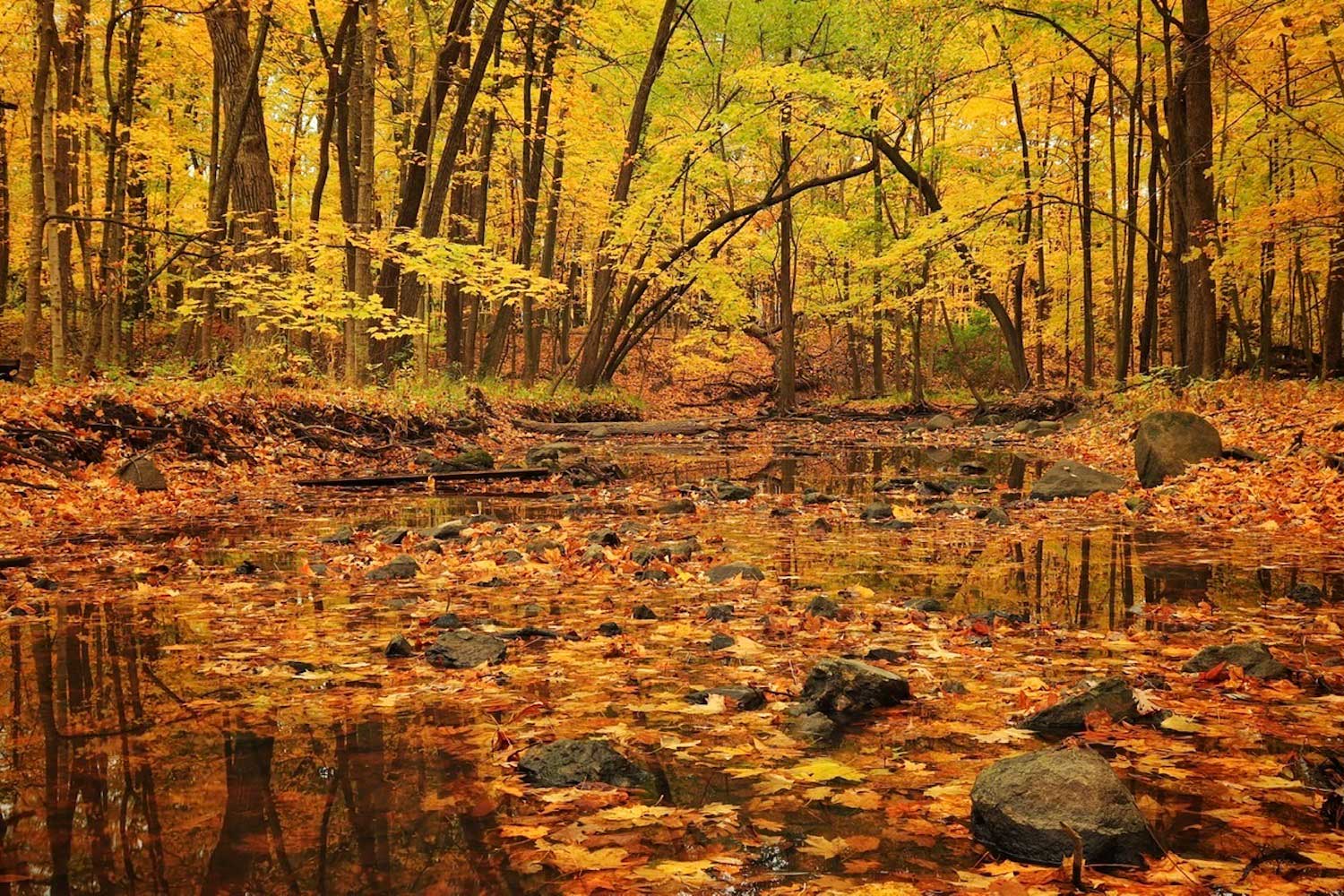
Get some fresh air and exercise while helping to make a difference in your community by attending one or more of the Forest Preserve’s volunteer mornings.
The monarchs you see at this time of the year are special, part of a 'super generation' different than the three generations that preceded it.
Ruby-throated hummingbirds migrate in waves, and some have already departed. But we'll see the birds in Will County for weeks or even months, so keep filling your feeders.
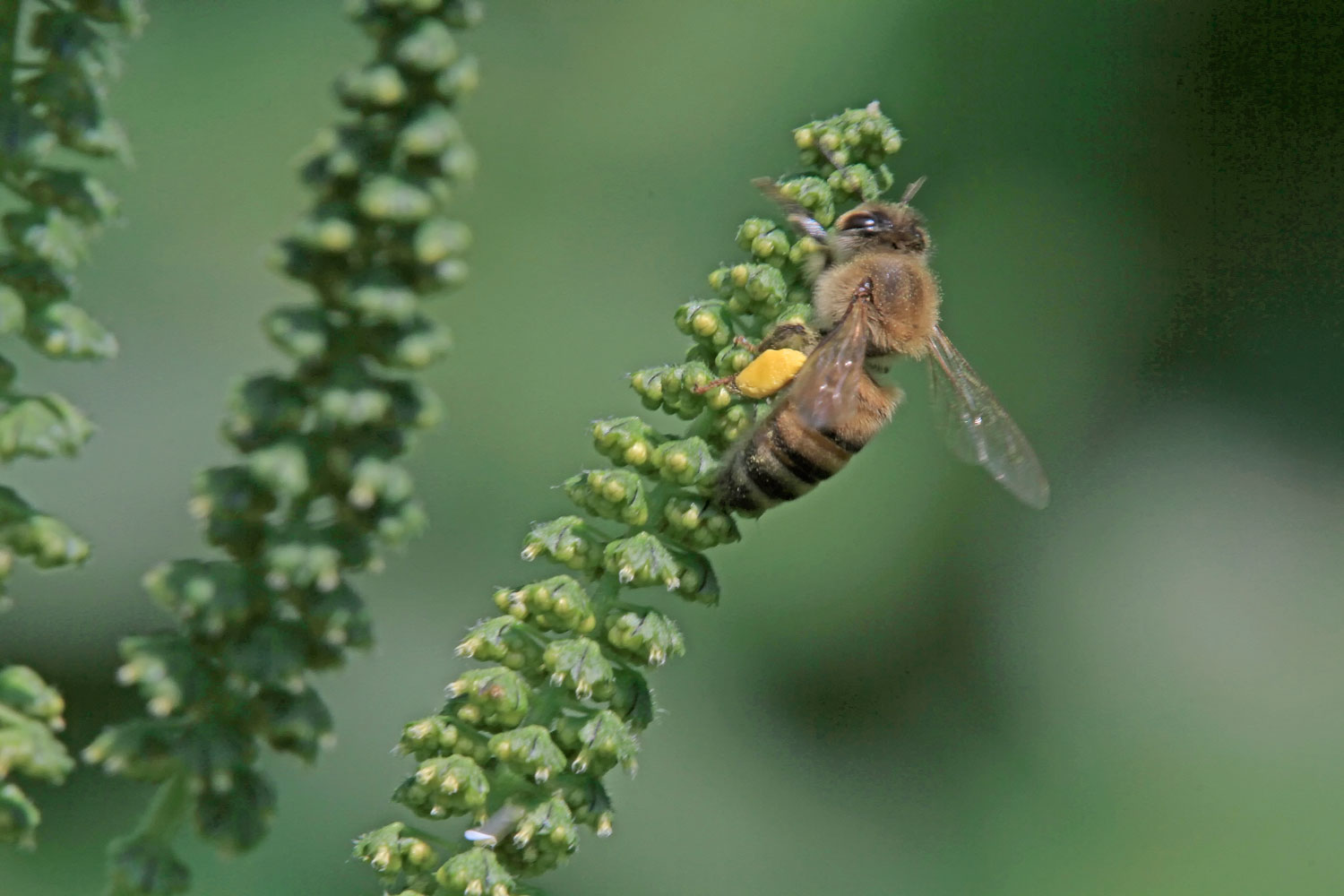
If you are seeing more bees than birds at your hummingbird feeders lately, you're not alone. Learn why we see them more at this time of year and how you might keep them away from your hummingbird feeders.