Hummingbirds are already migrating, but it's not time to take down feeders yet
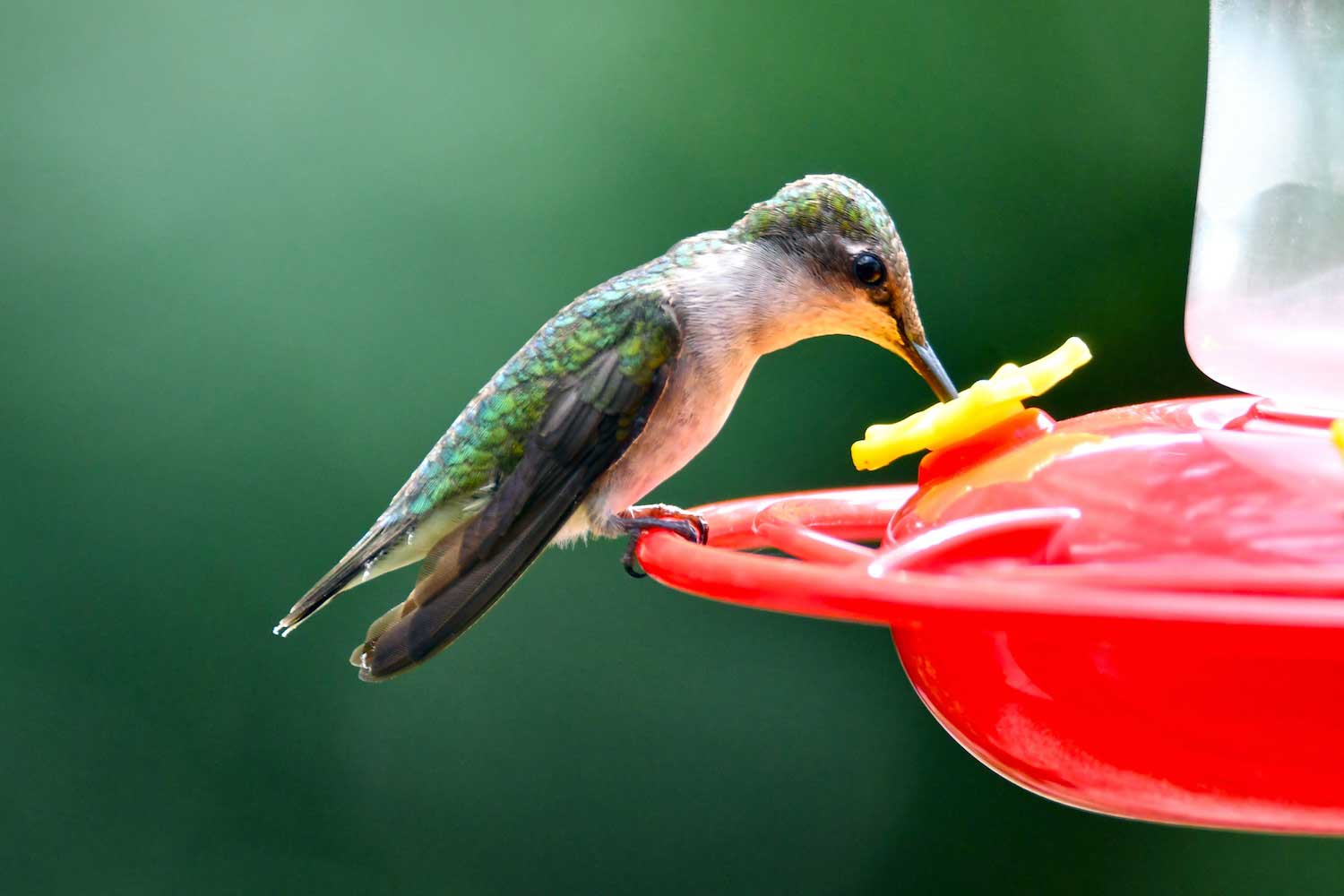
Summer may still seem like it's in full swing, but some hummingbirds have already started their long migration south for the winter, resulting in changes in how often we see these beloved birds in our yards and at our feeders.
Ruby-throated hummingbirds migrate to and from their summer breeding grounds in waves. The migration period for their trip south to their wintering grounds begins in late July or early August.
Mature male hummingbirds are the first to leave. They aren't involved in raising their offspring, so they leave before the females and young birds. The hummingbirds typically continue to depart on their migration through early October.
Leaving in waves might be a protective strategy for the birds. If they left all at once in large masses, their population could suffer mightily if they were to encounter severe weather or other disturbances on their journey.
Their migratory pattern also contributes to why we sometimes see fluctuations in hummingbirds' presence at feeders. At this time of year, the birds that summered here are preparing for their migration, including eating more to bulk up for their long journey. Around this time, we can also see periodic influxes of hummingbirds that summered further north. These birds have already begun their trip south and stop over here locally for rest and to fuel up.
The population of ruby-throated hummingbirds typically drops off notably as a result of their migration by the end of September. Because they are looking for reliable and consistent food sources, keeping your feeders full and in good condition is important at this time of year.
The gold standard formula for making your own hummingbird nectar is mixing 1 part sugar with 4 parts water, for example, a 1/4 cup of sugar and 1 cup of water. Adding red food coloring will not help attract the birds and may do more harm than good, according to the Cornell Lab of Ornithology.
Change out the sugar water every few days, and clean feeders regularly as well. Regular and thorough cleanings are important especially when it's hot because mold can quickly develop in the feeders.
If you don't have a lot of birds visiting your feeders, don't fill them up all the way. Make just enough to feed the hummingbirds that visit your yard between cleanings.
Many people believe that leaving hummingbird feeders up past the time they begin migrating will cause these beloved birds to stick around longer than they should, but this simply isn't so. Many factors contribute to the timing of their migrations, including changes in daylight and temperature. Leaving your feeders up well into fall won't cause hummingbirds to go against their natural instinct to begin their migration.
Forest Preserve District staff leave hummingbird feeders up at Plum Creek Nature Center and other nature centers until the end of October. That's a few weeks later than they typically see the birds at the feeders, but leaving them up for a few extra weeks ensures that any stragglers migrating through the area have a good food supply.