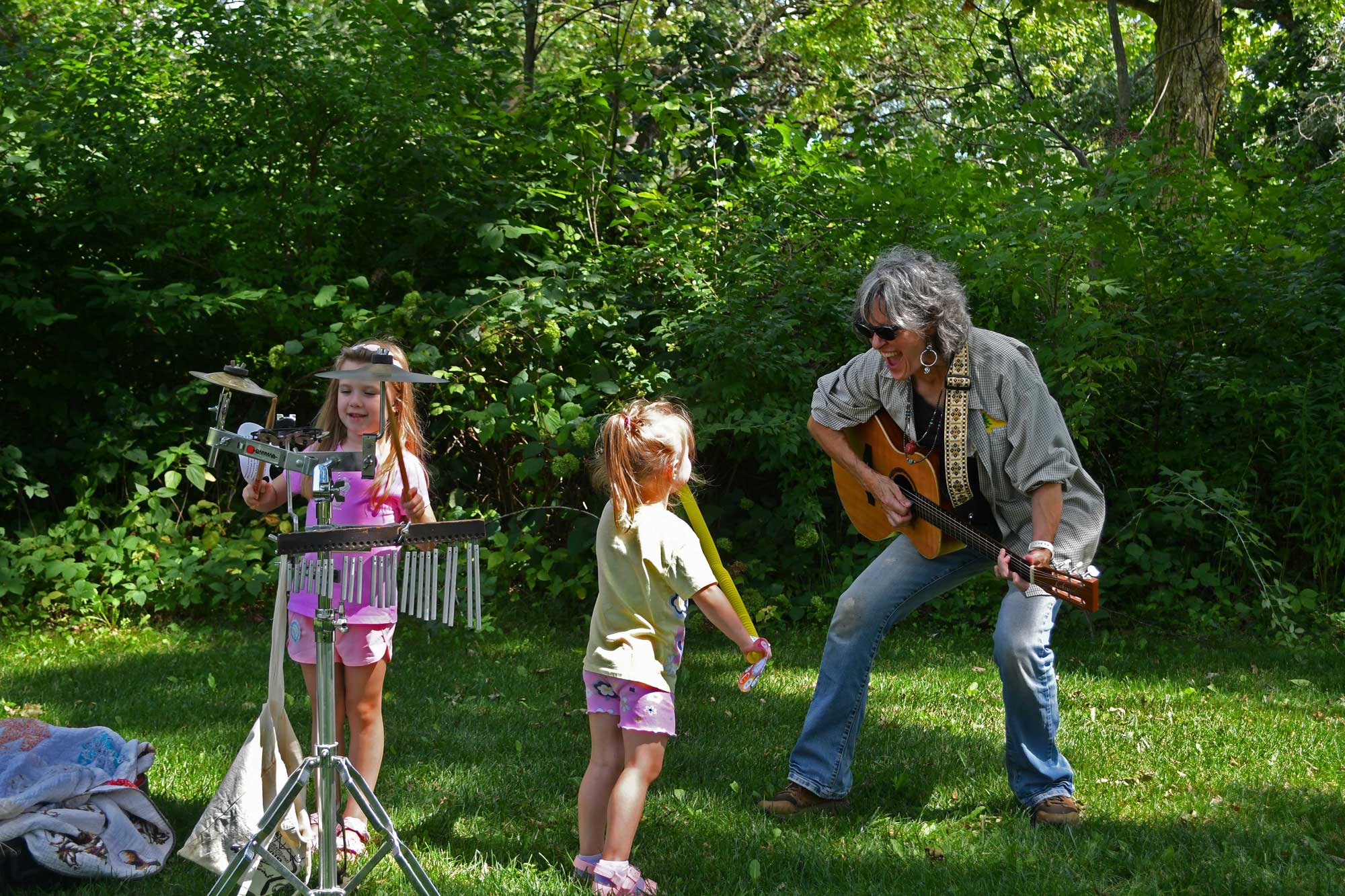
Festival of Arts Through Nature
Find your nature’s muse at this event full of hands-on activities that let you express yourself through music, movement and visual arts

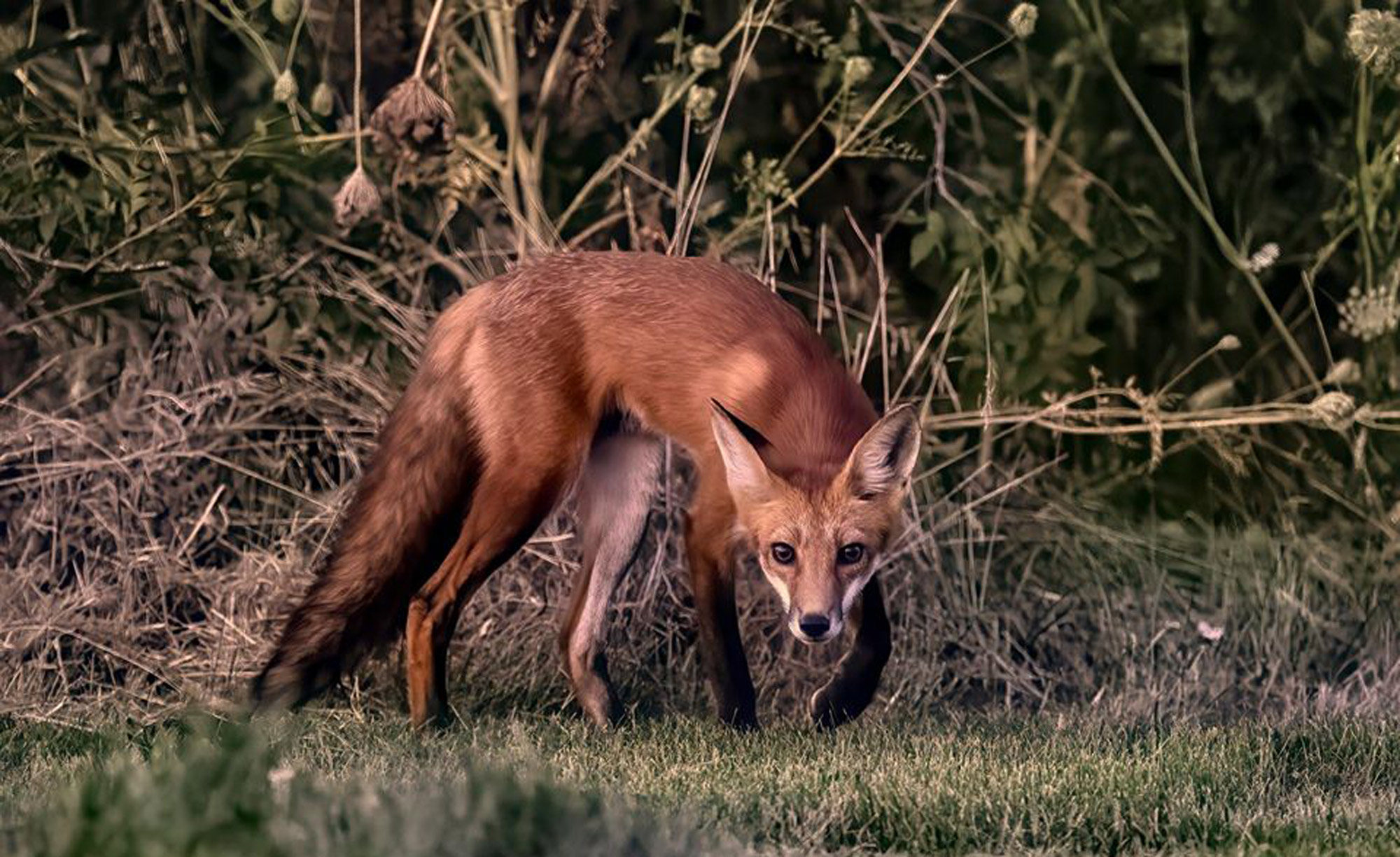
These sly creatures are skilled hunters and adaptable to many habitats and environments, including rural, suburban and urban areas.
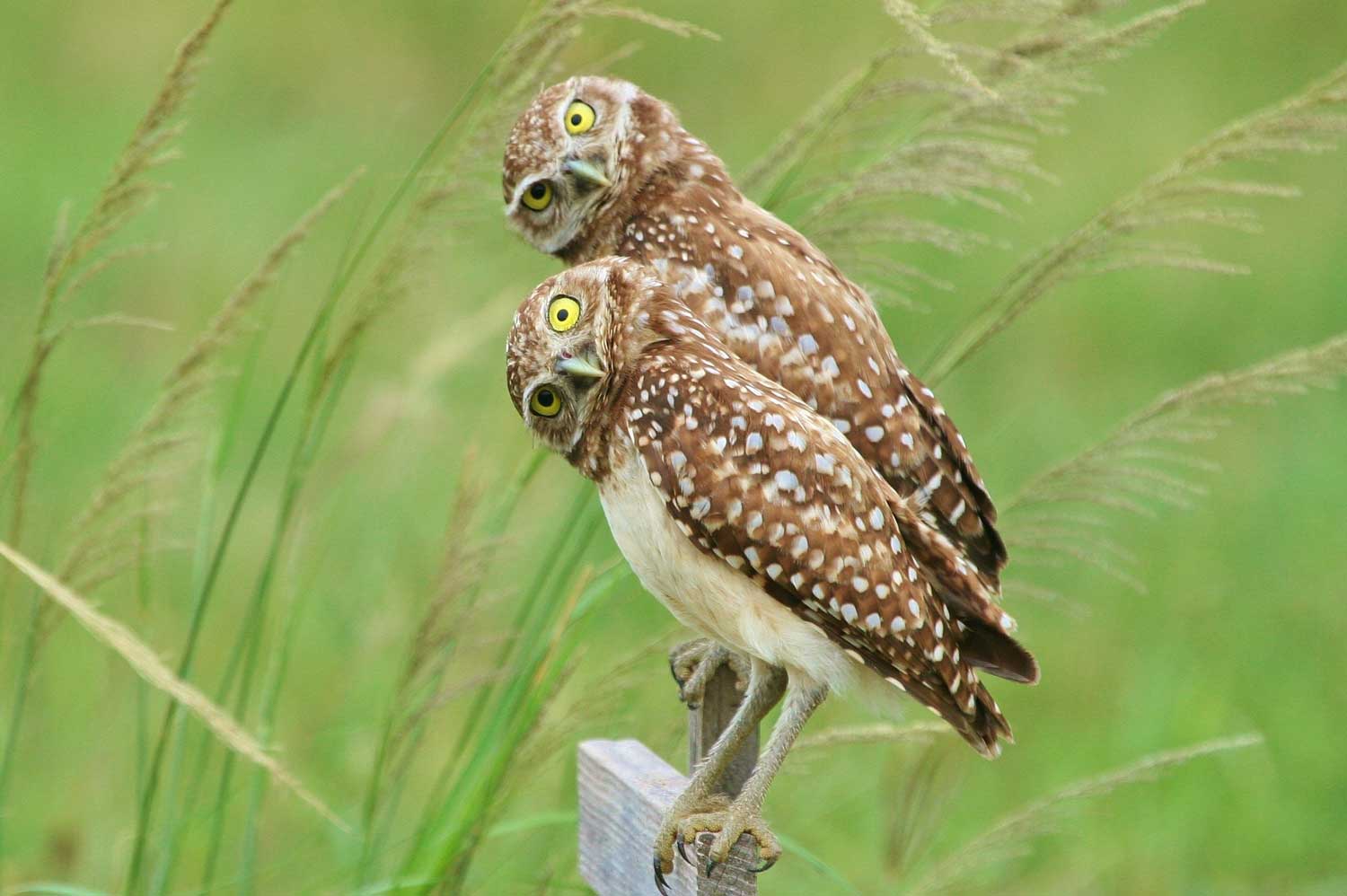
While it’s a common misconception that owls can turn their heads 360 degrees, they still can perform some pretty dramatic feats when it comes to checking out their environment
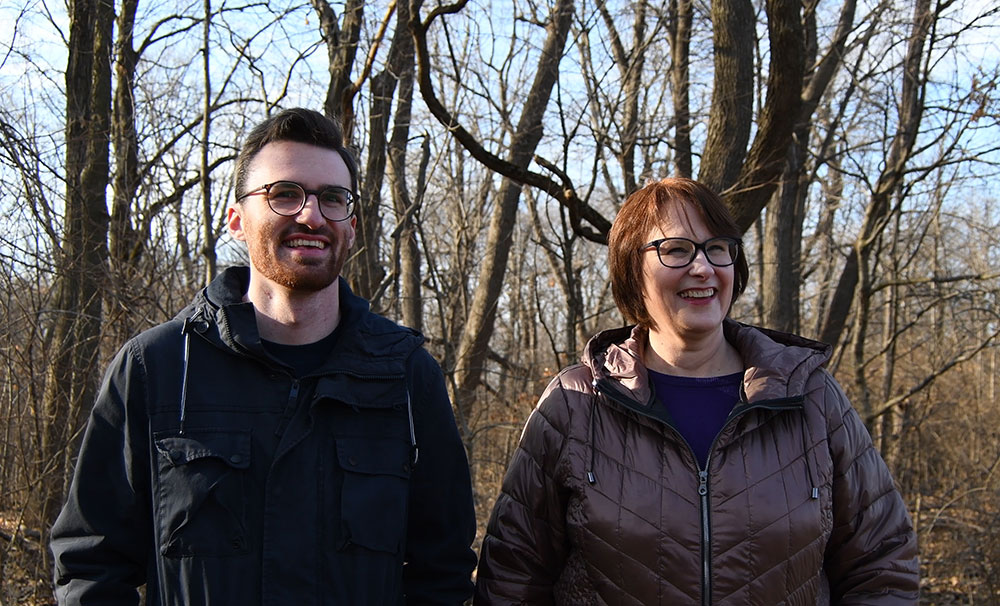
After a health scare two years ago, the Webers cherish their nature outings now more than ever before.
If you brave the cold, it can be rewarding — but does come with some extra challenges.
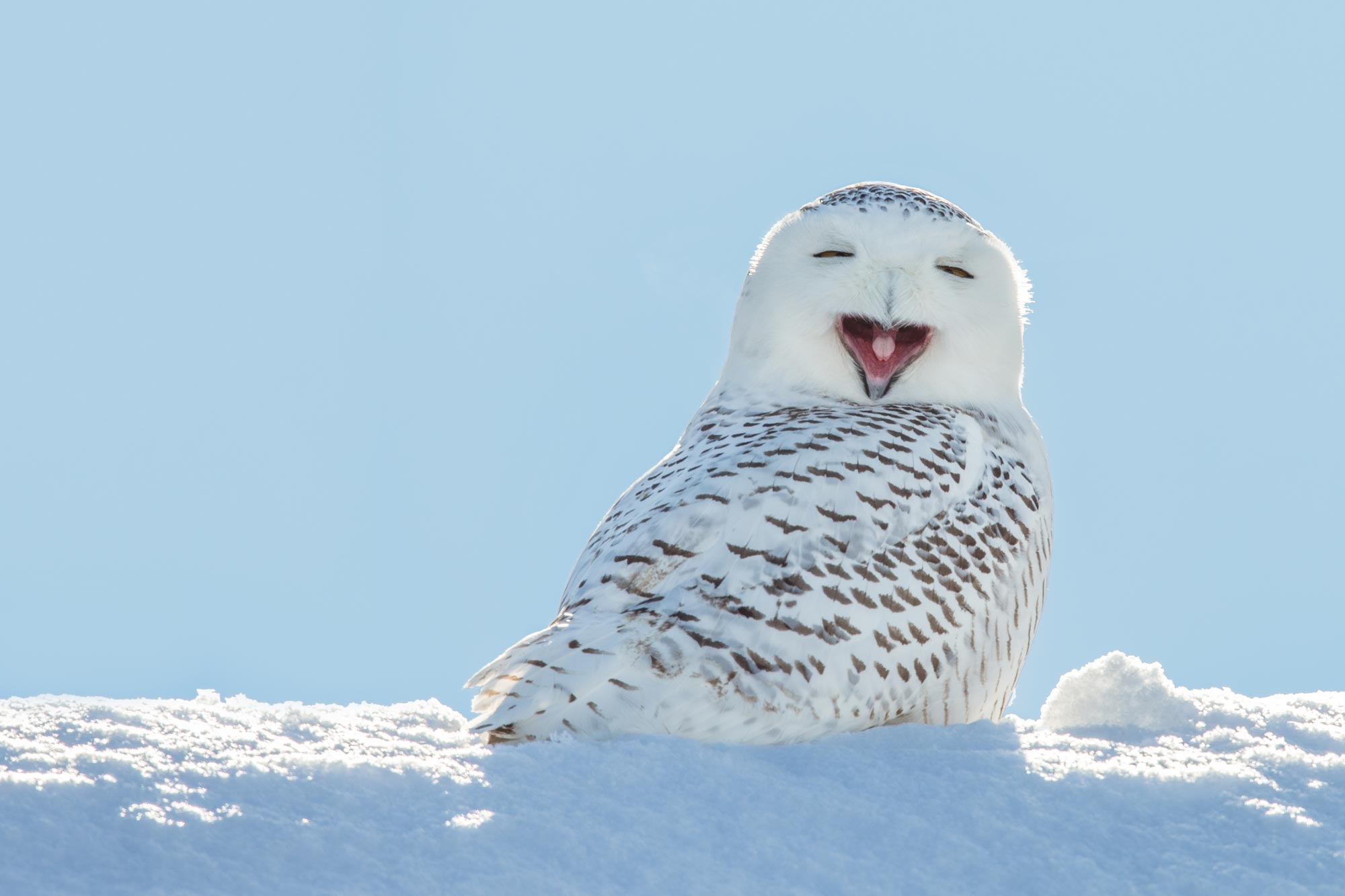
Snowy owls are a prized find among bird-watchers, because the beautiful birds are a sight to behold set against a wintry backdrop.
If you’ve thought to yourself "Do birds have ears?," well the answer to that question is both yes and no.
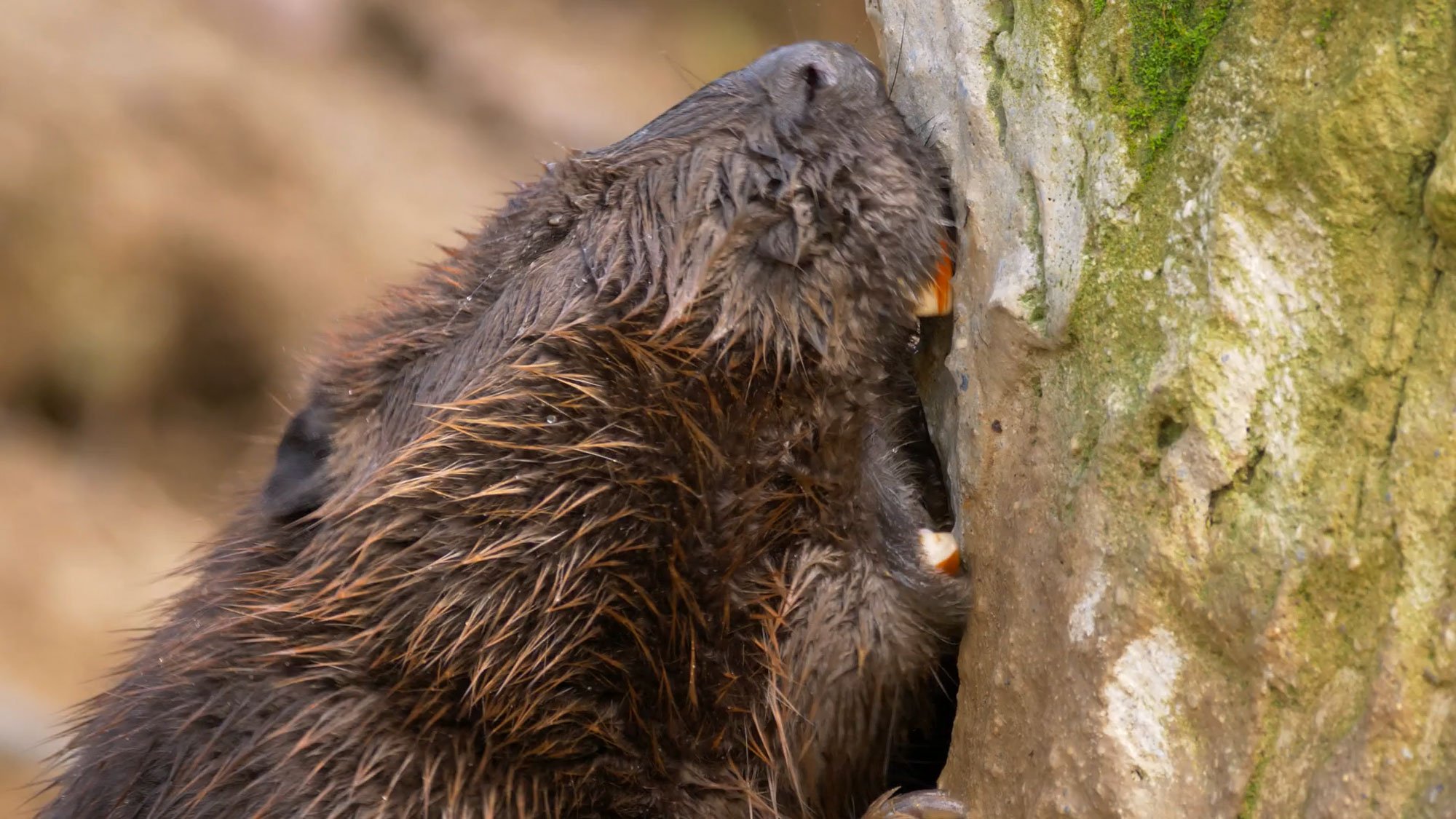
Beavers are second only to humans in their ability to change the environment they live in.
Many people prefer to only see the cuter and cuddly side of nature, but there's also a brutally raw side to it.
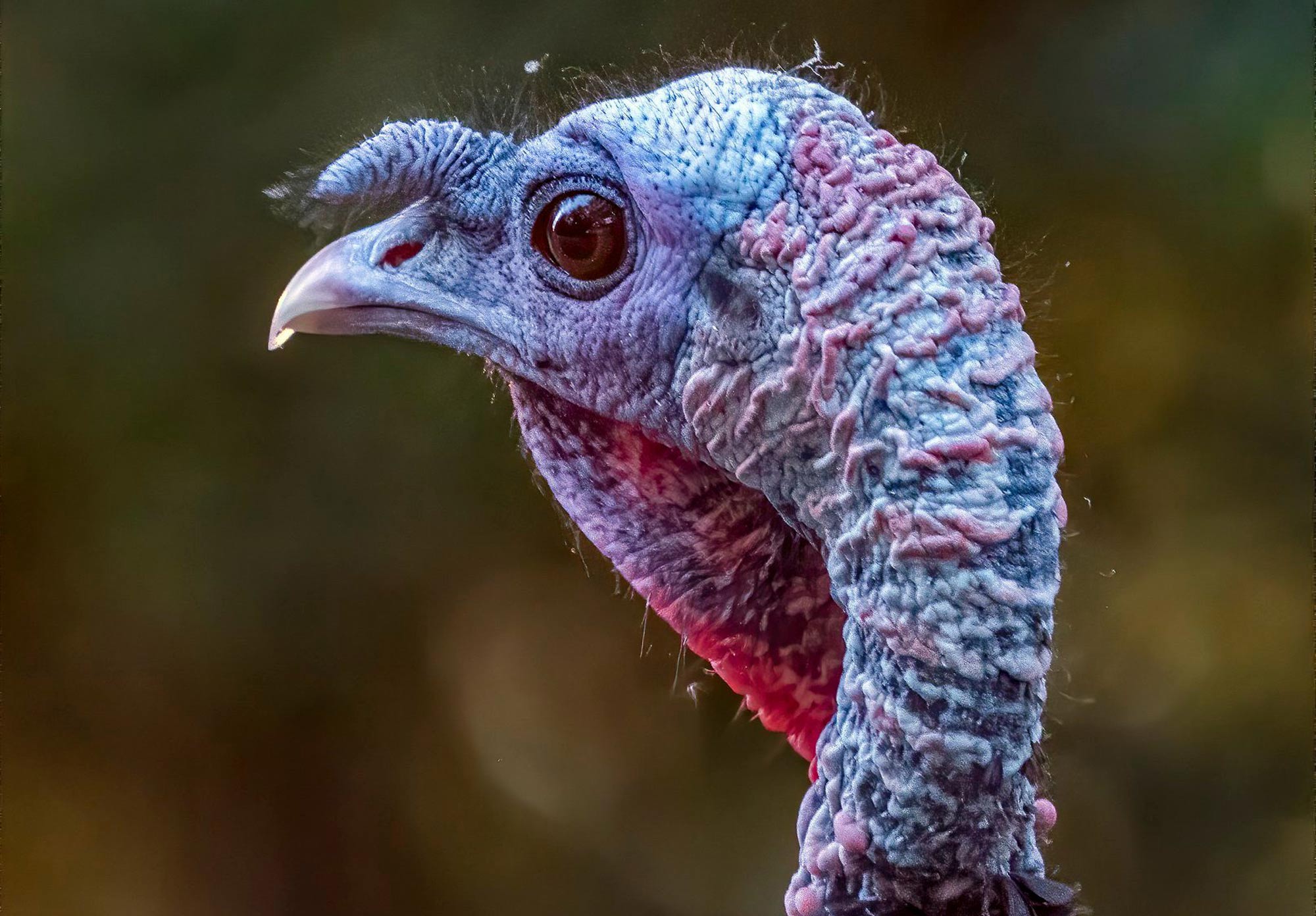
Most of us think of turkey as the star of the Thanksgiving table, but these birds live among us too, right in our own forests and prairies.
While you may hear them calling out in the preserves, seeing them is a rare treat.
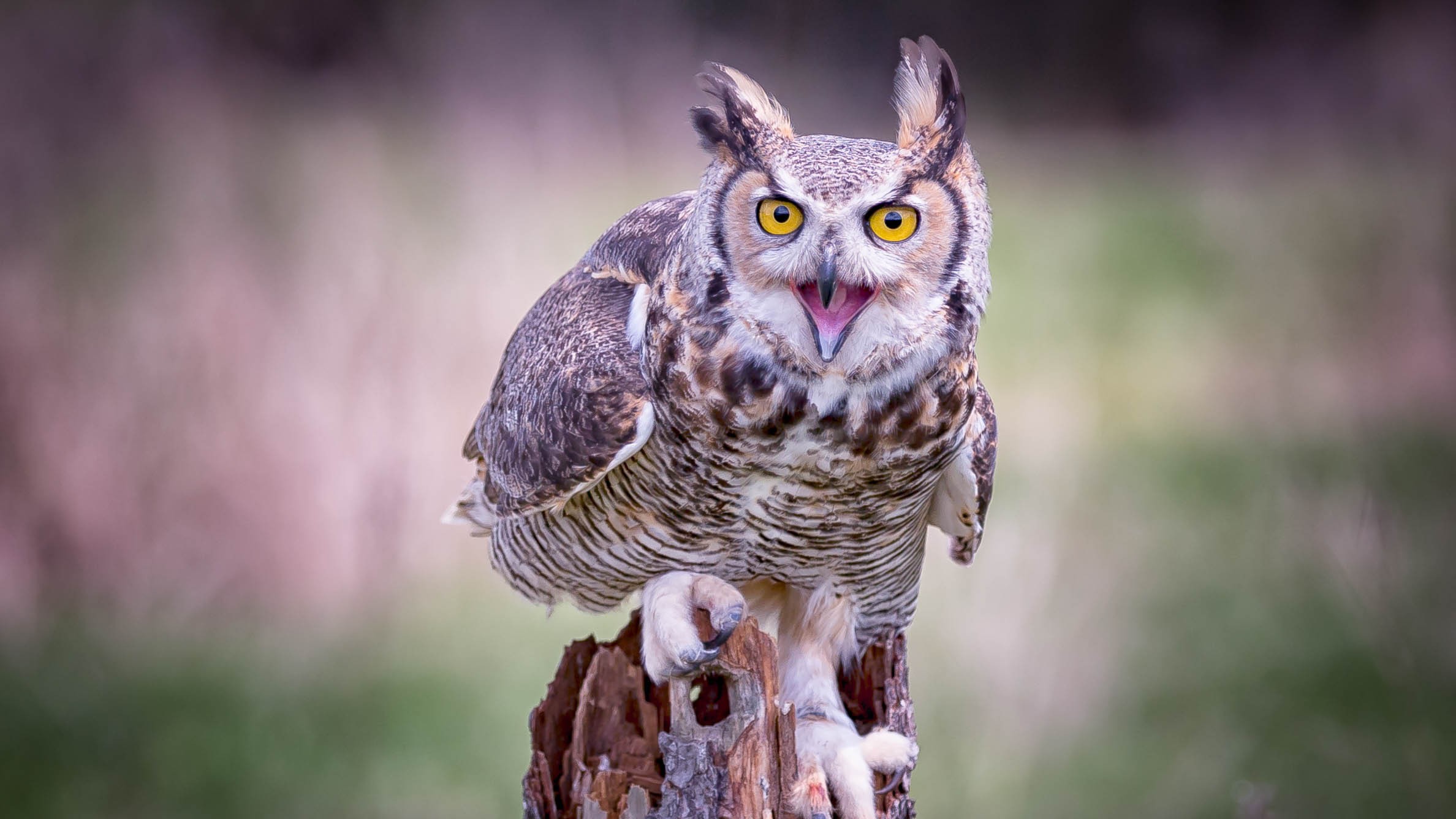
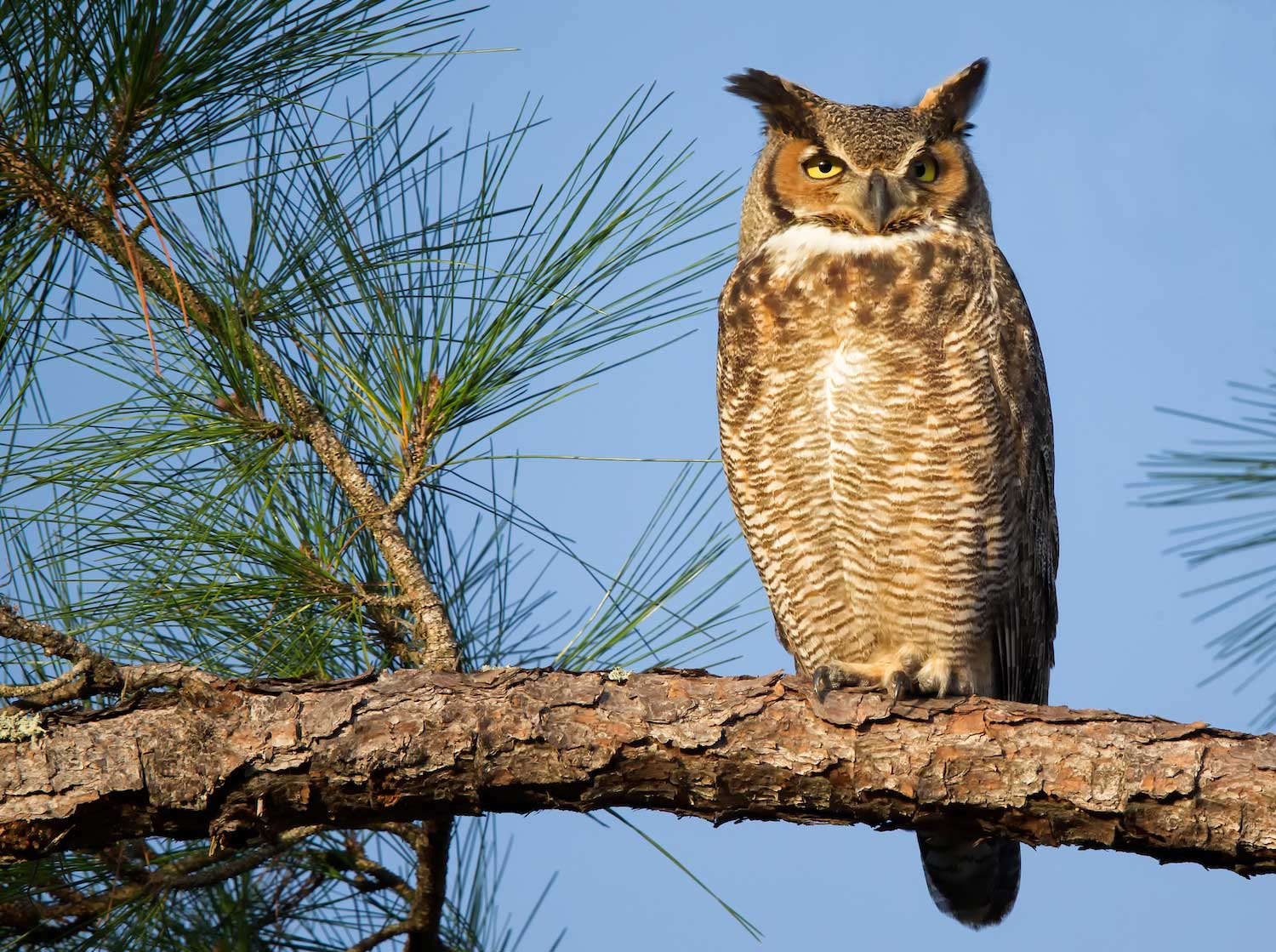
The great horned owl is most well known from storybooks and folklore, because it is the owl that makes the famous hooting call.
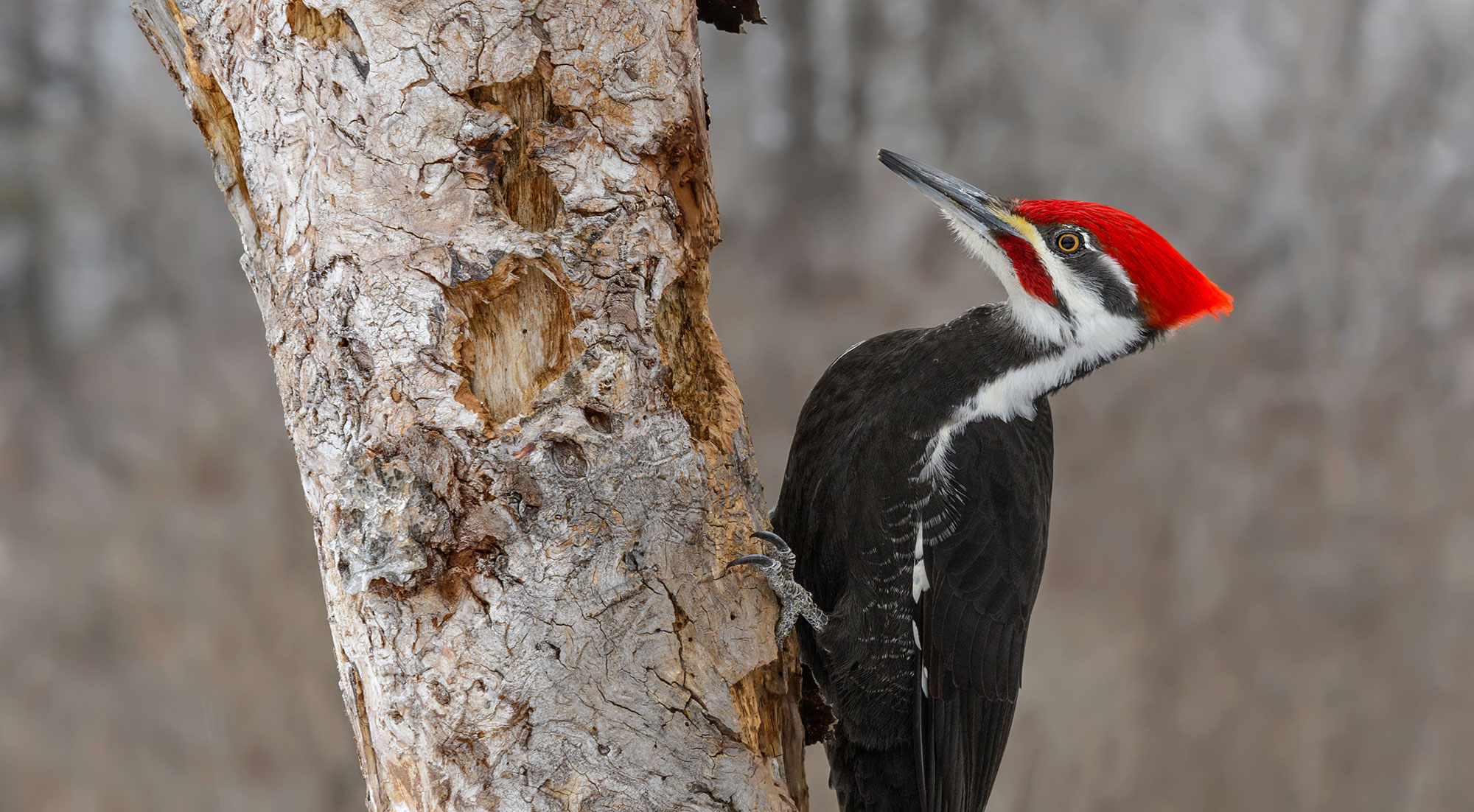
No matter what the weather is like, woodpeckers are active and are a special treat for bird-watchers.
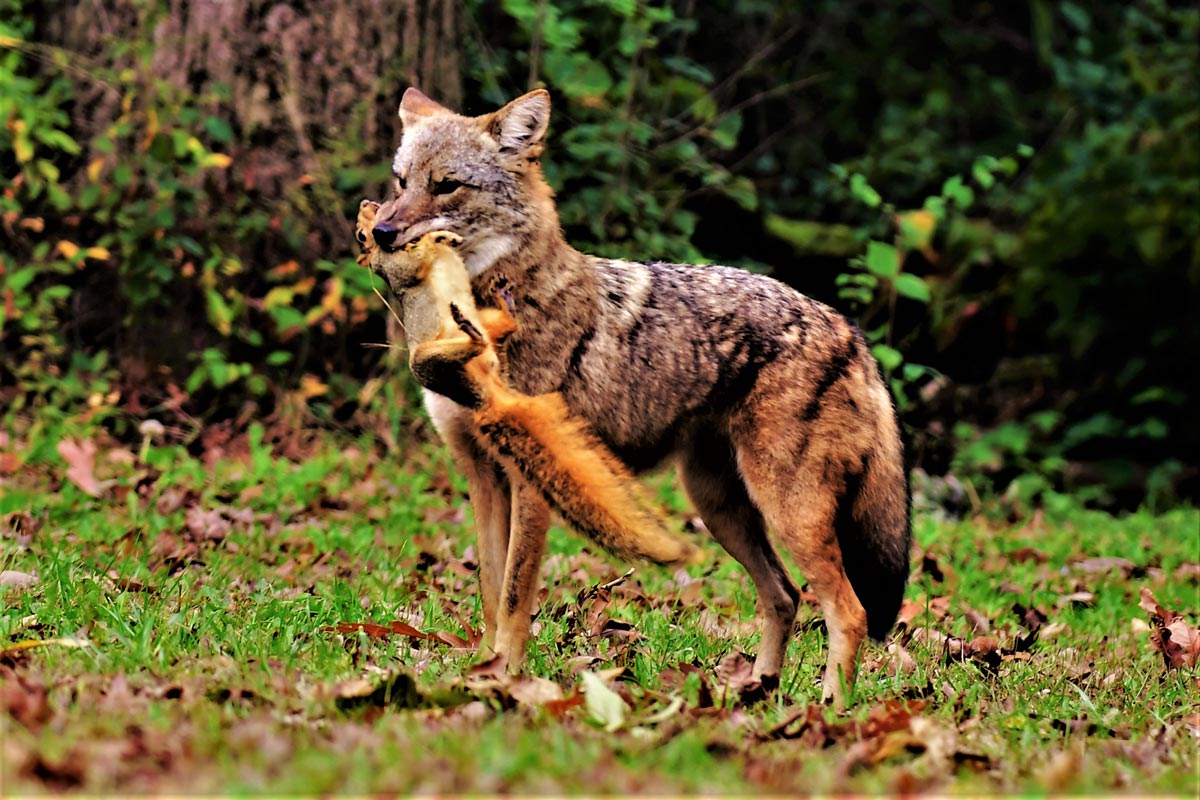
Coyotes try to remain unseen, hunting under the cover of darkness to protect themselves from being hunted.
It's not your common, everyday occurrence.
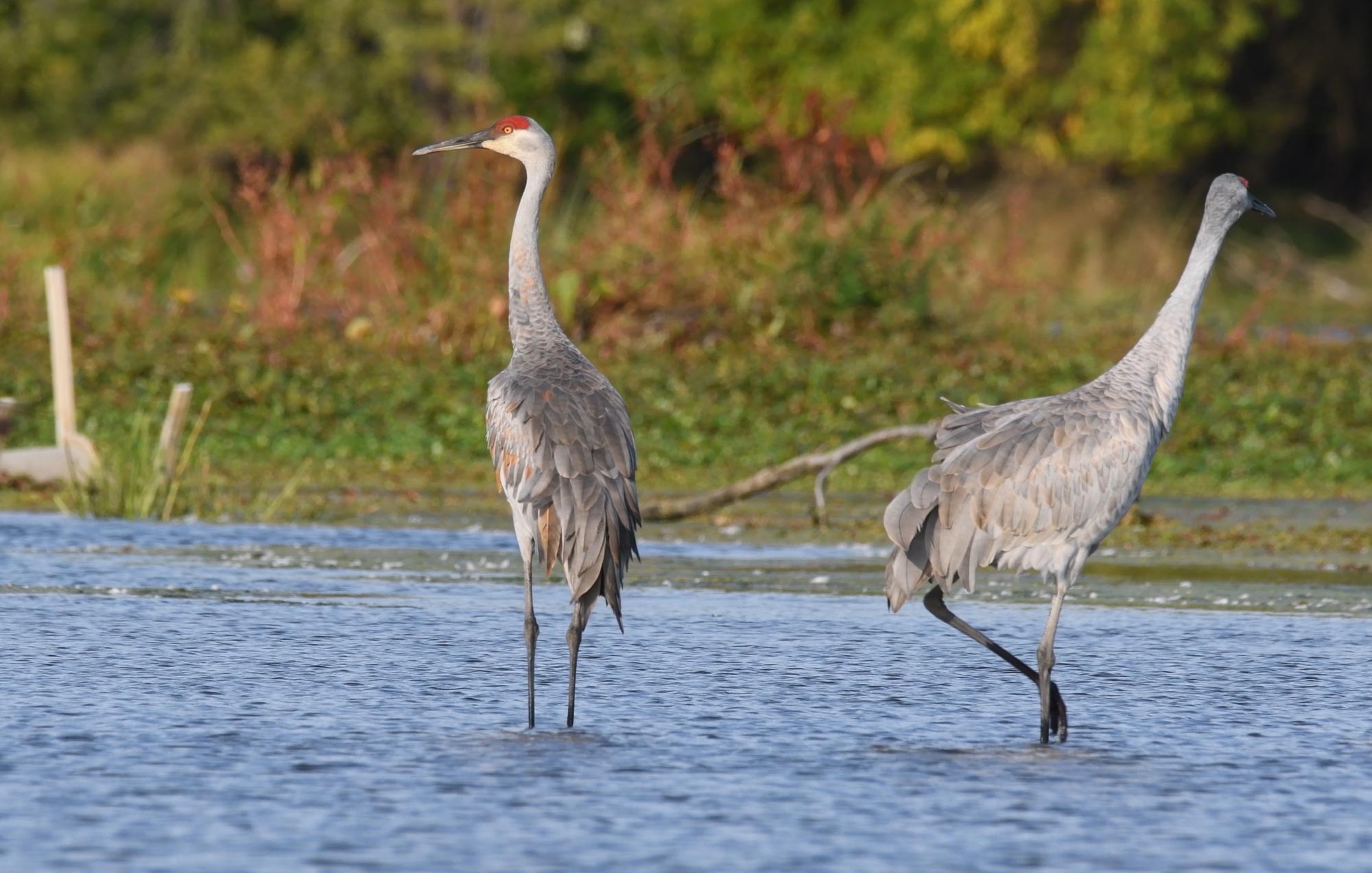
Sandhill cranes are a magnificent sight, whether flying overhead or congregating in prairies and fields, but we often realize the birds are nearby because we hear them before we see them.
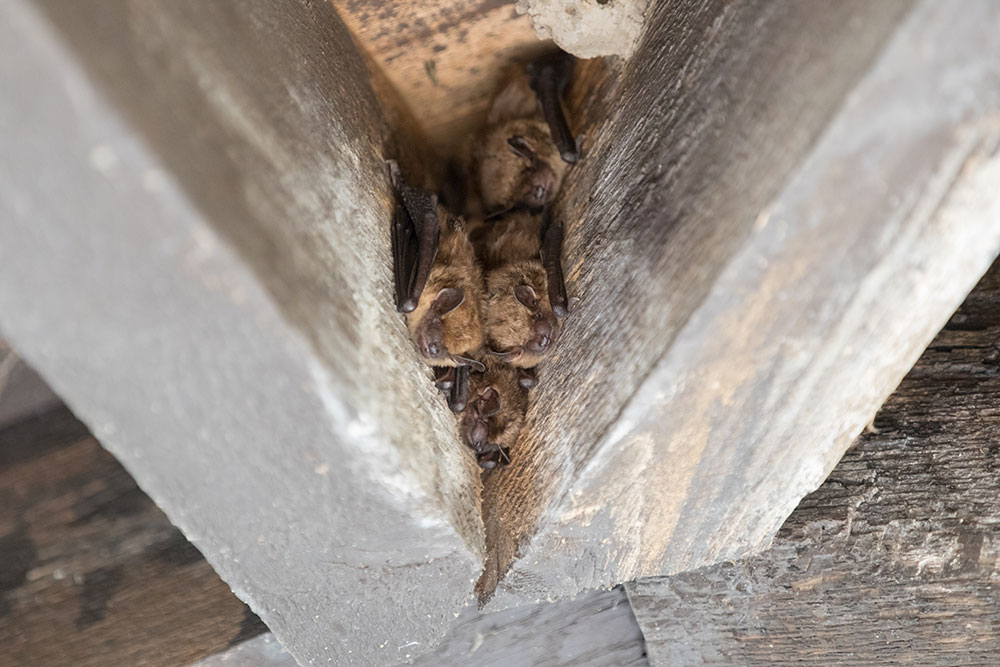
Here's your chance to get to know the eight bat species that call the preserves home.
These sly creatures are skilled hunters and adaptable to many habitats and environments, including rural, suburban and urban areas.
While it’s a common misconception that owls can turn their heads 360 degrees, they still can perform some pretty dramatic feats when it comes to checking out their environment
After a health scare two years ago, the Webers cherish their nature outings now more than ever before.
If you brave the cold, it can be rewarding — but does come with some extra challenges.
Snowy owls are a prized find among bird-watchers, because the beautiful birds are a sight to behold set against a wintry backdrop.
If you’ve thought to yourself "Do birds have ears?," well the answer to that question is both yes and no.
Beavers are second only to humans in their ability to change the environment they live in.
Many people prefer to only see the cuter and cuddly side of nature, but there's also a brutally raw side to it.
Most of us think of turkey as the star of the Thanksgiving table, but these birds live among us too, right in our own forests and prairies.
While you may hear them calling out in the preserves, seeing them is a rare treat.
The great horned owl is most well known from storybooks and folklore, because it is the owl that makes the famous hooting call.
No matter what the weather is like, woodpeckers are active and are a special treat for bird-watchers.
Coyotes try to remain unseen, hunting under the cover of darkness to protect themselves from being hunted.
It's not your common, everyday occurrence.
Sandhill cranes are a magnificent sight, whether flying overhead or congregating in prairies and fields, but we often realize the birds are nearby because we hear them before we see them.
Here's your chance to get to know the eight bat species that call the preserves home.
Find your nature’s muse at this event full of hands-on activities that let you express yourself through music, movement and visual arts
Four Rivers is collaborating with the Three Rivers Public Library District for a book club on the go! The book for September is “North Woods” by Daniel Mason.
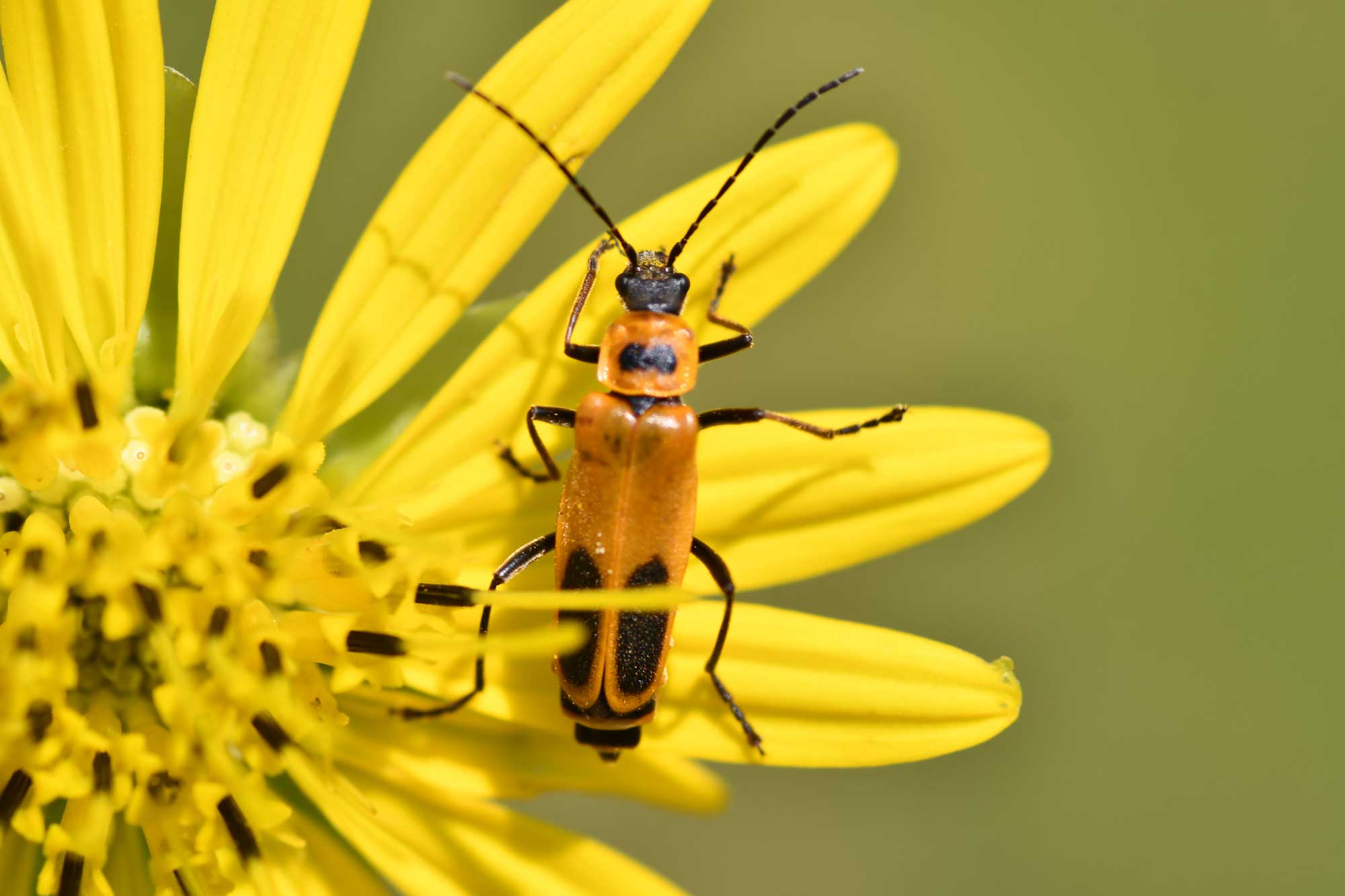
Fall is a trying time for pollinators. They're still in need of food and water even as their regular sources begin to fade away as autumn sets in.
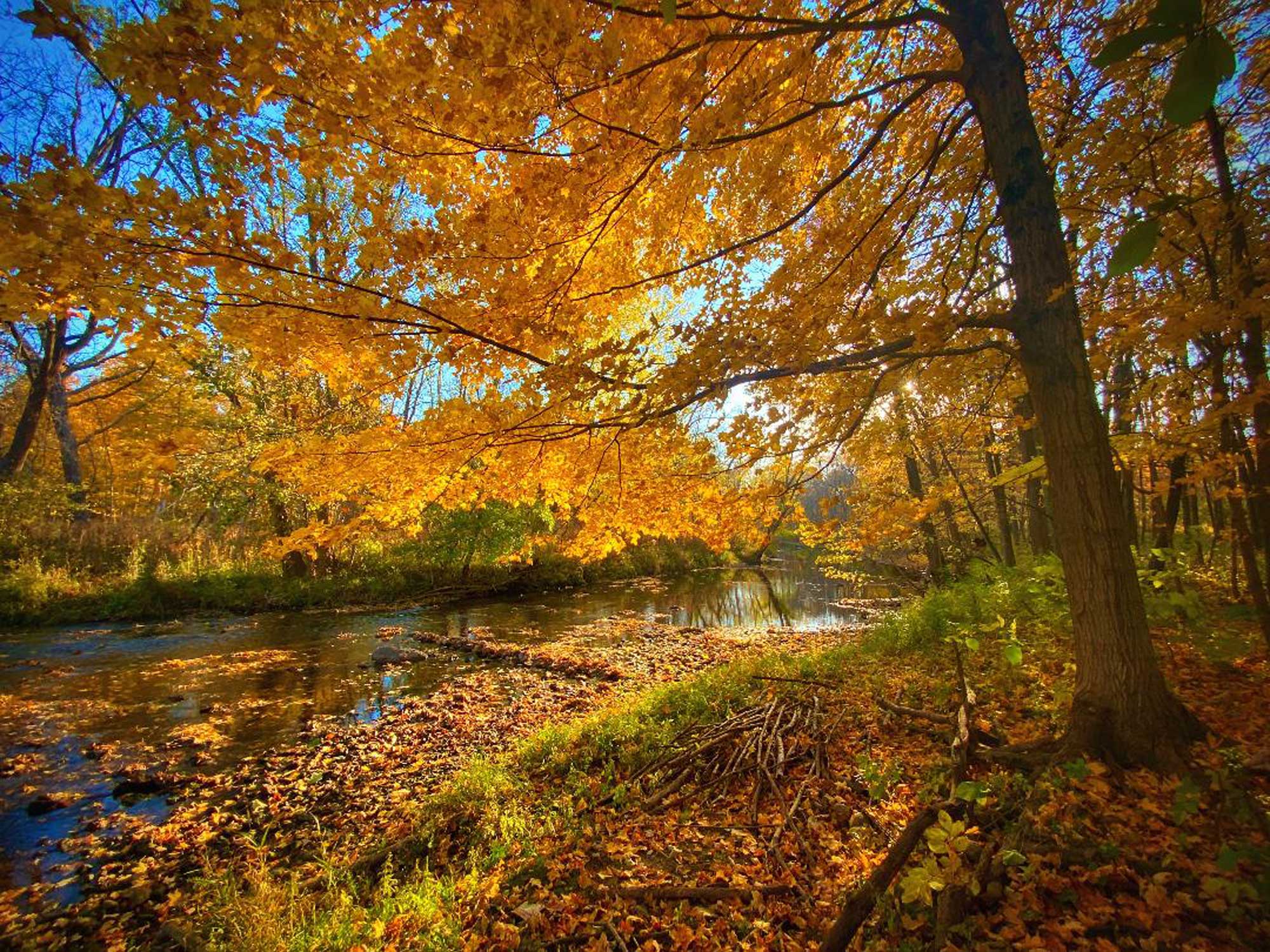
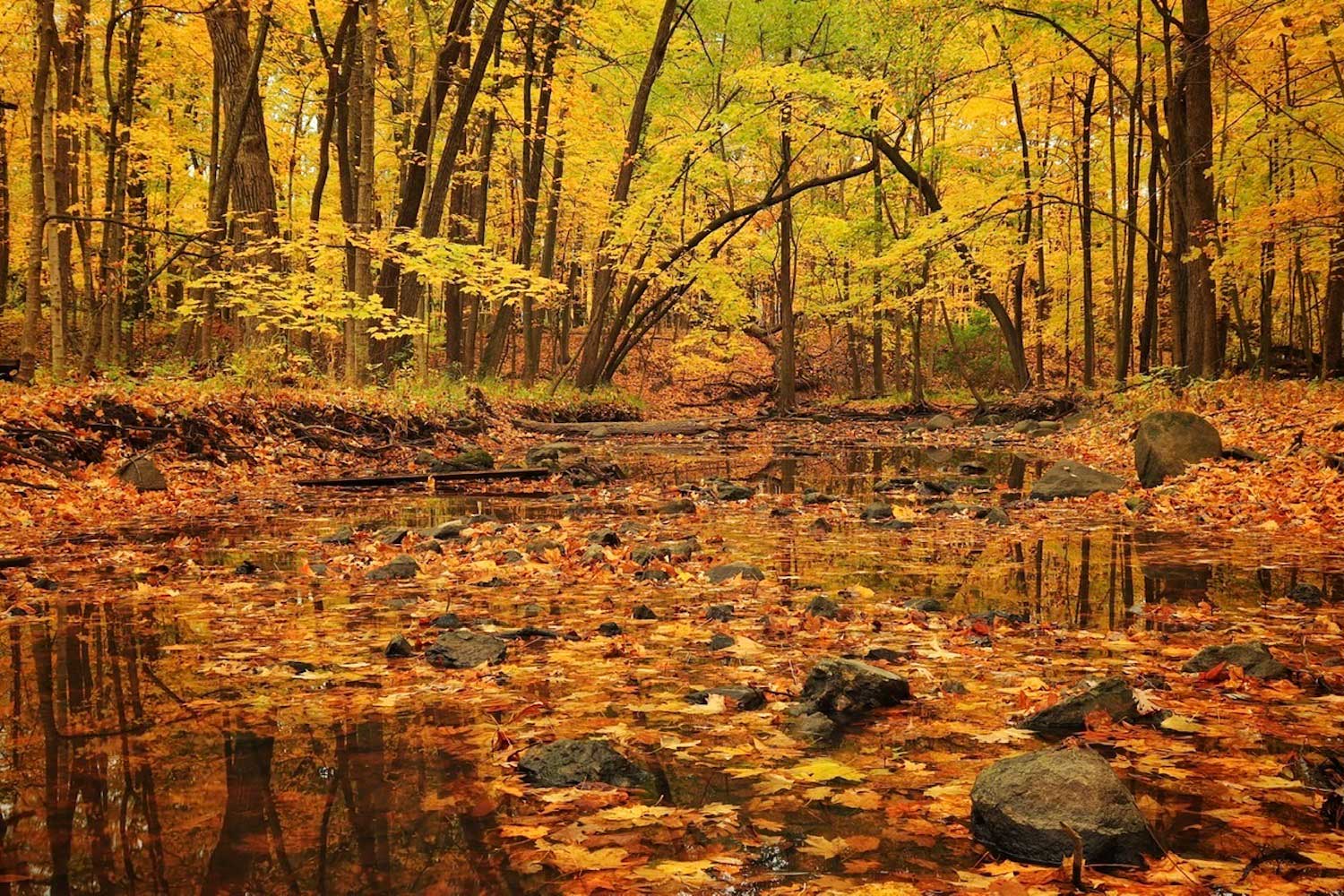
If you love fall color, hope the coming weeks bring us warm, sunny days and cool, crisp nights.
Interactive map predicts when fall color will peak in Will County and beyond.