


Sounds of Insects Night Hike
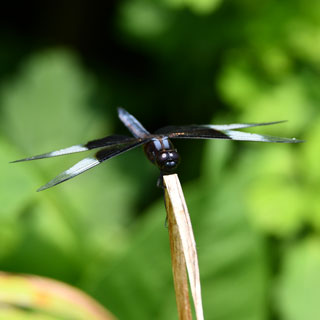
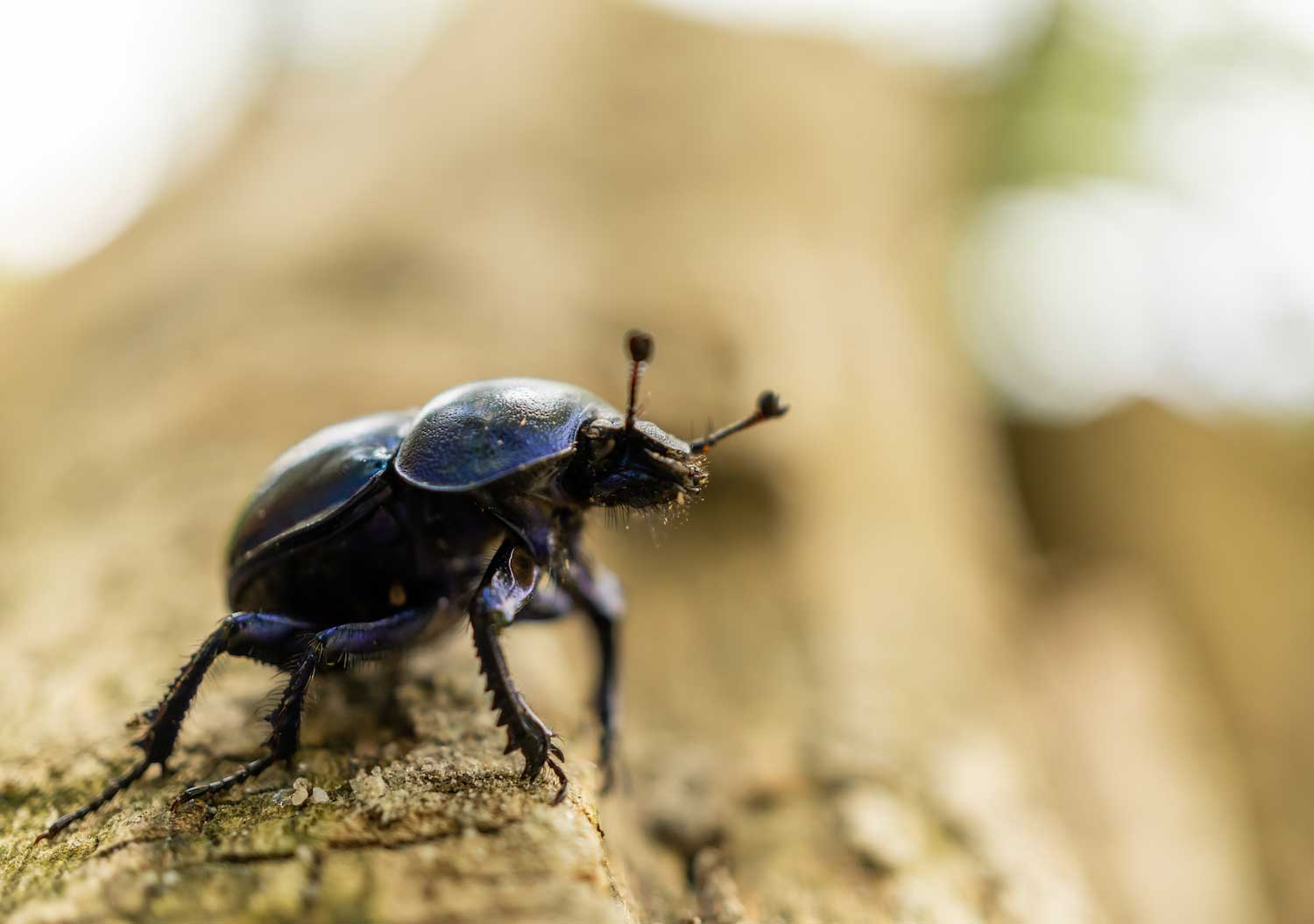
Venture out on the trail at Thorn Creek Woods at dusk listening for the chorus of nocturnal insects.
Harmless northern water snake or venomous cottonmouth? In northern Illinois, there's no doubt it's a harmless water snake.
Just a few hundred years ago, animals that populated Illinois were different than what we see today.
These common items pose a serious risk to our environment and well-being.
Spending time outdoors is good for you, but it can be tough to find the time. Here's some simple and easy ideas for enjoying the great outdoors.
Playful river otters were once endangered in Illinois, but they now live in every county in the state. Here's five fun facts about these semi-aquatic animals.
Whalon Lake, one of the Forest Preserve District’s newest preserves, is a recreational hotspot but also protects natural areas and supports a variety of flora and fauna.
Freshwater mussels are an indicator of clean water, but as we have changed the flow of our rivers, their population has plummeted.
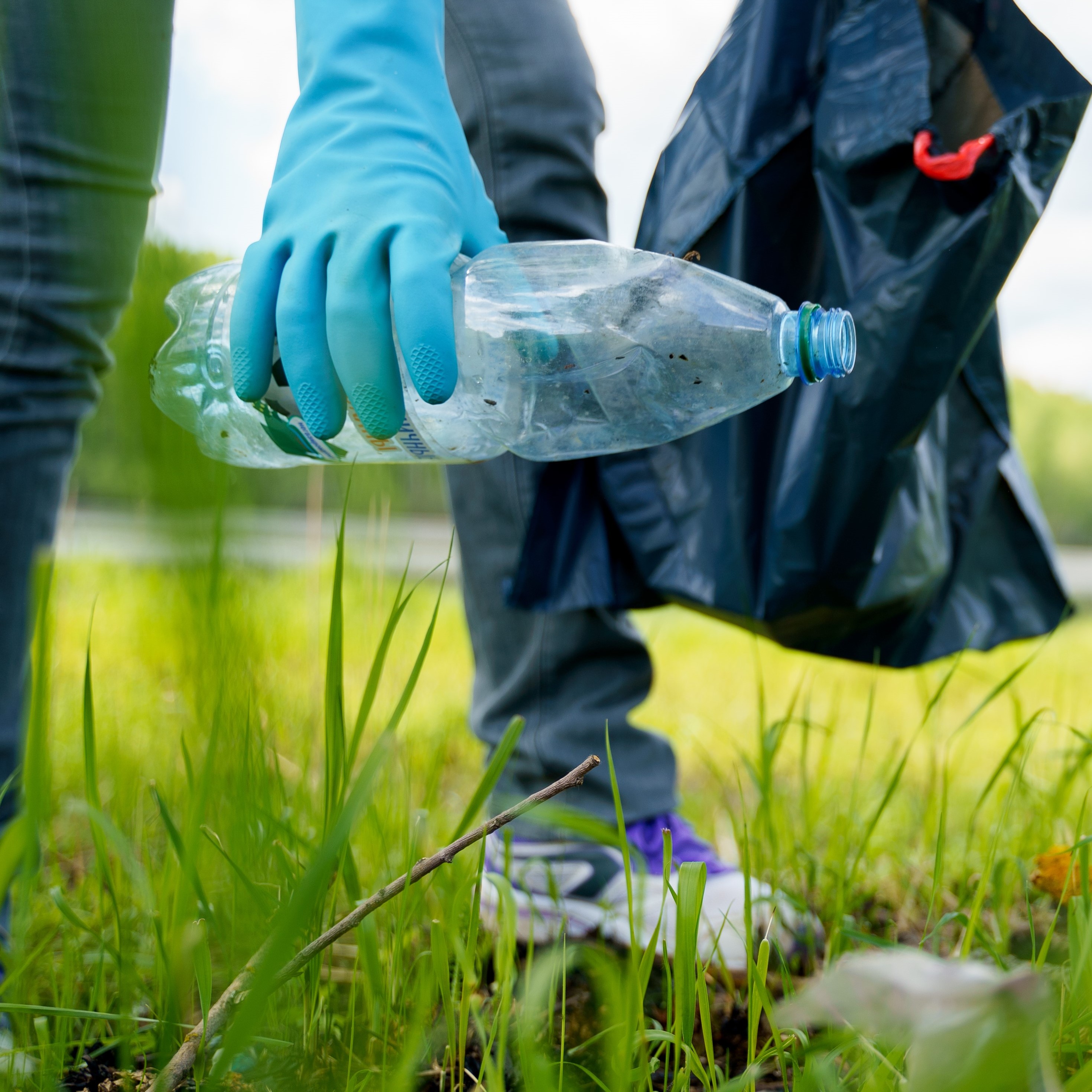
The garbage we leave behind is a costly problem, and not just in a financial sense.
Monarch populations continue to plummet, but there are things you can do to help.
Know which numbers to call and other safety practices before you visit a preserve or trail.
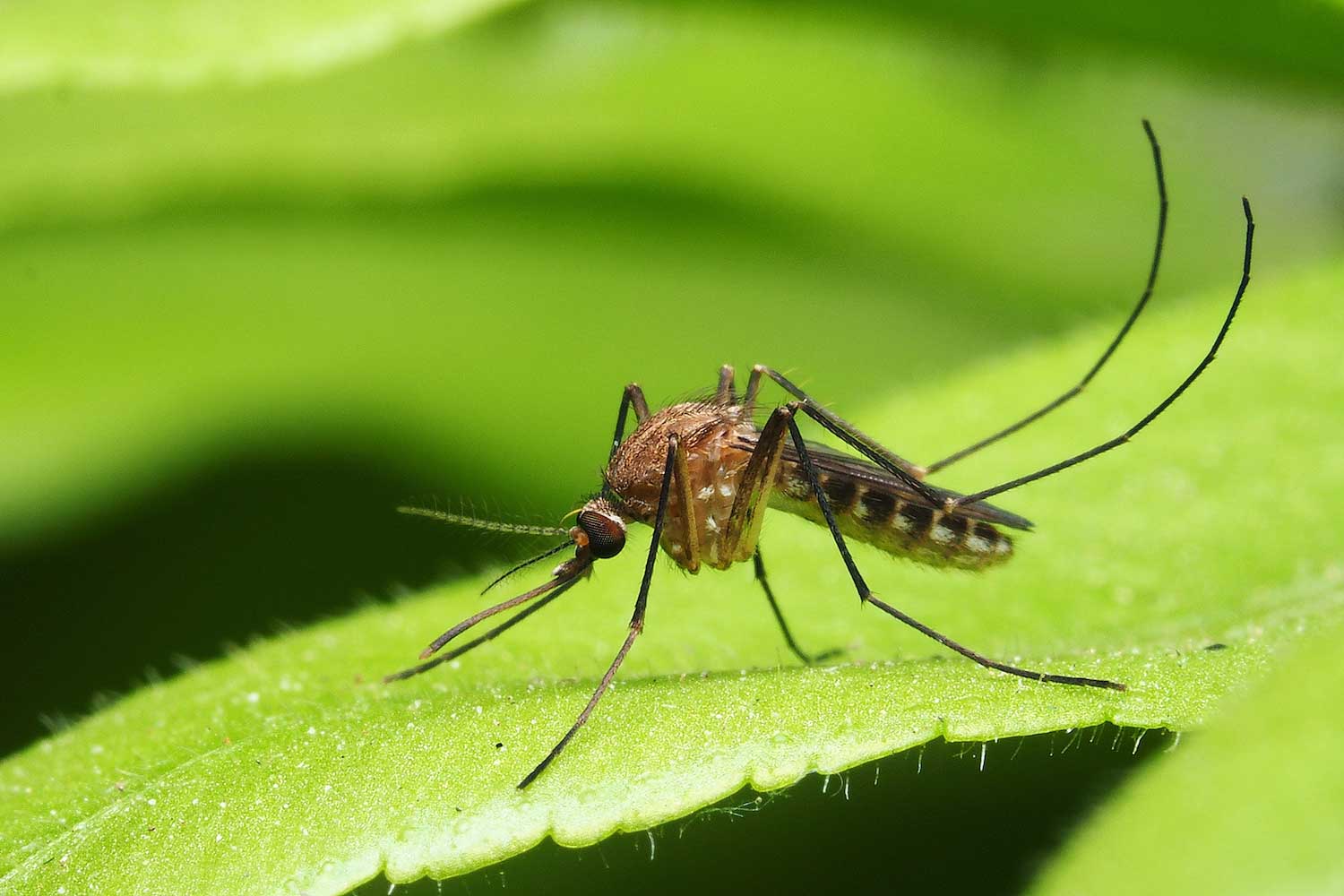
From herb gardens to bug repellents to Skrillex music, here's a primer to stop mosquitoes from ruining your time outside.
Like many pollinators, bumble bee populations face many threats.
Algae are always present in water, but in certain conditions they reproduce quickly, resulting in potentially harmful algal blooms.
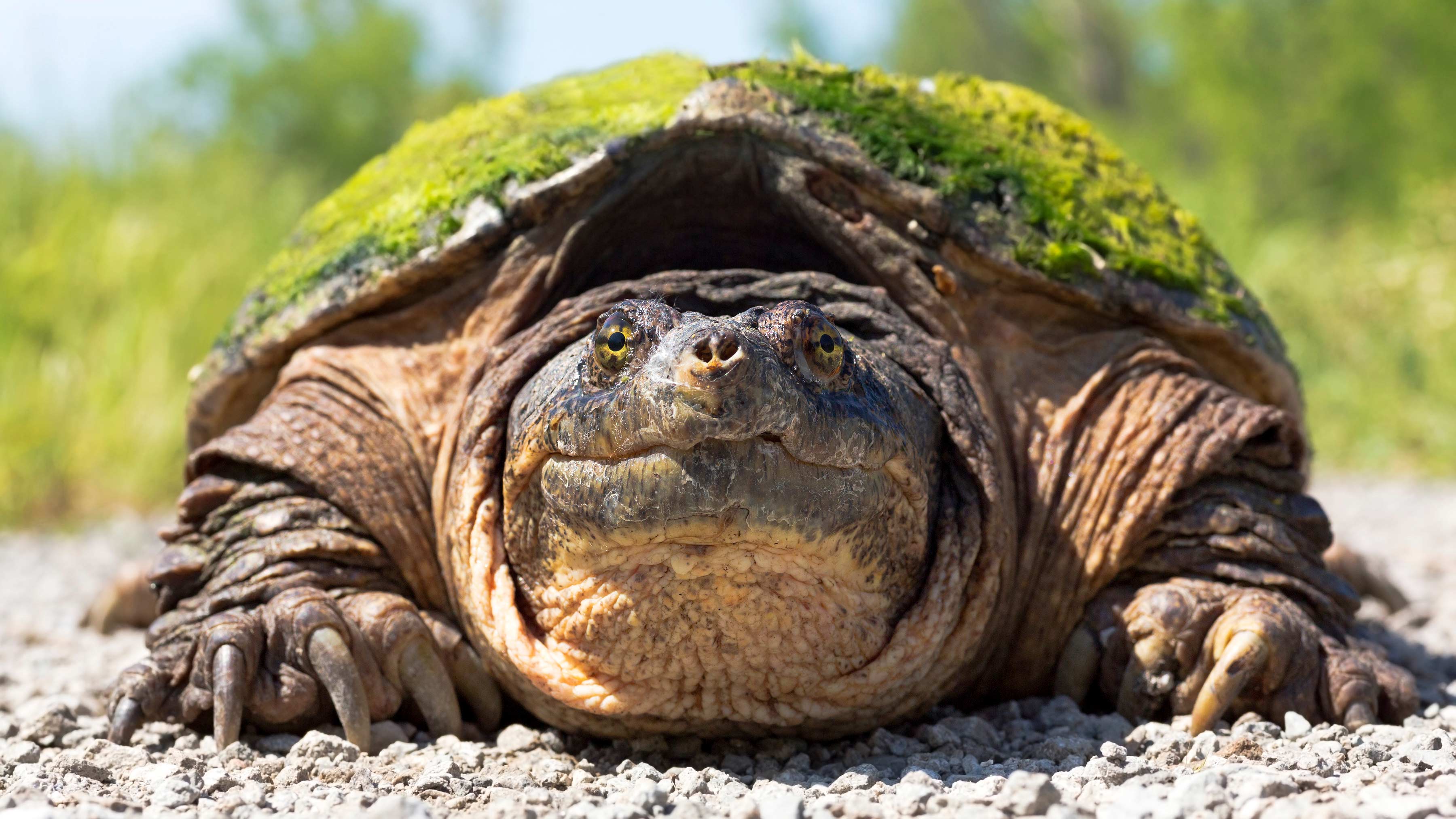
Common snapping turtle or alligator snapping turtle? In Will County, the answer is easy.
Brush up on your butterflies knowledge with these five fascinating facts about the winged beauties.
If your yard is abuzz with wildlife, see if it meets the criteria to become a certified wildlife habitat.
Harmless northern water snake or venomous cottonmouth? In northern Illinois, there's no doubt it's a harmless water snake.
Just a few hundred years ago, animals that populated Illinois were different than what we see today.
These common items pose a serious risk to our environment and well-being.
Spending time outdoors is good for you, but it can be tough to find the time. Here's some simple and easy ideas for enjoying the great outdoors.
Playful river otters were once endangered in Illinois, but they now live in every county in the state. Here's five fun facts about these semi-aquatic animals.
Whalon Lake, one of the Forest Preserve District’s newest preserves, is a recreational hotspot but also protects natural areas and supports a variety of flora and fauna.
Freshwater mussels are an indicator of clean water, but as we have changed the flow of our rivers, their population has plummeted.
The garbage we leave behind is a costly problem, and not just in a financial sense.
Monarch populations continue to plummet, but there are things you can do to help.
Know which numbers to call and other safety practices before you visit a preserve or trail.
From herb gardens to bug repellents to Skrillex music, here's a primer to stop mosquitoes from ruining your time outside.
Like many pollinators, bumble bee populations face many threats.
Algae are always present in water, but in certain conditions they reproduce quickly, resulting in potentially harmful algal blooms.
Common snapping turtle or alligator snapping turtle? In Will County, the answer is easy.
Brush up on your butterflies knowledge with these five fascinating facts about the winged beauties.
If your yard is abuzz with wildlife, see if it meets the criteria to become a certified wildlife habitat.
Venture out on the trail at Thorn Creek Woods at dusk listening for the chorus of nocturnal insects.
Get some fresh air and exercise while helping to make a difference in your community by attending one or more of the Forest Preserve’s volunteer mornings.
The monarchs you see at this time of the year are special, part of a 'super generation' different than the three generations that preceded it.
Ruby-throated hummingbirds migrate in waves, and some have already departed. But we'll see the birds in Will County for weeks or even months, so keep filling your feeders.
If you are seeing more bees than birds at your hummingbird feeders lately, you're not alone. Learn why we see them more at this time of year and how you might keep them away from your hummingbird feeders.