
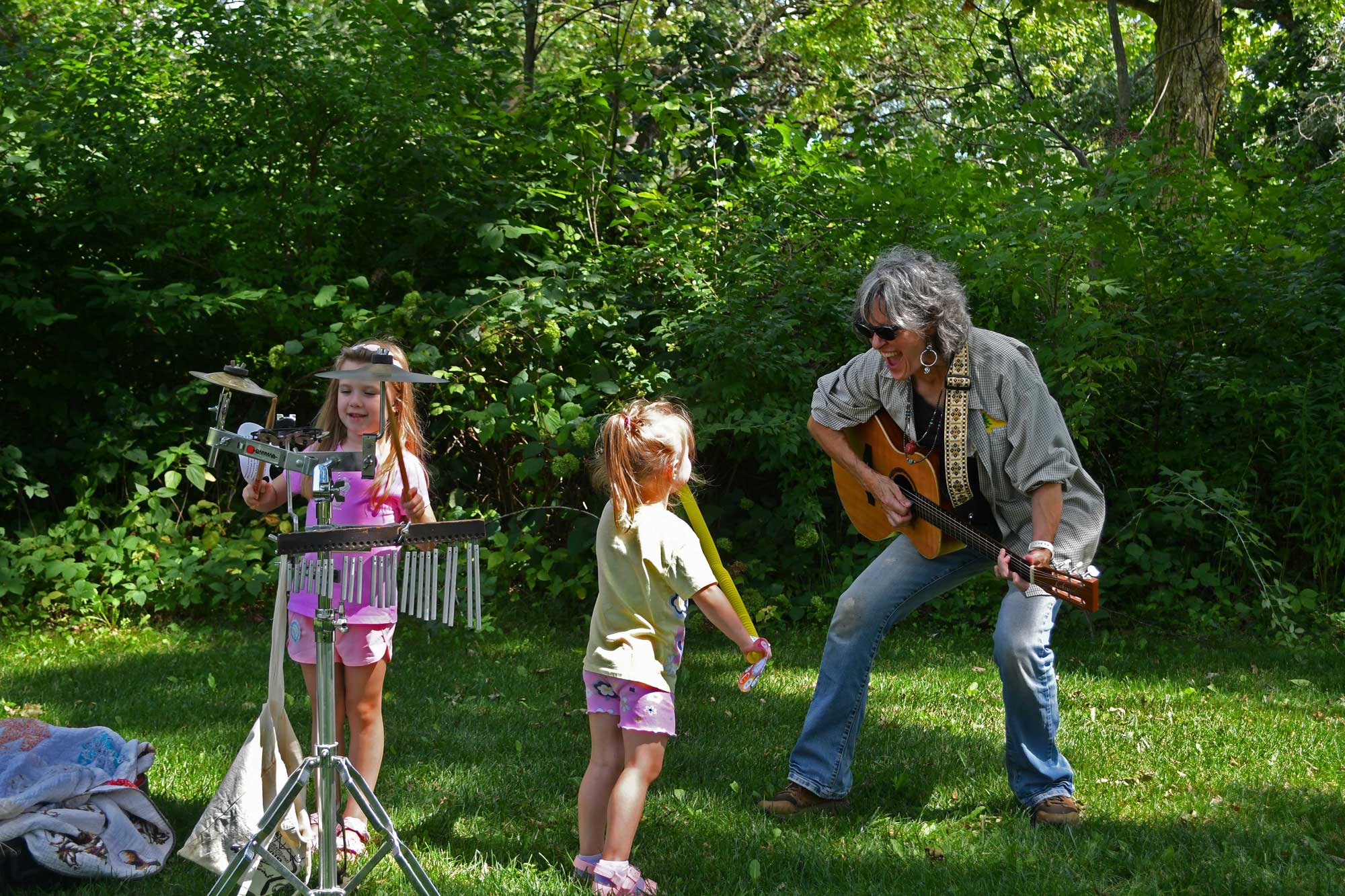
Sounds of Insects Night Hike
Venture out on the trail at Thorn Creek Woods at dusk listening for the chorus of nocturnal insects.
Even in a mild winter, trees have a lot to endure. How do they do it?
Have you ever heard an ice-covered lake creaking or groaning? It's normal in winter because of how temperature changes affect ice.
Those snow forecasts you see can often be much ado about nothing, because snow is notoriously hard to accurately forecast.
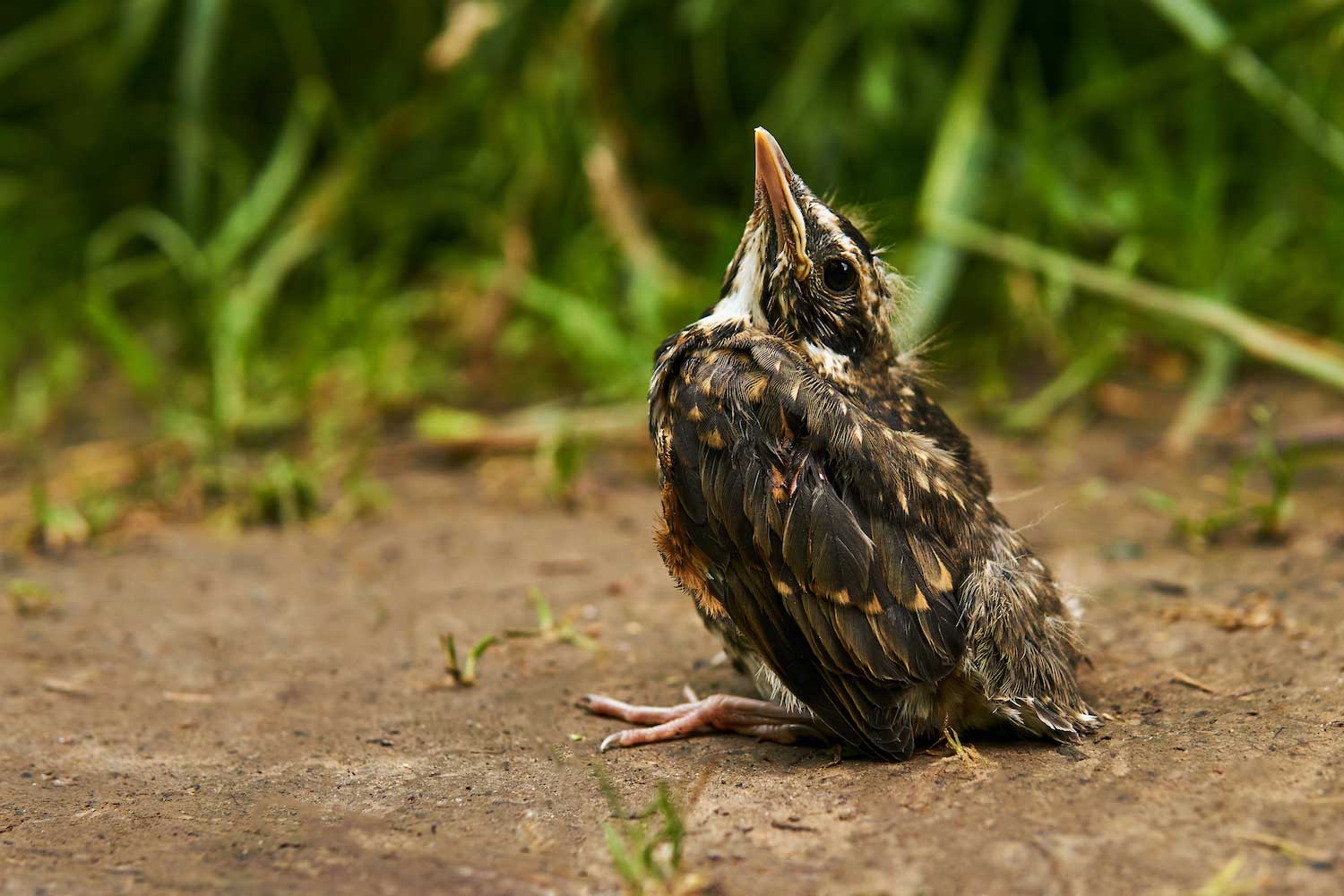
Where do robins go in winter? Some go nowhere at all, but you still may not see them very often.
Crow or raven? In Illinois, all bets are on crow, but there are some clues to help you know for sure.
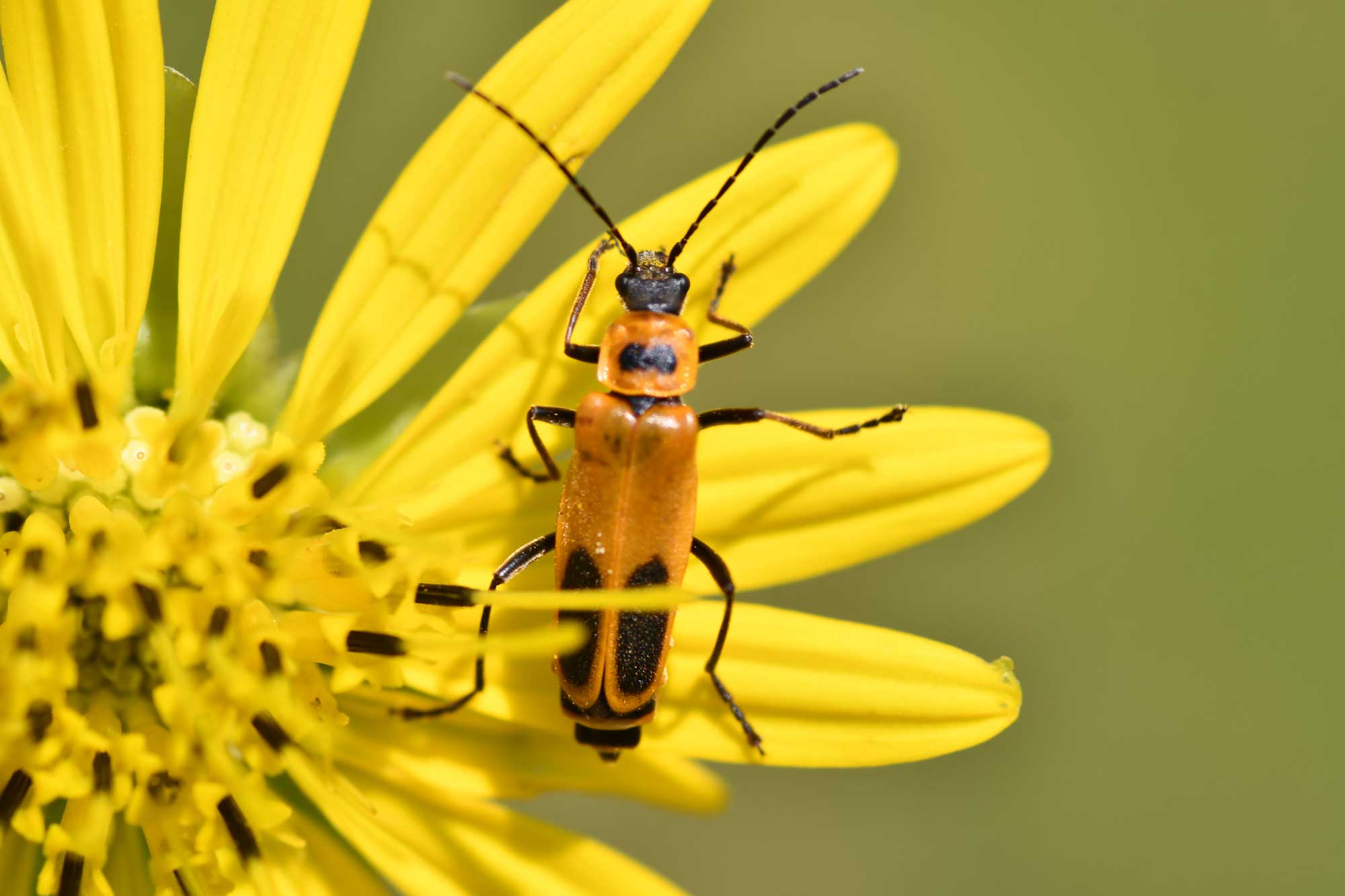
Where did all the insects go for winter? It depends on the species.
Rings of light that can sometimes be seen around the sun or moon are called halos, and we see them because of light refracting off of ice crystals high up in the clouds.
Blue jays are one of our most recognizable birds, and they are plenty interesting too.
Red-headed and red-bellied woodpeckers are often confused with one another, but not because they look alike. Instead, it's because the name red-headed woodpecker is fitting for both birds.
The arrival of winter isn't a guarantee that ticks don't pose a threat to you or your pets. If the temperature is above freezing and the ground isn't frozen, some ticks are still active, which means they can still spread tick-borne illnesses.
You may have seen a short-tailed shrew and mistaken it for a mouse, but these animals are entirely different. And the shrews are about as weird as it gets.
Many animals rely on their coloring to help them avoid detection.
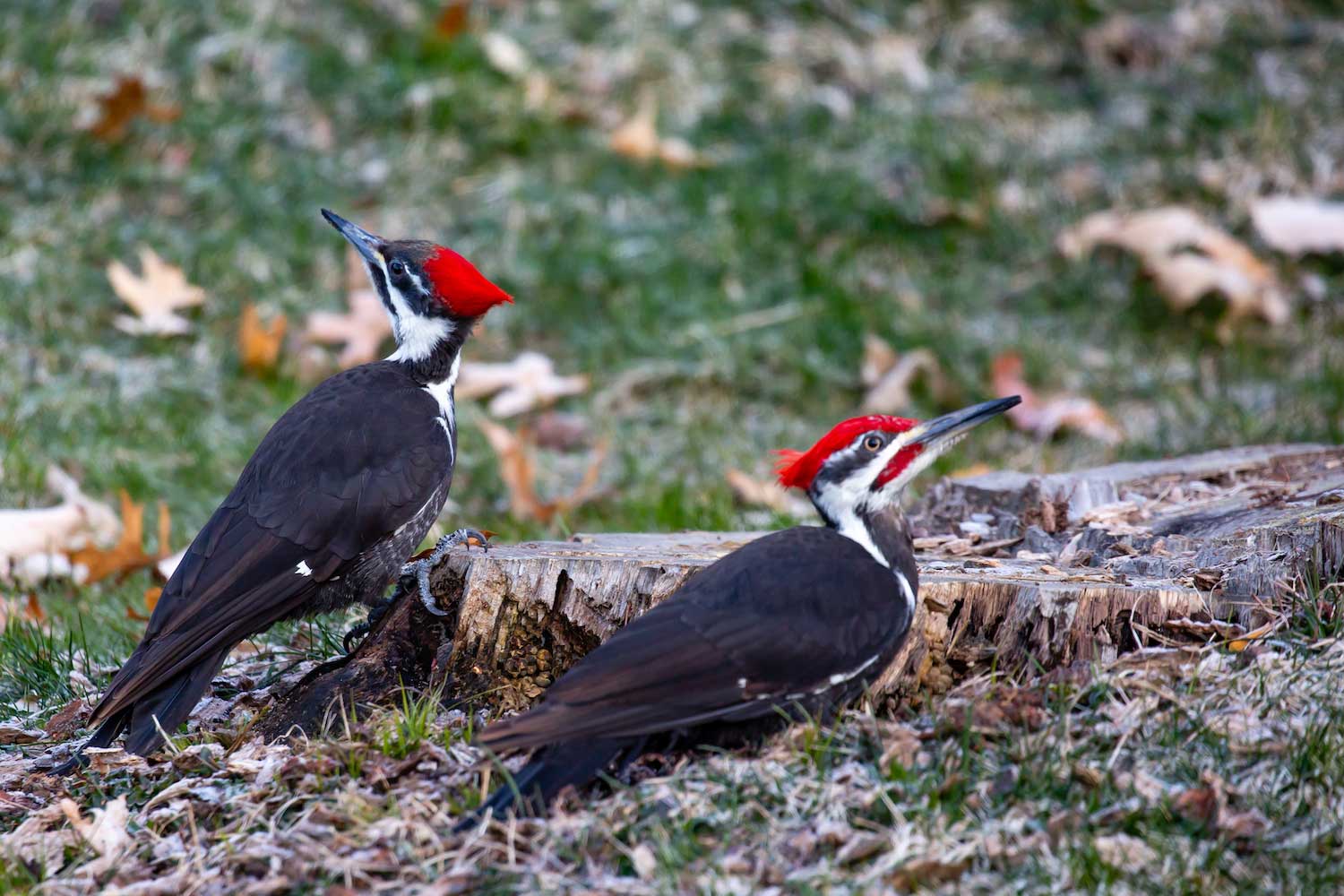
The pileated woodpecker is one of our most striking forest dwellers, and you can learn more about them in this creature feature.
It's time to talk turkey, but not just the birds that grace our holiday tables. Take some time to learn about the wild turkeys that inhabit our woodlands.
Saving endangered and threatened species from extinction is a complicated task and requires action at every level. Here's a look at the steps you can take to help.
Let technology enhance your outdoor adventures with these apps recommended by Forest Preserve District interpretive naturalists.
Even in a mild winter, trees have a lot to endure. How do they do it?
Have you ever heard an ice-covered lake creaking or groaning? It's normal in winter because of how temperature changes affect ice.
Those snow forecasts you see can often be much ado about nothing, because snow is notoriously hard to accurately forecast.
Where do robins go in winter? Some go nowhere at all, but you still may not see them very often.
Crow or raven? In Illinois, all bets are on crow, but there are some clues to help you know for sure.
Where did all the insects go for winter? It depends on the species.
Rings of light that can sometimes be seen around the sun or moon are called halos, and we see them because of light refracting off of ice crystals high up in the clouds.
Blue jays are one of our most recognizable birds, and they are plenty interesting too.
Red-headed and red-bellied woodpeckers are often confused with one another, but not because they look alike. Instead, it's because the name red-headed woodpecker is fitting for both birds.
The arrival of winter isn't a guarantee that ticks don't pose a threat to you or your pets. If the temperature is above freezing and the ground isn't frozen, some ticks are still active, which means they can still spread tick-borne illnesses.
You may have seen a short-tailed shrew and mistaken it for a mouse, but these animals are entirely different. And the shrews are about as weird as it gets.
Many animals rely on their coloring to help them avoid detection.
The pileated woodpecker is one of our most striking forest dwellers, and you can learn more about them in this creature feature.
It's time to talk turkey, but not just the birds that grace our holiday tables. Take some time to learn about the wild turkeys that inhabit our woodlands.
Saving endangered and threatened species from extinction is a complicated task and requires action at every level. Here's a look at the steps you can take to help.
Let technology enhance your outdoor adventures with these apps recommended by Forest Preserve District interpretive naturalists.
Venture out on the trail at Thorn Creek Woods at dusk listening for the chorus of nocturnal insects.
Get some fresh air and exercise while helping to make a difference in your community by attending one or more of the Forest Preserve’s volunteer mornings.
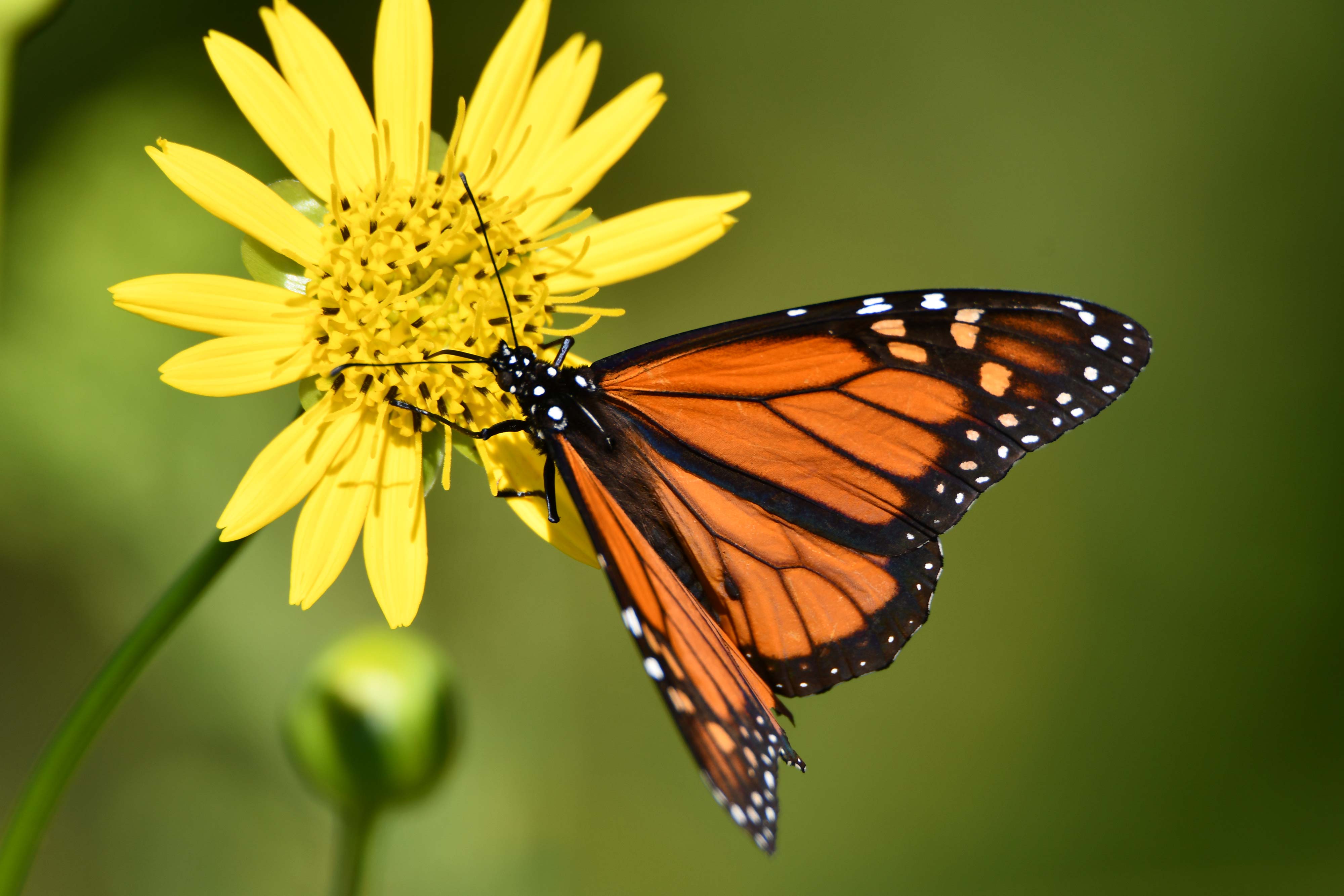
The monarchs you see at this time of the year are special, part of a 'super generation' different than the three generations that preceded it.
Ruby-throated hummingbirds migrate in waves, and some have already departed. But we'll see the birds in Will County for weeks or even months, so keep filling your feeders.
If you are seeing more bees than birds at your hummingbird feeders lately, you're not alone. Learn why we see them more at this time of year and how you might keep them away from your hummingbird feeders.