Teacher Appreciation
Teachers are invited to Four Rivers Environmental Education Center for a day of adventure, relaxation and fun in appreciation of all they do.
It's nesting season for Canada geese, so don't be surprised if they seem a little more feisty and aggressive than usual. If you happen come face to face with one, don't turn your back and run.
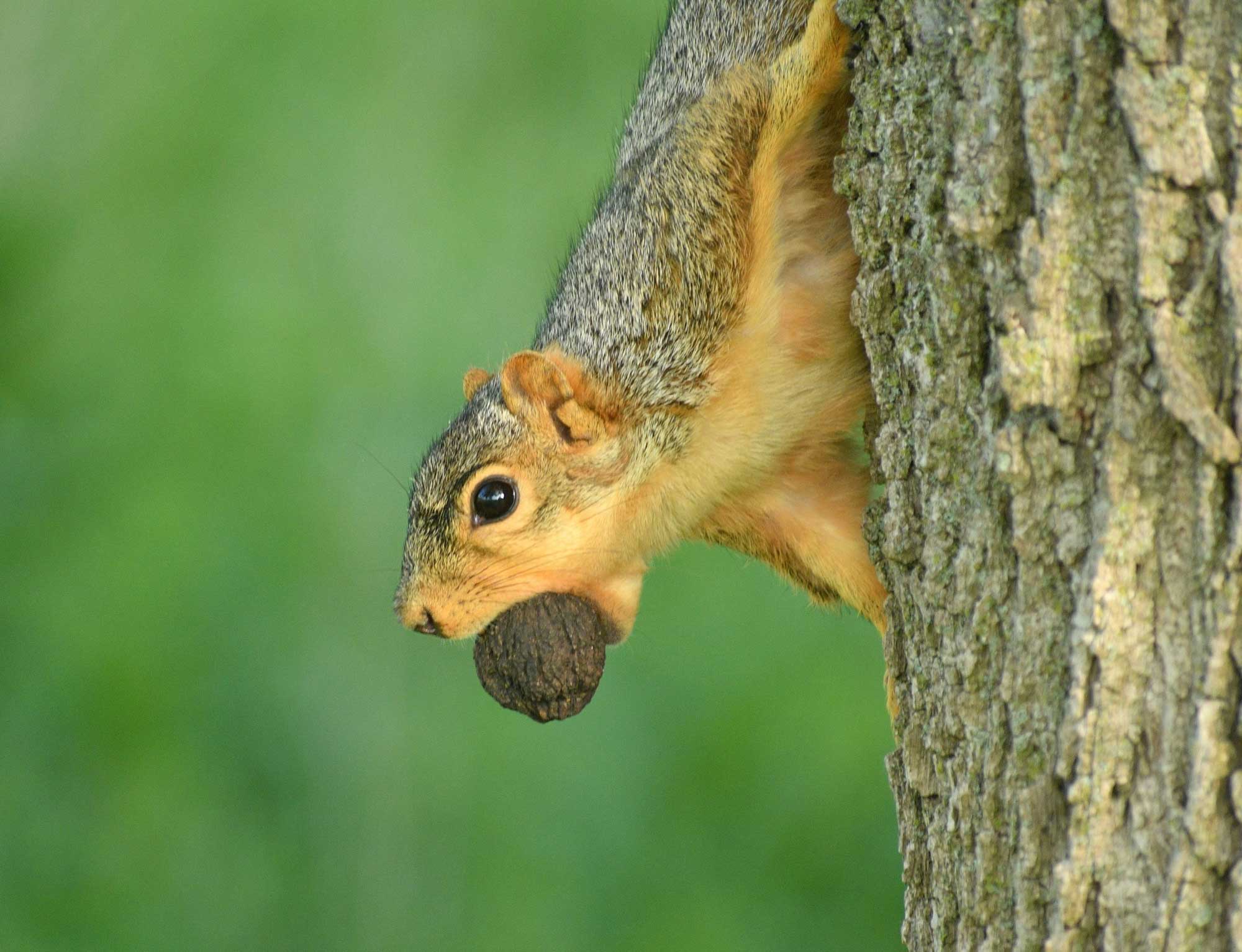
The trees may still be dormant at this time of year, but they could still be full of life. If you're planning to trim or prune your trees, make sure to give them a good once-over to check for active squirrel and bird nests.
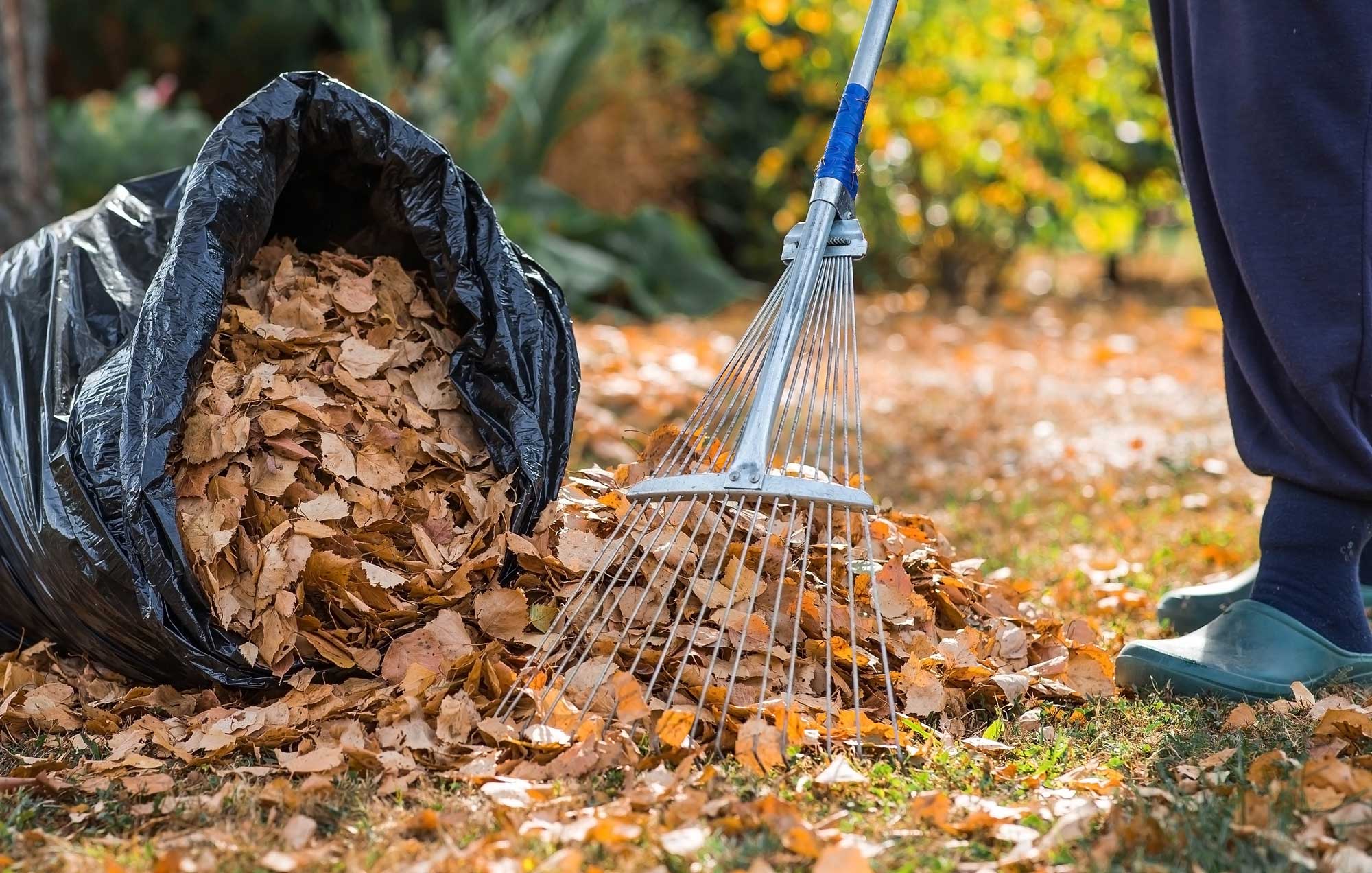
Step away from the rake; it's too early to start your spring yard cleanup.
After a long, quiet winter, our local wetlands are among the first places that begin to wake up, showing some of the earliest signs of spring.
When it comes to spring, there's so much to love. But there's also probably a lot you don't know about our most-anticipated season.
You've heard of bone-crushing creatures, but how about bone-eating animals? The bearded vulture is the only bird in the world that predominantly eats bones!
Here are five reasons you should appreciate spiders instead of despising them or, even worse, squishing them.
If you venture out into the preserves these days, there's a good chance you'll hear chorus frogs making a racket as they call out looking for a mate.
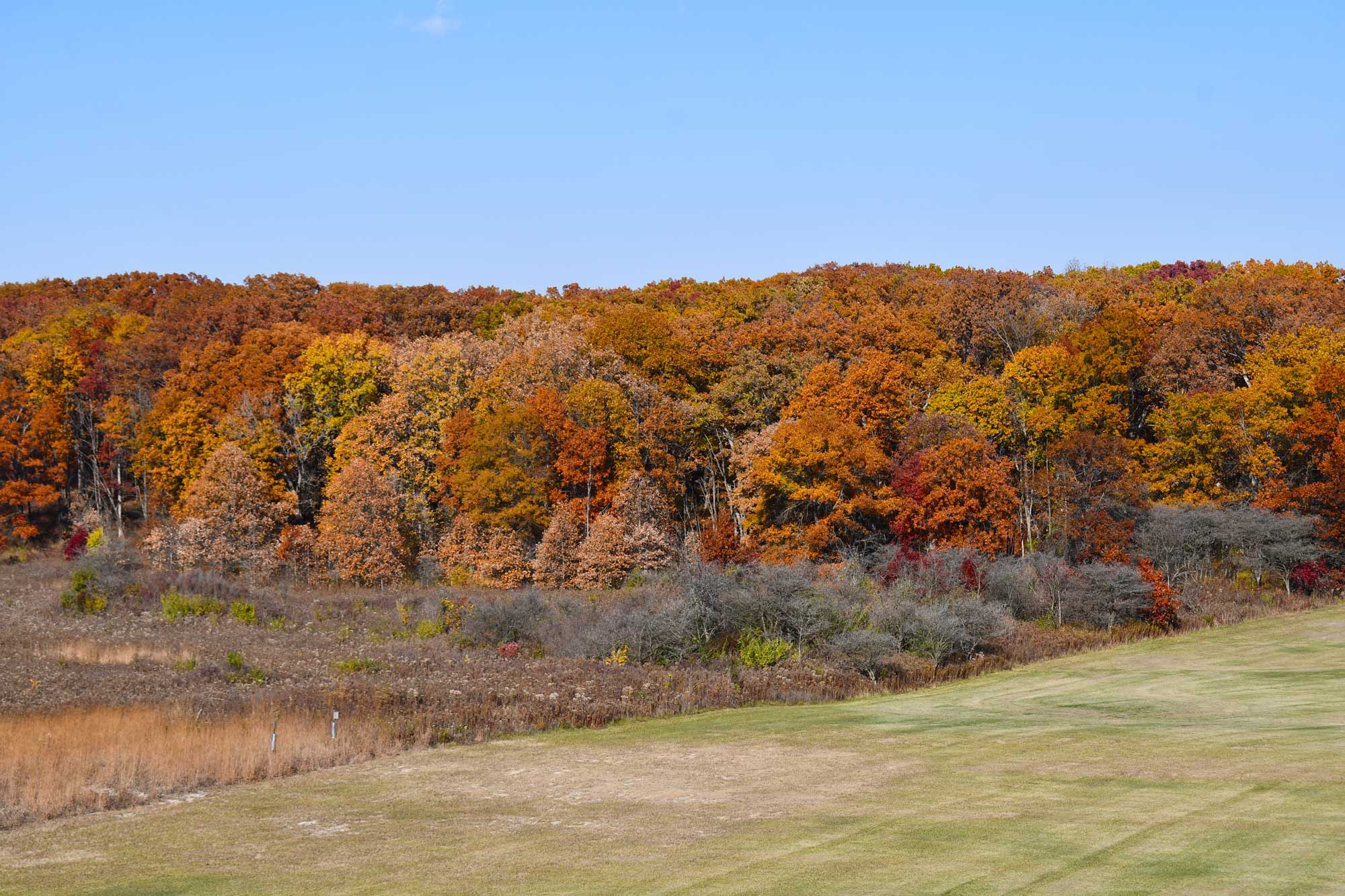
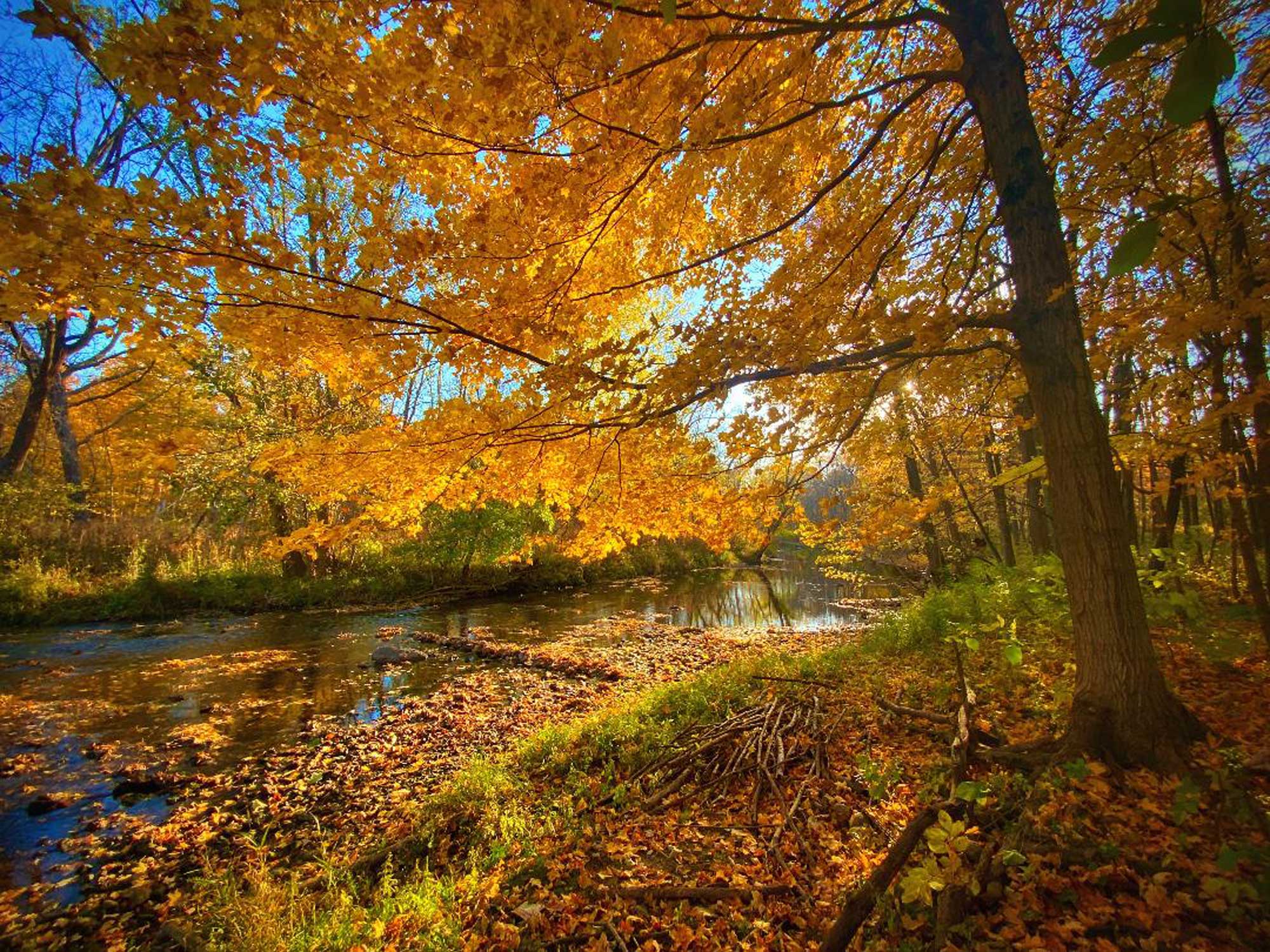
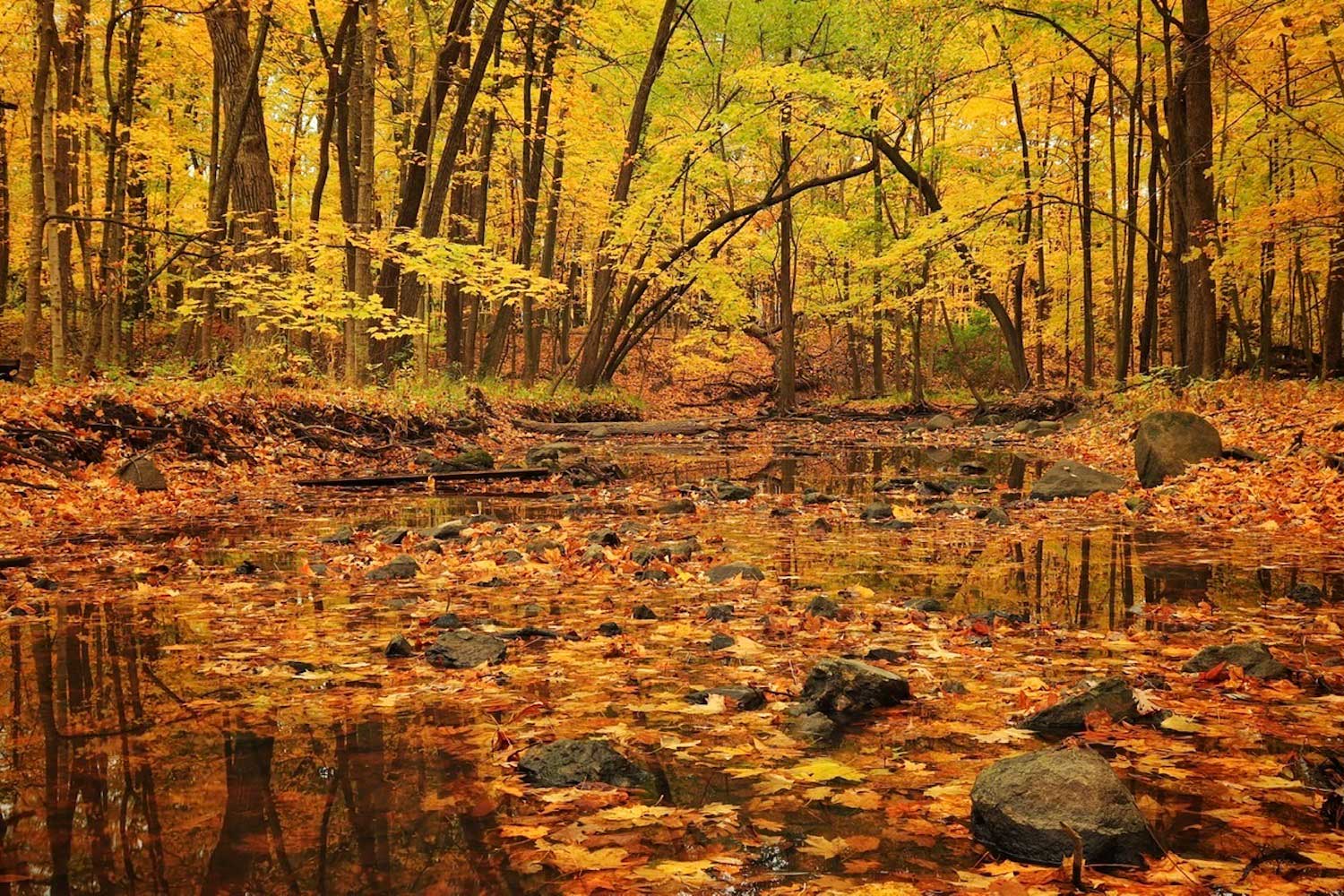
In the fall, the changing of the seasons means deciduous trees shed their leaves. But not all deciduous trees seem to get the memo when it comes to losing their leaves.
If you pay attention, plenty of clues are starting to pop up that signal warmer days are on the horizon.
Robins are the quintessential American bird, but how much do you really know about them?
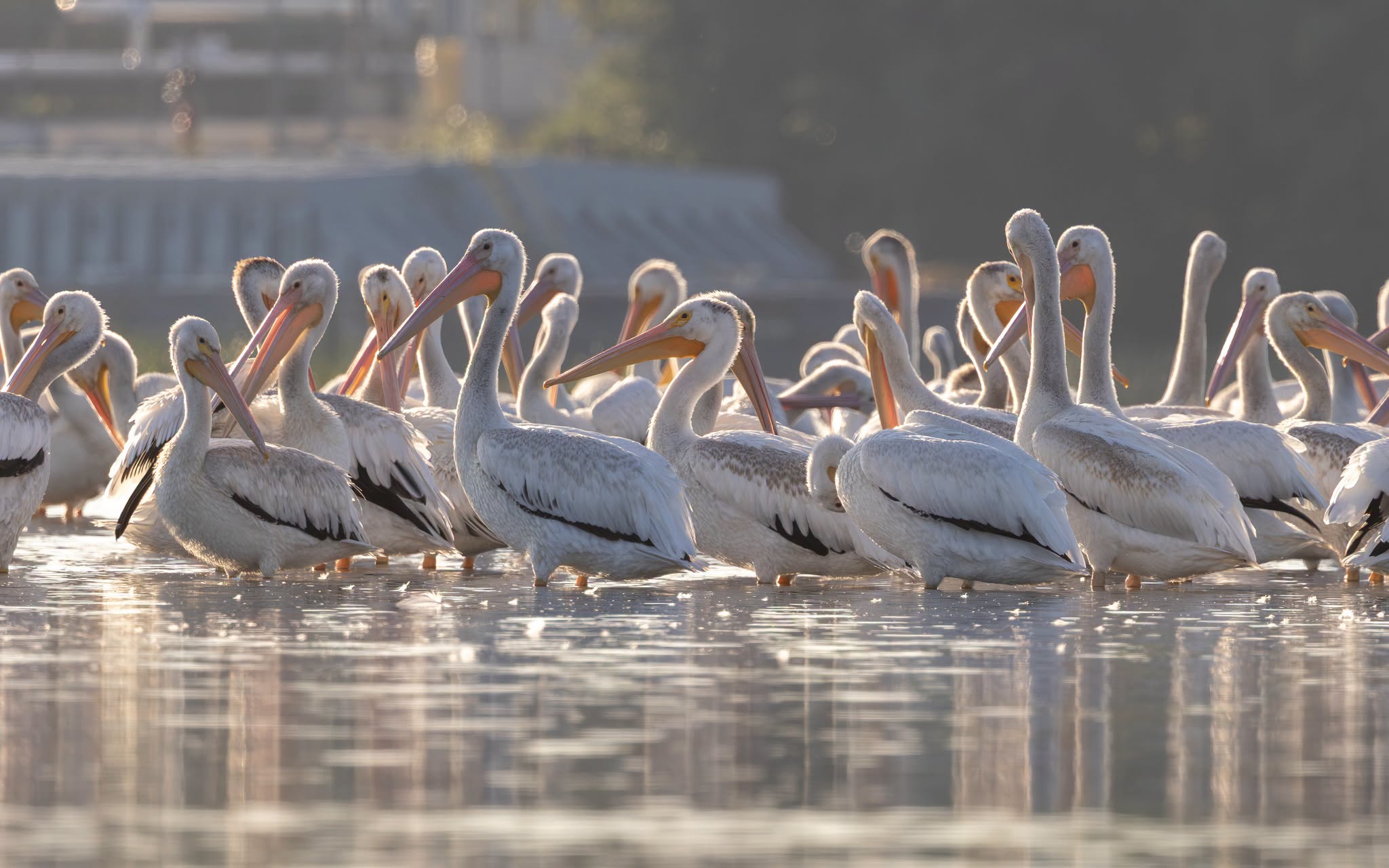
One of the most anticipated events among birders each spring and fall is the arrival of the American white pelicans, and now is the time you'll once again start seeing these birds along waterways in the area.
It's peak migration season for sandhill cranes, so don't be surprised if you hear their loud, bugling call overhead.
A Q&A with famous paleontologist Steve Brusatte delves into the evolution of mammals after the age of dinosaurs.
Have you ever noticed that some snow is particularly sparkly or glittery? Scientists call it "snow sparkle," an effect caused by sunlight reflecting off ice crystals in the snow.
Despite what you may have heard, woolly bear caterpillars can't predict how bad the winter weather will be. But they do have a pretty cool way to survive even the most frigid temperatures.
It's nesting season for Canada geese, so don't be surprised if they seem a little more feisty and aggressive than usual. If you happen come face to face with one, don't turn your back and run.
The trees may still be dormant at this time of year, but they could still be full of life. If you're planning to trim or prune your trees, make sure to give them a good once-over to check for active squirrel and bird nests.
Step away from the rake; it's too early to start your spring yard cleanup.
After a long, quiet winter, our local wetlands are among the first places that begin to wake up, showing some of the earliest signs of spring.
When it comes to spring, there's so much to love. But there's also probably a lot you don't know about our most-anticipated season.
You've heard of bone-crushing creatures, but how about bone-eating animals? The bearded vulture is the only bird in the world that predominantly eats bones!
Here are five reasons you should appreciate spiders instead of despising them or, even worse, squishing them.
If you venture out into the preserves these days, there's a good chance you'll hear chorus frogs making a racket as they call out looking for a mate.
In the fall, the changing of the seasons means deciduous trees shed their leaves. But not all deciduous trees seem to get the memo when it comes to losing their leaves.
If you pay attention, plenty of clues are starting to pop up that signal warmer days are on the horizon.
Robins are the quintessential American bird, but how much do you really know about them?
One of the most anticipated events among birders each spring and fall is the arrival of the American white pelicans, and now is the time you'll once again start seeing these birds along waterways in the area.
It's peak migration season for sandhill cranes, so don't be surprised if you hear their loud, bugling call overhead.
A Q&A with famous paleontologist Steve Brusatte delves into the evolution of mammals after the age of dinosaurs.
Have you ever noticed that some snow is particularly sparkly or glittery? Scientists call it "snow sparkle," an effect caused by sunlight reflecting off ice crystals in the snow.
Despite what you may have heard, woolly bear caterpillars can't predict how bad the winter weather will be. But they do have a pretty cool way to survive even the most frigid temperatures.
Teachers are invited to Four Rivers Environmental Education Center for a day of adventure, relaxation and fun in appreciation of all they do.
Discover how native plant gardening can help provide wildlife with year-round resources.
Participating in No Mow May isn't just a way to cut down on your yardwork for a month. You'll be helping bees and other essential insects too.
Forget "Snakes on a Plane." There are snakes in Asia that can fly without any help from an aircraft.
When planning your spring plantings, consider incorporating trees that will be a draw for wildlife in the winter too.