Five fast facts about prolific cottontail rabbits
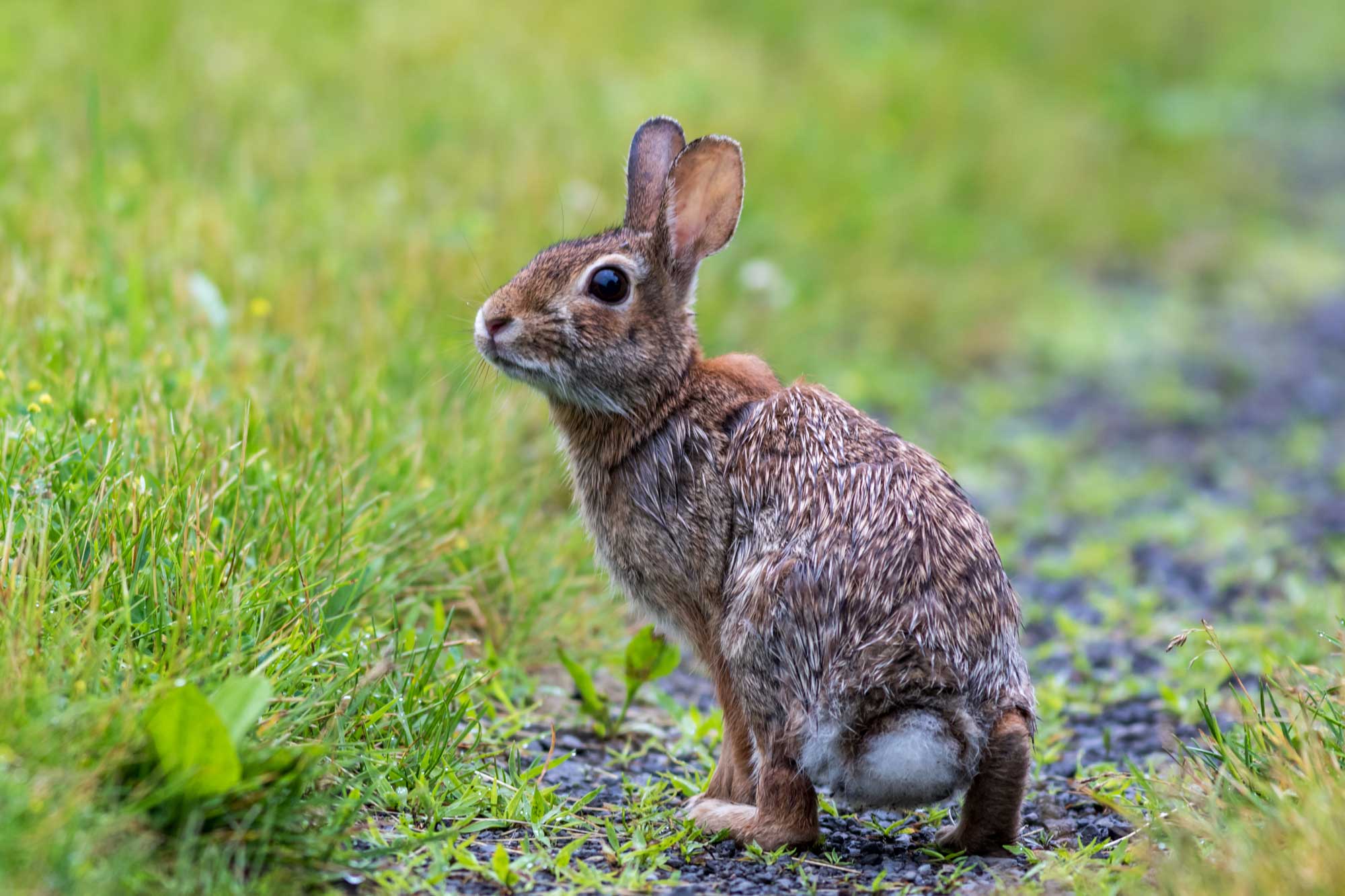
Is there an animal that is more aptly named than the cottontail rabbit? When you see a rabbit hopping by with its fluffy white cotton ball tail you just know it must be a cottontail rabbit.
Not that there are a lot of other options when it comes to rabbits here in northern Illinois. There are only two species of rabbits that live in Illinois in total, and only one, the cottontail, can be found statewide. The other, the swamp rabbit, lives only in the southern third of the state, according to the Illinois Department of Natural Resources.
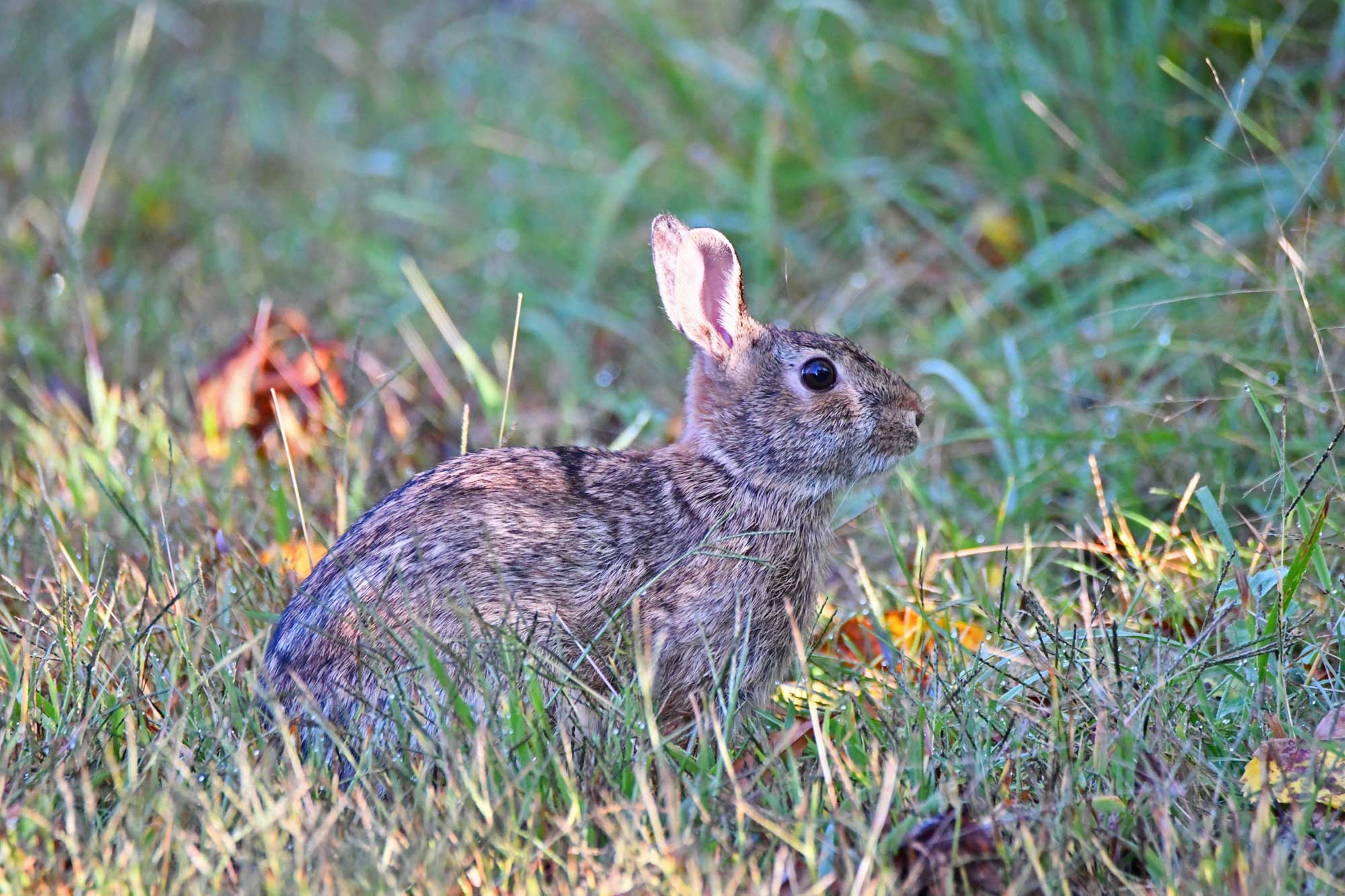
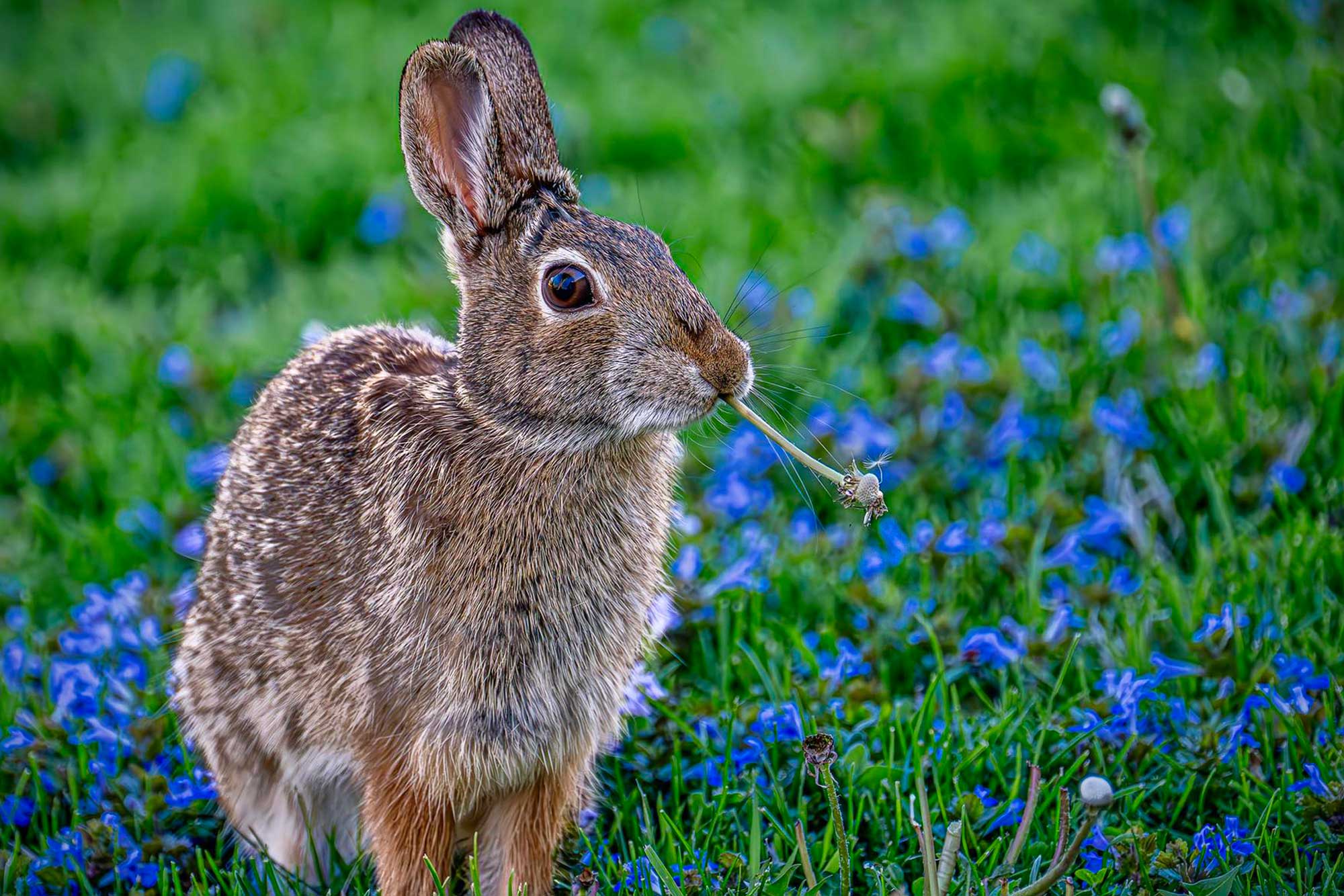
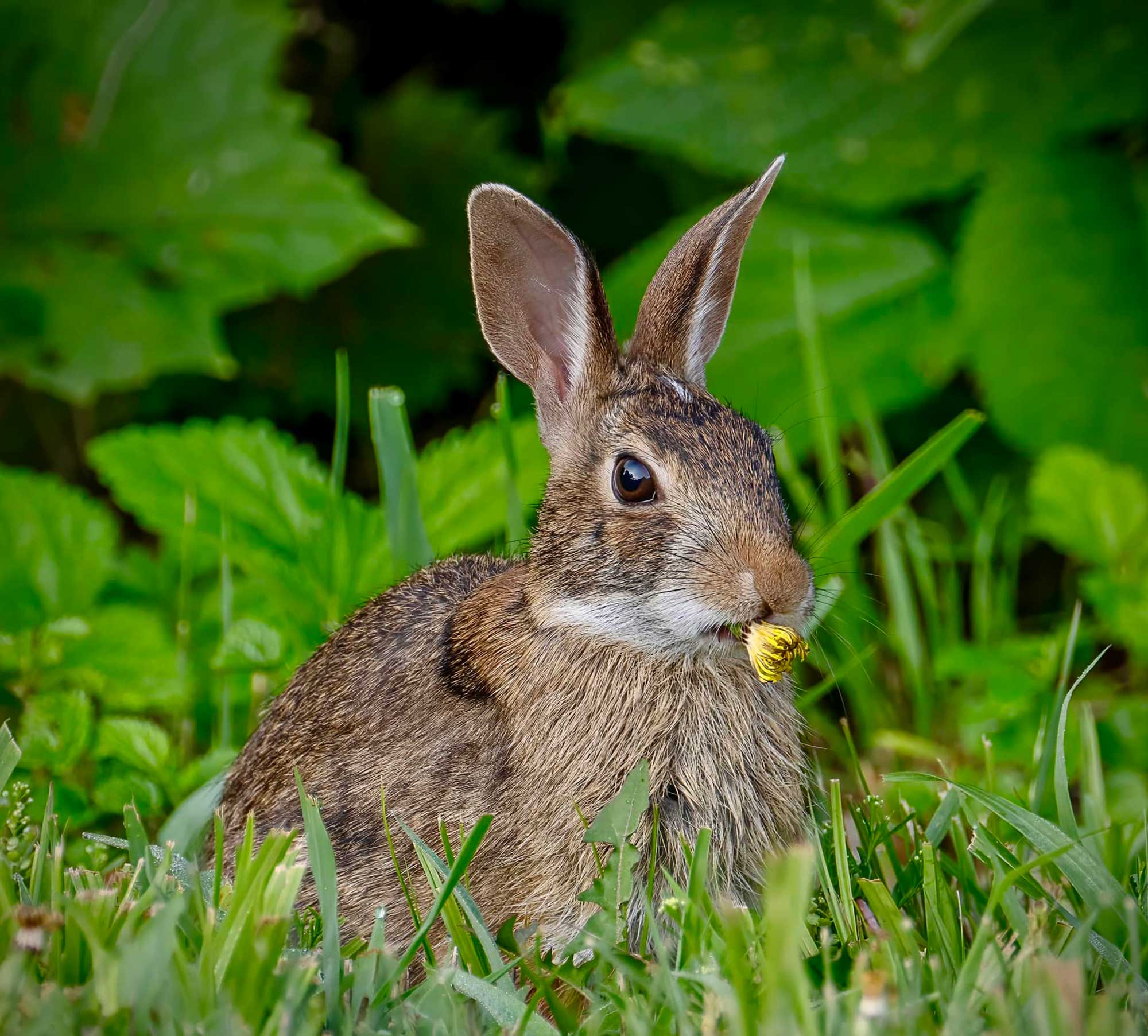
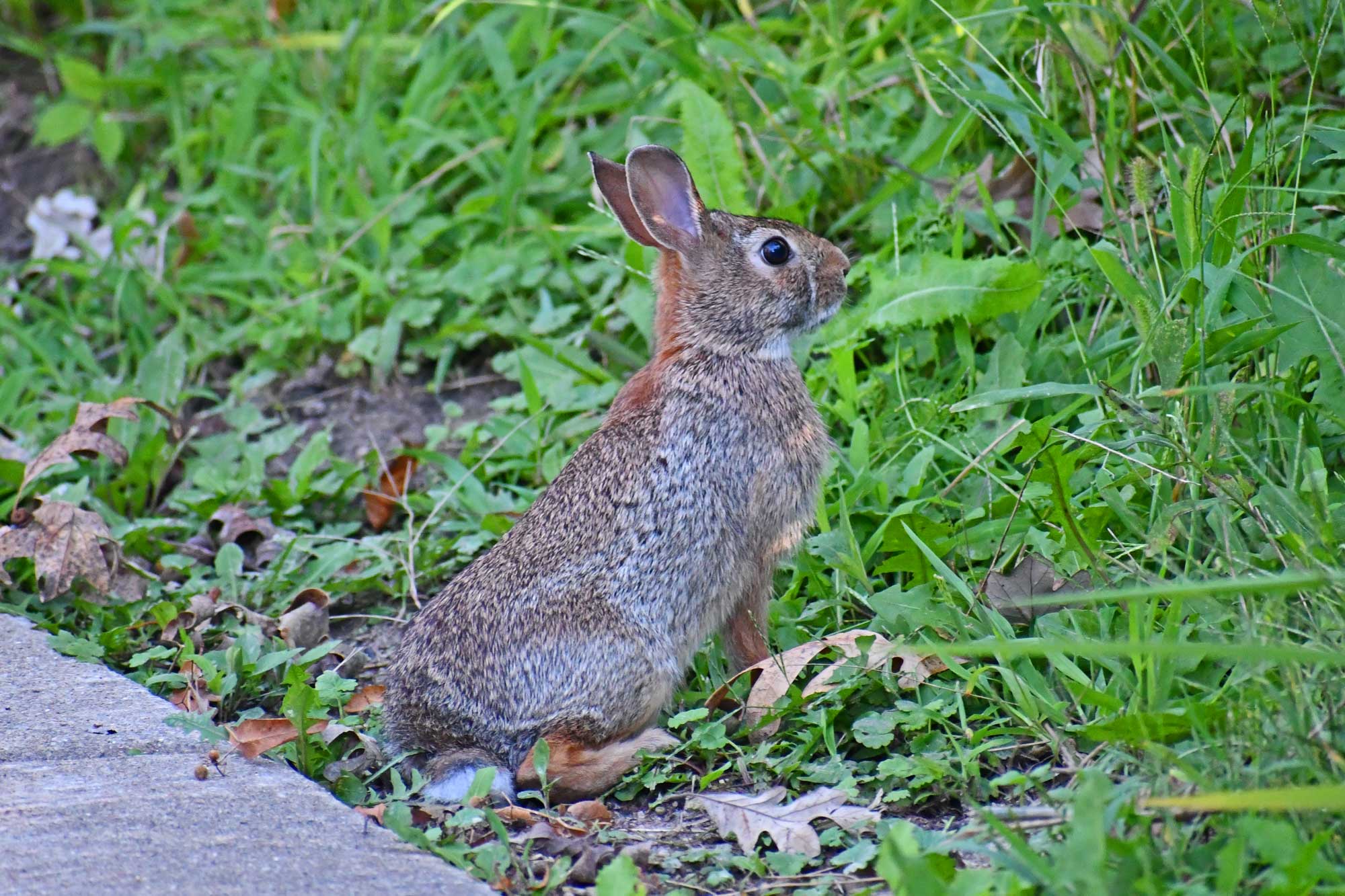
Aside from their trademark white tails, cottontail rabbits are mostly brown, with white bellies and throats. Their large ears are their other most noticeable feature. They typically grow to be 14 inches to 16 inches long and can weigh between 2 pounds and 3 pounds.
Rabbits are often thought of as rodents, but they are classified as lagomorphs. Besides rabbits and hares, the only other animals that are lagomorphs are pikas. Mountain pikas are small mammals that live mainly in the Rocky Mountain region.
Their breeding ability is no joke
Much is made about how prolific cottontail rabbits are in the breeding department, and these claims aren't exaggerated. A single female cottontail rabbit can have between 20 and 25 babies each year, according to Wildlife Illinois.
One reason rabbits are so prolific is because they are capable of reproducing at a young age, as young as 6 months old, Wildlife Illinois reports. They can also have up to three litters a year, with four to six babies, called kits, in each litter.
Females are solely responsible for caring for the kits after they are born. She will typically leave her babies alone in their nest during the day, returning in the morning and evening to nurse them. The kits are able to leave the nest about three weeks after they are born.
They don't live long
Cottontail rabbits may seem common or even populous, but they don't live long. Their life expectancy is generally less than two years, and many baby rabbits die in the first month of life, according to Mass Audubon.
The primary reason for their short lifespan is the critical role they play in ecosystem as prey. Many predators rely on rabbits and other small mammals as an important food source, so they are frequently hunted.
In Illinois, common predators include coyotes, foxes and raptors such as owls. Because they are a key link in many food chains, predator populations often decline in area when the rabbit population declines, Wildlife Illinois reports.
They eat their own poop
Cottontail rabbits are herbivores and eat a variety of types of vegetation, but you might be surprised to learn the source of some of that vegetation — their own feces. Yes, that's right. Cottontail rabbits commonly eat their own feces, Mass Audubon reports.
In the animal kingdom, the practice of an animal eating its feces is called coprophagy. For rabbits, coprophagy is a crucial part of their diet because of how they digest food. When rabbits poop, some of the pellets will contain undigested grass, clover, alfalfa and more. The rabbits will swallow these moist, green pellets without chewing to allow their digestive system to better digest the food and absorb the nutrients the second time around, according to Mass Audubon.
It is thought that essentially eating their food twice is a useful adaptation for rabbits because it allows them to escape predators and other threats. Because they eat often and are vulnerable while eating, they often have to flee before finishing a meal. Being able to redigest some of their food allows them better access to the nutrients in the plants they eat.
They like wide open spaces — but close to cover
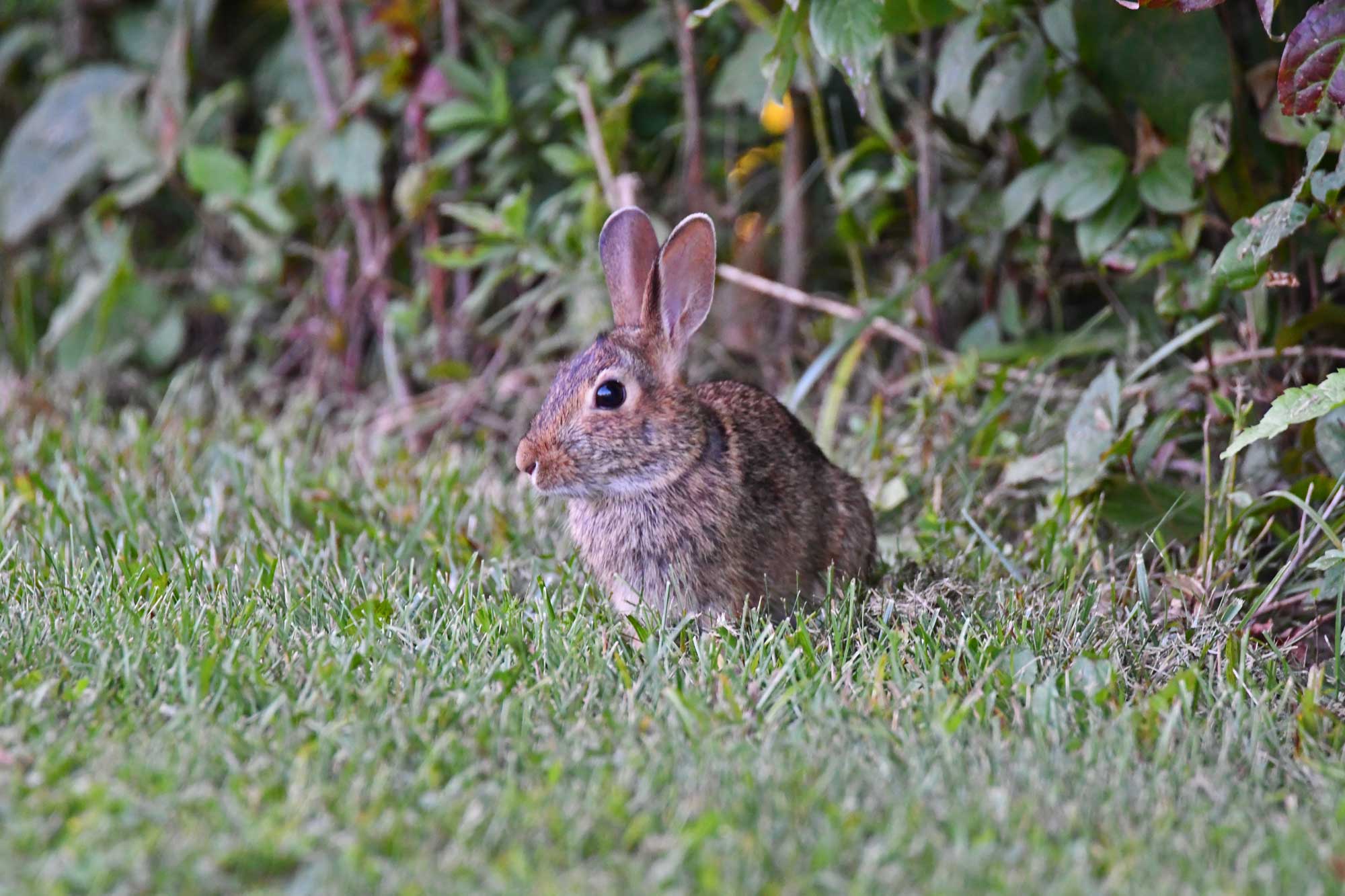
You've probably seen a rabbit munching on vegetation in your yard or a neighborhood park or preserve. They like these open spaces, but they generally don't go too far from a brushy or weedy spot where they can quickly take cover, Wildlife Illinois reports. They generally stay away from wetlands or large grassy expanses because they don't offer a lot of cover for safety.
Because rabbits often feed in open areas, they rely on a unique pattern of movement to help escape danger. When they spot danger they may first stay still, hoping they aren't detected. If a potential threat closes in, they will flee, hopping away quickly in a zig-zag pattern. The zig-zag pattern is key because it helps them avoid by being caught by predators.
Their big ears are useful for a few things
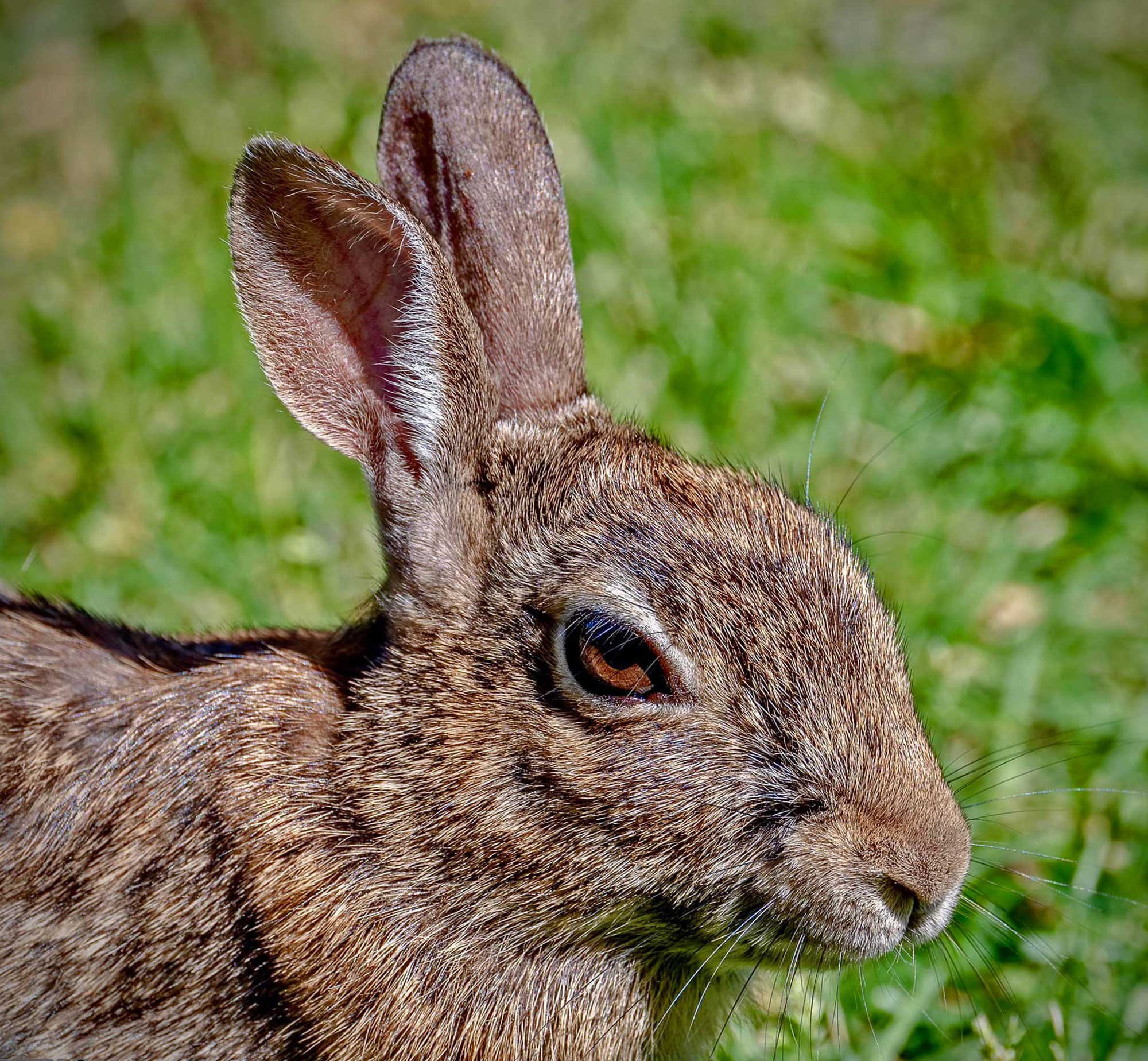
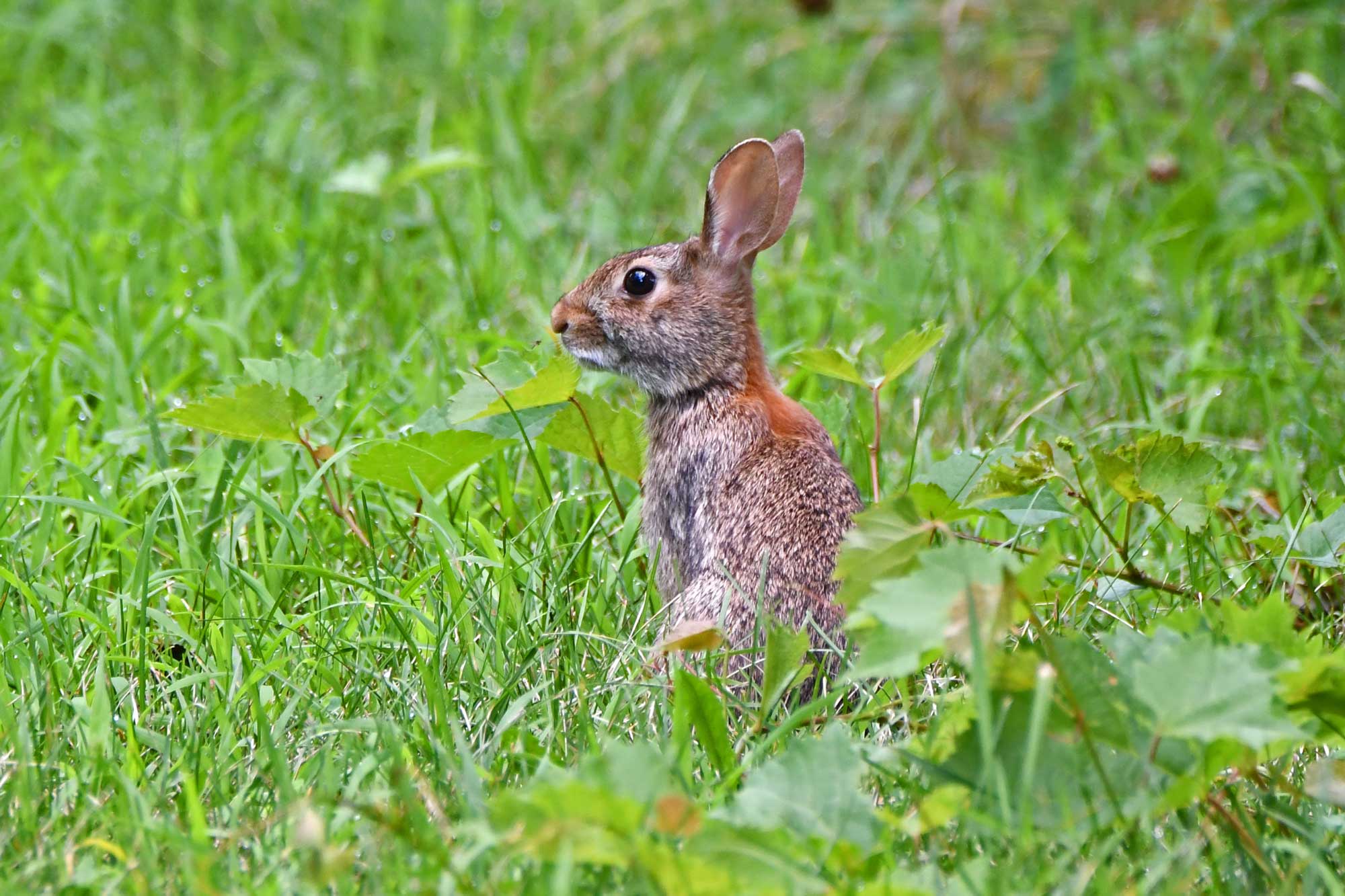
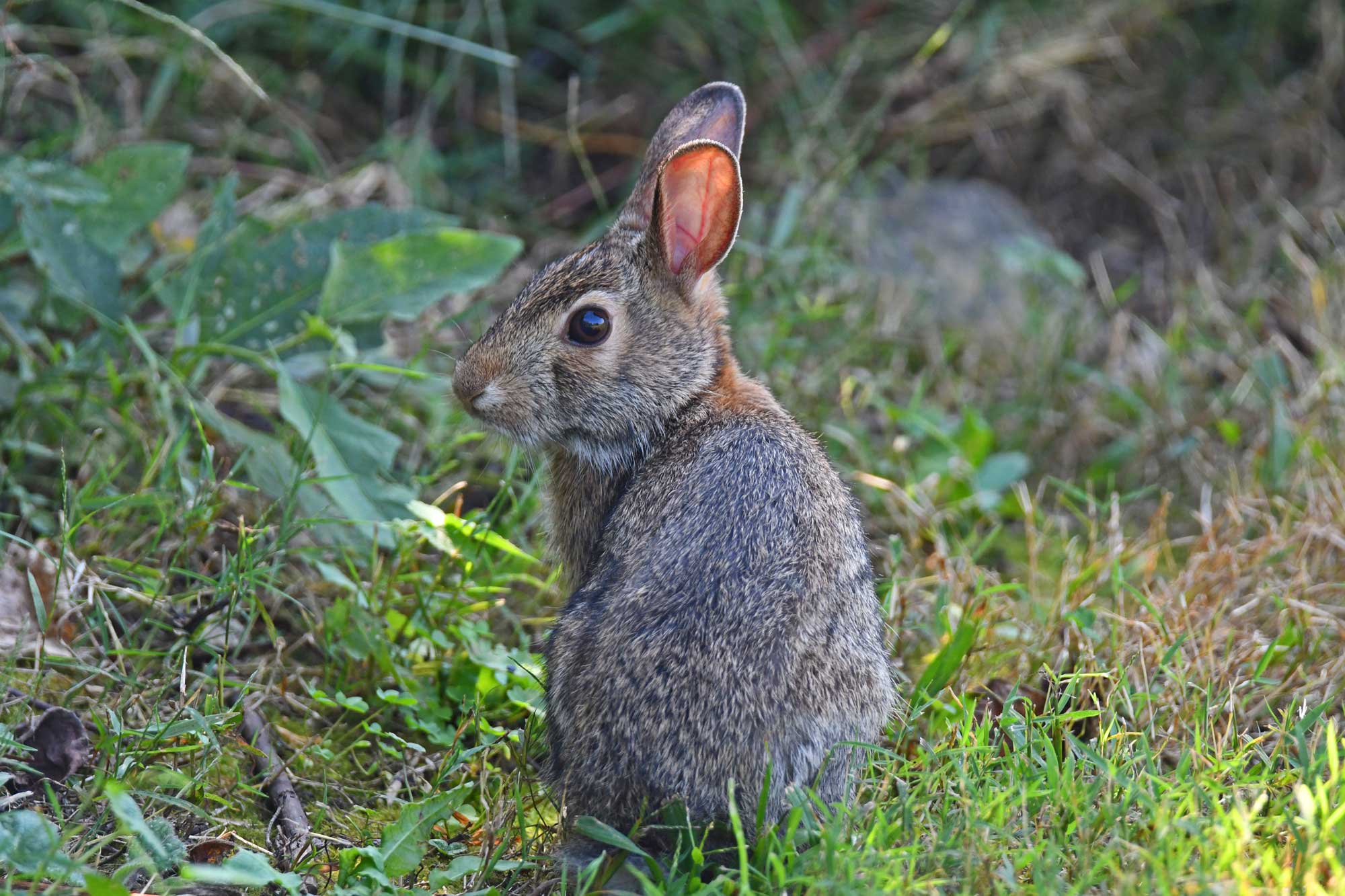
Besides their trademark tail, the most noticeable feature on a cottontail rabbit is its large ears. Bigger doesn't always mean better in the animal kingdom, but in the case of a rabbit's ears, their large size does help rabbits hear well, Wildlife Illinois reports.
Rabbits can turn their ears 270 degrees, and they can move independent of one another, adding to their ability to capture sound. Their big ears also play a role in helping them regulate their body temperature. Their ears contain a lot of blood vessels that can become enlarged when it is hot or constrict when it is cold. When it's hot, this allows more body heat to escape, helping the rabbit cool off. Conversely, when it is cold, the constricted blood vessels help them retain body heat.
.jpg?language=en-US)