
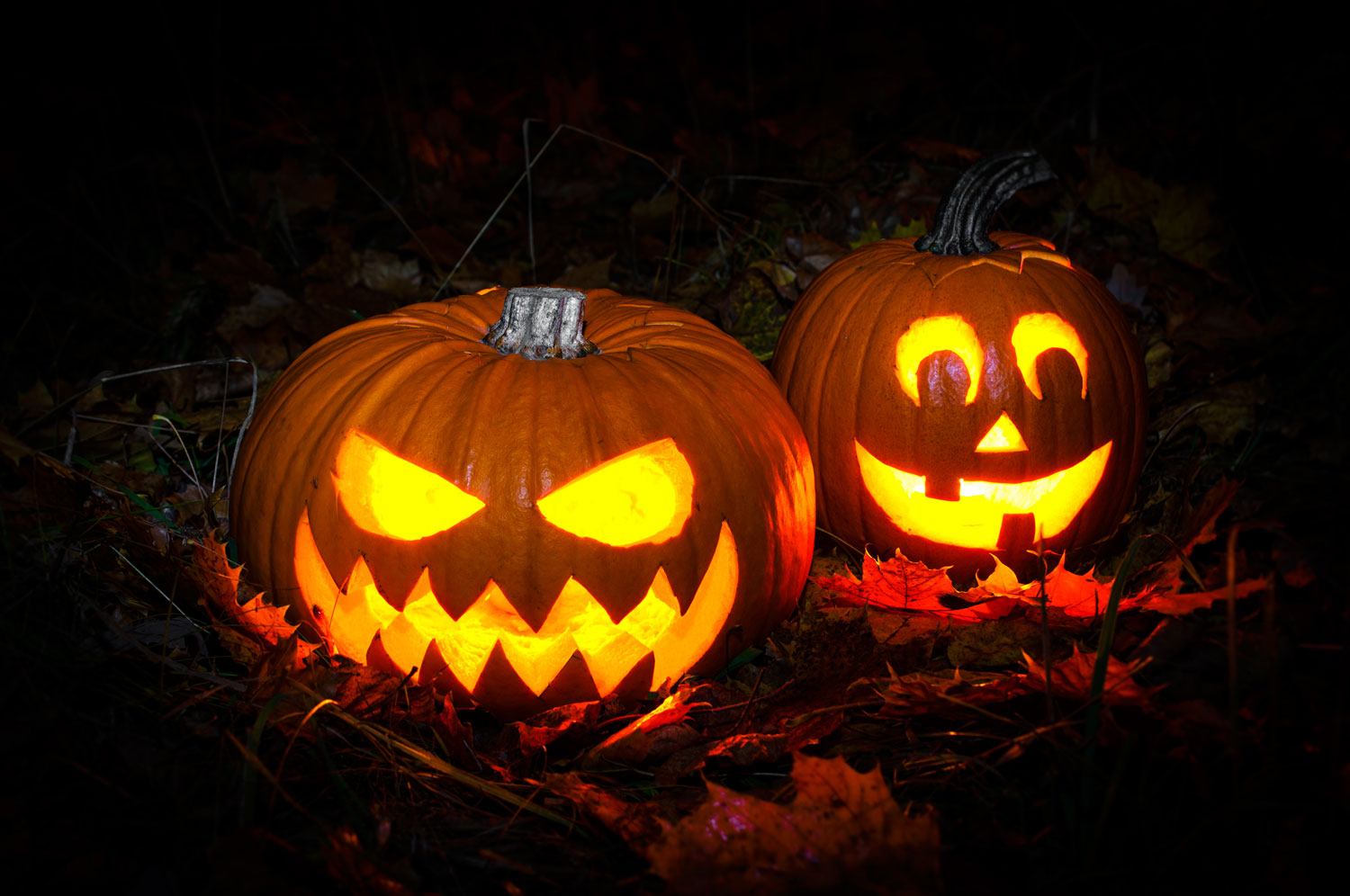
Trail Club: September at Hadley Valley
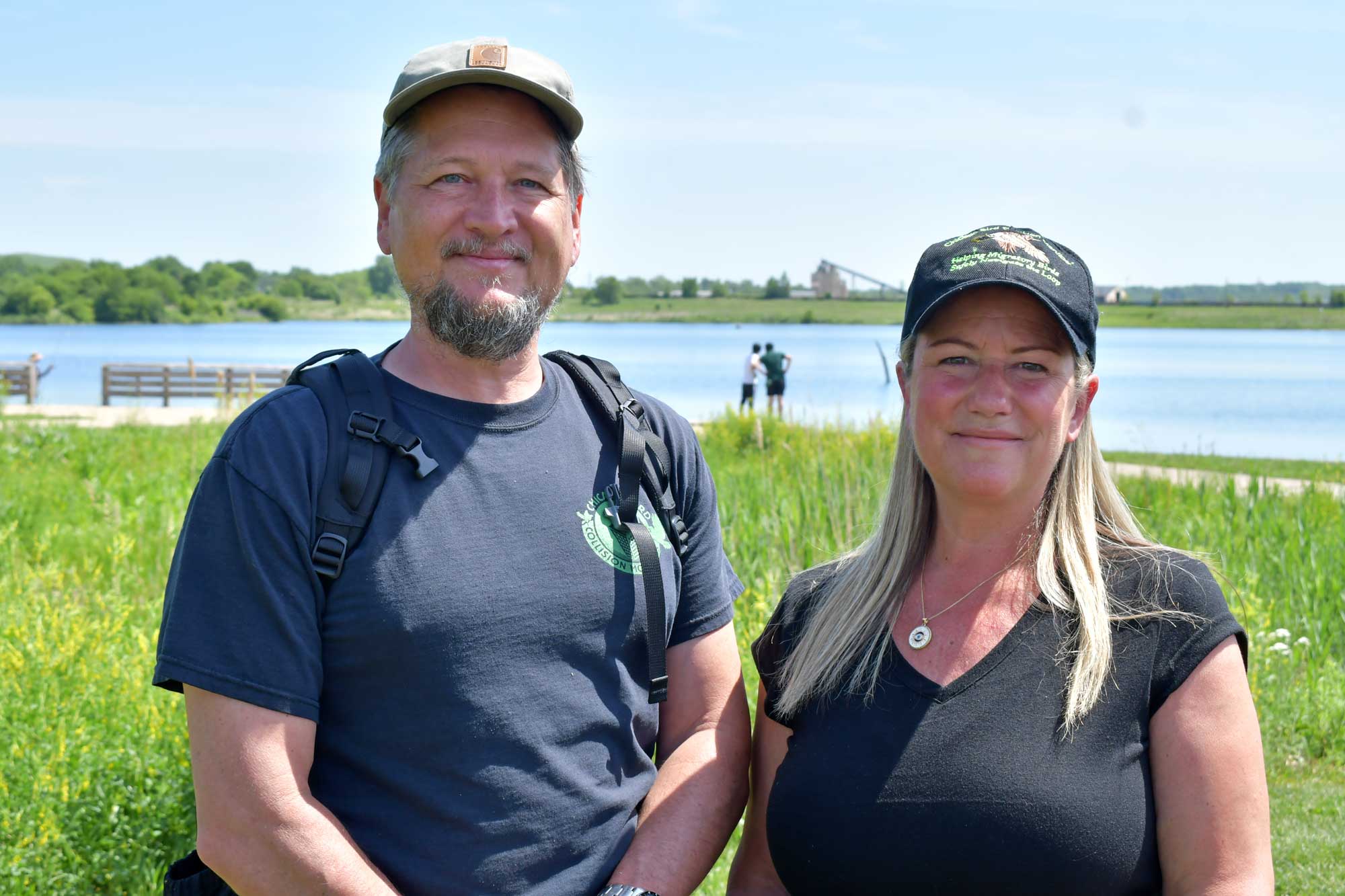
Trail Club is back this fall, and in September the group will meet at 5 p.m. Wednesdays at Hadley Valley.
When planning your spring plantings, consider incorporating trees that will be a draw for wildlife in the winter too.
Rabbits might seem ordinary, but there's more to them than meets the eye.
During spring, turtles are often on the move, putting them at risk of being hit by cars. If you can safely move a turtle across a road, here's how to do it.
Smell that fetid odor in the air? It may be coming from your own yard. Callery pear trees are in full bloom, revealing beautiful white blooms but also emitting a stench that's similar to that of rotting fish.
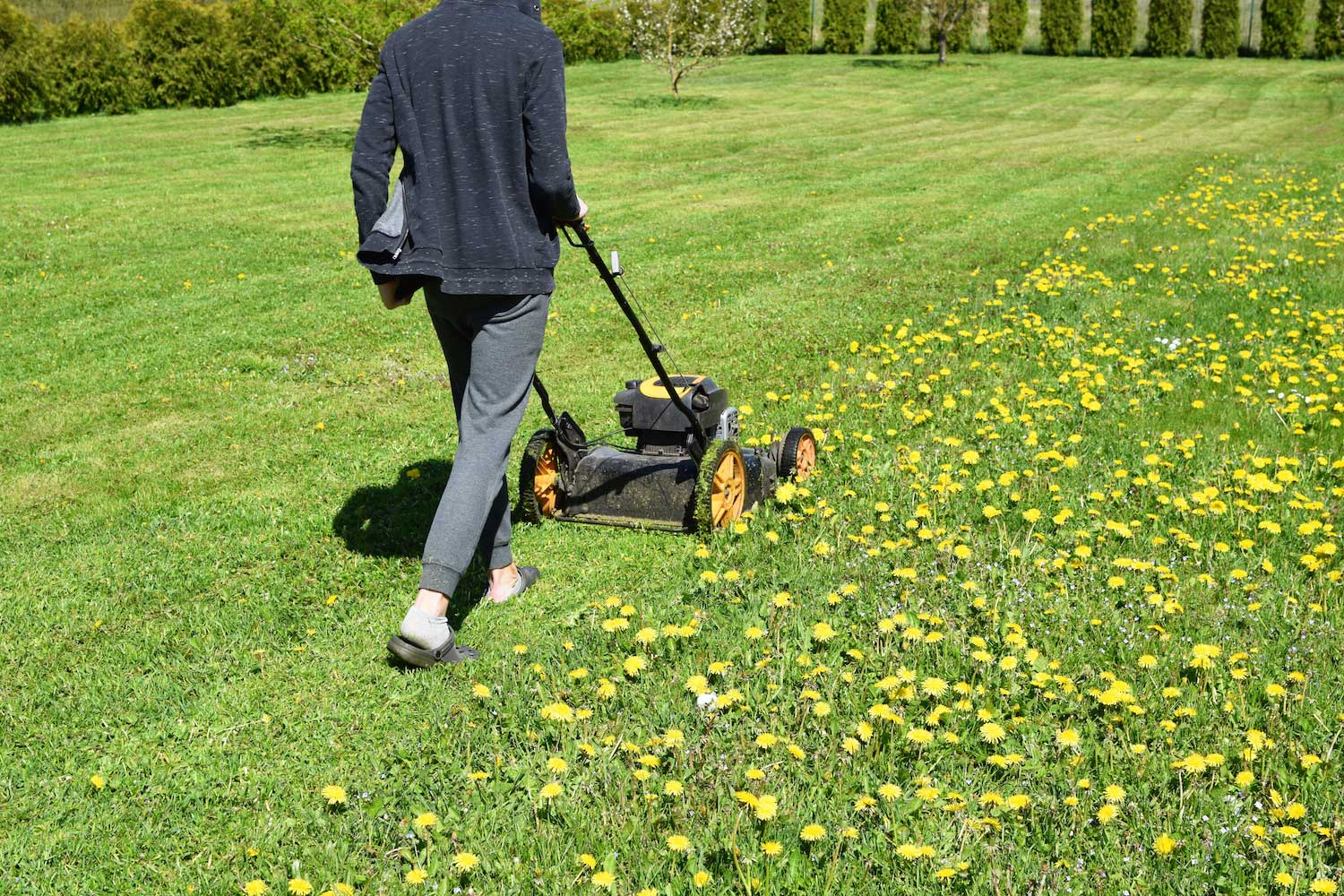
Before you cut your grass, it's a good idea to give your yard a once-over to look for rabbit nests. These nests often look just like a small patch of dead grass, but the babies are just under the surface, leaving them vulnerable to lawnmowers.
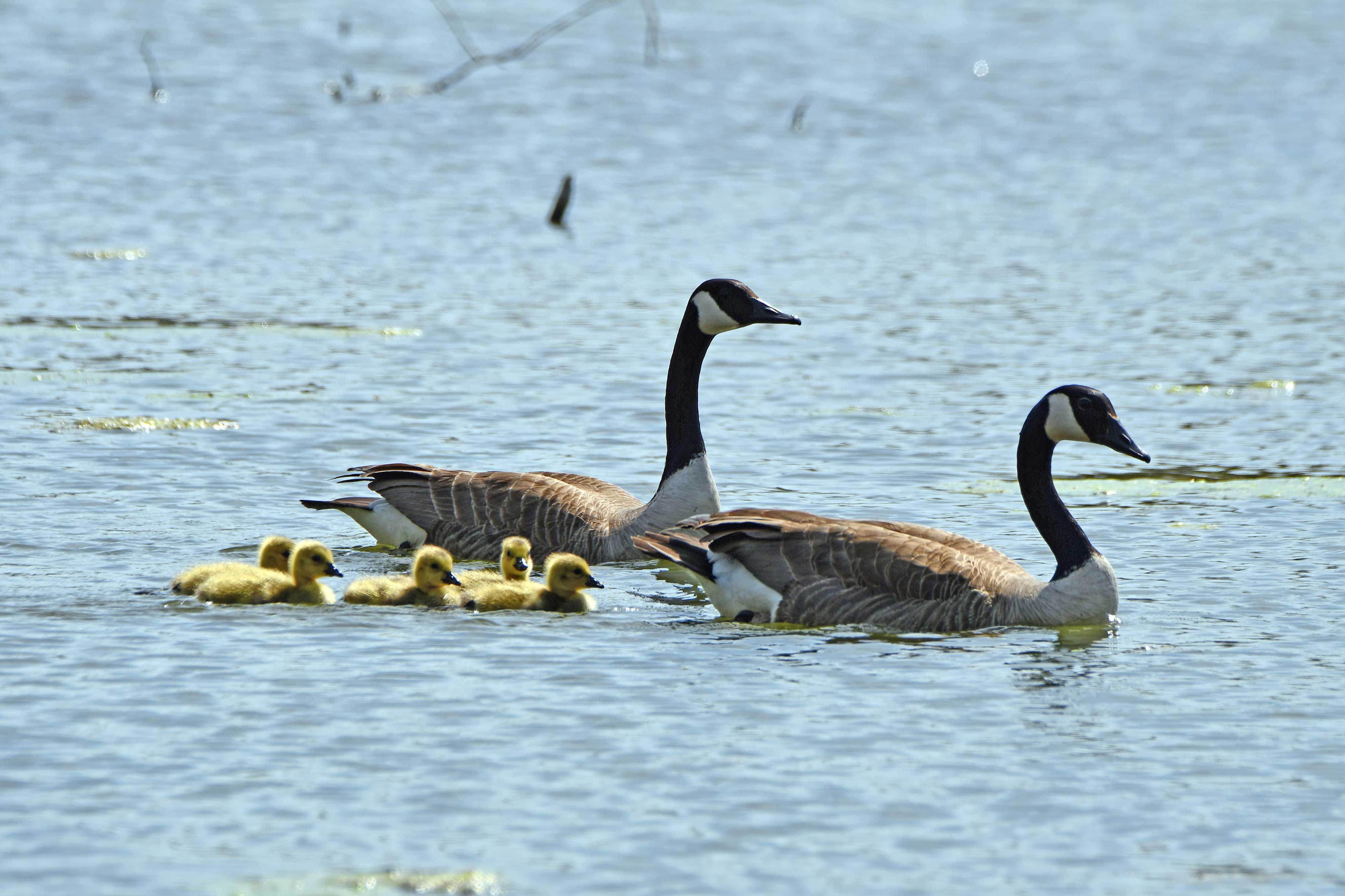
It's nesting season for Canada geese, so don't be surprised if they seem a little more feisty and aggressive than usual. If you happen come face to face with one, don't turn your back and run.
The trees may still be dormant at this time of year, but they could still be full of life. If you're planning to trim or prune your trees, make sure to give them a good once-over to check for active squirrel and bird nests.
Step away from the rake; it's too early to start your spring yard cleanup.
After a long, quiet winter, our local wetlands are among the first places that begin to wake up, showing some of the earliest signs of spring.
When it comes to spring, there's so much to love. But there's also probably a lot you don't know about our most-anticipated season.
You've heard of bone-crushing creatures, but how about bone-eating animals? The bearded vulture is the only bird in the world that predominantly eats bones!
Here are five reasons you should appreciate spiders instead of despising them or, even worse, squishing them.
If you venture out into the preserves these days, there's a good chance you'll hear chorus frogs making a racket as they call out looking for a mate.
In the fall, the changing of the seasons means deciduous trees shed their leaves. But not all deciduous trees seem to get the memo when it comes to losing their leaves.
If you pay attention, plenty of clues are starting to pop up that signal warmer days are on the horizon.
Robins are the quintessential American bird, but how much do you really know about them?
When planning your spring plantings, consider incorporating trees that will be a draw for wildlife in the winter too.
Rabbits might seem ordinary, but there's more to them than meets the eye.
During spring, turtles are often on the move, putting them at risk of being hit by cars. If you can safely move a turtle across a road, here's how to do it.
Smell that fetid odor in the air? It may be coming from your own yard. Callery pear trees are in full bloom, revealing beautiful white blooms but also emitting a stench that's similar to that of rotting fish.
Before you cut your grass, it's a good idea to give your yard a once-over to look for rabbit nests. These nests often look just like a small patch of dead grass, but the babies are just under the surface, leaving them vulnerable to lawnmowers.
It's nesting season for Canada geese, so don't be surprised if they seem a little more feisty and aggressive than usual. If you happen come face to face with one, don't turn your back and run.
The trees may still be dormant at this time of year, but they could still be full of life. If you're planning to trim or prune your trees, make sure to give them a good once-over to check for active squirrel and bird nests.
Step away from the rake; it's too early to start your spring yard cleanup.
After a long, quiet winter, our local wetlands are among the first places that begin to wake up, showing some of the earliest signs of spring.
When it comes to spring, there's so much to love. But there's also probably a lot you don't know about our most-anticipated season.
You've heard of bone-crushing creatures, but how about bone-eating animals? The bearded vulture is the only bird in the world that predominantly eats bones!
Here are five reasons you should appreciate spiders instead of despising them or, even worse, squishing them.
If you venture out into the preserves these days, there's a good chance you'll hear chorus frogs making a racket as they call out looking for a mate.
In the fall, the changing of the seasons means deciduous trees shed their leaves. But not all deciduous trees seem to get the memo when it comes to losing their leaves.
If you pay attention, plenty of clues are starting to pop up that signal warmer days are on the horizon.
Robins are the quintessential American bird, but how much do you really know about them?
Trail Club is back this fall, and in September the group will meet at 5 p.m. Wednesdays at Hadley Valley.
Say goodbye to summertime with a sunset paddle on Monee Reservoir.
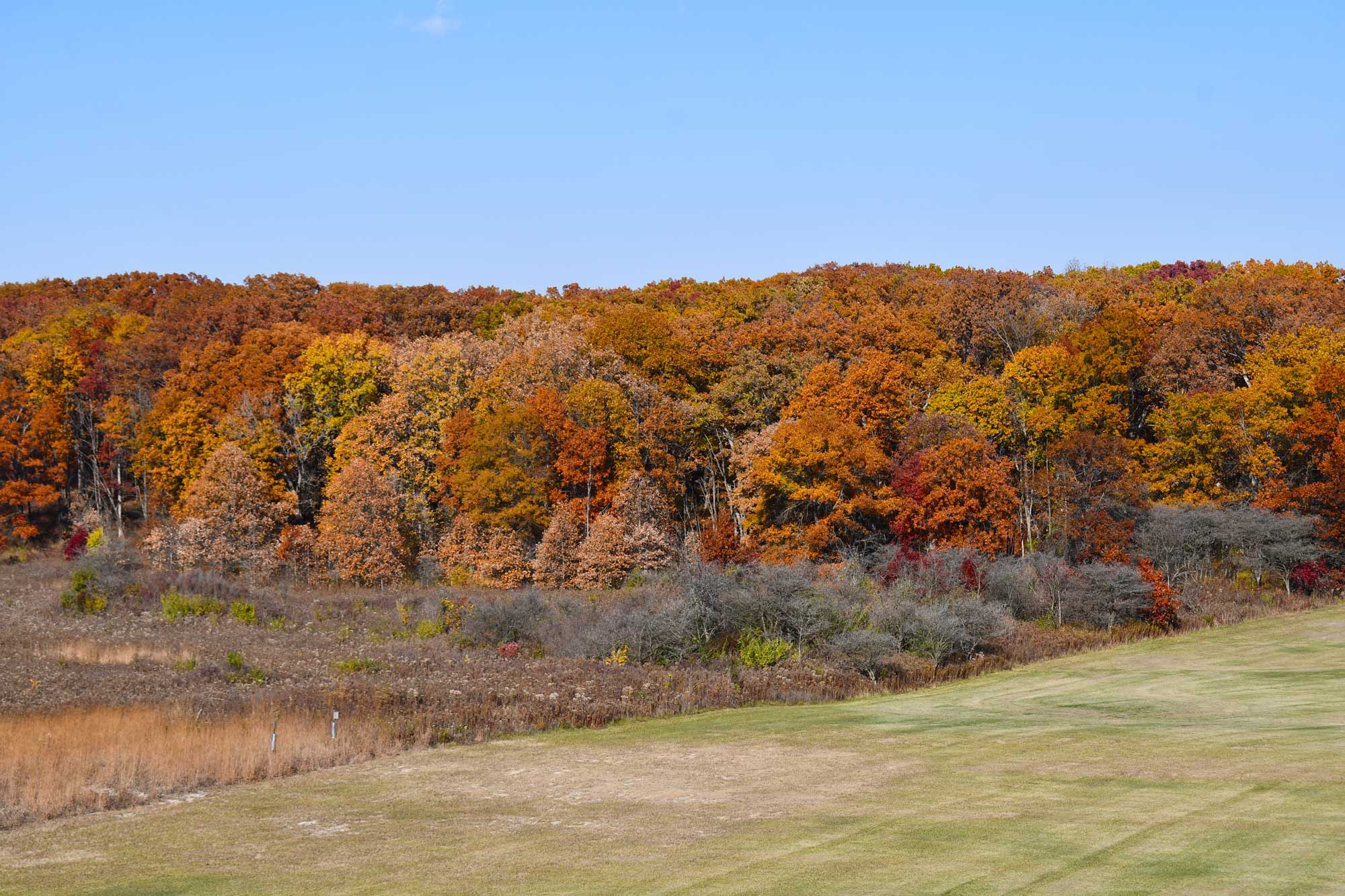
Interactive map predicts when fall color will peak in Will County and beyond.
These big white birds typically stick around until November or into December.
Hummingbirds are here in Will County for a good portion of the year, but knowing when they migrate can help determine when to have hummingbird feeders out.