Why are lightning bugs disappearing?
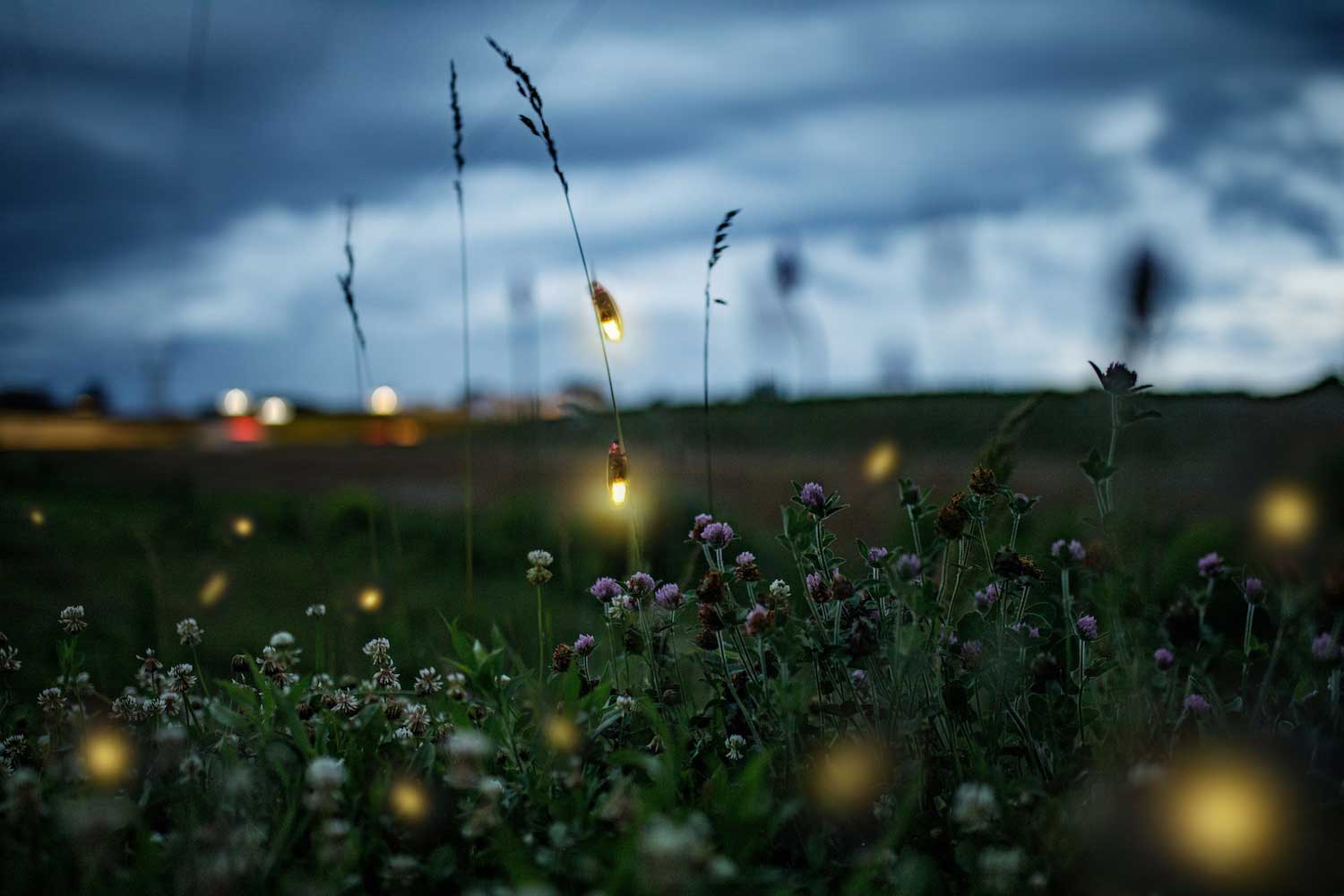
When was the last time you excitedly chased a lightning bug across the grass, carefully wrapping your hand around it and gently tucking it into a jar filled with grass and leaves with a few hole holes poked in the lid for good measure?
Whether it's been a few days or a few decades, the memory of that summertime rite of passage is probably something you carry with you. Future generations may not be as fortunate, though, because lightning bugs are disappearing.
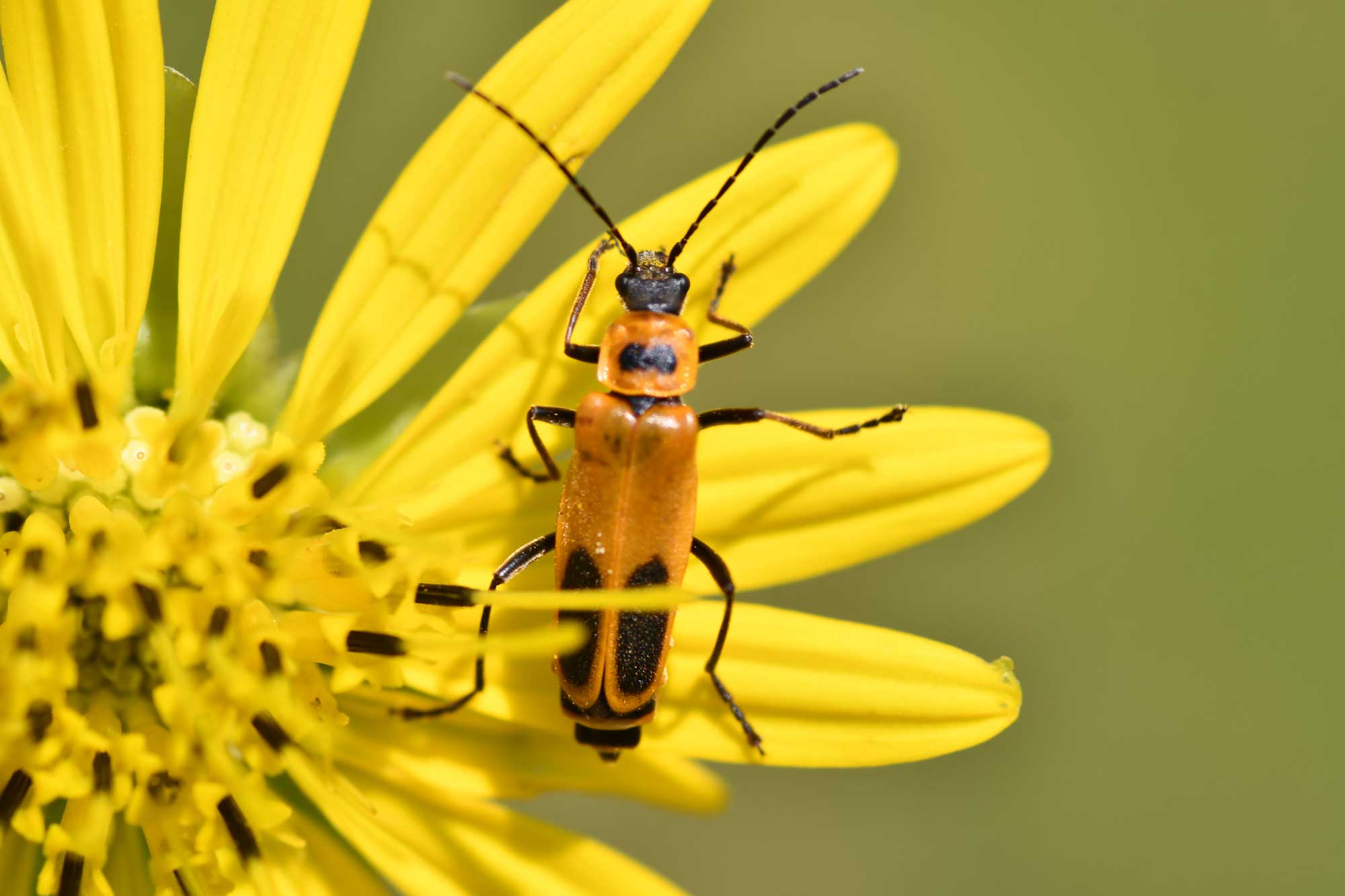
Lightning bugs and fireflies are the same insect. What you call them or whether you use the terms interchangeably is a matter of geography. They aren't flies, however. They are beetles, and the lightning bug family of beetles includes about 2,000 species in all, National Geographic reports. They can be found on every continent except Antarctica, but they are most common in North America, South America and Asia.
A dwindling delight
Each summer it seems people report seeing fewer and fewer of these bioluminescent bugs, but there is more concrete evidence of the decline as well. The International Union for the Conservation of Nature (IUCN) has published assessments showing that one in three of the lightning bug species found in North America may be at risk of extinction.
FIVE FUN FACTS ABOUT BIOLUMINESCENT LIGHTNING BUGS
One reason lightning bugs are on the decline is light pollution, which interferes with their mating process and in turn lowers their rate of reproductive success. As the human population grows and expands, light pollution increases. This is detrimental to the insects because more than 75% of the firefly species in the United States and Canada are active at night or during dusk, according to the Xerces Society for Invertebrate Conservation.
Those flashes of light that enchant us are how the insects communicate with one another. It's how they attract a mate and keep predators at bay. But as light pollution increases, it becomes harder for the fireflies to see the flashes of light being emitted by other insects. That means it is harder for them to attract a mate and, in turn, successfully reproduce.
Habitat loss is another contributor to their falling population, according to the U.S. Forest Service. Lightning bugs live in tall grasses, so as more and more prairies and grasslands are mowed or paved over or otherwise lost to development, there are fewer places for them to dwell. Even keeping your yard fully manicured without any natural spaces contributes to their loss of habitat.
Other environmental factors that are exacerbating the loss of fireflies include pesticide use, which can disrupt their life cycle, and climate change, which adds environmental stressors, the Forest Service reports.
Help the glow continue
The disappearance of lightning bugs from our summer nights isn't just a threat to a summertime rite of passage. Collectively, insects play a key role in the ecosystems where they live, so protecting them also means protecting other flora and fauna that depend on them, the Forest Service reports.
One simple way you can help lightning bugs thrive where you live is by turning off your outdoor lights, the Forest Service advises. Closing your blinds or curtains at night when interior lights are on also helps.
Another easy thing you can do at home is let just a part of your yard go wild. Setting aside a corner or pocket of land where grass and other plants can grow will give fireflies the habitat they need to thrive, according to the Xerces Society.
If you can't let a part of your yard go wild, consider incorporating native plants where you can and reduce your mowing schedule and raise your mower so it cuts the grass to no less than 4 inches tall, the Forest Service advises.
Here are a few more steps you can take at home to help fireflies continue to light up our summer nights:
- Reduce pesticide use in and around your home.
- Leave fallen leaves in your yard. You can rake them into piles, but leaving them in your yard helps fireflies and other insects.
- Encourage others to appreciate insects rather than fear them or view them as a nuisance.