Forest Preserve renames Custer Township preserves
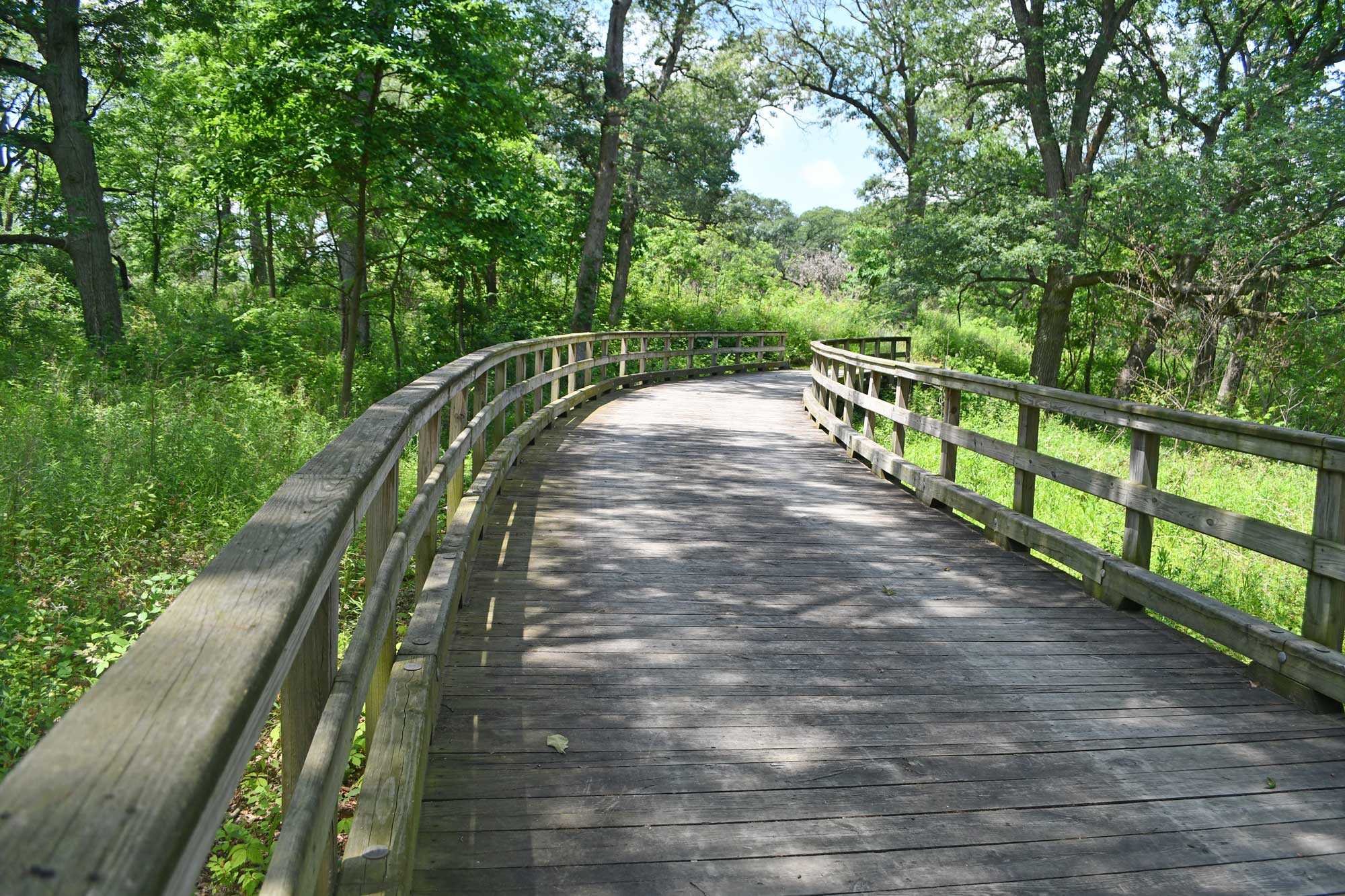
The Forest Preserve District is changing the names of two Custer Township preserves to better reflect conservation goals and the region's rare sand habitat.
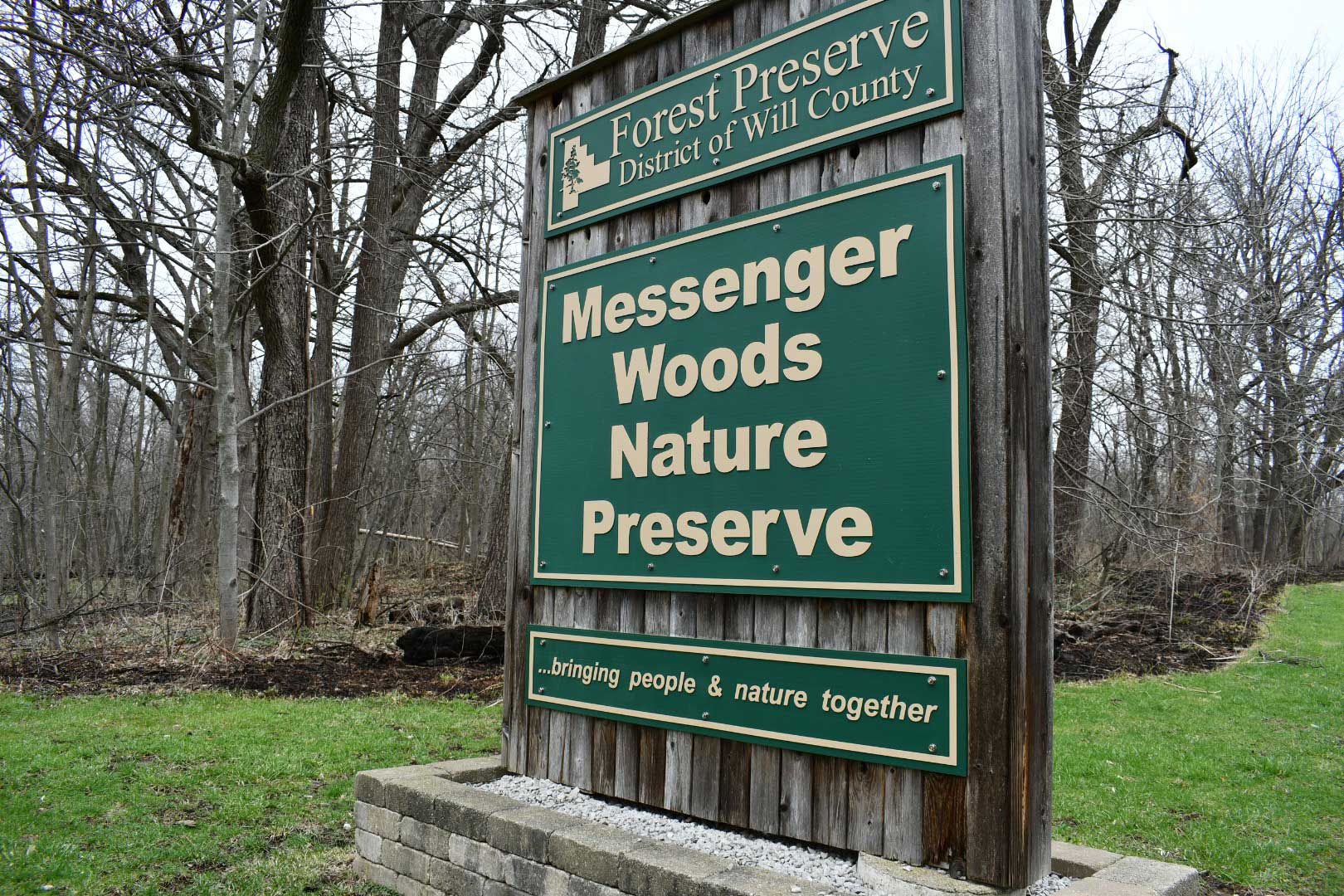
Kankakee Sands Preserve – Route 113 Access is now named Sand Ridge Savanna Preserve – Shenk Grove Access. And a new parcel purchased in 2025 has been given the Kankakee Sands name.
New preserve signs have been ordered to reflect the name changes, which are correctly listed on the Forest Preserve’s new website, which launched June 9.
Sand Ridge Savanna Nature Preserve
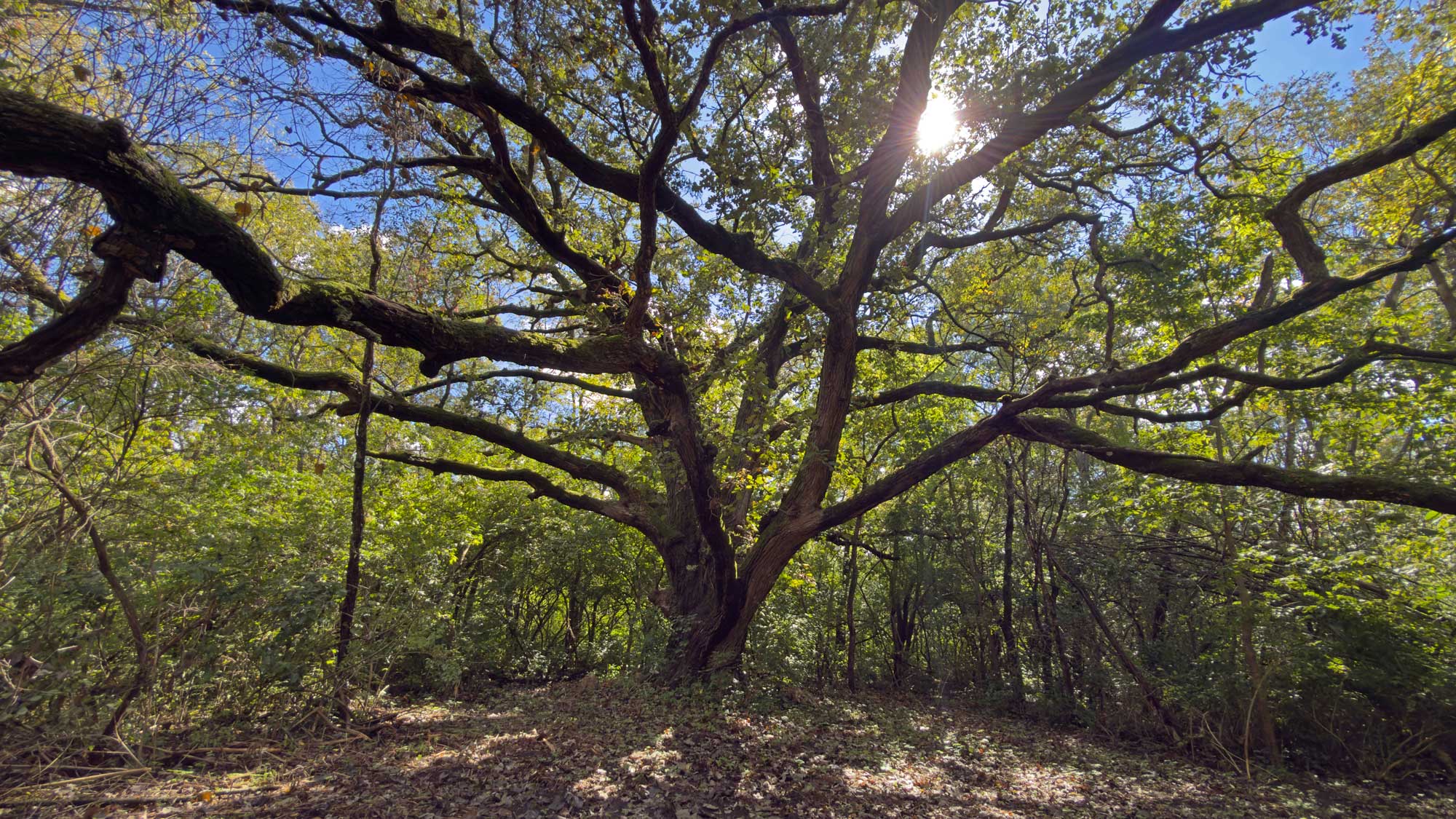
The former 555-acre Kankakee Sands Preserve was dedicated as a state nature preserve in 2023 as an addition to the 543-acre Sand Ridge Savanna Nature Preserve. The current name change now better captures the connection between the two preserves. Both properties are located across Route 113 from each other.
“Within the State Nature Preserve system, it makes sense to have it all as one nature preserve since it’s contiguous habitat,” said Juli Mason, the Forest Preserve’s director of conservation programs.
State nature preserve status gives preserves a higher level of protection for sites with threatened, endangered and sensitive species.
The northern part of Sand Ridge Savanna features parking, a picnic shelter and a trail system. The southern part has no public access at this time.
Kankakee Sands Preserve
Also, a 241-acre parcel purchased by the Forest Preserve in 2025 will take on the name Kankakee Sands Preserve. This land is undeveloped and has no public access currently. The preserve is located on the southeast corner of Coal City Road and Route 53.
Both preserves are part of a larger “Sands” natural area that stretches into Indiana and has a globally rare community. The more than 2,000-acre area in Will County consists of the Forest Preserve’s Braidwood Dunes and Savanna Nature Preserve, the newly named Sand Ridge Savanna and Kankakee Sands preserves as well as two state-owned nature preserves, Hitts-Siding Prairie and Wilmington Shrub Prairie.
The sand featured in these preserves came from glacial Lake Wauponsee, which was created during a massive flood that occurred around 19,000 years ago.
The diverse mosaic protects 8,000 insect species and 750 native plant species as well as birds, mammals, reptiles, mosses and mushrooms.