
Joliet Iron Works Historic Site
Location
Joliet Iron Works Historic Site is located on Columbia Street, east of Route 53/Scott Street, in Joliet.
Hours
8 a.m.-sunset
Trails
I&M Canal Trail
Phone
815-727-8700
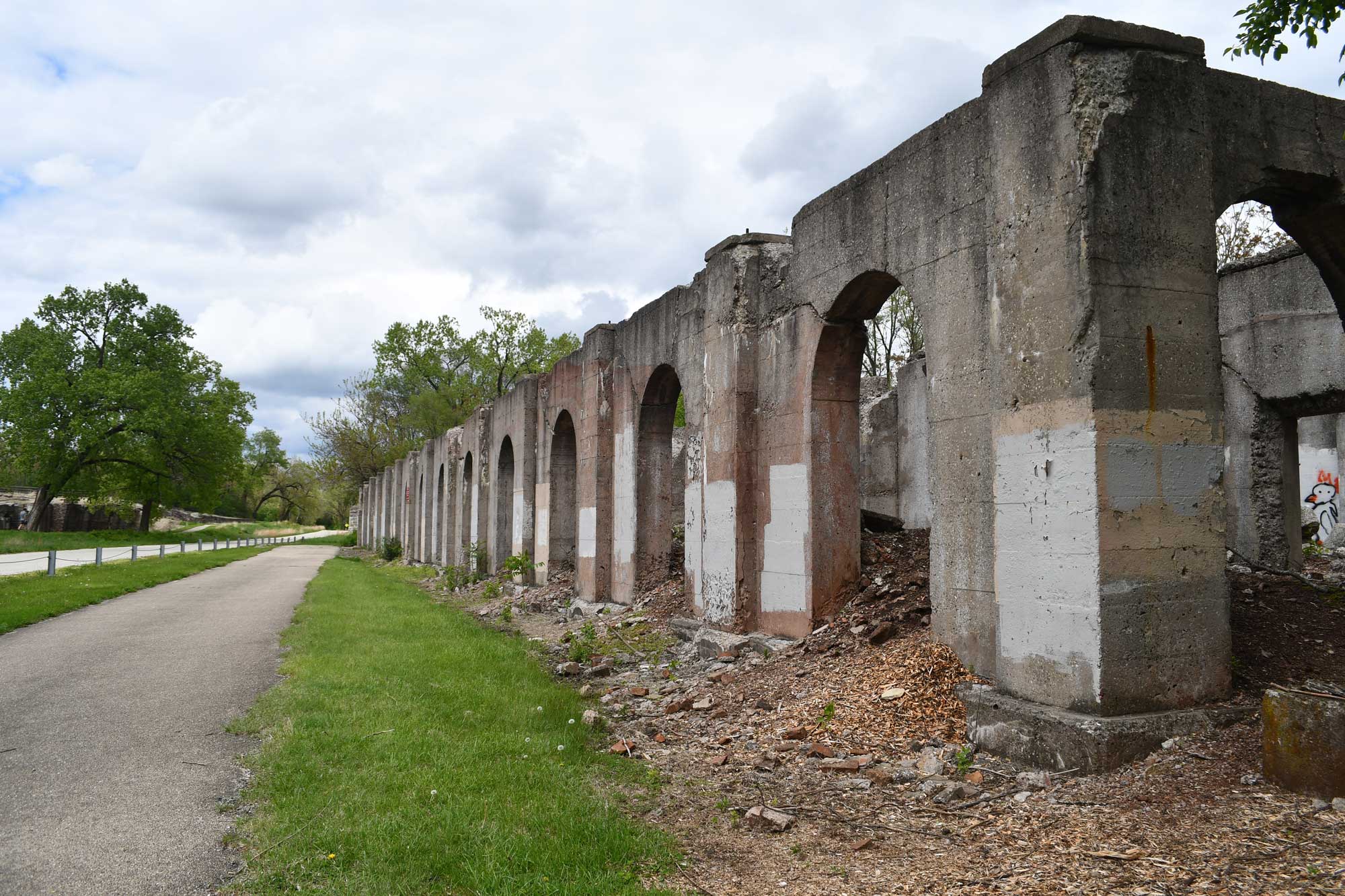
The 52-acre Joliet Iron Works Historic Site in Joliet offers a unique glimpse into the region’s industrial past set within a natural setting along the Des Plaines River. Remnants of the former iron manufacturing facility create a striking backdrop for exploration and reflection.
Planning your visit
Joliet Iron Works Historic Site is open 8 a.m. to sunset every day of the year except Christmas.
Amenities and activities
- Picnicking: Joliet Iron Works Shelter accommodates up to 100 people and is available for rental.
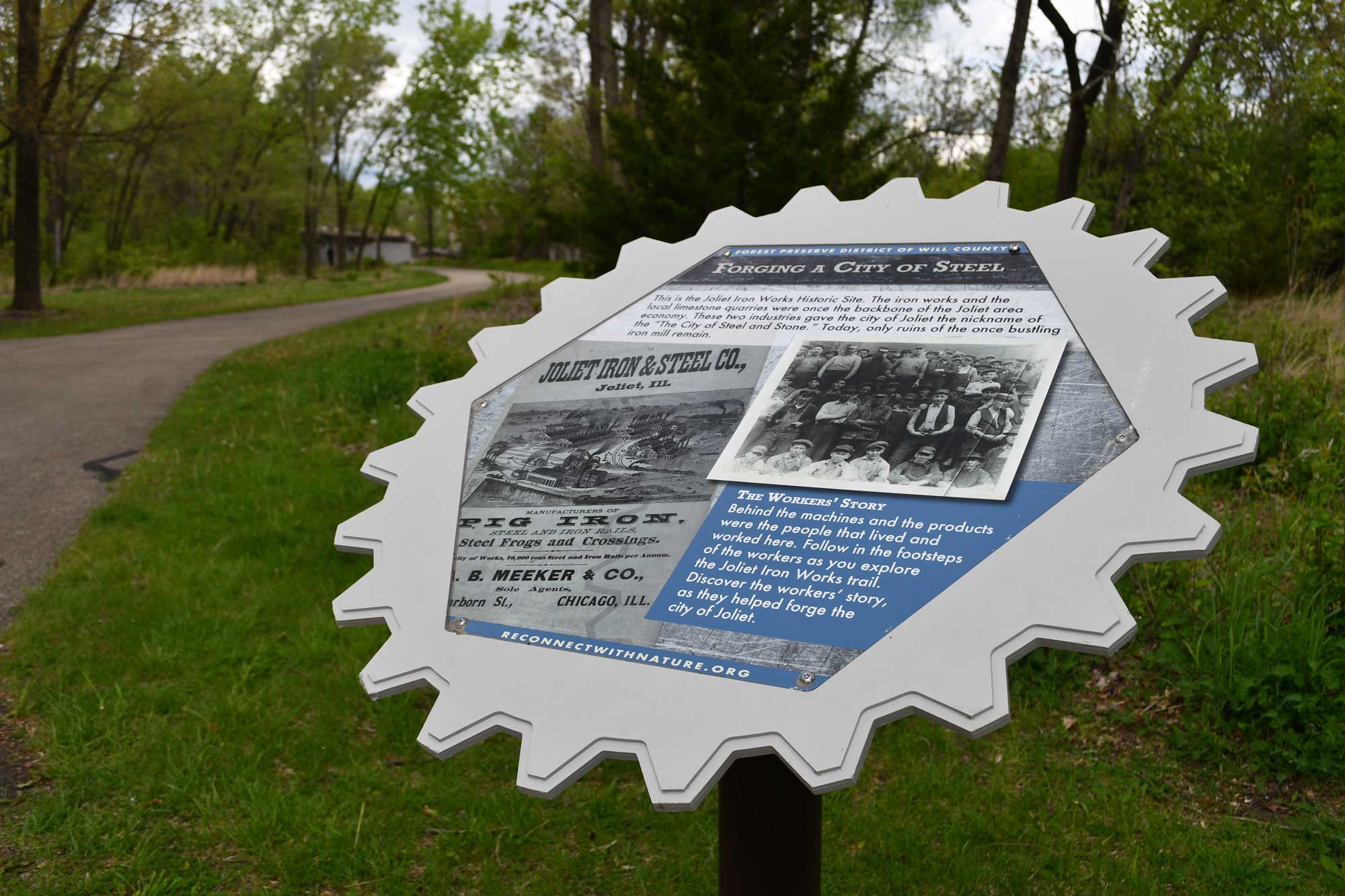
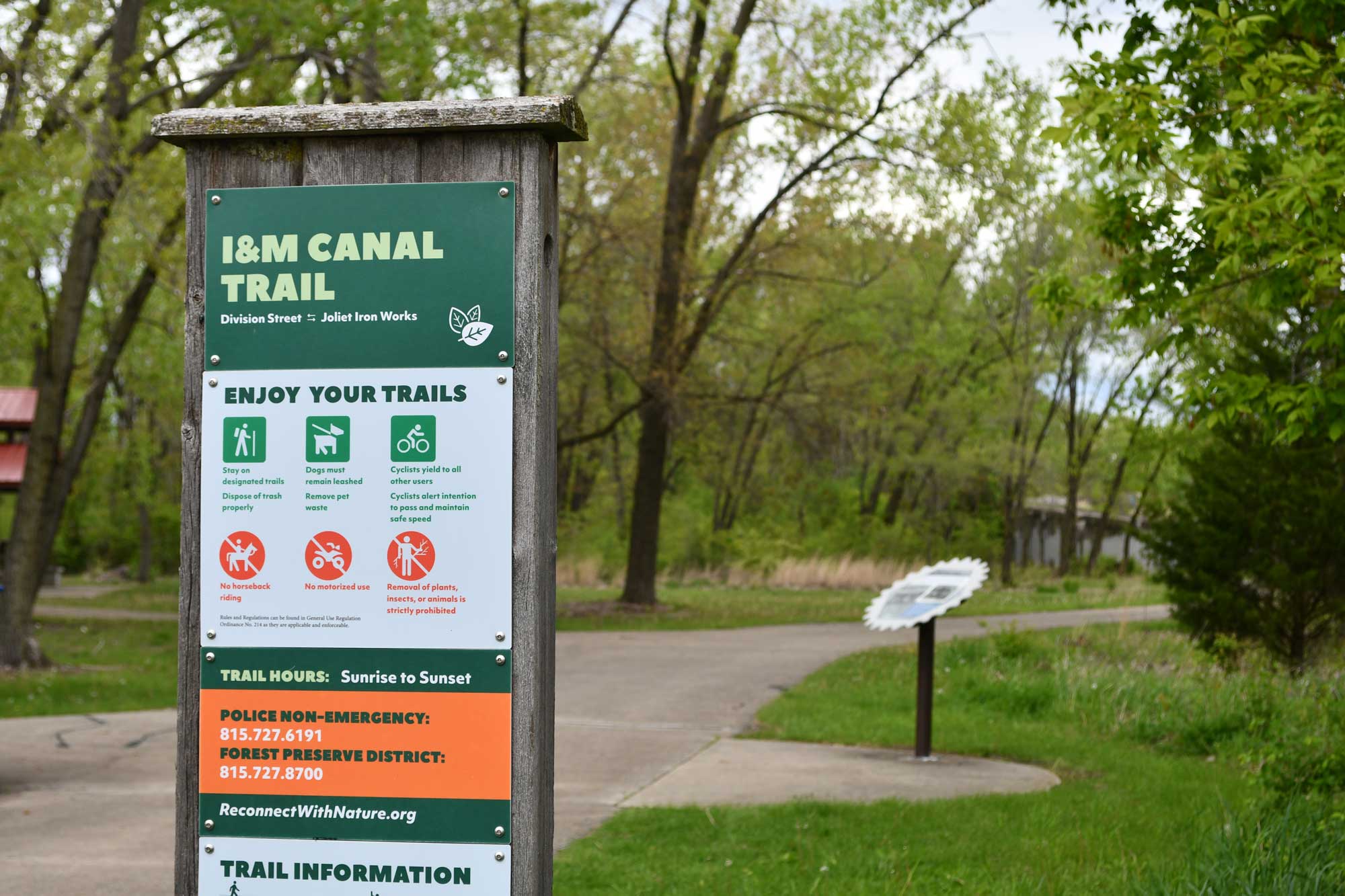
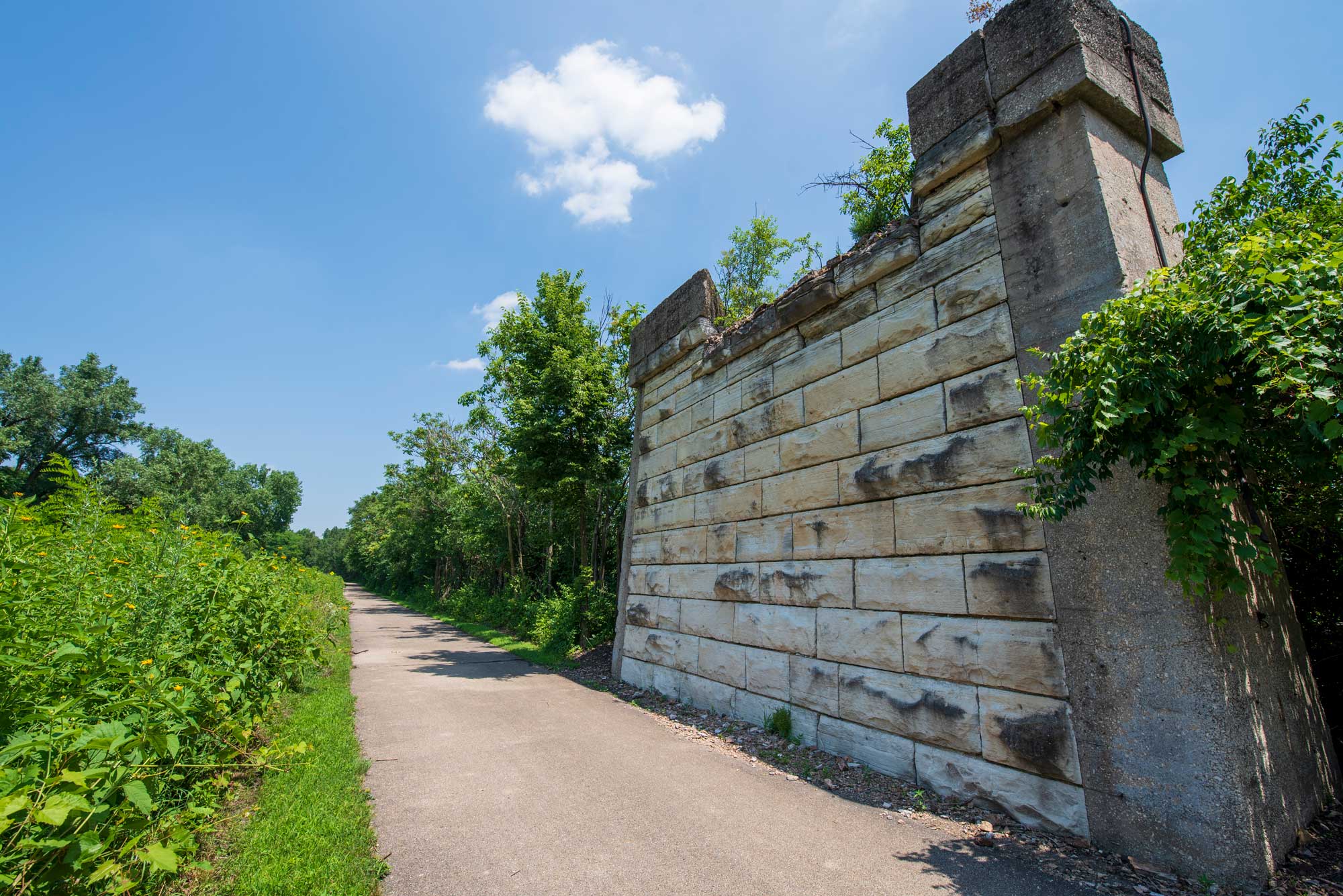
- Trails: A 0.59-mile paved trail provides a self-guided interpretive tour highlighting the site’s historical significance. The preserve also connects to the 7.57-mile I&M Canal Trail, offering opportunities for biking, hiking, running, in-line skating, cross-country skiing and snowshoeing.
Flora and fauna
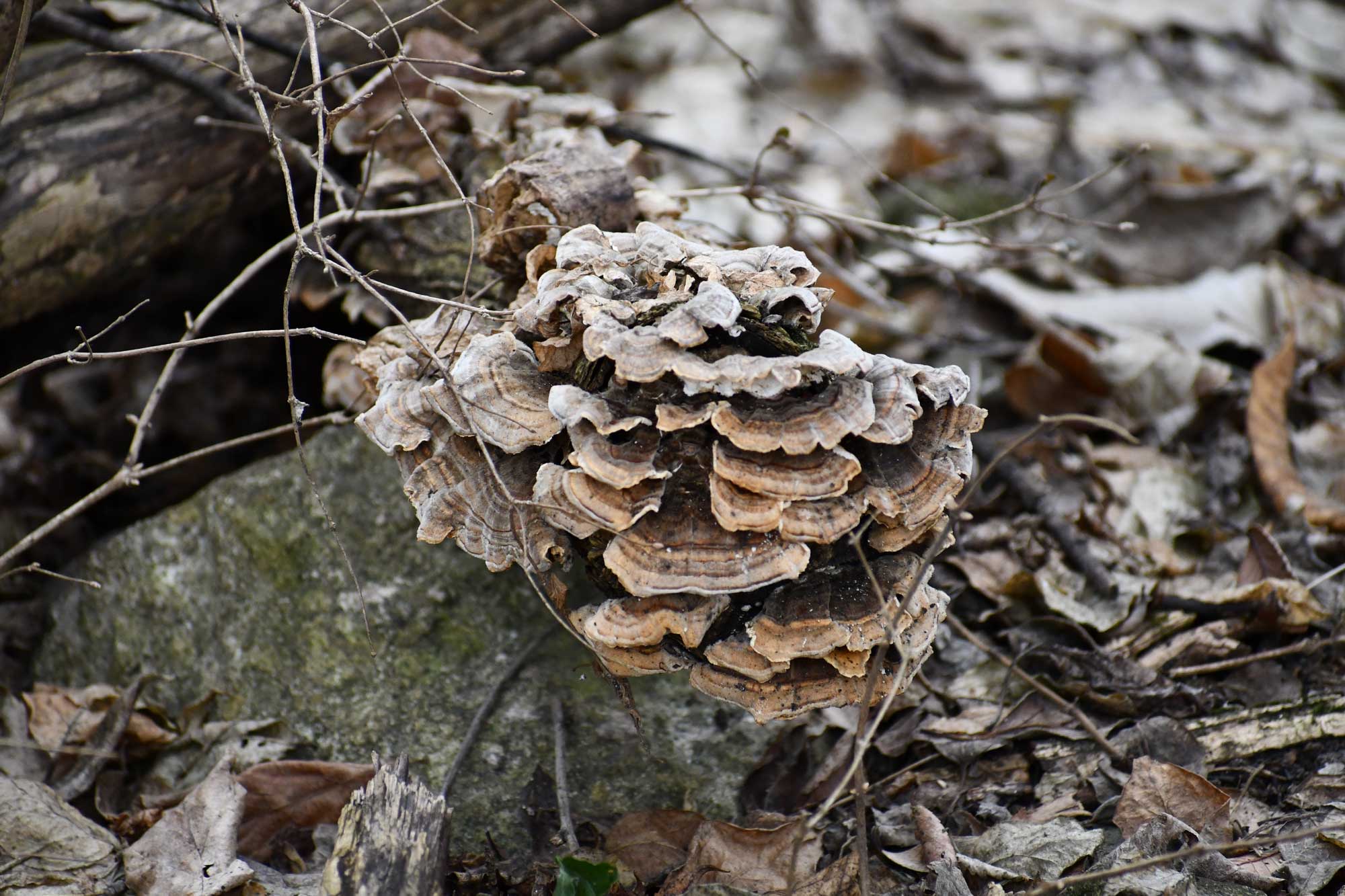
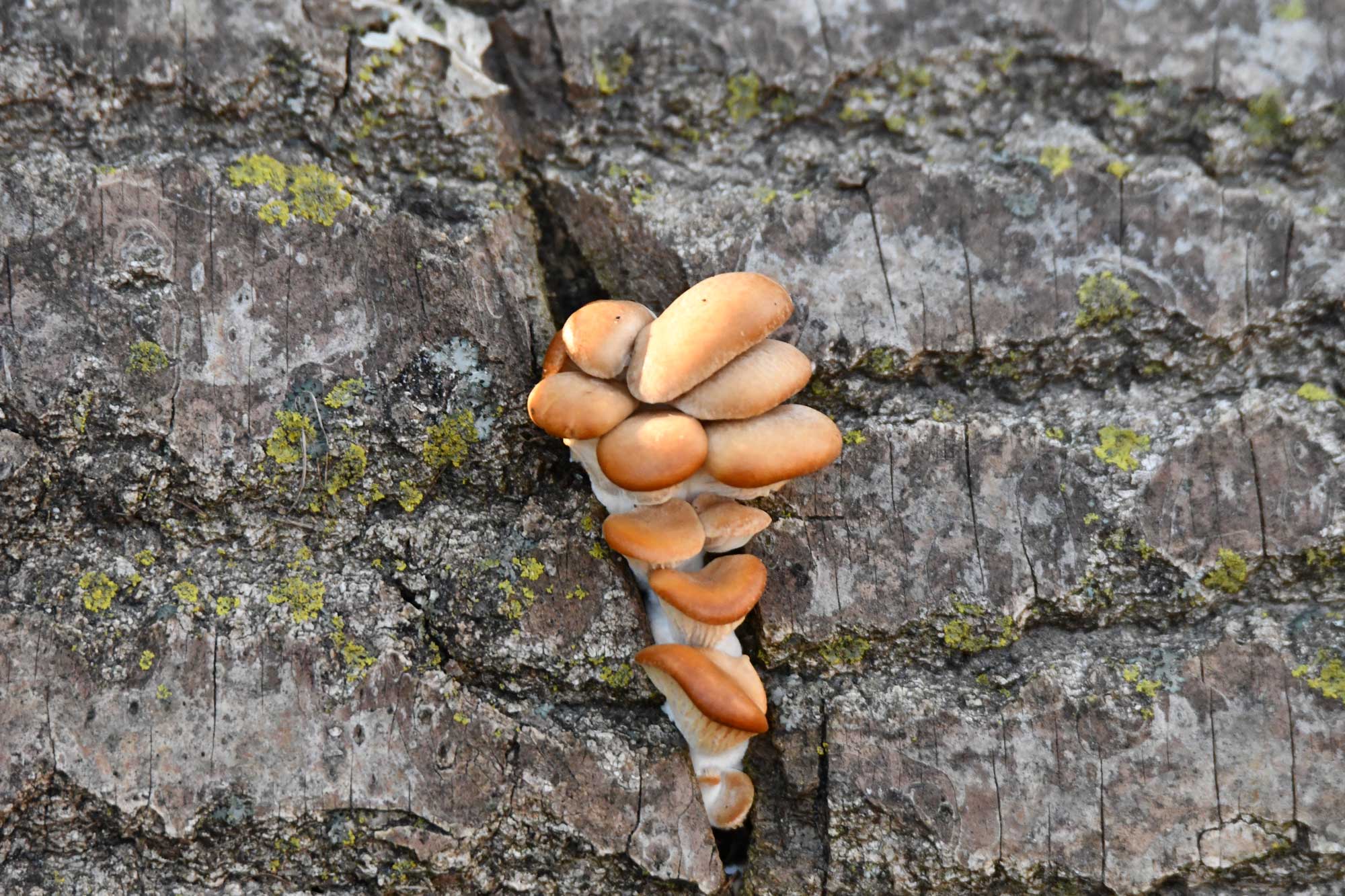
Natural areas surrounding the historic site provide habitat for a variety of plant and animal species typical of river corridors in Will County. The mix of open space and nearby water supports birds and other wildlife throughout the year.
Preserve history
Joliet Iron Works was acquired between 1991 and 1997 and is part of the Des Plaines River preservation system, which protects 2,600 acres.
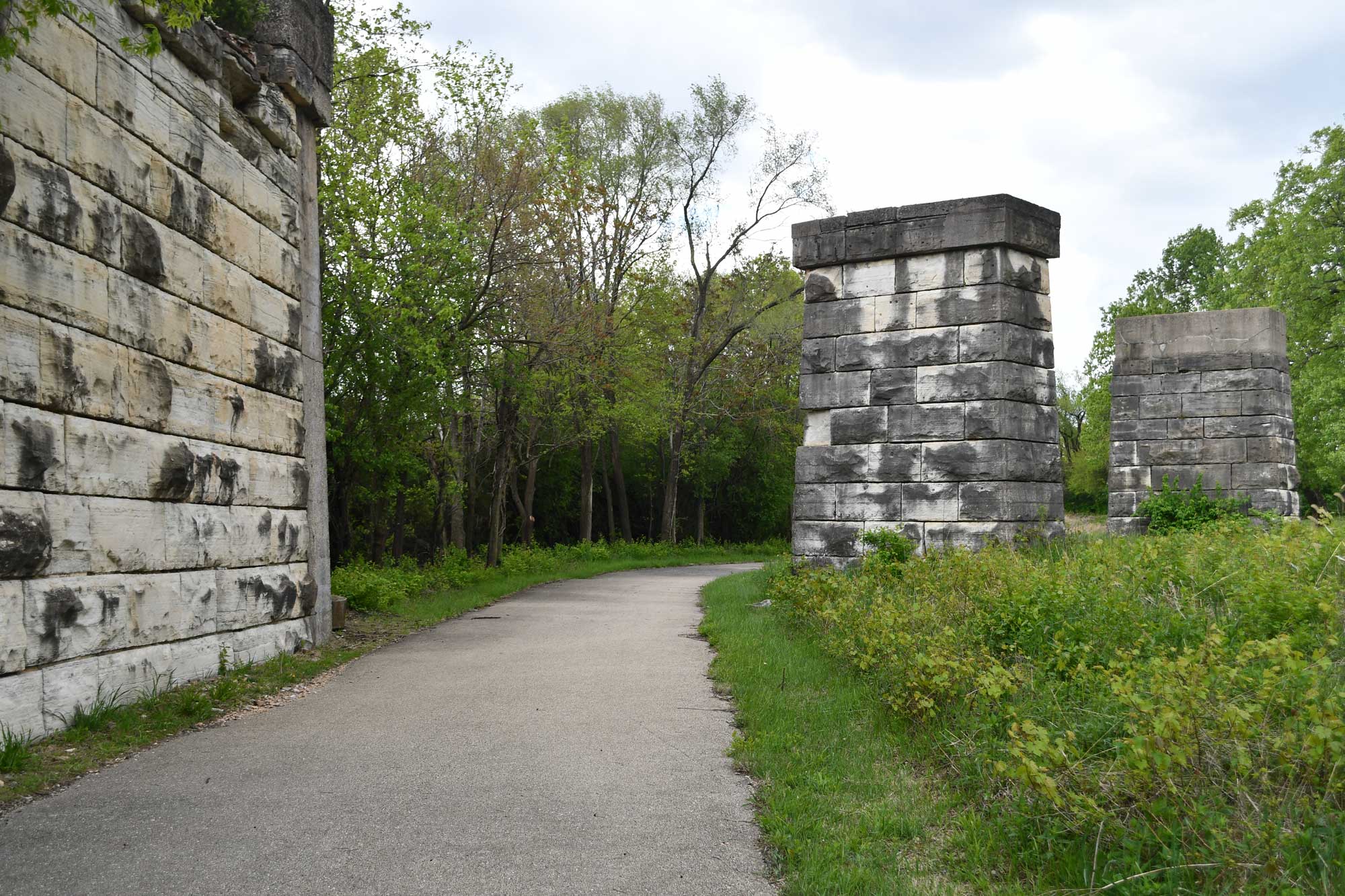
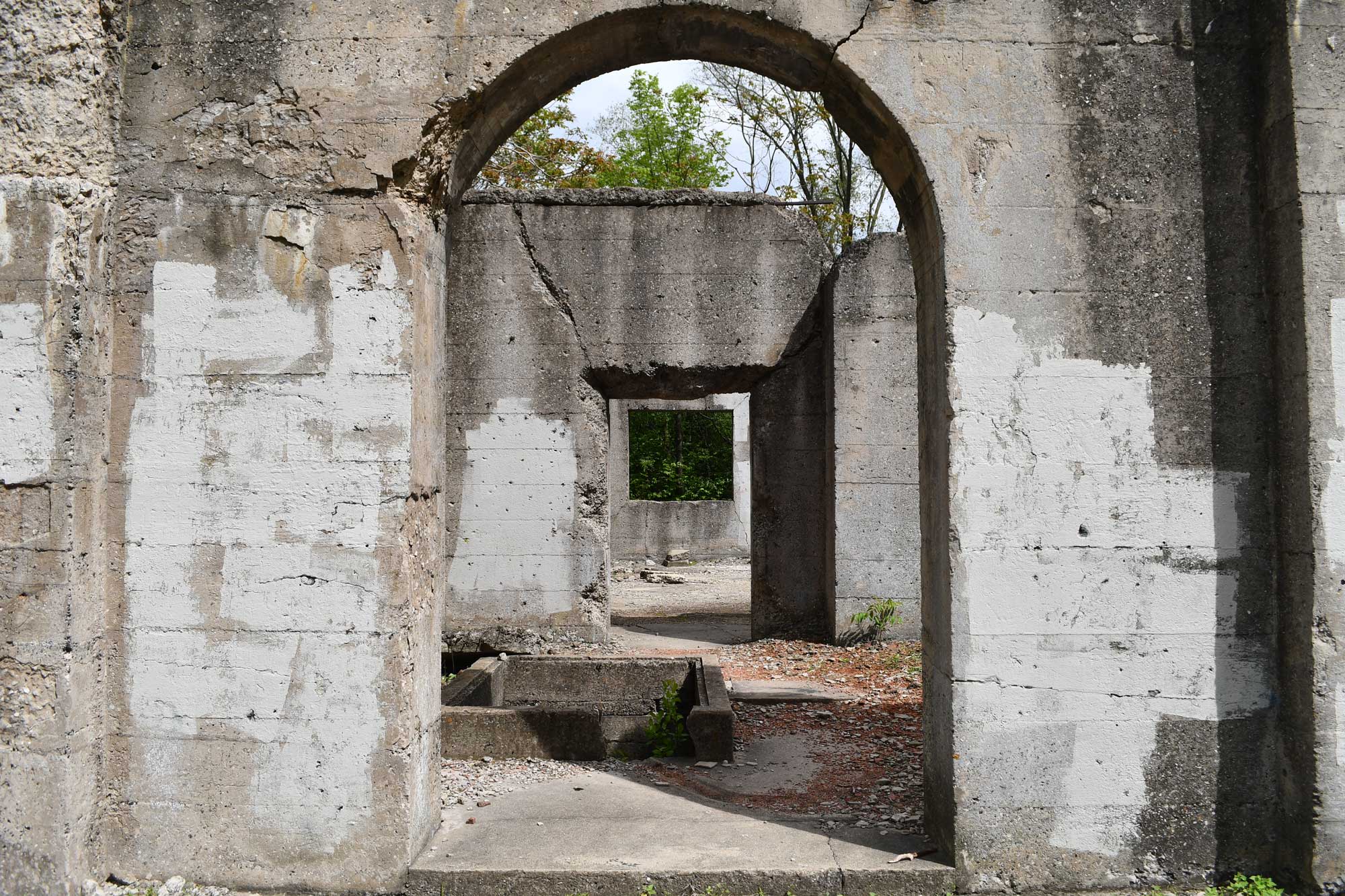
Before the District acquired the land, it was home to a large iron manufacturing facility operating from the late 1800s into the early 1900s. Today, cultural resources at the site include the preserved foundations of blast furnaces and other structures from the dismantled factory.
.jpg?language=en-US)

Upcoming events
View all events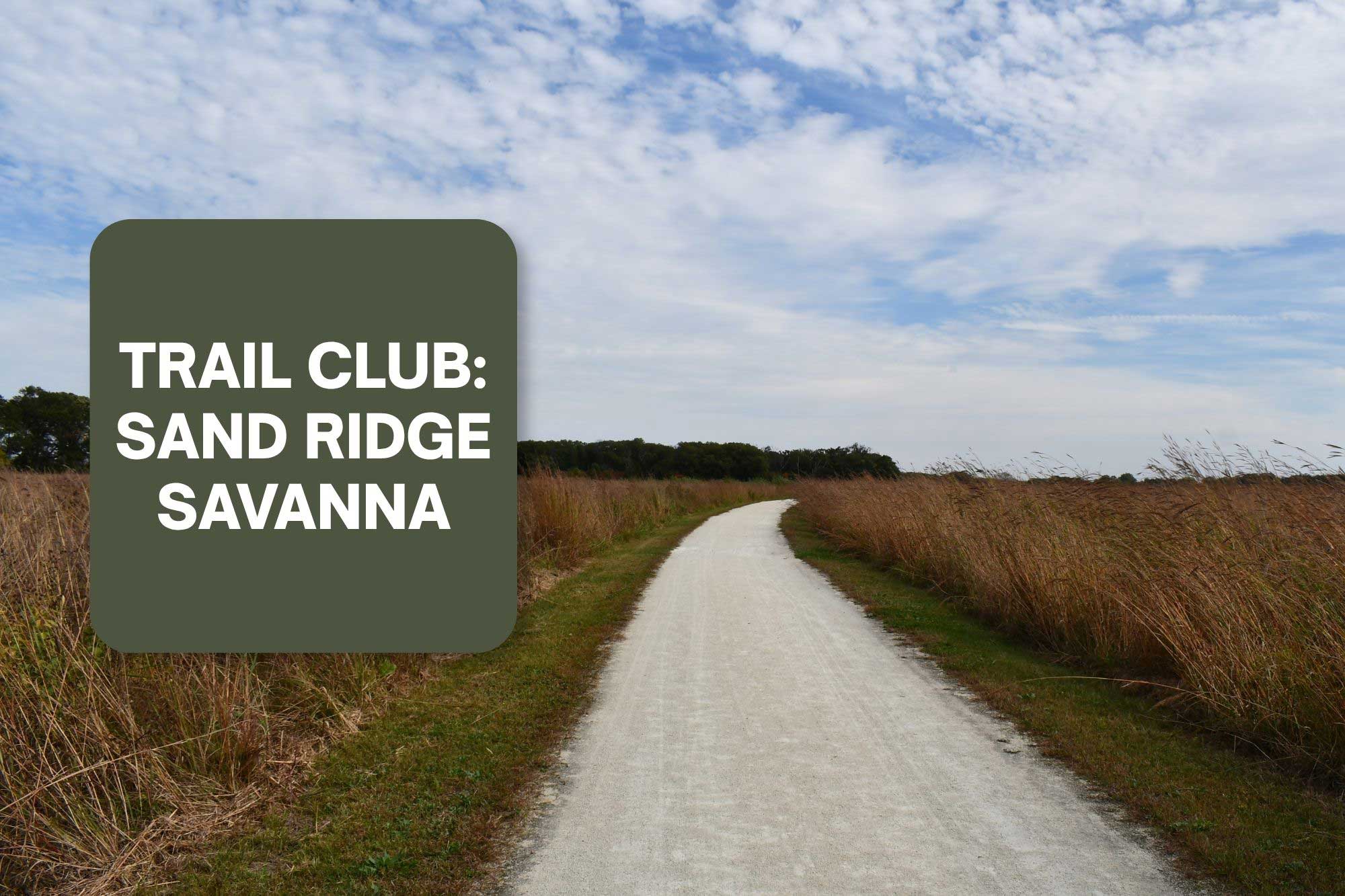
Trail Club: October at Sand Ridge Savanna Nature Preserve
Trail Club is back this fall. October's sessions will be at 8 a.m. Wednesdays at Sand Ridge Savanna.
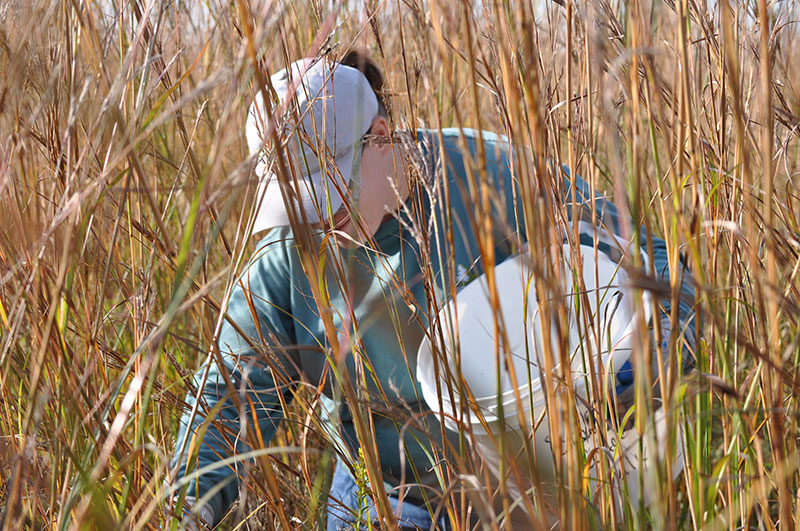
Volunteer Morning: Sand Ridge Savanna Nature Preserve
Get some fresh air and exercise while helping to make a difference in your community by attending one or more of the Forest Preserve’s volunteer mornings.

Mocktober at Messenger Woods
Join us at Messenger Woods for a guided experience along our trails to trick-or-treat for some themed mocktails
Latest headlines
View all headlines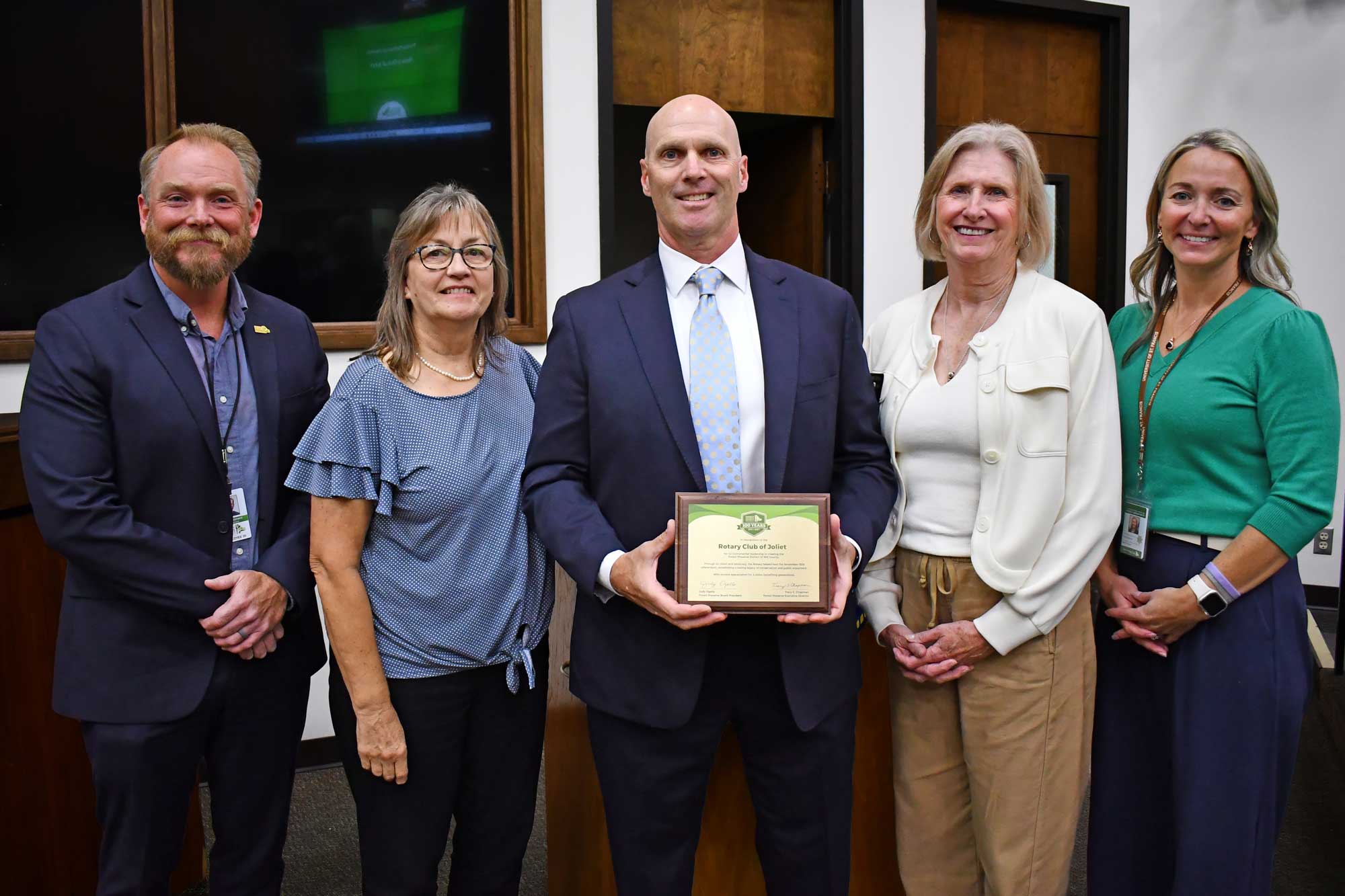
‘Absolute gem’: Rotary Club honored for role in Forest Preserve’s creation
Rotary Club's vision helped shape 100 years of preservation.

Rainy day gull shot wins September photo contest
Shorewood photographer captures moody moment at Whalon Lake Preserve.
Mocktails at Messenger Woods – a Halloween-themed program for adults
Sip seasonal mocktails, explore the preserve after dark and relax around a campfire on Oct. 15.
Frequently asked questions
Visitors to the site should stay on the trail. Climbing on the ruins is prohibited.
Guided walking tours are offered at the site as well as bike programs along the I&M Canal Trail.
Illinois still has an iron and steel industry, particularly in the northern part of the state and the Chicago area, accounting for roughly 5% of U.S. steel production.
Interpretive signage and an audio tour are available at the site to guide visitors.
Amateur photographers and videographers are welcome to take photos and video in the preserve, but individuals who are taking or will use the photos for profit are required to apply for and receive a permit.
For decades after the factory’s closing in the 1930s, the foundation of the buildings that once were the lifeblood of Joliet lay all but forgotten. In the early 1990s, the Forest Preserve District purchased this former industrial property with the goal of reconnecting the community to an important piece of Joliet and the country’s history. The ruins serve as an industrial archeological site.