


Sounds of Insects Night Hike
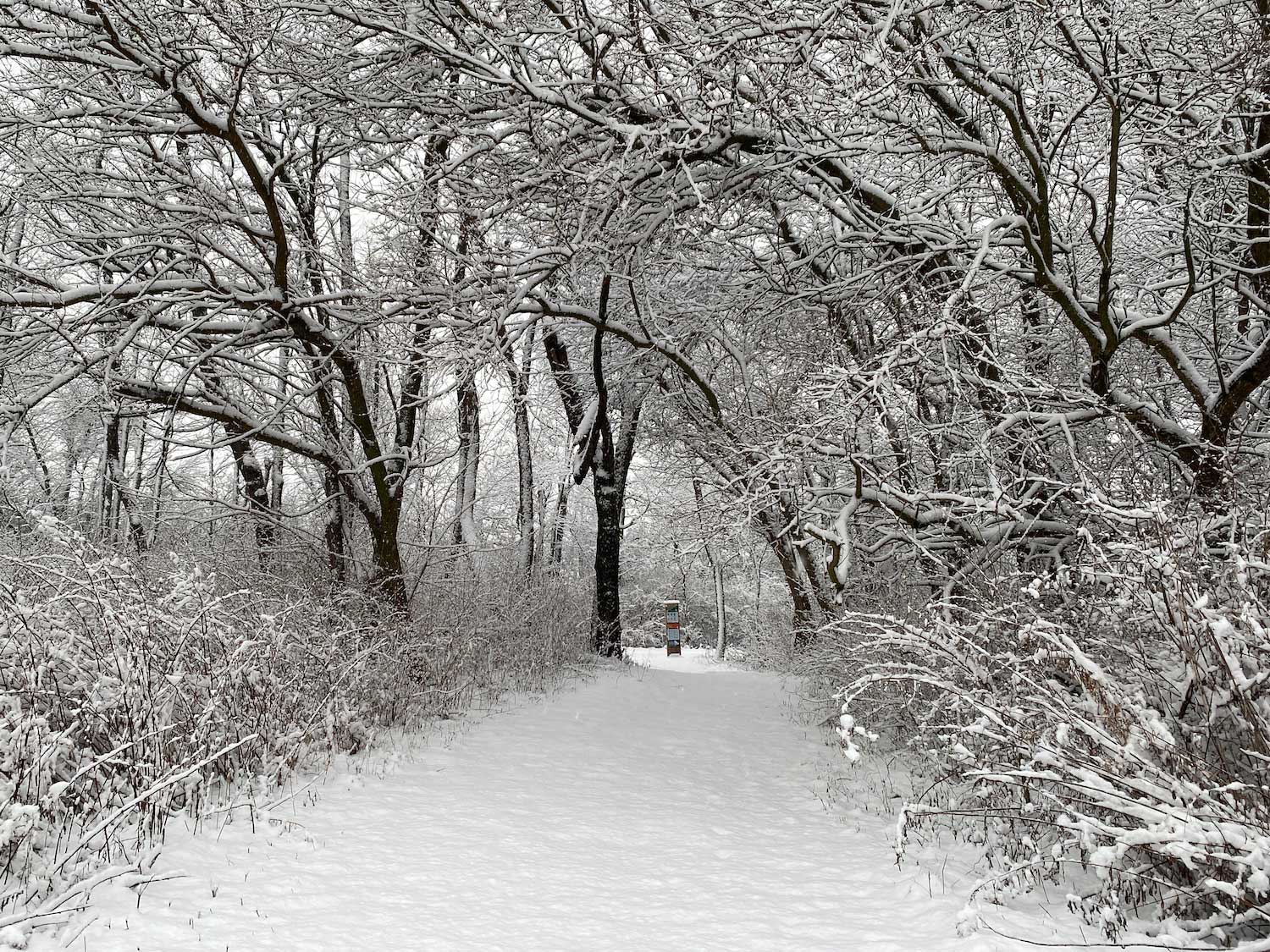
Venture out on the trail at Thorn Creek Woods at dusk listening for the chorus of nocturnal insects.
What you don’t know about these scraggly bearded giants might surprise you.
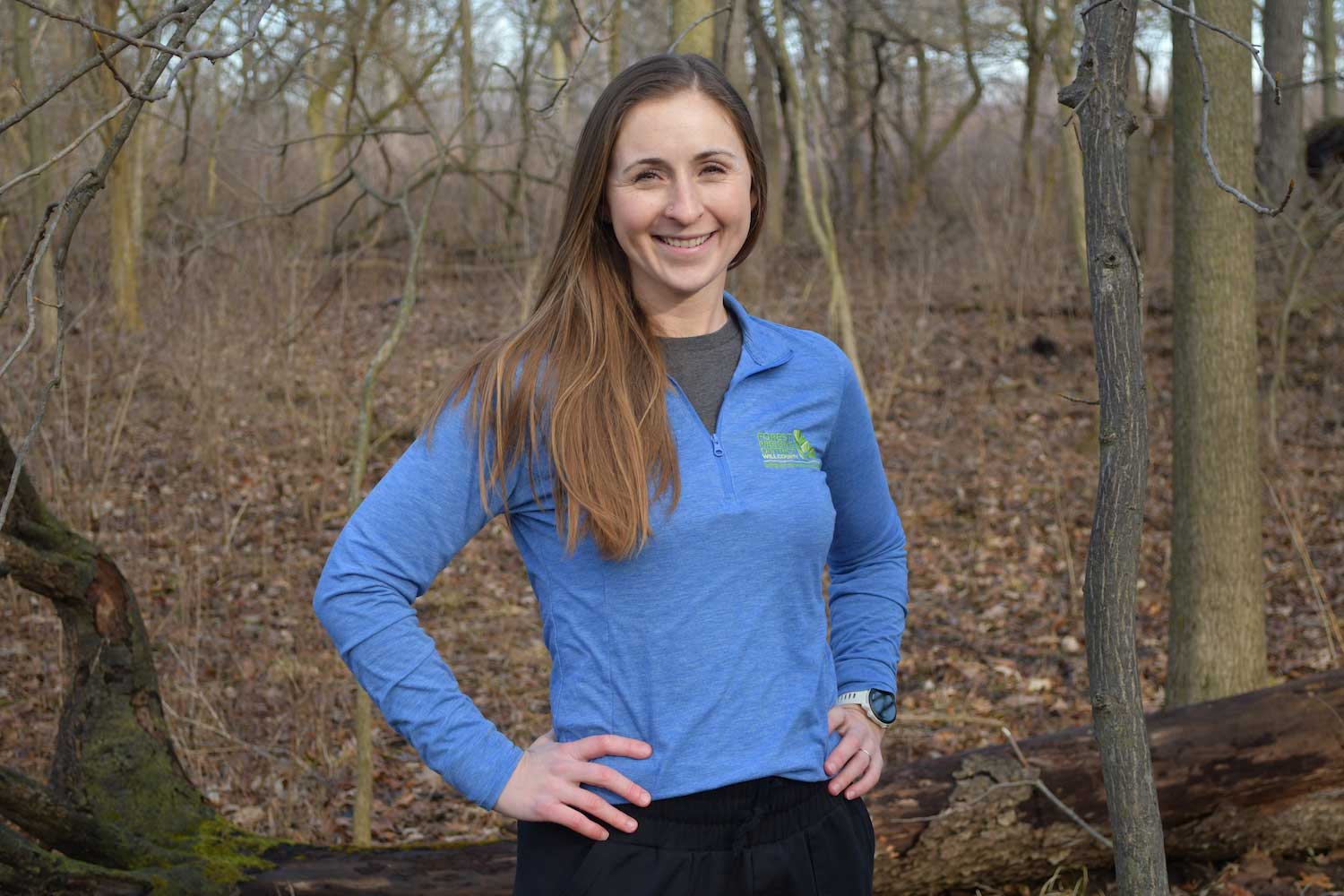
Meet Alexis Lyons, an interpretive naturalist at Four Rivers Environmental Education Center.
What can a ladybug's spots tell us? Not much, although in some cases you may be able to determine the species from its spot pattern.
It should come as no surprise that wood ducks love trees, but that's not all that is unique about them.
These species might seem ripped from the script of the latest horror film, but they are real species living here and elsewhere in the world.
Visitors can learn about the area’s cultural and natural history, with a focus on what life was like in the region in the 1750s.
All trees provide us benefits, but oak trees are particularly vital and important because of how much life they support.
Small pockets of northern Illinois remain home to an extraordinarily rare type of prairie.
While coyotes are a common sight in Illinois, wolves are seen only very rarely, having been extirpated since the 1800s. In areas where both coyotes and wolves live, however, it can be tricky to tell them apart without knowing the key differences.
The Forest Preserve District now has six bicycle repair stations along its trails thanks to funding by The Nature Foundation of Will County and the Joliet Bicycle Club.
Meet Jenna Krukowski, an interpretive naturalist at Isle a la Cache Museum.
Praying mantises are among the largest insects we see, but that doesn't mean they are easy to find. Learn more about these insects that stand out at blending in.
Have you heard the buzz about monarchs and milkweed? Monarchs are far from the only animals that rely on milkweed.
Interpretive naturalist Sara Russell tells us why she loves O'Hara Woods Preserve.
Illinois is a state much more known for its open than dense forests, but if you look across northern Illinois, you’ll find pockets of forest that break up the wide open spaces. In Will County, Hammel Woods is one of many of these pockets of forests where trees dominate the landscape.
Interpretive naturalist Brittany Schaller tells us why she loves Thorn Creek Woods Nature Preserve.
What you don’t know about these scraggly bearded giants might surprise you.
Meet Alexis Lyons, an interpretive naturalist at Four Rivers Environmental Education Center.
What can a ladybug's spots tell us? Not much, although in some cases you may be able to determine the species from its spot pattern.
It should come as no surprise that wood ducks love trees, but that's not all that is unique about them.
These species might seem ripped from the script of the latest horror film, but they are real species living here and elsewhere in the world.
Visitors can learn about the area’s cultural and natural history, with a focus on what life was like in the region in the 1750s.
All trees provide us benefits, but oak trees are particularly vital and important because of how much life they support.
Small pockets of northern Illinois remain home to an extraordinarily rare type of prairie.
While coyotes are a common sight in Illinois, wolves are seen only very rarely, having been extirpated since the 1800s. In areas where both coyotes and wolves live, however, it can be tricky to tell them apart without knowing the key differences.
The Forest Preserve District now has six bicycle repair stations along its trails thanks to funding by The Nature Foundation of Will County and the Joliet Bicycle Club.
Meet Jenna Krukowski, an interpretive naturalist at Isle a la Cache Museum.
Praying mantises are among the largest insects we see, but that doesn't mean they are easy to find. Learn more about these insects that stand out at blending in.
Have you heard the buzz about monarchs and milkweed? Monarchs are far from the only animals that rely on milkweed.
Interpretive naturalist Sara Russell tells us why she loves O'Hara Woods Preserve.
Illinois is a state much more known for its open than dense forests, but if you look across northern Illinois, you’ll find pockets of forest that break up the wide open spaces. In Will County, Hammel Woods is one of many of these pockets of forests where trees dominate the landscape.
Interpretive naturalist Brittany Schaller tells us why she loves Thorn Creek Woods Nature Preserve.
Venture out on the trail at Thorn Creek Woods at dusk listening for the chorus of nocturnal insects.
Get some fresh air and exercise while helping to make a difference in your community by attending one or more of the Forest Preserve’s volunteer mornings.
The monarchs you see at this time of the year are special, part of a 'super generation' different than the three generations that preceded it.
Ruby-throated hummingbirds migrate in waves, and some have already departed. But we'll see the birds in Will County for weeks or even months, so keep filling your feeders.
If you are seeing more bees than birds at your hummingbird feeders lately, you're not alone. Learn why we see them more at this time of year and how you might keep them away from your hummingbird feeders.