Shooting stars from Perseids meteor shower to light up night sky in August
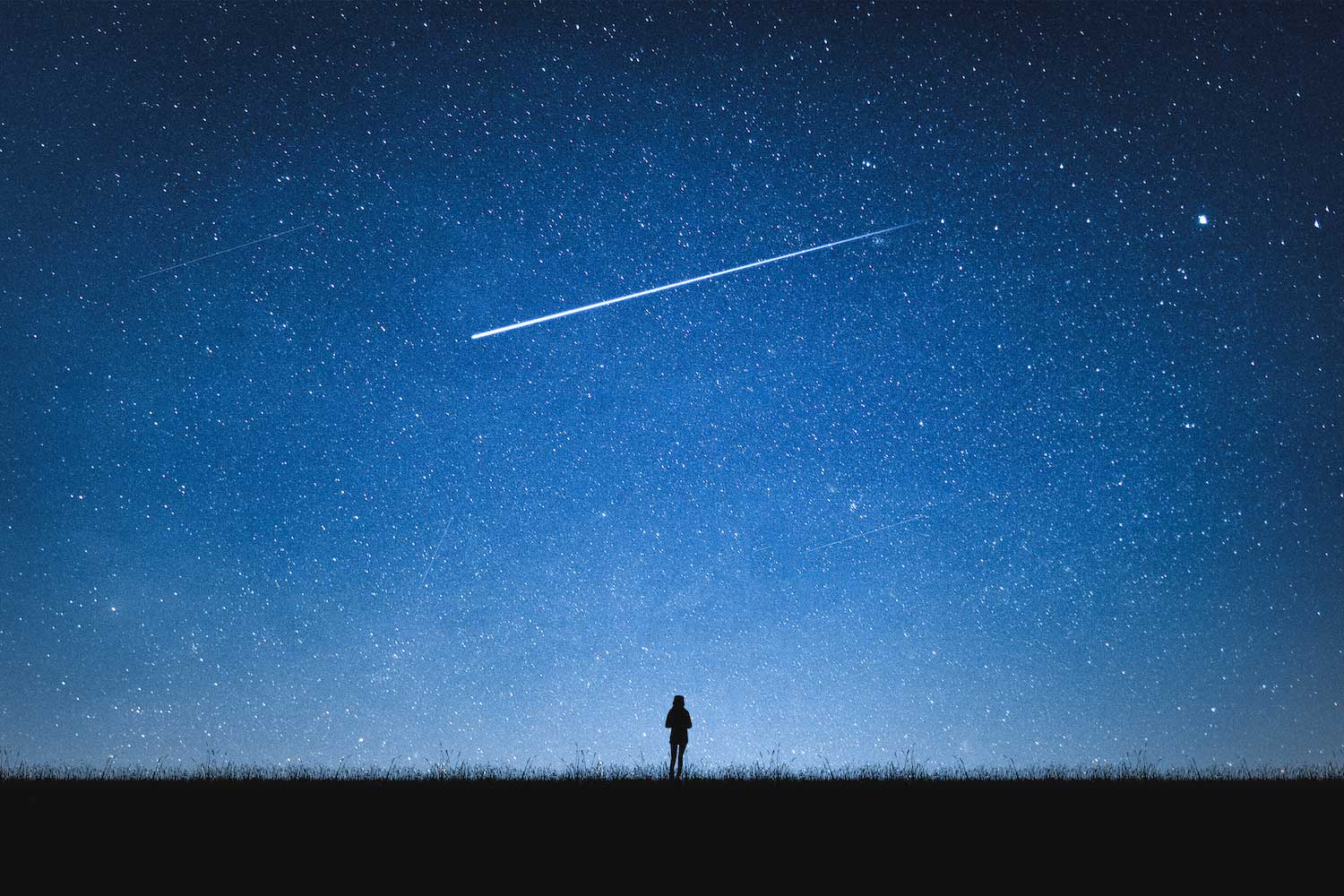
The Perseids meteor shower — the most anticipated meteor shower of the year — is on the horizon, and this year, a new moon will create exceptionally dark skies, providing ideal conditions for spotting meteors streaking across the night.
The Perseids began July 17 and will run through Aug. 24, but peak activity will be centered on the night of Aug. 12 to 13. And lucky for us, this year's peak period coincides perfect with the new moon on Aug. 12. During the new moon, you can't easily see the moon at all in the night sky because the illuminated part of the moon faces the sun and the non-illuminated, or dark side, of the moon faces Earth, according to NASA.
The dark sky conditions created by the new moon are a boon to those looking to wish upon a shooting star because the darker skies are optimal for viewing a meteor shower. And the Perseids is among the best meteor showers of the year, producing as many as 50 to 100 meteors an hour at its peak, NASA reports. The Perseids is also known for increased fireball activity. Fireballs are larger and brighter than other meteors, creating bursts of light and color in the night sky that last longer than typical shooting stars.
Meteor showers are typically best viewed in the hours just before dawn, and that is true of the Perseids too. However, because it is associated with so much meteor activity, you can sometimes start seeing meteors much earlier in the evening, NASA advises.
Looking for a place to view the spectacle this year? Join us for our Perseids in the Preserves watch event from 8 to 11 p.m. Wednesday, Aug. 12, at one of the preserves with the darkest night skies, Forked Creek Preserve — Butcher Lane Access.
Meteors are caused by meteoroids, which are bits and pieces that break off of comets and asteroids and trail behind them. Each year, Earth moves through these debris trails, creating a regular schedule of meteor shower activity. As Earth's atmosphere collides with the bits and pieces, they disintegrate, leaving fiery streaks as they do. It's those streaks that we see as meteors, which we also call shooting stars.
The Perseids isn't the only meteor shower lighting up the night sky this summer. Two other meteor showers are active as well. The alpha Capricornids, which began July 3 and runs until Aug. 15, and the southern delta Aquariids, which began July 12 and lasts until Aug. 23. Both these meteor showers peak the night of July 30 to 31, but the light of the nearly full moon will put a damper on viewing opportunities, the American Meteor Society reports.
While you are gazing up at the sky hoping for a meteor to go streaking by, you might just see a planetary dalliance to boot. In the early morning hours of Aug. 12, just the night before peak viewing for the Perseids, Venus and Jupiter will appear side by side, National Geographic reports.
Venus and Jupiter are the two brightest planets in our solar system, and they will be visible together in the eastern sky in the hours before dawn Aug. 12. Venus will be the brighter of the two, and it will be the lower of the two planets in the sky. Binoculars will give you a better view, and with a telescope you'll even be able to glimpse Jupiter's four Galilean moons as well as the bands surrounding the planet, according to National Geographic.
August's full moon, called the sturgeon moon, will illuminate the night sky the evening of Aug. 27, reaching its fullest point at 11:18 p.m. The sturgeon moon nickname was coined because August is the time of year when sturgeons were caught in the Great Lakes, The Old Farmer's Almanac reports. These large fish were an important food source for Native Americans who lived in the Great Lakes region, although they are quite rare today.
Other seasonal nicknames for the August full moon include the corn moon, ricing moon and black cherries moon. Some Native groups, including the Dakota, called the August full moon the harvest moon, although today that term is commonly used to describe the full moon that occurs nearest to the autumnal equinox. By that definition, the harvest moon is the full moon in either September or October.
You can learn more about the stories of full moons through the seasons in our Full Moon program series, held monthly throughout the year.