Share plant and wildlife observations to support Forest Preserve conservation efforts
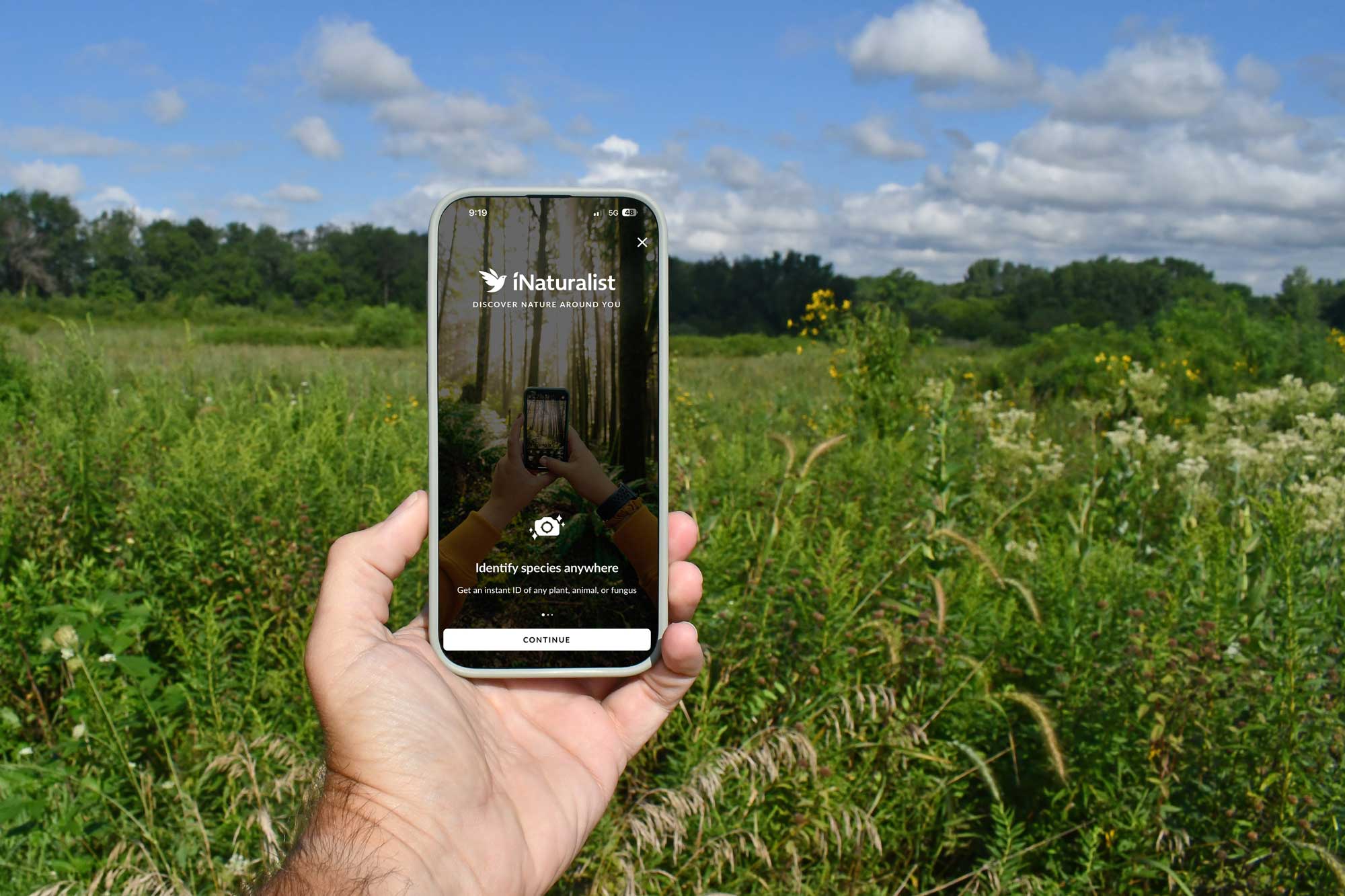
Do you notice interesting plants, wildlife or other unique signs of nature when spending time outdoors? Those observations could be more valuable than you realize.
By sharing them through the Forest Preserve District’s iNaturalist project, you can help Conservation Department staff document species and better understand the natural areas they manage.
“Every observation has the potential to make a difference,” said Juli Mason, director of conservation programs for the Forest Preserve District. “By sharing what they see through iNaturalist, our visitors, volunteers, and staff can help us discover new species, document changes over time, and better understand the incredible biodiversity found throughout our preserves.”
Your observations could add new species records for our preserves, update records for species that haven’t been documented in years, and even report new populations of rare species. Here’s how to contribute:
- Create an iNaturalist account online or through the smartphone app.
- Join our project: “Will County Forest Preserve Observations.”
- Trust our project with your observation coordinates. Only Conservation Department staff overseeing the project will see your coordinates.
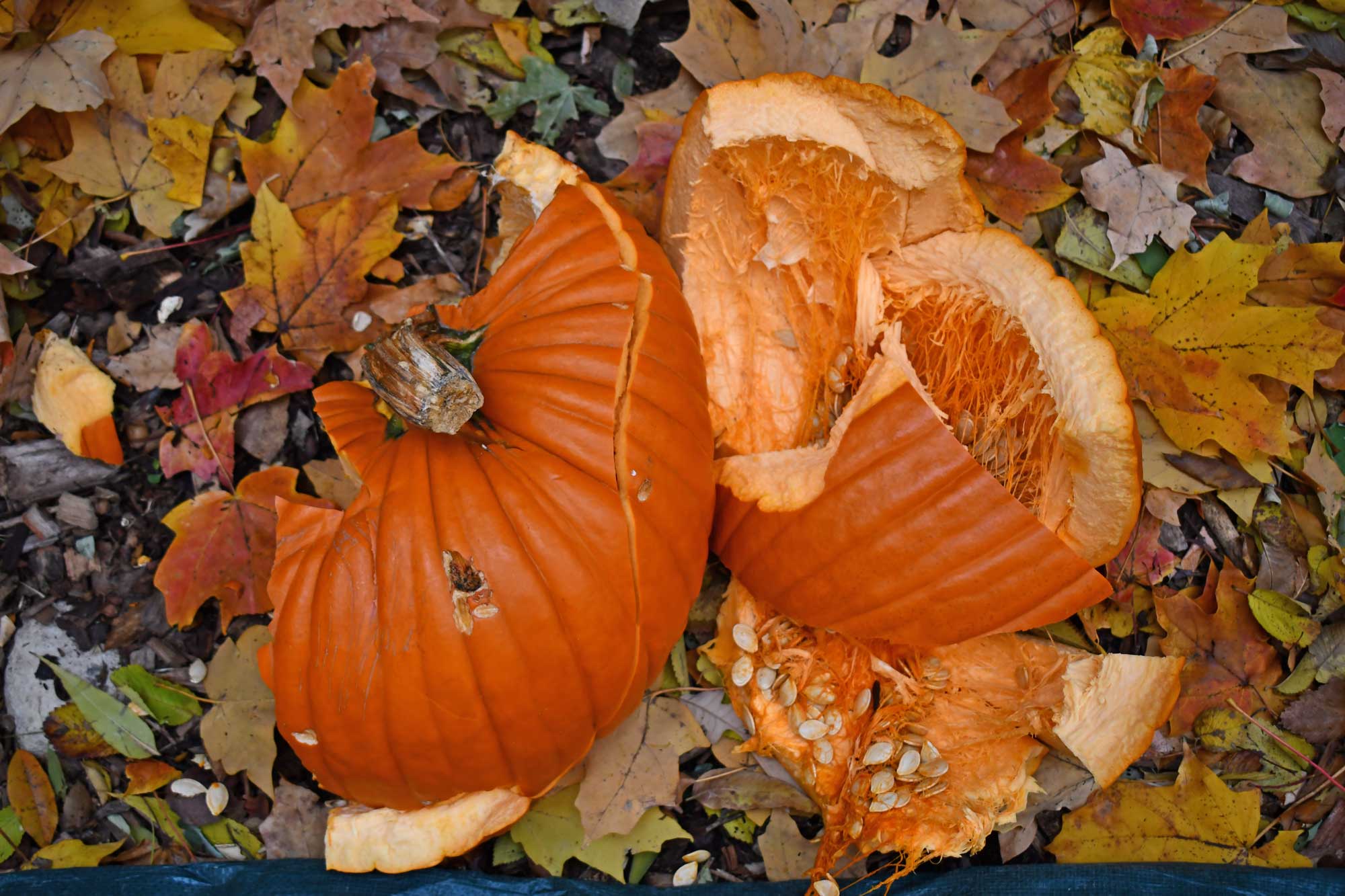
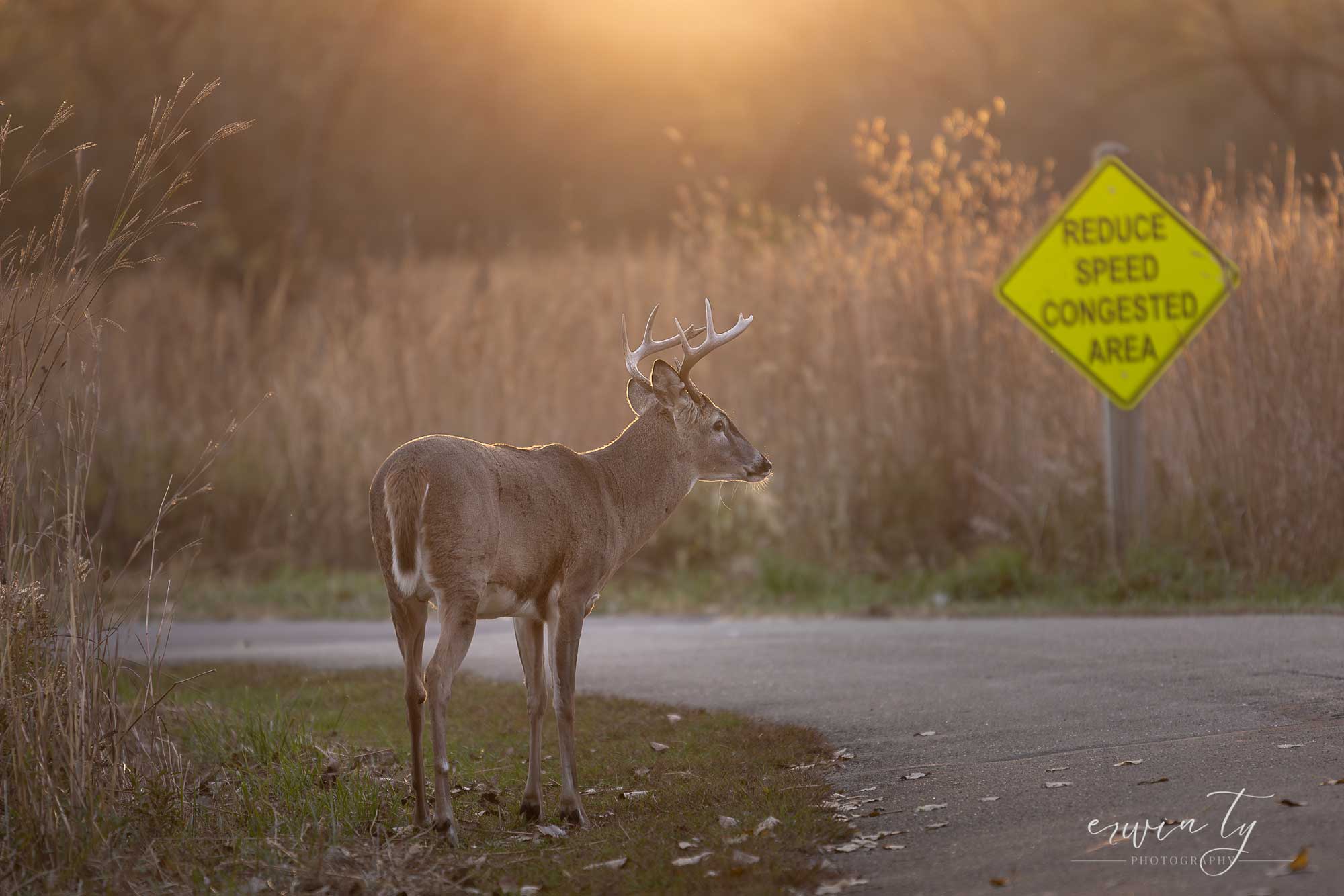
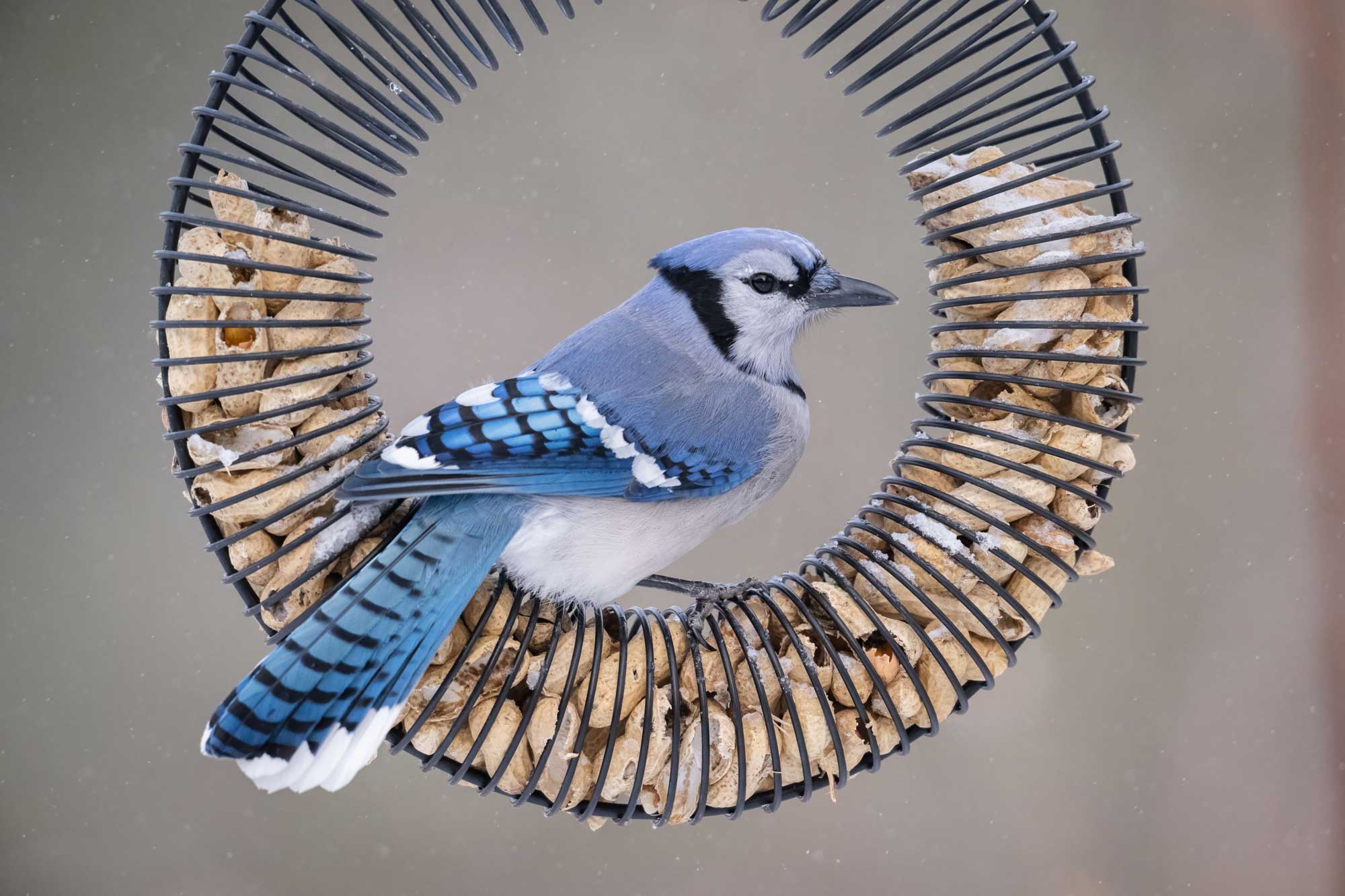
- Take pictures of any evidence of wildlife (beavers to bugs), plants (weeds to willows), fungi (shrooms to slime), and any other organisms you find in nature. You can also post audio recordings.
- Post them to iNaturalist with your best guess at an identification. The app's AI can get you started, then the iNaturalist community will help verify and correct identifications.
- Include the location. Allow your camera to record it when you take pictures, or remember where you were and manually zoom in on the map.
- Obscure all observation coordinates before posting. This means that only you and people or projects you trust will be able to see exactly where you took the pictures, which protects sensitive or rare species from potential poaching. Sensitive species are obscured by default, but it’s still a good practice to obscure other observations, especially those made on the same day and at the same site as an observation of a sensitive species.
All observations you make in Will County will automatically be added to the Conservation Department’s project, even those you made before joining. However, staff will only see the precise locations of your observations if you share them with the project. This gives Forest Preserve staff the information they need for conservation planning while keeping those locations protected from public view.
“Our preserves are beautiful, diverse natural lands, and we can’t be everywhere at once,” Mason said. “Observations from people who spend time exploring our preserves give us valuable information that can help guide our conservation work.”