Deer mating season means increased risk of collisions on roadways
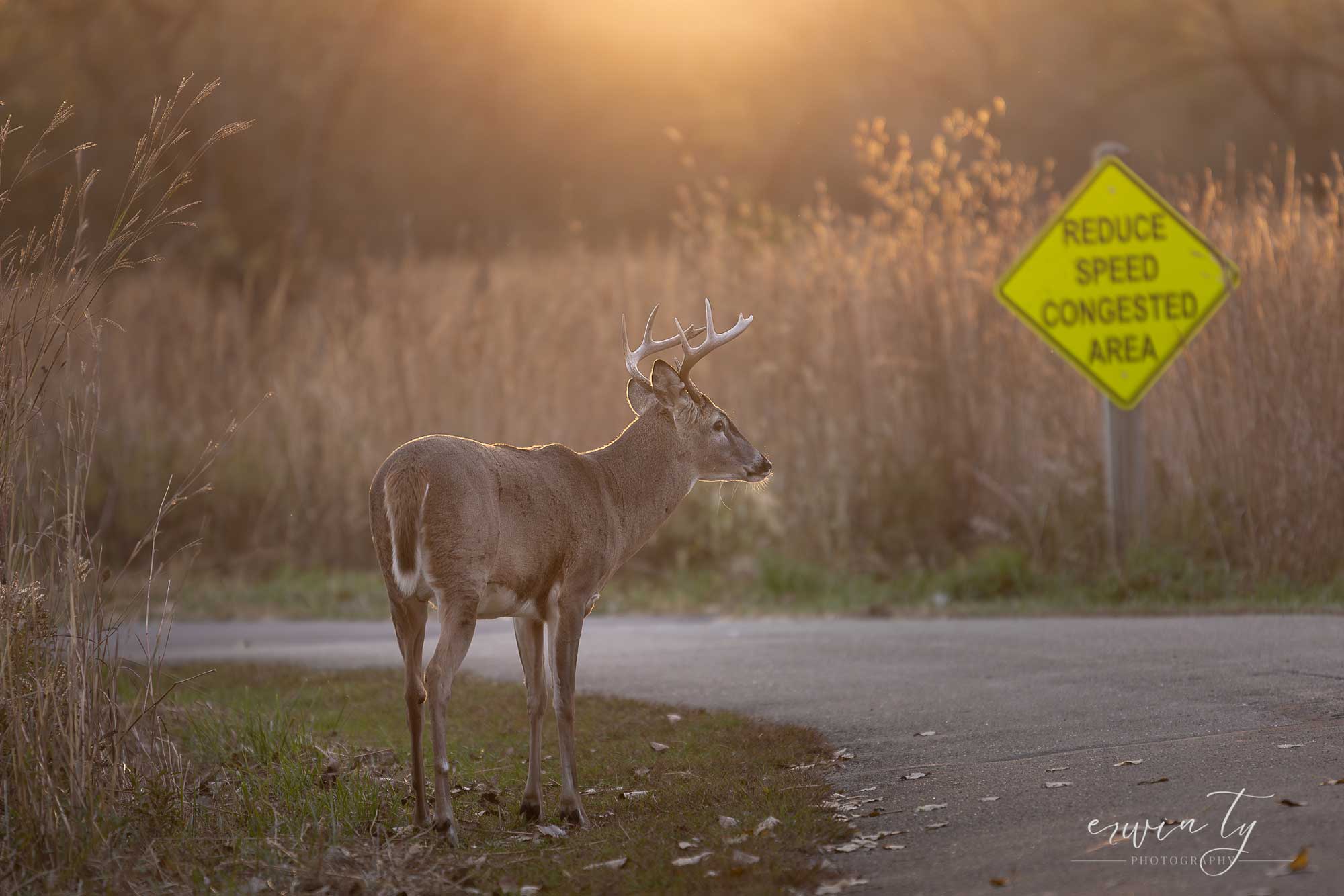
It's that time of year again when drivers need to be alert for deer crossing local roadways.
The peak mating season for deer is approaching, and one of the unfortunate side effects of that is more collisions with them on roads.
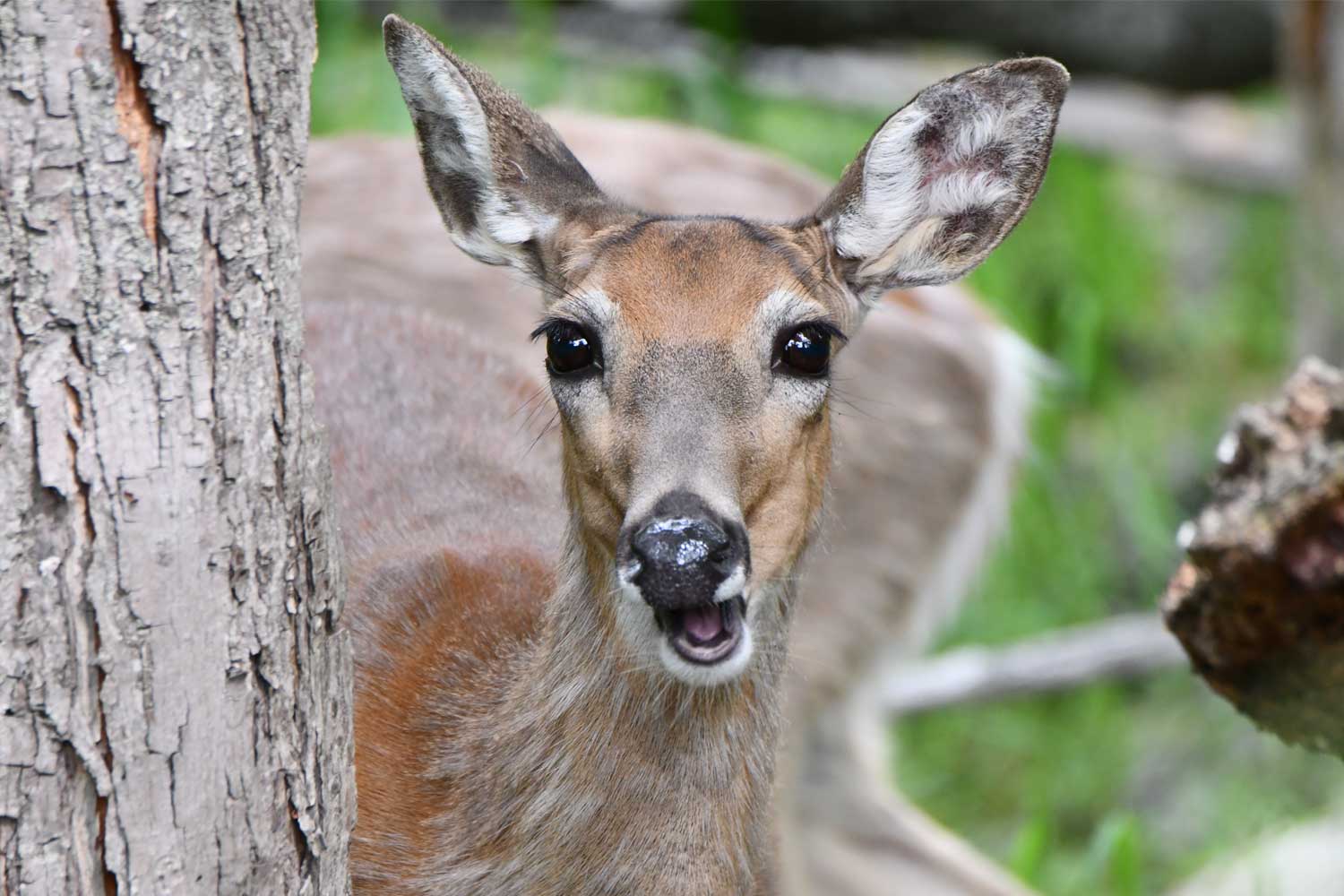
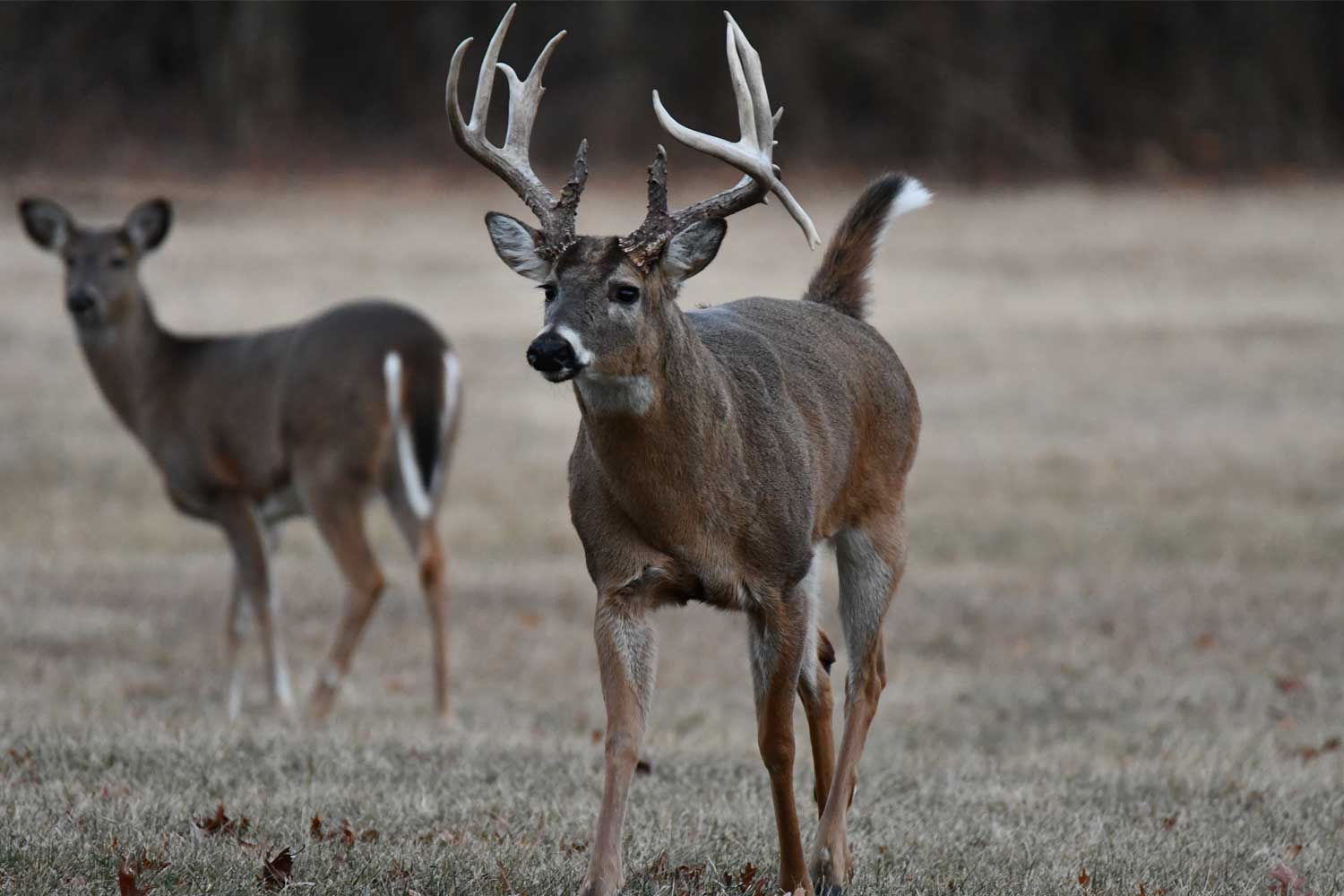
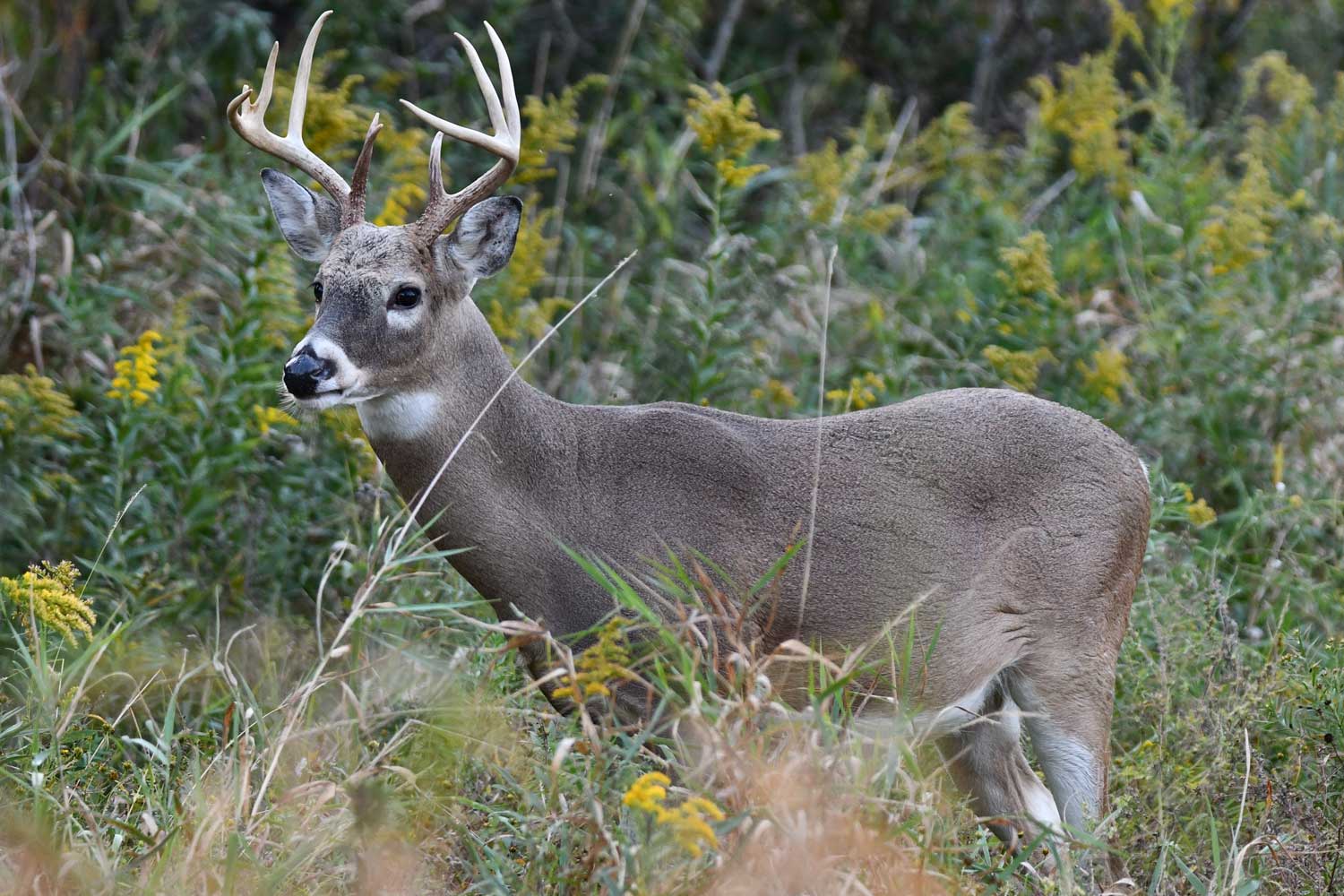
For white-tailed deer, peak mating season – called a rut – is late October to mid-November. During this time, deer tend to move about more freely, causing an uptick in collisions with vehicles. These collisions are second only to hunting in causes of deer mortality in Illinois, according to Wildlife Illinois.
"Deer are plentiful across Illinois, and drivers should be aware of their presence," Illinois Department of Natural Resources Director Jim Montgomery said in a news release. "Please be cautious while driving, as deer are notably active during fall mating season and around dusk and dawn."
In 2025, 14,529 motor vehicle crashes in Illinois involved deer, according to the news release. Of these, 13,846 caused damage to property or vehicles, and 677 resulted in injuries. Six of the crashes were fatal, resulting in seven deaths. Last year, 41% of crashes involving deer occurred in October, November and December, with November being the month with the most deer-vehicle collisions. Eighty percent of all collisions with deer were at twilight or nighttime.
Collisions with deer are most common in rural areas of Illinois, accounting for 69% of the collisions, the news release states. However, many counties with urban, suburban and rural areas are among those with frequent deer-vehicle collisions. In 2025, Will County ranked fifth on the list of Illinois counties with crashes involving deer, with 342, IDNR reports. The county with the most deer collisions in 2025 was Cook County, with 559. The other counties rounding out the top five were McHenry, Kane and Sangamon counties.
Deer are crepuscular, which means they are more active at dusk and dawn. Because of this, most accidents with deer happen between 5 and 8 a.m. and 5 and 10 p.m., according to Wildlife Illinois.
Deer collisions in the fall are enough of a public safety problem that the state advises drivers to take note of deer crossing road signs, as these indicate areas where deer are more likely to be seen. If you encounter a deer in a roadway, do not suddenly veer because it may cause you to lose control of the vehicle, IDNR advises.
Other tips from IDNR and the Illinois Department of Transportation include the following:
- Scan the sides of the roadway for eye shine, which indicates their presence.
- Slow down if you see a deer. Anticipate others will be nearby; they often move in groups.
- Be ready for the unexpected. Deer may stop in the road and may not move for oncoming vehicles.
- Always wear your seatbelt. It's your best defense in any crash.
“Deer are on the move throughout the state, increasing your chances of encountering one at any time,” Illinois Transportation Secretary Gia Biagi said in a news release. “Stay alert, even during routine trips and your daily commute. Following a few simple recommendations and rules can help you avoid a trip to the body shop – or worse.”
In the event you do hit a deer, pull your car off to the shoulder if possible and turn on your hazard lights, the state advises. Call 911 to report the accident and request emergency assistance. Do not exit your car to try to check on the deer or remove it from the road.
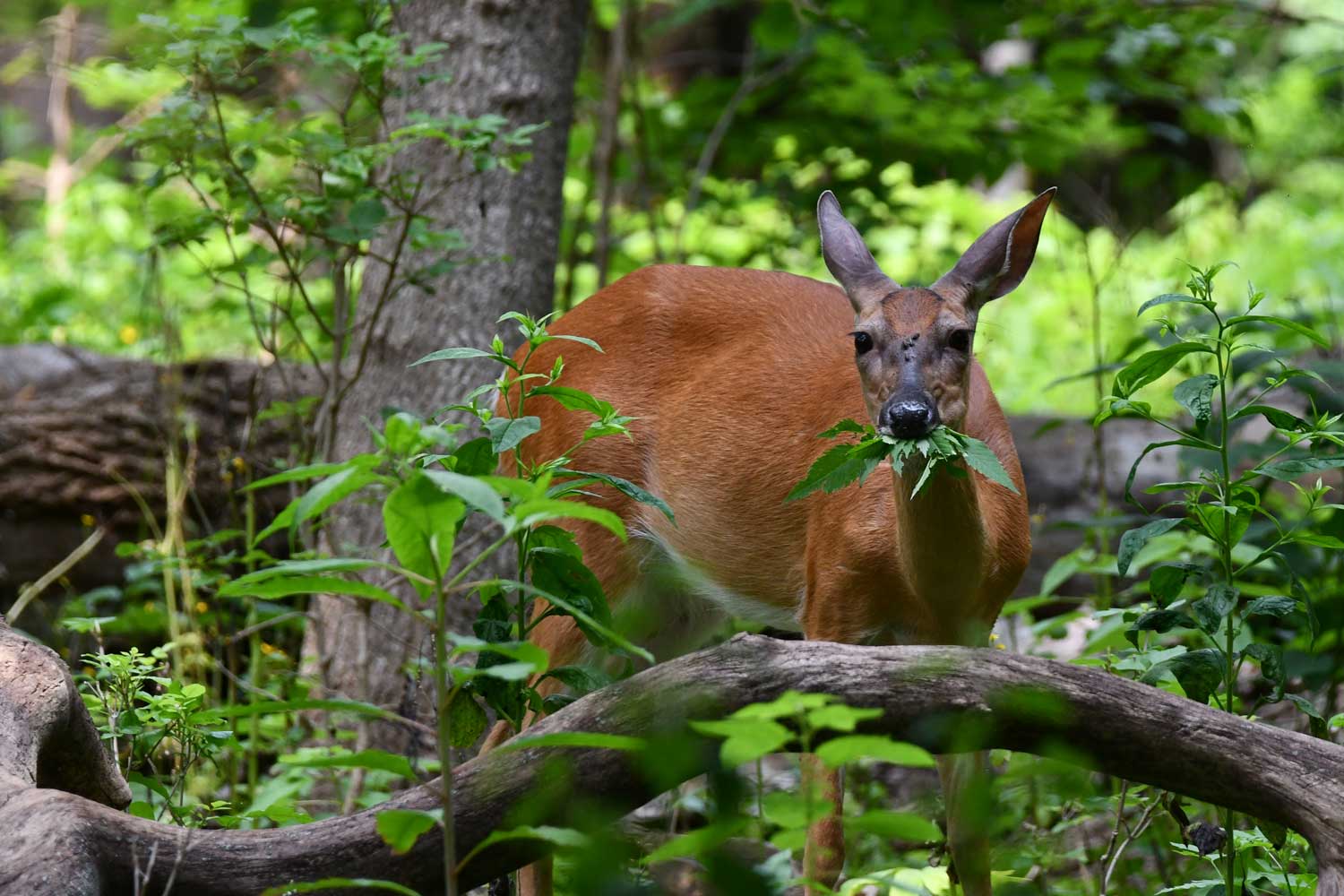
While fall is the time drivers are most likely to encounter deer on roadways, spring also poses problems. Around May and June each year, mother deer and their fawns start moving about more, and the young deer often move to new areas, posing risks near roads, according to Wildlife Illinois.
.jpg?language=en-US)