Meteor shower activity really heats up in July
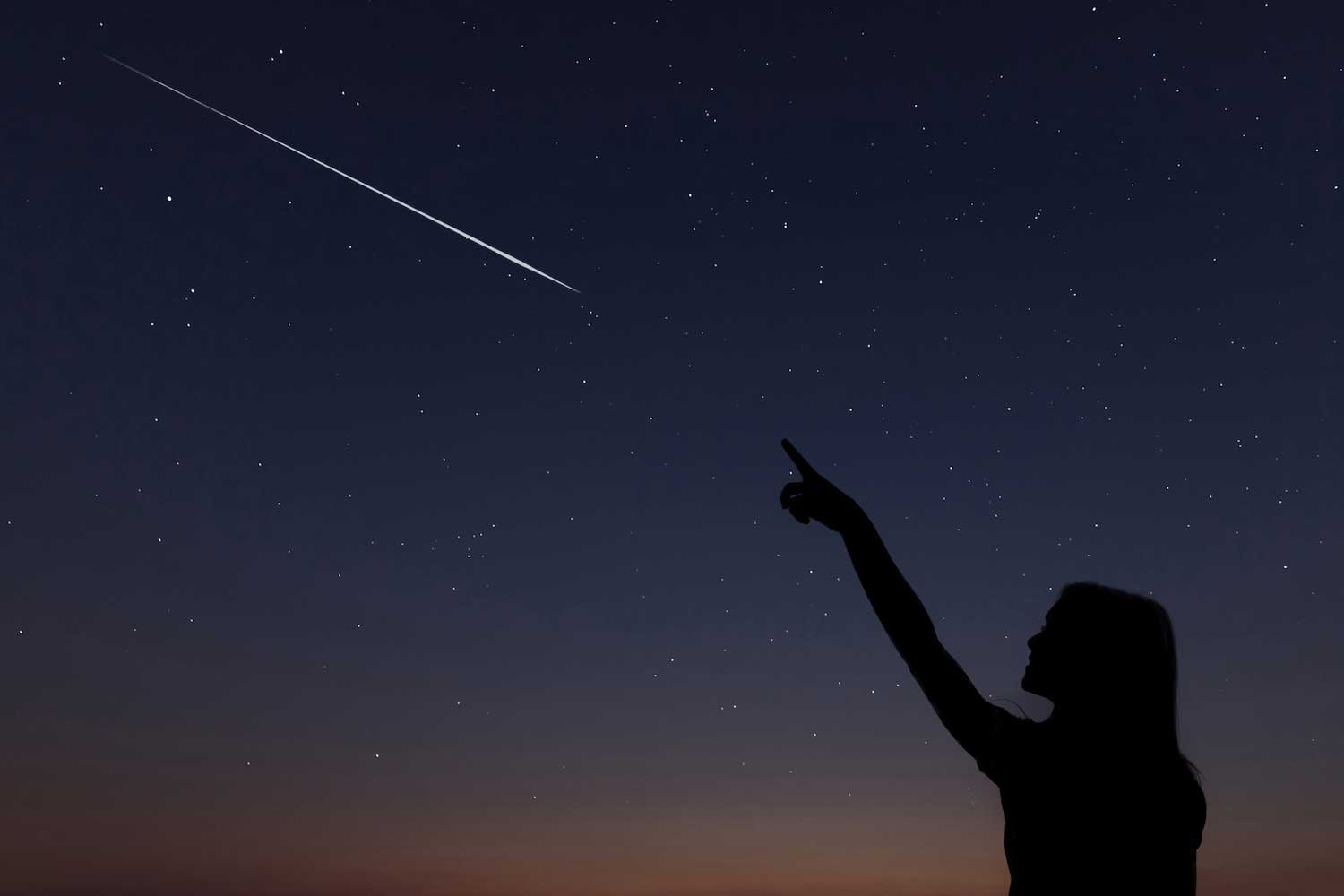
Rockets red glare and bombs bursting in air won't be the only things lighting up this dark night sky in July. After a few months of relative inactivity, shooting star activity heats up in a big way in July with three meteor showers kicking off throughout the month.
Even before the smoke clears from our annual Independence Day displays the first of the three meteor showers, the alpha Capricornids, kicks off on July 3. This long-running meteor shower lasts until Aug. 15 and will peak the night of July 30 to 31, National Geographic reports. Unfortunately, a nearly full moon will dim viewing opportunities during this year's peak. The alpha Capricornids typically only produces about five meteors per hour, but it is known to produce fireballs, and these may even be bright enough to be seen in the brightly lit full moon sky.
The month's second meteor shower, the southern Delta Aquariids, will be marred by the full moon as well. It runs from July 12 to Aug. 23, but it peaks the same night as the alpha Capricornids, on July 30 to 31. It generally produces more meteors than the alpha Capricornids, but it is not known for fireball activity, according to the American Meteor Society.
The most anticipated meteor shower of the year, the Perseids, also kicks off in July, on the 17th, but it won't reach its peak until the night of Aug. 12 to 13. Don't miss your chance to see this headline-grabbing meteor shower with us at our Perseids in the Preserves viewing program from 8 to 11 p.m. Wednesday, Aug. 12, at Forked Creek Preserve — Butcher Lane Access.
The Perseids, which runs from July 17 to Aug. 24, is considered the best meteor shower of the year both because it produces a lot of shooting stars — between 50 and 100 an hour — and because the meteors often leave long wakes of light as they streak across the dark sky, according to NASA. Fireball activity also picks up during the Perseids.
In between meteors you can also glimpse a comet in the night sky come July. All month, the comet known as Comet 10P will be visible. In the first half of the month, you'll need a telescope to view it near the constellation Capricornus, but later in the month it will be bright enough to see with only binoculars, National Geographic reports.
July's full moon, known as the buck moon, will be at the end of the month, on July 29. It will reach its fullest point at 9:36 a.m. and will appear full as it rises into the sky in the southeast after sunset, according to The Old Farmer's Almanac.
The buck moon name relates to the fact that July is the time of year when the antlers of male deer are growing rapidly as mating season approaches. Other seasonally inspired nicknames for the July full moon used by Native groups include the berry moon, raspberry moon, salmon moon and thunder moon.