Trail Club: September at Hadley Valley
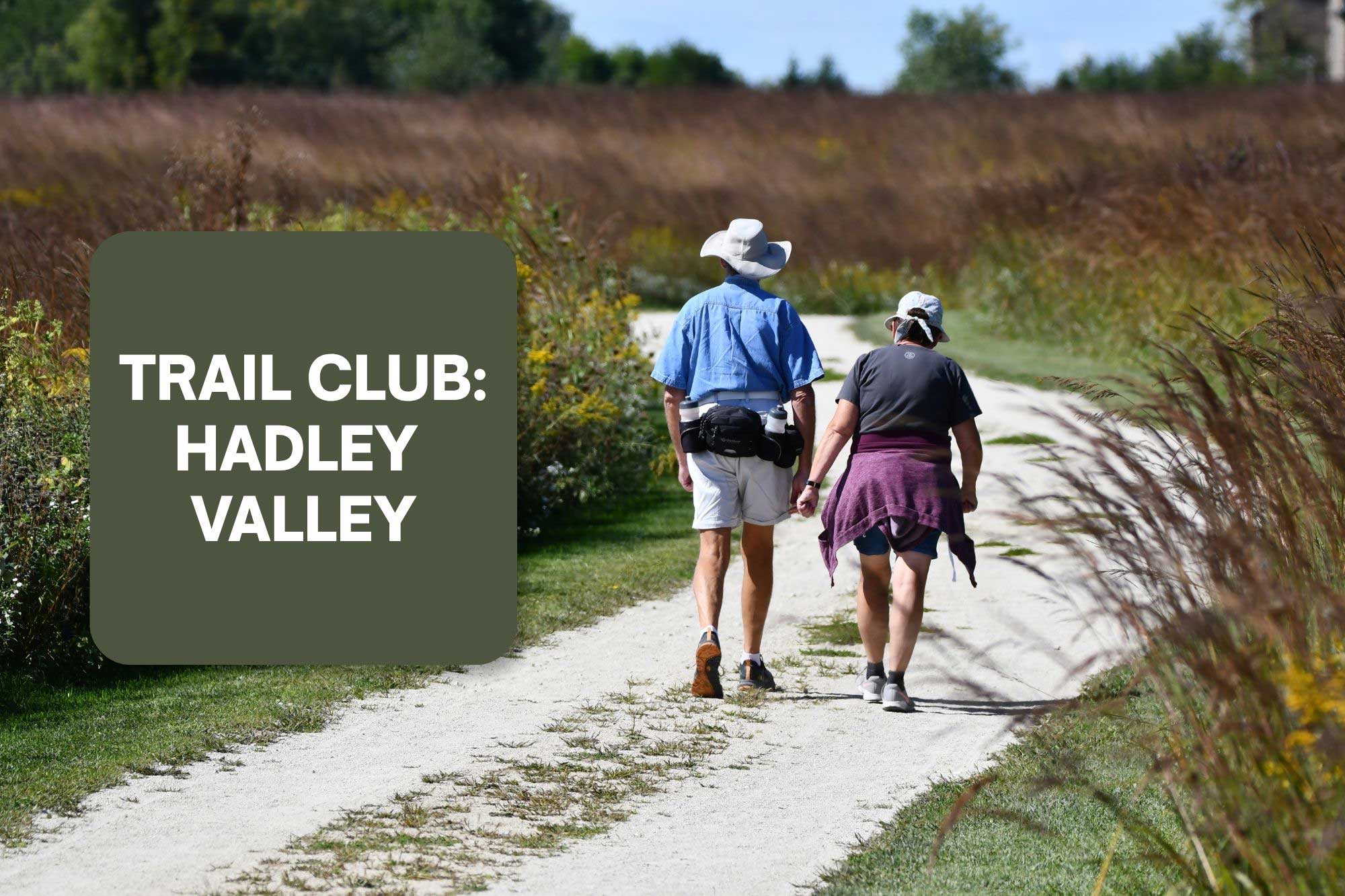
Trail Club is back this fall, and in September the group will meet at 5 p.m. Wednesdays at Hadley Valley.
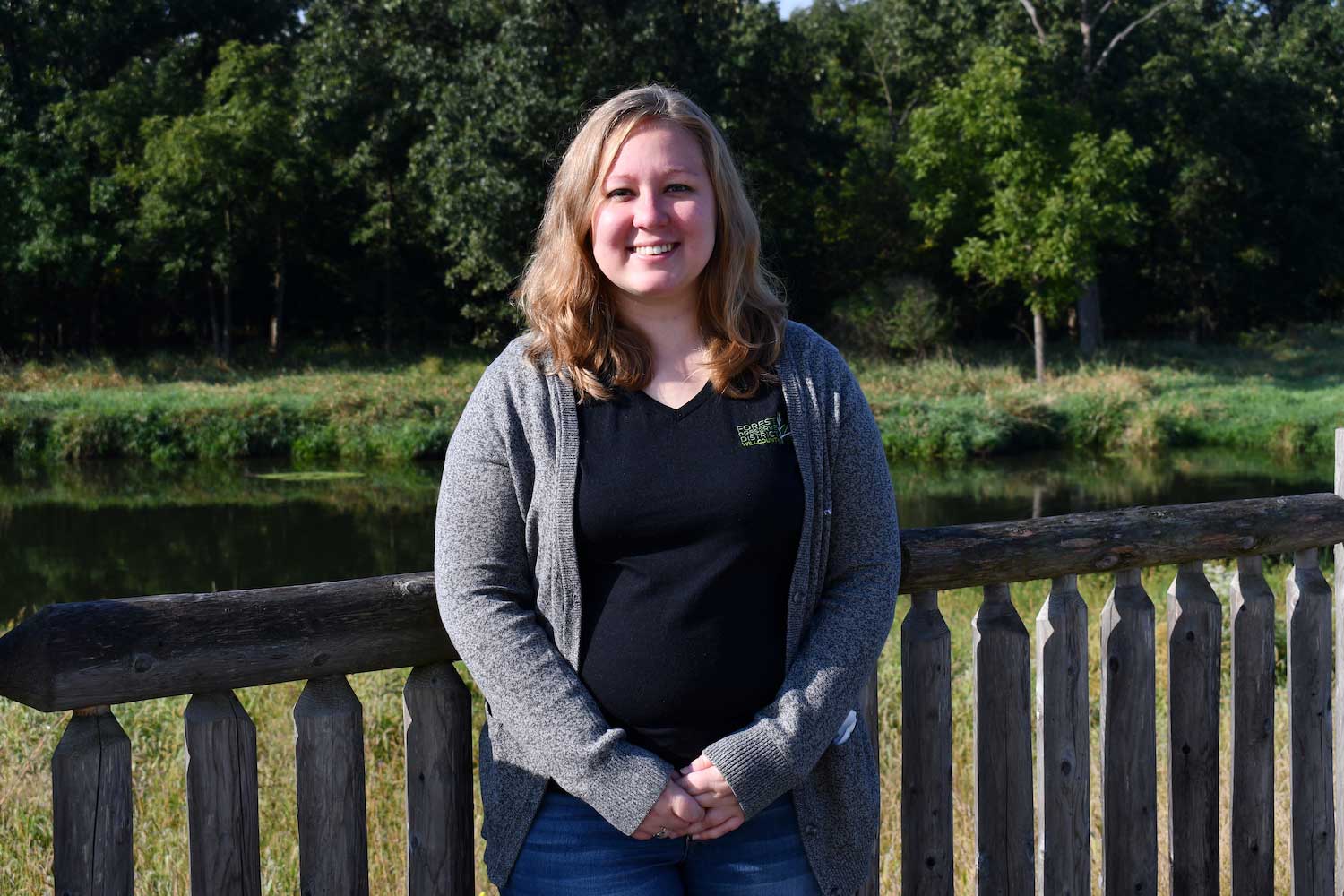
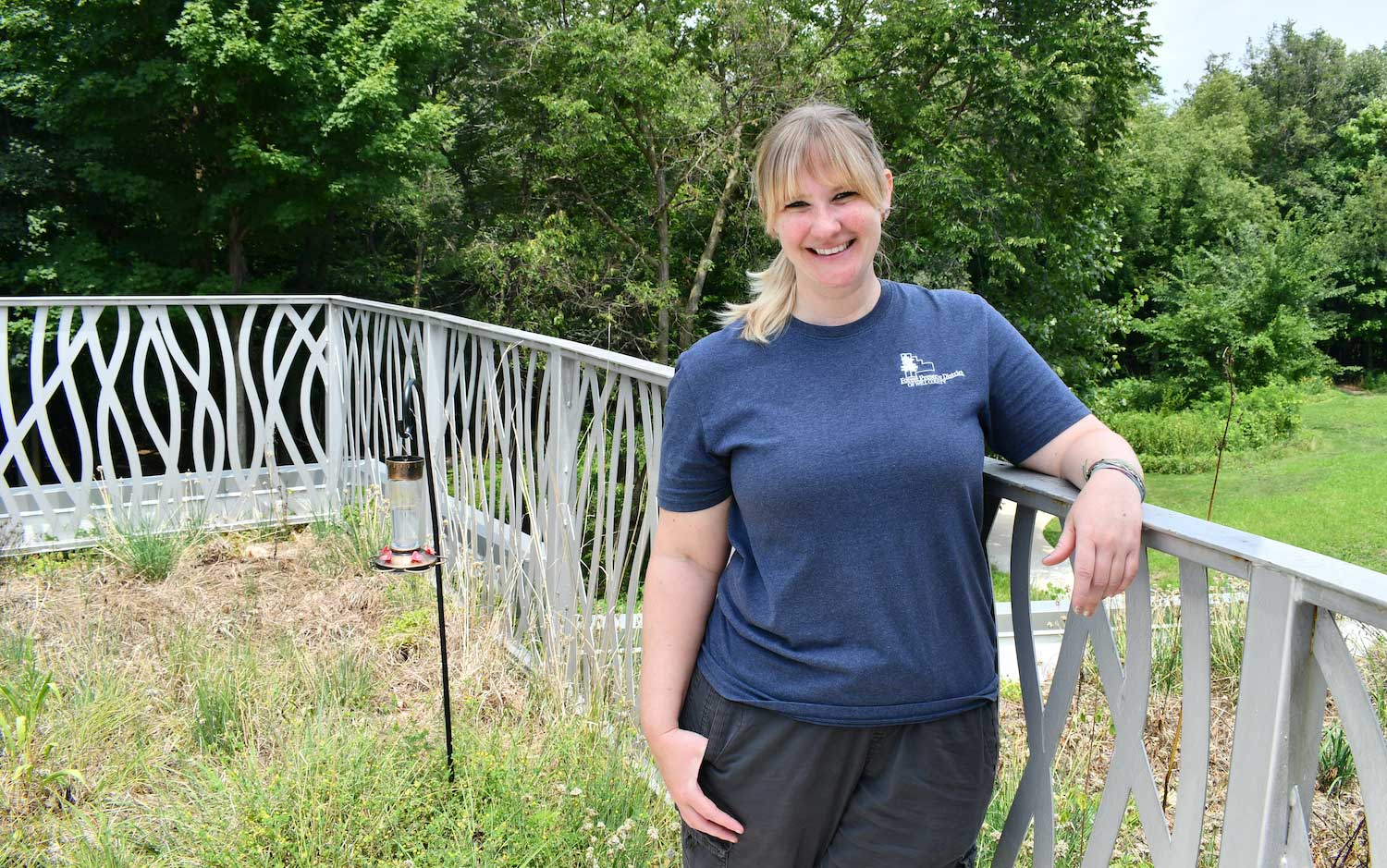
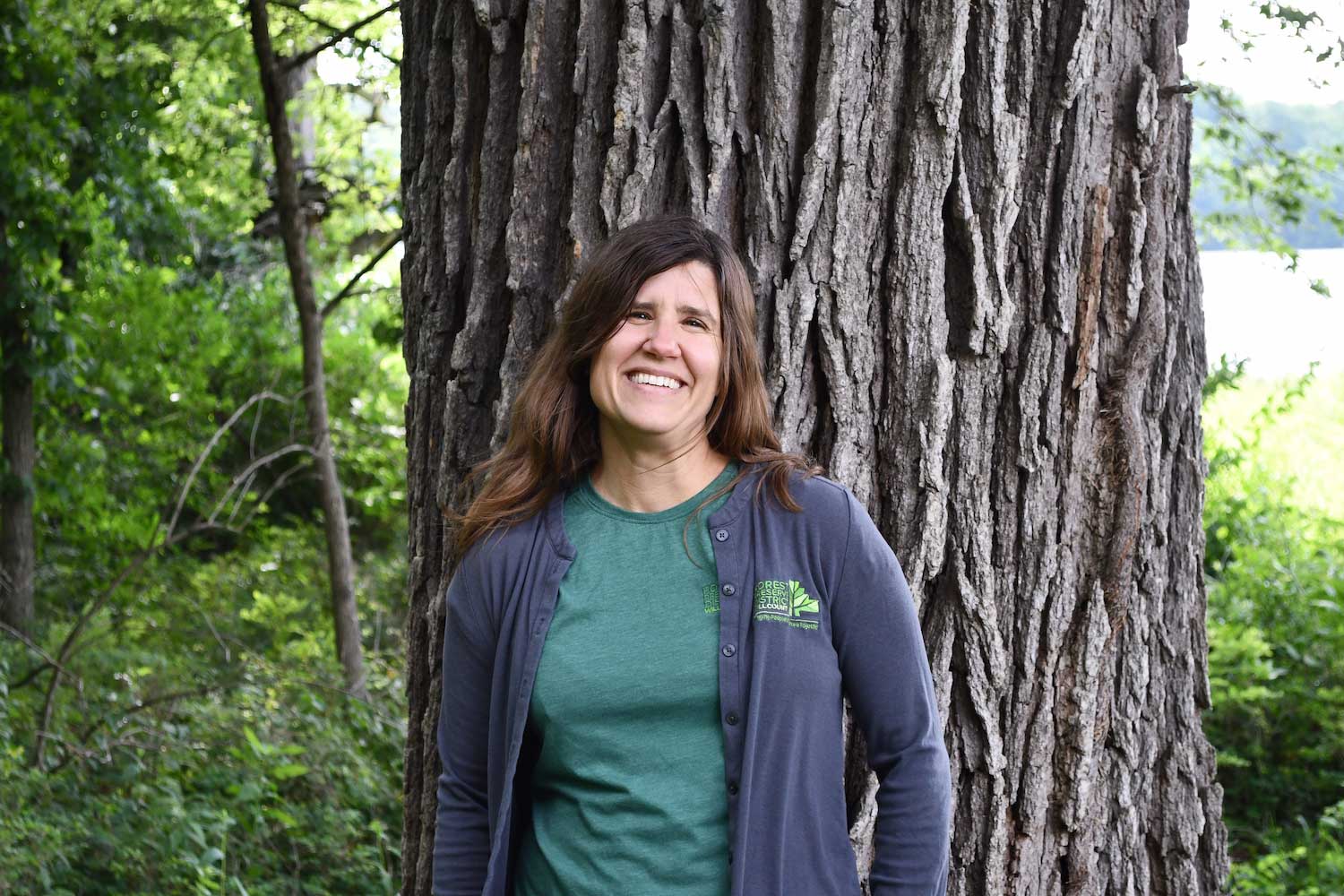
Meet Jenna Krukowski, an interpretive naturalist at Isle a la Cache Museum.
Praying mantises are among the largest insects we see, but that doesn't mean they are easy to find. Learn more about these insects that stand out at blending in.
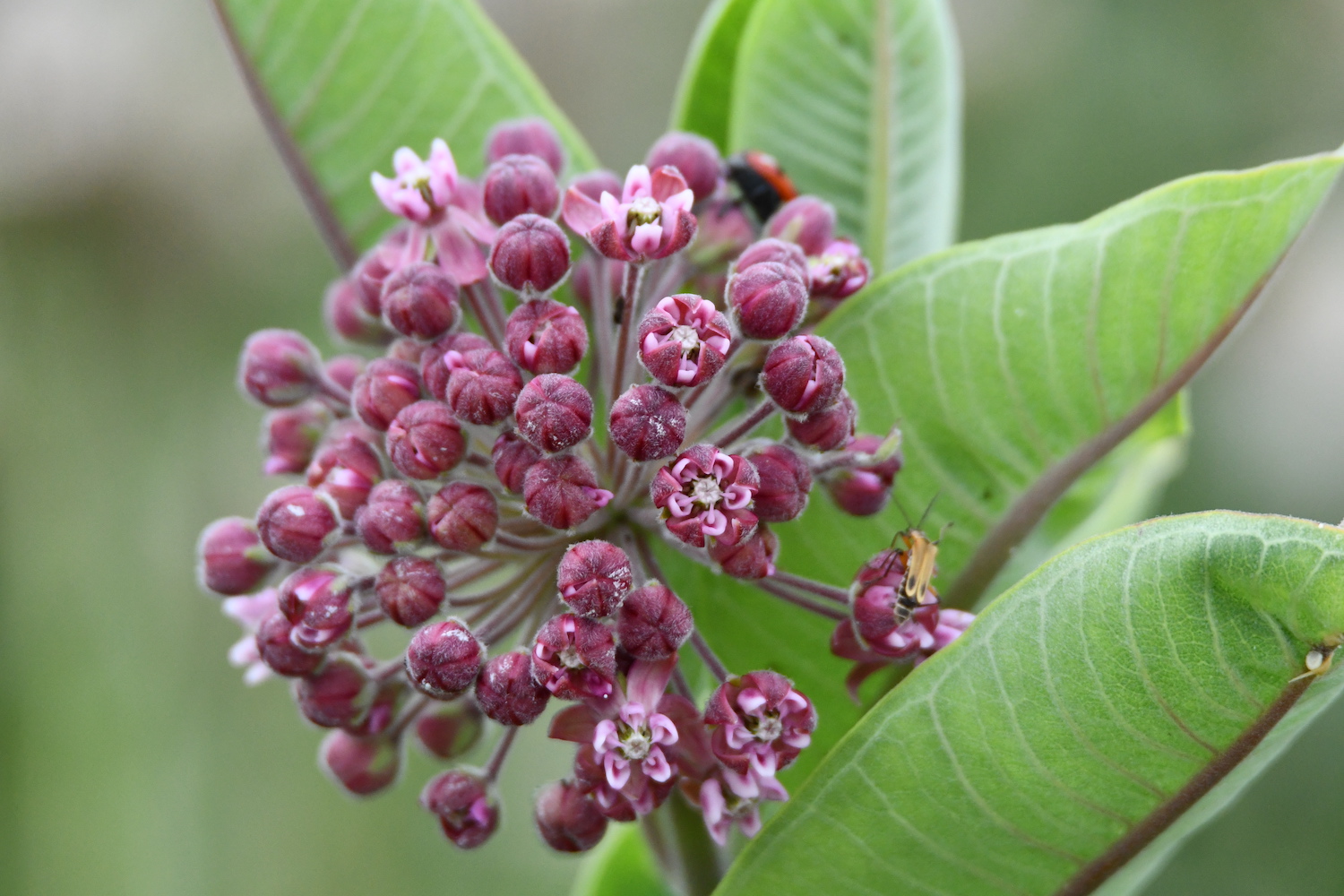
Have you heard the buzz about monarchs and milkweed? Monarchs are far from the only animals that rely on milkweed.
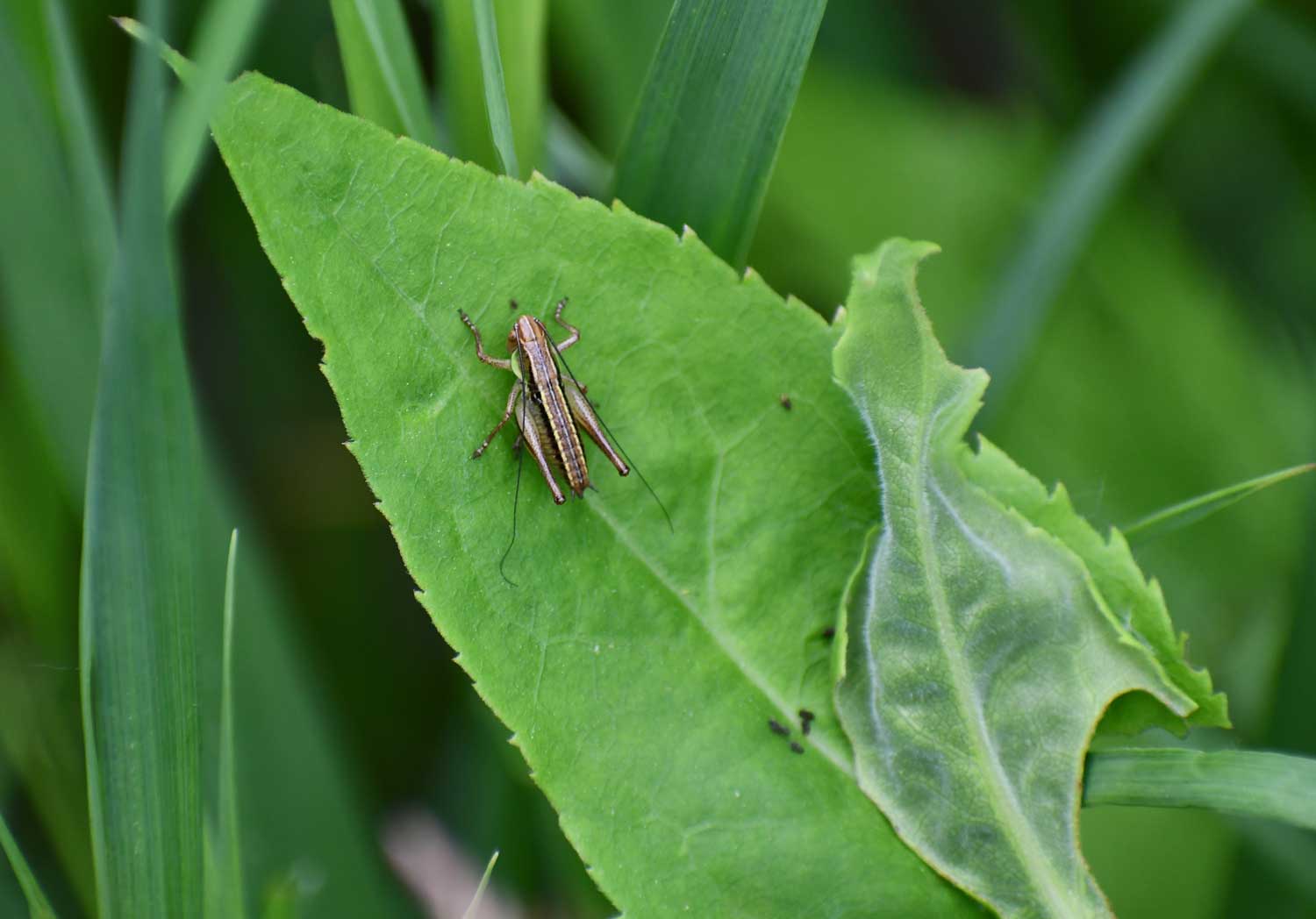
There's no way you can actually rely on a cricket to tell you the temperature, right? Actually, this widely held myth is really true.
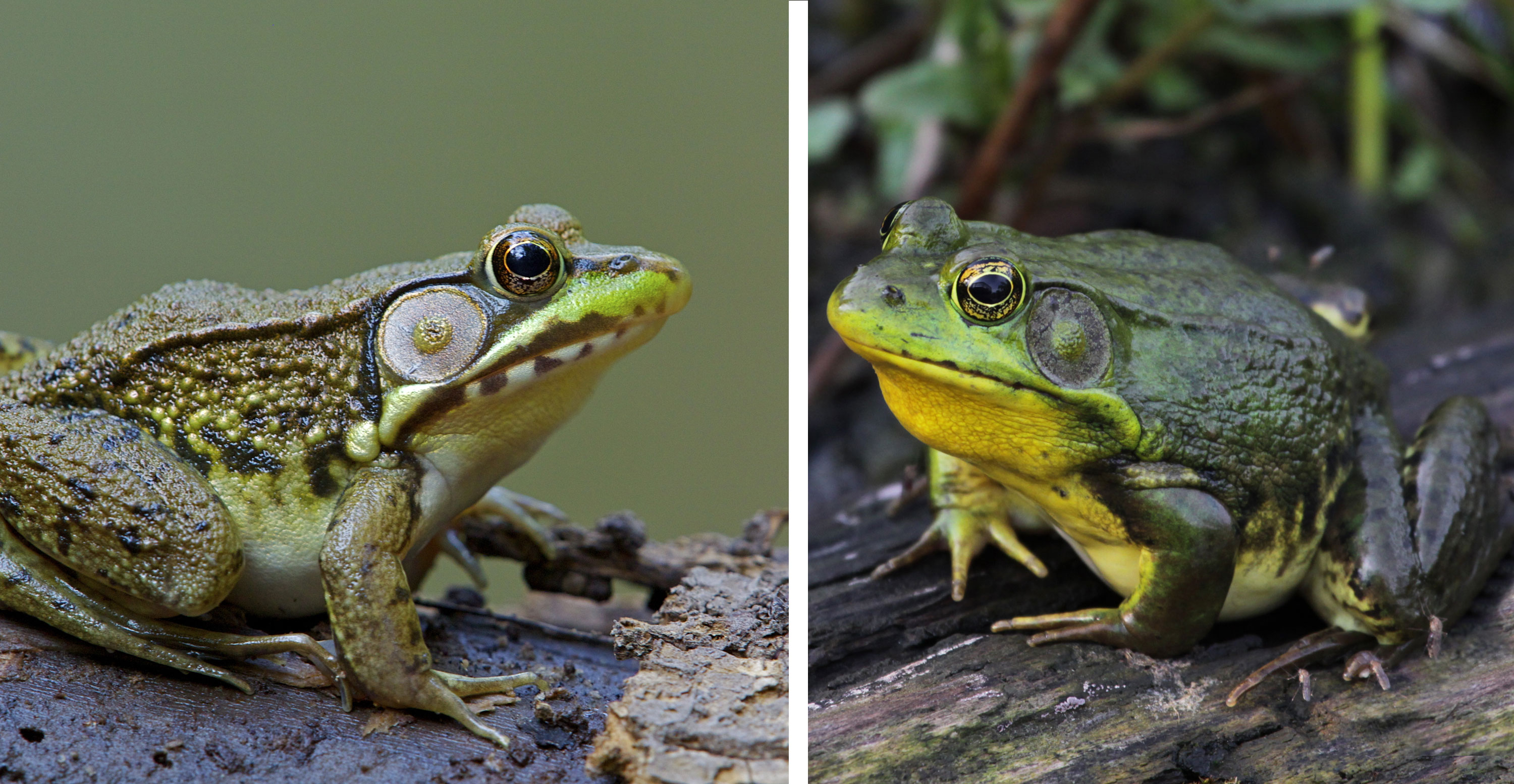
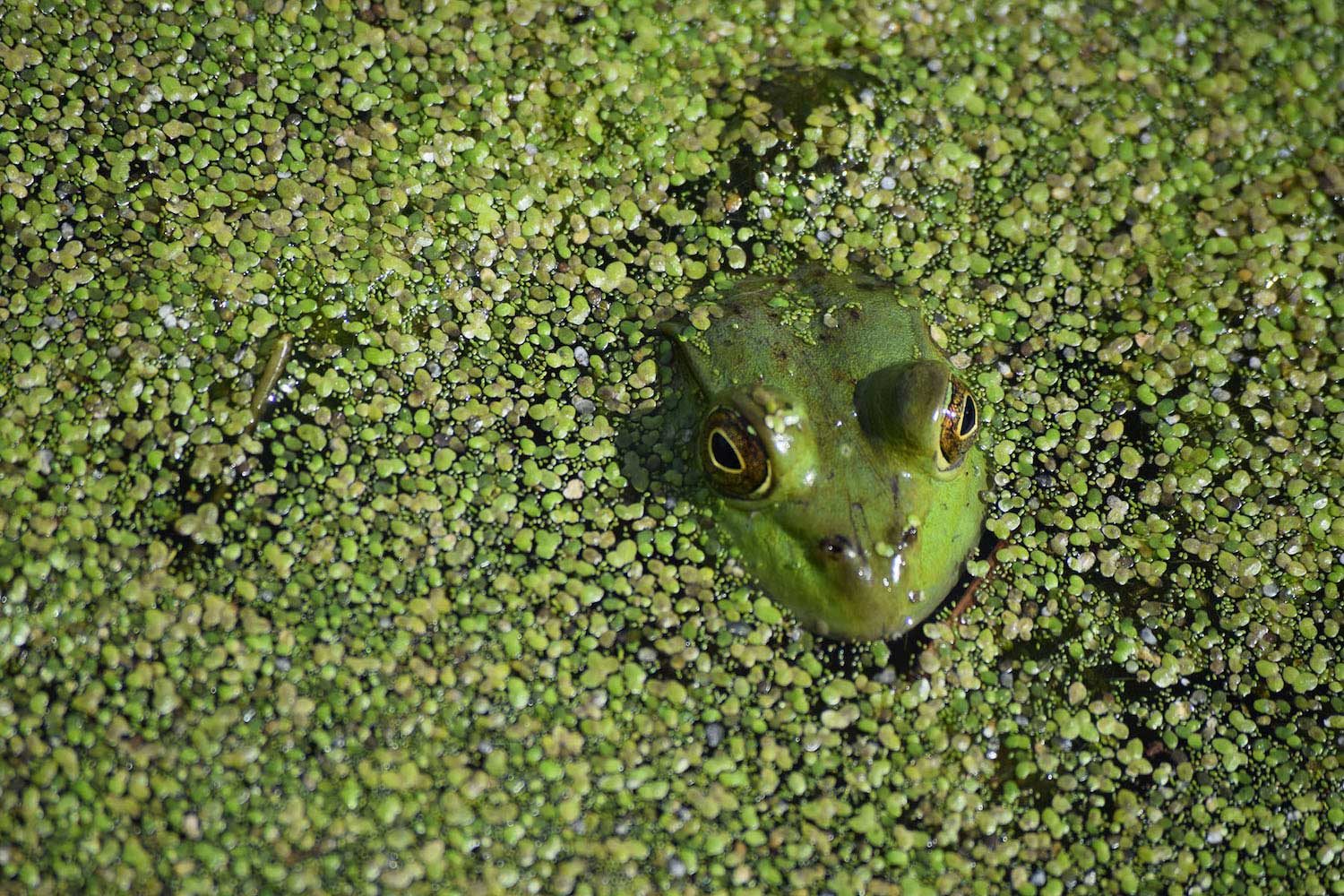
Can you tell a bullfrog from a green frog? Here are a few clues to help tell these two similar frog species apart.
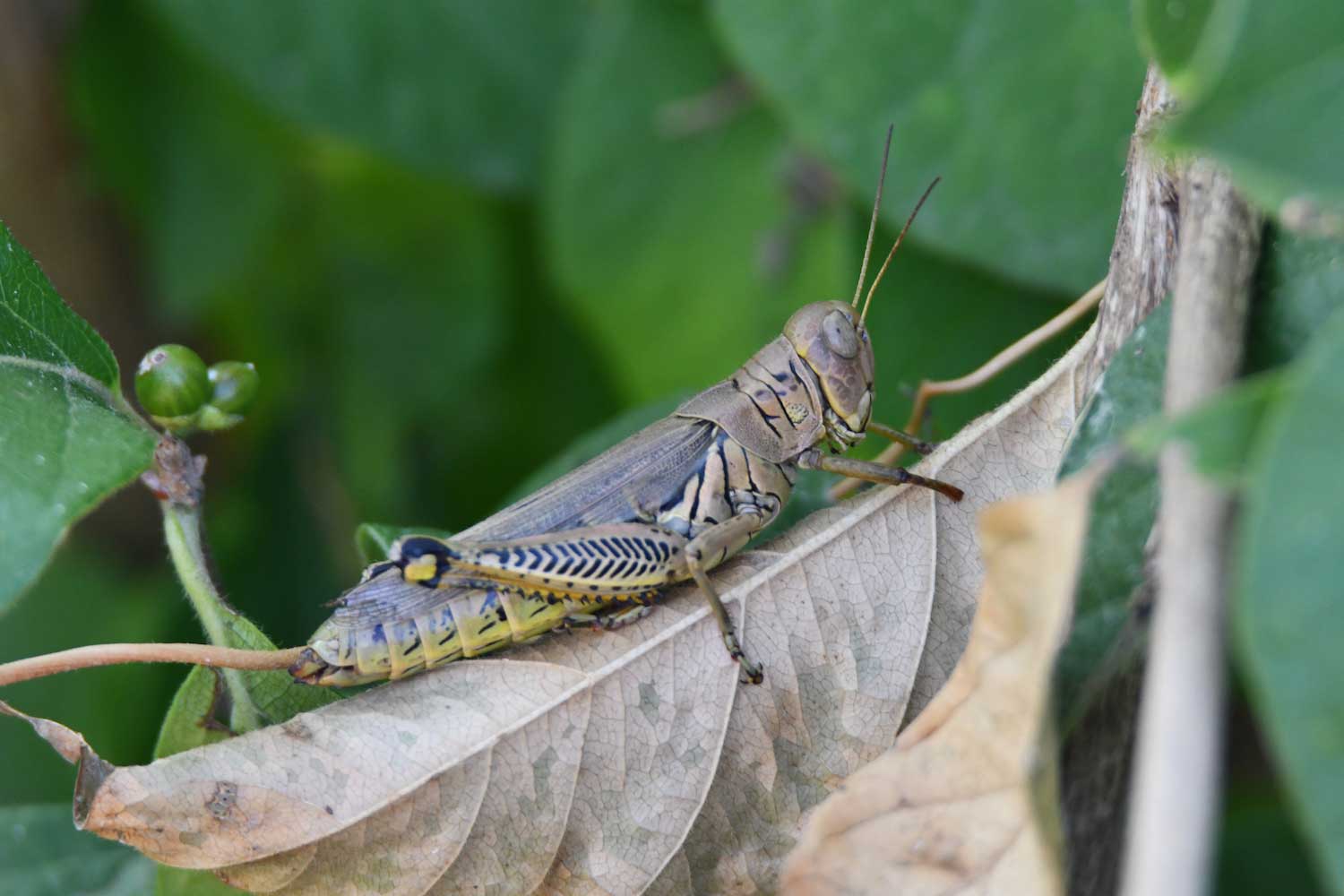
Grasshoppers are one of our more familiar insects, and this is your chance to learn all about them.
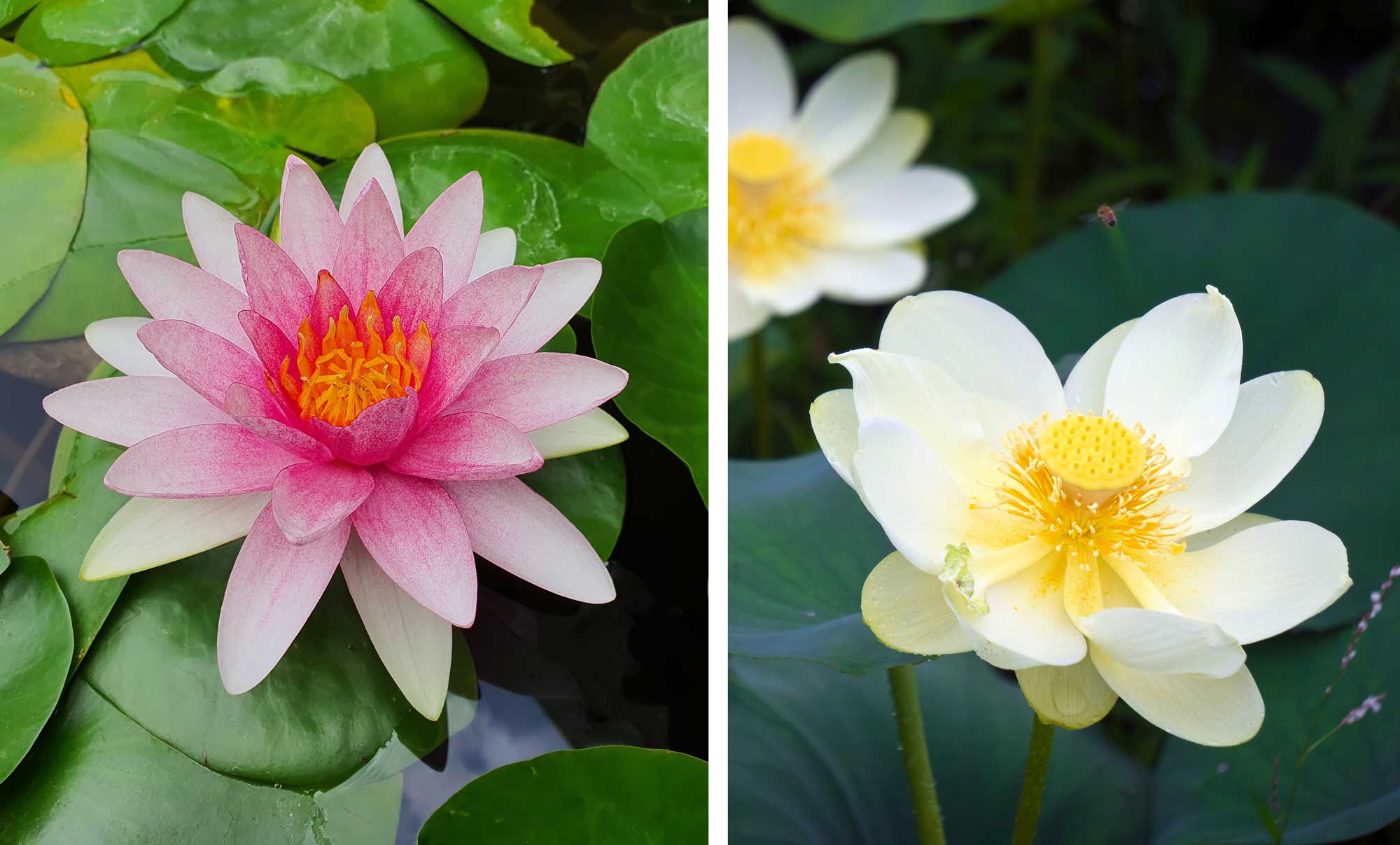
Not all those big green leaves growing on the water's surface are lily pads. American lotus can also be found in Illinois waterways. Learn to tell the difference between these two plants.
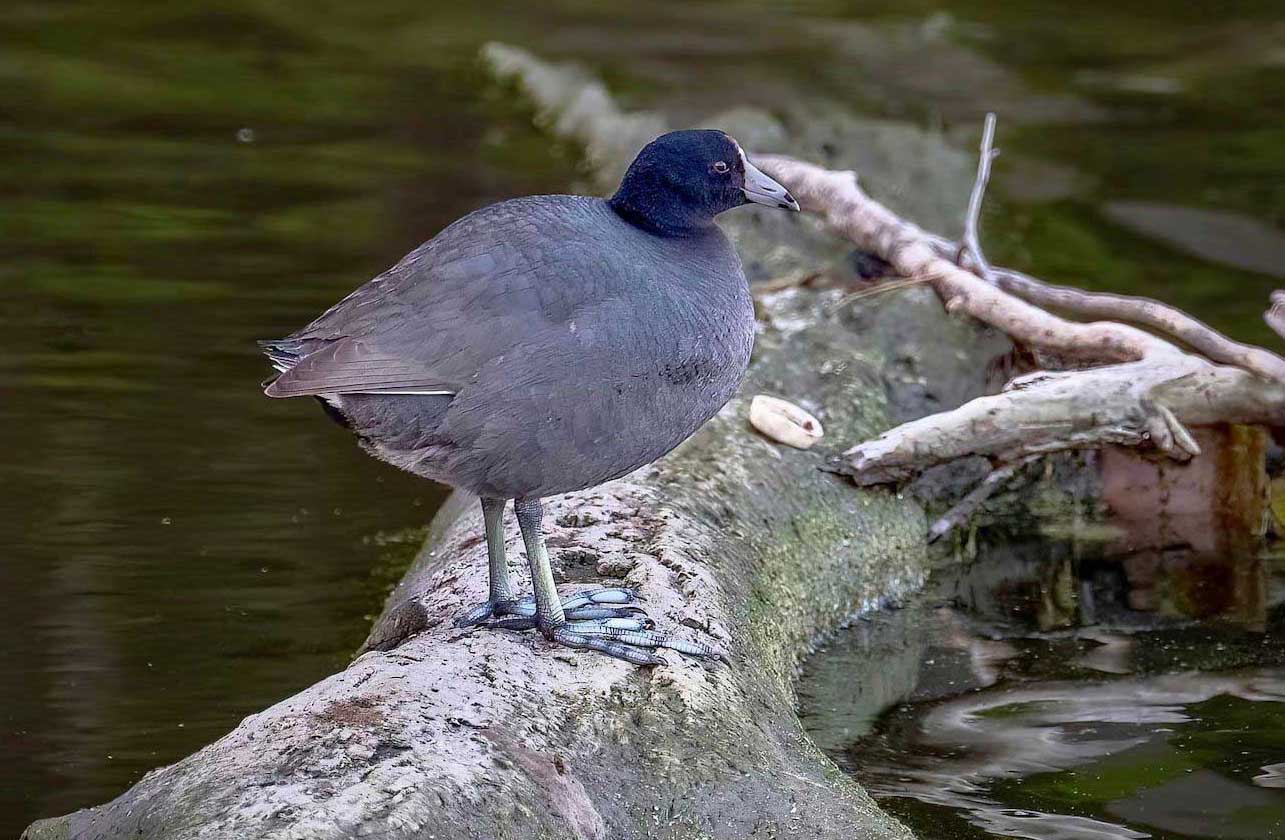
Is that a funny-looking duck or a chicken you saw by the water? It might be neither. American coots are a common sight by our waterways during breeding season, but they might have you doing a double take.
Meet Suzy Lyttle, the program coordinator at Hidden Oaks Nature Center.
We have the sun to thank for all life on Earth, but how much do you really know about the star at the center of our world?
Want to see the world's smallest flowering plant? Look no farther than your local pond.
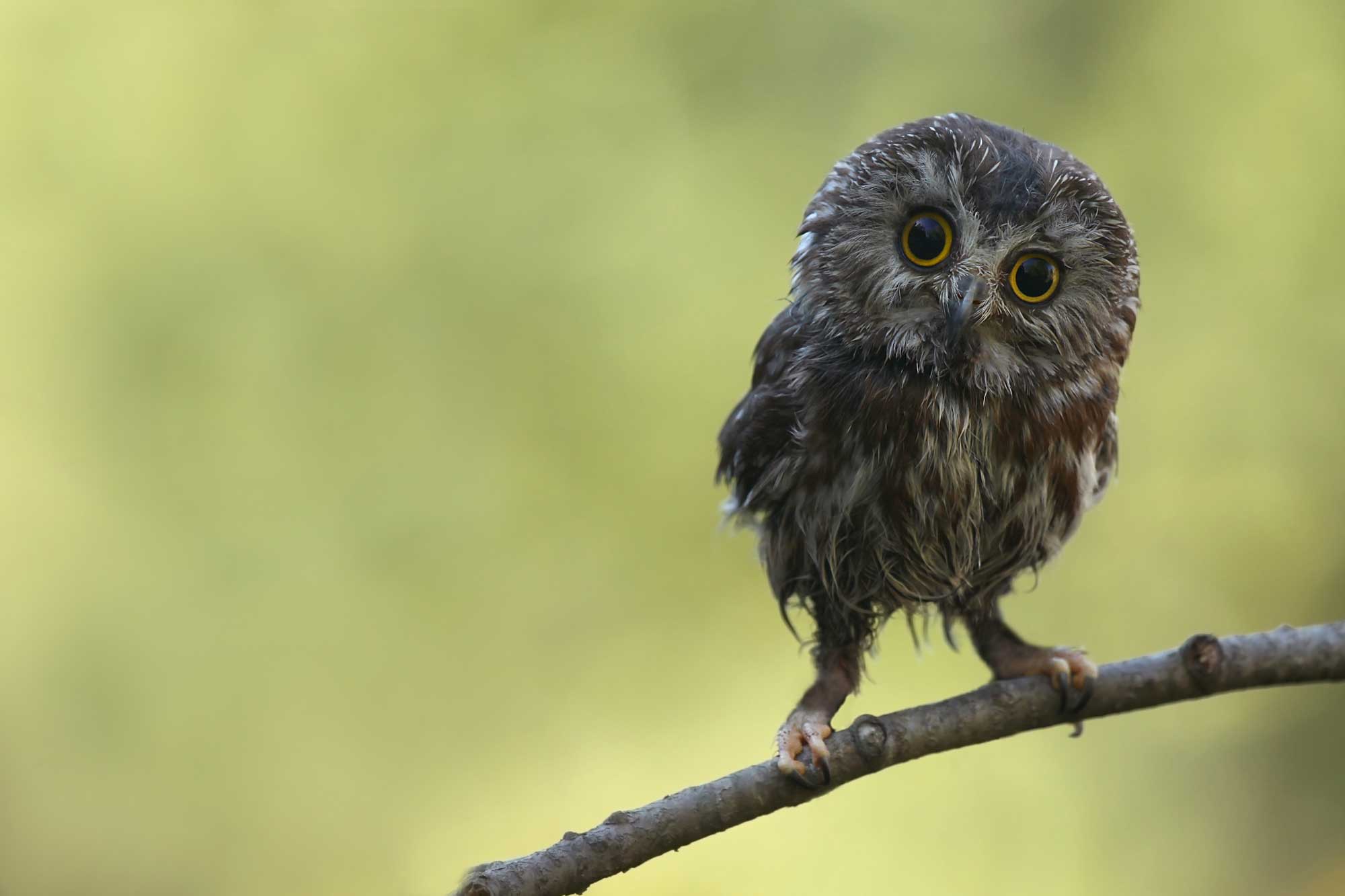
Northern saw-whet owls are a little different than the prototypical owl. For starters, they're only about the size of a robin, making them one of the smallest owl species in the world.
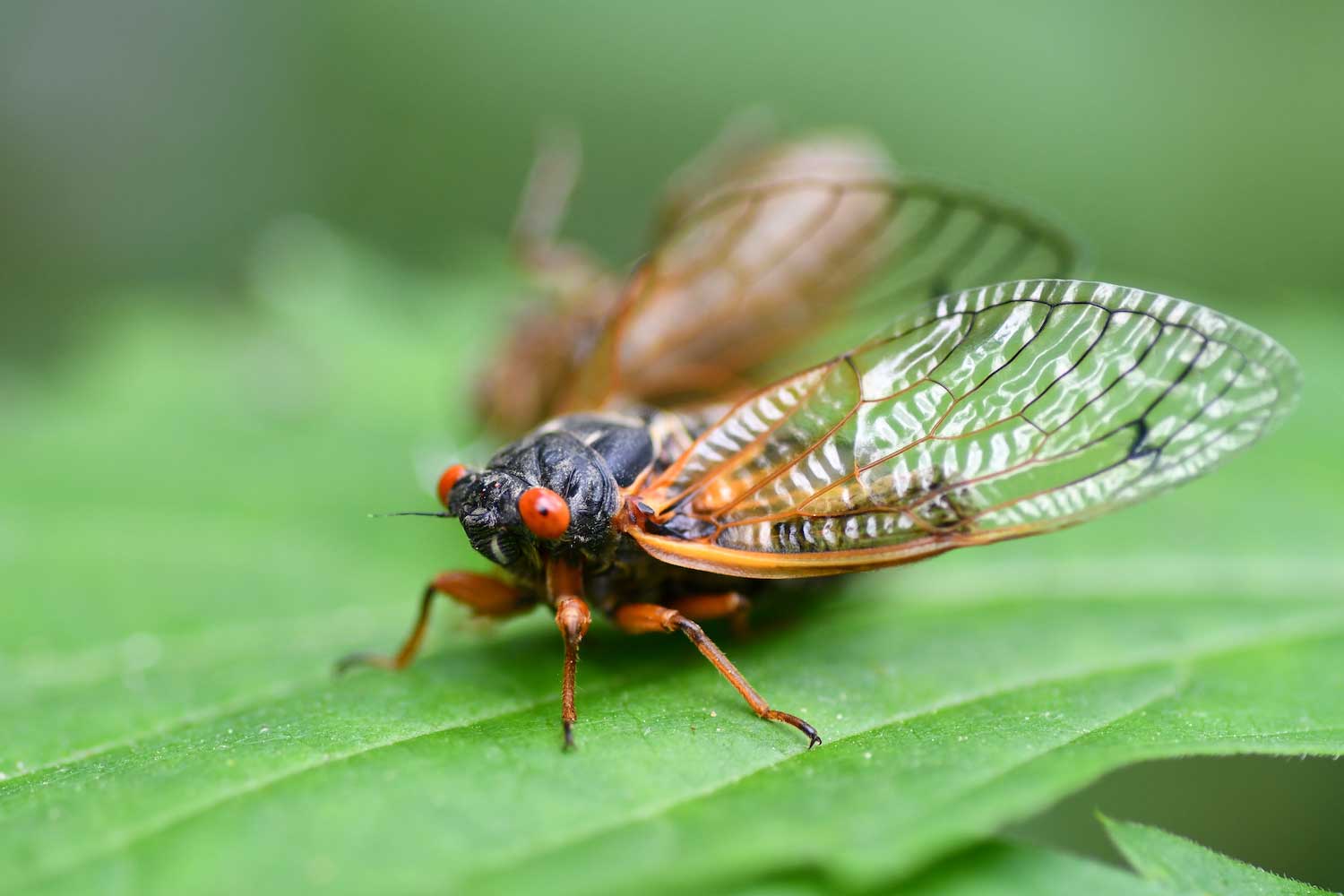
We often call cicadas locusts, but they are not even closely related insects. Learn the differences between them and why we never see locusts in Illinois or anywhere else in the United States.
Meet Angela Rafac, an interpretive naturalist at Four Rivers Environmental Education Center.
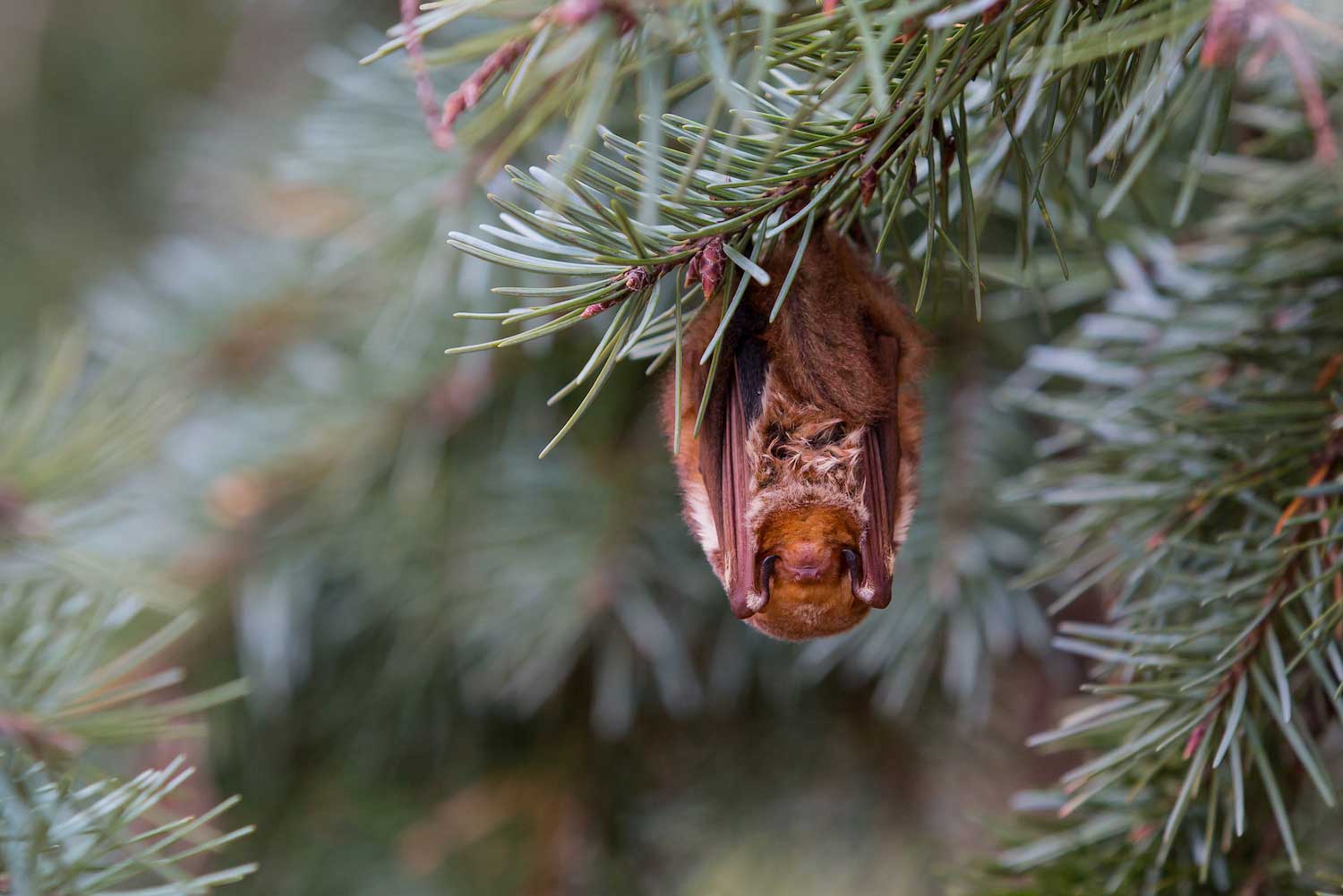
Think you know bats? There's probably plenty you don't know about these unique mammals.
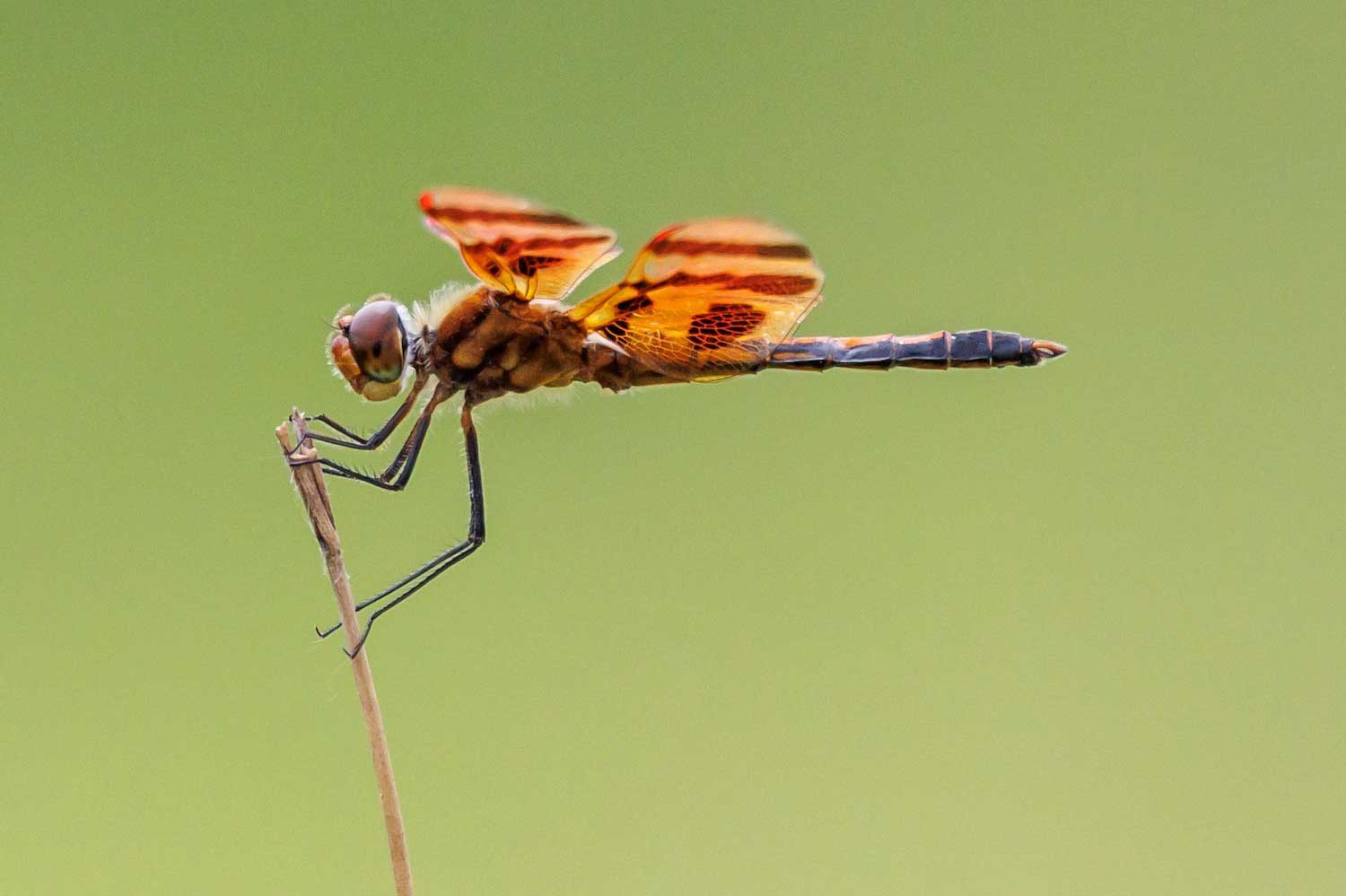
Spend any time near the water in summer and you're almost guaranteed to see a dragonfly. Take some time to learn more about these fast-flying insects.
Meet Jenna Krukowski, an interpretive naturalist at Isle a la Cache Museum.
Praying mantises are among the largest insects we see, but that doesn't mean they are easy to find. Learn more about these insects that stand out at blending in.
Have you heard the buzz about monarchs and milkweed? Monarchs are far from the only animals that rely on milkweed.
There's no way you can actually rely on a cricket to tell you the temperature, right? Actually, this widely held myth is really true.
Can you tell a bullfrog from a green frog? Here are a few clues to help tell these two similar frog species apart.
Grasshoppers are one of our more familiar insects, and this is your chance to learn all about them.
Not all those big green leaves growing on the water's surface are lily pads. American lotus can also be found in Illinois waterways. Learn to tell the difference between these two plants.
Is that a funny-looking duck or a chicken you saw by the water? It might be neither. American coots are a common sight by our waterways during breeding season, but they might have you doing a double take.
Meet Suzy Lyttle, the program coordinator at Hidden Oaks Nature Center.
We have the sun to thank for all life on Earth, but how much do you really know about the star at the center of our world?
Want to see the world's smallest flowering plant? Look no farther than your local pond.
Northern saw-whet owls are a little different than the prototypical owl. For starters, they're only about the size of a robin, making them one of the smallest owl species in the world.
We often call cicadas locusts, but they are not even closely related insects. Learn the differences between them and why we never see locusts in Illinois or anywhere else in the United States.
Meet Angela Rafac, an interpretive naturalist at Four Rivers Environmental Education Center.
Think you know bats? There's probably plenty you don't know about these unique mammals.
Spend any time near the water in summer and you're almost guaranteed to see a dragonfly. Take some time to learn more about these fast-flying insects.
Trail Club is back this fall, and in September the group will meet at 5 p.m. Wednesdays at Hadley Valley.
Say goodbye to summertime with a sunset paddle on Monee Reservoir.
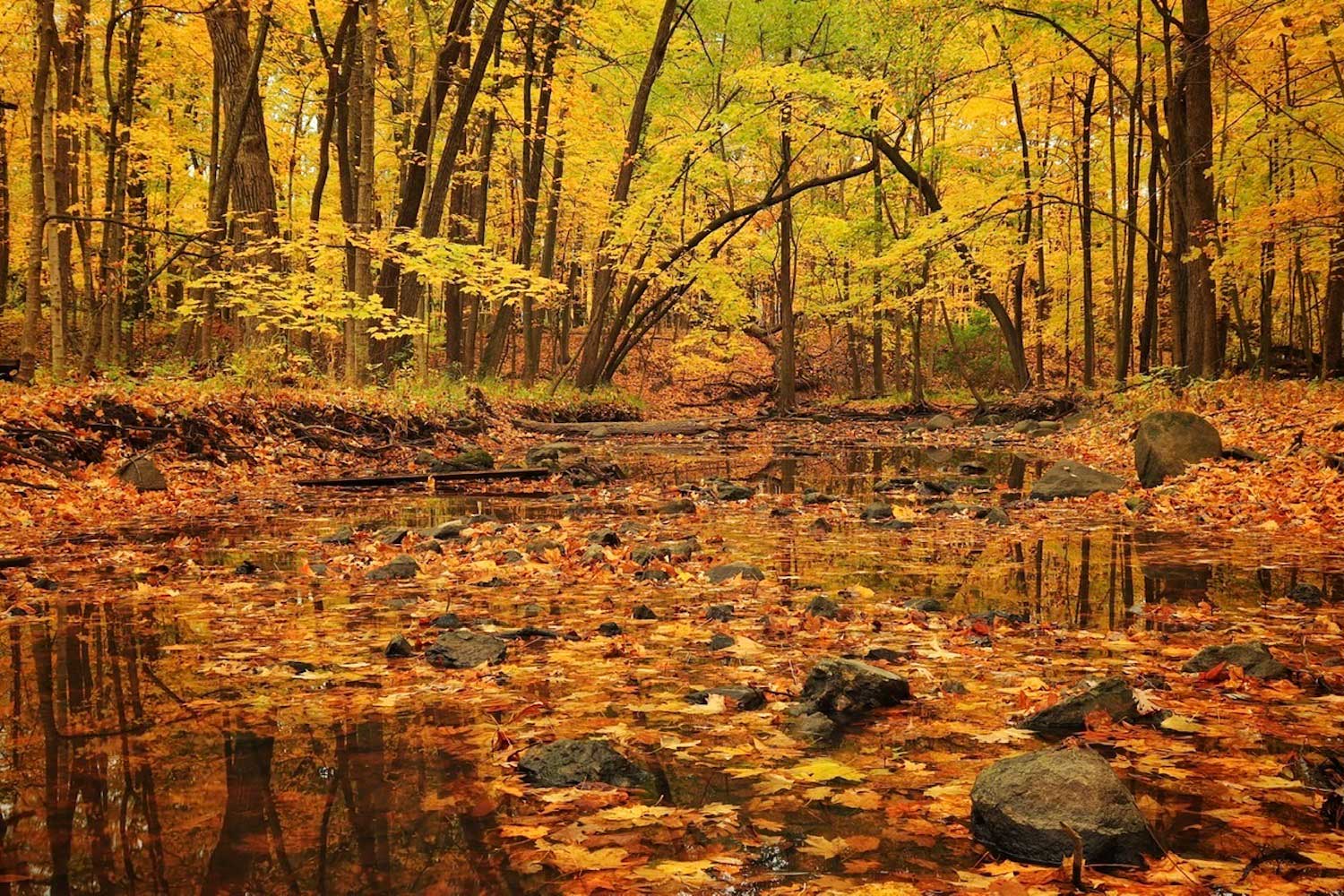
Interactive map predicts when fall color will peak in Will County and beyond.
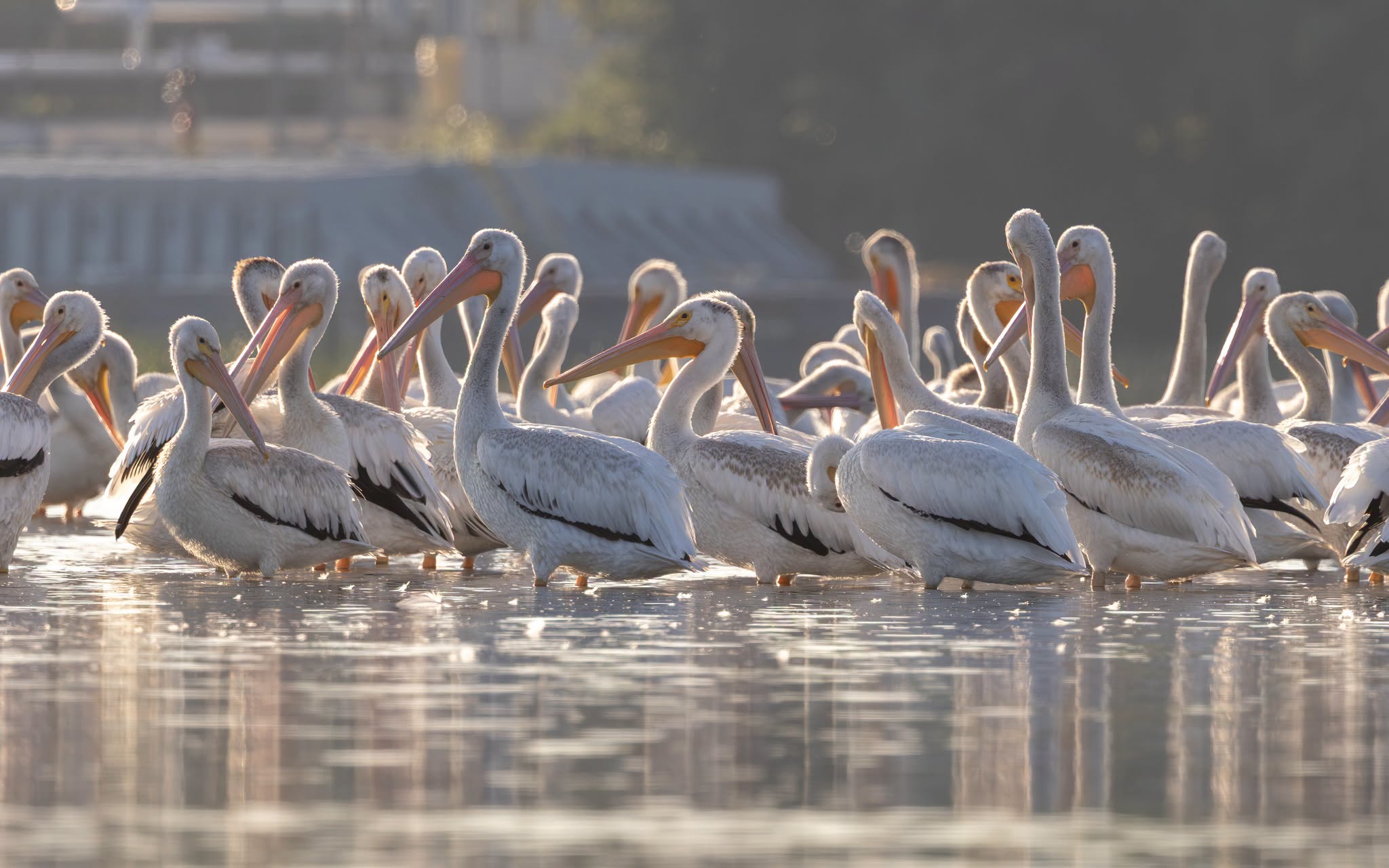
These big white birds typically stick around until November or into December.
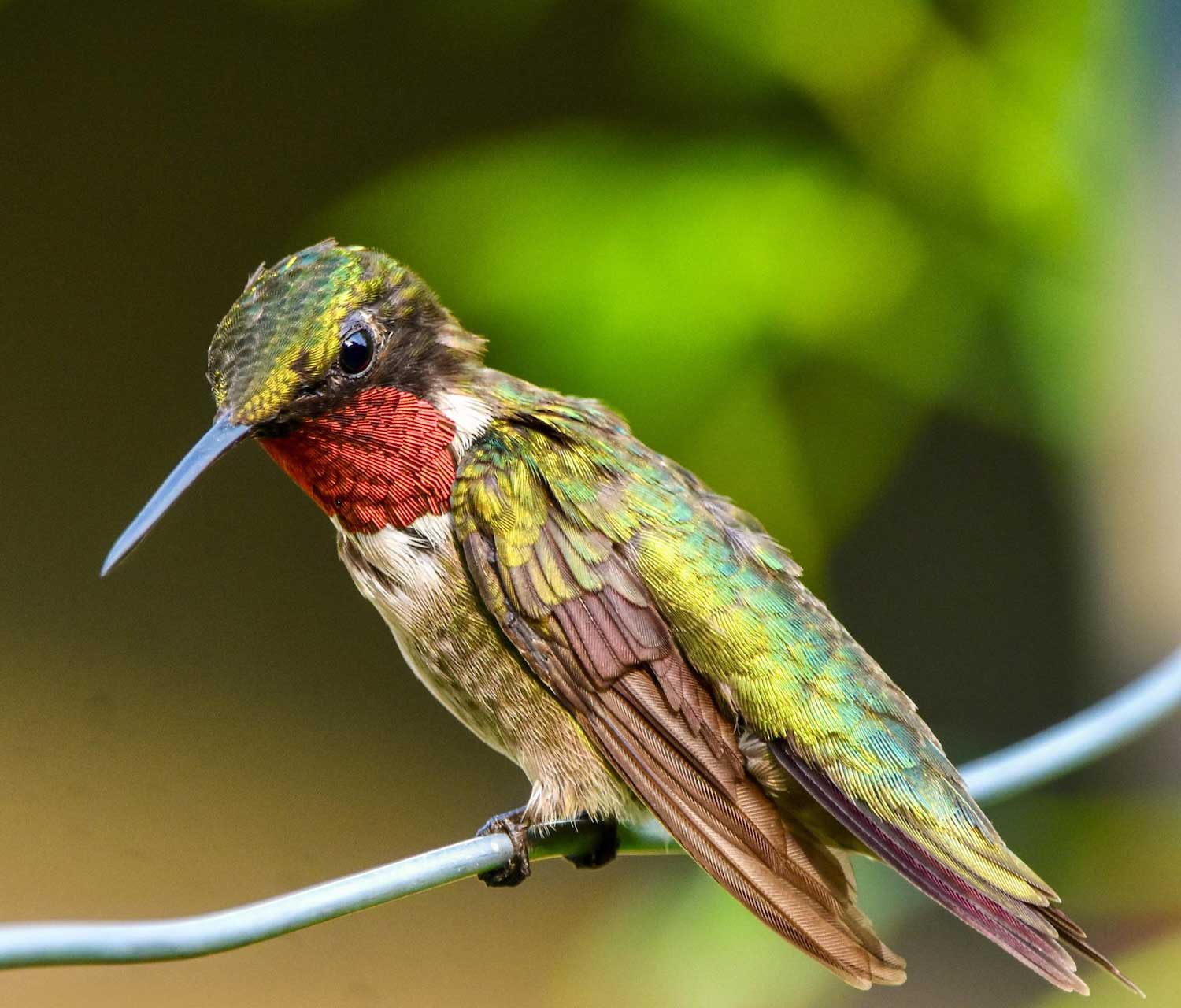
Hummingbirds are here in Will County for a good portion of the year, but knowing when they migrate can help determine when to have hummingbird feeders out.