In June, more daylight means more time to explore
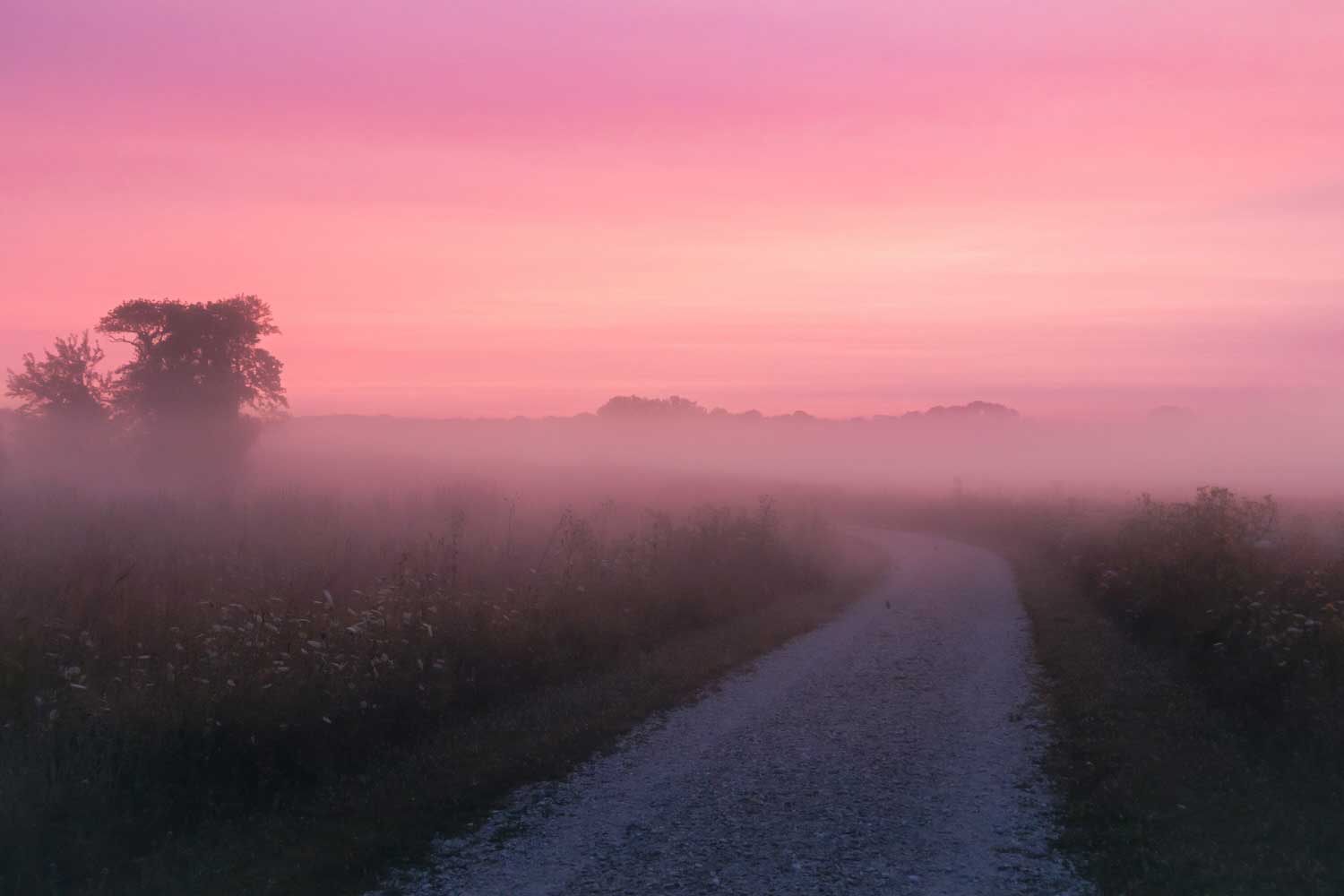
Much has been said about the beauty and meaningfulness of the sun rising and setting each day, and June is a perfect time to appreciate it because it's the month in which we experience some of the longest days of the year.
Of course, all days are essentially the same length — 24 hours day in and day out — but June sees the day with the most amount of daylight, hence the longest day of the year. That occurs each year on the day of the summer solstice, which this year will be on June 21. On that day, the sun will rise at 5:18 a.m. and set at 8:30 p.m., giving us 15 hours and 11 minutes of daylight.
Compare that to the shortest day of the year, the winter solstice, which will be on Dec. 21 this year. On that day, the sun will rise at 7:15 a.m. and set at 4:25 p.m., giving us 9 hours and 10 minutes of daylight — about six hours less than on the summer solstice!
The summer solstice occurs at a precise time, the moment when the Earth's tilt toward the sun reaches its maximum, according to the National Weather Service. That moment will occur at 3:24 a.m. June 21. That time coincides with when the sun sits directly over the Tropic of Cancer. At all spots north of the Tropic of Cancer, which includes Will County, the sun reaches its highest point in the sky, which give us the most daylight we experience on a given day.
Aside from the technical details that relate to the summer solstice, we notice that the sun rises earlier and set later, giving us more daylight to enjoy. With that, you may be looking for new ways to spend time outdoors, and the Forest Preserve is more than happy to help. Try hitting a new trail for a hike or a bike ride or learn something new about nature or the region's history at one of the many naturalist-led programs scheduled in June. And if the daylight hours just aren't enough, consider spending the night at one of the six preserves that offers tent camping.
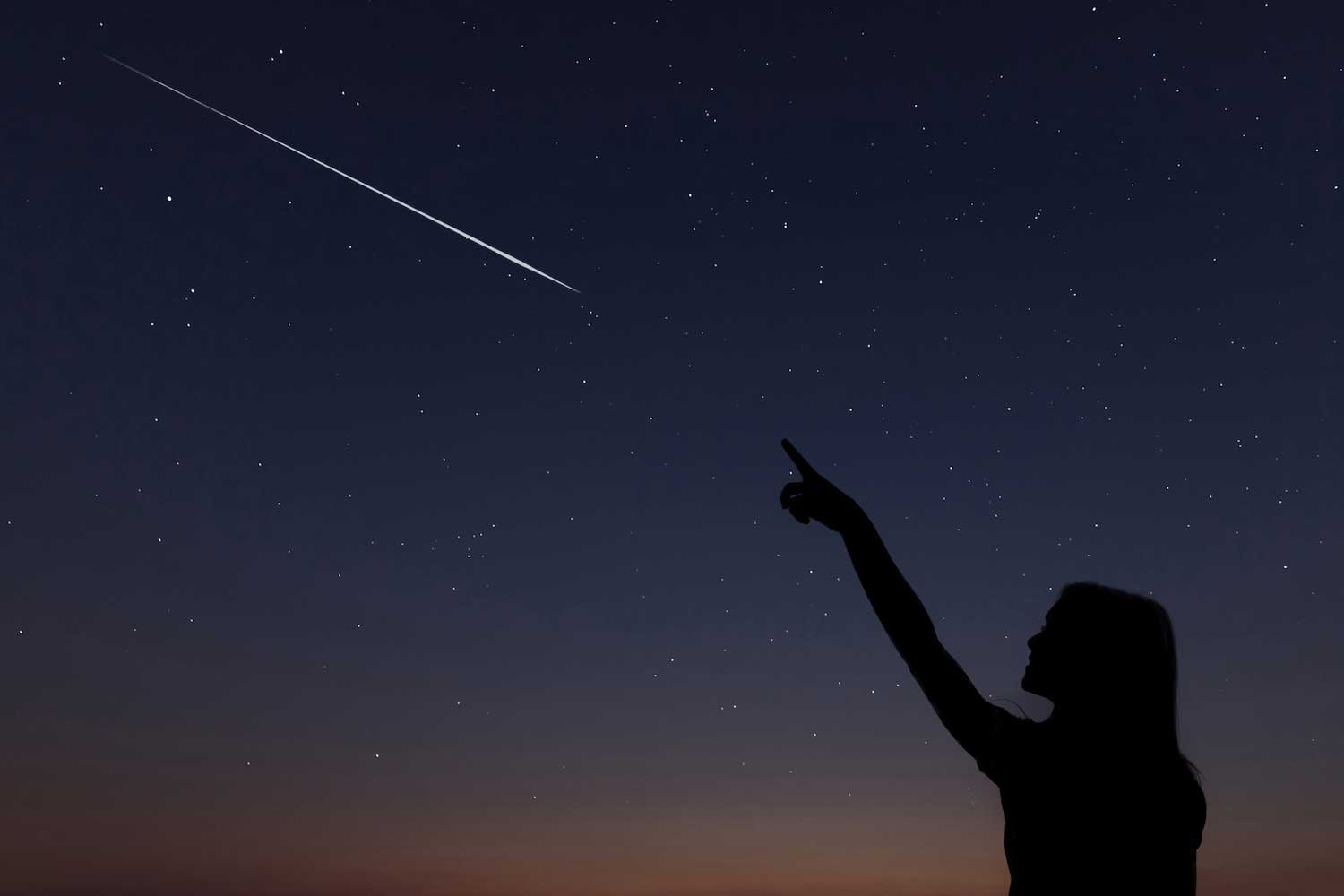
Once the sun finally sets on those long June days, there will be a few instances of planets aligning in the night sky. On June 8 and 9, Venus and Jupiter will be only 1 degree apart from one another in the night sky — about the distance of your pinky, National Geographic reports. Look for them above the western horizon in the night sky. If you look in the hour or so after the sun sets, you'll be able to see Mercury as well.
About a week later, Mercury will rendezvous with the crescent moon. Look for them perfectly aligned in the night sky on June 17, according to National Geographic.
Unlike May, when two full moons illuminated the night sky, June will have just one full moon, as most months do. June's full moon comes at the end of the month, on June 29, reaching its peak at 6:56 p.m.
June's full moon is known as the strawberry moon, so called because it is the time of year when strawberries are ripening, the Farmers' Almanac reports. Historically, many Native tribes used similar names for the June full moon based on the berries that were common in their area. The Shawnee from Ohio and Pennsylvania referred to the June full moon as the raspberry moon, while the Creek from the southeastern United States called it the blackberry moon.