100 years since historic vote, Centennial Celebration plans announced
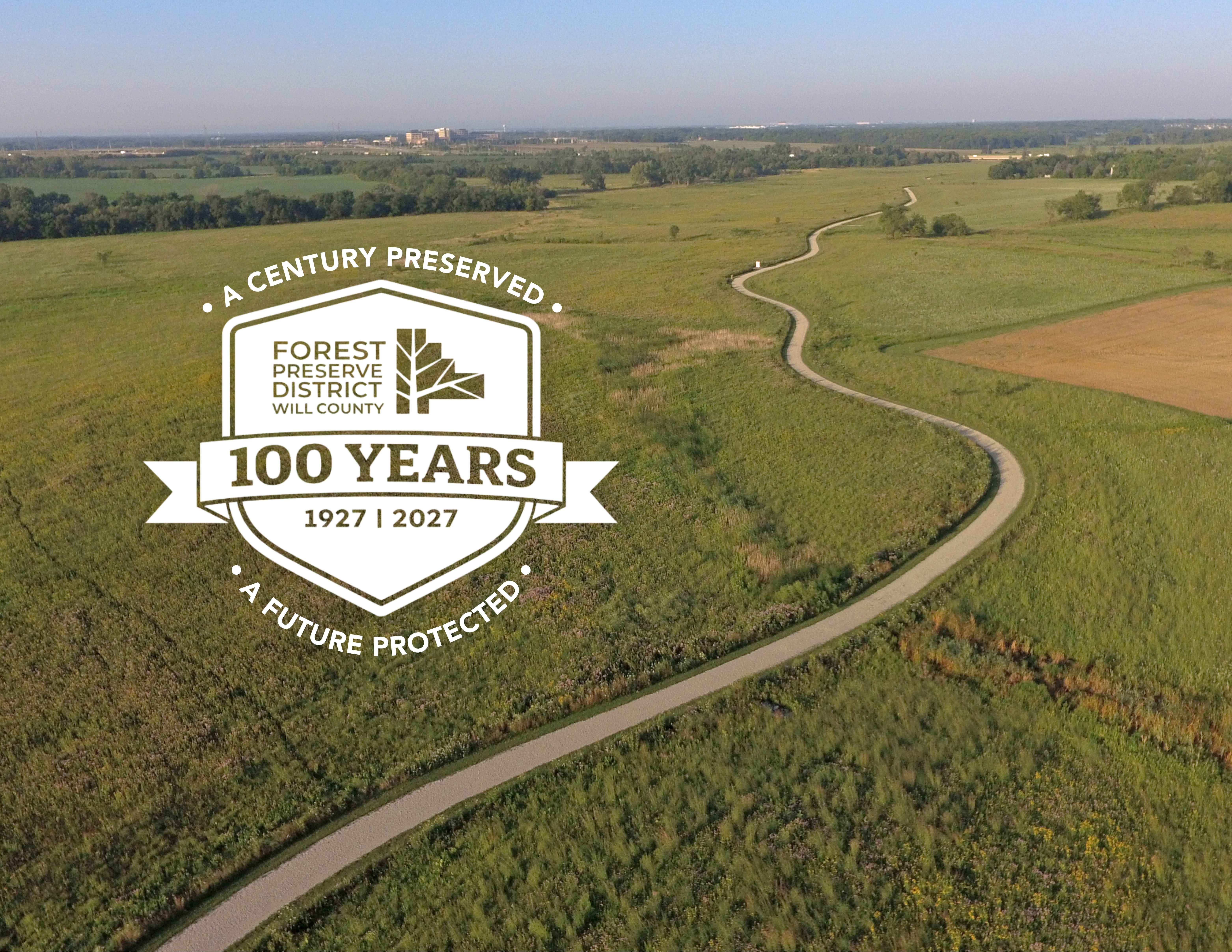
One hundred years ago on Nov. 2, Will County voters headed to the polls and overwhelmingly approved a referendum that would lead to the formal creation of the Forest Preserve District in 1927.
The anniversary of the historic 1926 referendum serves as the kickoff for the Forest Preserve's Centennial Celebration, with special events and activities planned throughout 2027. The milestone also provides an opportunity to look back at how it all began.
Centennial Celebration highlights include:
The Power of One – Jan. 4-Dec. 30: Visit the Sugar Creek Administration Center in Joliet to travel through 100 years of Forest Preserve history, memories and milestones. The exhibit details how the District grew from one visionary and one 143-acre preserve to more than 24,000 preserved acres today.
Corresponding Centennial Exhibits: Visitor centers will host Centennial Celebration-themed exhibits, including Isle a la Cache Museum, March 3-May 30; Plum Creek Nature Center, April 7-June 30; Four Rivers Environmental Education Center, June 2-Aug. 29; and Hidden Oaks Nature Center, Aug. 4-Oct. 31.
Party Like It's 1927: VIP Access to The Power of One exhibit: Enjoy an evening of music, food, drinks, raffles and more while taking time to explore the Forest Preserve's 100-year history with our centennial exhibit. The party will be from 5 to 8 p.m. Thursday, Feb. 11, at Sugar Creek Administration Center. Proceeds from raffles and ticket sales benefit The Nature Foundation of Will County, the Forest Preserve's philanthropic nonprofit partner. Tickets are $50 per person and go on sale Tuesday, Dec. 1.
Cheers to 100 Years – A Century Preserved! A Future Protected: Celebrate our centennial with us from 3 to 7 p.m. Saturday, July 24, at Hickory Creek Preserve – Hickory Creek Barrens. This celebration party will feature food, beverages and live music.
Be a Trailblazer: This popular nature-themed experience will incorporate the District’s century of existence with special missions, trivia questions and tie-ins to ongoing visitor center exhibits.
Centennial Celebration sponsorships are still available through The Nature Foundation of Will County. As a centennial sponsor, you can demonstrate your commitment to the community, connect your name with a lasting legacy, and gain valuable visibility among residents and visitors. Most importantly, your partnership helps celebrate the natural spaces and shared experiences that make Will County a special place to live, work and visit.
Referendum results pave the way to preservation
In 1926, when voters approved the referendum to create the District, Calvin Coolidge was president, Prohibition was in force, Babe Ruth was slugging home runs for the Yankees and Will County was in transition.
While wolves still roamed free in some areas of the county in 1926, development was taking off and there was a movement afoot to build a “super-highway system” linking Will County with Cook County and beyond.
In Joliet, community leaders were working hard to raise funds to build the city’s first YMCA, and excitement grew as the opening neared for the Rialto Square Theatre on Chicago Street. The glitzy showplace was set to open on May 24, 1926, and the Joliet Evening Herald-News had all of the festive details in its May 23, 1926, edition.
While much of the news of the day centered on construction and development, another story in that May 23, 1926, edition of the paper announced a quest to create a countywide forest preserve district.
This movement to save the county’s “timber tracts” was spearheaded by the Joliet Rotary and led by Dr. W. Henry Wilson, chairman of the Rotary’s Forest Preserve Committee. Wilson, a nationally known pathologist who worked at Silver Cross Hospital, stressed the benefits of preserved open space.
He noted that the land would be preserved for “reforestation.” He also stressed that forest preserve land would remain in its natural state and would not become a “fancy park.”
Wilson also lamented the fact that nearly two-thirds of the state’s 6 million acres of forest land had already been stripped of its trees.
Rotary members said they feared the county’s open spaces would go the way of the buffalo without a forest preserve district. The group was successful in gathering the petition signatures required to get a forest preserve referendum on the Nov. 2, 1926, ballot.
The referendum passed by more than a 2-to-1 margin — 16,611 people voted in favor and 6,774 voted against the measure.
First acquisitions
By January 1930, the District had acquired enough funds to purchase its first preserve — 143 acres in Homer Township that would become Messenger Woods Nature Preserve. Hammel Woods in Shorewood followed later that year.
Growth was modest during the District’s first several decades, with only about 1,100 acres acquired over the next 40 years. That changed in the 1970s, when $6 million in general obligation bonds helped fund the purchase of about 2,000 acres, including land along Hickory and Spring creeks to help reduce flooding.
Acquisition and preserve development accelerated in the decades that followed. Voter-approved referendums in 1999 and 2005 provided $165 million for additional land preservation and improvements. Currently, the District is administering a $50 million Capital Improvement Program that includes $25 million for land acquisition.
For decades, the District has protected not only forests, wetlands, prairies and waterways, but also places with significant cultural and historic value. McKinley Woods in Channahon contains remnants of a Civilian Conservation Corps camp later used briefly to house German prisoners of war during World War II.
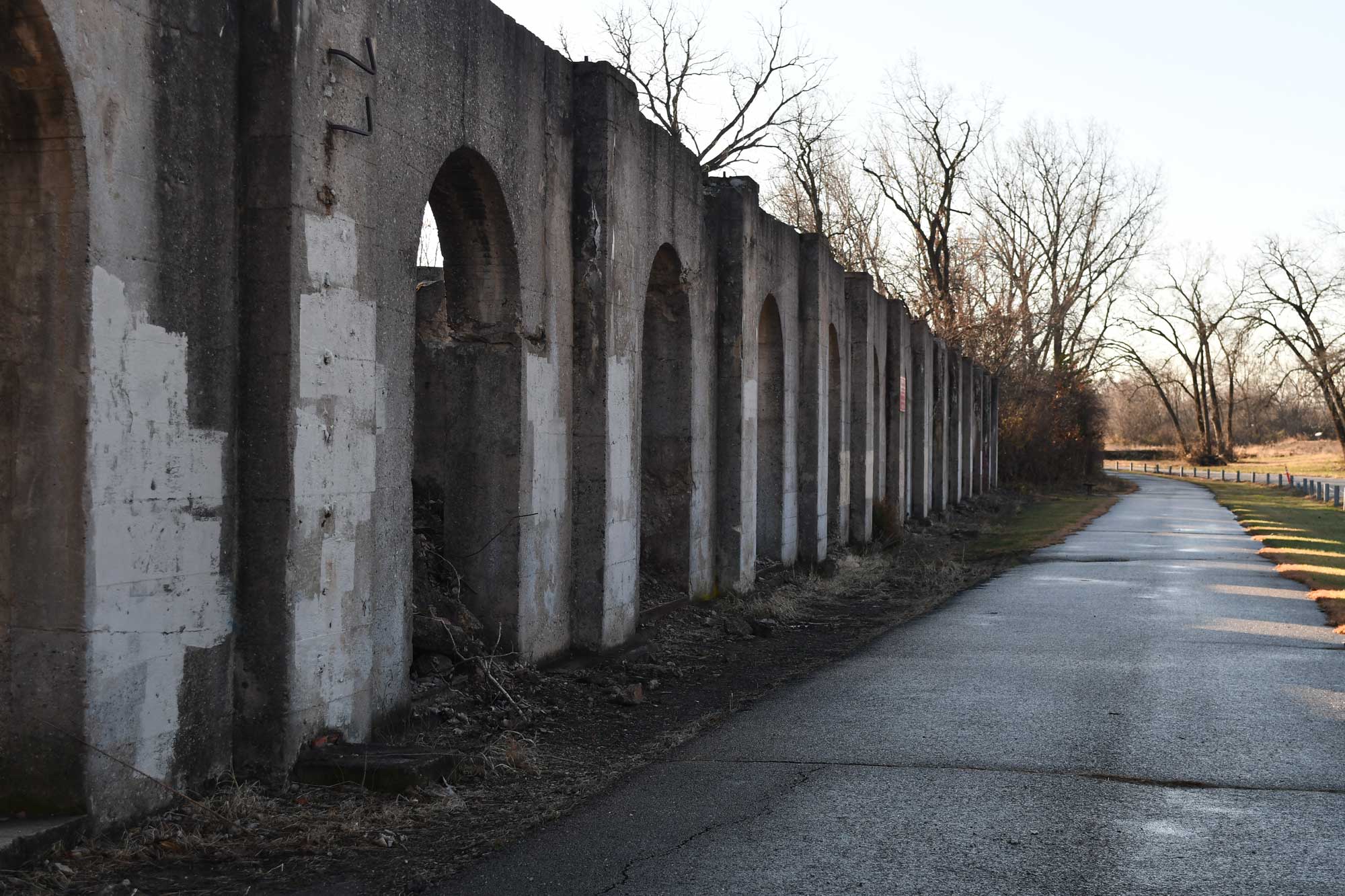
Joliet Iron Works preserves remnants of the iron manufacturing complex that helped give Joliet its “City of Steel and Stone” nickname. Vermont Cemetery Nature Preserve protects both a pioneer cemetery and high-quality prairie remnants. And these are just a few examples.
Pathway to preservation
Efforts by Wilson, his Rotary colleagues and the voters of Will County made a difference in the county’s quality of life for all species. They stepped in as development was ramping up in Will County and provided a pathway to preservation.
Because of their foresight, the lives of Will County residents have been greatly enriched and will continue to be for generations to come. The District will carry their vision forward as it seeks to protect, restore and interpret nature and make the Forest Preserve’s great open spaces accessible and enjoyable for Will County residents.