New audio tour brings Joliet Iron Works history to life
A new audio tour offers a modern take on exploring the storied past of Joliet Iron Works Historic Site.
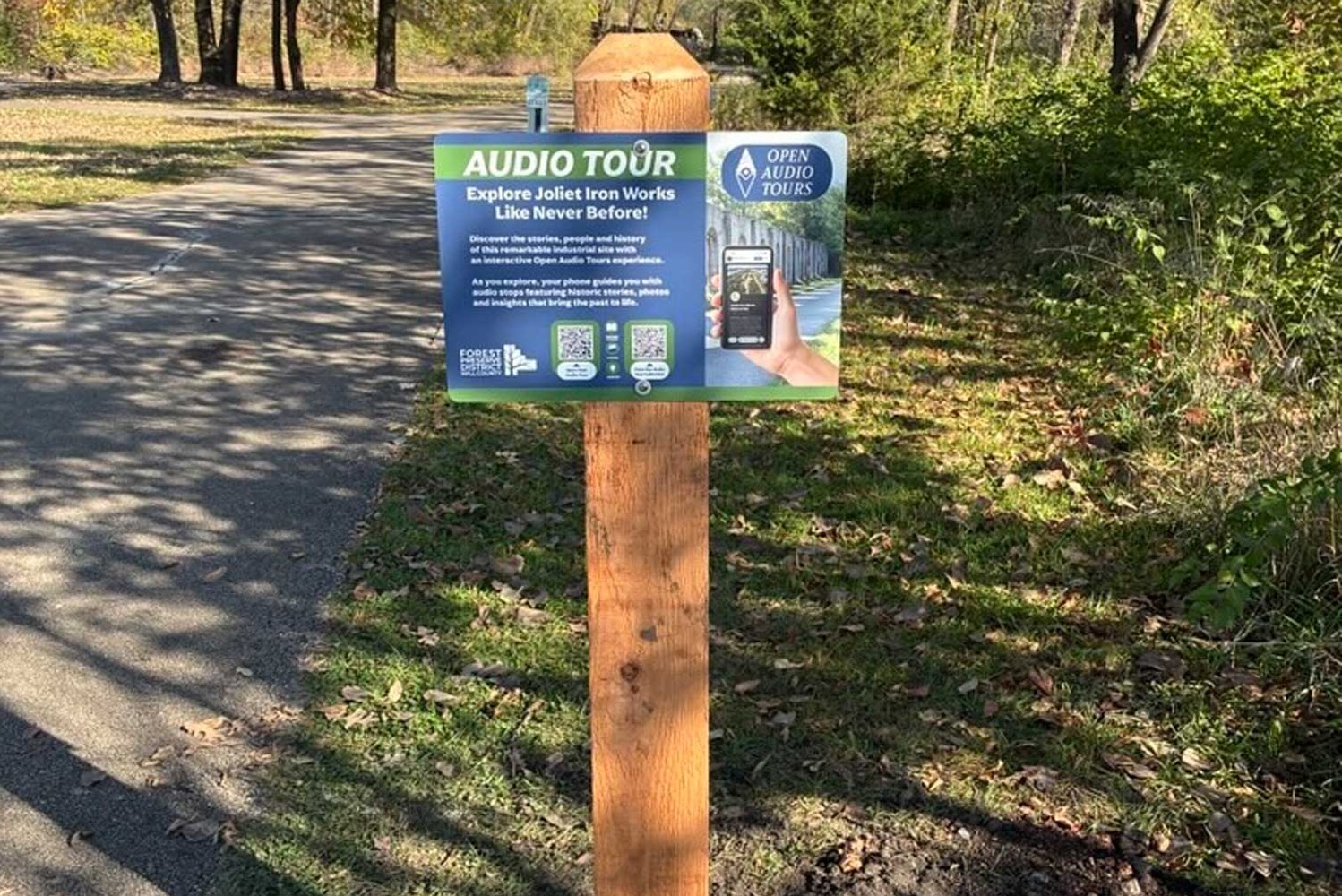
The audio tour allows visitors to use their smartphone to learn about the site's history via the Open Audio Tours app, available on the App Store and Google Play. The app can be downloaded in advance or via a QR code located on signage at either end of the interpretive trail at Joliet Iron Works.
The intent of the audio tour is to allow people to explore and learn about the site on their own schedule, said facility supervisor Jen Guest. It will help visitors discover how the Iron Works site helped shape Joliet into the City of Stone and Steel.
"The audio tour adds another fun, flexible way to experience Joliet Iron Works," she said. "Visitors can stop by any time of year, from sunrise to sunset, and explore the site at their own pace while learning about its history."
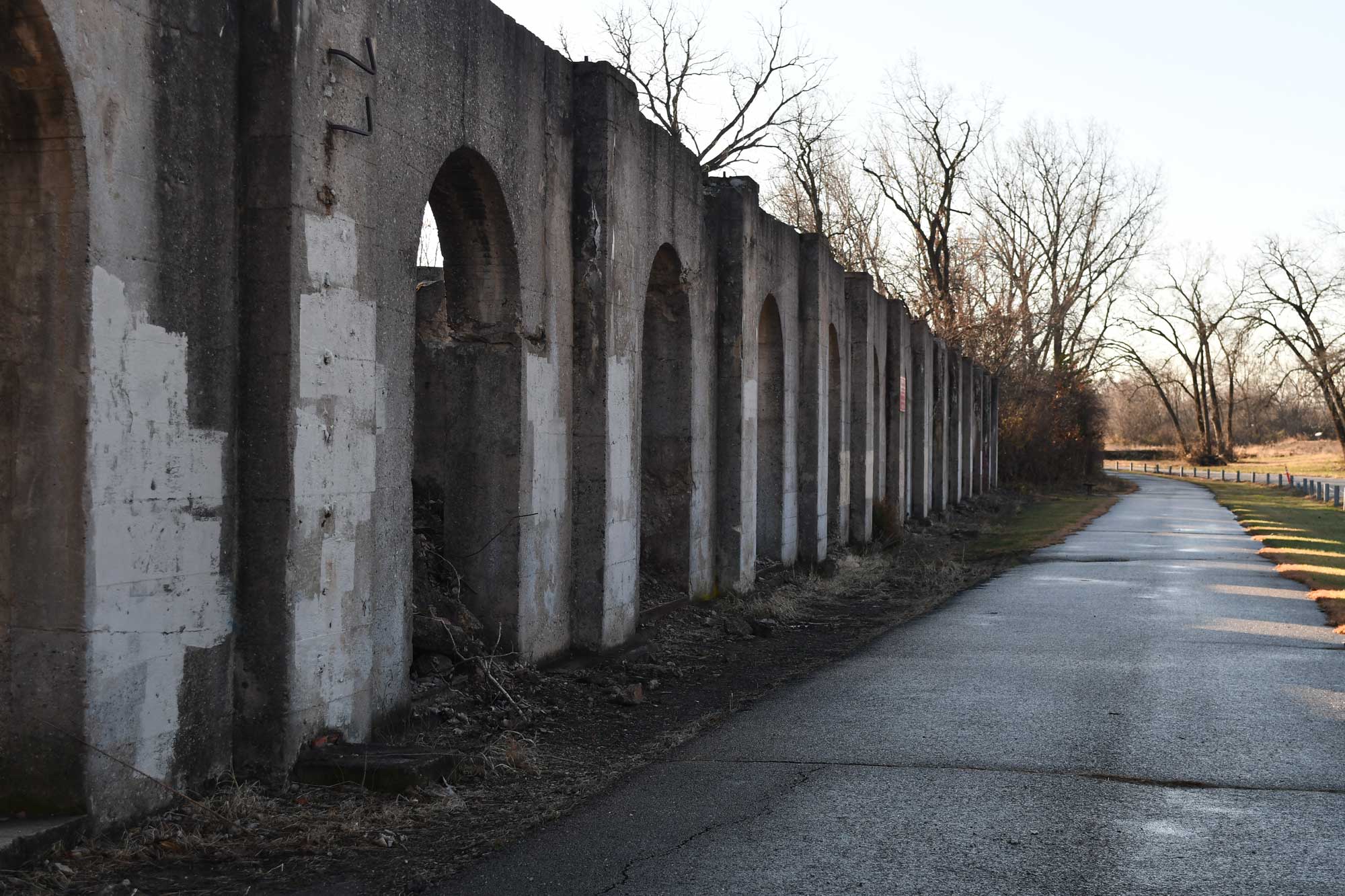
The tour narrates information about the industrial history of the site, which was a bustling iron-manufacturing plant in the late 1800s and early 1900s. As visitors continue on their walk, additional narration will begin as they reach predetermined locations along the trail. Because it relies on invisible, location-based triggers to begin the narration at each of the 12 stops along the tour, visitors are able to walk at their own pace.
"This site is especially well-suited for a walking audio tour because you can listen to the stories while taking in the ruins around you, bringing the history of the site to life," Guest said.
The app also includes dozens of historical photos visitors can explore as they move through the tour, allowing them to make visual connections between the past and the present.
"It helps bring the ruins into context and gives visitors a better sense of what this place was like in its heyday," Guest said.
Visitors can start the audio tour at either end of the interpretive trail, which is 1.25 miles round trip. It takes between a half-hour and an hour to complete depending on how much time is spent looking at the ruins and exploring the photographs in the app.
Forest Preserve staff have gathered insights into what life was like at Joliet Iron Works during its prime, from historical documents and photographs, newspaper clippings from the era and publications produced by the companies that operated at the site.
"Two particularly interesting publications are 'The Mixer' and 'The Steel Wire.' These company publications offer a fascinating look at life at the Iron Works, covering everything from the workers and manufacturing processes to production, accidents and other day-to-day happenings," Guest said.
The audio tour is intended as a supplement to the interpretive programs the Forest Preserve District offers at the site as well as the interpretive signage located along the trail.
"Each of these experiences offers something a little different," Guest said. "With the audio tour, visitors have another way to explore the preserve and learn about its history, even when a guided program isn't taking place. It gives people more flexibility in how and when they experience Joliet Iron Works."
Those interested in the history of Joliet Iron Works don't have to visit the site to learn more. People can also access the tour without visiting the site by downloading the app, searching for Joliet Iron Works and clicking through the available audio and photos.
The Forest Preserve hopes to offer more audio preserve tours via Open Audio Tours in the future after successfully piloting it at Joliet Iron Works, Guest said.
"We hope to build on what we learn from this first tour," she said. "We see this as another opportunity to make the history and stories of our preserves more accessible to the public."