Five fast facts about mighty muskrats

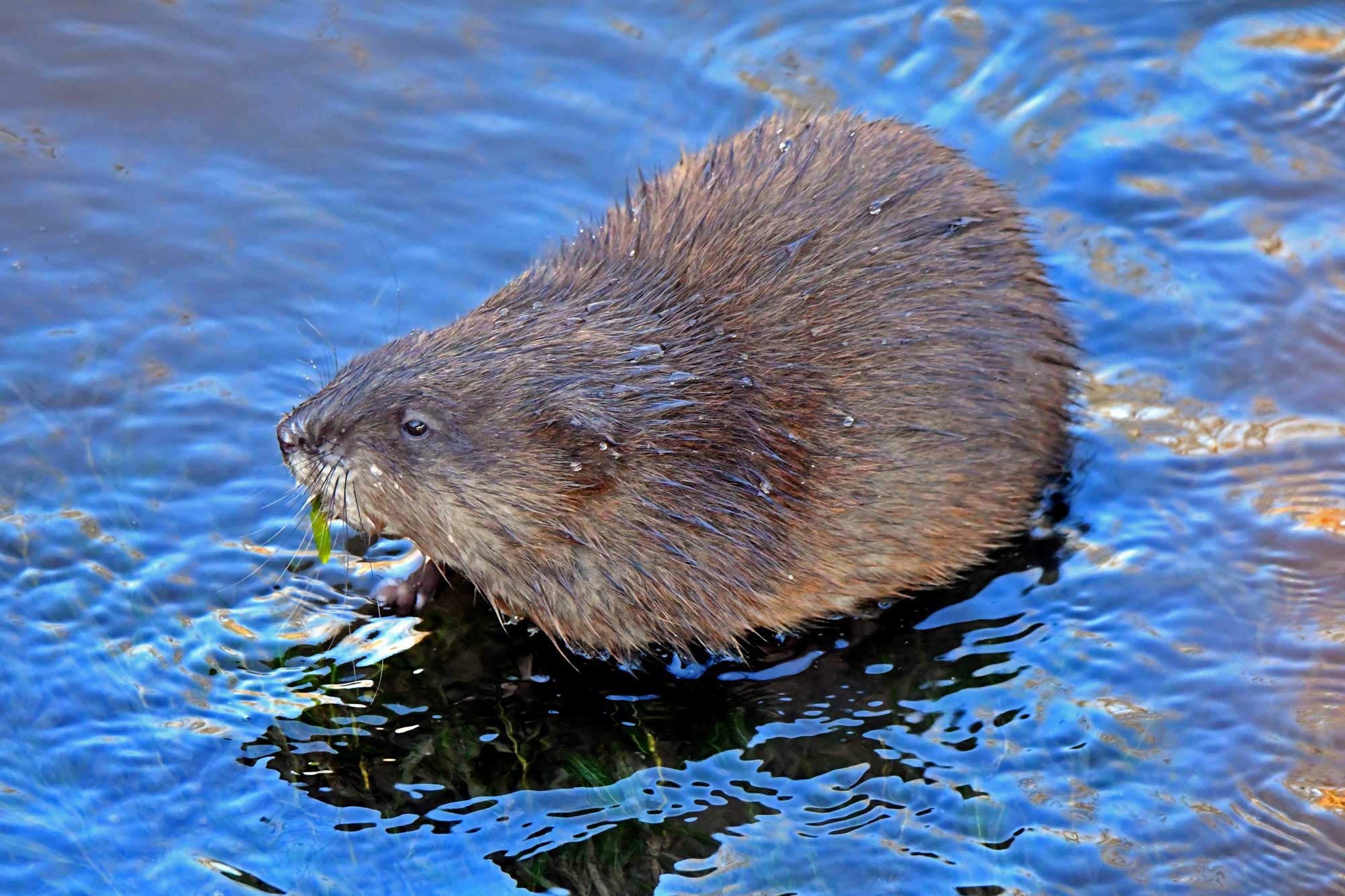
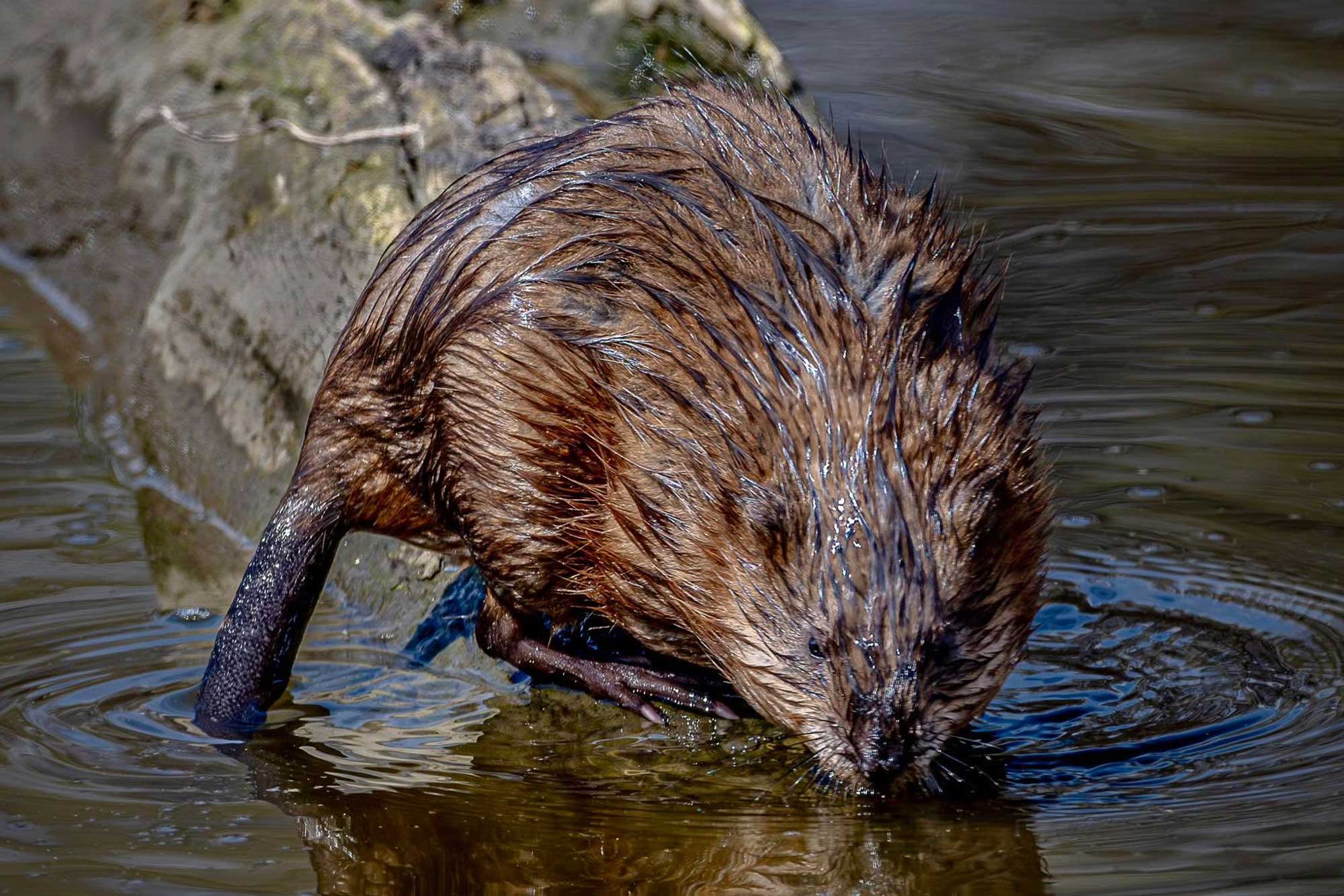
What's that furry brown animal in the water? There are a few possibilities, but there's a good chance it's a muskrat.
Muskrats are common across Illinois, most often found in areas with slow-moving water, like marshes, ponds, lakes and streams, according to the Illinois Department of Natural Resources.
They are mostly solitary and generally most active at night, although it's normal to see them during the day. They live in lodges constructed from vegetation in areas with shallow water or in burrows created in the banks of ponds and streams.
They love cattails
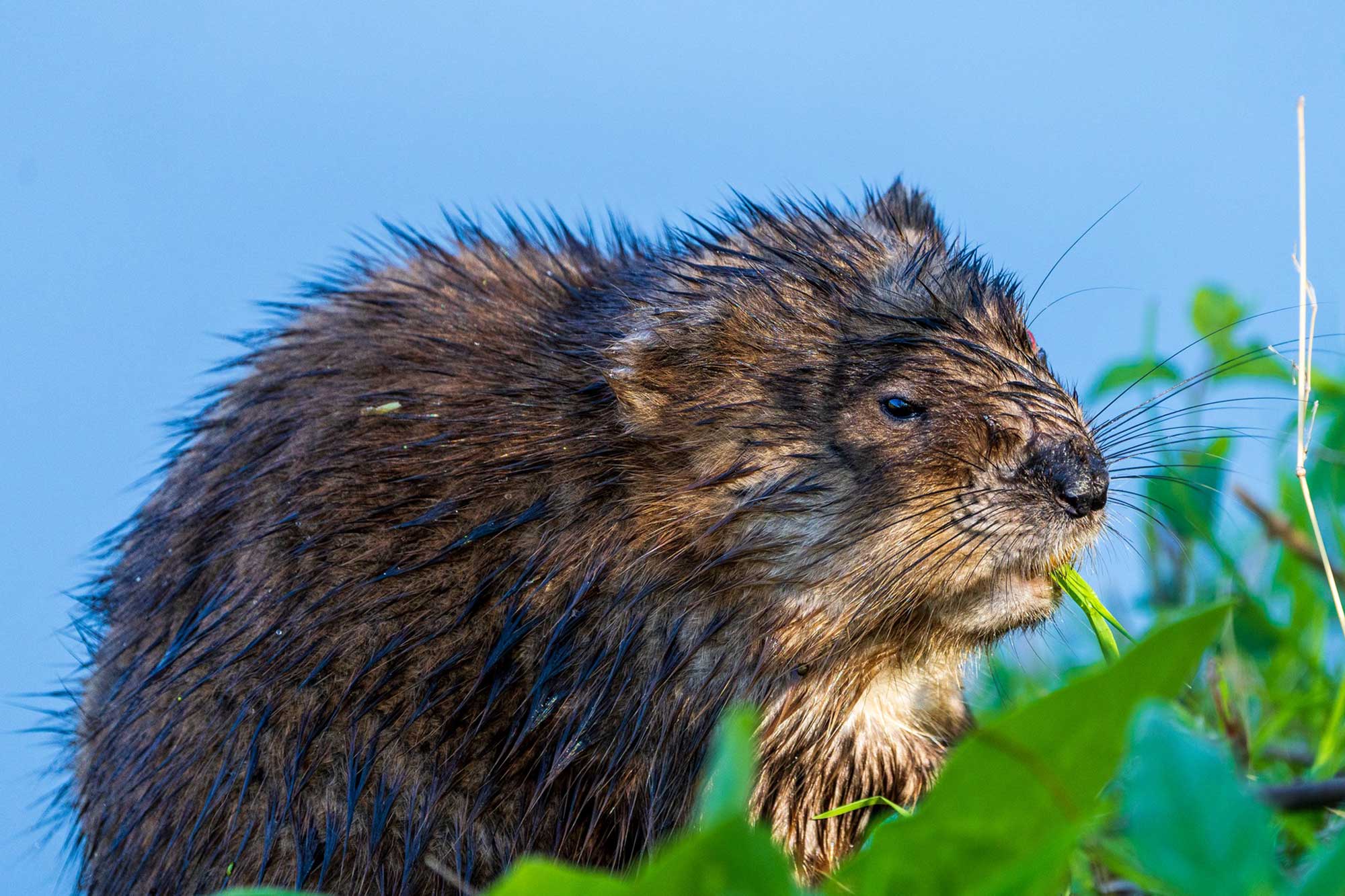
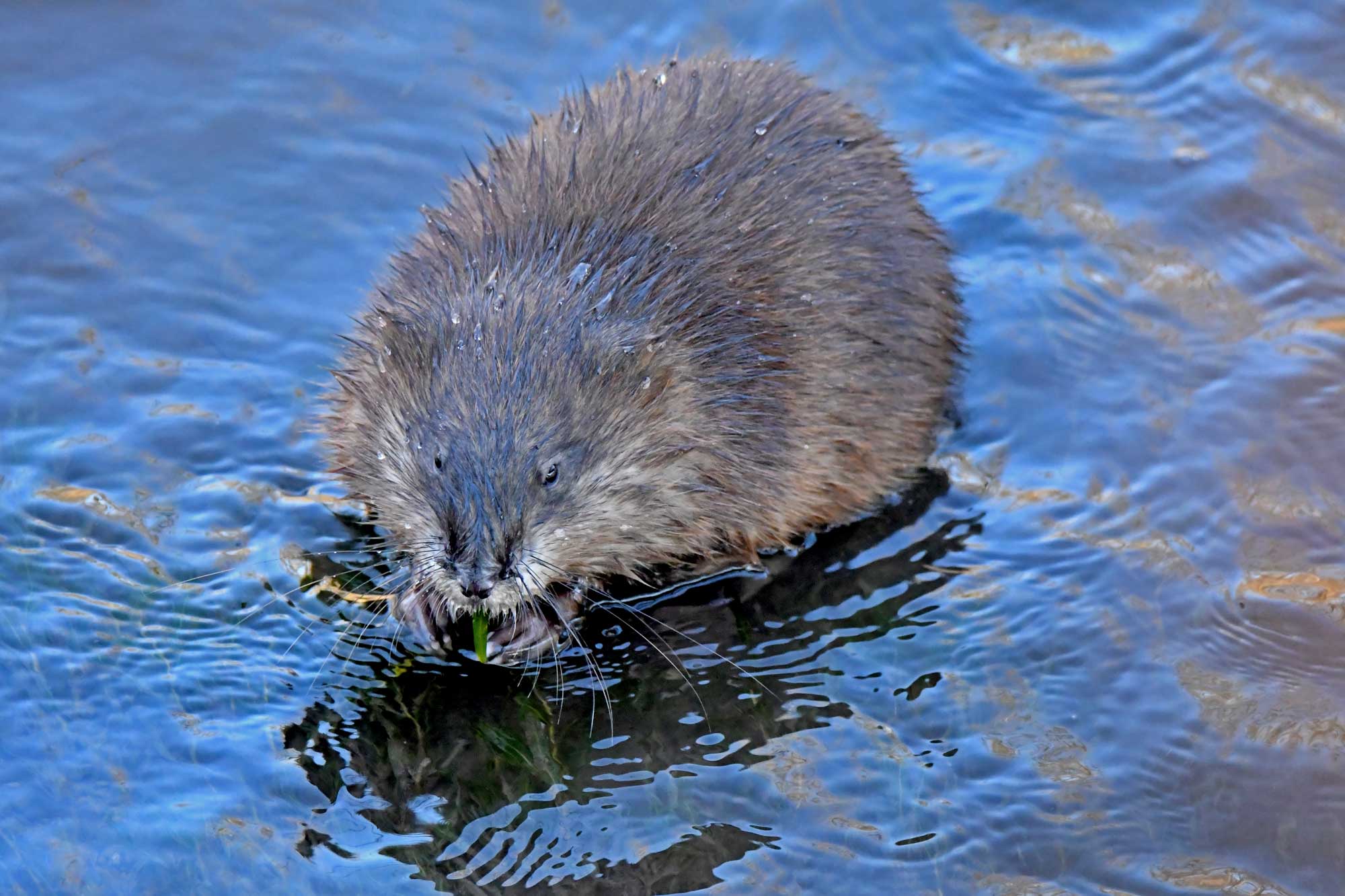
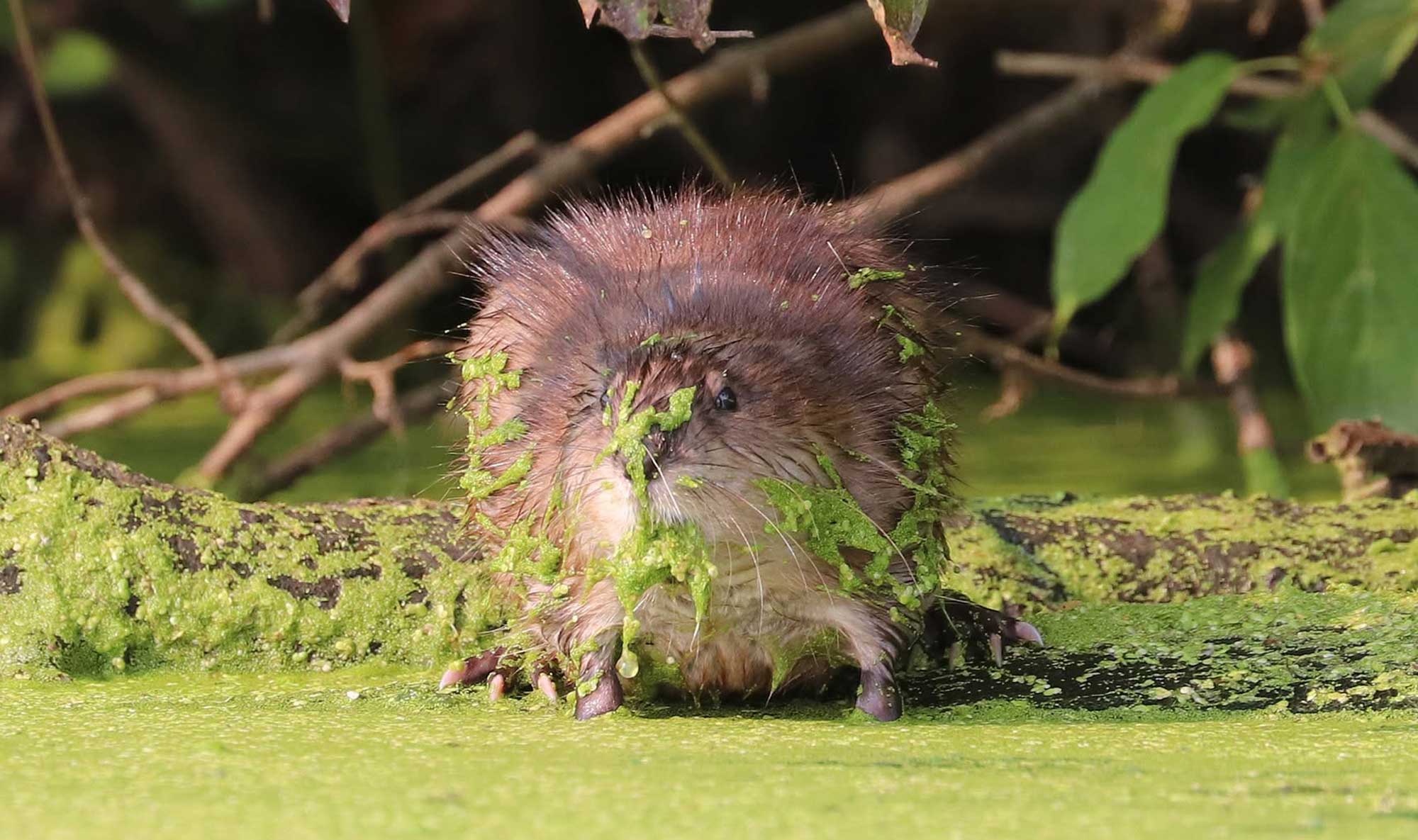
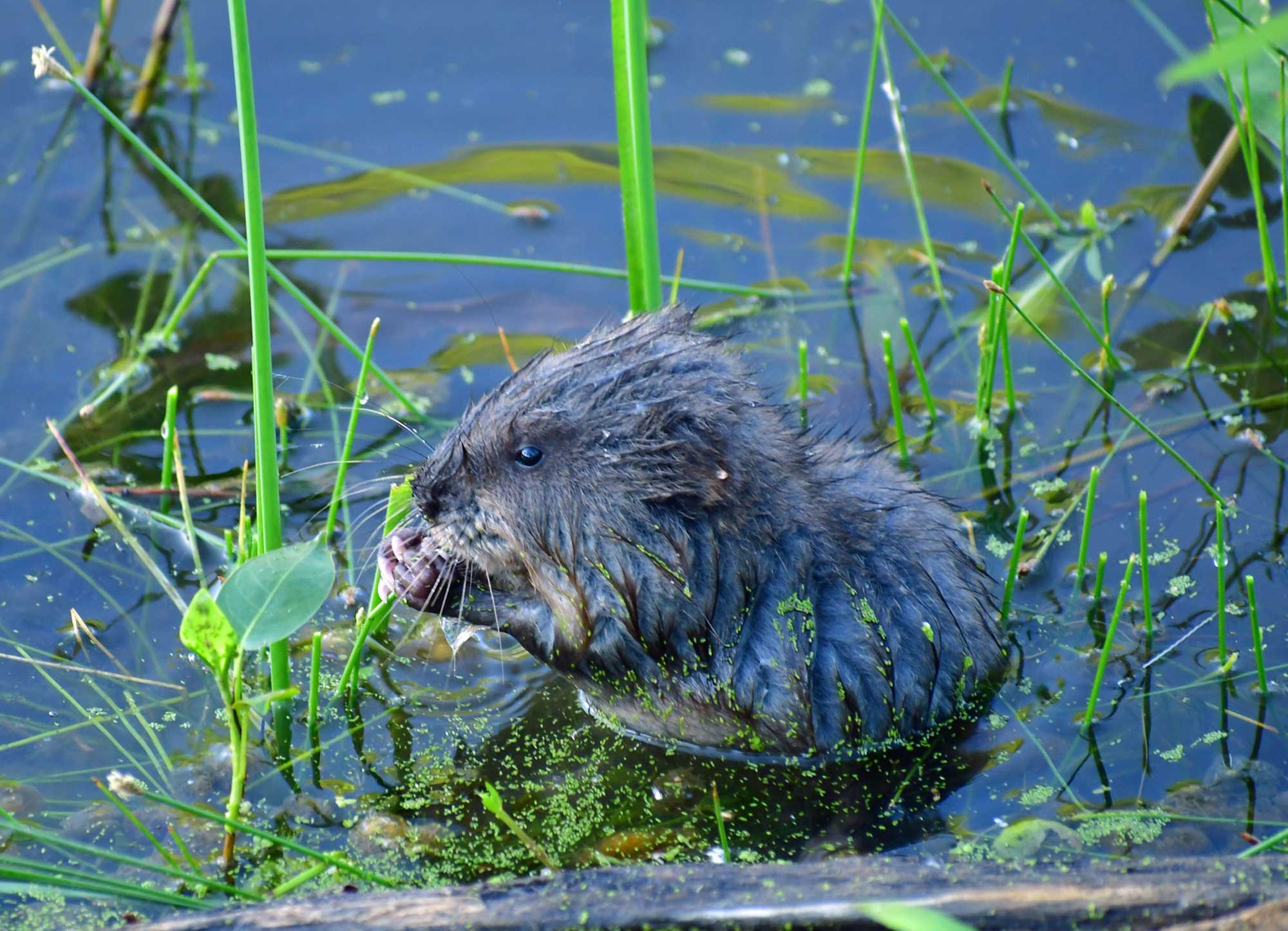
Muskrats are technically omnivores, but they mostly eat plants, and their primary food source is cattails, according to the Indiana Department of Natural Resources. They eat all the parts of cattails — the roots, stems and leaves. Besides cattails, they also eat a variety of other aquatic plants as well as some animals, including crayfish, fish, frogs, clams and mussels.
Cattails aren't just an important part of muskrats' diet. They also use them in their nests. They will shred cattails to create nests for their babies. Grasses can also be used.
They are often confused with beavers in the water
Muskrats are a lot smaller than beavers, weighing just 2 pounds to 5 pounds compared to 35 pounds to 65 pounds for beavers. Despite the huge size difference, it can be difficult to tell them apart in the water, where all furry brown animals tend to look similar.
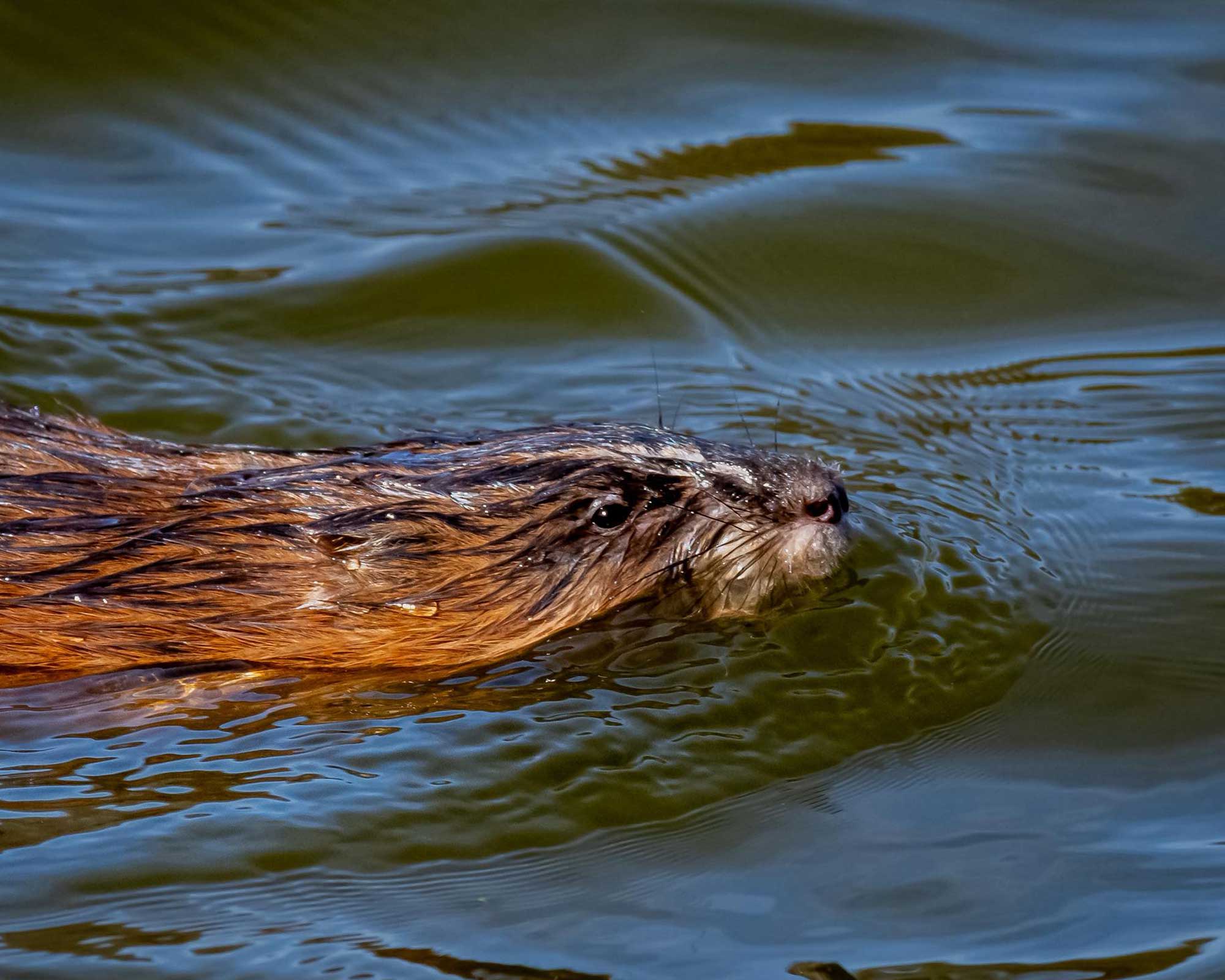
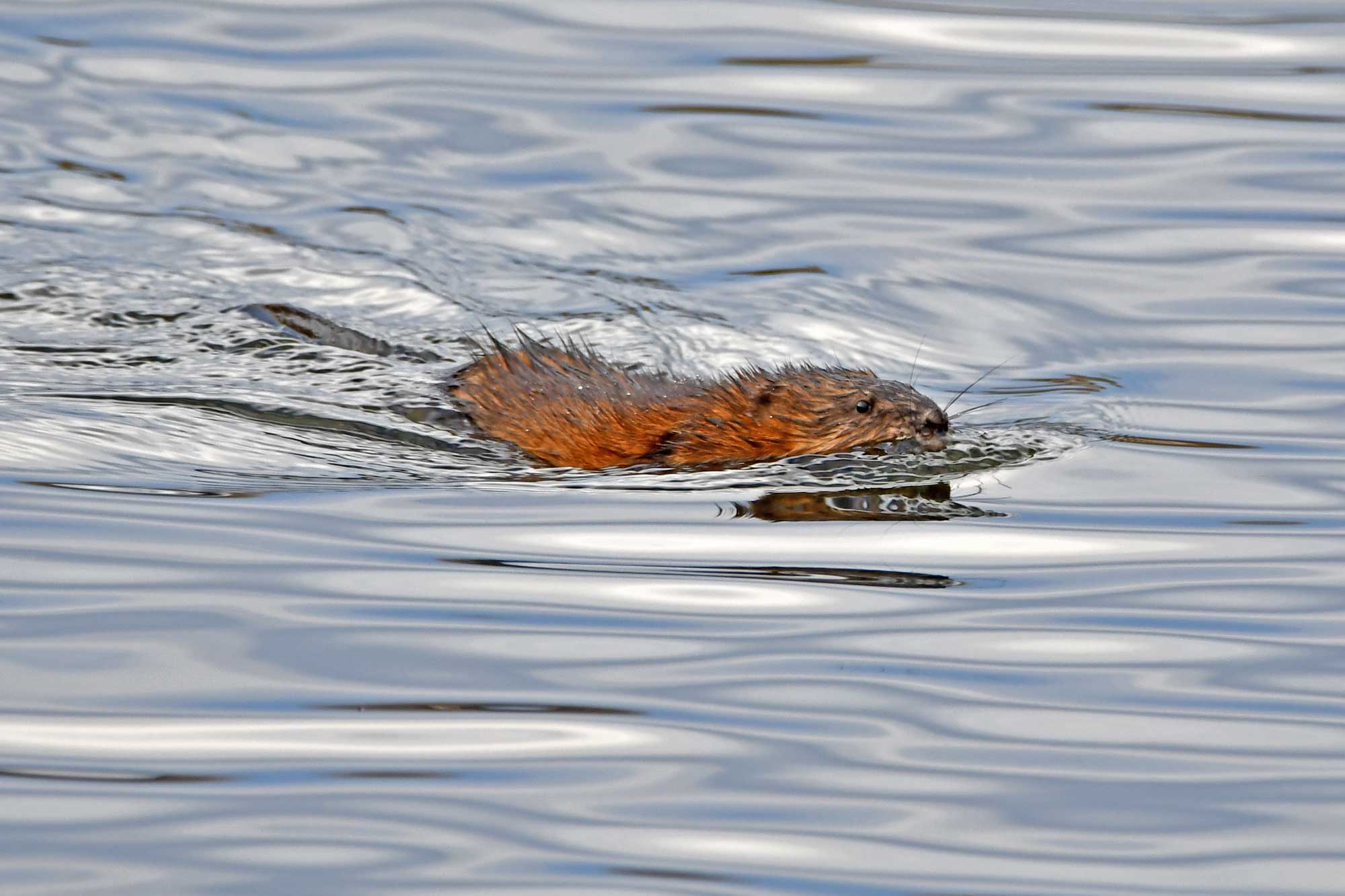
There are two good tricks for telling apart muskrats and beavers in the water. First, look at how they are swimming. Muskrats most often swim with their heads, backs and tails exposed at the water's surface. Beavers, on the other hand, usually only keep the top of their heads above water, according to Mass Audubon.
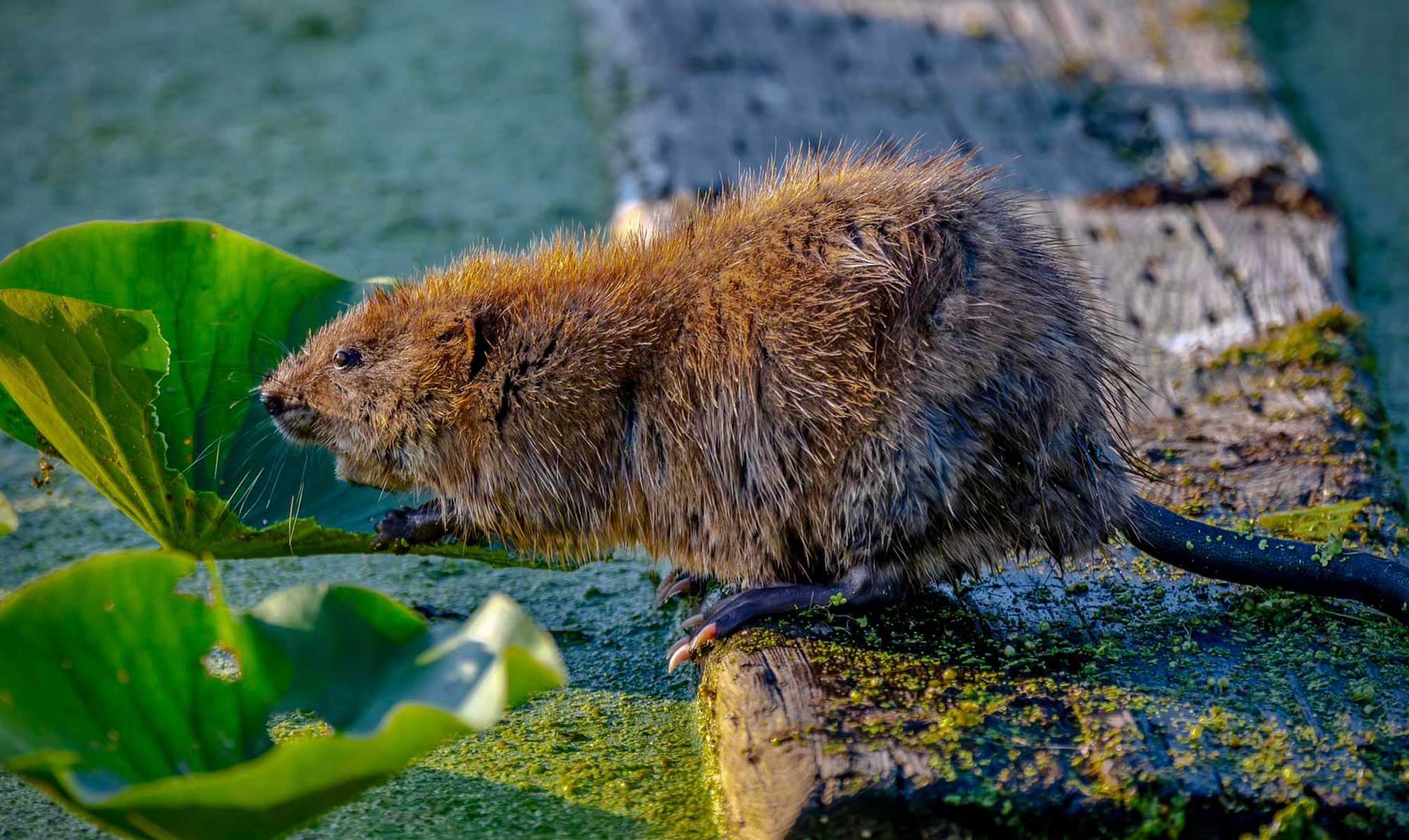
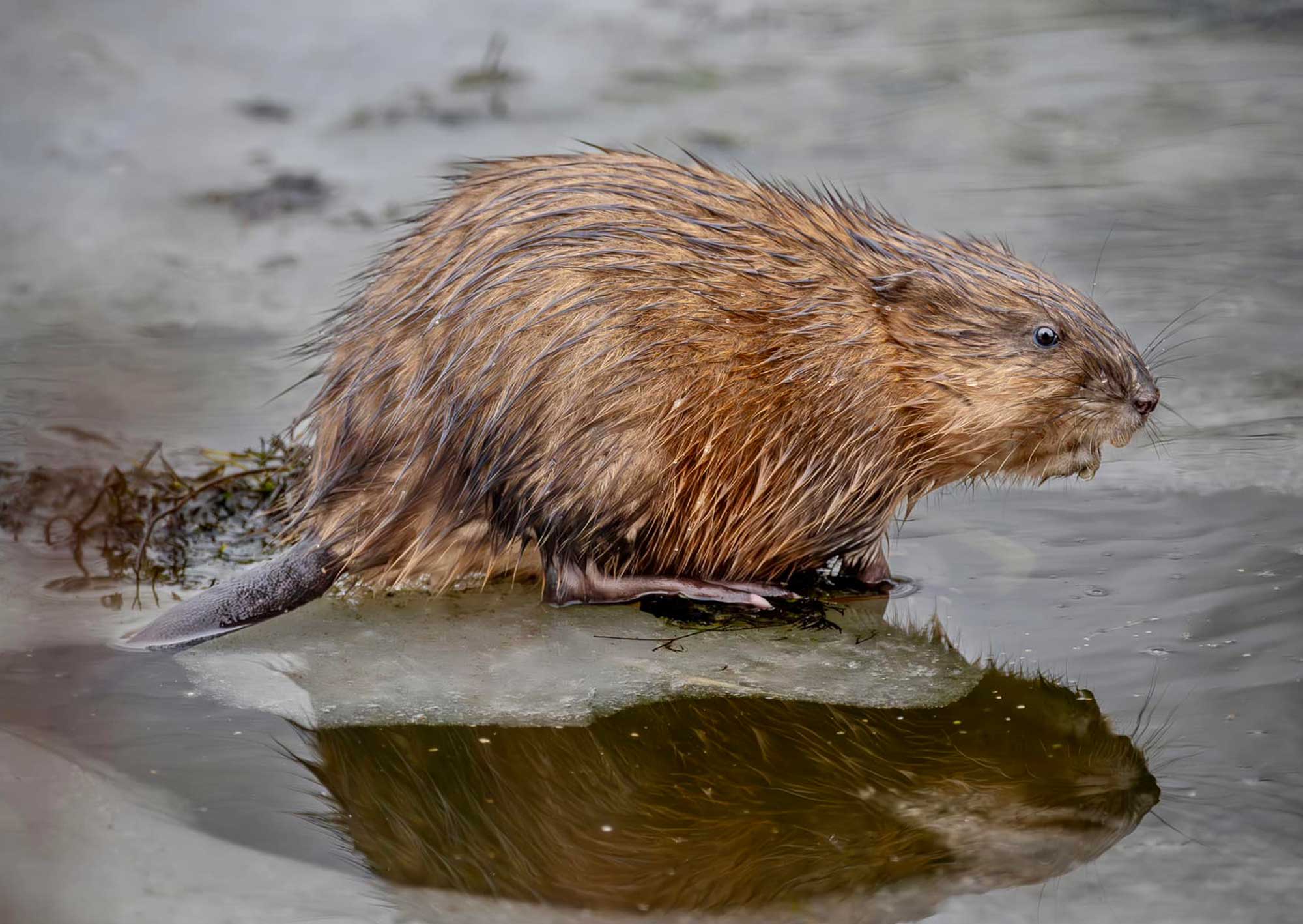
Both animals have long tails, but the shape is different. A muskrat's tail can be between 7 inches and 12 inches long, and they are thin and rat-like. A beaver's tail is similar in length — 10 inches to 13 inches — but they are flat and broad, usually 3.5 inches to 8 inches wide.
They stay busy all year long
Muskrats don't store food for winter like some other animals do, so they have to stay active throughout the year so they can eat, the Minnesota Department of Natural Resources reports. When it is cold in winter, muskrats will sometimes huddle together for warmth even though they are mostly solitary animals.
In the winter, they mainly eat roots and tubers that they access from underneath the ice and then will return to their lodges or burrows to eat. When their food source is located too far from their shelter, they will create a secondary shelter on the ice where they can eat, the Indiana DNR reports. These shelters, called pushups, are dome-like structures made from vegetation, and they are built over holes in the ice to allow them access.
They stink
Muskrats won't win any contests for stinkiest animal around anywhere where skunks are also in the running, but they can have an off-putting odor. In fact, they are named for their musky smell, the Indiana DNR reports.
Muskrats use their musky-smelling secretions for a few purposes: to mark their territory and attract a mate. When their musky secretions aren't enough to keep other muskrats out of their territory, they will squeak, squeal or use other vocalizations as a warning.
In Illinois, mating season for muskrats is between March and September, and the musky secretions are their primary way of attracting a mate. Females can have up to three litters a year, with the first usually born between April and June. Litters generally have between three and six babies, called kits, that the females take care of with no help from the males.
How much time young muskrats spend with their mothers can depend on what time of year they are born. Kits from the first litter of the year may be pushed out to live on their own when they are only a month old if their mother is preparing for another litter. The last litter of the year may spend their first winter with their parents before going off on their own in the spring, according to Indiana DNR.
They can't swim at birth
You might think that an animal that spends a good portion of its life in water is born knowing how to swim, but that's not the case for muskrats. Muskrats can't swim at birth, but they learn quickly, usually mastering it by the time they are a few weeks old, Animal Diversity Web reports.
Diving skills come a little later, a month or two after they are born. Once they have mastered swimming and diving, they are quite skilled in the water. They can even swim backwards, and they can hold their breath underwater for up to 15 minutes.
Muskrats are born with their eyes closed and are fully dependent on their mothers for awhile after birth. They grow and learn quickly and are weaned and entirely independent by the time they are about a month old, Indiana DNR reports. They reach their full adult size when they are about 6 or 7 months old.