All about earwigs: Get to know this peculiar insect
Many among us eschew insects, but the earwig, in particular, seems to evoke strong responses from people, even those who don't usually jump at the sight of bugs.
The name itself might be a little disconcerting to some. Earwig might make you think these insects like to crawl into humans' ears. Their name, which means "ear creature," actually comes from the idea that earwigs crawl into people's ears while they are sleeping, Penn State University reports. Luckily, though, there's no truth to that old superstition.
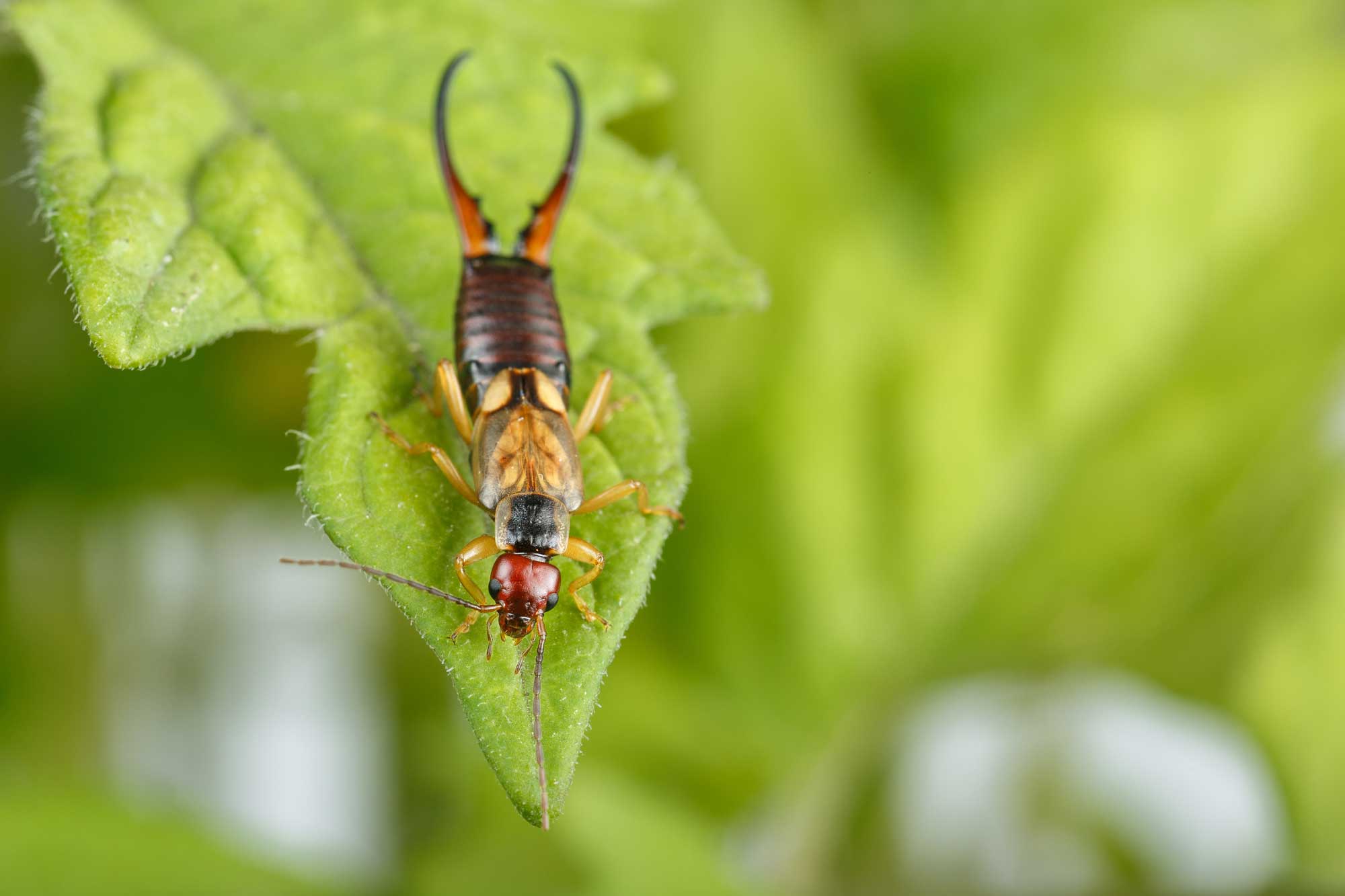
It's not just the name that gives people pause. Take a good look at an earwig. They are dark reddish-brown in color and only about 5/8 of an inch long, but they have prominent pinchers projecting from their abdomens.
Those pinchers, called cerci, might make some people do a double take. They are nothing to worry about, though. While they won't cause any harm to humans, earwigs do use their pinchers to grasp prey and protect themselves, according to the University of Minnesota Extension.
Their pinchers are also a good way to tell a male earwig from a female. Both males and females have cerci, but they look different. A female's are thin and straight, while a male's are curved and more stout.
The world is home to many species of earwigs — about 1,800 in all. Some are native to North America, but most are not. Here in Illinois, the European earwig is the most common species, the University of Illinois Extension reports. It is native to Europe and was introduced in the United States in the early 1900s.
Look for earwigs in dark, moist spots, like under flowerpots, boards and logs and in mulch, cracks and crevices. Inside, you might find them in basements and crawlspaces.
Most earwig species, including the European earwig, are scavengers, and they eat both animals and plants, according to the Missouri Department of Conservation. They will hunt for smaller creatures like aphids and mites and will eat insect eggs in addition to plants including dahlias, hostas, marigolds, petunias, roses and zinnias. When they feed on flower blossoms, they often leave small, irregular holes on the petals as a sign of their activity.
Earwigs live for about a year, and they have a three-stage life cycle. Females lay eggs that hatch as nymphs about a week after they are laid. The nymphs have the same body shape as adults but smaller, and they will emerge from their nests in May or June, the Minnesota extension reports. They will molt between four and six times as they grow into adults, fully maturing in late June or early July. They will remain active into the fall.
Most insect species do not provide maternal care — once the eggs are laid, the parental work is done — but earwigs are an exception. Female earwigs keep watch over their nests and will defend them from predators and even keep the nest clean. Once the eggs hatch, the mothers will also feed the babies for a short time, the Missouri Department of Conservation reports.
Although earwigs can cause some damage to garden and landscape plants, they are not usually destructive, plus they do not bite, sting or otherwise harm humans, the Illinois extension reports. If you want to prevent earwigs from getting inside your home, check your foundation for cracks and crevices and have them caulked. In addition, check doors and windows for gaps and make sure window screens fit well.
Outdoors, you can discourage earwigs by keeping the area around your home clear of mulch, stones and leaf litter and keeping your bushes and shrubs trimmed.