
Wilderness Wayfinders
June 25, 2026 | 9:30 A.M TO 11:00 A.M
Calling all adventurers! Learn how to use a compass and map before embarking on an adventure through the woods.

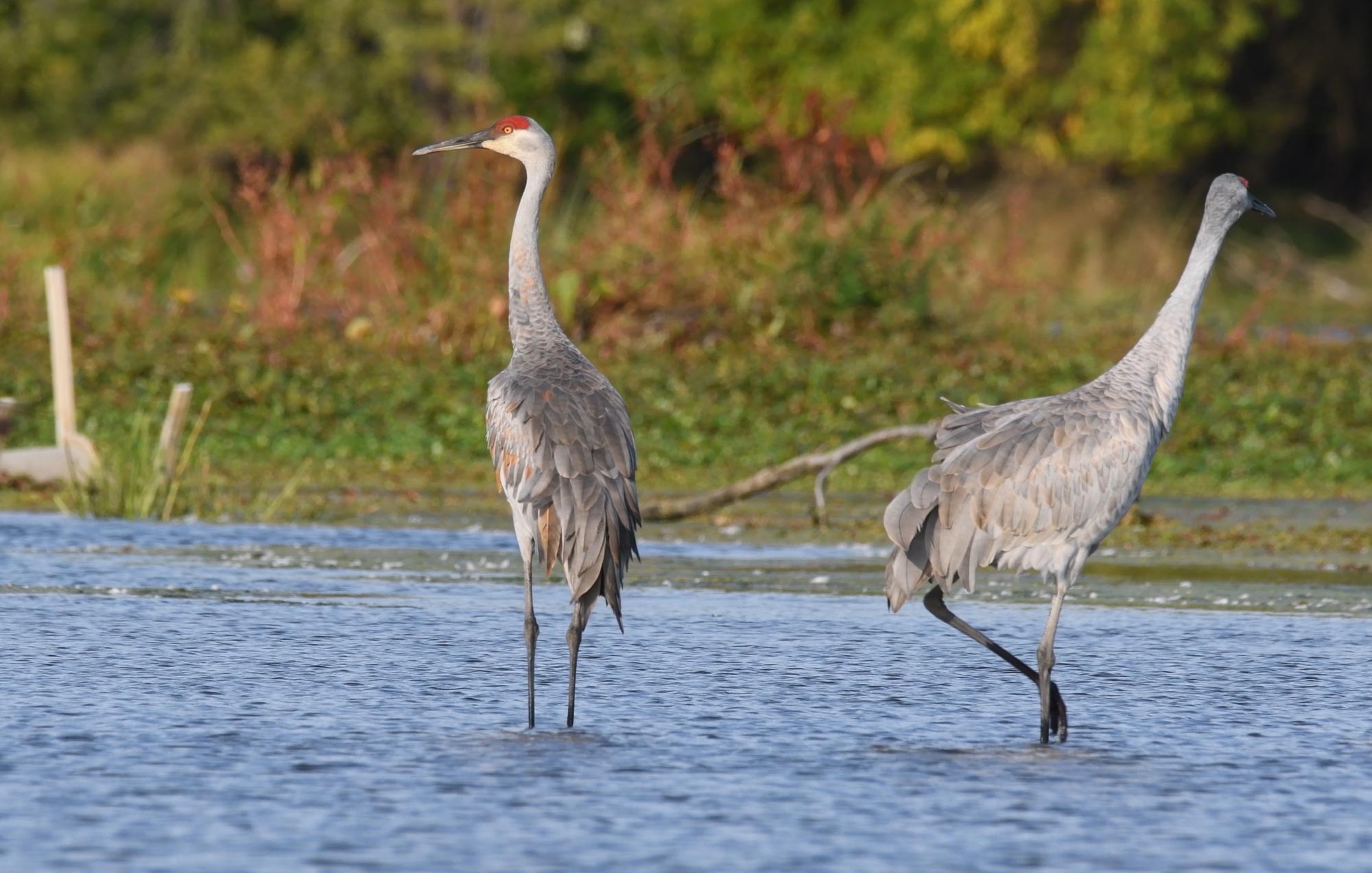
Sandhill cranes are a magnificent sight, whether flying overhead or congregating in prairies and fields, but we often realize the birds are nearby because we hear them before we see them.
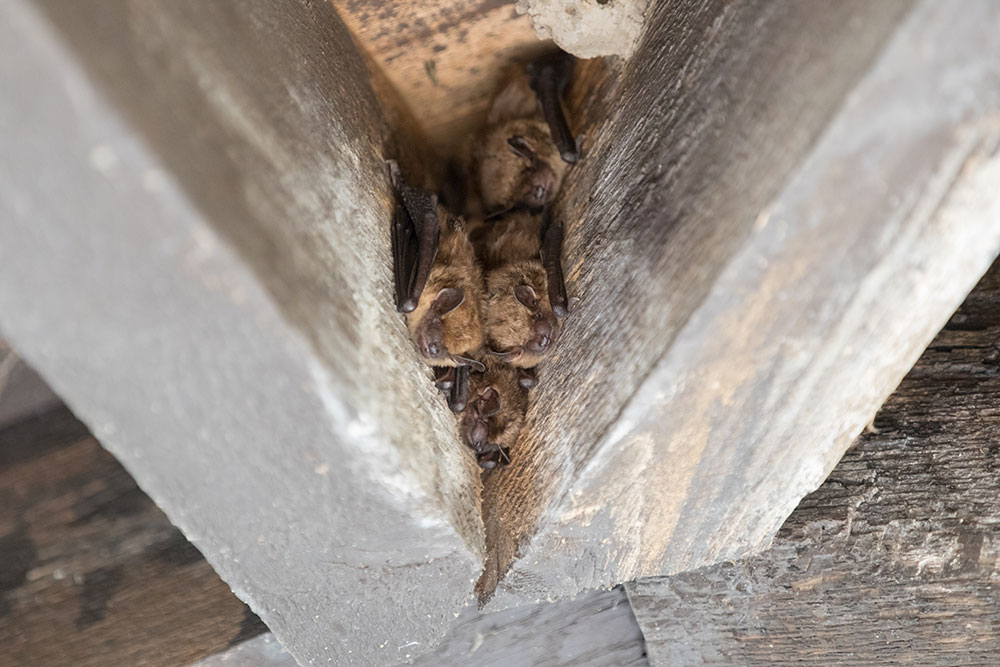
Here's your chance to get to know the eight bat species that call the preserves home.
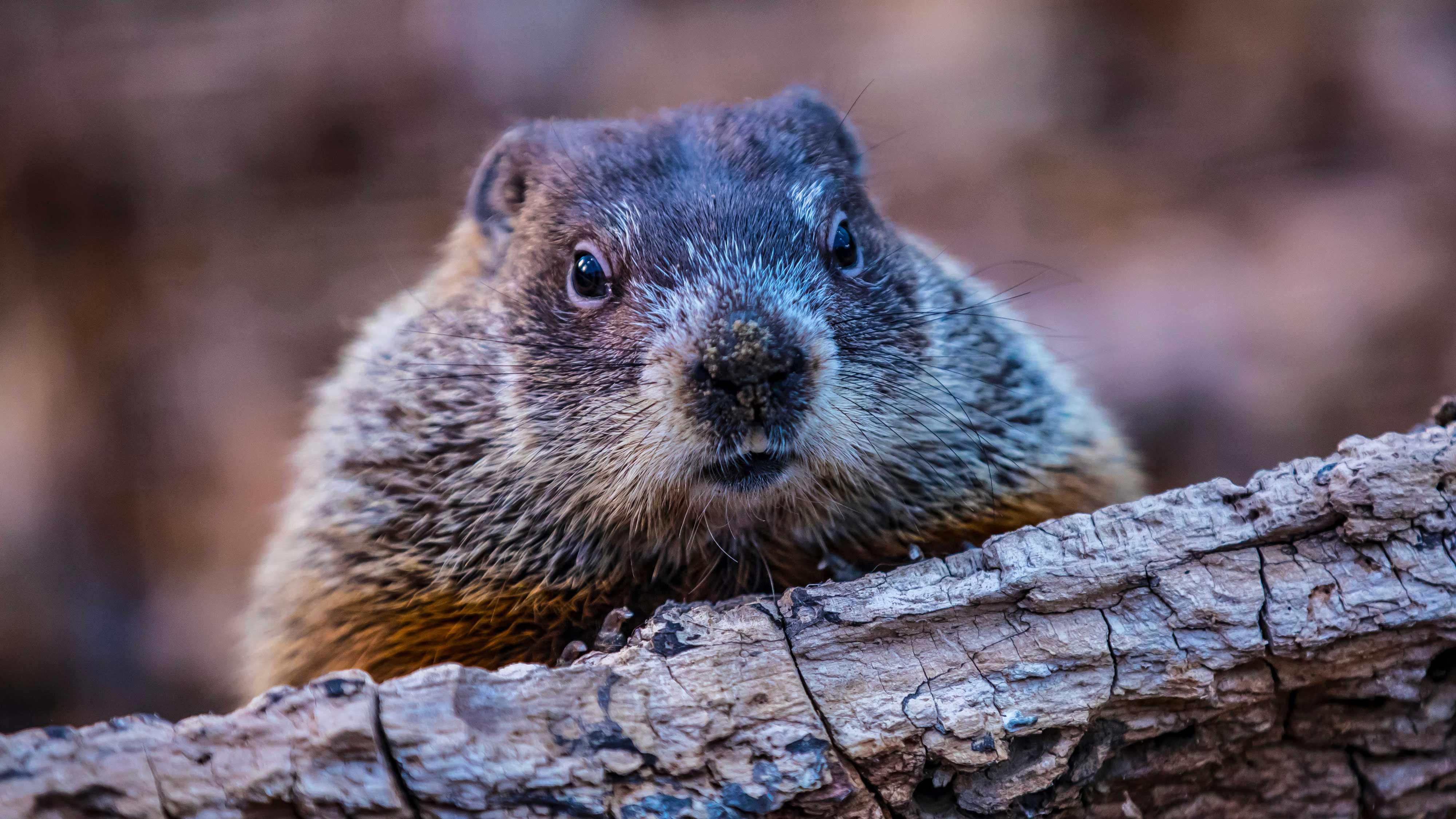
Here’s a look at some of the animals that spend their winters in northern Illinois and what they do this time of year to prepare.
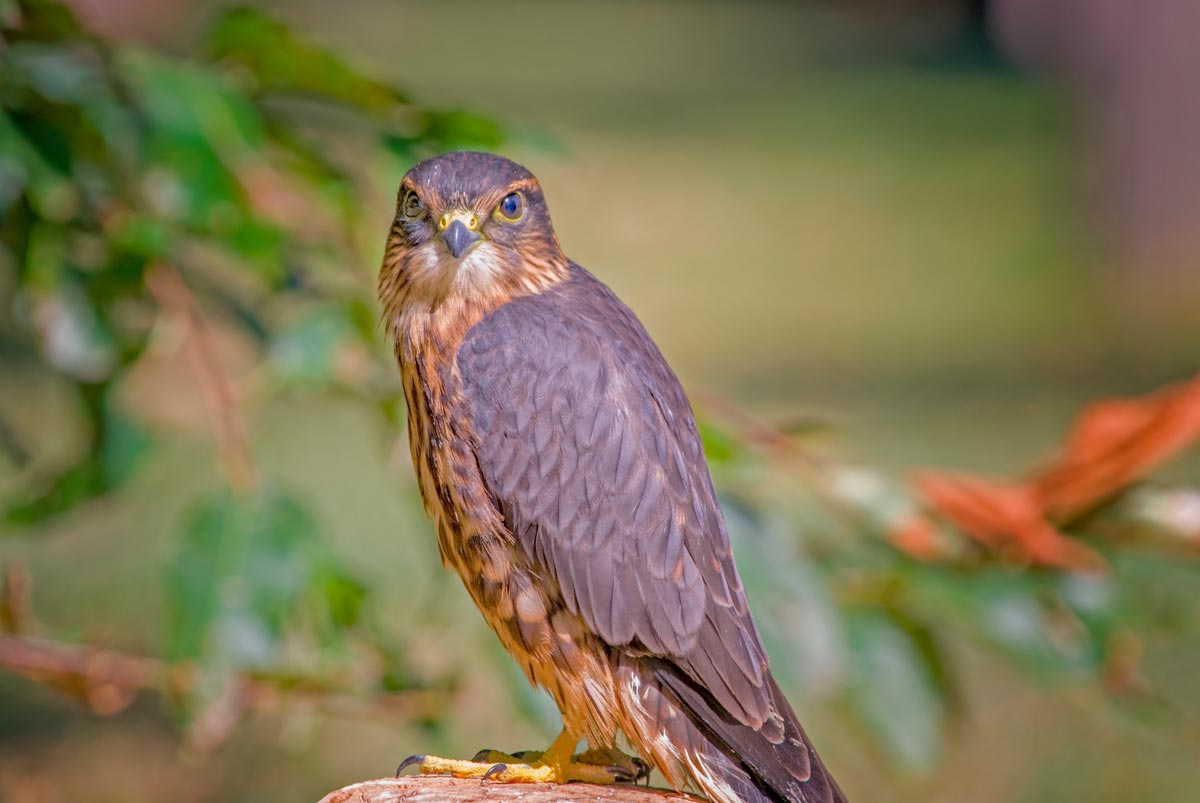
These birds are smaller than most falcons, known for their powerful flying and astute hunting abilities.
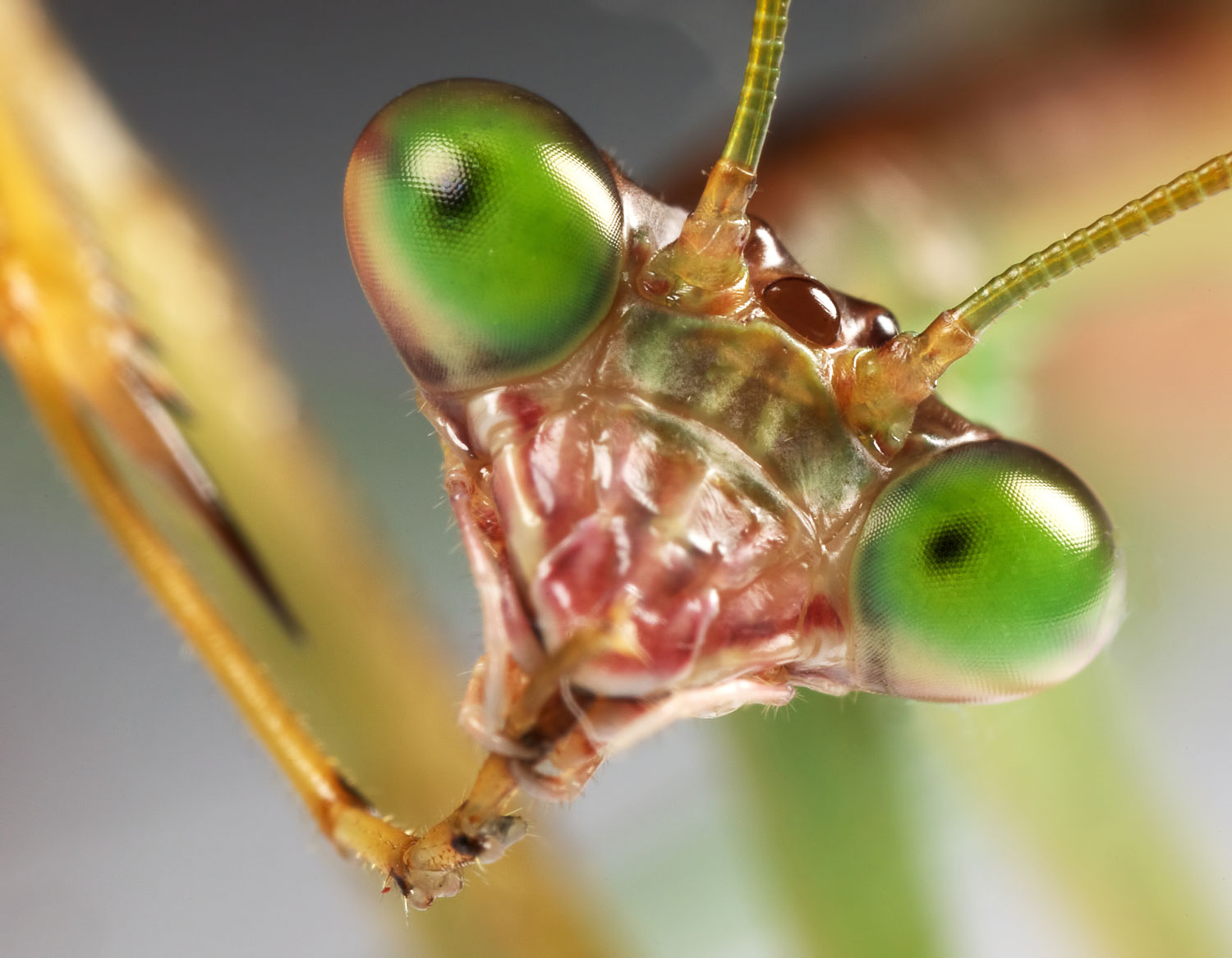
September and October are the most common times to see these intriguing insects.
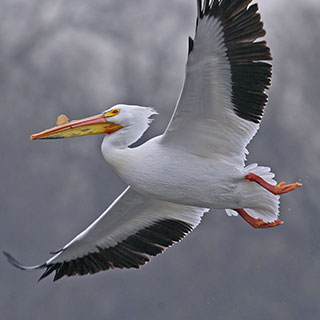
They make pit stops in Will County during spring and fall migration.

After peeling back the layers, this unique preserve conserves a piece of the 'City of Steel's' heritage.
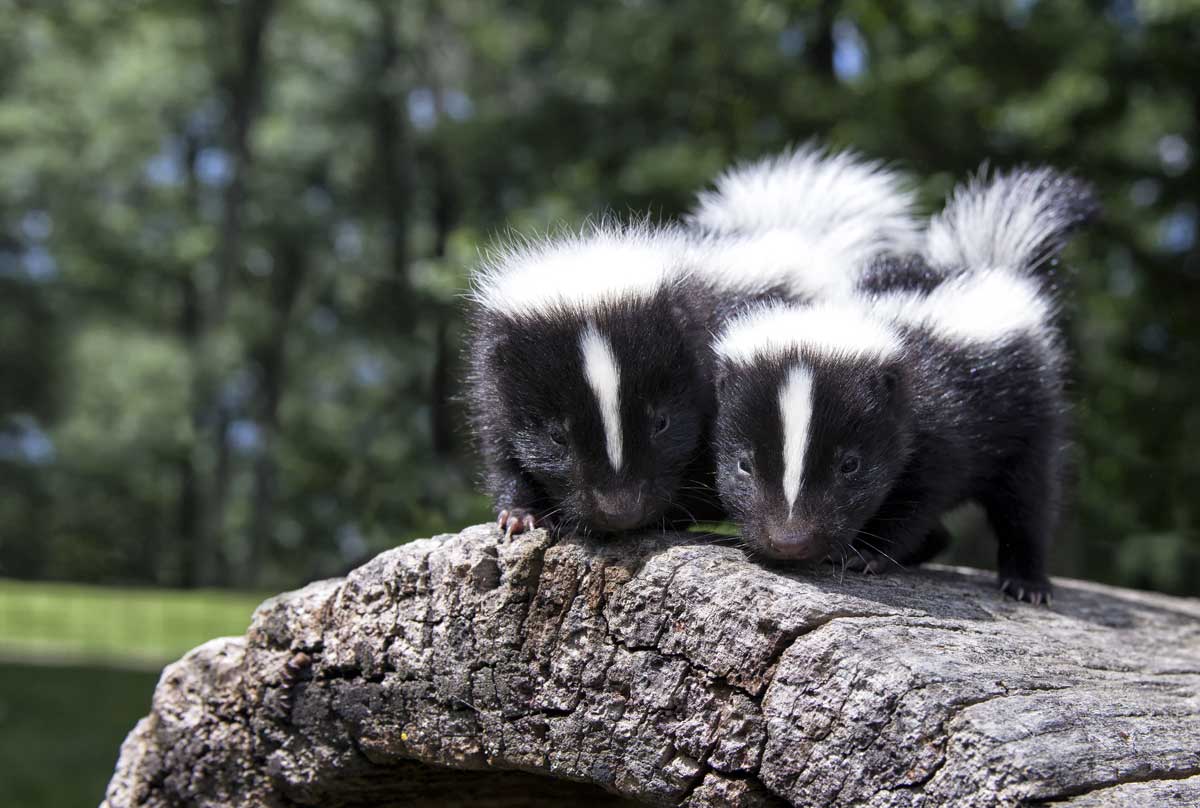
If you — or more likely, your dog — find yourself on the receiving end of a skunk’s stinky spray, you can’t say you weren’t warned.
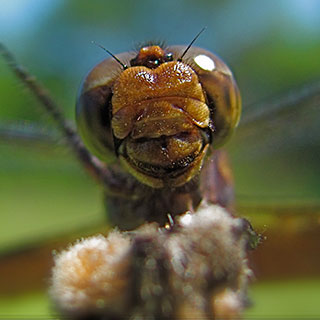
Take a closer look at these beauties seen in the preserves and some of their key traits.
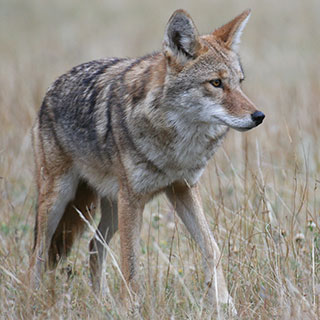
Knowing the facts about them can help turn your disdain into appreciation.
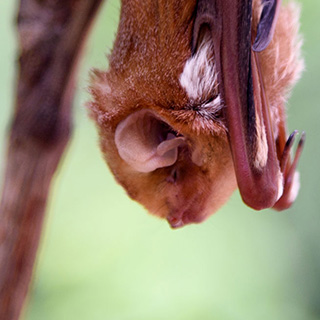
Despite the trepidation many people feel toward bats, they play a crucial role in the ecosystem, one that is critical to our own survival.
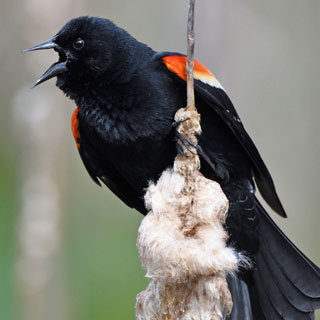
Red-winged blackbirds have a bad reputation ... but they're not alone when it comes to birds doing whatever it takes to make sure everyone knows where they stand in the pecking order of nature.

Follow these rules to protect your dog and the preserves.
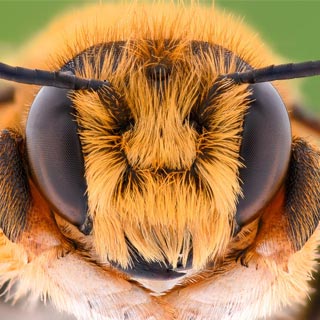
More than 20,000 species exist worldwide, and those bees are crucial to the world's food supply.

Each spring, homeowners declare war on dandelions, pulling out all the stops to keep America’s most hated weed out of their yards and gardens. But is it a war worth waging? Should we just leave these plants be?
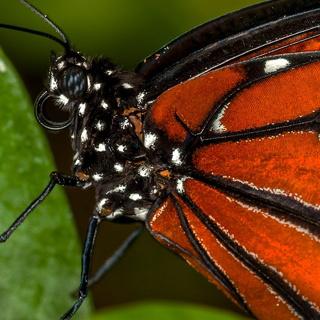
When you learn more about the journey the monarchs take to reach Will County, you start to appreciate these beautiful butterflies even more.
Sandhill cranes are a magnificent sight, whether flying overhead or congregating in prairies and fields, but we often realize the birds are nearby because we hear them before we see them.
Here's your chance to get to know the eight bat species that call the preserves home.
Here’s a look at some of the animals that spend their winters in northern Illinois and what they do this time of year to prepare.
These birds are smaller than most falcons, known for their powerful flying and astute hunting abilities.
September and October are the most common times to see these intriguing insects.
They make pit stops in Will County during spring and fall migration.
After peeling back the layers, this unique preserve conserves a piece of the 'City of Steel's' heritage.
If you — or more likely, your dog — find yourself on the receiving end of a skunk’s stinky spray, you can’t say you weren’t warned.
Take a closer look at these beauties seen in the preserves and some of their key traits.
Knowing the facts about them can help turn your disdain into appreciation.
Despite the trepidation many people feel toward bats, they play a crucial role in the ecosystem, one that is critical to our own survival.
Red-winged blackbirds have a bad reputation ... but they're not alone when it comes to birds doing whatever it takes to make sure everyone knows where they stand in the pecking order of nature.
Follow these rules to protect your dog and the preserves.
More than 20,000 species exist worldwide, and those bees are crucial to the world's food supply.
Each spring, homeowners declare war on dandelions, pulling out all the stops to keep America’s most hated weed out of their yards and gardens. But is it a war worth waging? Should we just leave these plants be?
When you learn more about the journey the monarchs take to reach Will County, you start to appreciate these beautiful butterflies even more.
Calling all adventurers! Learn how to use a compass and map before embarking on an adventure through the woods.
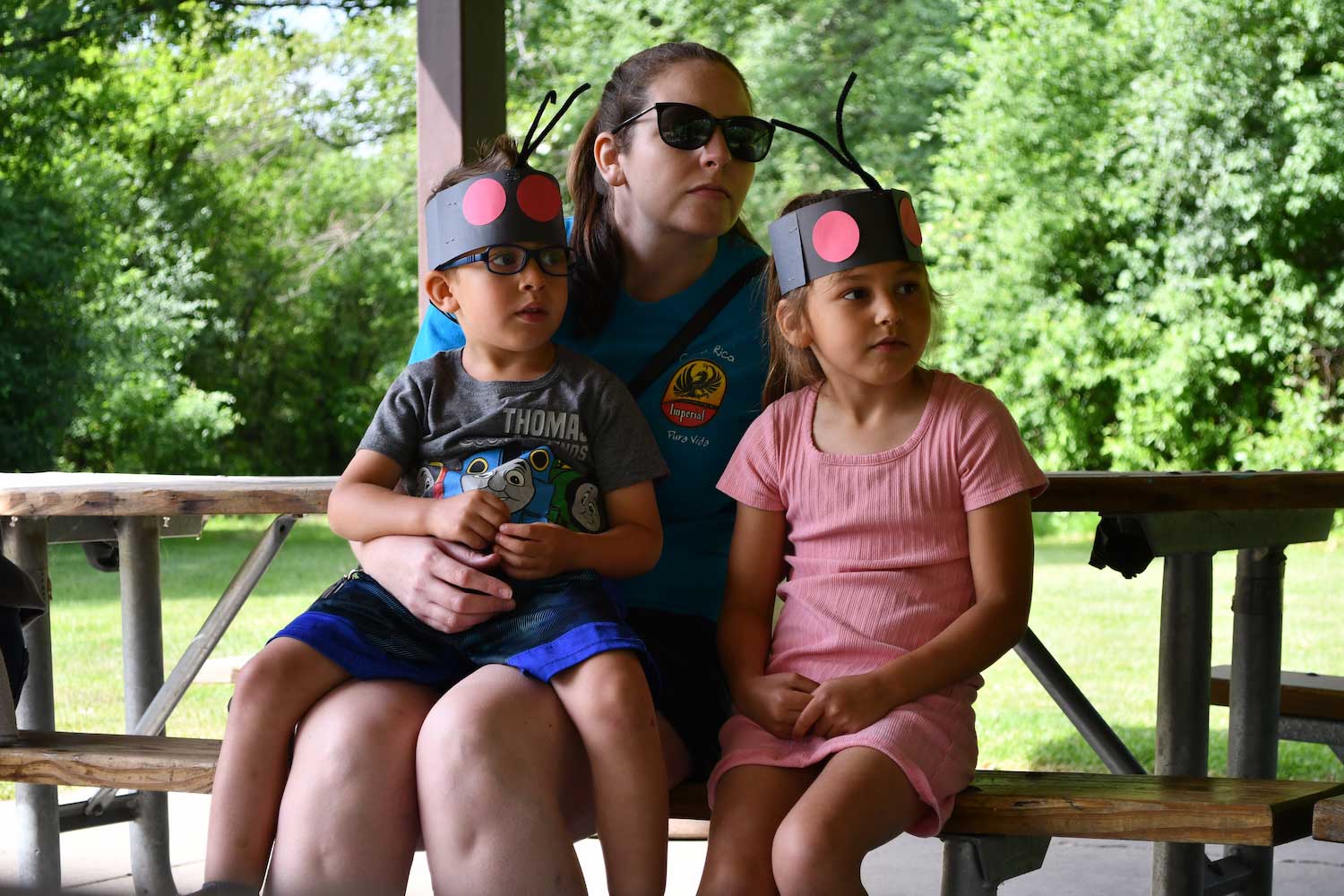
Answer the call of your wild child by getting outside with this monthly nature-themed program geared toward children ages 3 to 5.

It's not just our pets who suffer around the Fourth of July. Loud, booming fireworks pose serious risks to wildlife too.
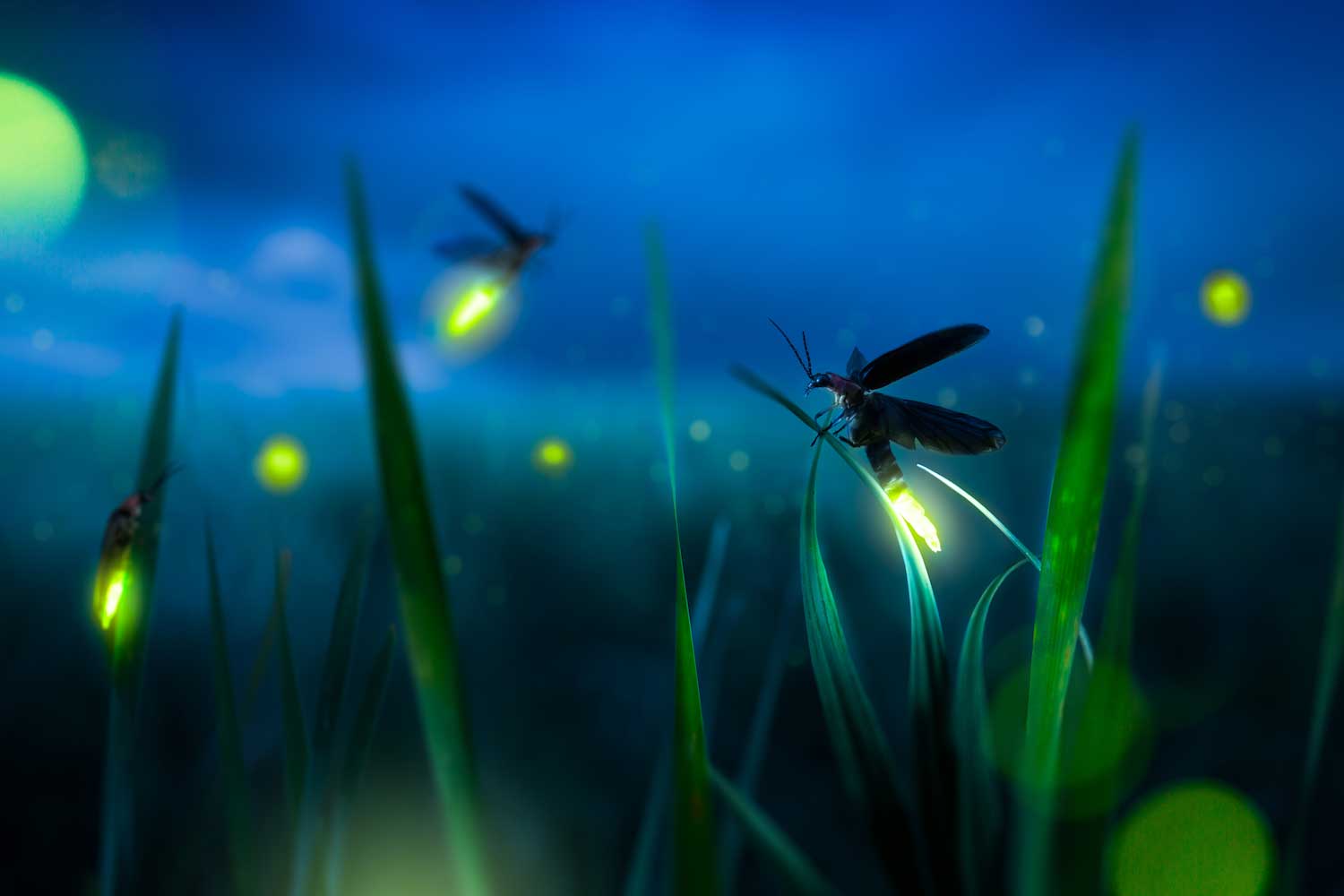
Catching lightning bugs is a summer rite of passage, but do you know how these bugs light up? Or why?
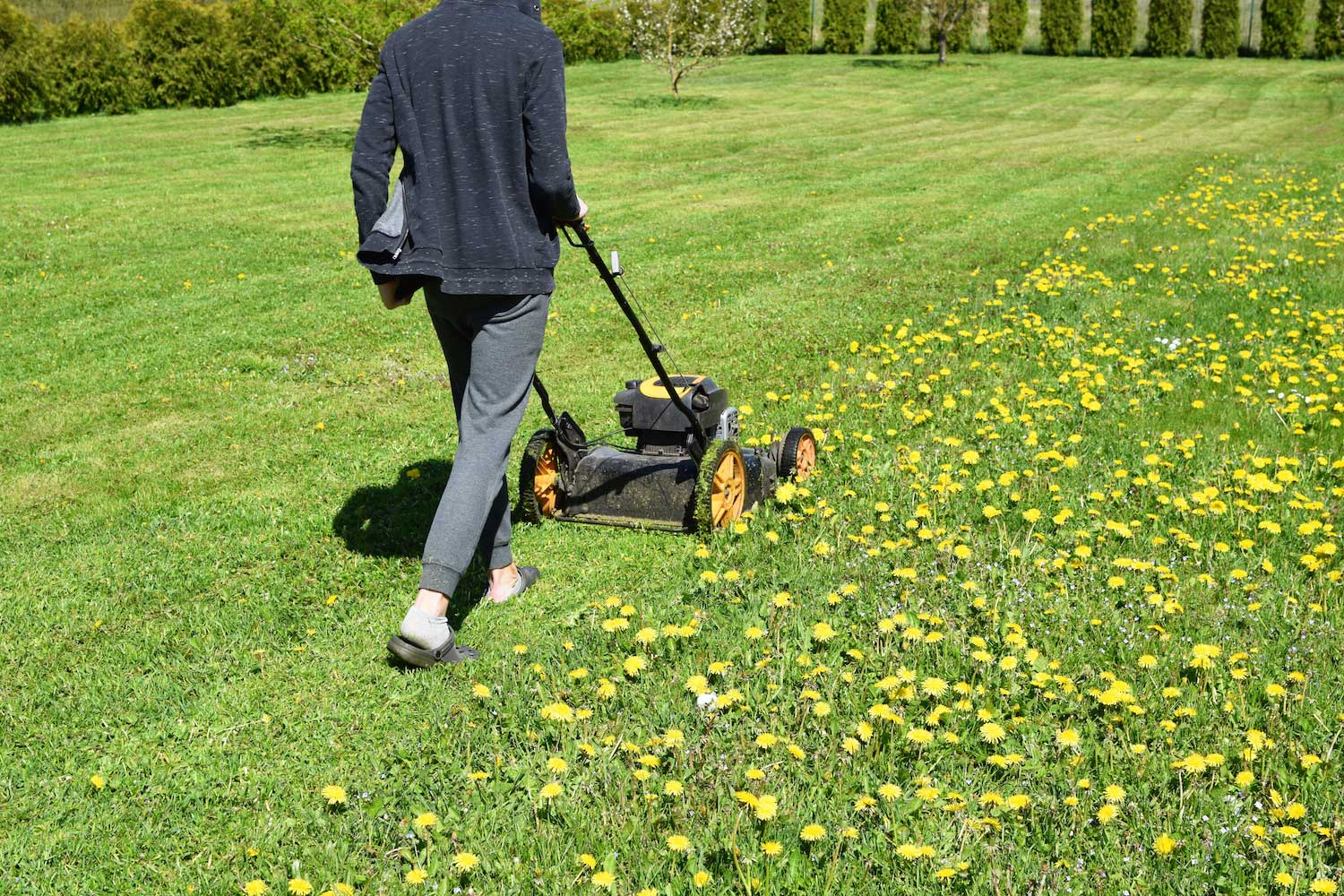
Participating in No Mow May isn't just a way to cut down on your yardwork for a month. You'll be helping bees and other essential insects too.