
Wilderness Wayfinders
June 25, 2026 | 9:30 A.M TO 11:00 A.M
Calling all adventurers! Learn how to use a compass and map before embarking on an adventure through the woods.

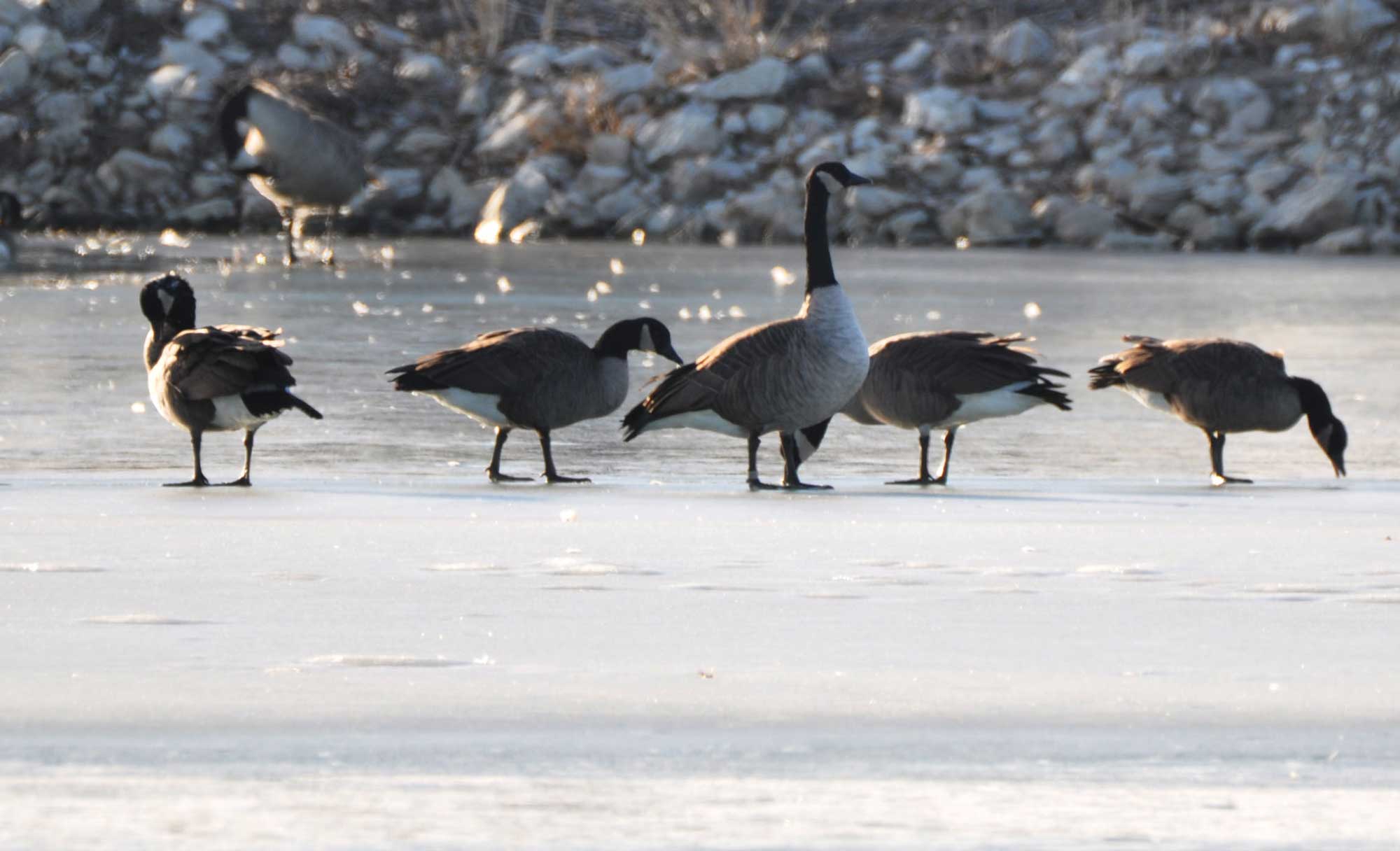
Ever shiver at the sight of birds on the ice in the dead of winter? No need to worry. Geese and other waterfowl are built to withstand these harsh conditions.

The groundhog becomes a celebrity each year on February 2, awakening from a months-long slumber to "predict" when winter will end. Beyond this annual ritual, most Americans know little about the groundhog.
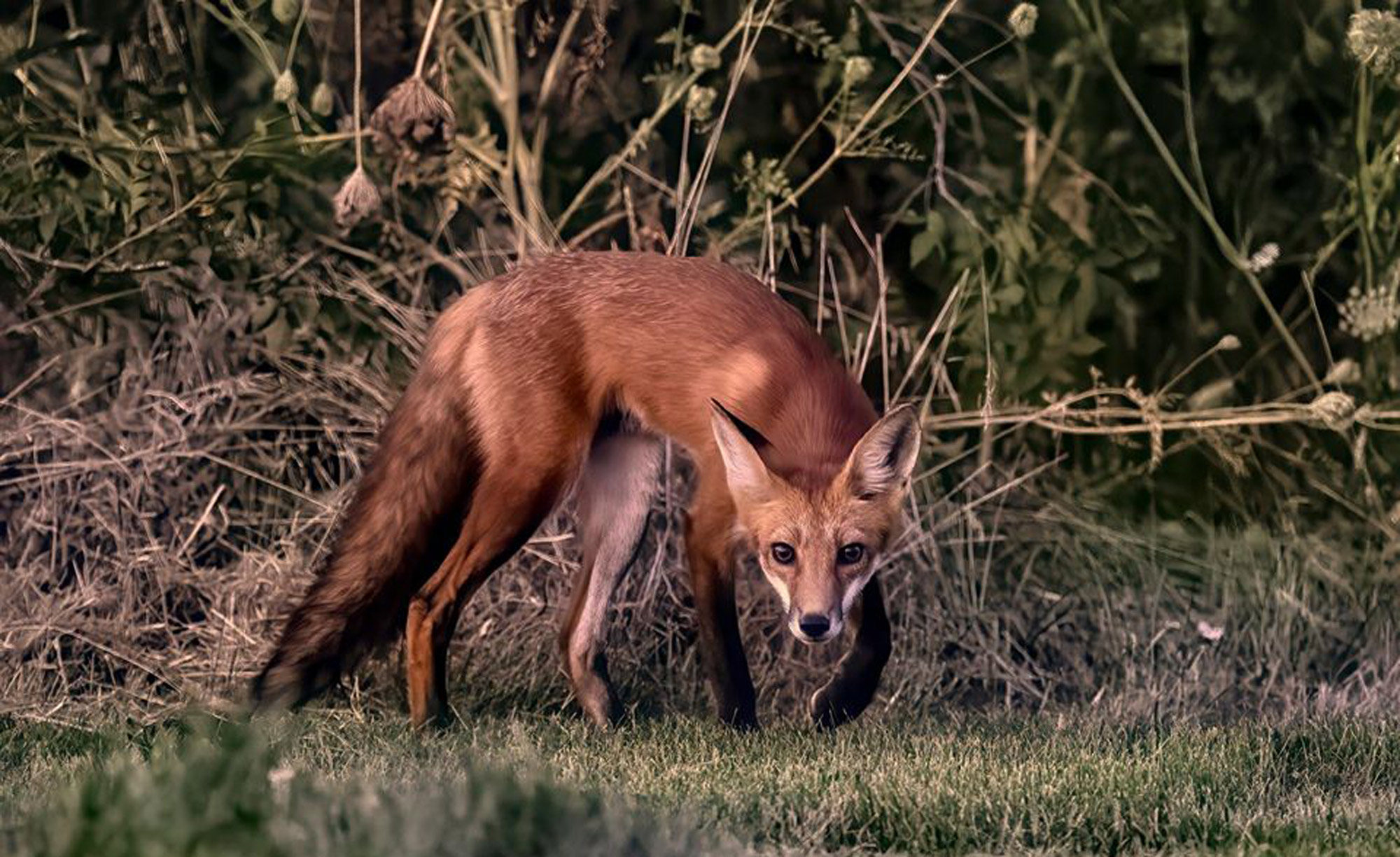
These sly creatures are skilled hunters and adaptable to many habitats and environments, including rural, suburban and urban areas.
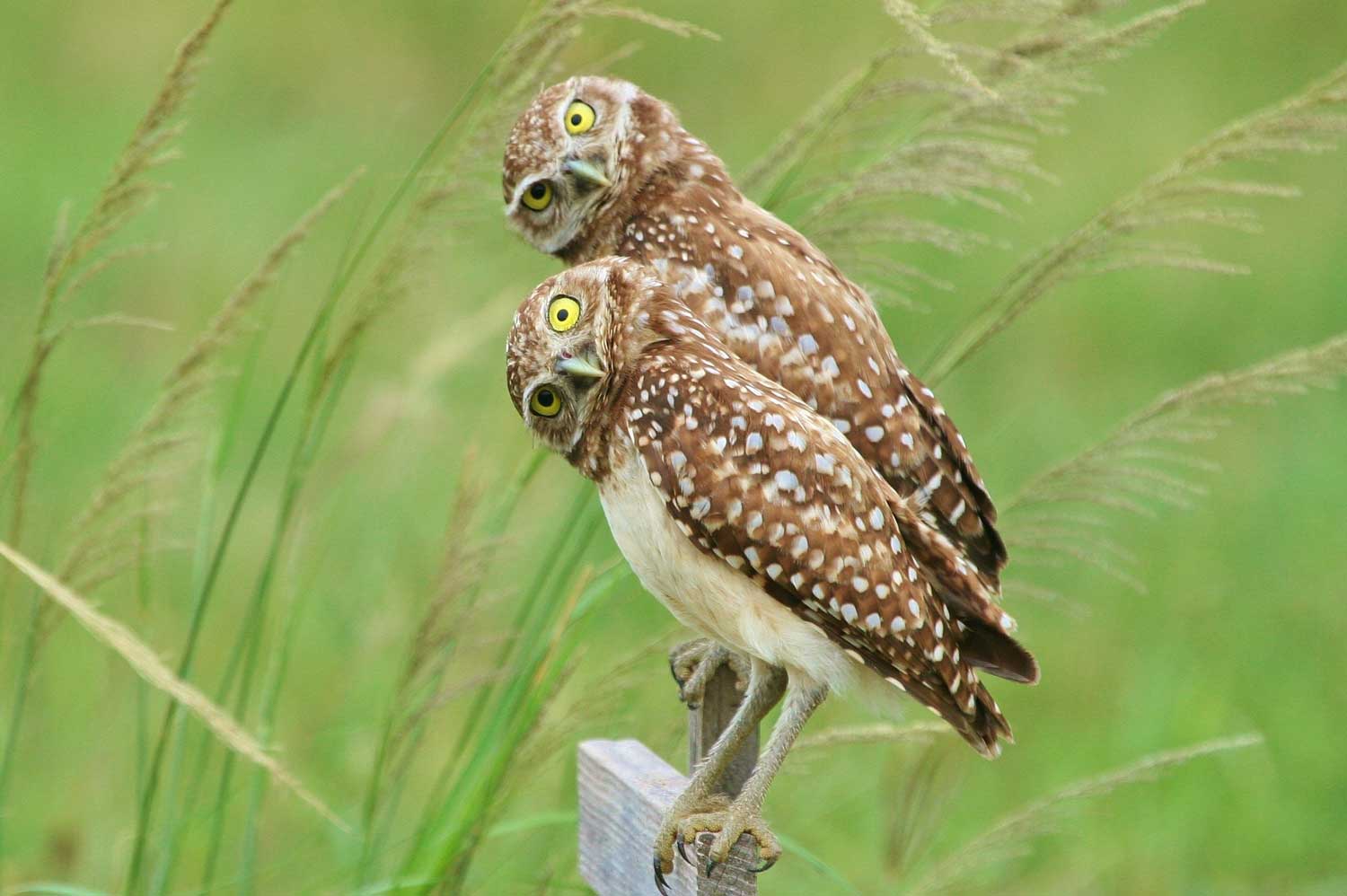
While it’s a common misconception that owls can turn their heads 360 degrees, they still can perform some pretty dramatic feats when it comes to checking out their environment

After a health scare two years ago, the Webers cherish their nature outings now more than ever before.
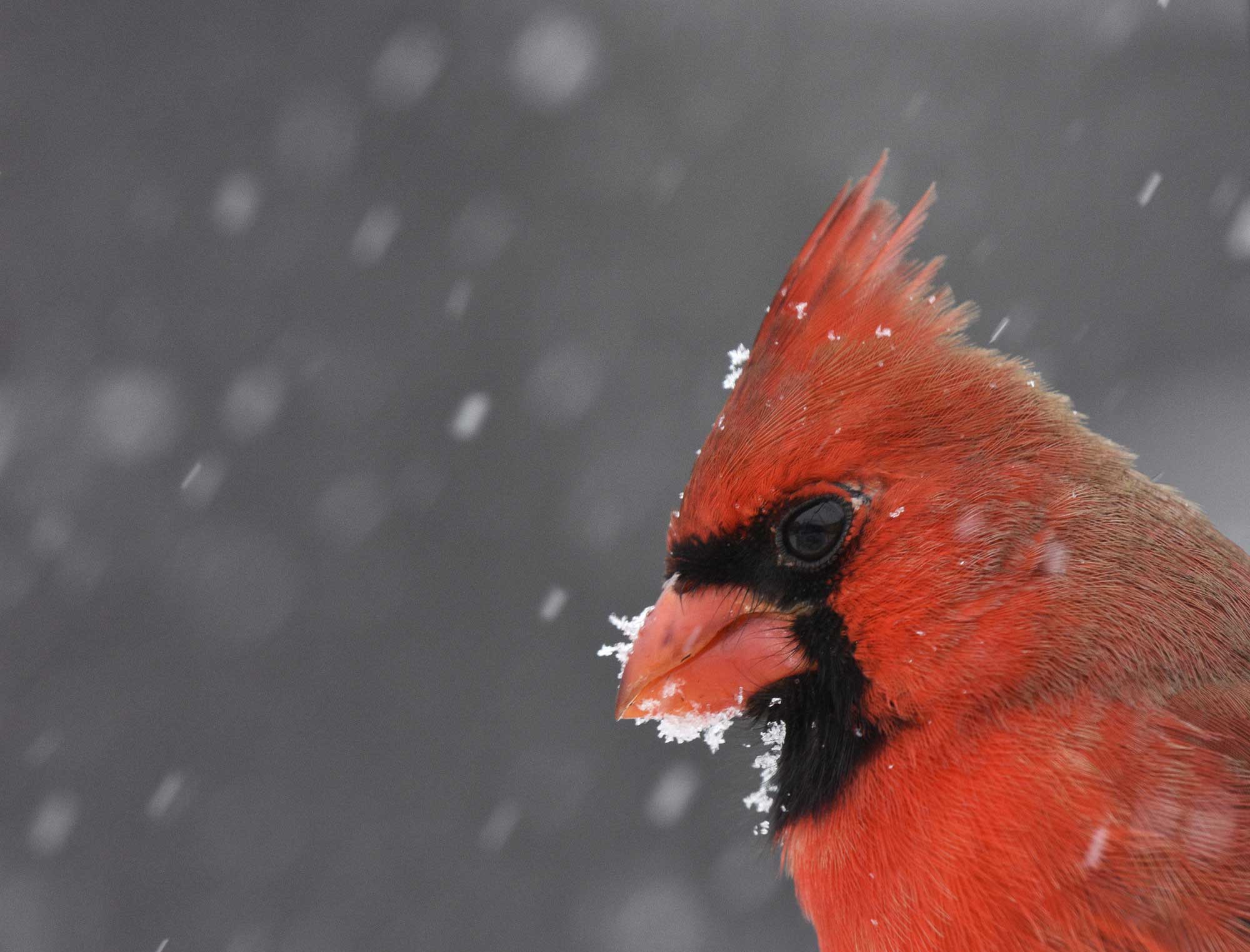
If you brave the cold, it can be rewarding — but does come with some extra challenges.
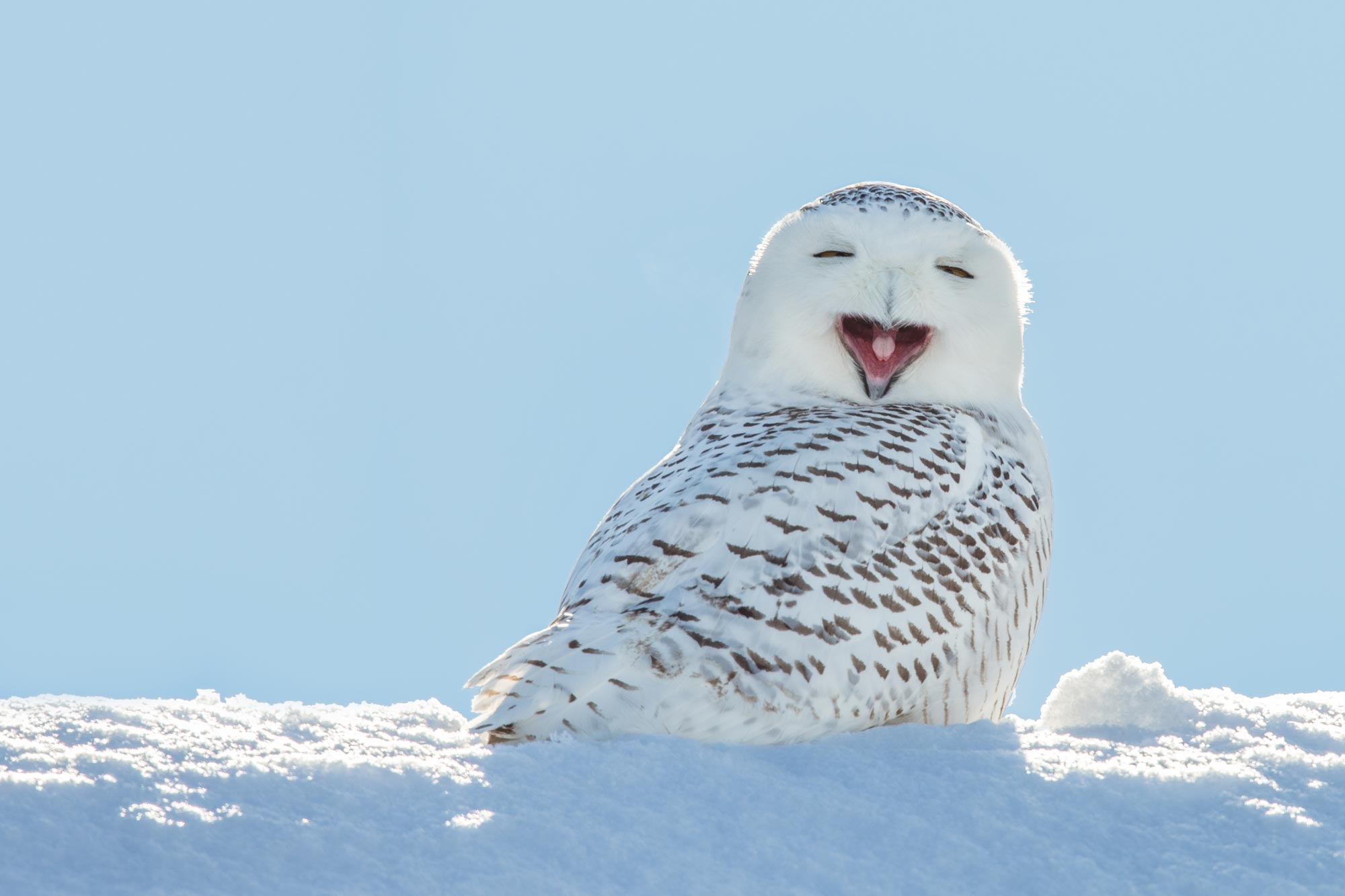
Snowy owls are a prized find among bird-watchers, because the beautiful birds are a sight to behold set against a wintry backdrop.
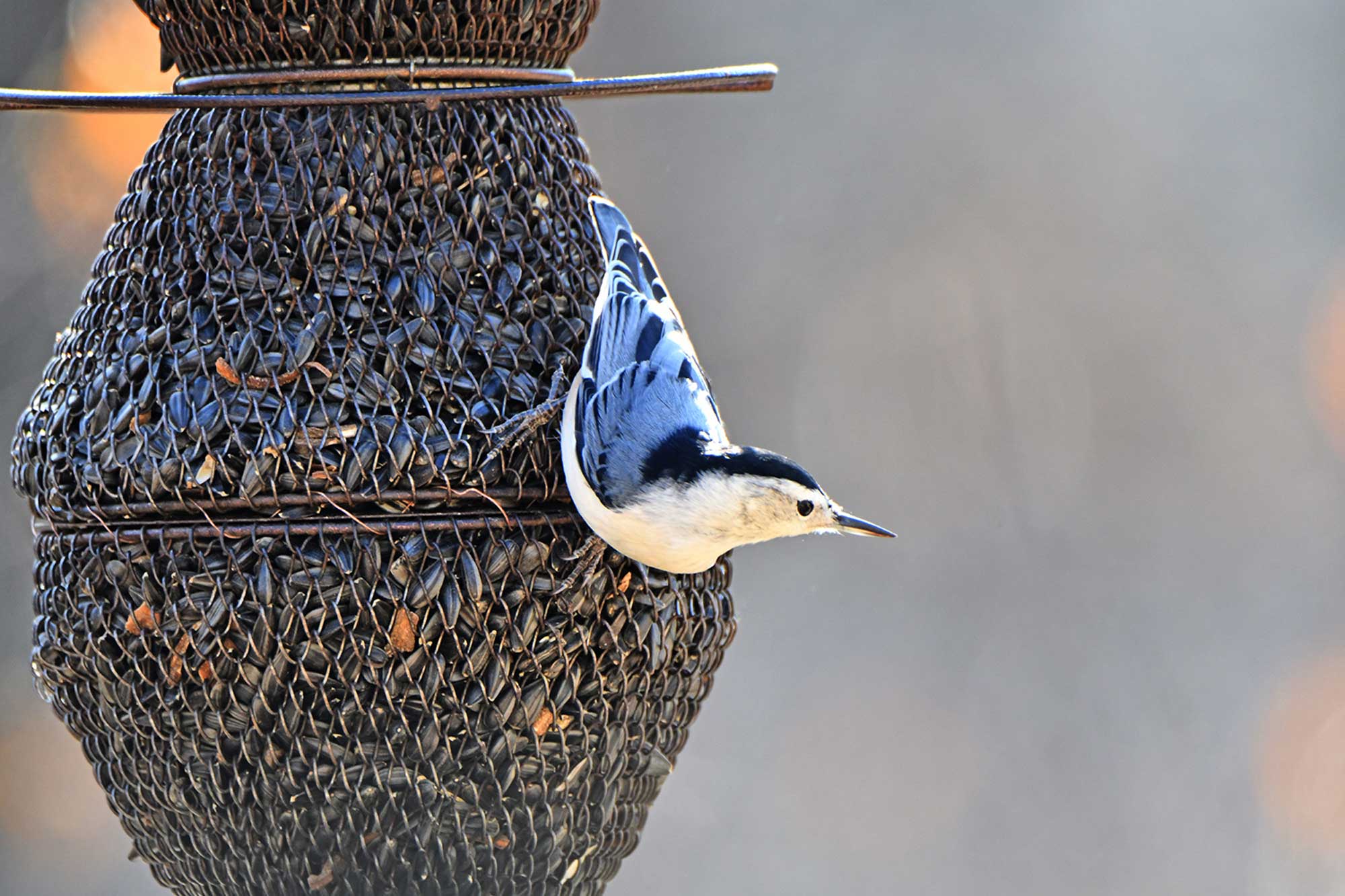
If you’ve thought to yourself "Do birds have ears?," well the answer to that question is both yes and no.
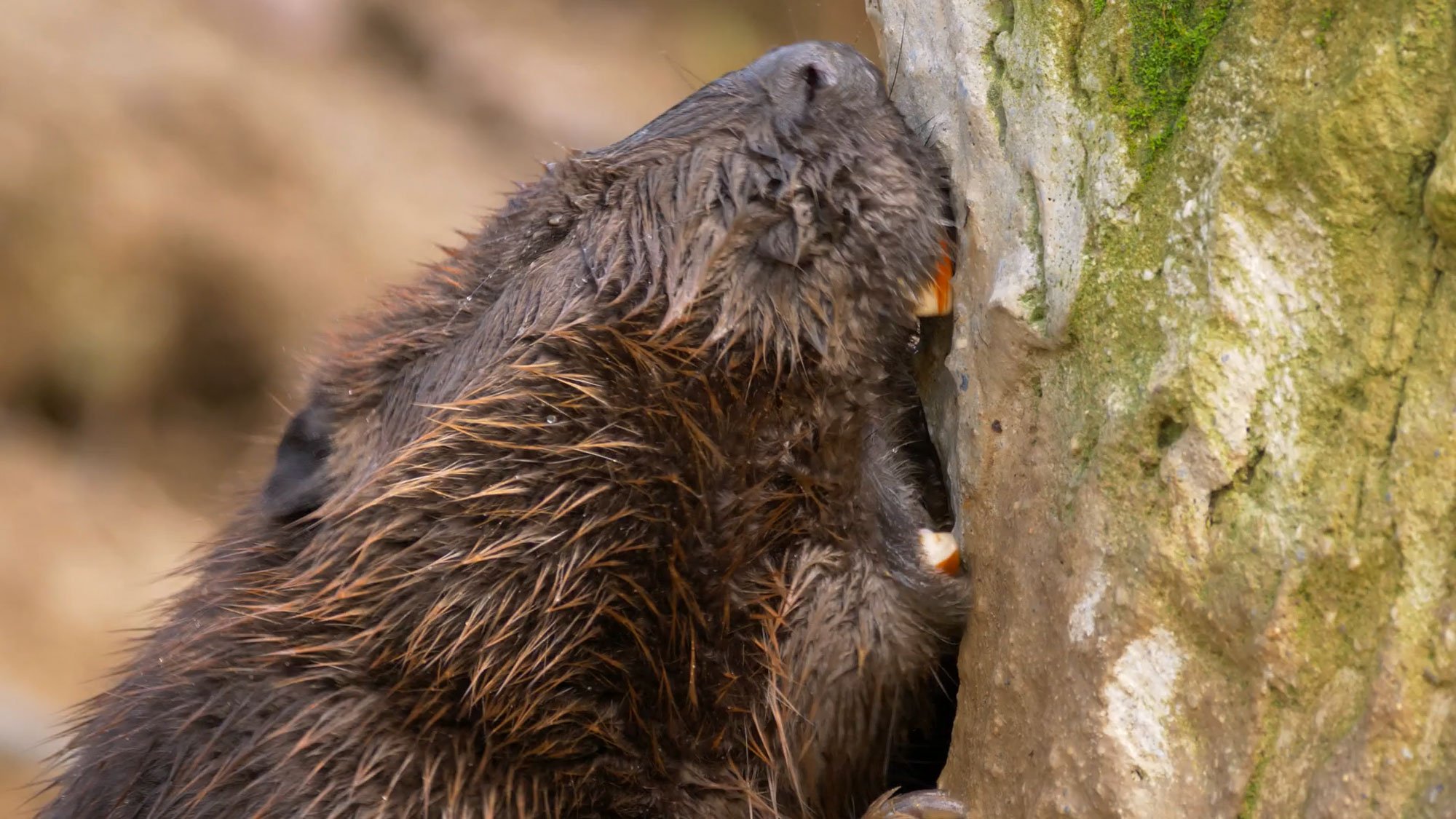
Beavers are second only to humans in their ability to change the environment they live in.
Many people prefer to only see the cuter and cuddly side of nature, but there's also a brutally raw side to it.
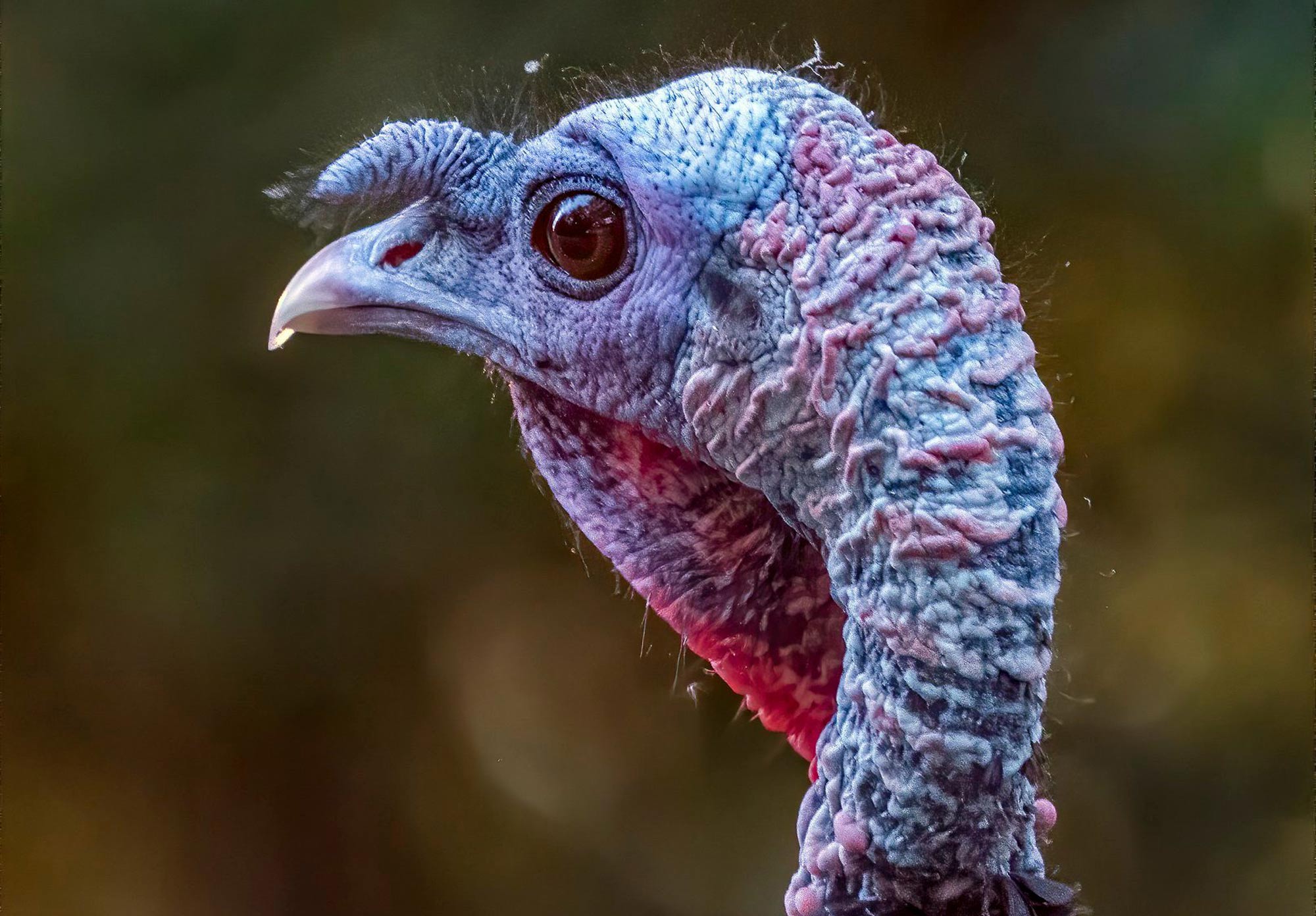
Most of us think of turkey as the star of the Thanksgiving table, but these birds live among us too, right in our own forests and prairies.
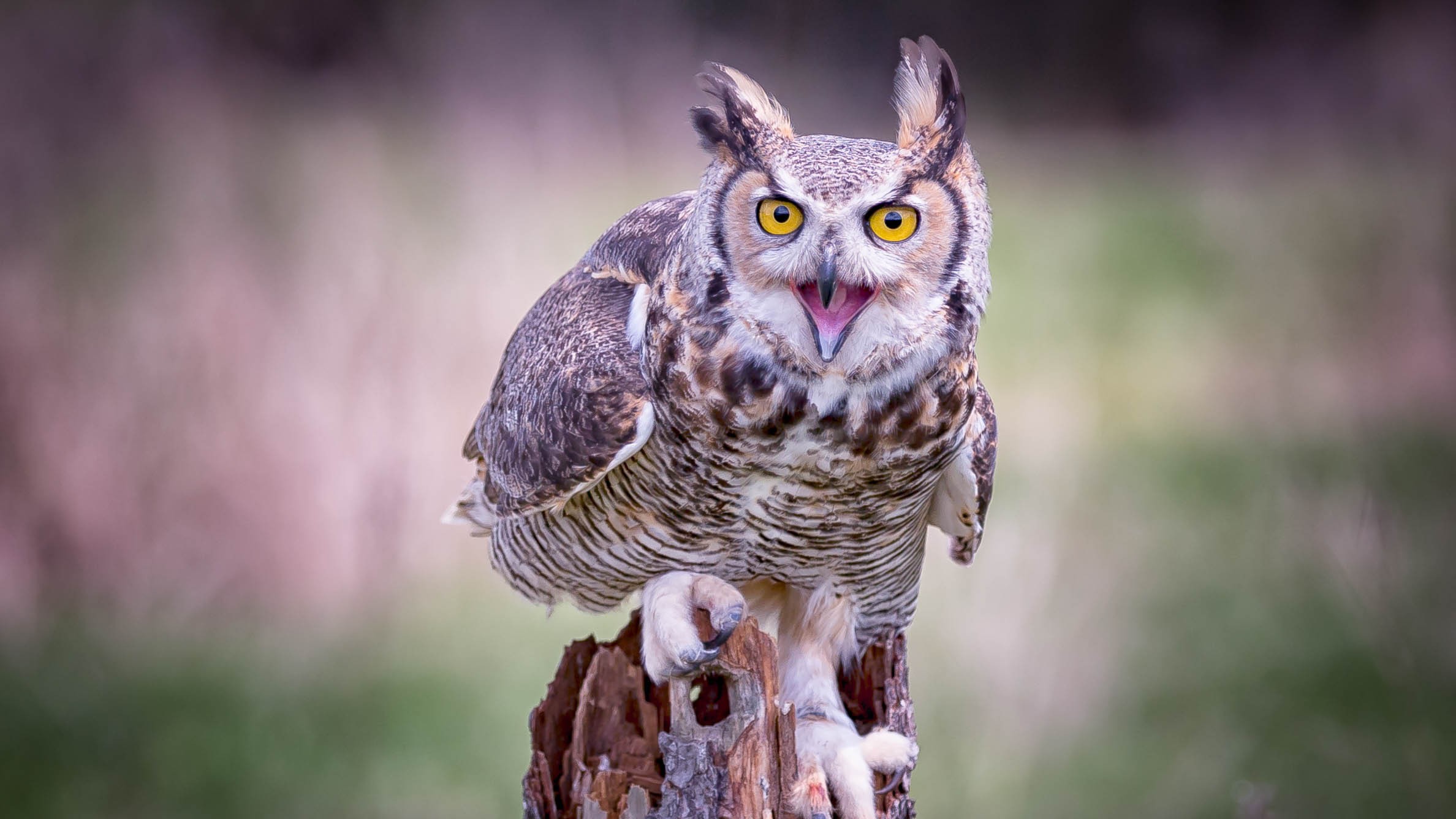
While you may hear them calling out in the preserves, seeing them is a rare treat.
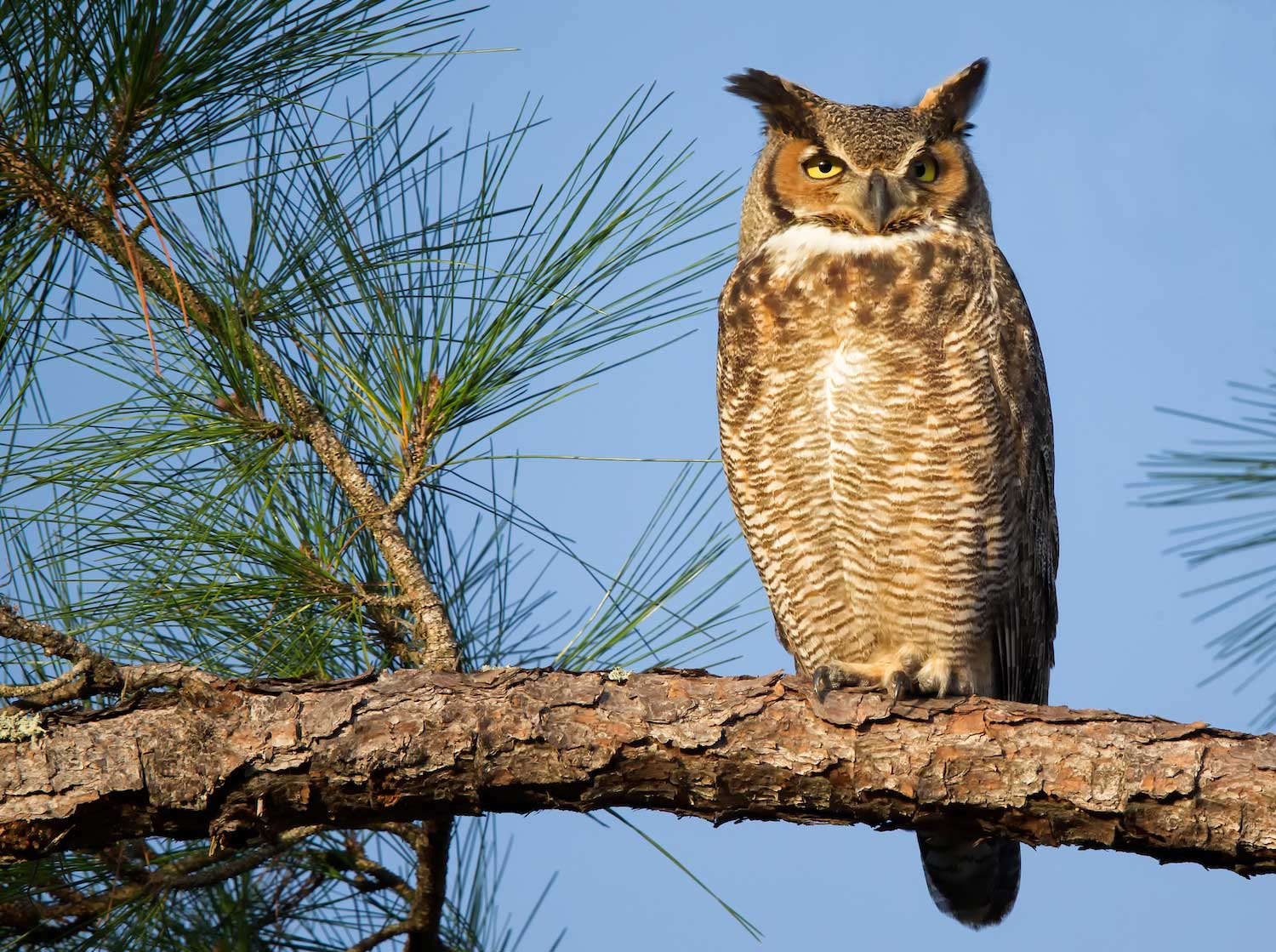
The great horned owl is most well known from storybooks and folklore, because it is the owl that makes the famous hooting call.
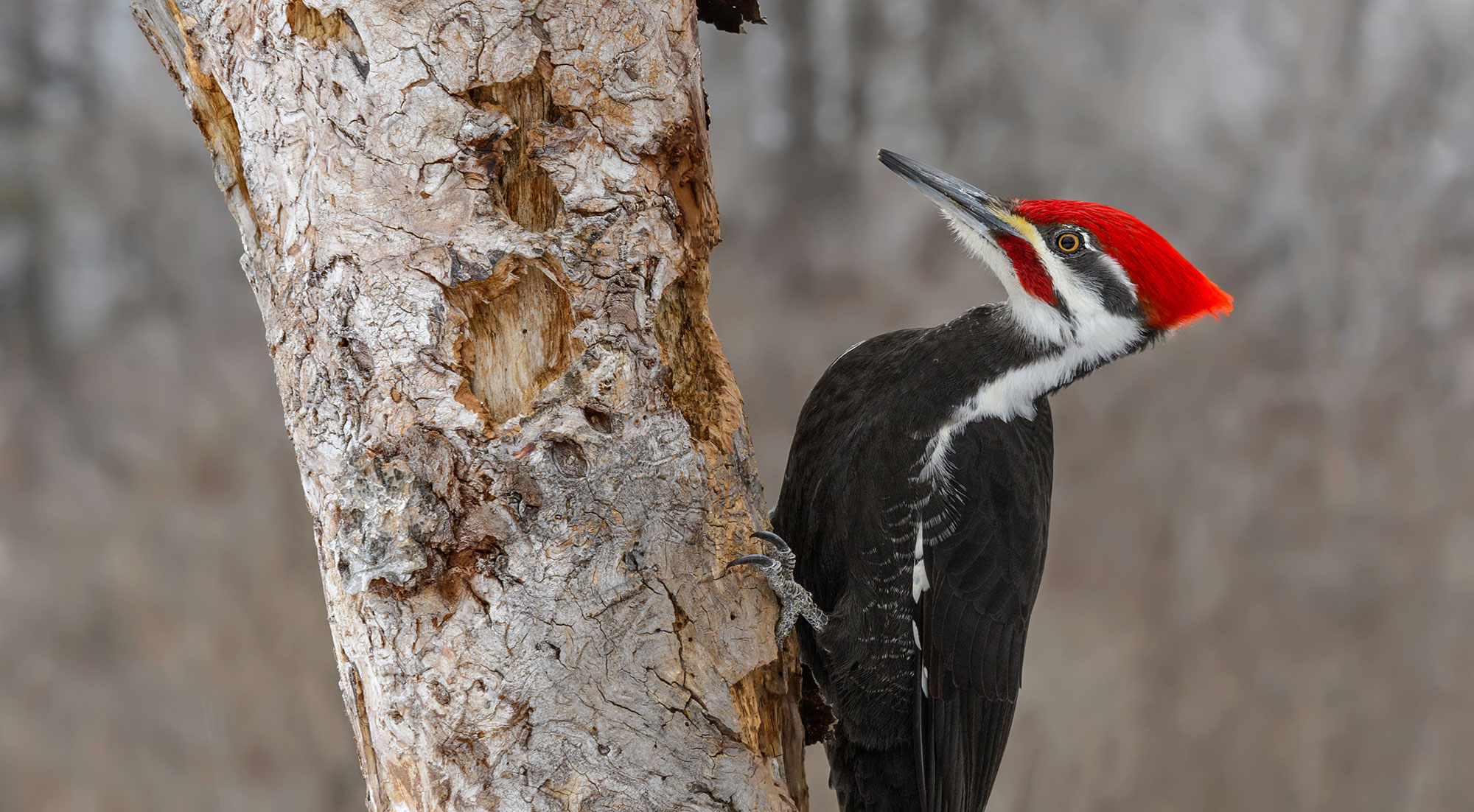
No matter what the weather is like, woodpeckers are active and are a special treat for bird-watchers.
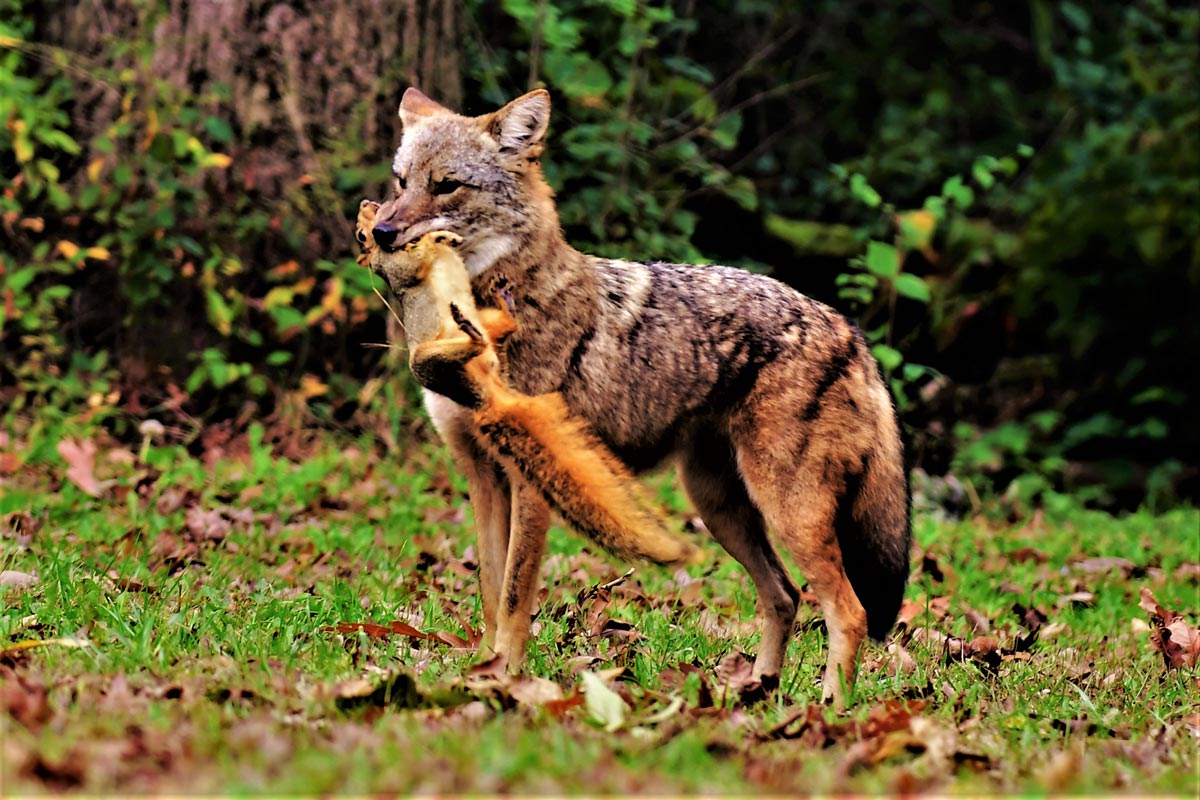
Coyotes try to remain unseen, hunting under the cover of darkness to protect themselves from being hunted.
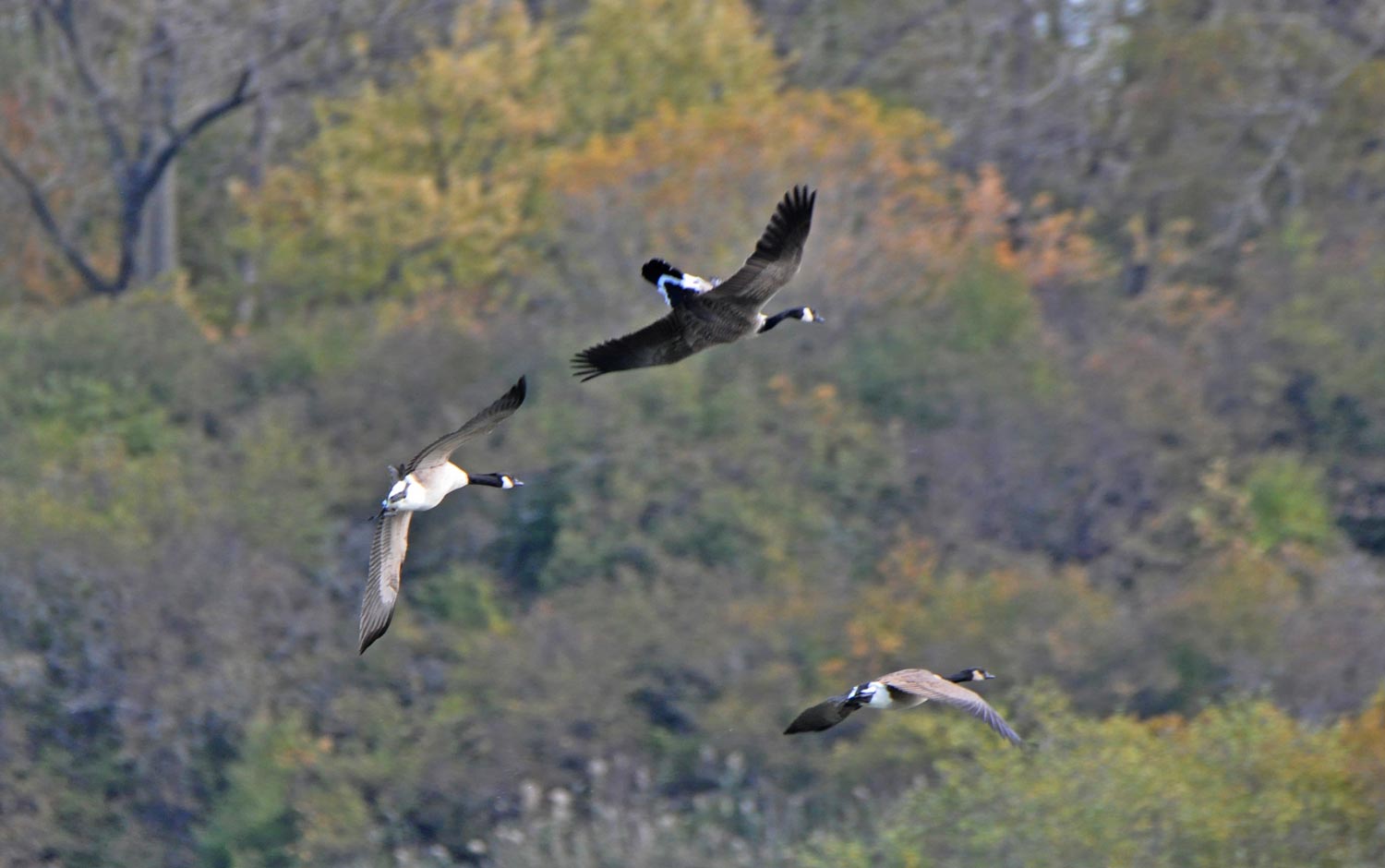
It's not your common, everyday occurrence.
Ever shiver at the sight of birds on the ice in the dead of winter? No need to worry. Geese and other waterfowl are built to withstand these harsh conditions.
The groundhog becomes a celebrity each year on February 2, awakening from a months-long slumber to "predict" when winter will end. Beyond this annual ritual, most Americans know little about the groundhog.
These sly creatures are skilled hunters and adaptable to many habitats and environments, including rural, suburban and urban areas.
While it’s a common misconception that owls can turn their heads 360 degrees, they still can perform some pretty dramatic feats when it comes to checking out their environment
After a health scare two years ago, the Webers cherish their nature outings now more than ever before.
If you brave the cold, it can be rewarding — but does come with some extra challenges.
Snowy owls are a prized find among bird-watchers, because the beautiful birds are a sight to behold set against a wintry backdrop.
If you’ve thought to yourself "Do birds have ears?," well the answer to that question is both yes and no.
Beavers are second only to humans in their ability to change the environment they live in.
Many people prefer to only see the cuter and cuddly side of nature, but there's also a brutally raw side to it.
Most of us think of turkey as the star of the Thanksgiving table, but these birds live among us too, right in our own forests and prairies.
While you may hear them calling out in the preserves, seeing them is a rare treat.
The great horned owl is most well known from storybooks and folklore, because it is the owl that makes the famous hooting call.
No matter what the weather is like, woodpeckers are active and are a special treat for bird-watchers.
Coyotes try to remain unseen, hunting under the cover of darkness to protect themselves from being hunted.
It's not your common, everyday occurrence.
Calling all adventurers! Learn how to use a compass and map before embarking on an adventure through the woods.
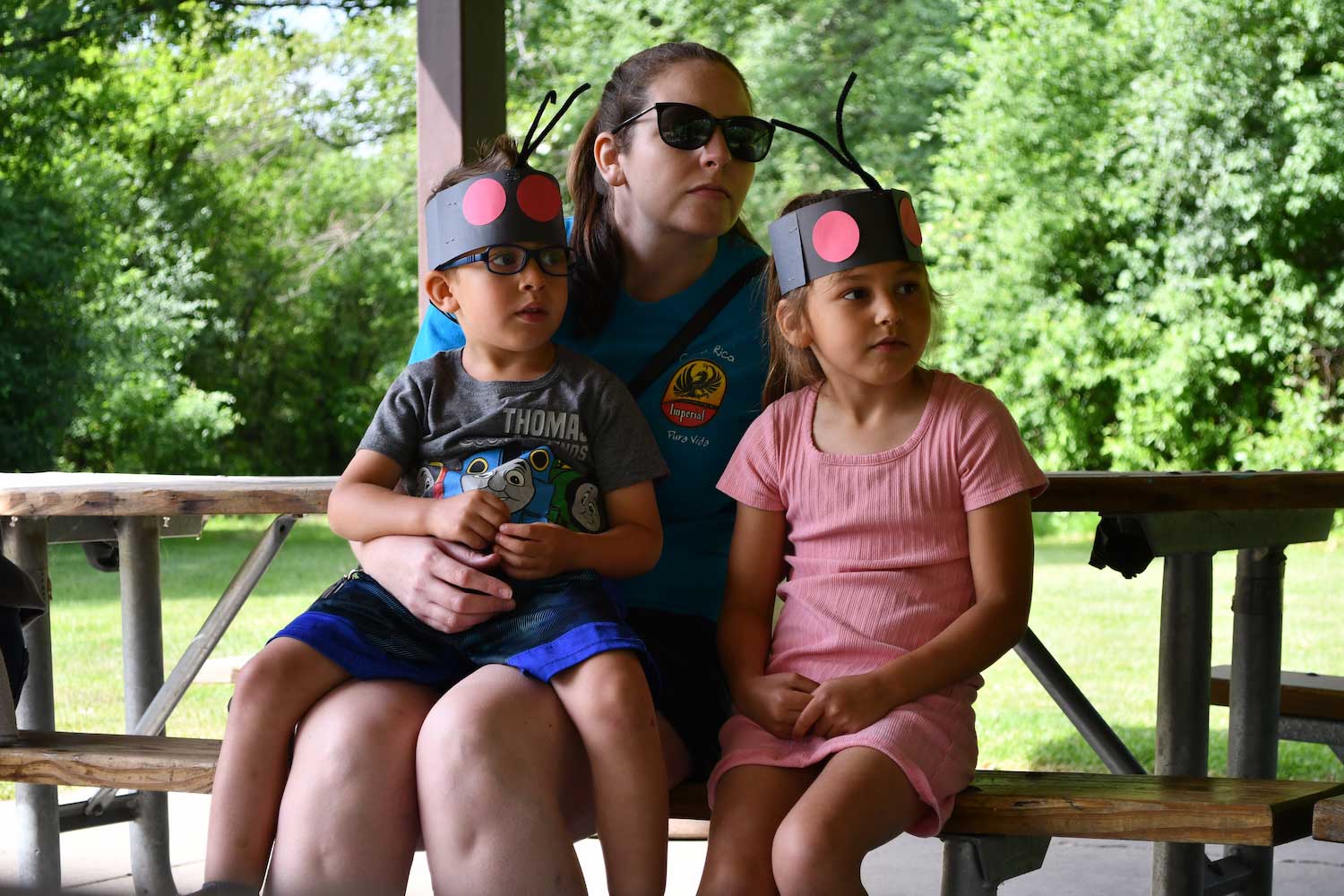
Answer the call of your wild child by getting outside with this monthly nature-themed program geared toward children ages 3 to 5.

It's not just our pets who suffer around the Fourth of July. Loud, booming fireworks pose serious risks to wildlife too.
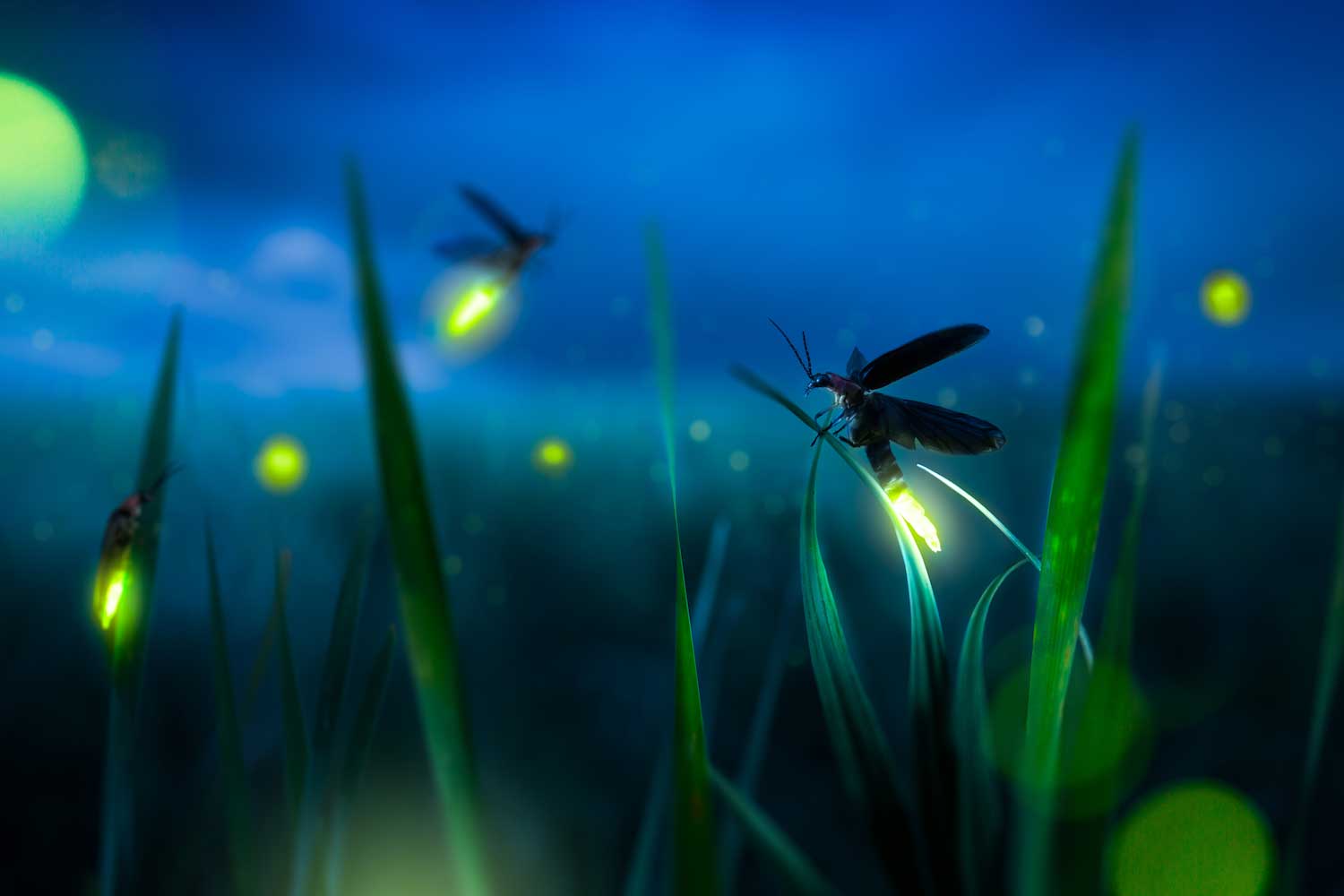
Catching lightning bugs is a summer rite of passage, but do you know how these bugs light up? Or why?
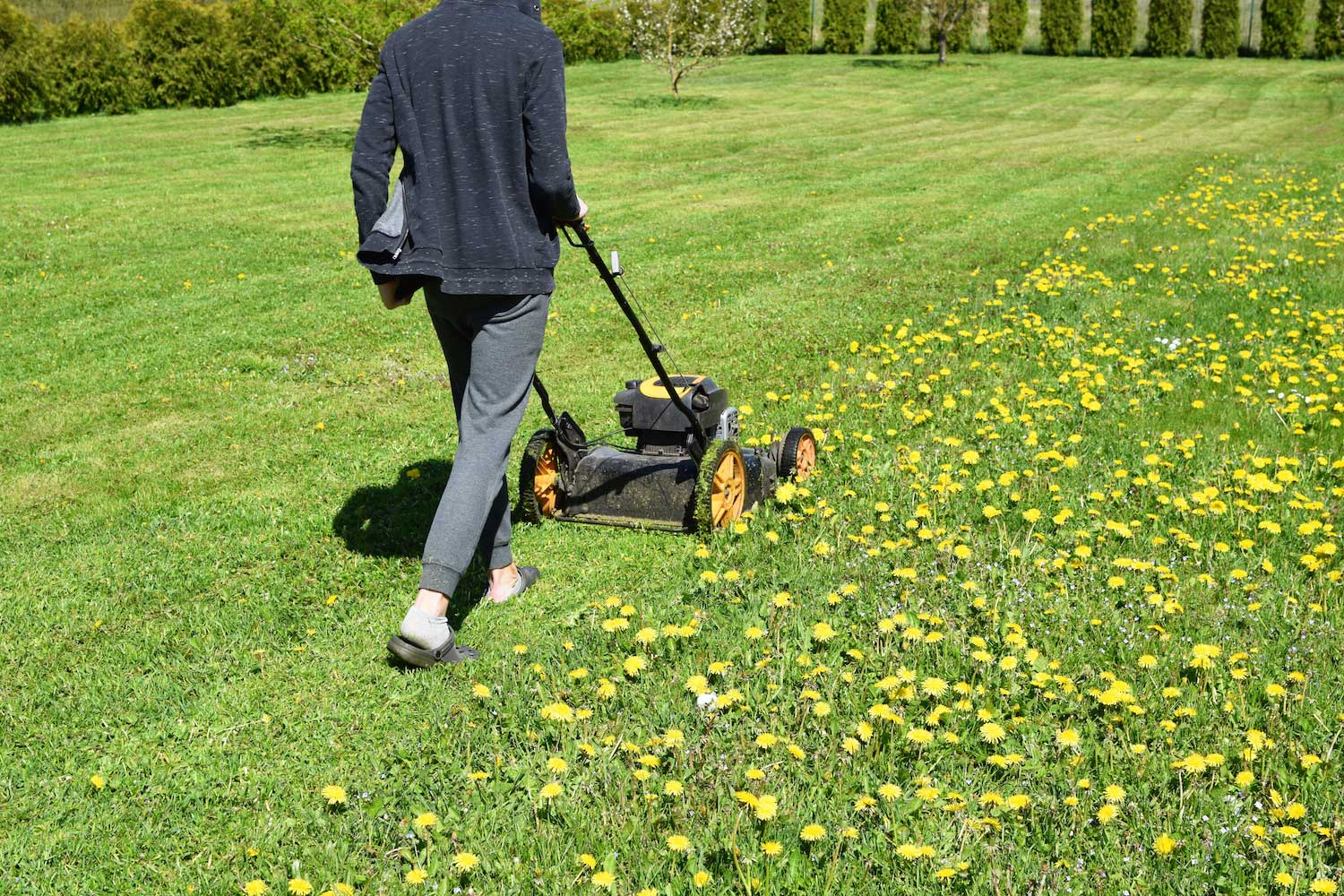
Participating in No Mow May isn't just a way to cut down on your yardwork for a month. You'll be helping bees and other essential insects too.