
Wilderness Wayfinders
June 25, 2026 | 9:30 A.M TO 11:00 A.M
Calling all adventurers! Learn how to use a compass and map before embarking on an adventure through the woods.

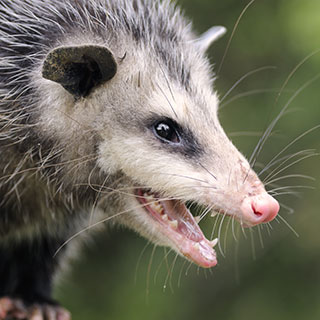
Some species have developed defense mechanisms that are crucial for their survival.
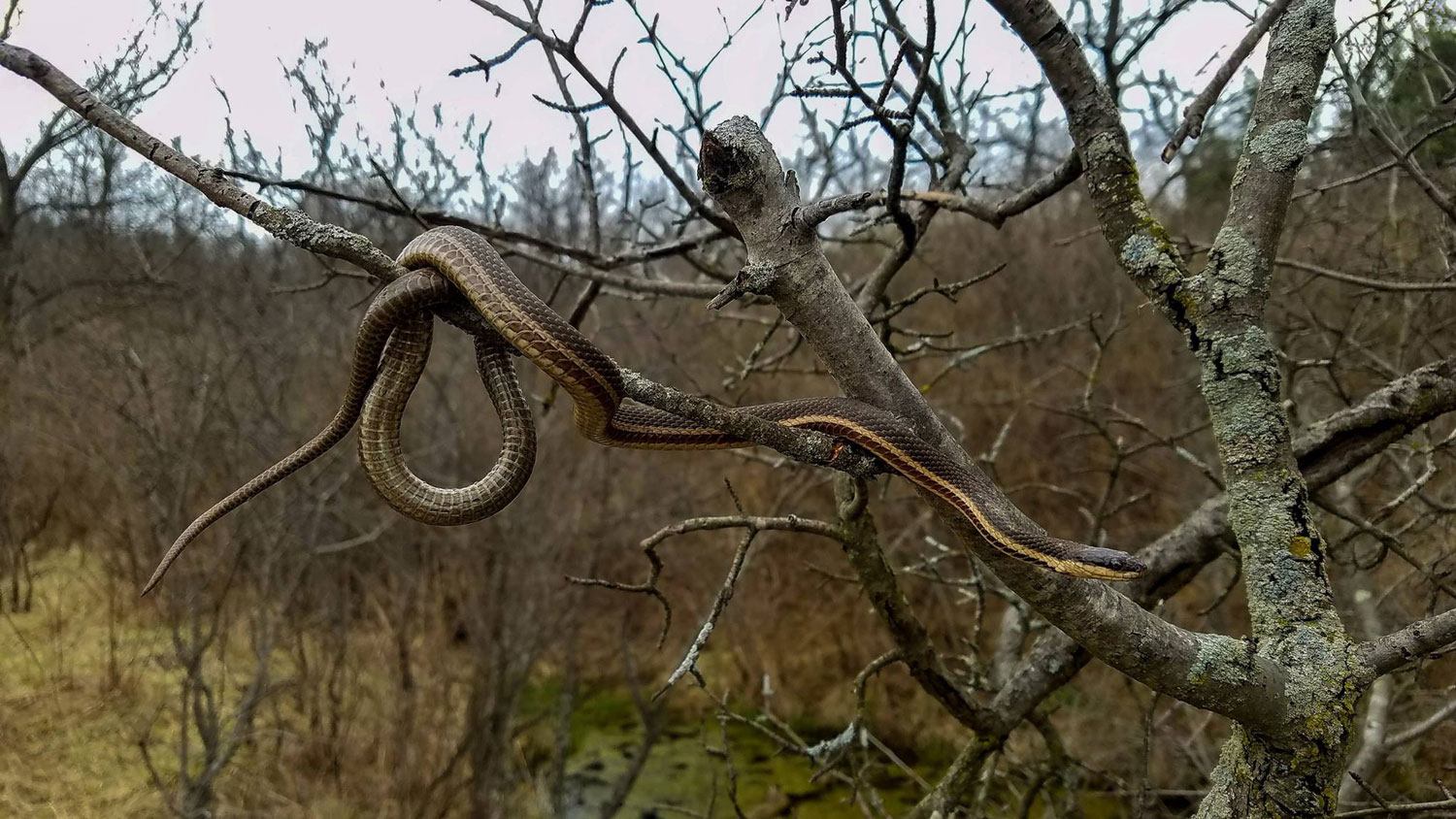
The royal-sounding queen snake is common in the Great Lakes region. This snake, often seen near water, is sometimes confused with the garter snake and the northern water snake. Learn what sets it apart.
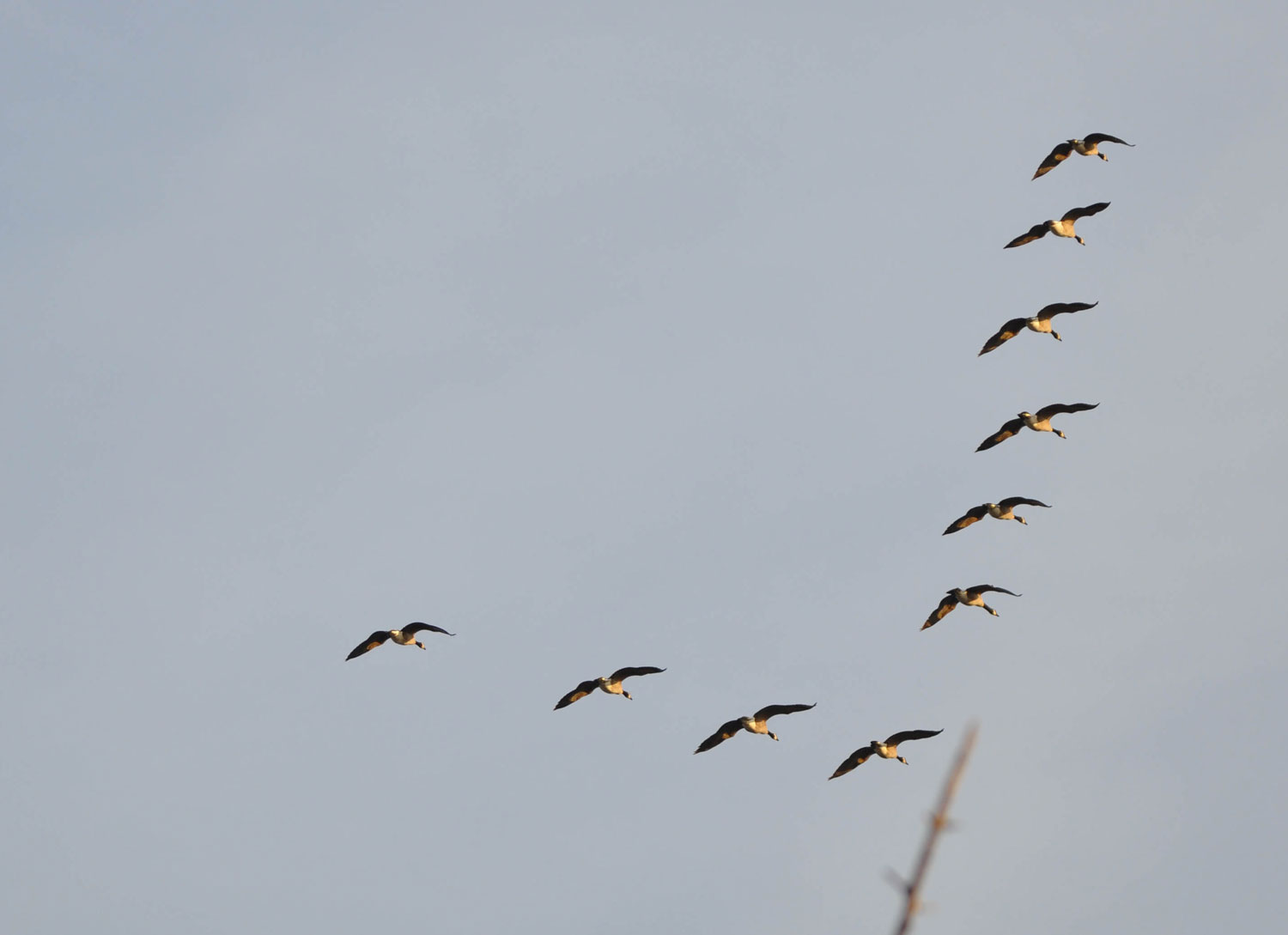
Birds flying in formation can be an awe-inspiring feat of nature, but how do the birds do it? And why?
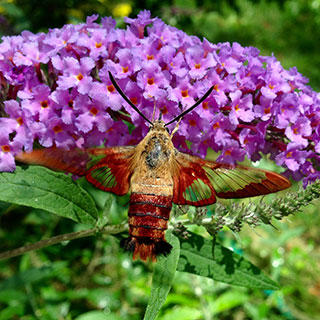
They have a bad rep as being drab, but they are among the most diverse organisms on Earth.
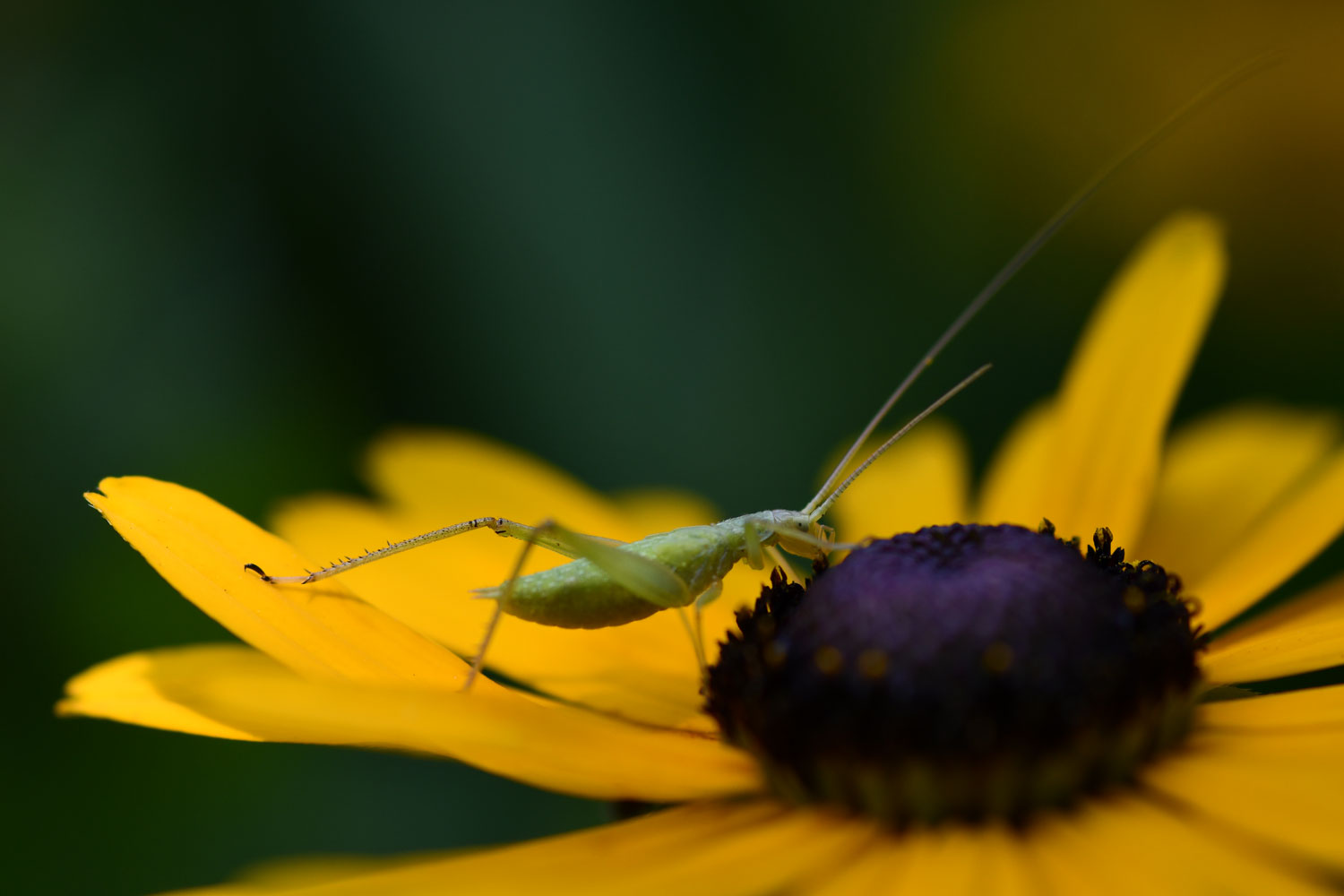
If you listen closely at night, you'll hear a chorus of insects. Cicadas, crickets and katydids all combine to create a symphony of sound.
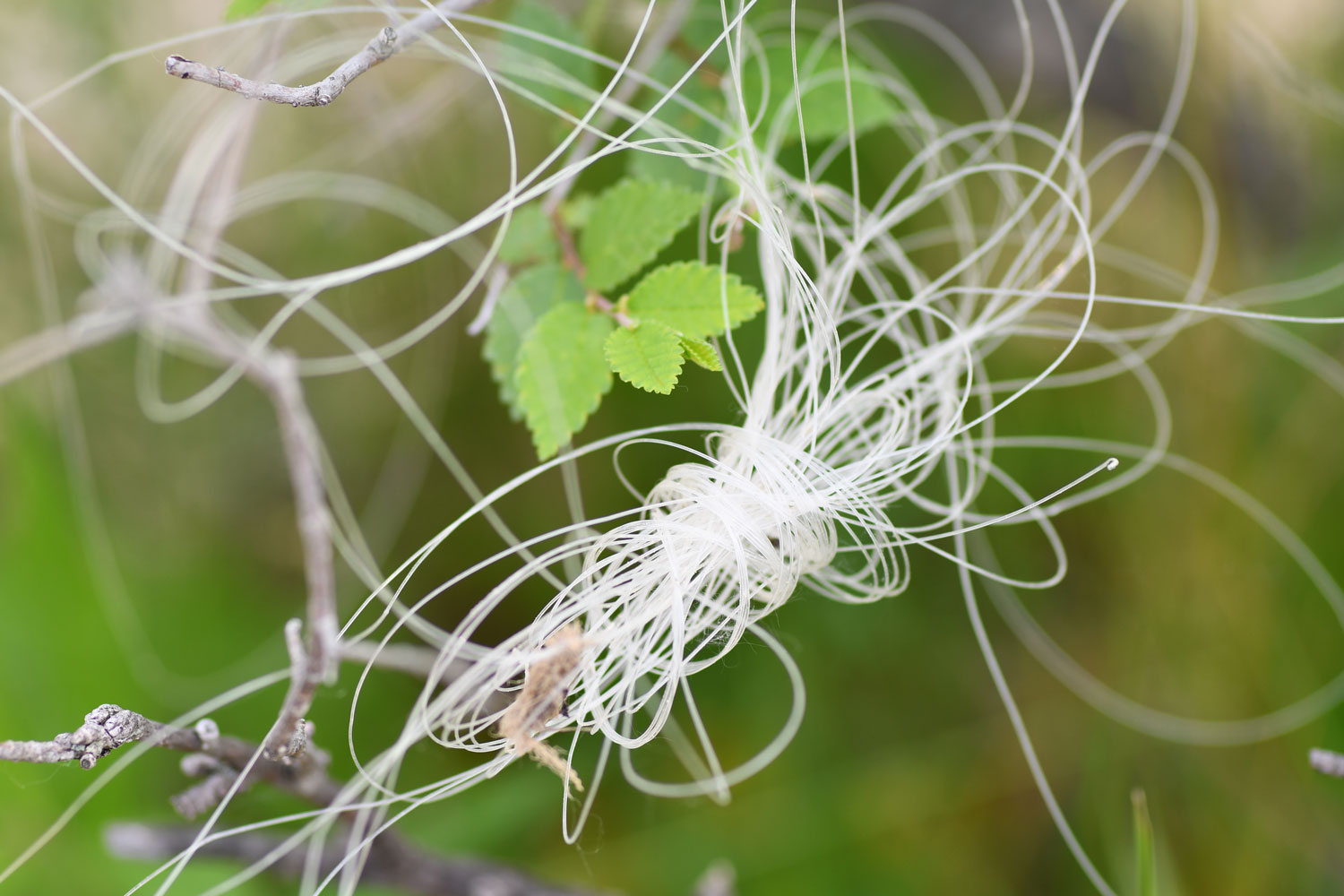
Fishing line seems like an innocuous tool, but in reality it's a death trap for untold numbers of wildlife.
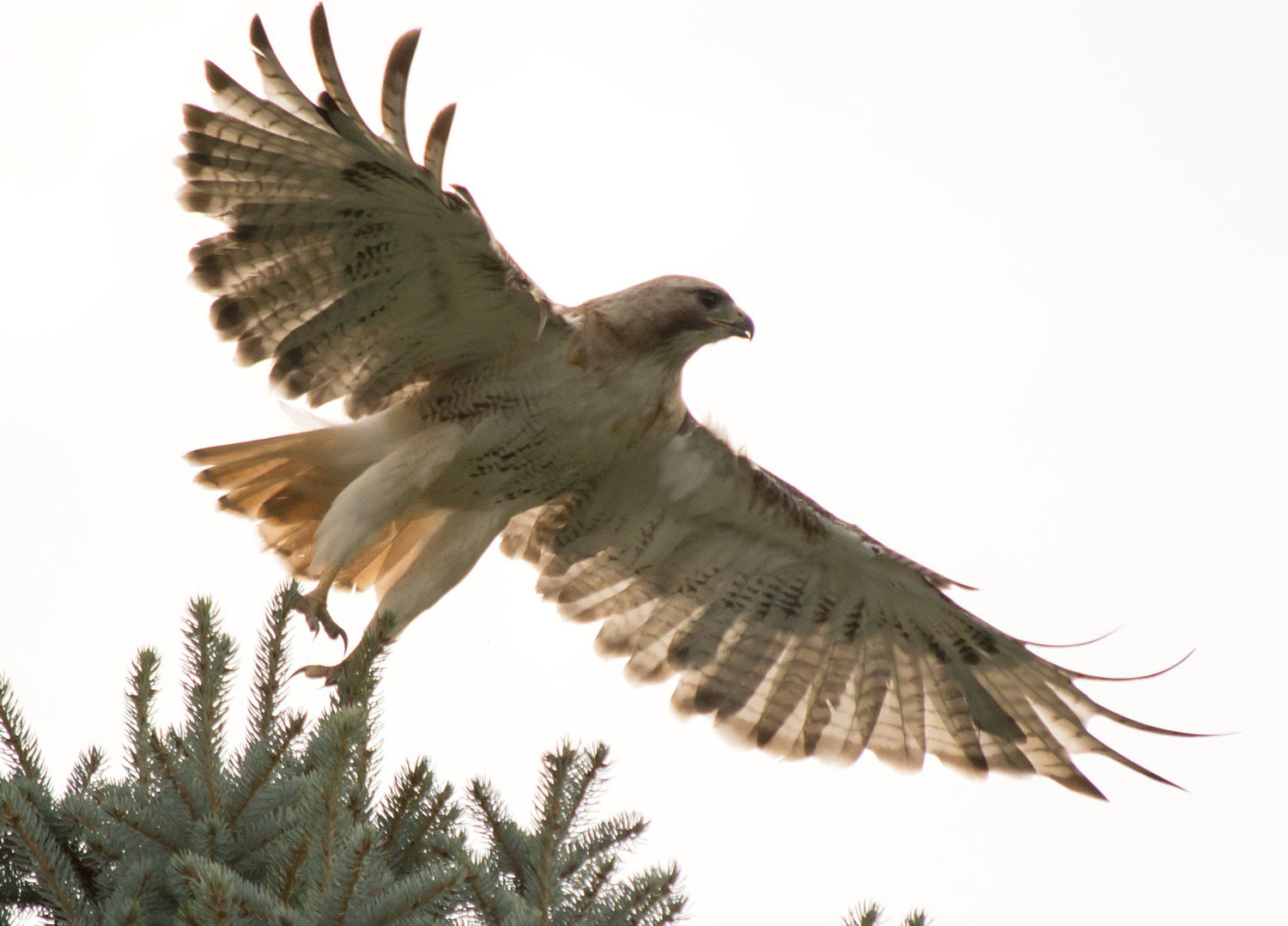
That hawk soaring overhead or perched atop a light pole is probably a red-tailed hawk. Learn more about these high-flying birds.
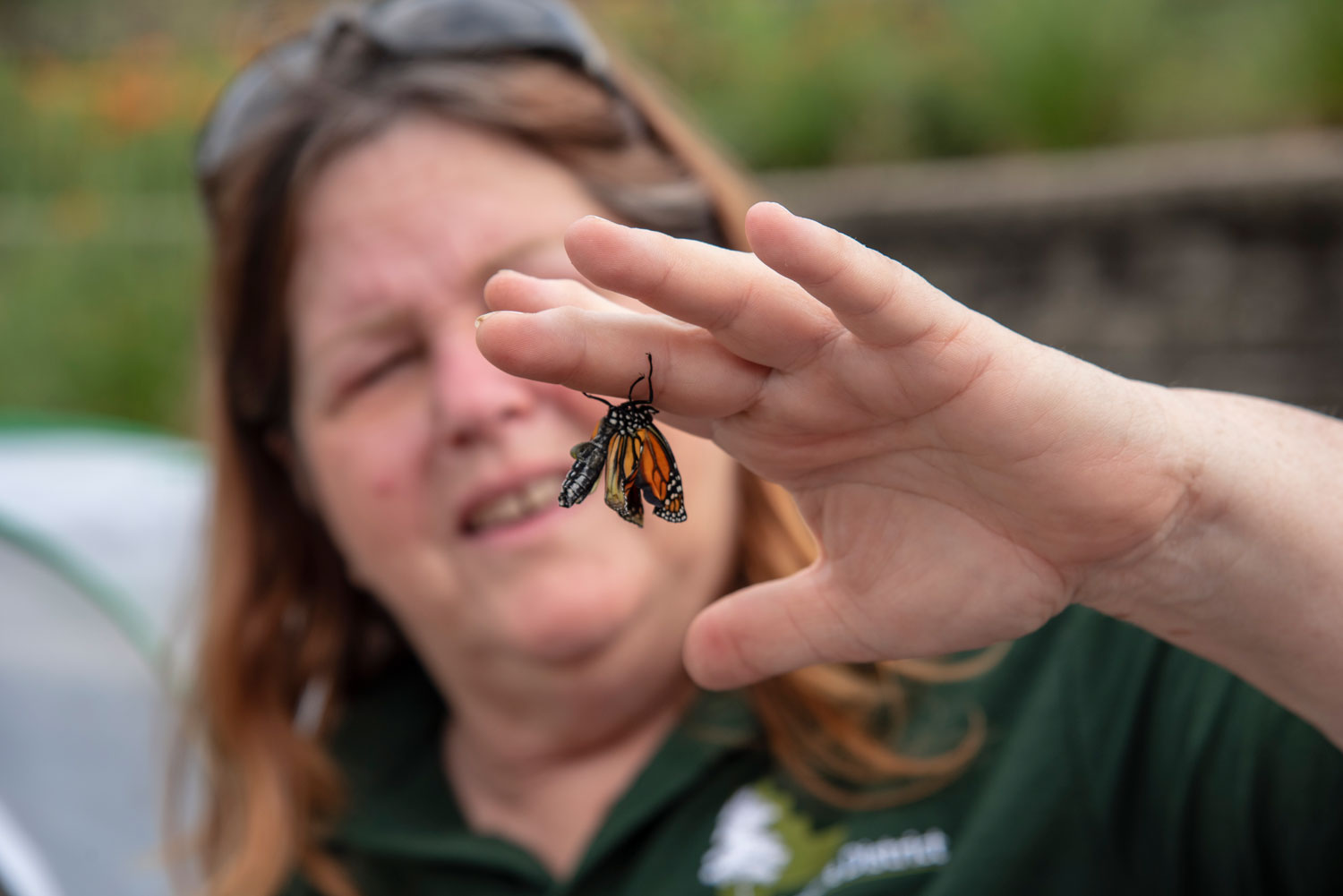
Barb Ferry has been raising monarch butterflies at home and releasing them into the wild, with the ultimate goals of helping sustain their population and educating the public of their importance.
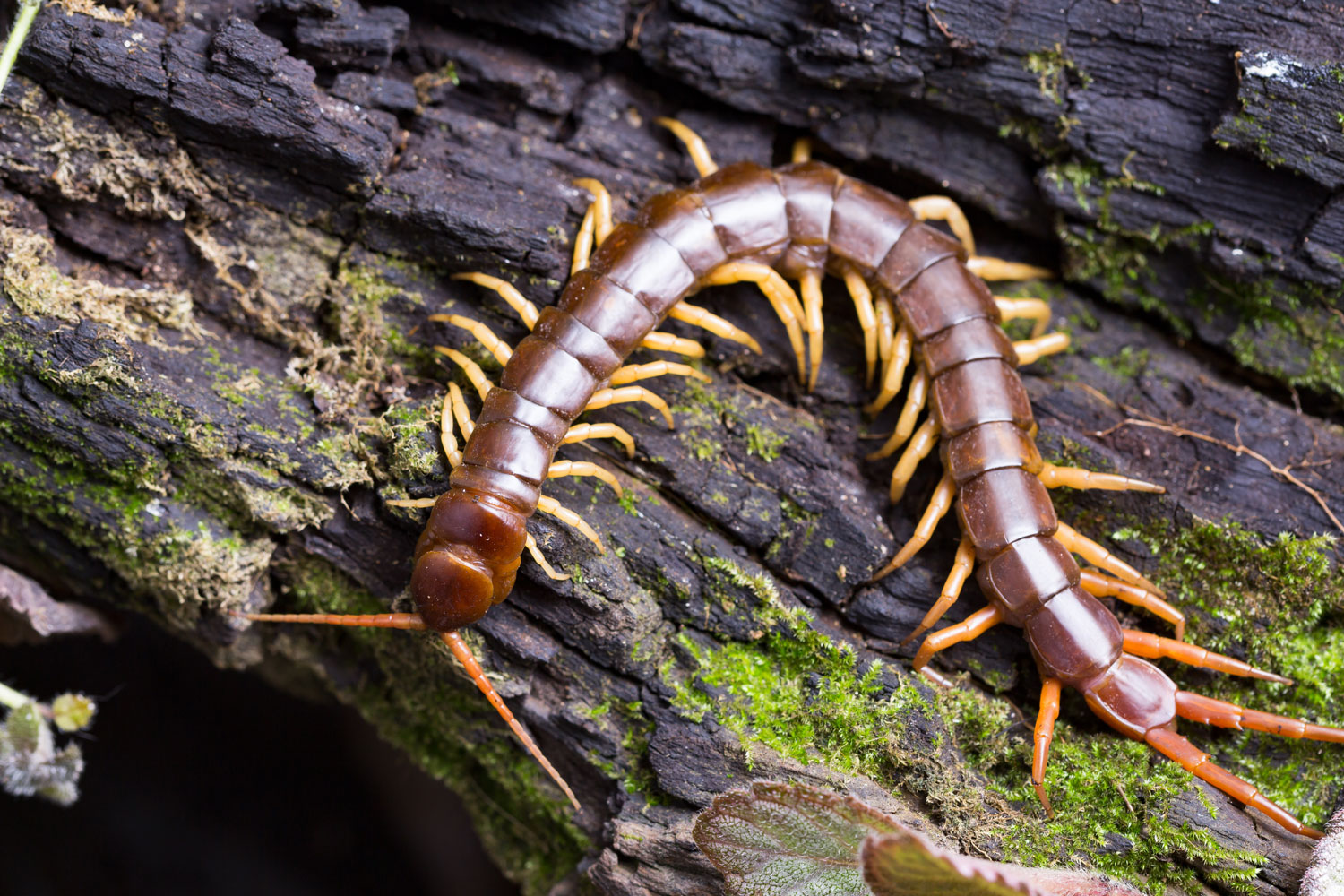
Is that creepy crawly covered in legs a centipede or a millipede? Here's how to tell.

If you've ever spent a long day in the sun with no sunscreen, you've probably paid the price in the form of a bad sunburn. But are animals at risk for painful sunburns too?
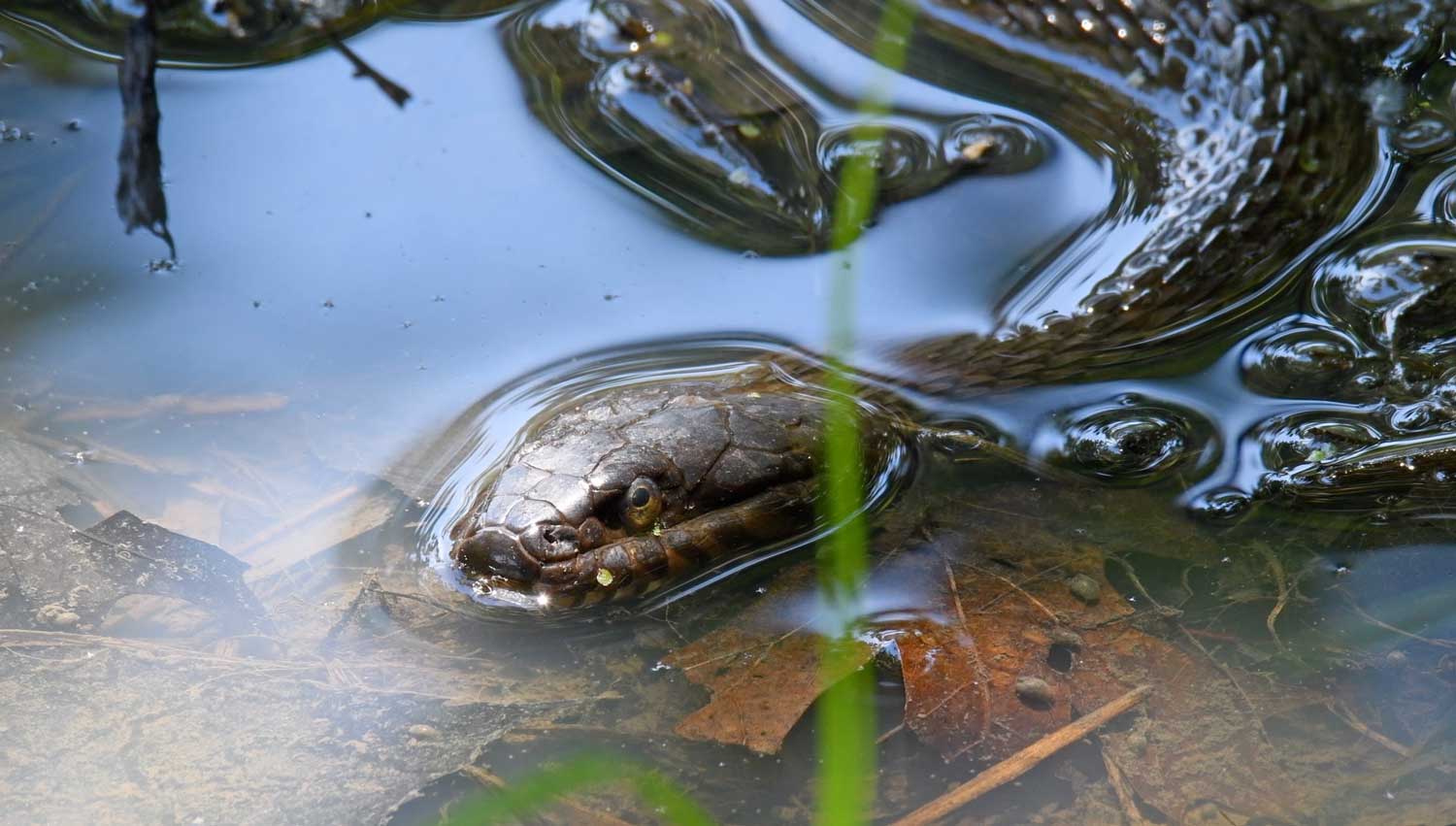
Learn more about the northern water snake, one of the most common water snakes in Illinois.
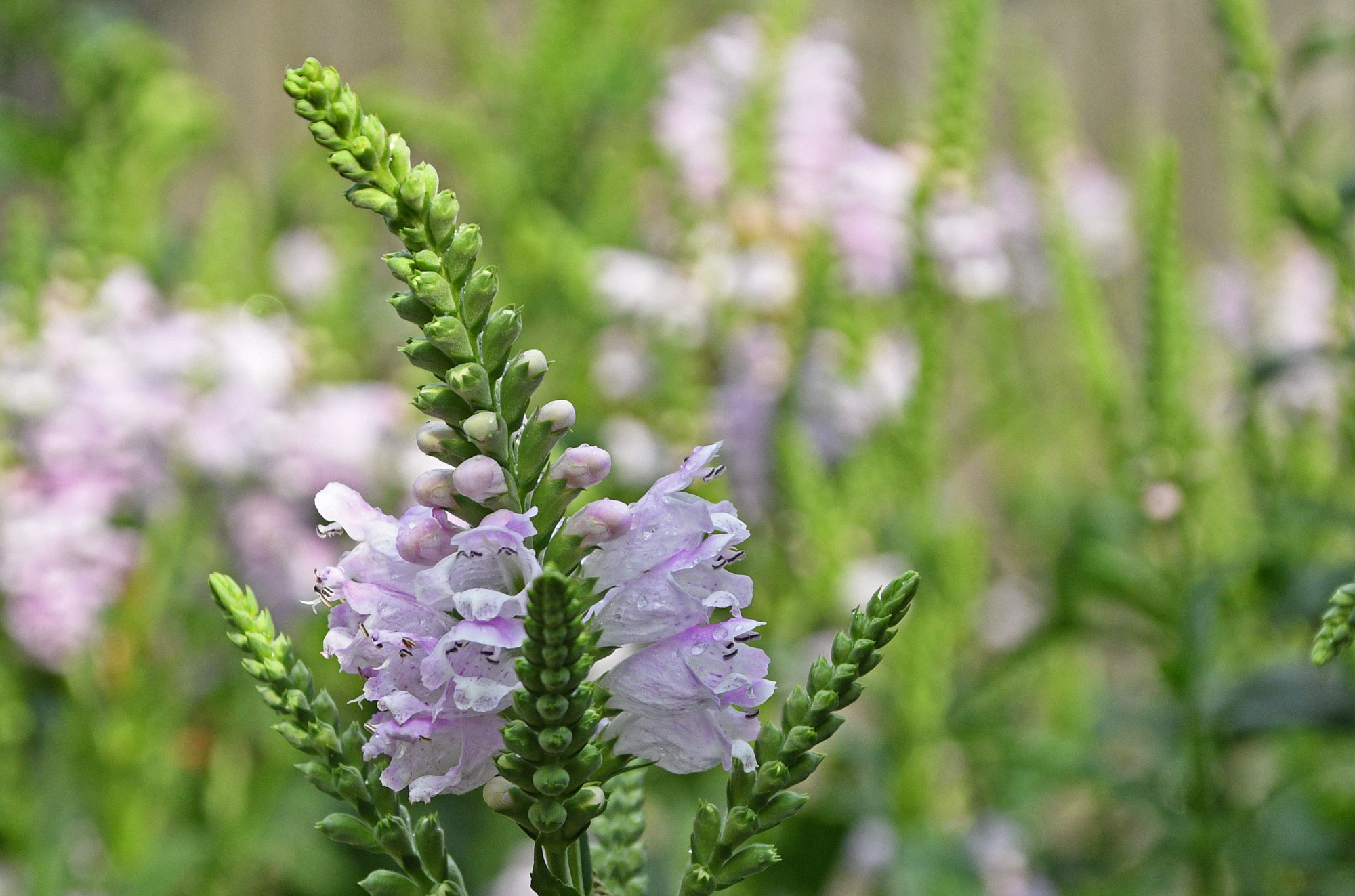
A plant that does what it's told? The name obedient plant may seem like a misnomer, but the flowers of this plant can be turned in any direction and will stay in place once moved, hence the name.
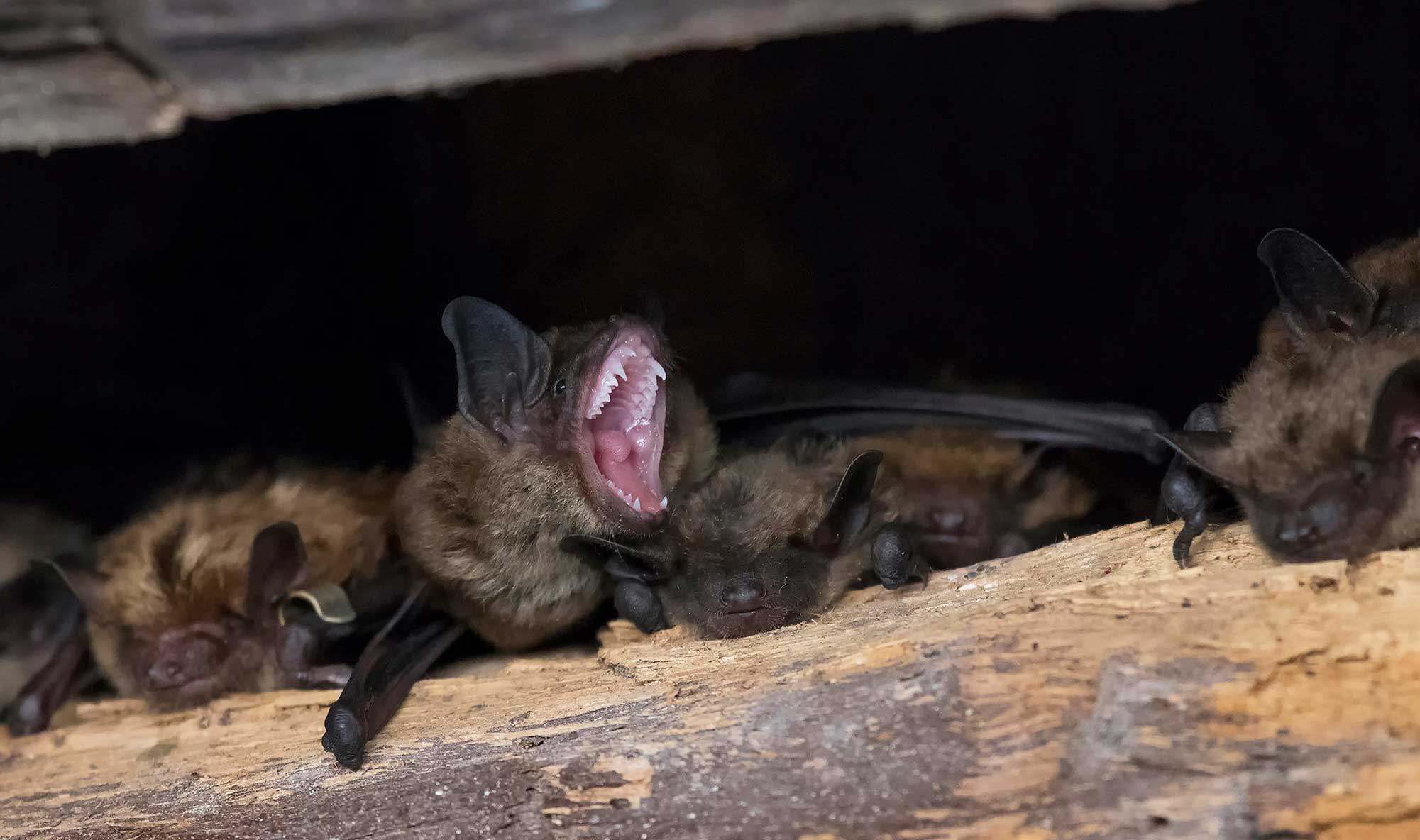
Most of us try to avoid bats, but creating a welcoming habitat for them may be beneficial.
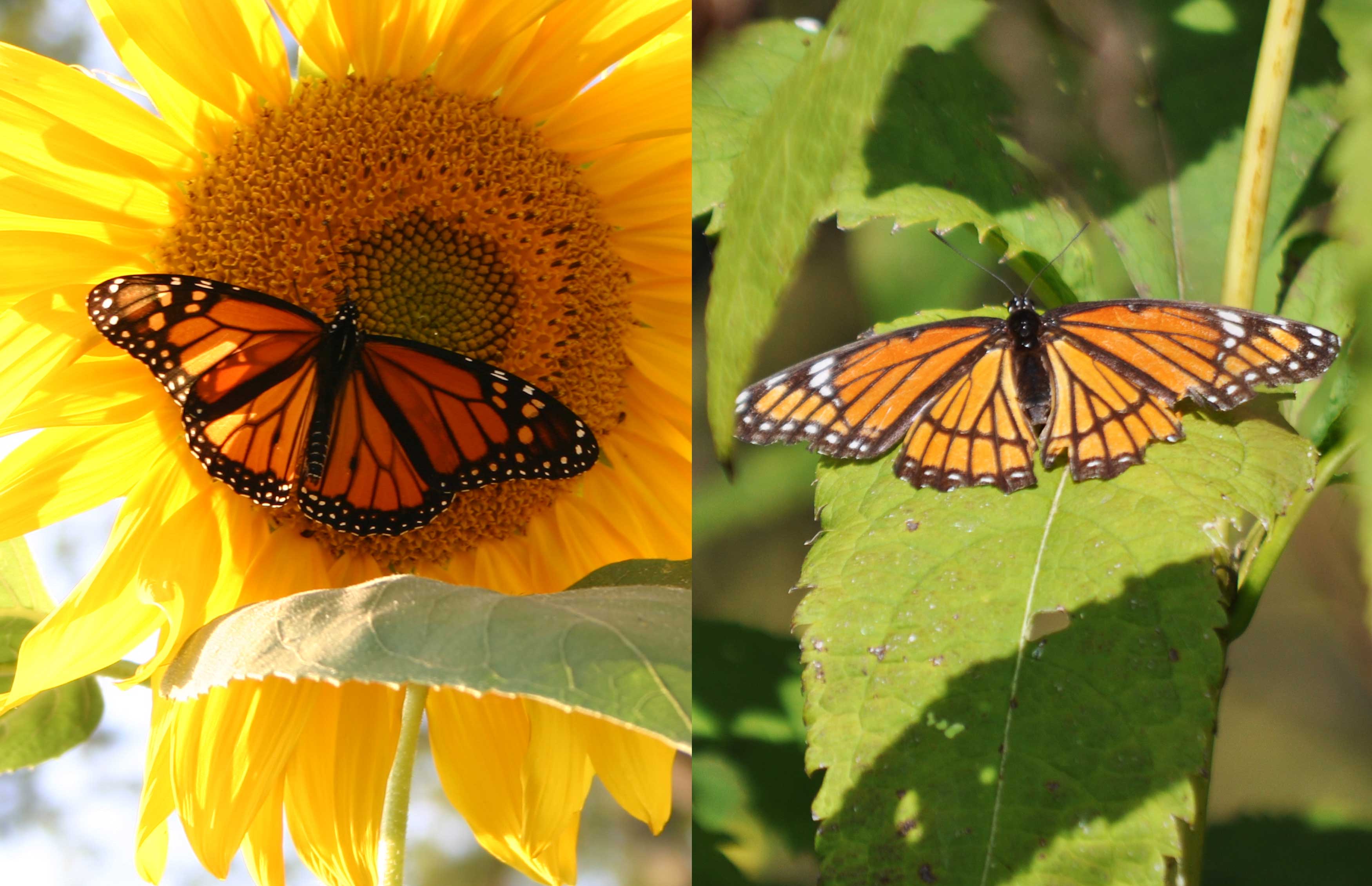
Is that orange and black butterfly floating by a monarch or a viceroy? Here's how to tell the difference.
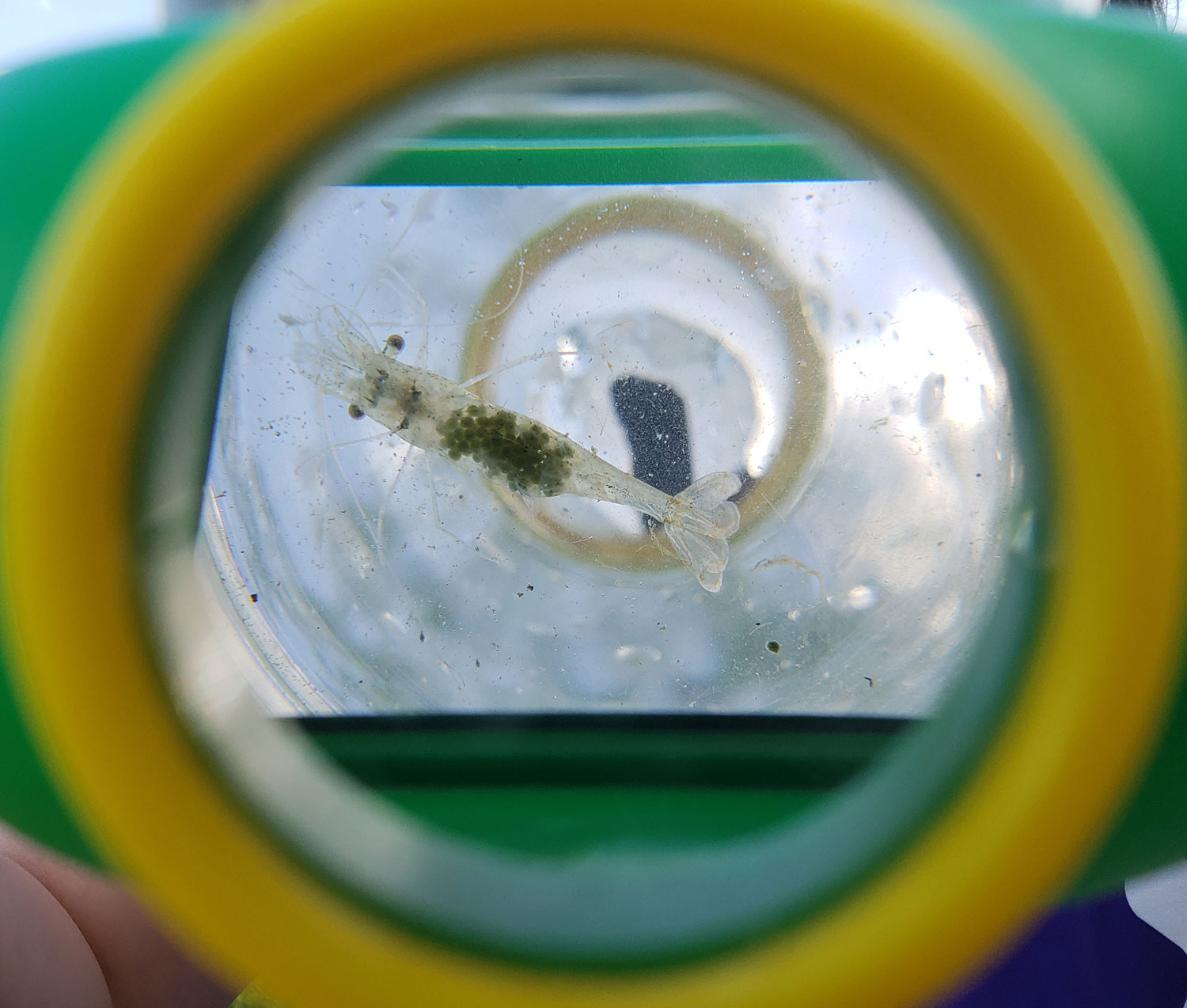
Shrimp in Illinois waterways? It's true, but these aren't the kind of crustaceans you'd order in a restaurant.
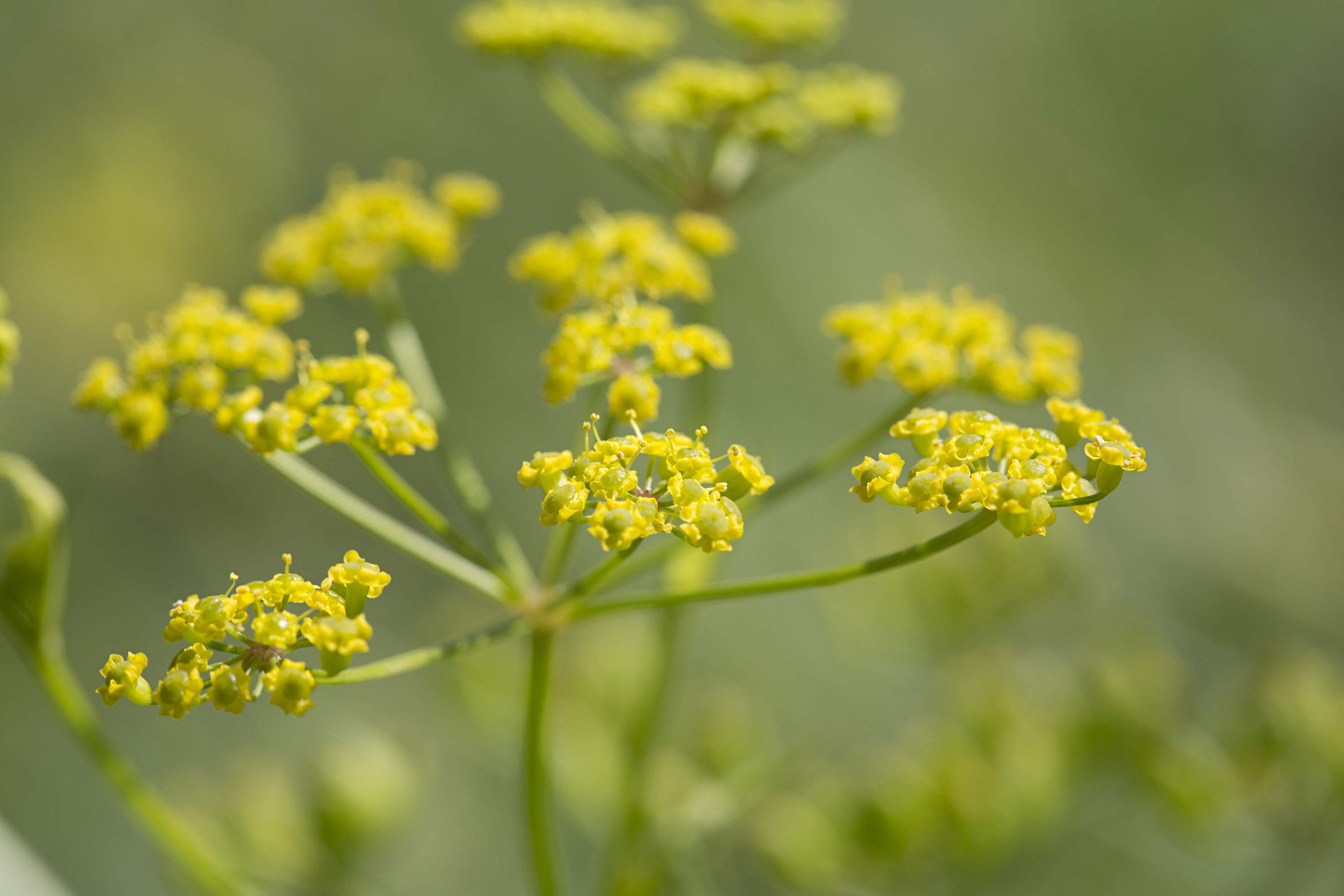
Here’s a closer look at some of the plants that can cause you harm and are best avoided.
Some species have developed defense mechanisms that are crucial for their survival.
The royal-sounding queen snake is common in the Great Lakes region. This snake, often seen near water, is sometimes confused with the garter snake and the northern water snake. Learn what sets it apart.
Birds flying in formation can be an awe-inspiring feat of nature, but how do the birds do it? And why?
They have a bad rep as being drab, but they are among the most diverse organisms on Earth.
If you listen closely at night, you'll hear a chorus of insects. Cicadas, crickets and katydids all combine to create a symphony of sound.
Fishing line seems like an innocuous tool, but in reality it's a death trap for untold numbers of wildlife.
That hawk soaring overhead or perched atop a light pole is probably a red-tailed hawk. Learn more about these high-flying birds.
Barb Ferry has been raising monarch butterflies at home and releasing them into the wild, with the ultimate goals of helping sustain their population and educating the public of their importance.
Is that creepy crawly covered in legs a centipede or a millipede? Here's how to tell.
If you've ever spent a long day in the sun with no sunscreen, you've probably paid the price in the form of a bad sunburn. But are animals at risk for painful sunburns too?
Learn more about the northern water snake, one of the most common water snakes in Illinois.
A plant that does what it's told? The name obedient plant may seem like a misnomer, but the flowers of this plant can be turned in any direction and will stay in place once moved, hence the name.
Most of us try to avoid bats, but creating a welcoming habitat for them may be beneficial.
Is that orange and black butterfly floating by a monarch or a viceroy? Here's how to tell the difference.
Shrimp in Illinois waterways? It's true, but these aren't the kind of crustaceans you'd order in a restaurant.
Here’s a closer look at some of the plants that can cause you harm and are best avoided.
Calling all adventurers! Learn how to use a compass and map before embarking on an adventure through the woods.
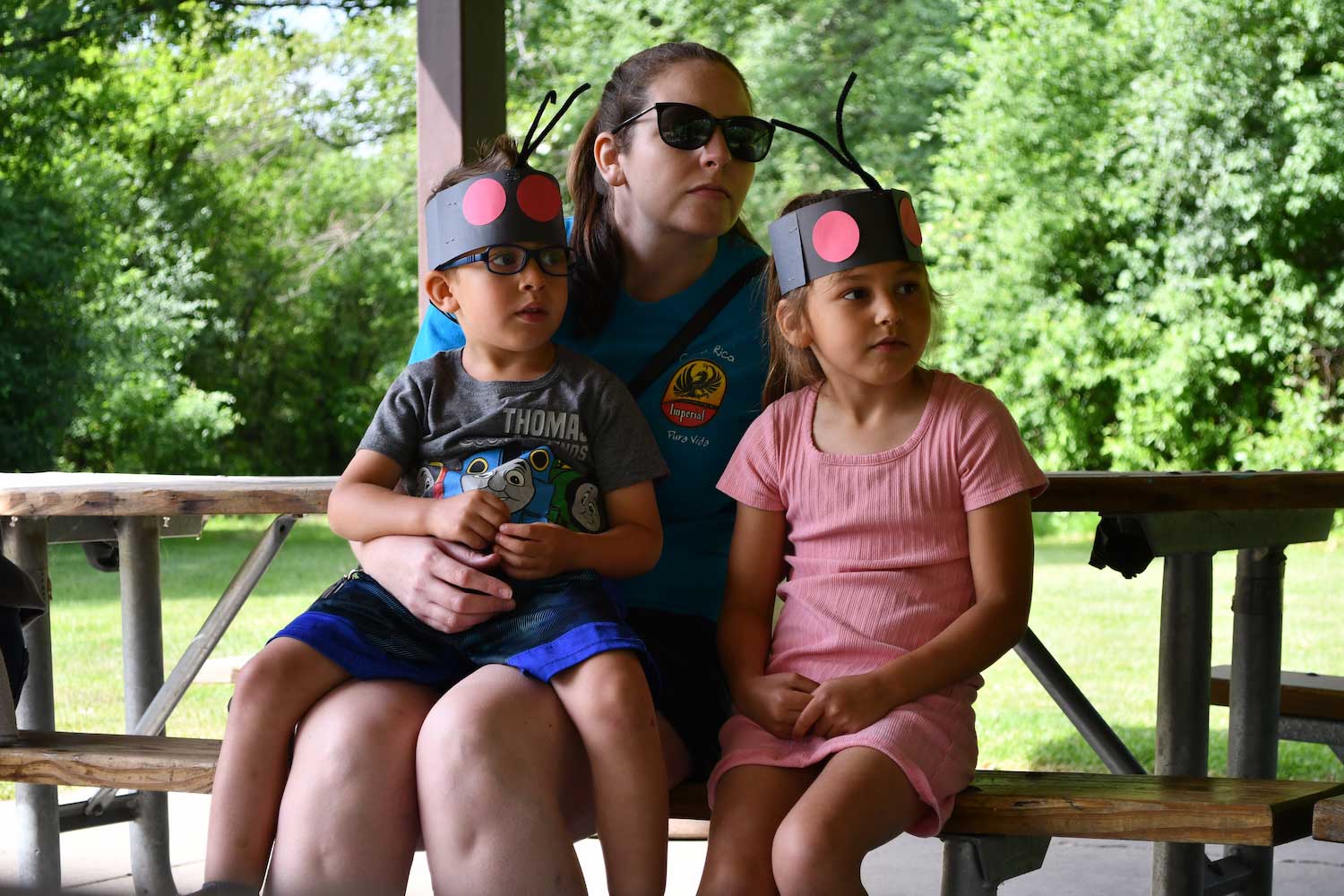
Answer the call of your wild child by getting outside with this monthly nature-themed program geared toward children ages 3 to 5.

It's not just our pets who suffer around the Fourth of July. Loud, booming fireworks pose serious risks to wildlife too.
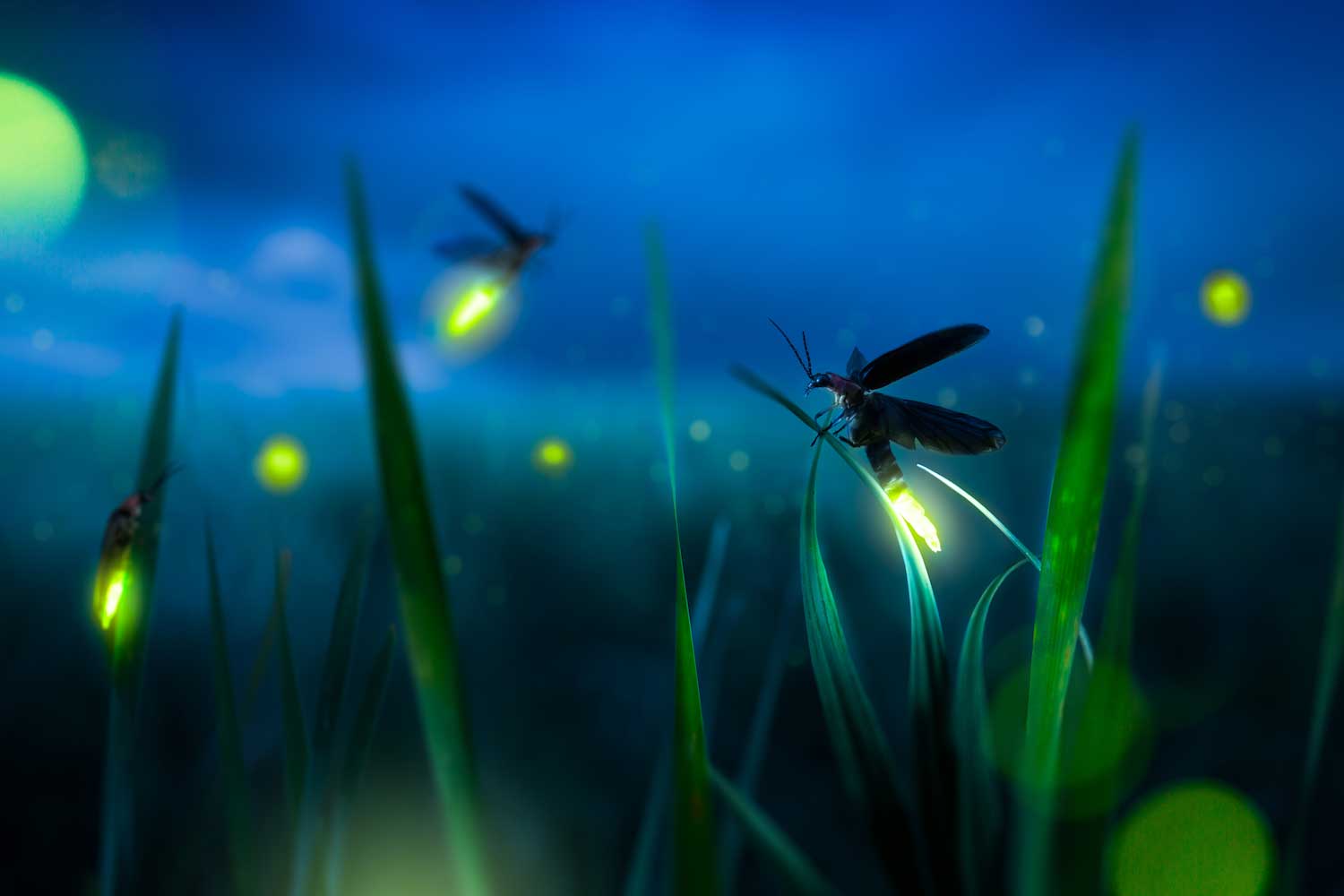
Catching lightning bugs is a summer rite of passage, but do you know how these bugs light up? Or why?
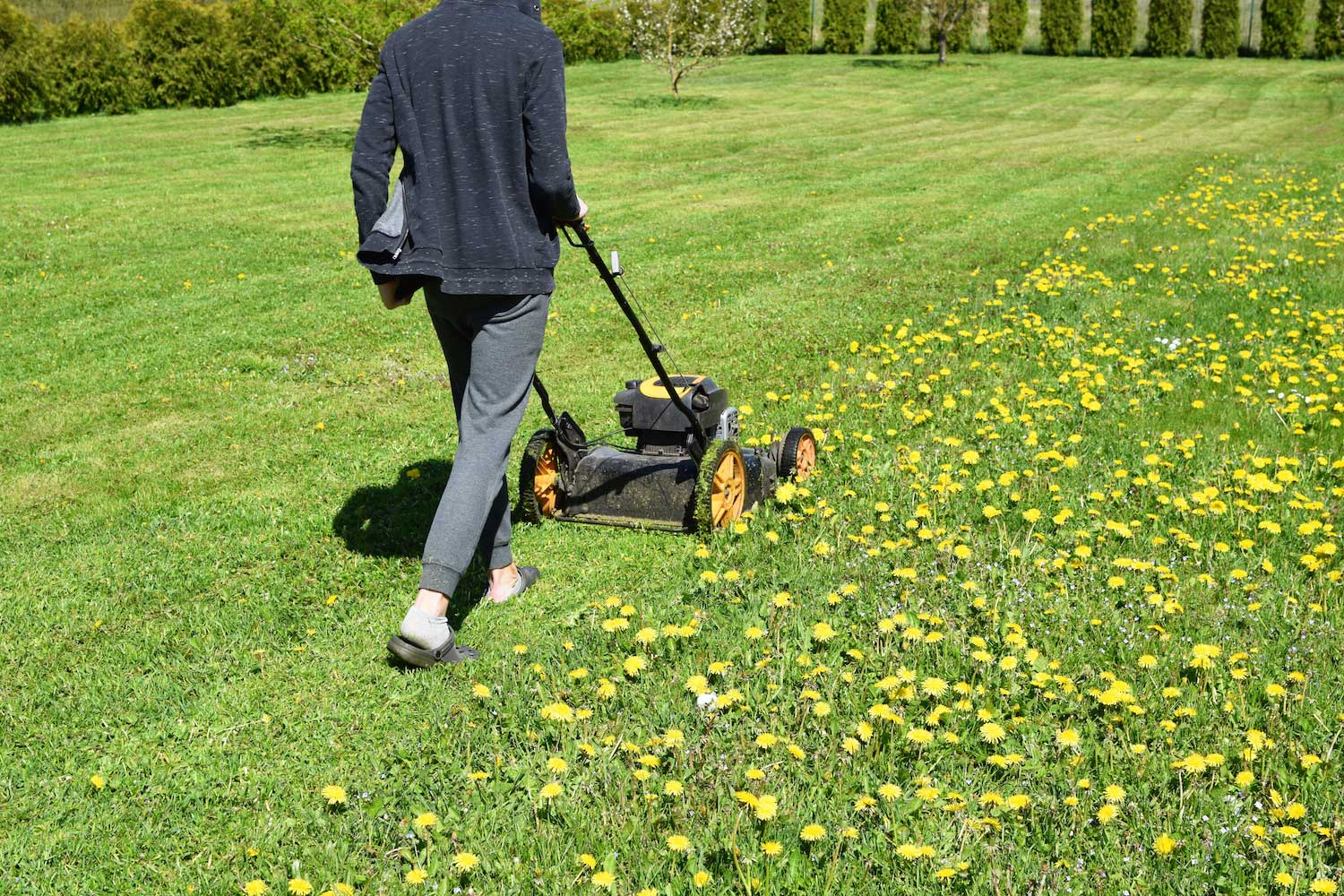
Participating in No Mow May isn't just a way to cut down on your yardwork for a month. You'll be helping bees and other essential insects too.