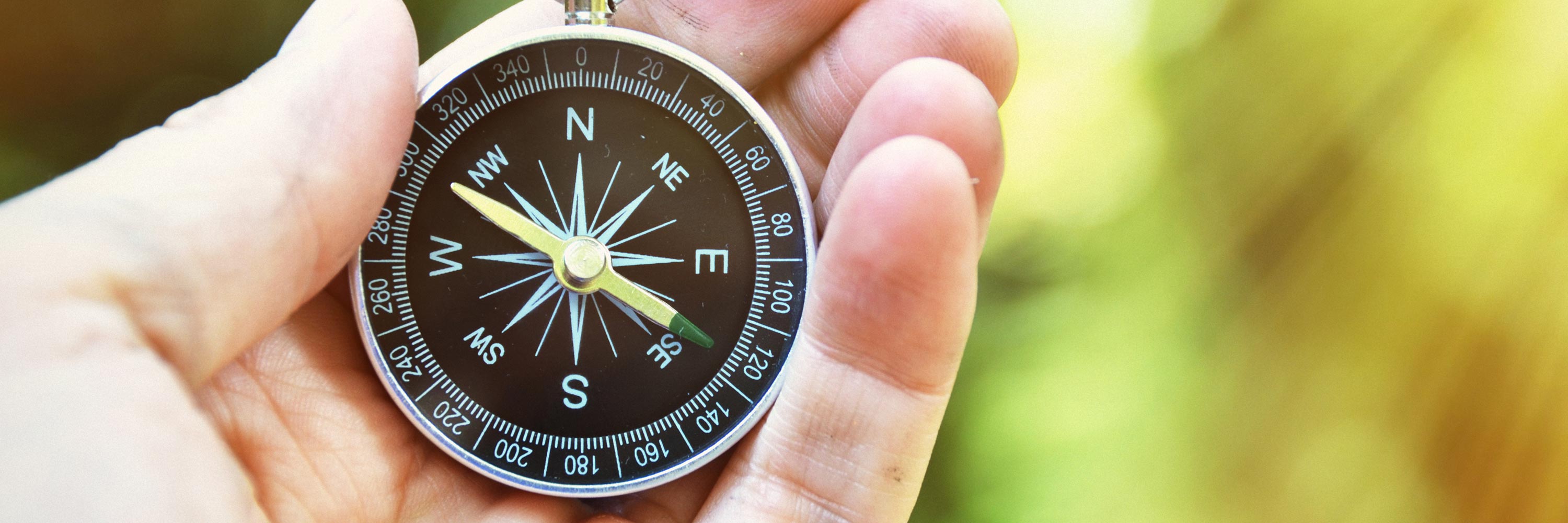
Wilderness Wayfinders
June 25, 2026 | 9:30 A.M TO 11:00 A.M
Calling all adventurers! Learn how to use a compass and map before embarking on an adventure through the woods.
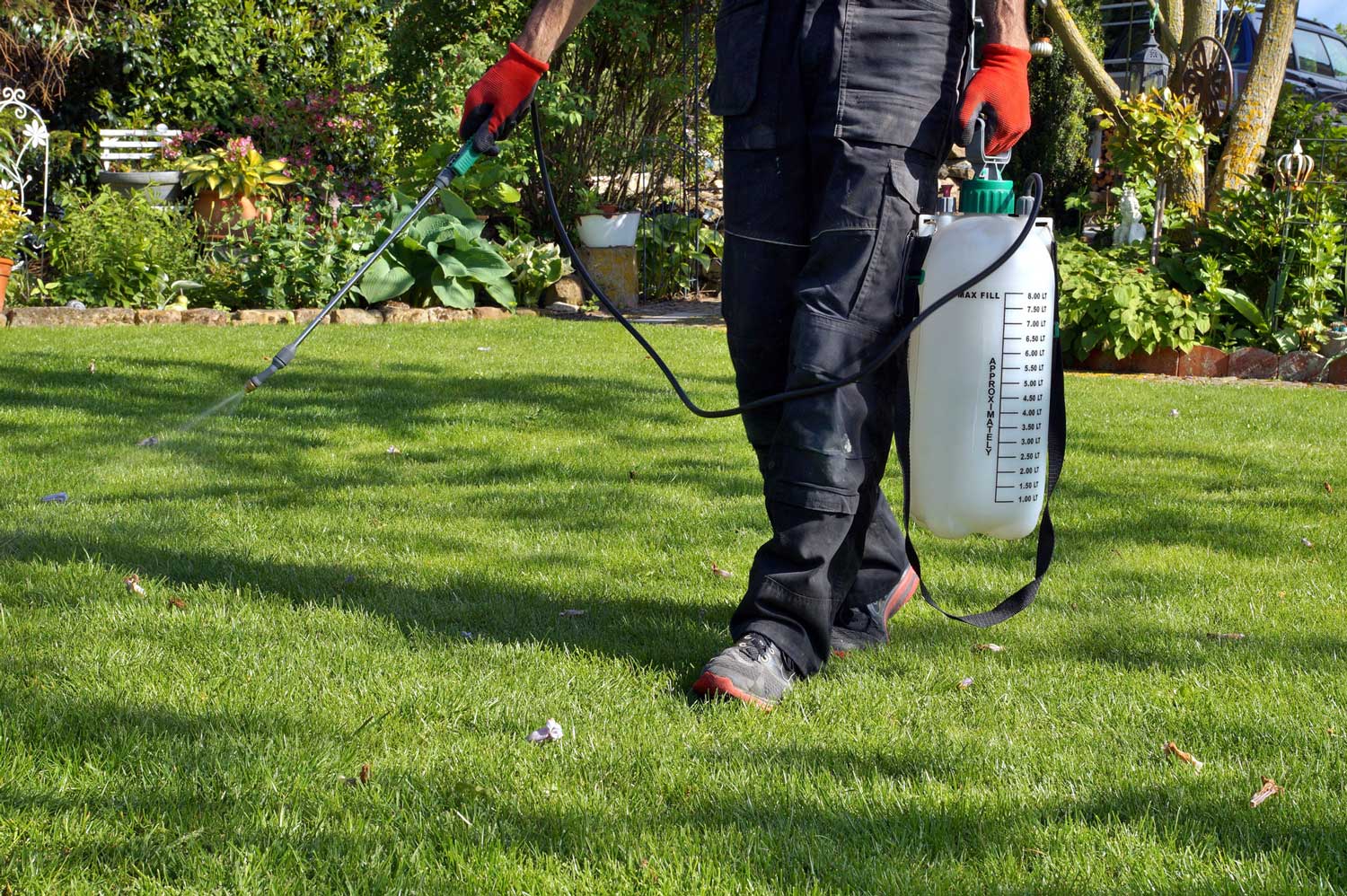
The need to have a perfect lawn has to do with peer pressure, according to a recent study. But doing so isn't really good for the environment.
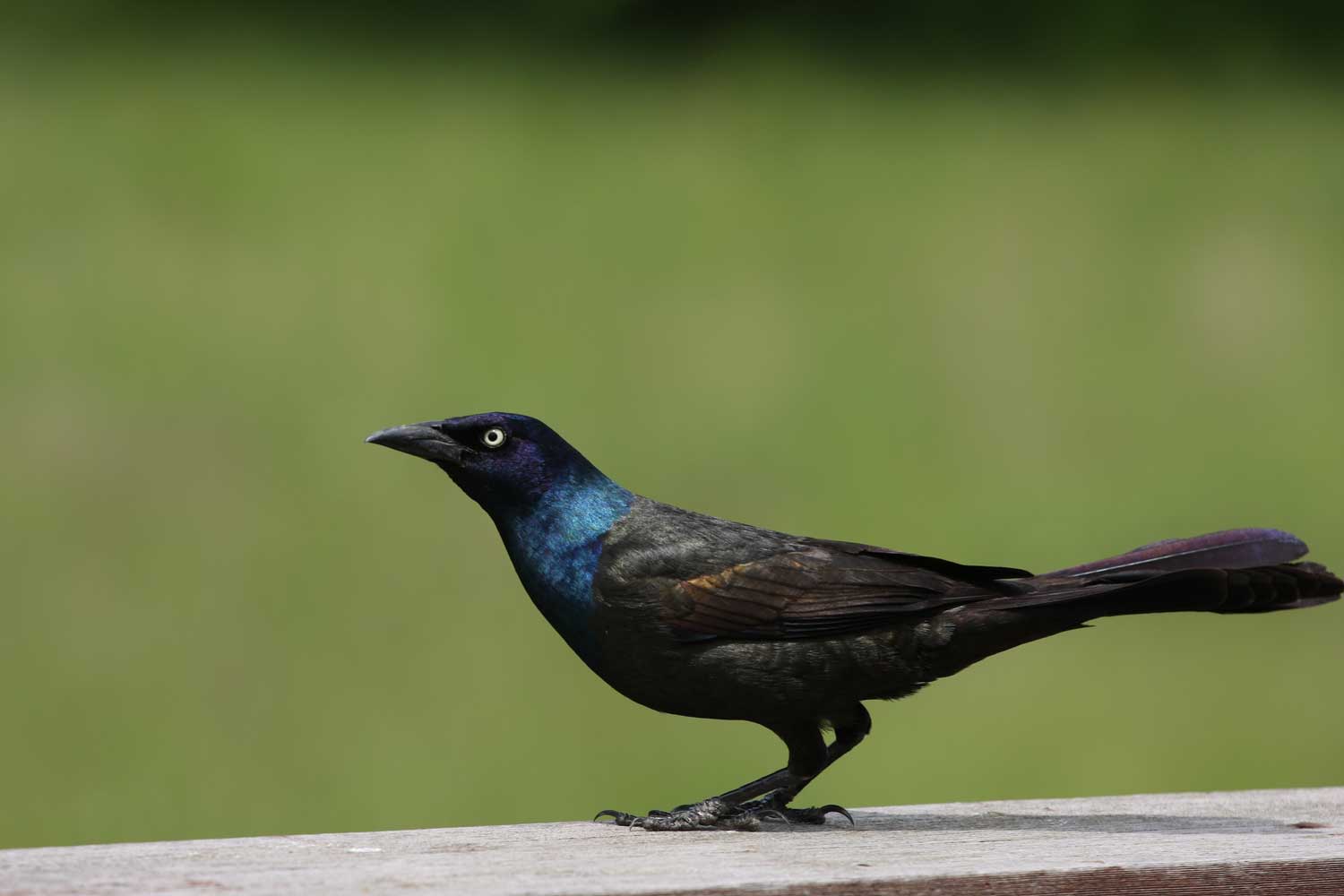
Common grackles might seem ordinary, their name even implies it. But while these birds may be common, there is something quite special about them.
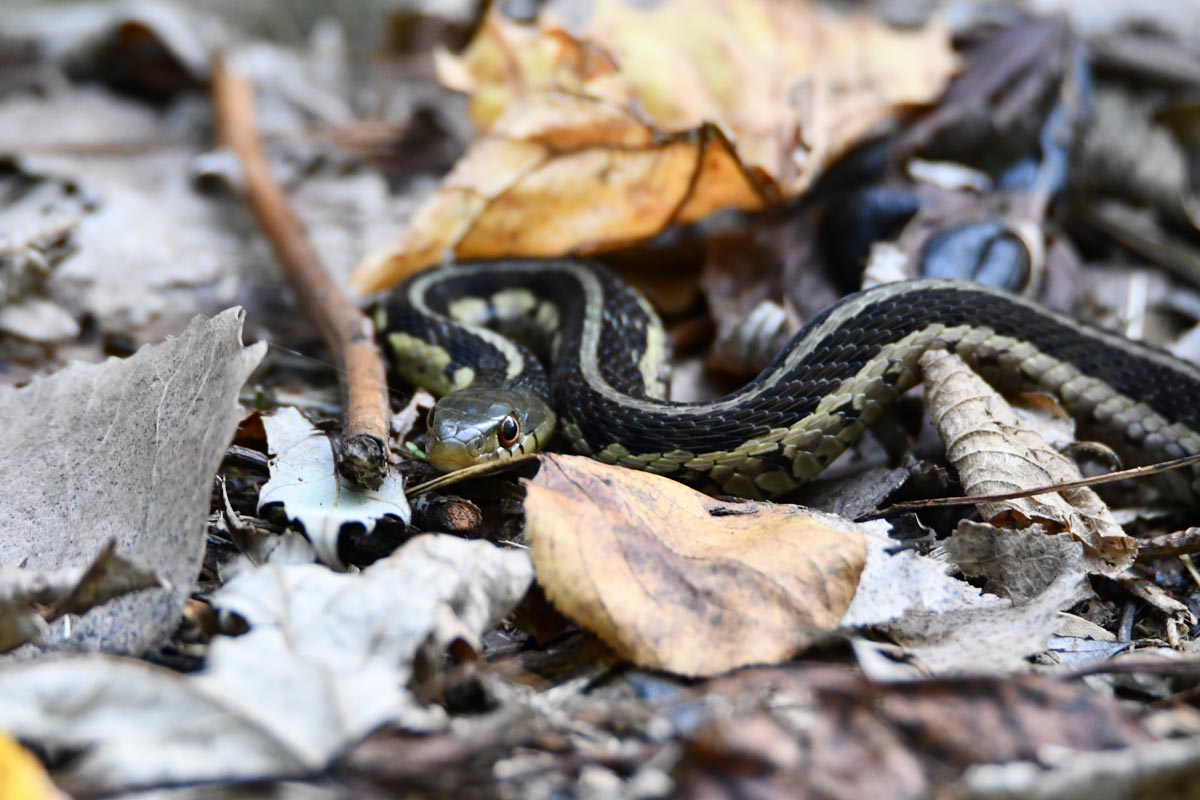
The garter snake is the most common snake in the United States, living from coast to coast. But these snakes are still interesting creatures, despite being ubiquitous.
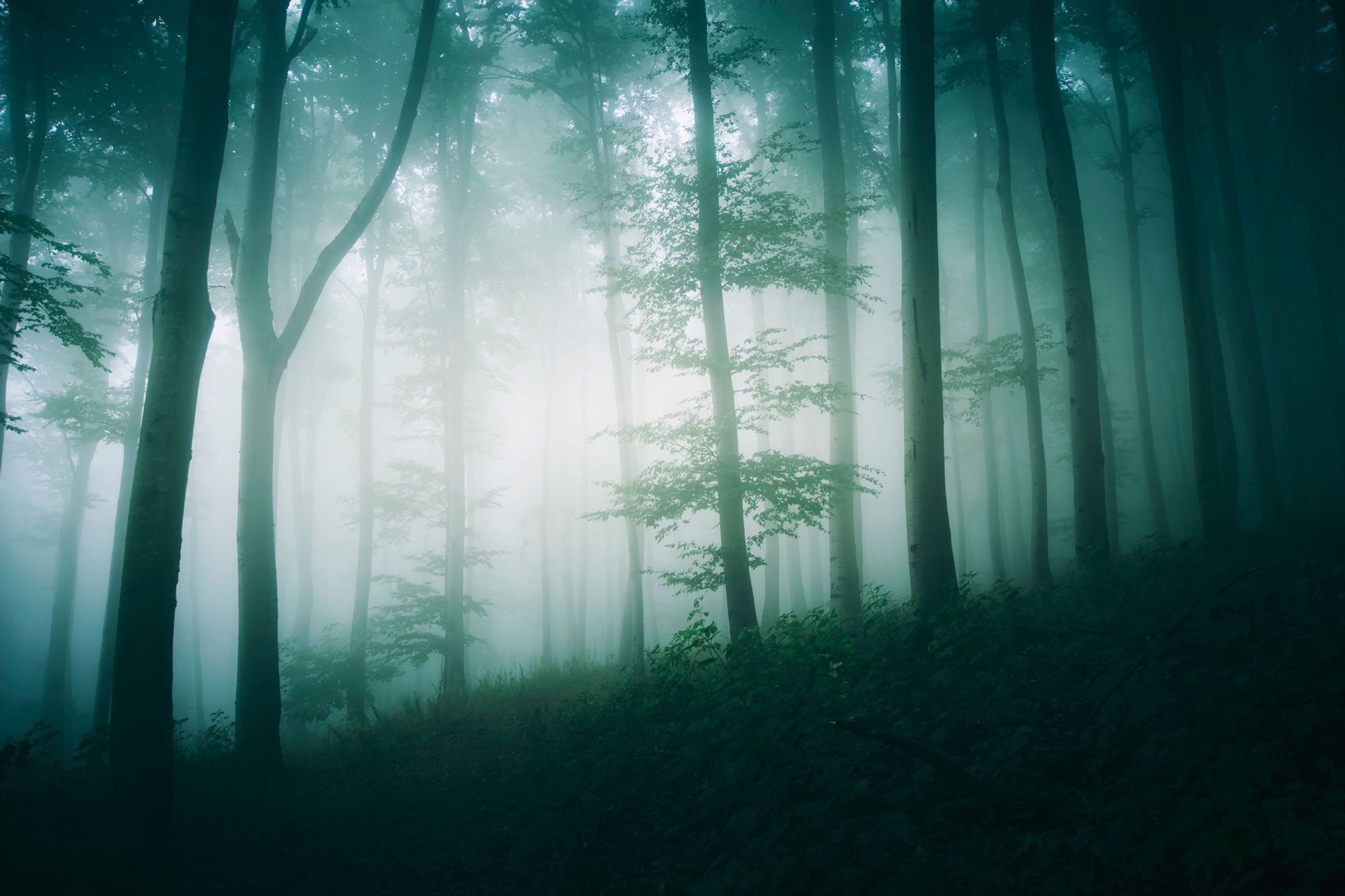
You woke up to a blanket of fog covering the neighborhood, but where did it come from?
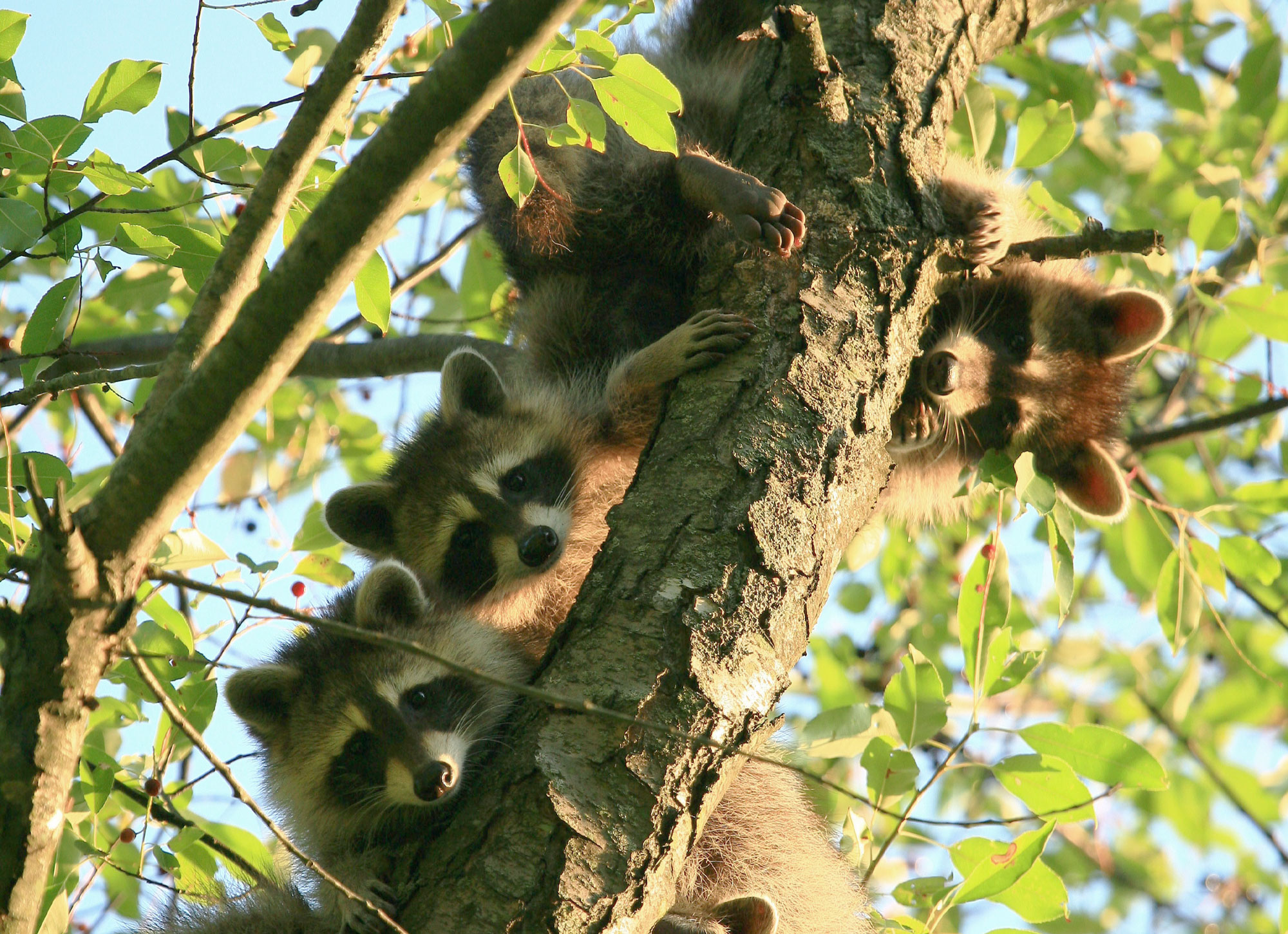
Raccoons have a well-earned reputation for being trash bandits, but they deserve our respect too.
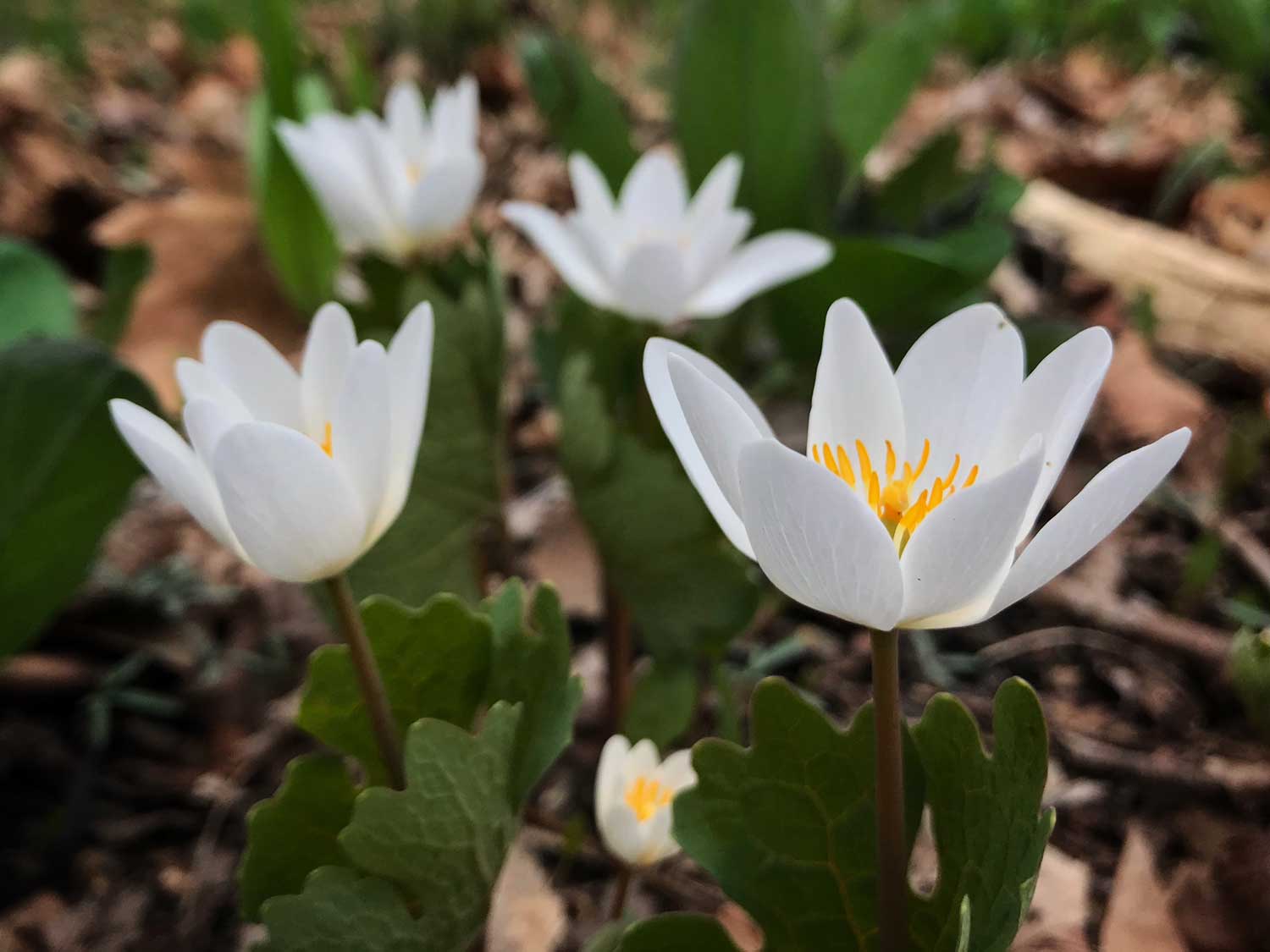
Spring wildflowers are beautiful but fleeting. Keep your eyes trained to the ground when out for a walk to see if you can spot bloodroot, a fascinating ephemeral.
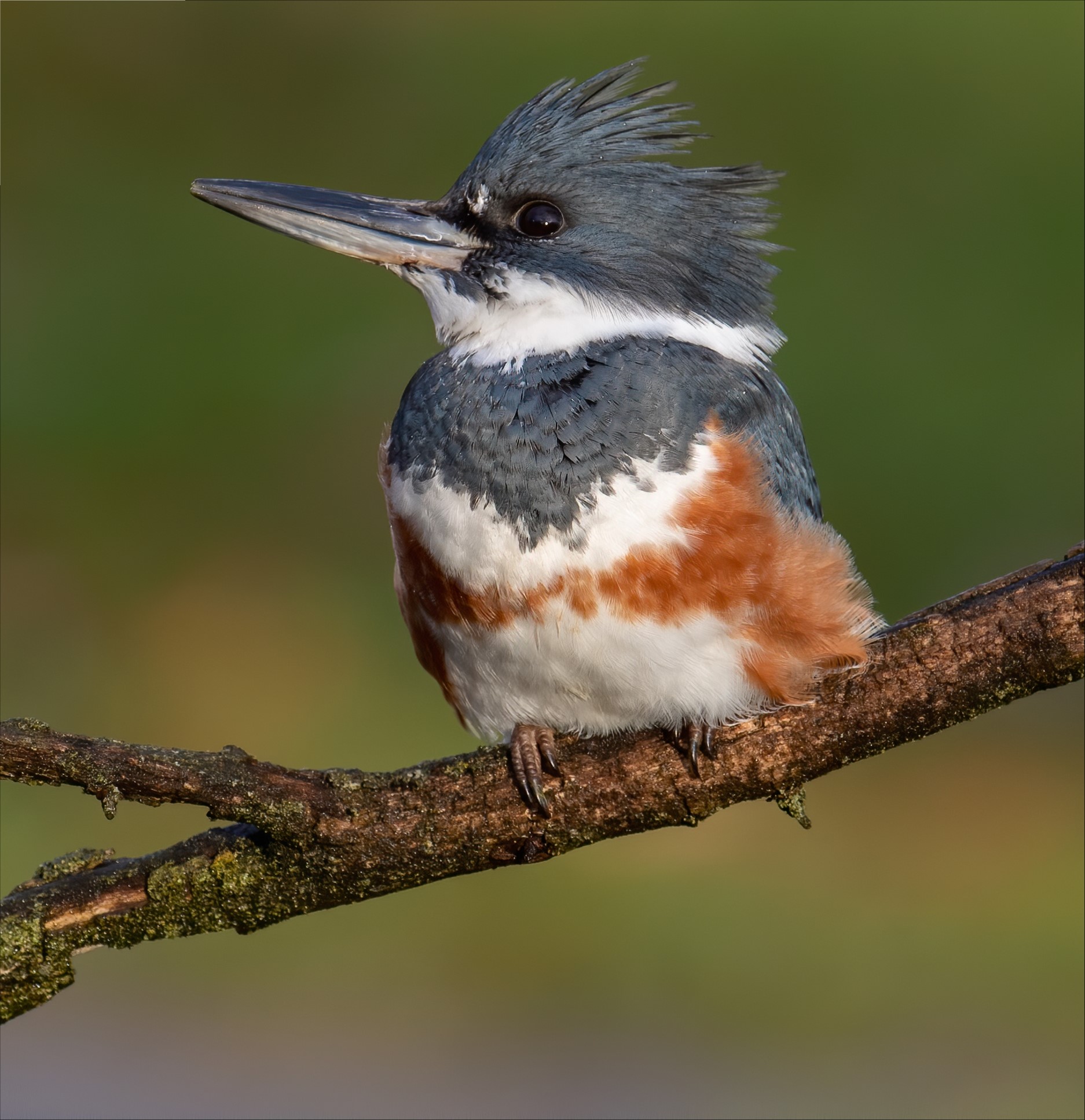
A look at some of the favorite species of Forest Preserve staff and volunteers.
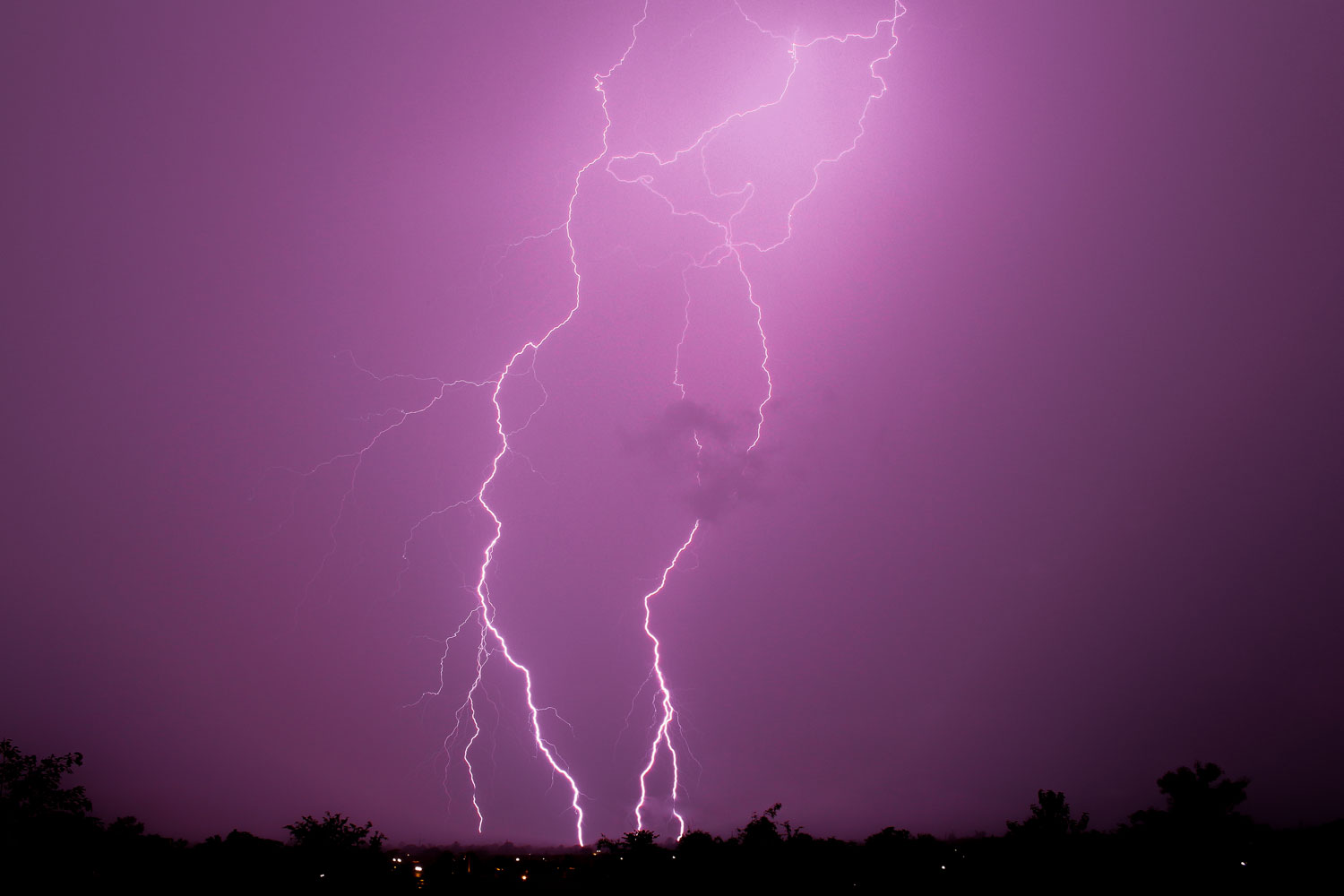
Lightning can — and will — strike the same place twice, so always head indoors when thunder roars.
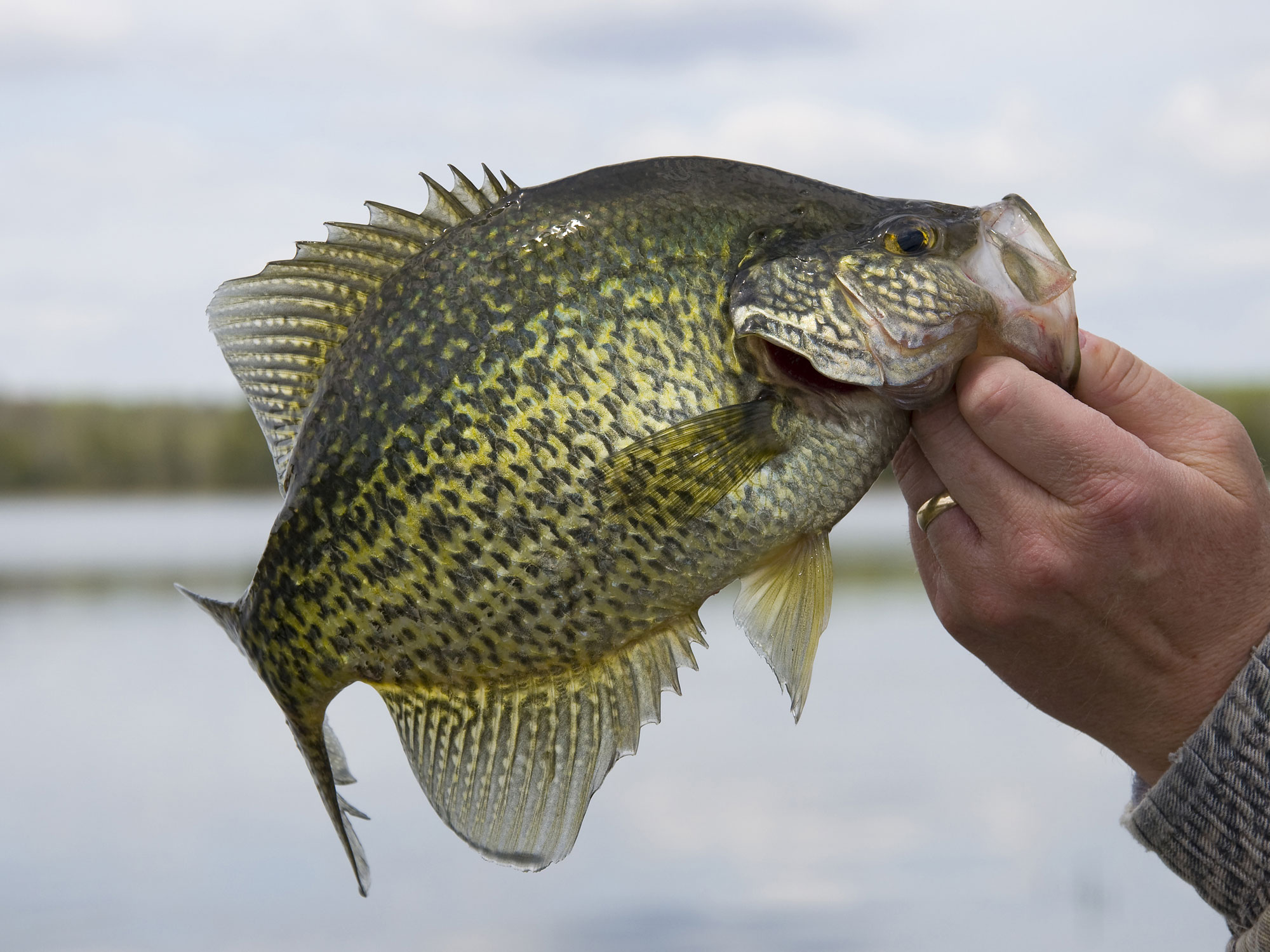
Spring is spawning season for crappies, which offers an opportunity to get a good look at these fish.
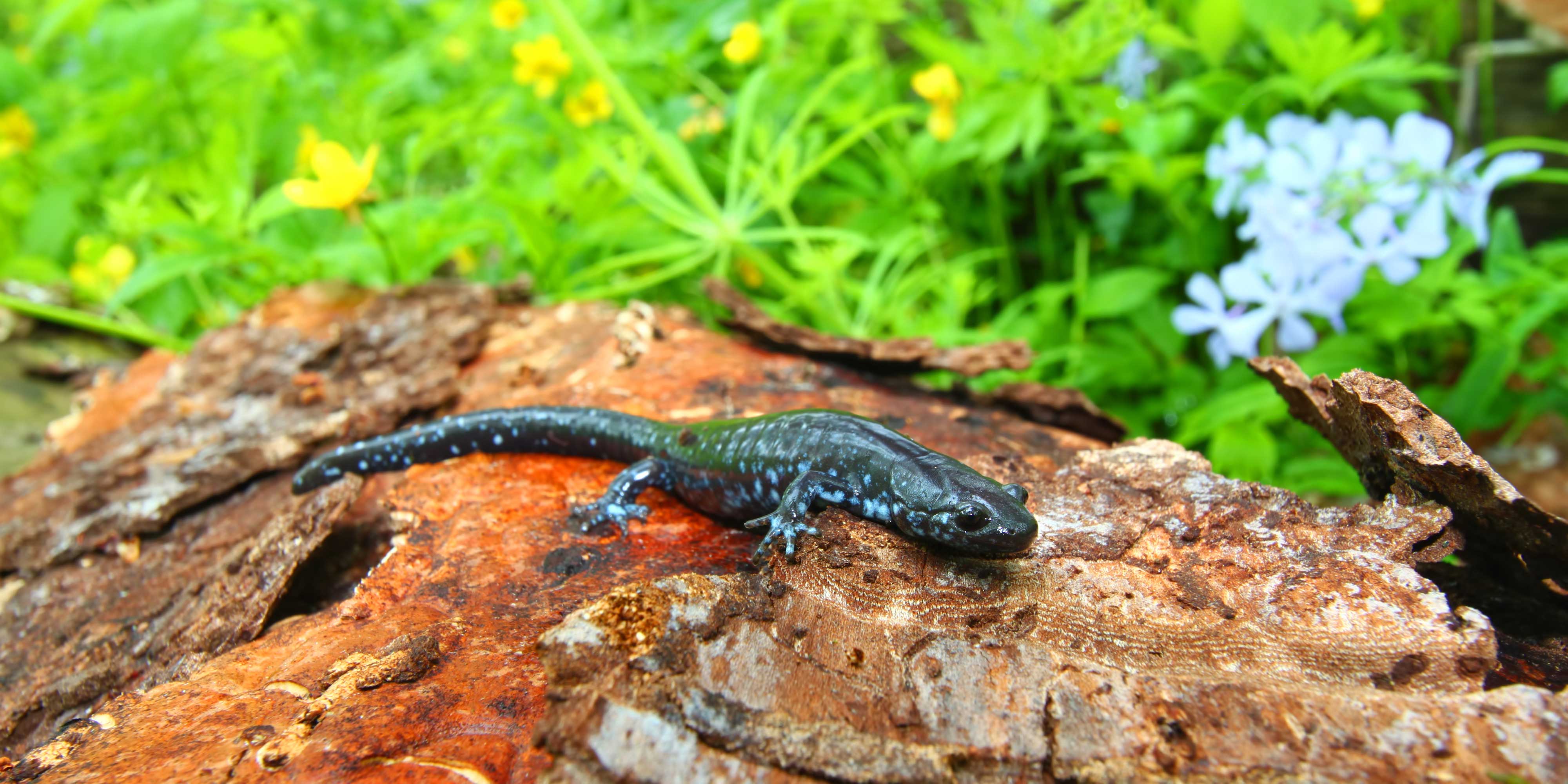
Have you ever seen a blue-spotted salamander? Most people haven't, but they do live in Will County. Finding one is a matter of knowing where to look.
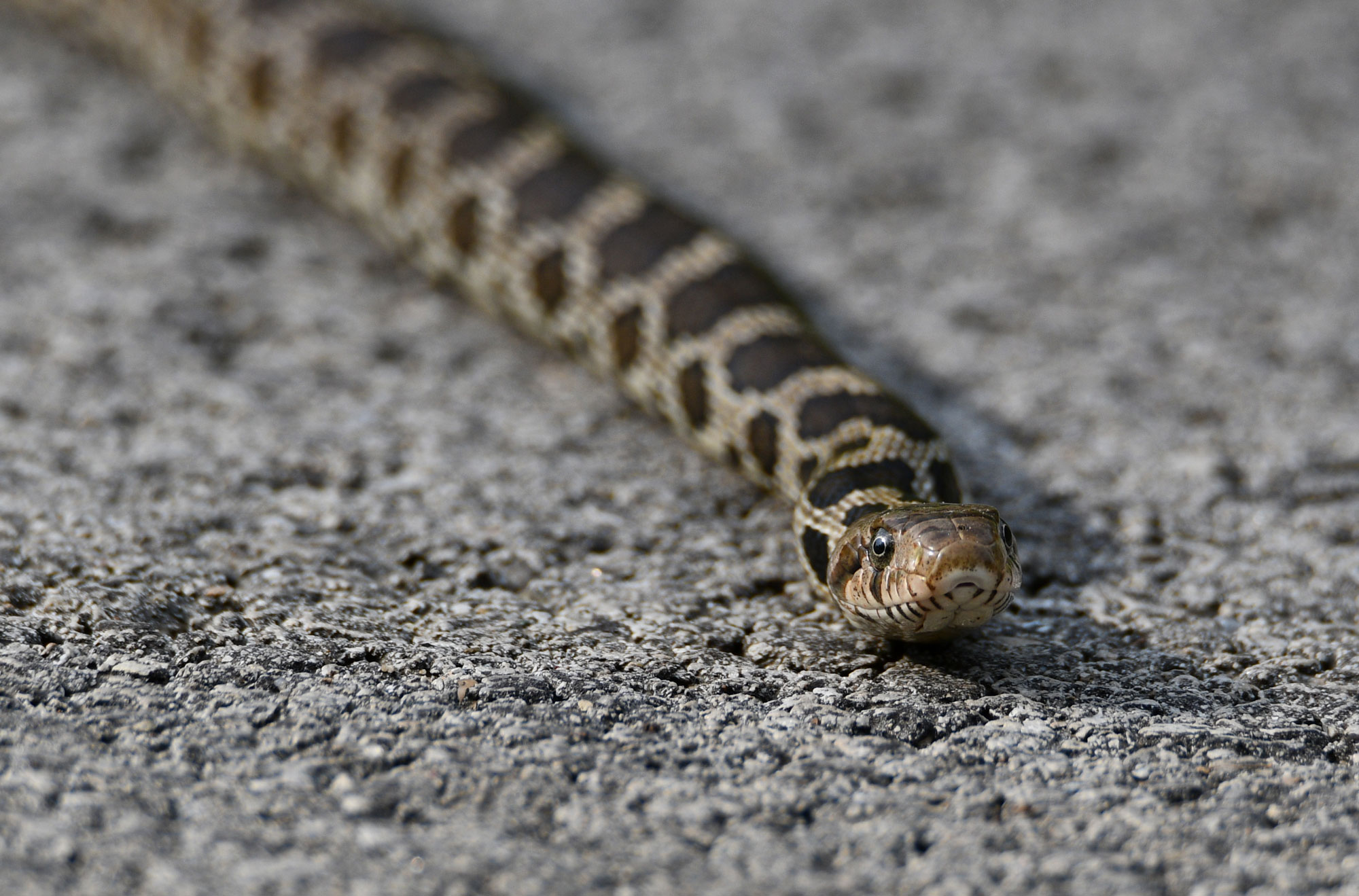
Is that snake you saw a dangerous eastern massasauga rattlesnake or a nonvenomous fox snake? If you saw it in Will County, it was a fox snake. The massasauga does not live in Will County. In fact, no venomous snakes do.
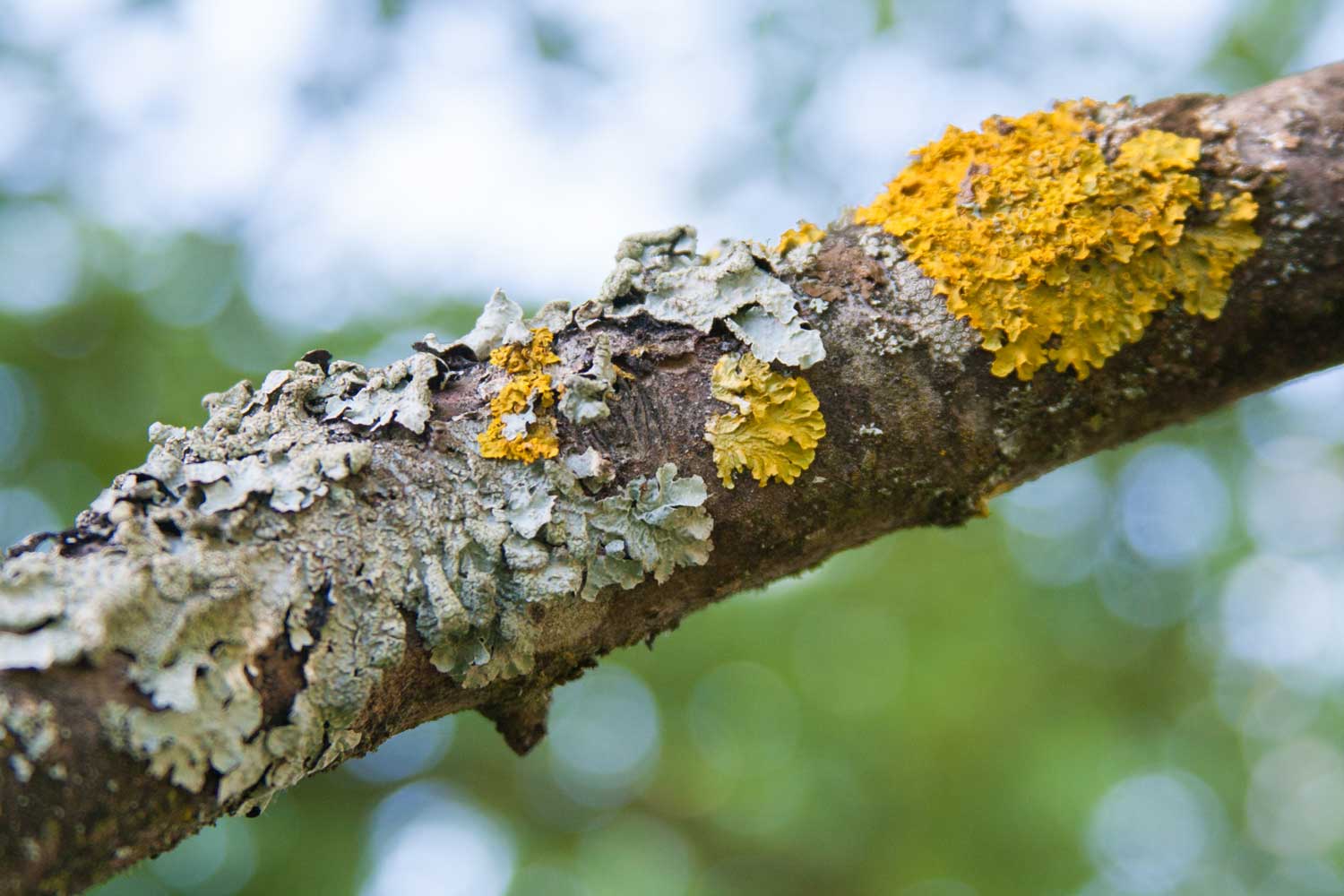
Lichens are little known and not well understood, but they deserve our appreciation.
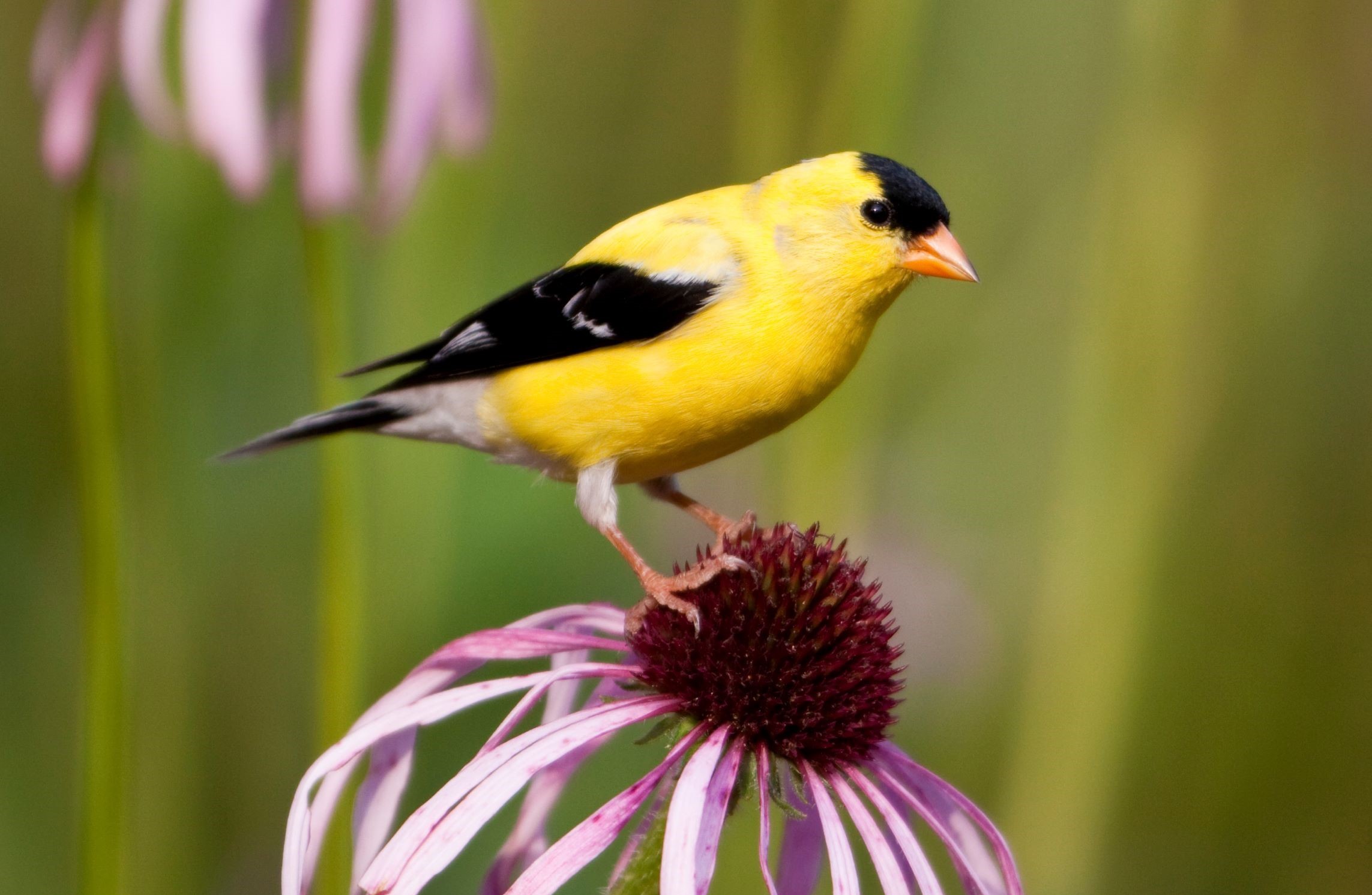
If you are looking to attract a wide variety of birds to your yard, one of the best ways is to fill your landscape with native plants.
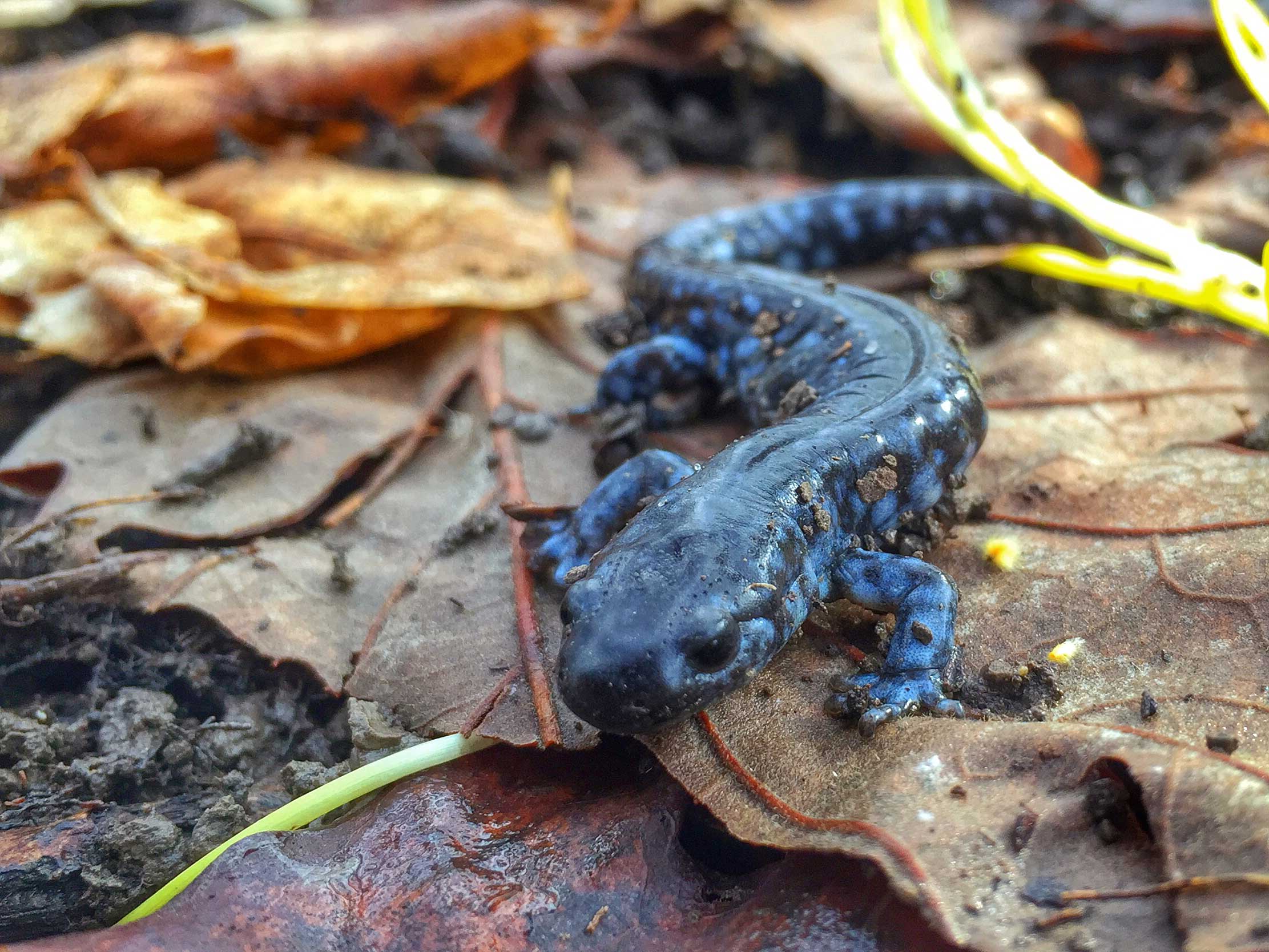
When it comes to salamanders, a big part of the thrill is the hunt.
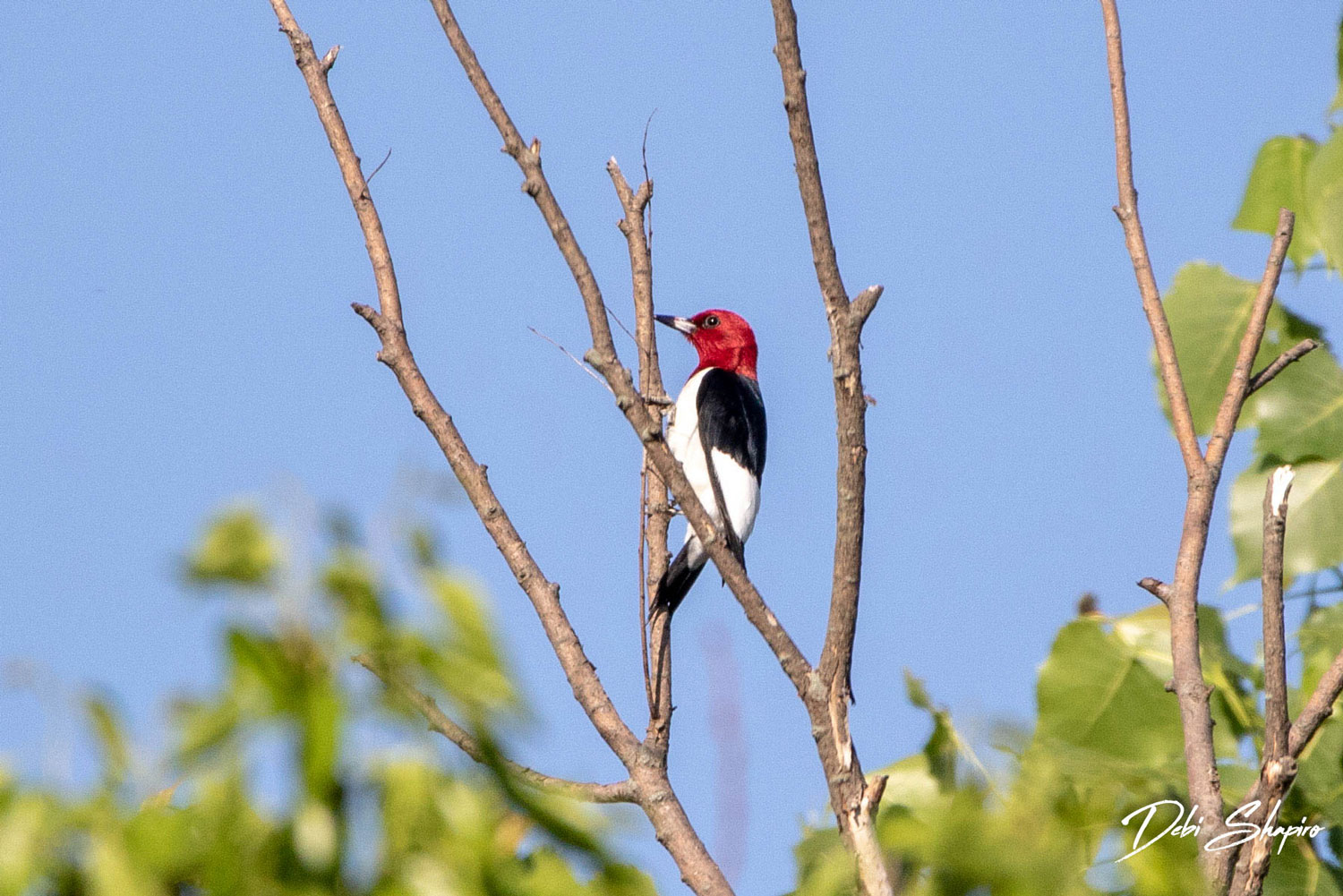
Woodpeckers can peck up to 12,000 times a day! So how do they do it without hurting their brains?
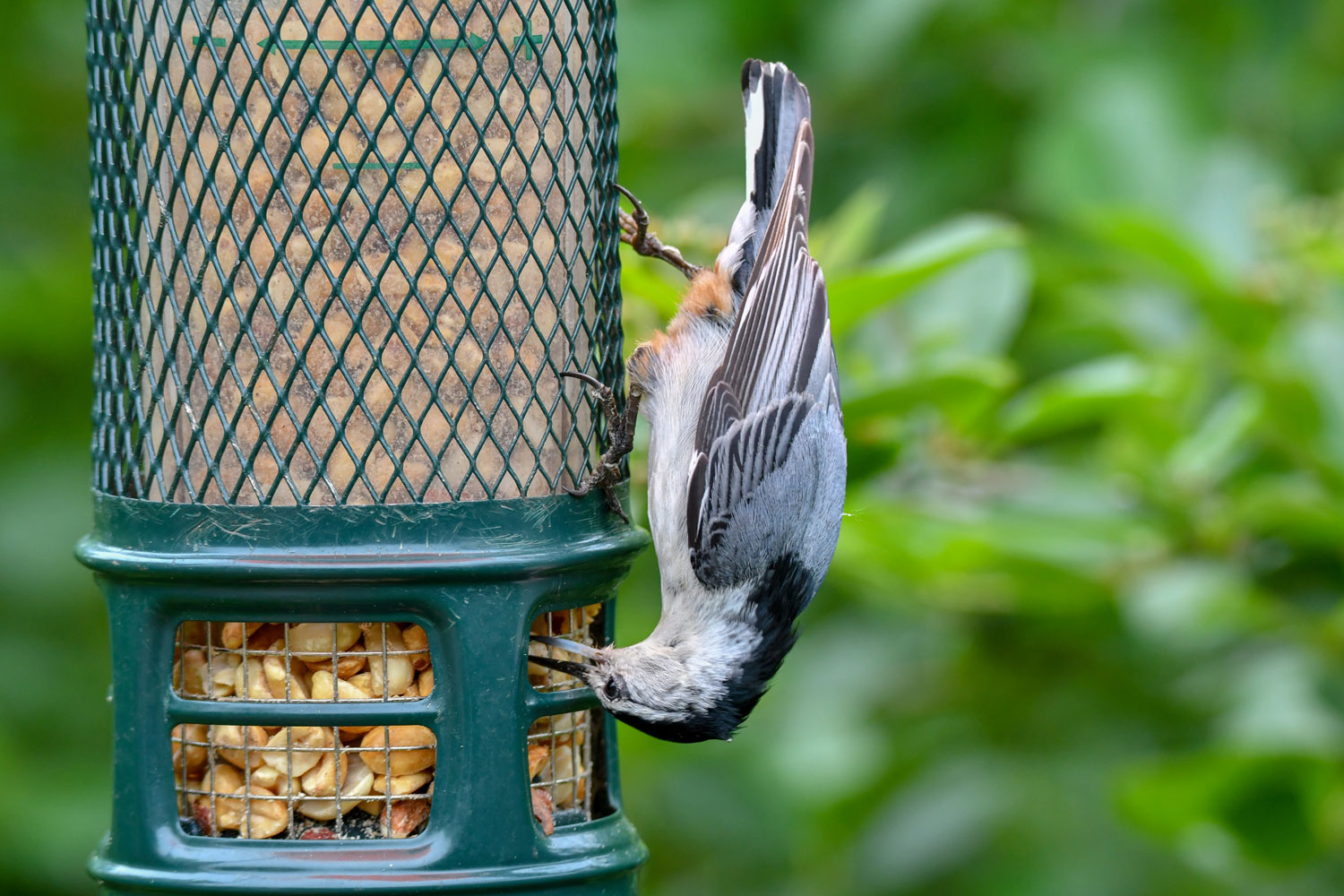
Want to attract birds to your yard? You'll need to meet their basic needs: food, shelter and water.
The need to have a perfect lawn has to do with peer pressure, according to a recent study. But doing so isn't really good for the environment.
Common grackles might seem ordinary, their name even implies it. But while these birds may be common, there is something quite special about them.
The garter snake is the most common snake in the United States, living from coast to coast. But these snakes are still interesting creatures, despite being ubiquitous.
You woke up to a blanket of fog covering the neighborhood, but where did it come from?
Raccoons have a well-earned reputation for being trash bandits, but they deserve our respect too.
Spring wildflowers are beautiful but fleeting. Keep your eyes trained to the ground when out for a walk to see if you can spot bloodroot, a fascinating ephemeral.
A look at some of the favorite species of Forest Preserve staff and volunteers.
Lightning can — and will — strike the same place twice, so always head indoors when thunder roars.
Spring is spawning season for crappies, which offers an opportunity to get a good look at these fish.
Have you ever seen a blue-spotted salamander? Most people haven't, but they do live in Will County. Finding one is a matter of knowing where to look.
Is that snake you saw a dangerous eastern massasauga rattlesnake or a nonvenomous fox snake? If you saw it in Will County, it was a fox snake. The massasauga does not live in Will County. In fact, no venomous snakes do.
Lichens are little known and not well understood, but they deserve our appreciation.
If you are looking to attract a wide variety of birds to your yard, one of the best ways is to fill your landscape with native plants.
When it comes to salamanders, a big part of the thrill is the hunt.
Woodpeckers can peck up to 12,000 times a day! So how do they do it without hurting their brains?
Want to attract birds to your yard? You'll need to meet their basic needs: food, shelter and water.
Calling all adventurers! Learn how to use a compass and map before embarking on an adventure through the woods.
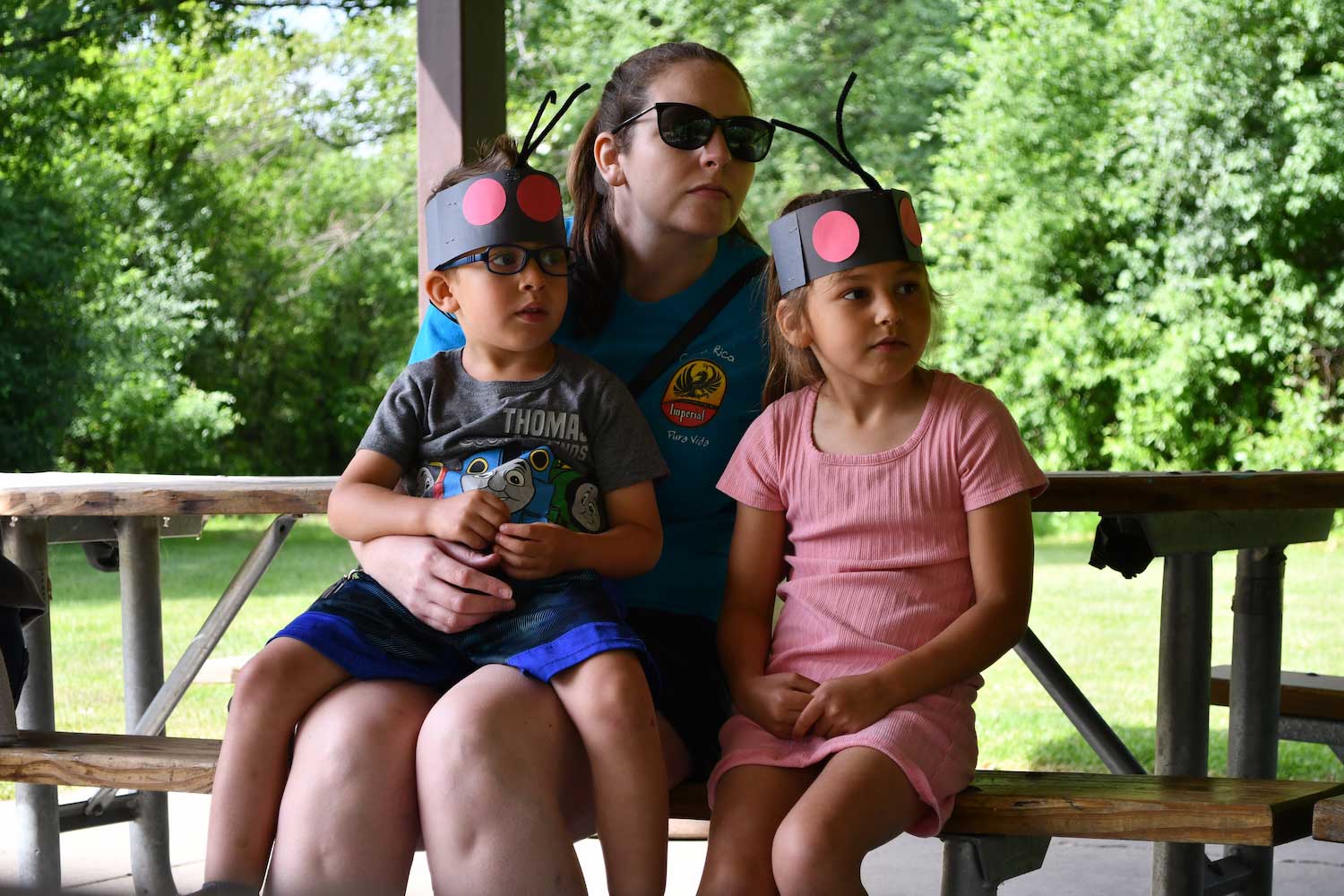
Answer the call of your wild child by getting outside with this monthly nature-themed program geared toward children ages 3 to 5.

It's not just our pets who suffer around the Fourth of July. Loud, booming fireworks pose serious risks to wildlife too.
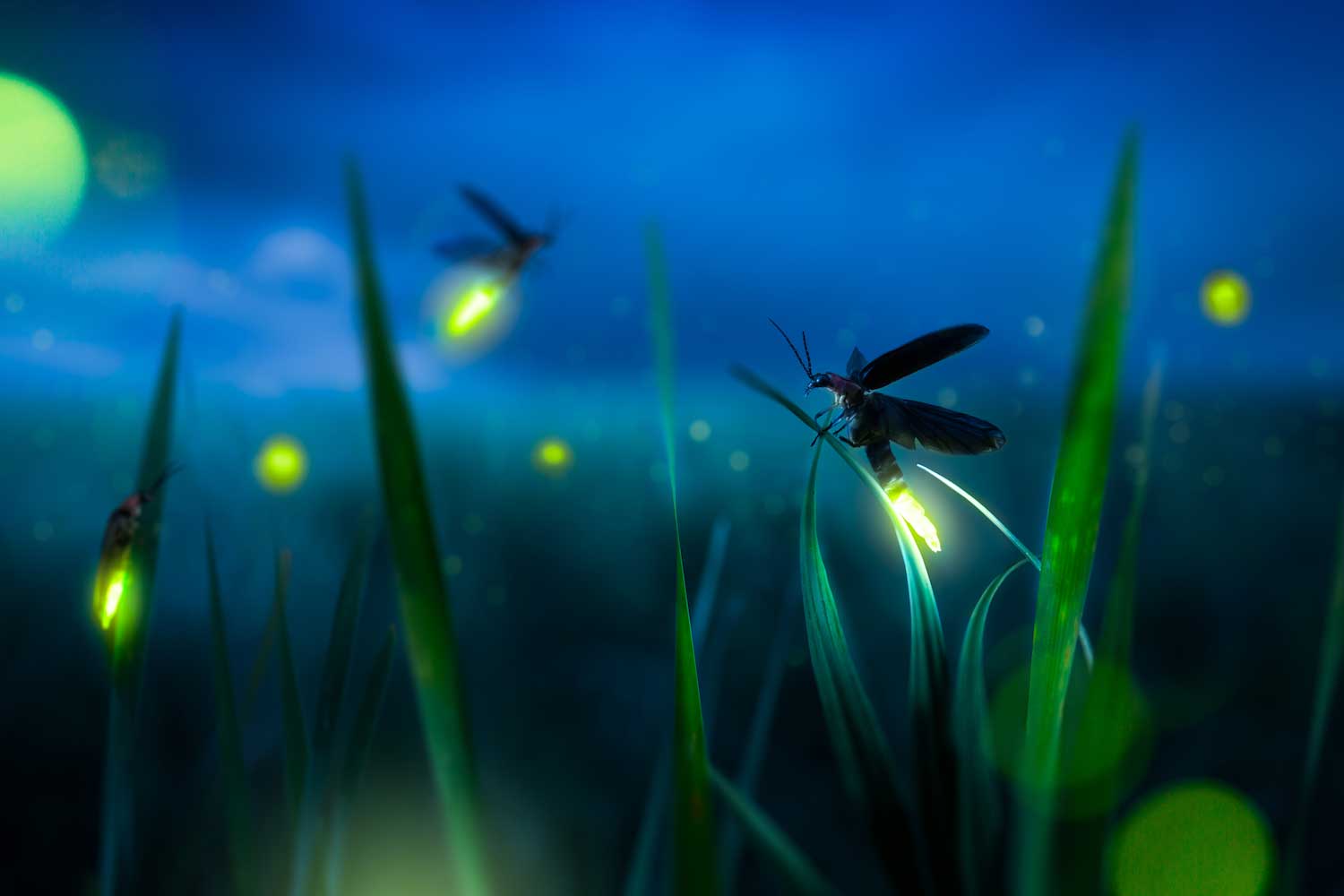
Catching lightning bugs is a summer rite of passage, but do you know how these bugs light up? Or why?
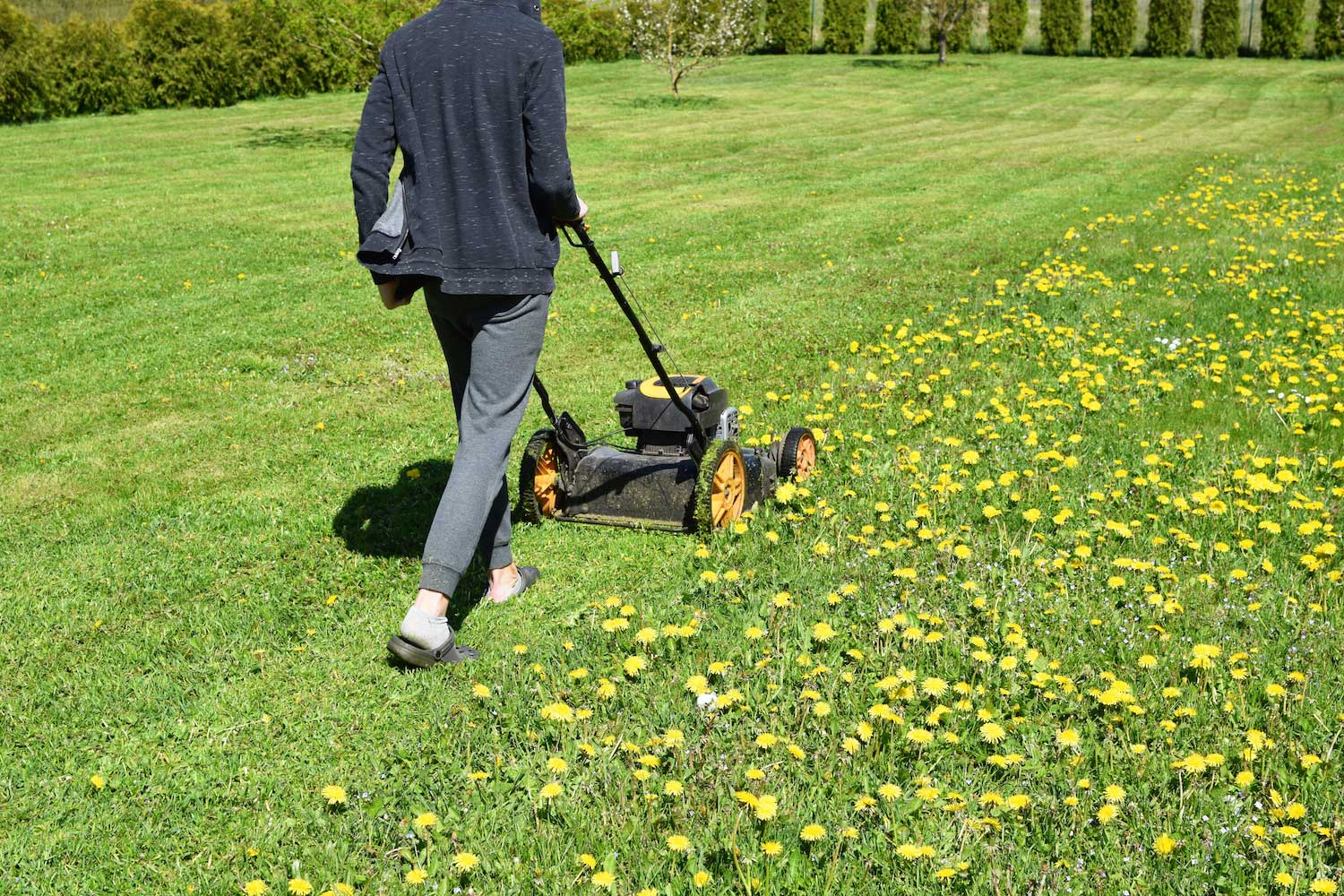
Participating in No Mow May isn't just a way to cut down on your yardwork for a month. You'll be helping bees and other essential insects too.