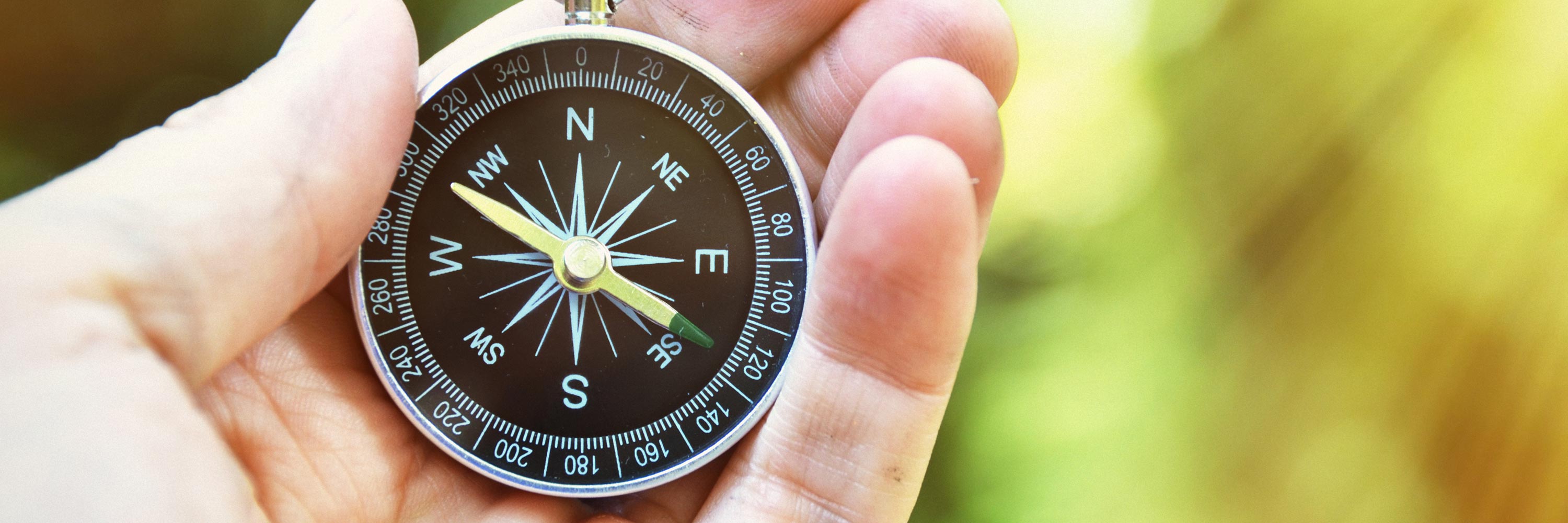
Wilderness Wayfinders
June 25, 2026 | 9:30 A.M TO 11:00 A.M
Calling all adventurers! Learn how to use a compass and map before embarking on an adventure through the woods.
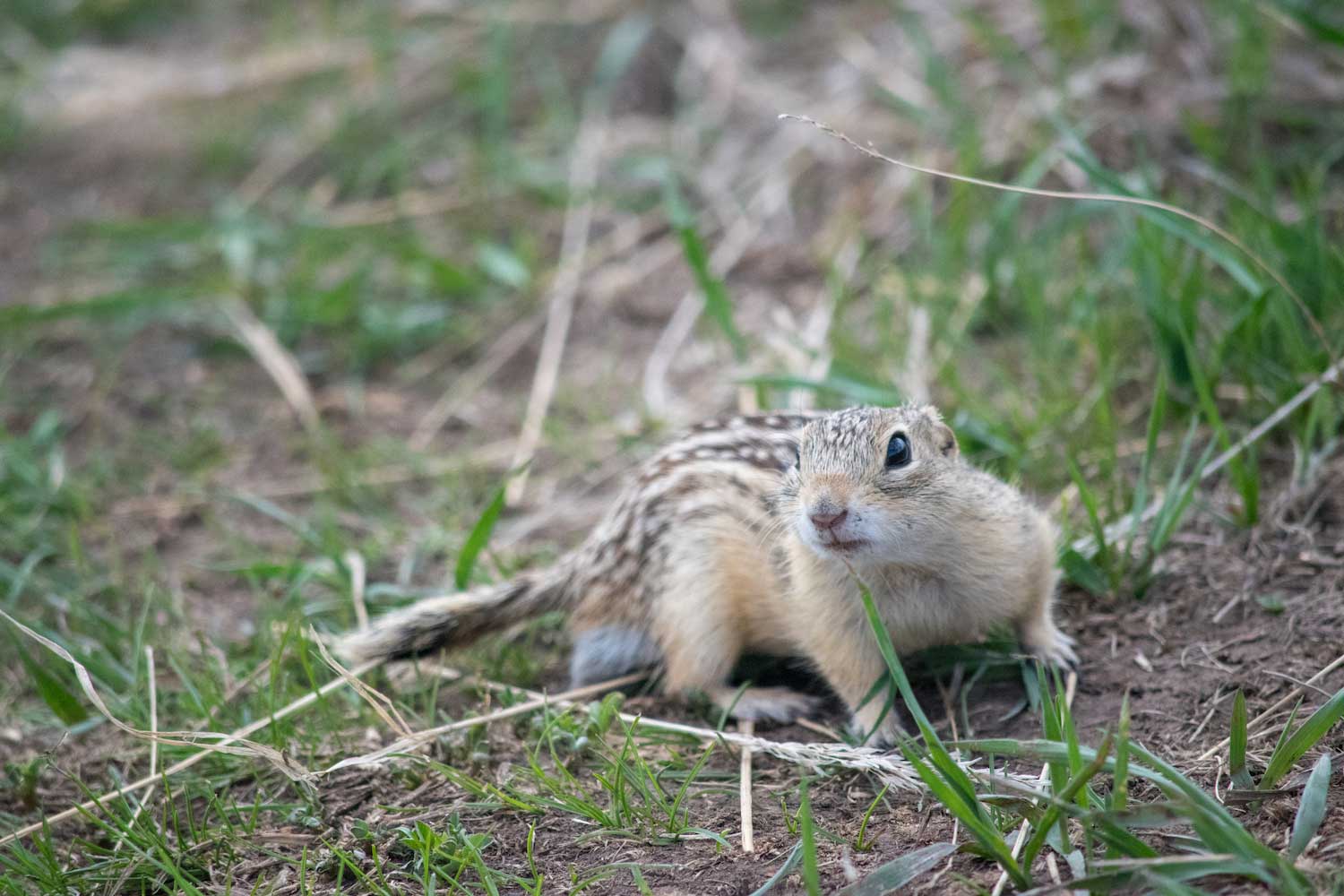
That chipmunk you see may be a 13-lined ground squirrel. Learn how to tell them apart and everything you need to know about these ground squirrels.
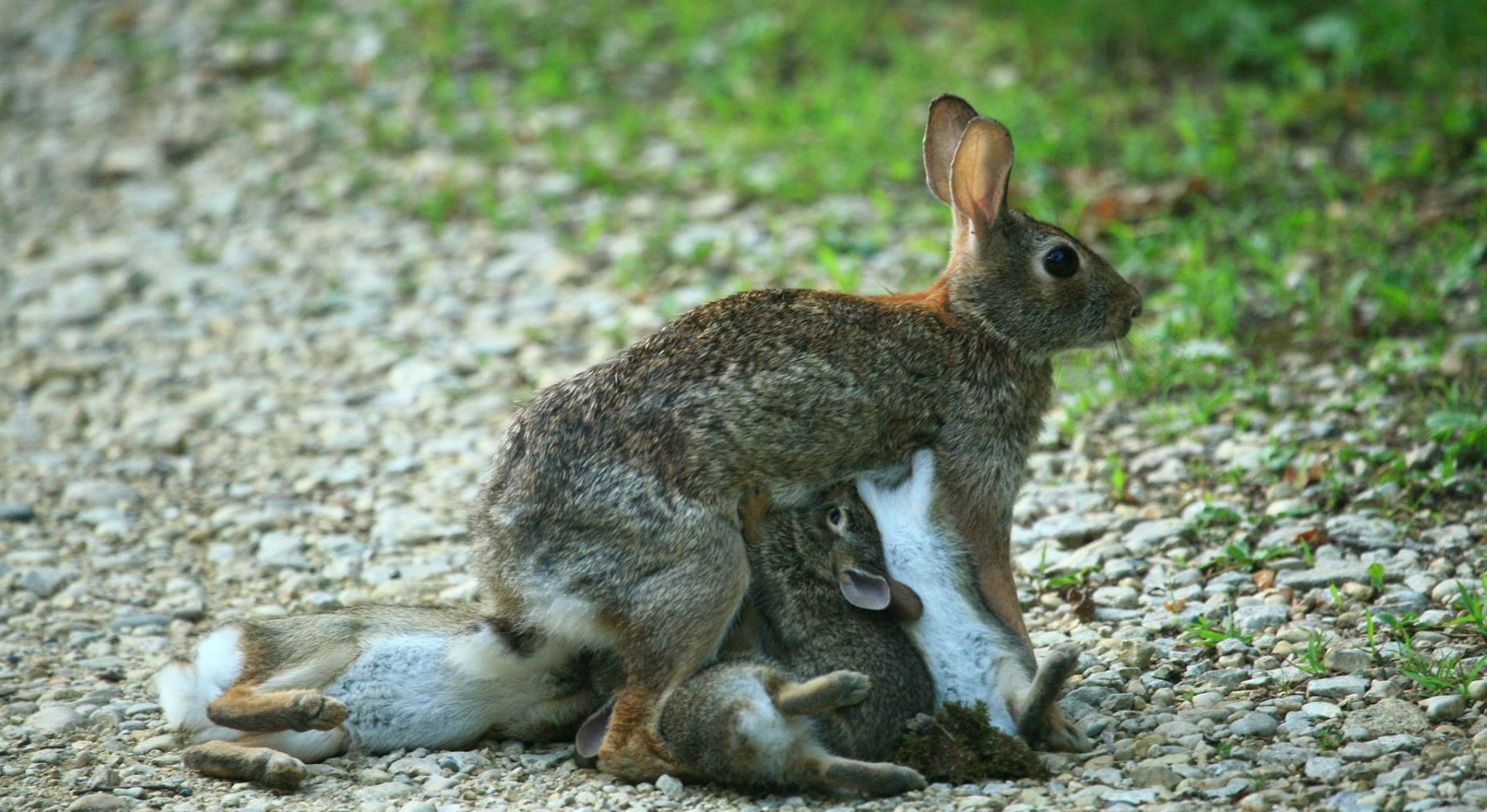
Rabbits are well-known for their ability to reproduce, but what makes them more prolific than other animals?
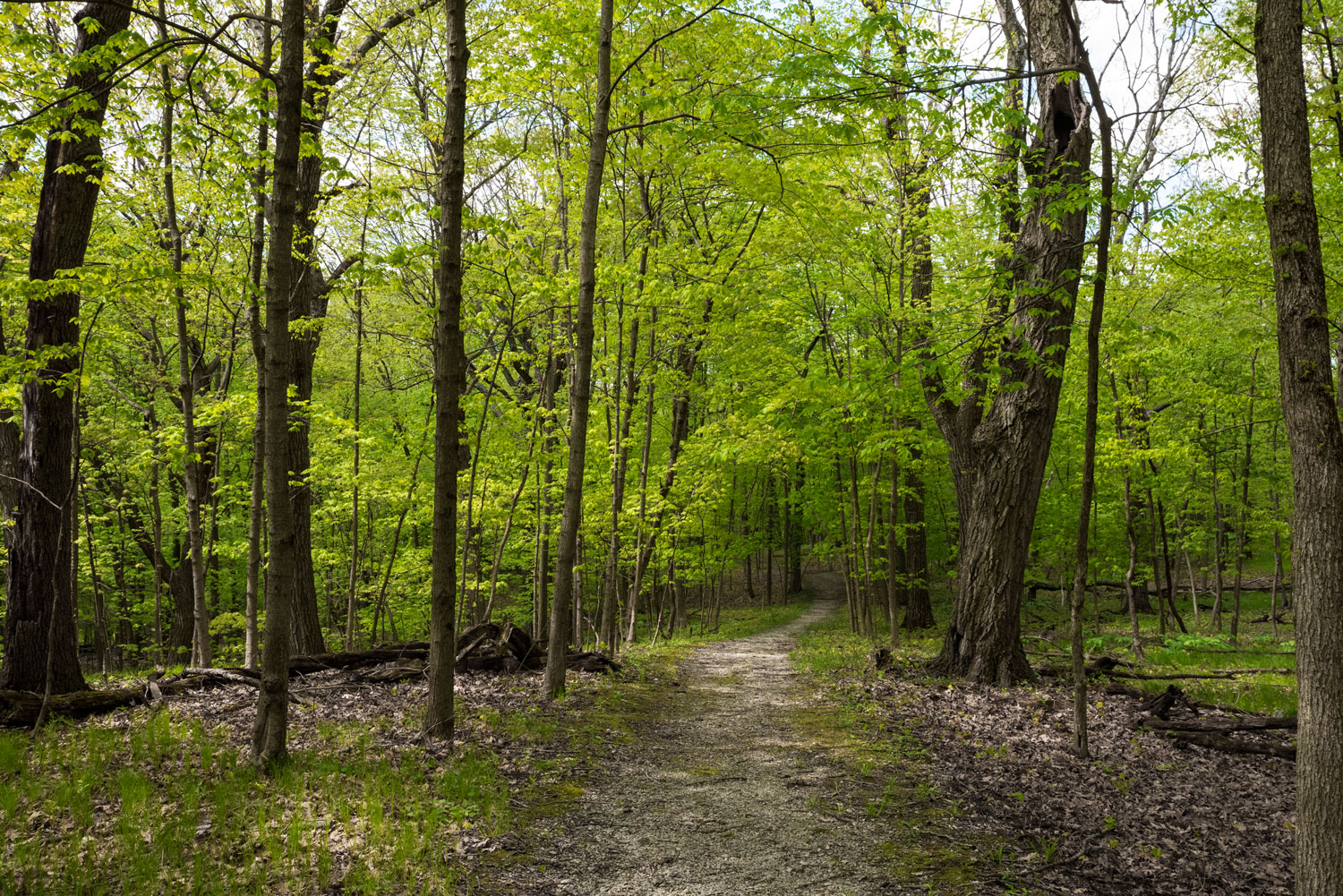
Instead of sunbathing, give forest bathing a try. All you need is a little free time and access to a forested or tree-covered spot.
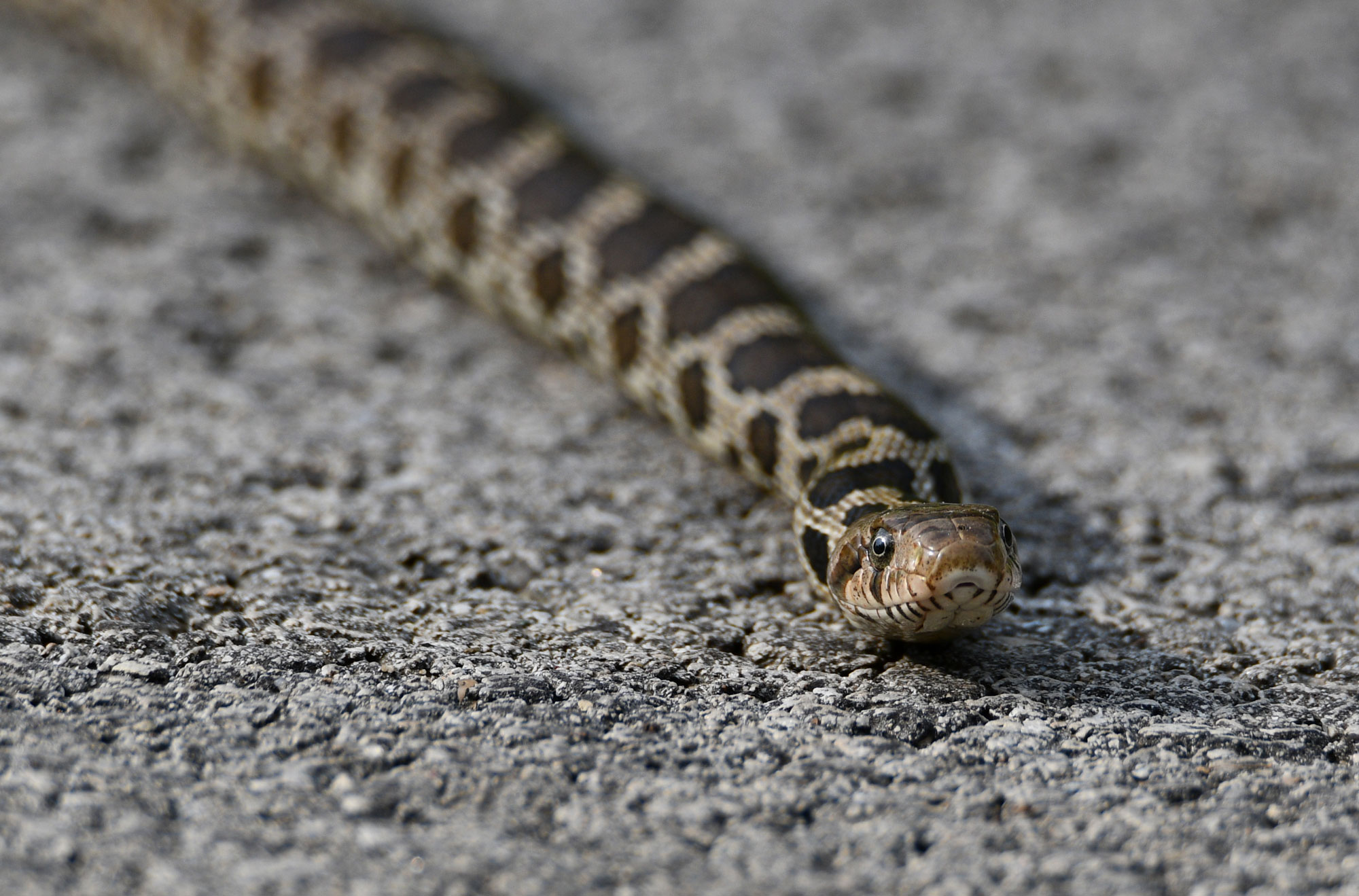
Another myth busted: Snakes are not slimy at all.
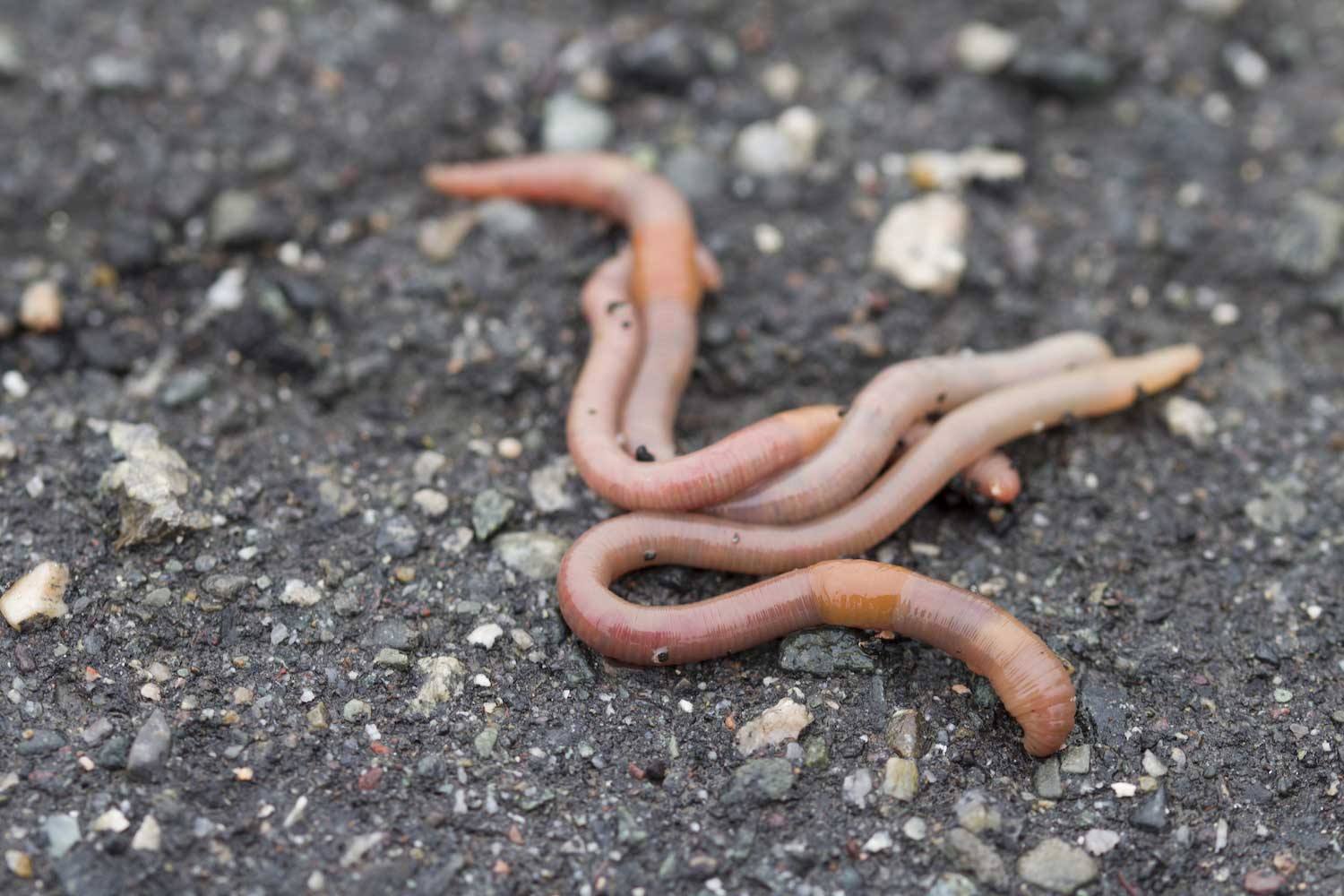
If you've ever taken a walk outside after it rains, you know that worms tend to congregate above ground after wet weather. The reason why is a mystery, although scientists have a few theories.
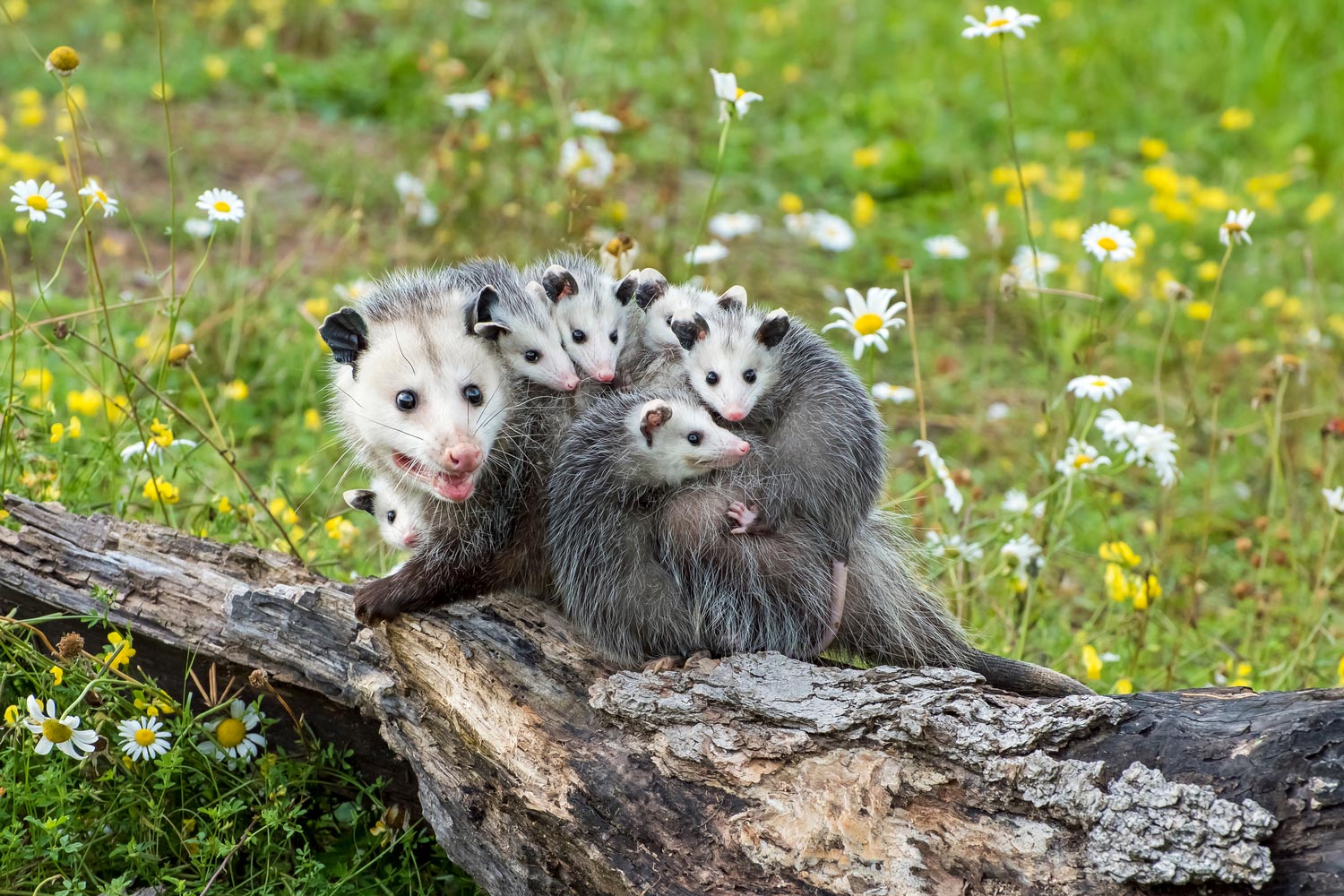
Opossums deserve our love and respect because they provide many benefits, and they're pretty cute too.
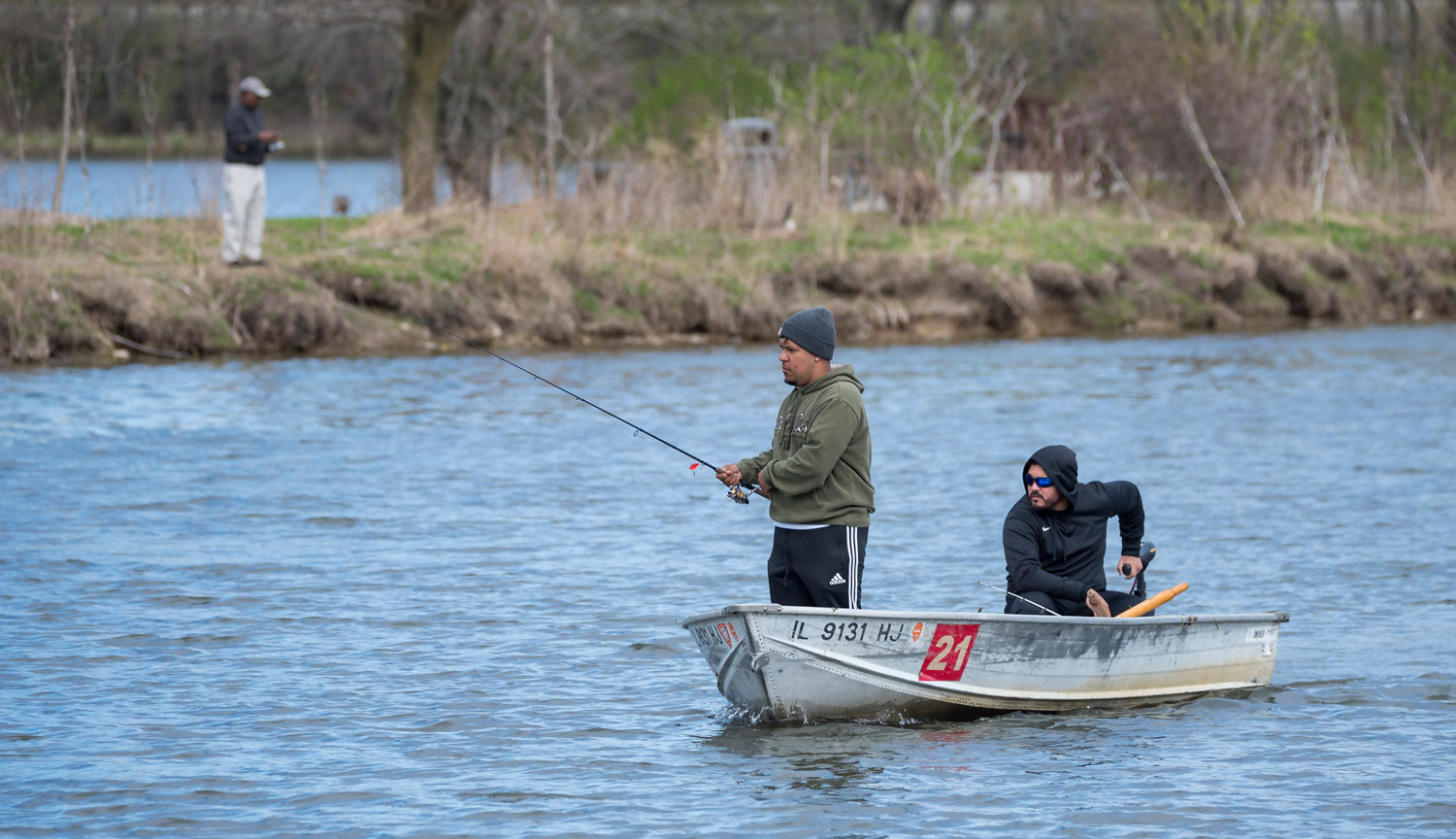
Dumping unused bait in the water seems like an innocent way to end a fishing trip, but it is detrimental to the health of our waterways.
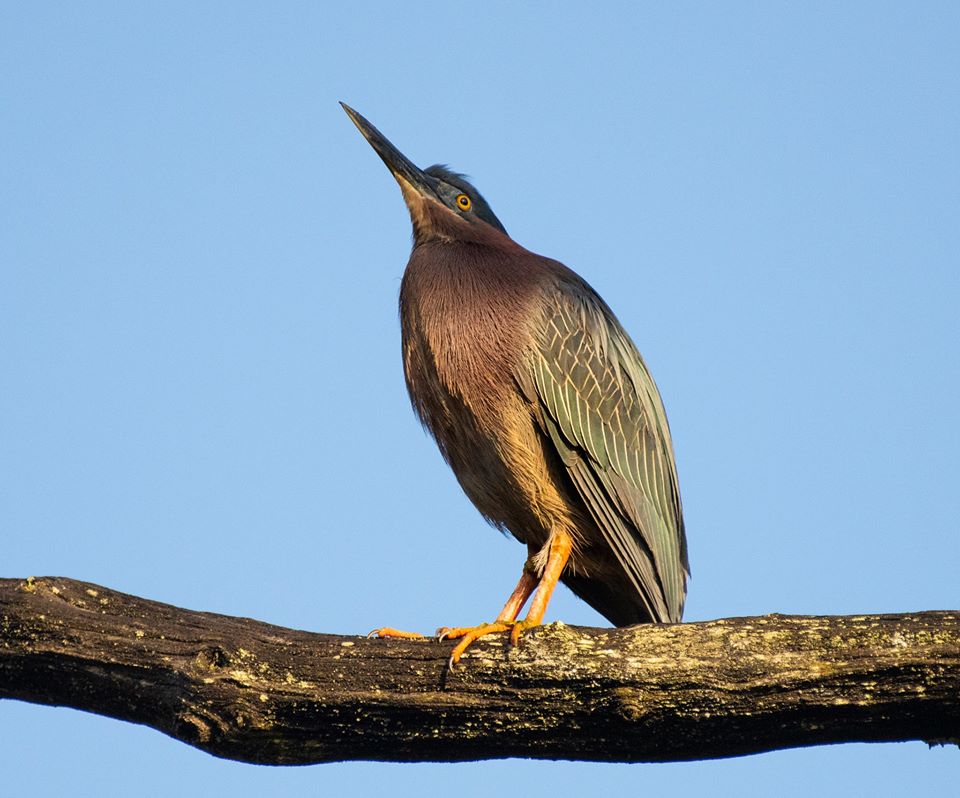
The green heron isn't as well known or as frequently seen as the great blue heron, but these birds are interesting in their own right.
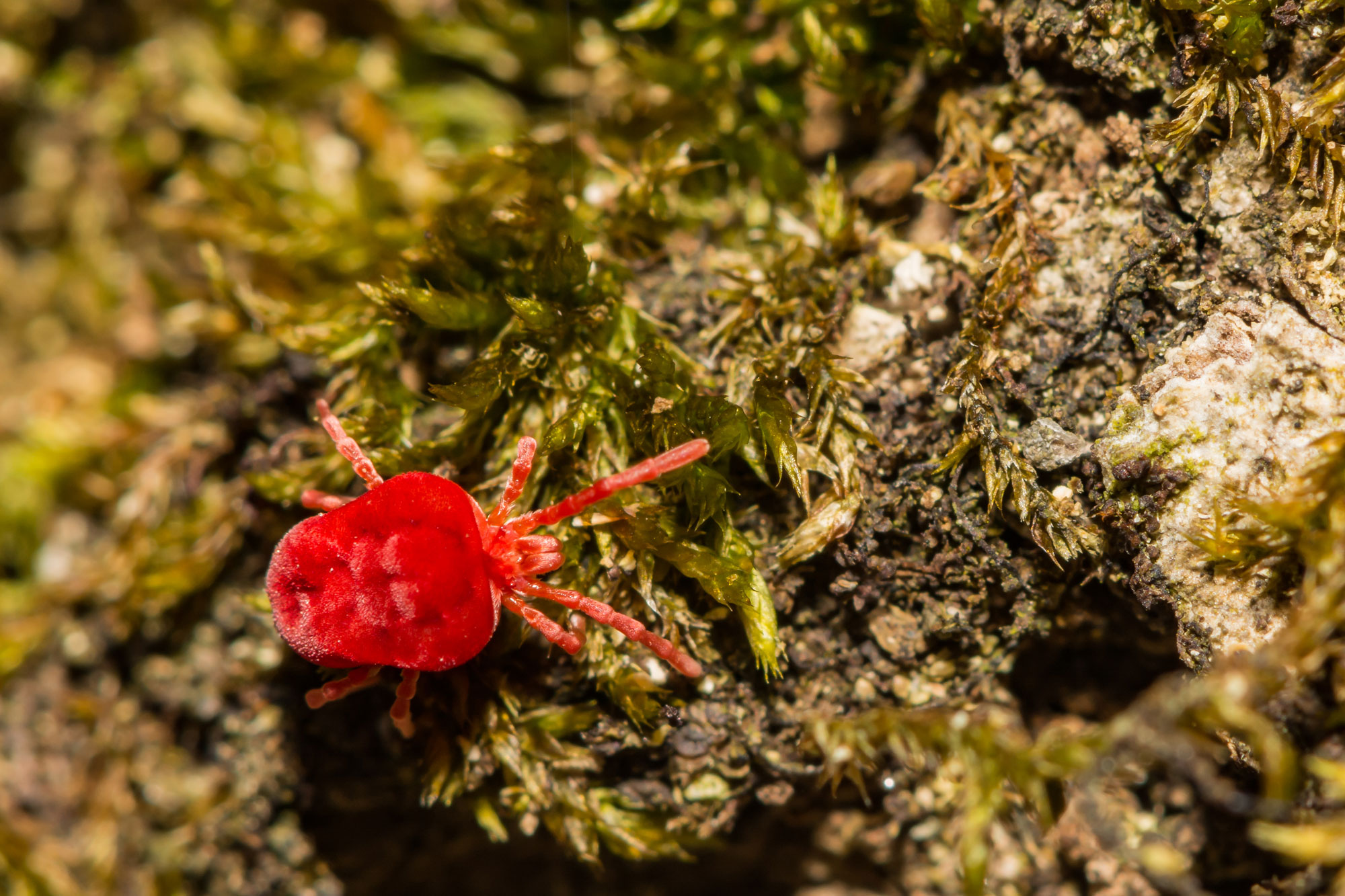
Tiny but mighty microarthropods are tiny bugs that do a lot of good despite their small size.
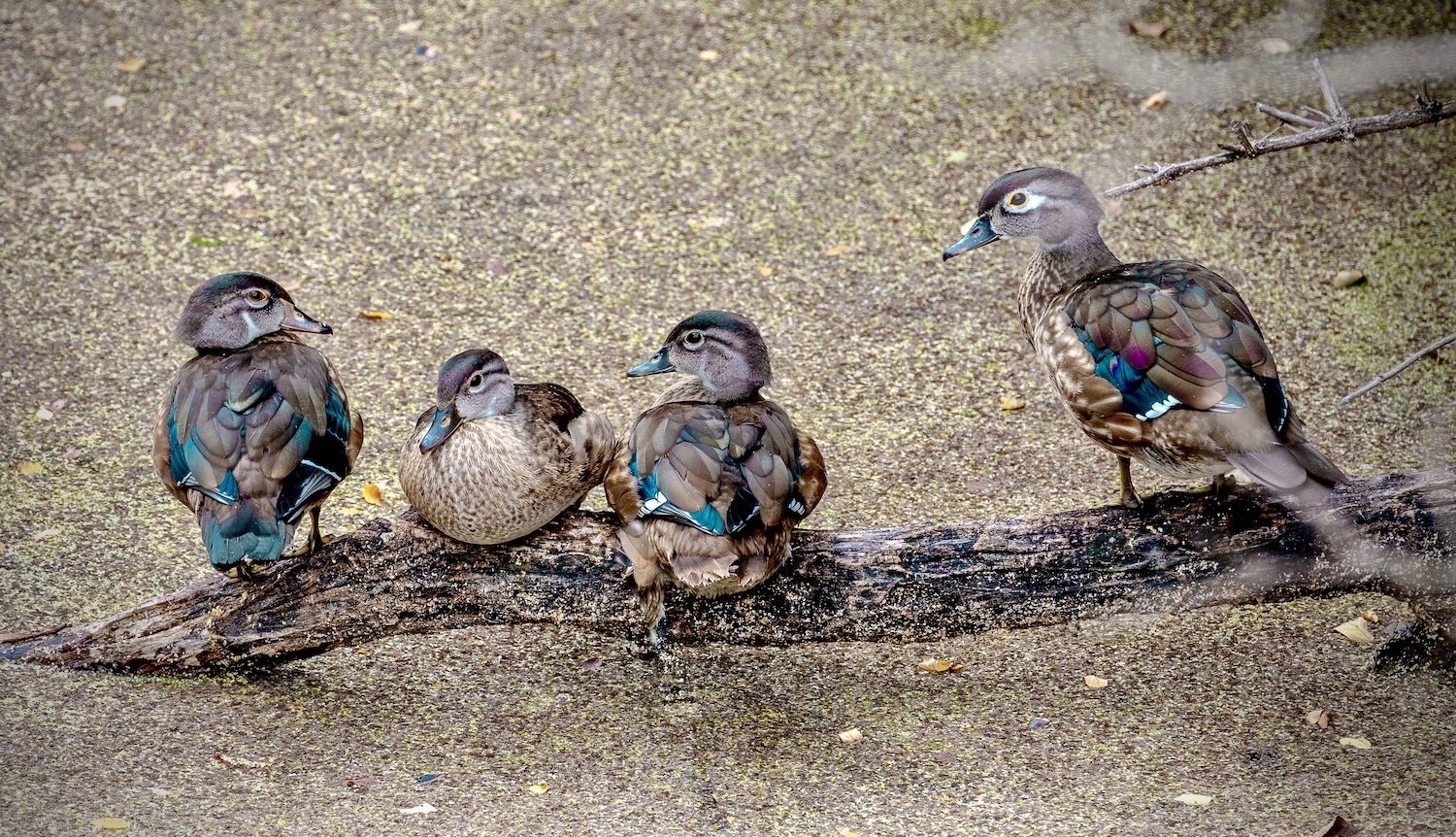
Most people can identify a mallard duck and a Canada goose, but do you know the difference between ducks and geese?
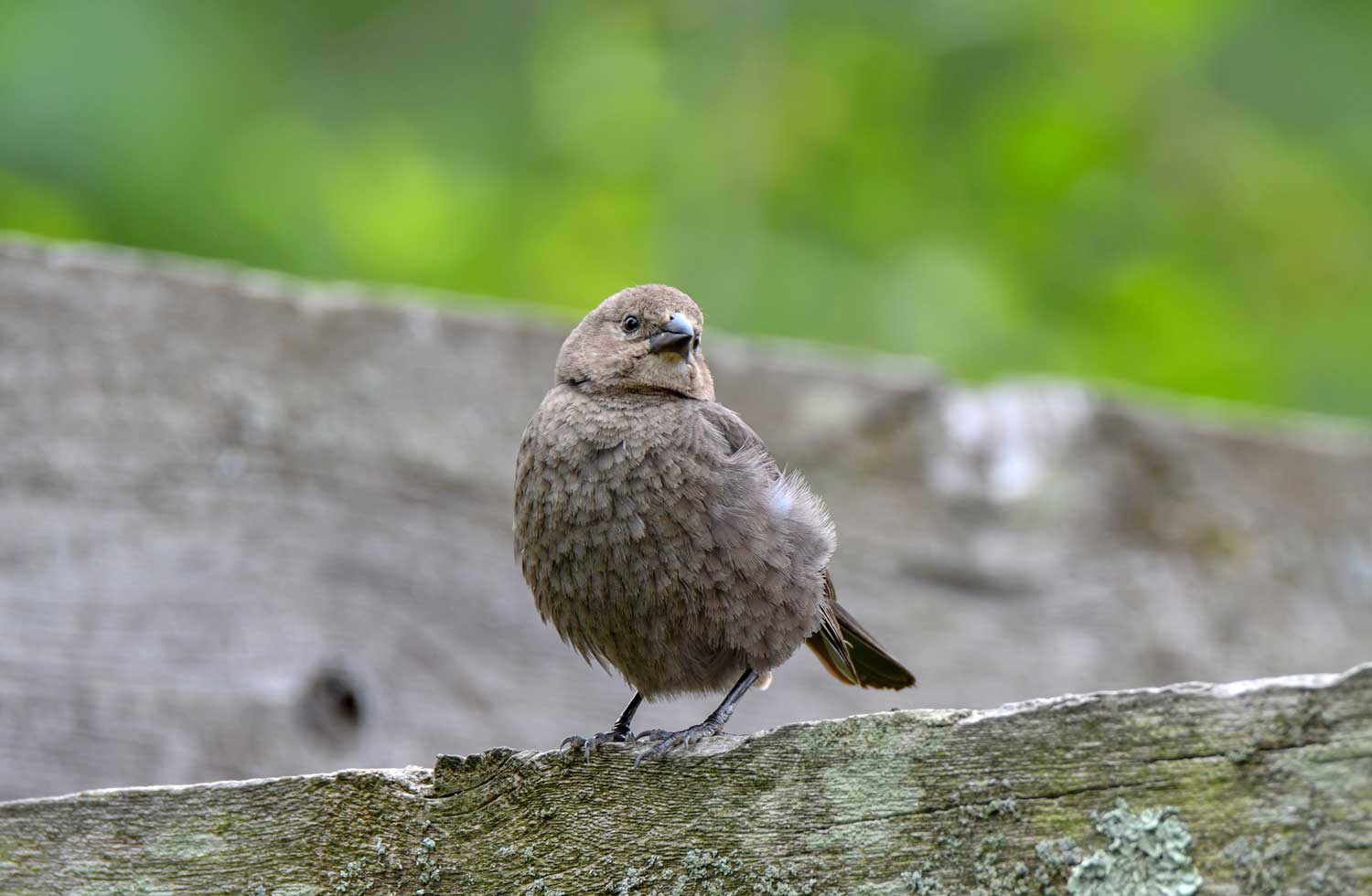
Brown-headed cowbirds lay their eggs in other birds' nests, outsourcing incubation and newborn care entirely to other birds. This may not win them any mother-of-the-year awards, but it is the only way they know.
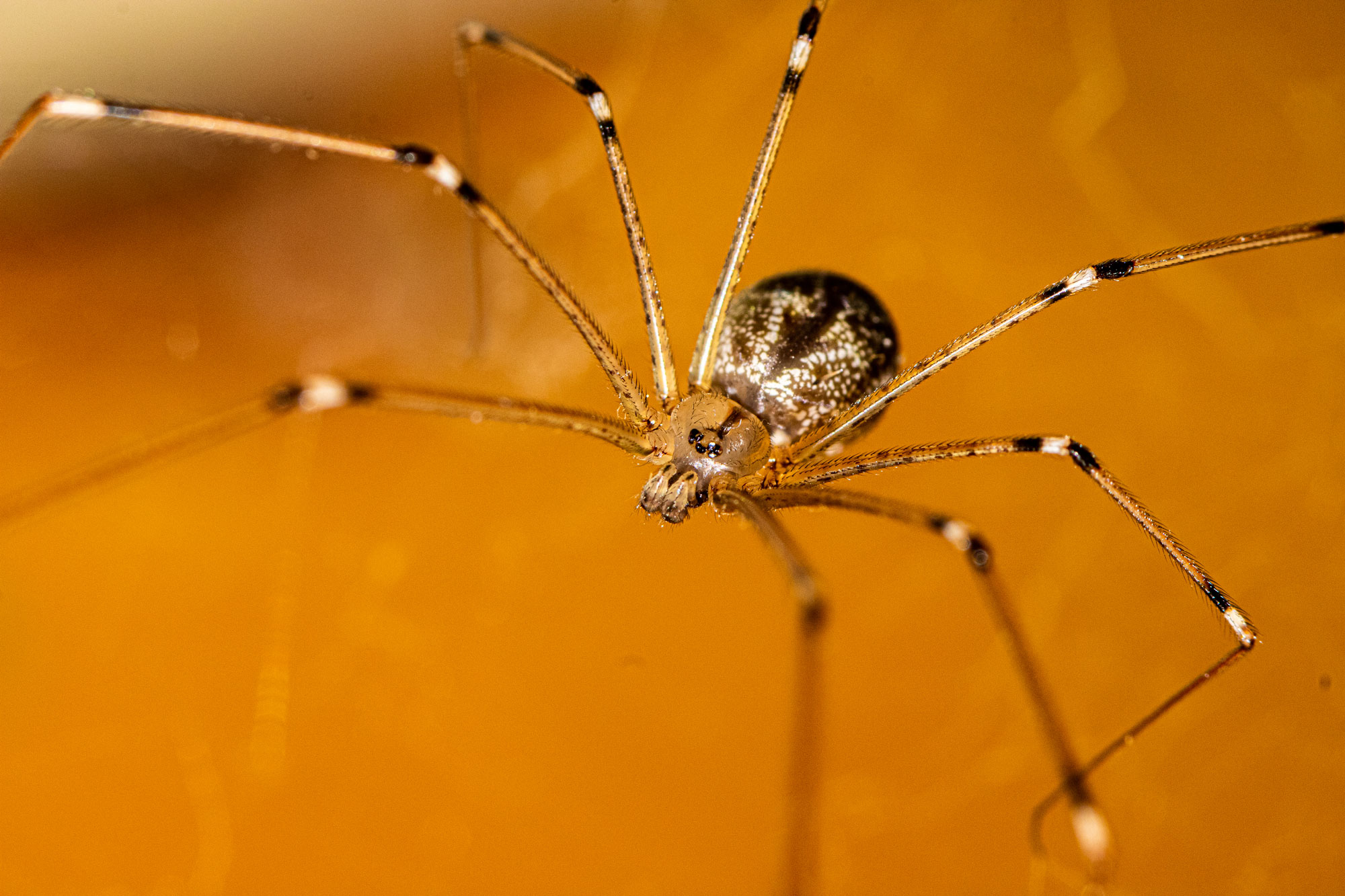
Cellar spiders love to live in human habitats, but they're beneficial to us to.
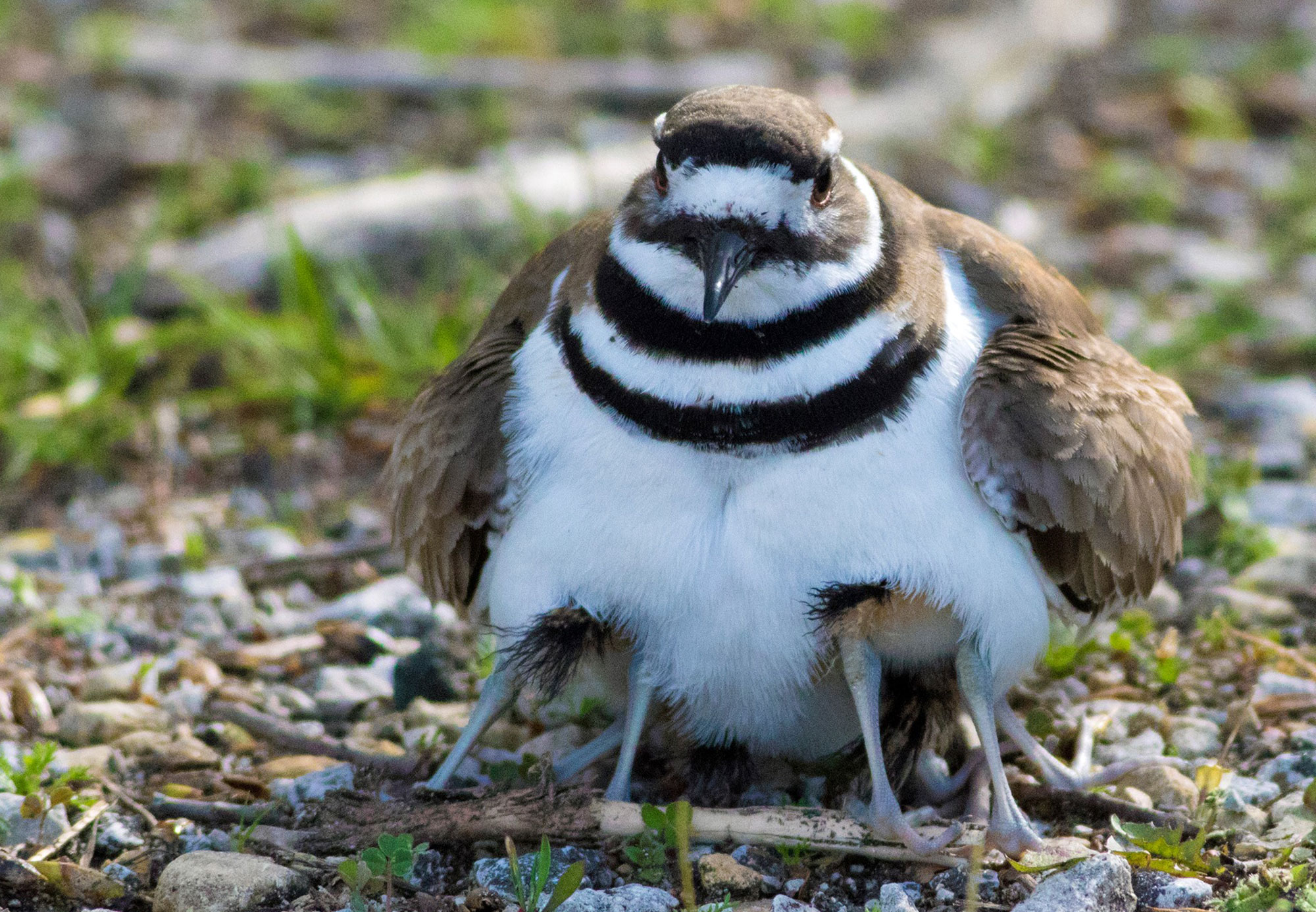
A mother won't reject her babies if you touch them, but most young birds don't need your help.
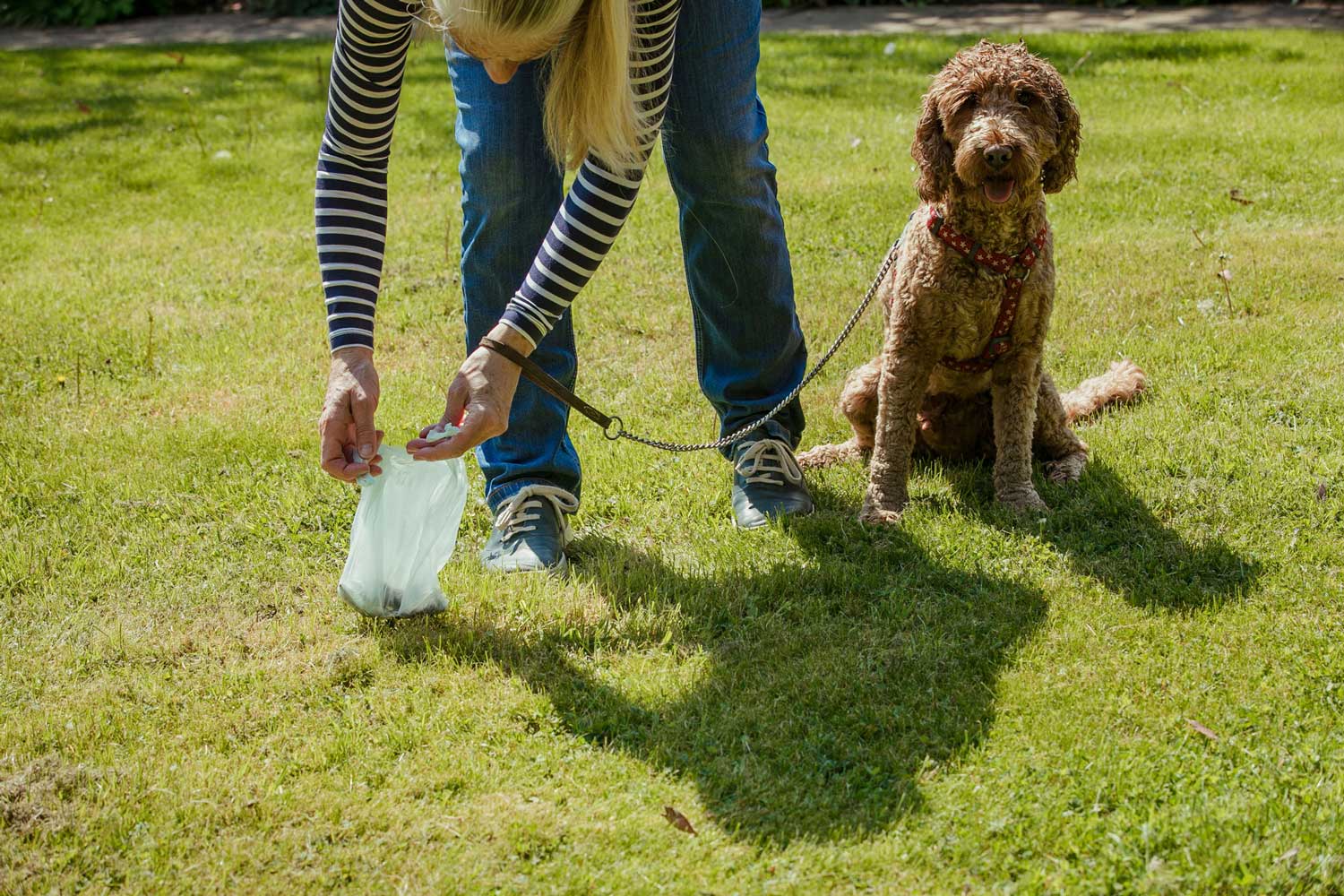
When it comes to animal poop, it's not all the same. Dog poop can be harmful to the environment if left behind, but that's not true of wildlife waste. That's why it's important to always pick up after your dog, no matter where you are.

Photographing wildlife can be an adventure, but the woodchuck is an easy subject.
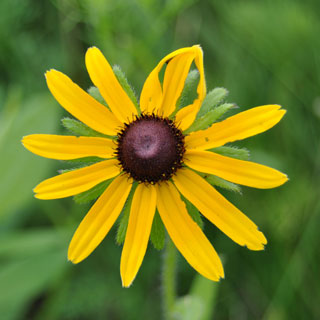
Not all plants sold at local garden centers and home improvement stores are native; in fact, many are not.
That chipmunk you see may be a 13-lined ground squirrel. Learn how to tell them apart and everything you need to know about these ground squirrels.
Rabbits are well-known for their ability to reproduce, but what makes them more prolific than other animals?
Instead of sunbathing, give forest bathing a try. All you need is a little free time and access to a forested or tree-covered spot.
Another myth busted: Snakes are not slimy at all.
If you've ever taken a walk outside after it rains, you know that worms tend to congregate above ground after wet weather. The reason why is a mystery, although scientists have a few theories.
Opossums deserve our love and respect because they provide many benefits, and they're pretty cute too.
Dumping unused bait in the water seems like an innocent way to end a fishing trip, but it is detrimental to the health of our waterways.
The green heron isn't as well known or as frequently seen as the great blue heron, but these birds are interesting in their own right.
Tiny but mighty microarthropods are tiny bugs that do a lot of good despite their small size.
Most people can identify a mallard duck and a Canada goose, but do you know the difference between ducks and geese?
Brown-headed cowbirds lay their eggs in other birds' nests, outsourcing incubation and newborn care entirely to other birds. This may not win them any mother-of-the-year awards, but it is the only way they know.
Cellar spiders love to live in human habitats, but they're beneficial to us to.
A mother won't reject her babies if you touch them, but most young birds don't need your help.
When it comes to animal poop, it's not all the same. Dog poop can be harmful to the environment if left behind, but that's not true of wildlife waste. That's why it's important to always pick up after your dog, no matter where you are.
Photographing wildlife can be an adventure, but the woodchuck is an easy subject.
Not all plants sold at local garden centers and home improvement stores are native; in fact, many are not.
Calling all adventurers! Learn how to use a compass and map before embarking on an adventure through the woods.
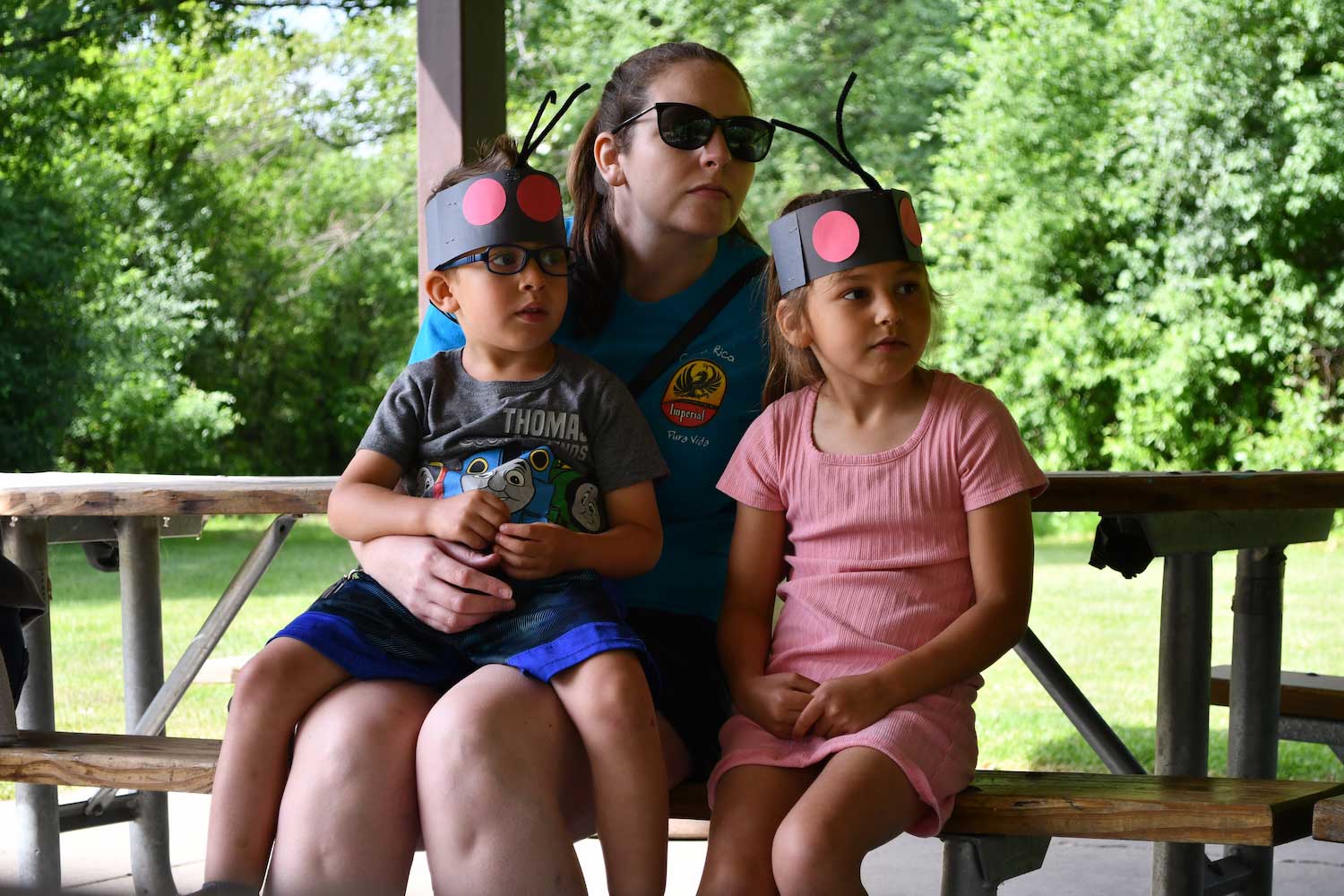
Answer the call of your wild child by getting outside with this monthly nature-themed program geared toward children ages 3 to 5.

It's not just our pets who suffer around the Fourth of July. Loud, booming fireworks pose serious risks to wildlife too.
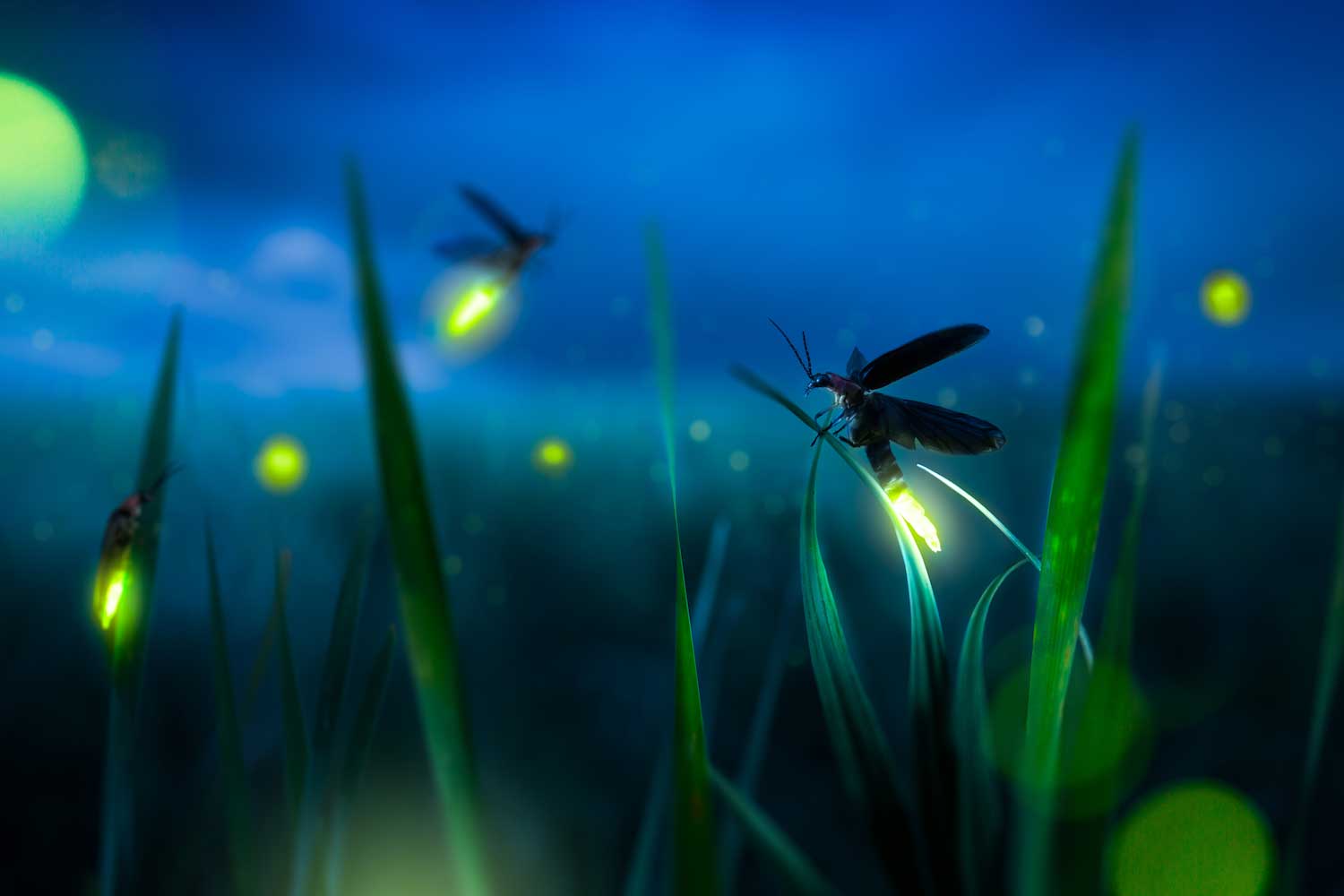
Catching lightning bugs is a summer rite of passage, but do you know how these bugs light up? Or why?
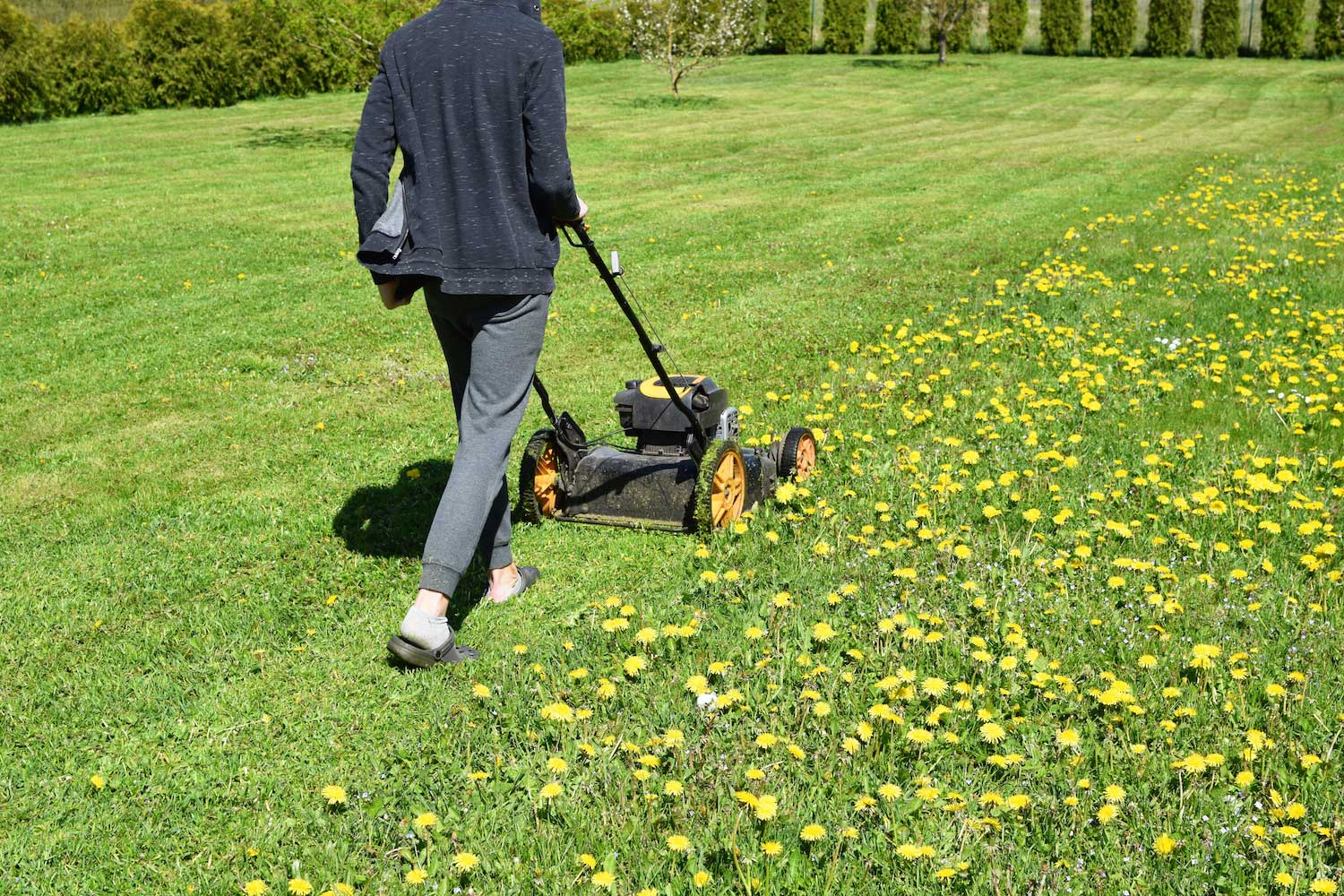
Participating in No Mow May isn't just a way to cut down on your yardwork for a month. You'll be helping bees and other essential insects too.