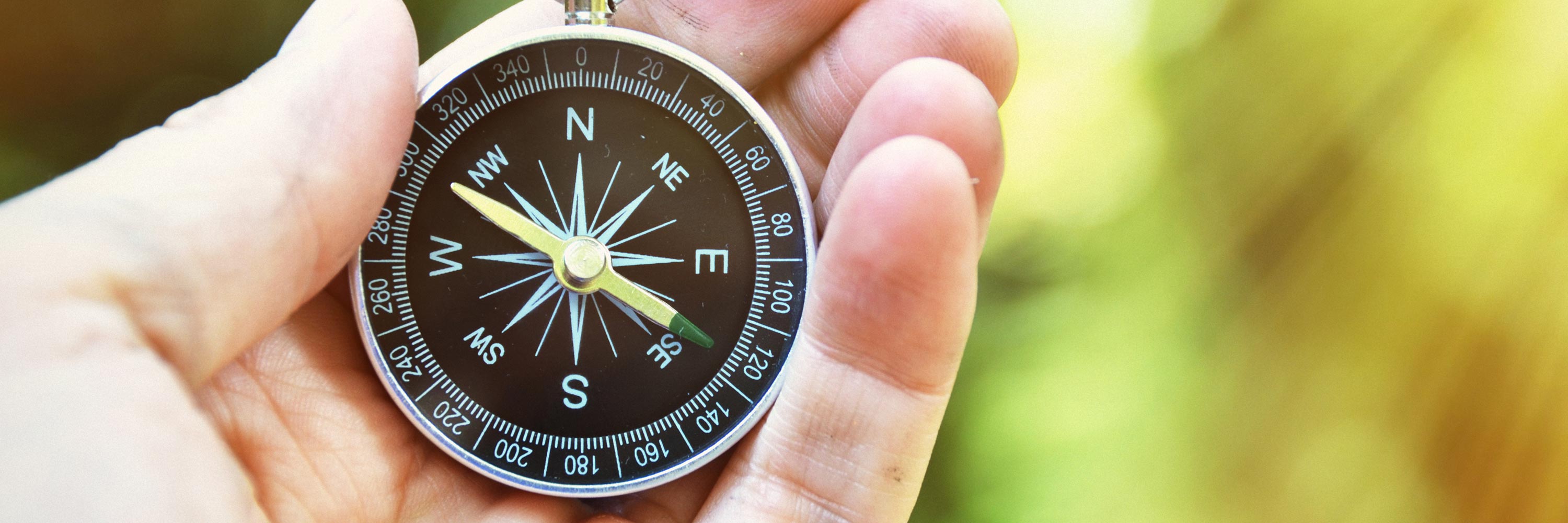
Wilderness Wayfinders
June 25, 2026 | 9:30 A.M TO 11:00 A.M
Calling all adventurers! Learn how to use a compass and map before embarking on an adventure through the woods.

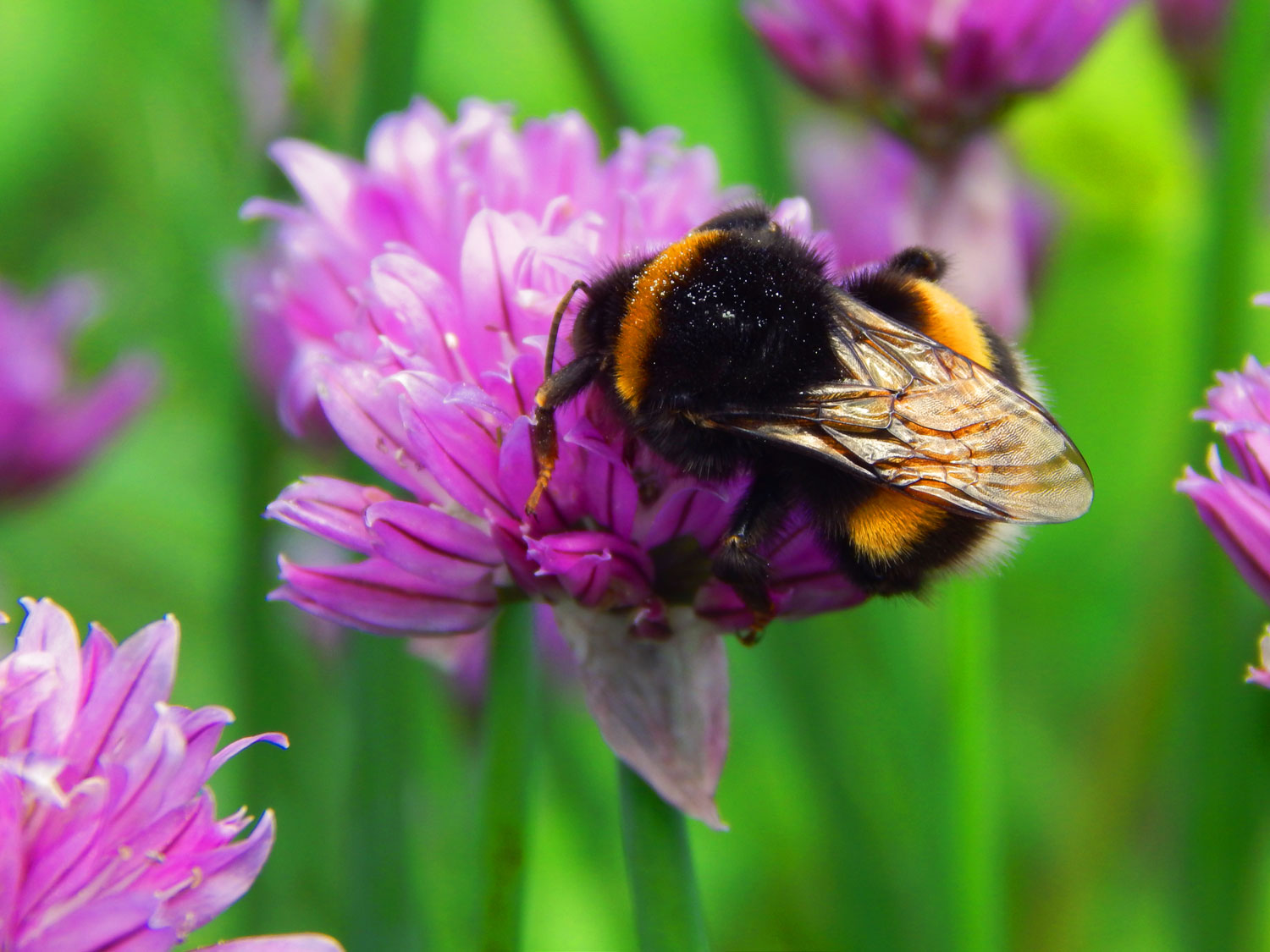
Bee, wasp or hornet? Learn the differences among these stinging insects.
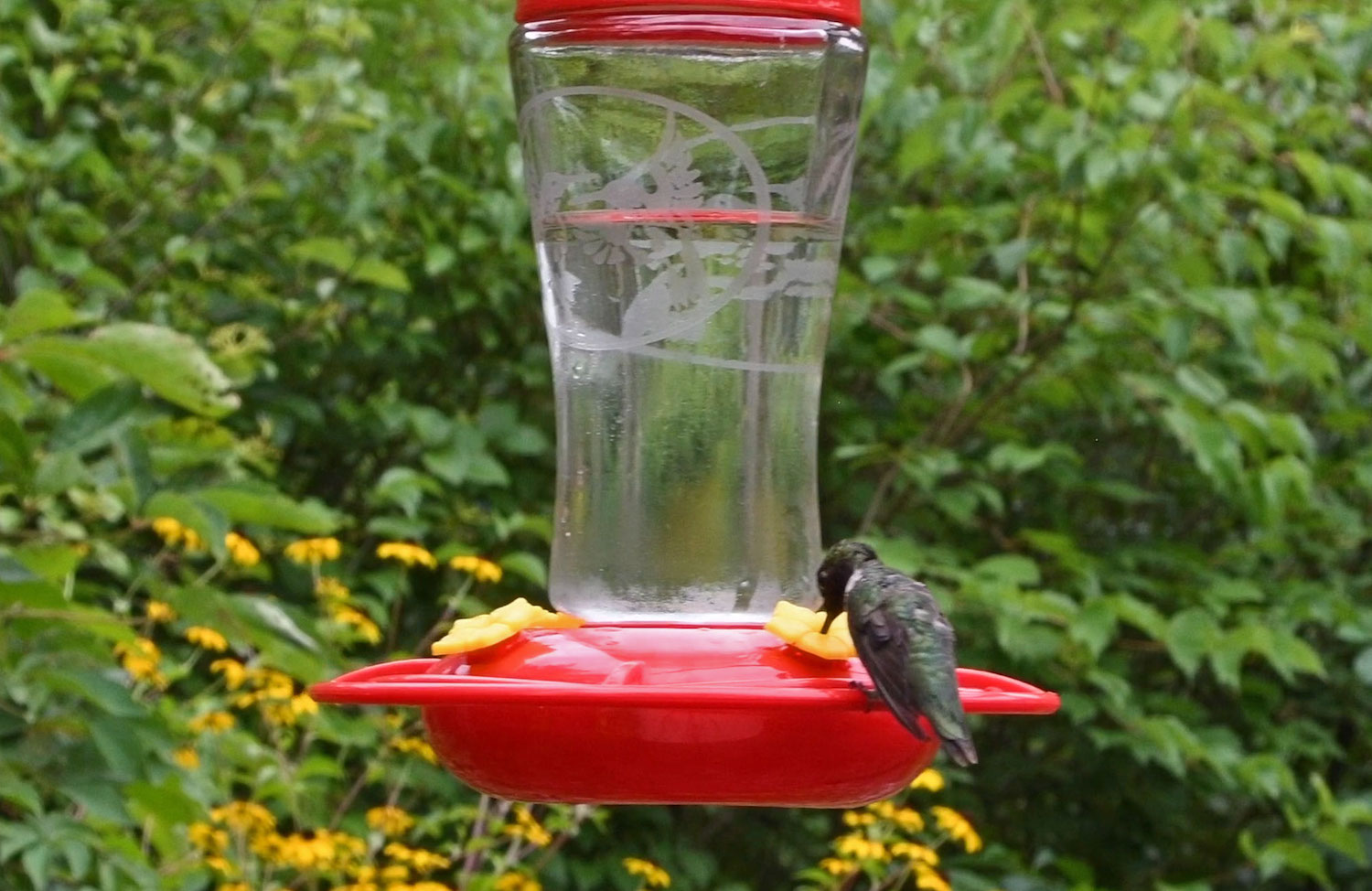
The ruby-throated hummingbird is among the most beloved birds in Will County, and the more you know about them the more you will love them.
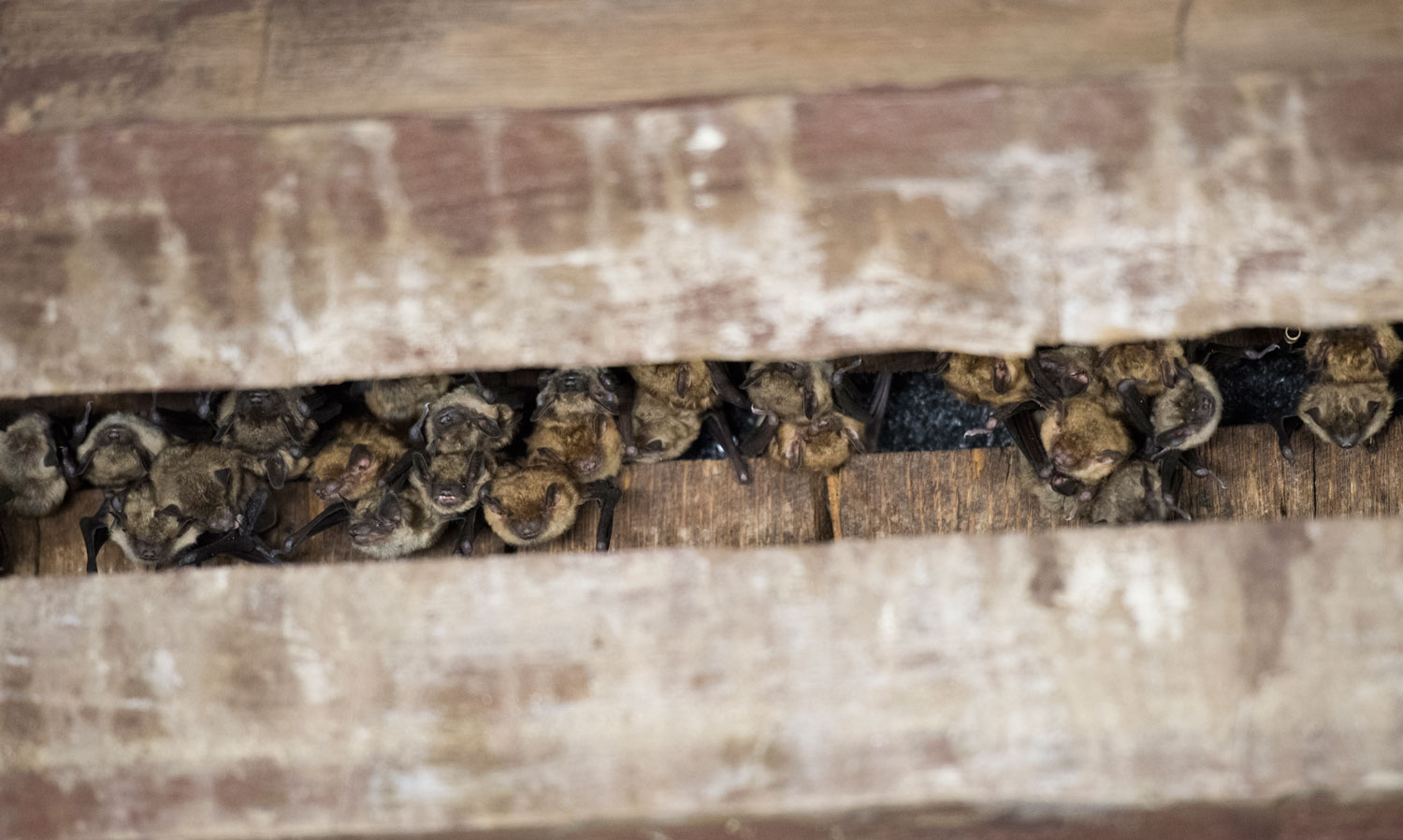
Bats aren't blind — some can even see better than you — but they also don't need to rely on their vision to navigate in flight because they use echolocation.
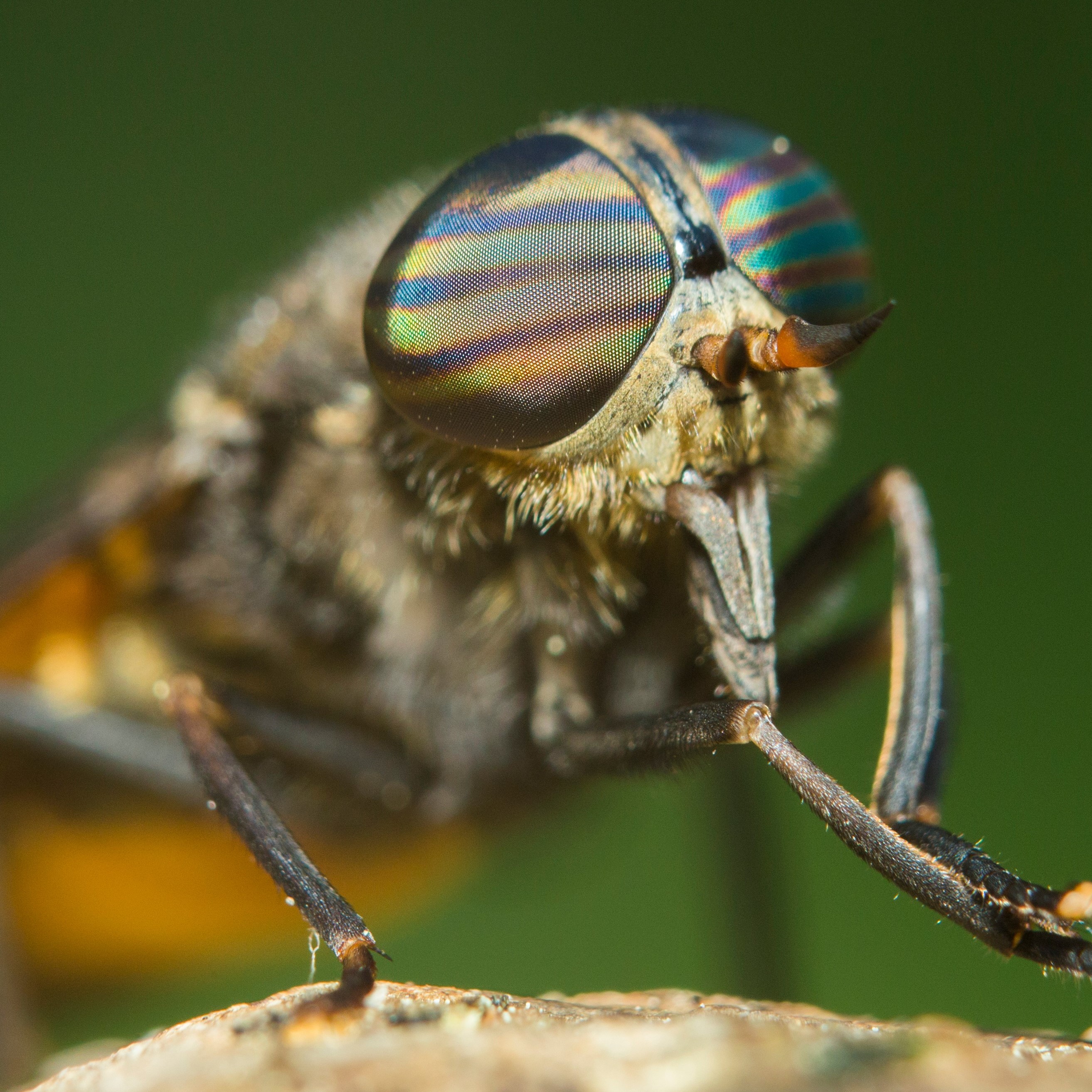
Bug bites are an annoying fact of life, but being prepared can make your time outdoors more enjoyable.
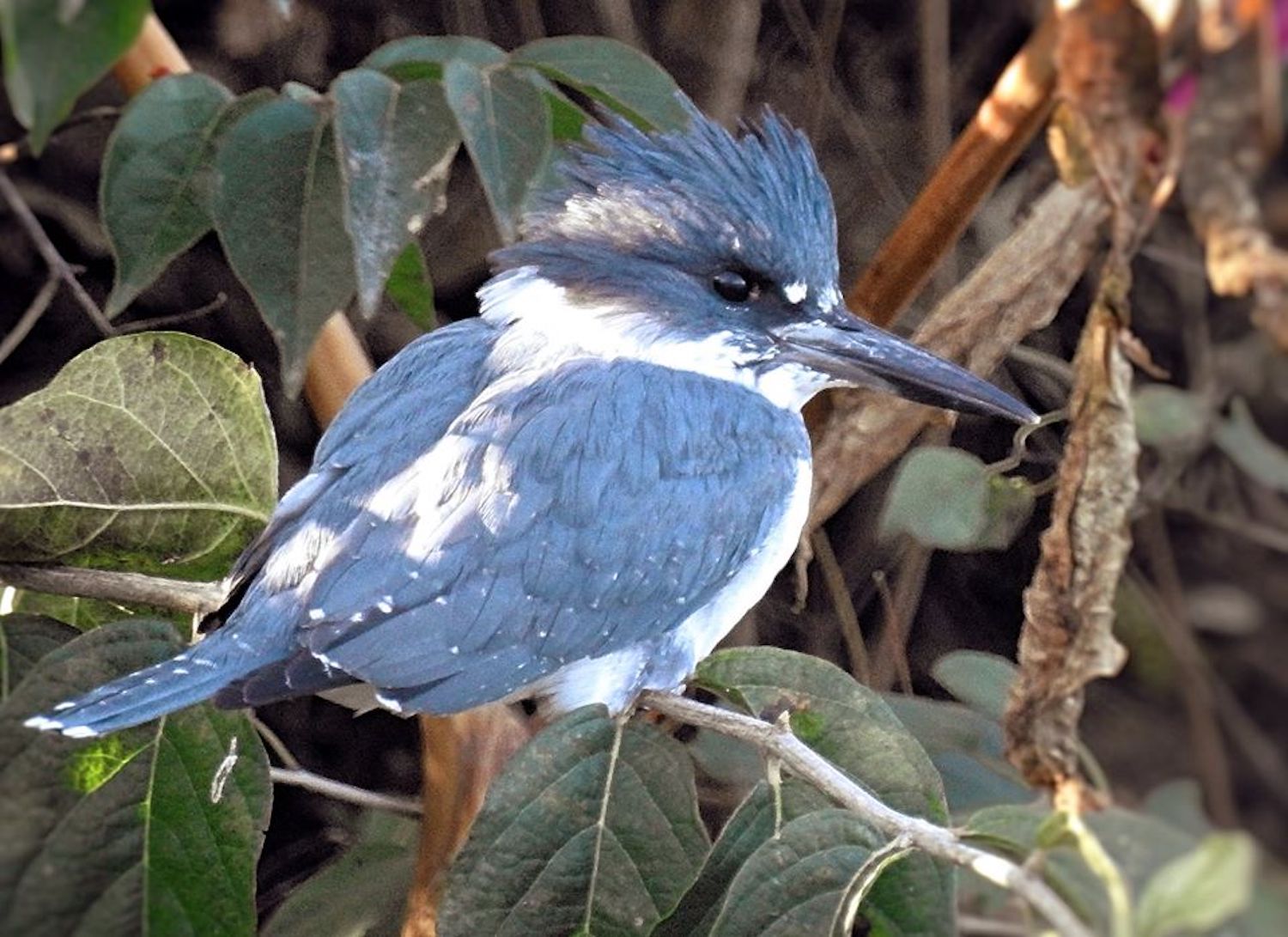
The belted kingfisher is a common bird that lives across the entire United States, and they often catch the eye and the ear with their top-heavy appearance and loud, rattling calls.
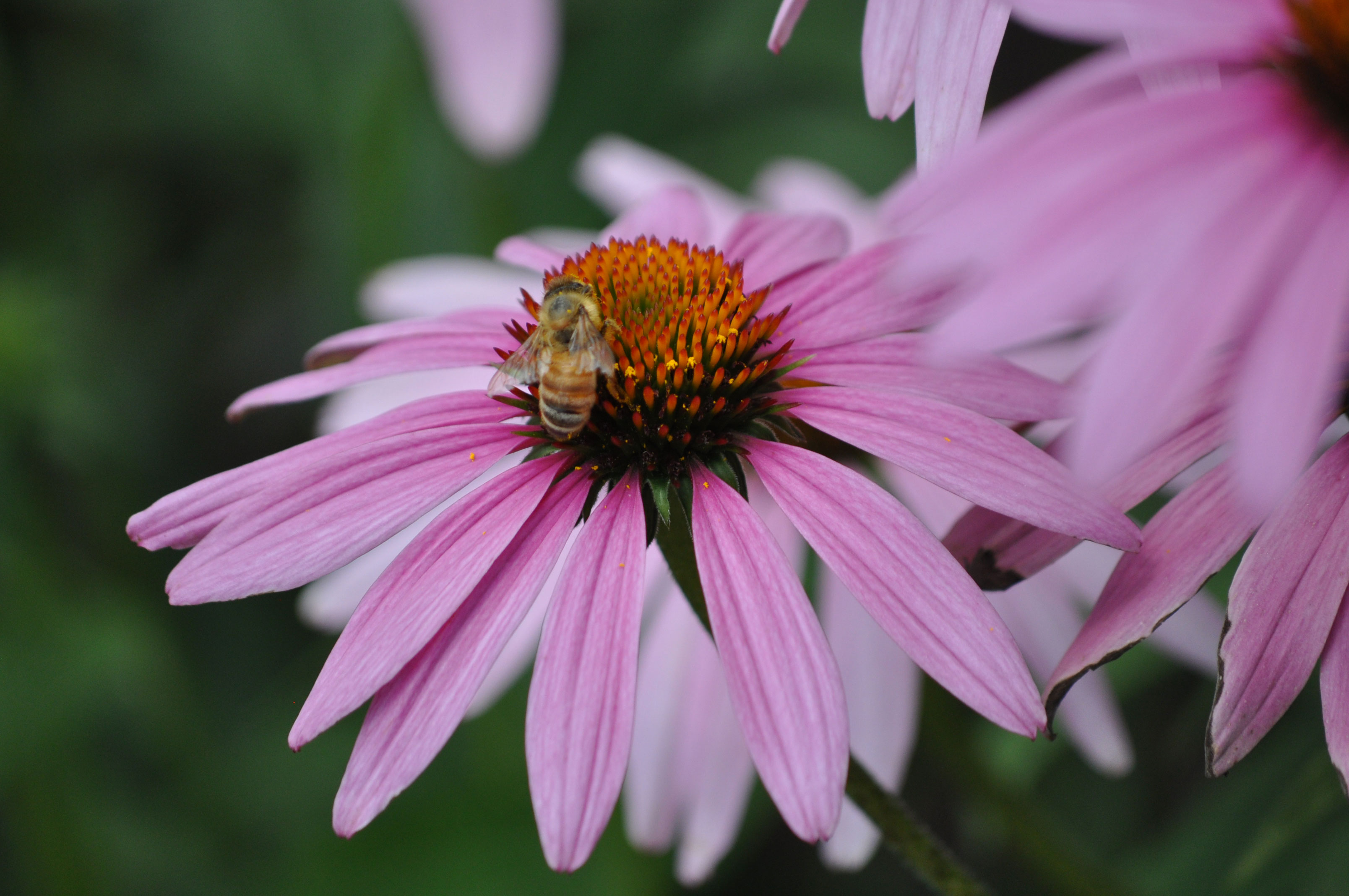
Next time you stop to smell the roses, or any other sweet-smelling flower for that matter, keep in mind that the fragrance isn't intended for you. Instead, the plants are trying to attract insects and birds to aid in pollination.
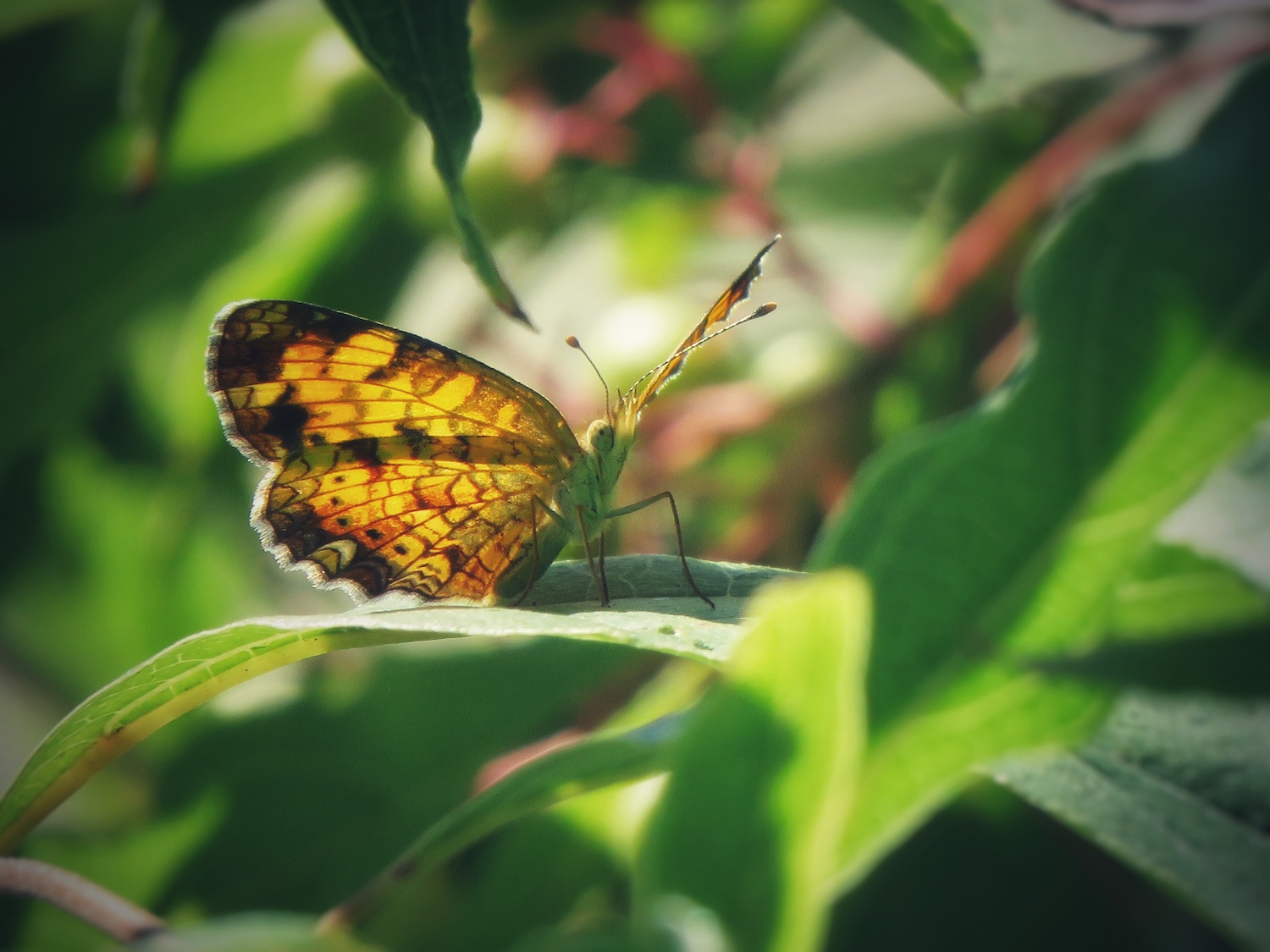
Is that a moth or a butterfly? Learn the clues to help you tell the difference.
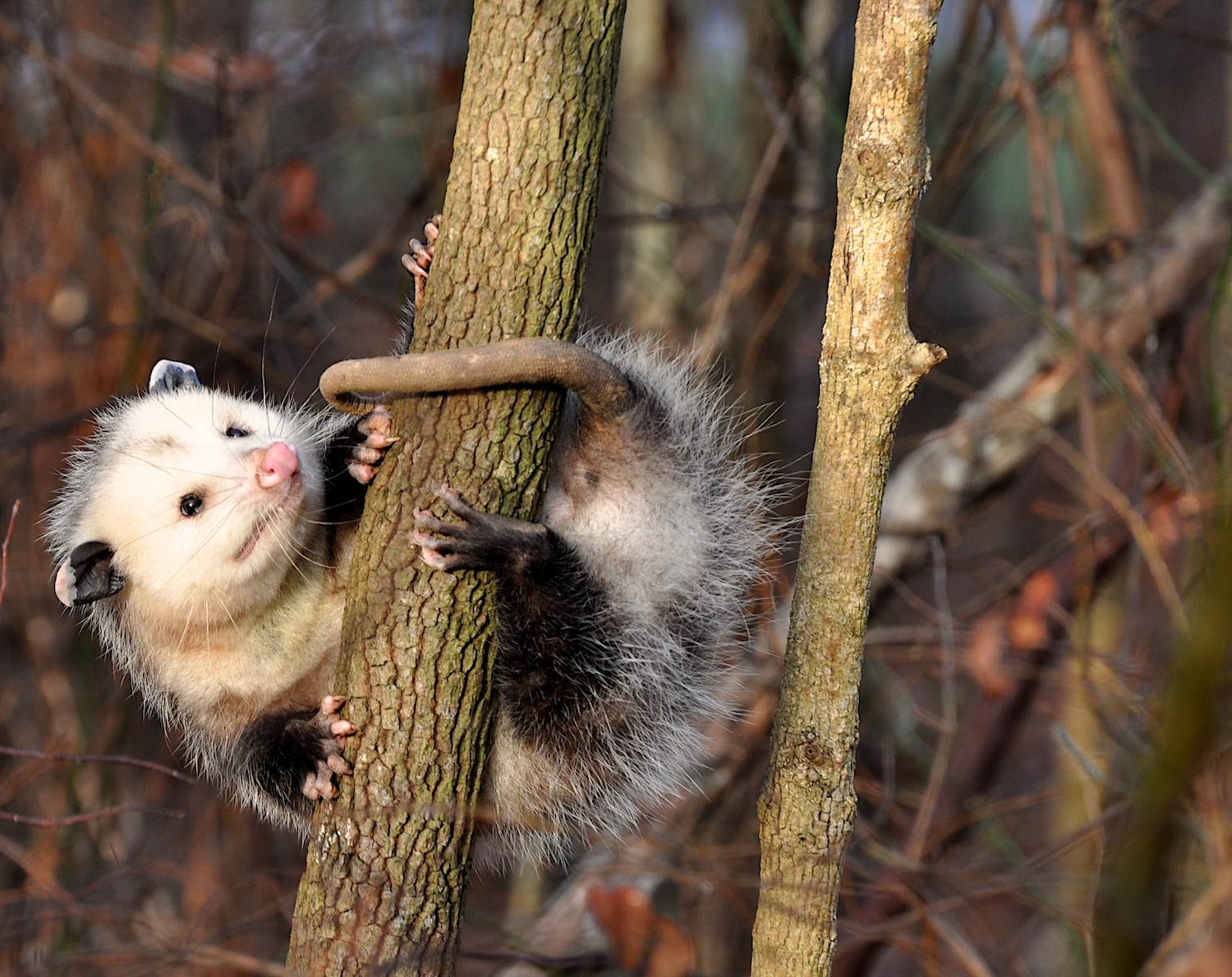
Opossums are often depicted in cartoons as hanging upside down by their tails, but they aren't really able to do it for any length of time.
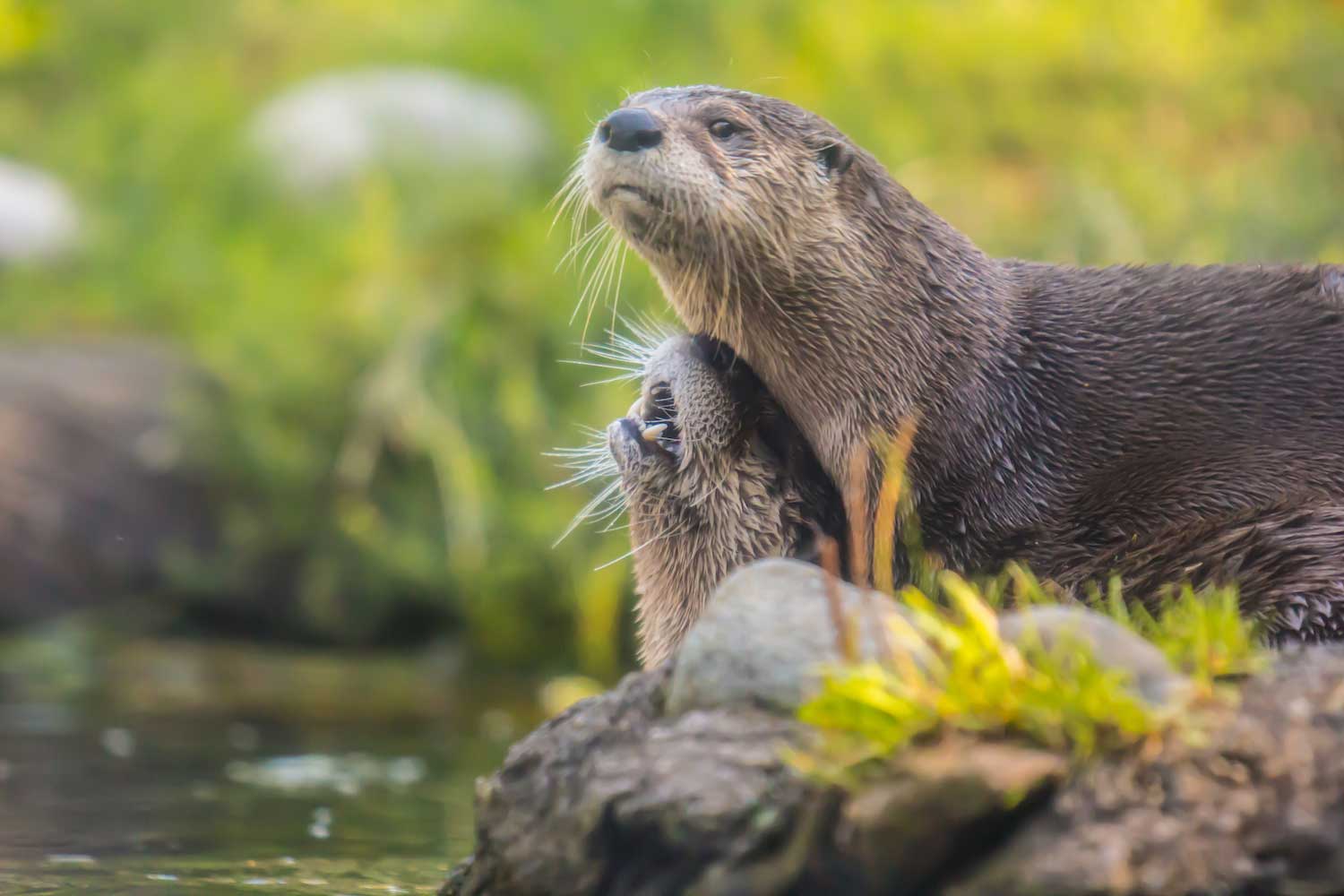
River otters once nearly disappeared from Illinois, but these playful creatures have rebounded, thanks to a successful conservation program.

The preserves offer excellent canoeing and kayaking opportunities on our local waterways.
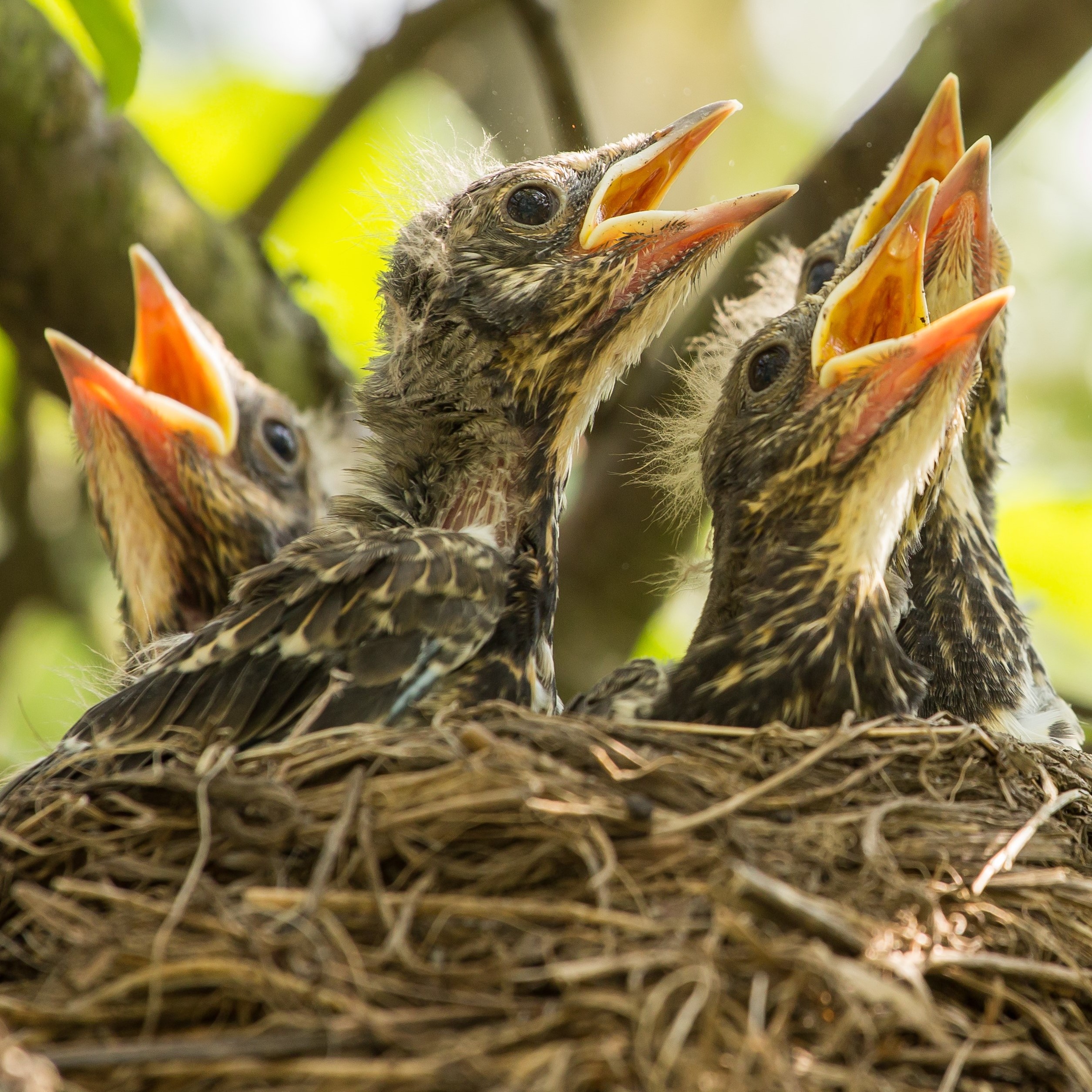
There’s a lot of variation among size, shape and materials.
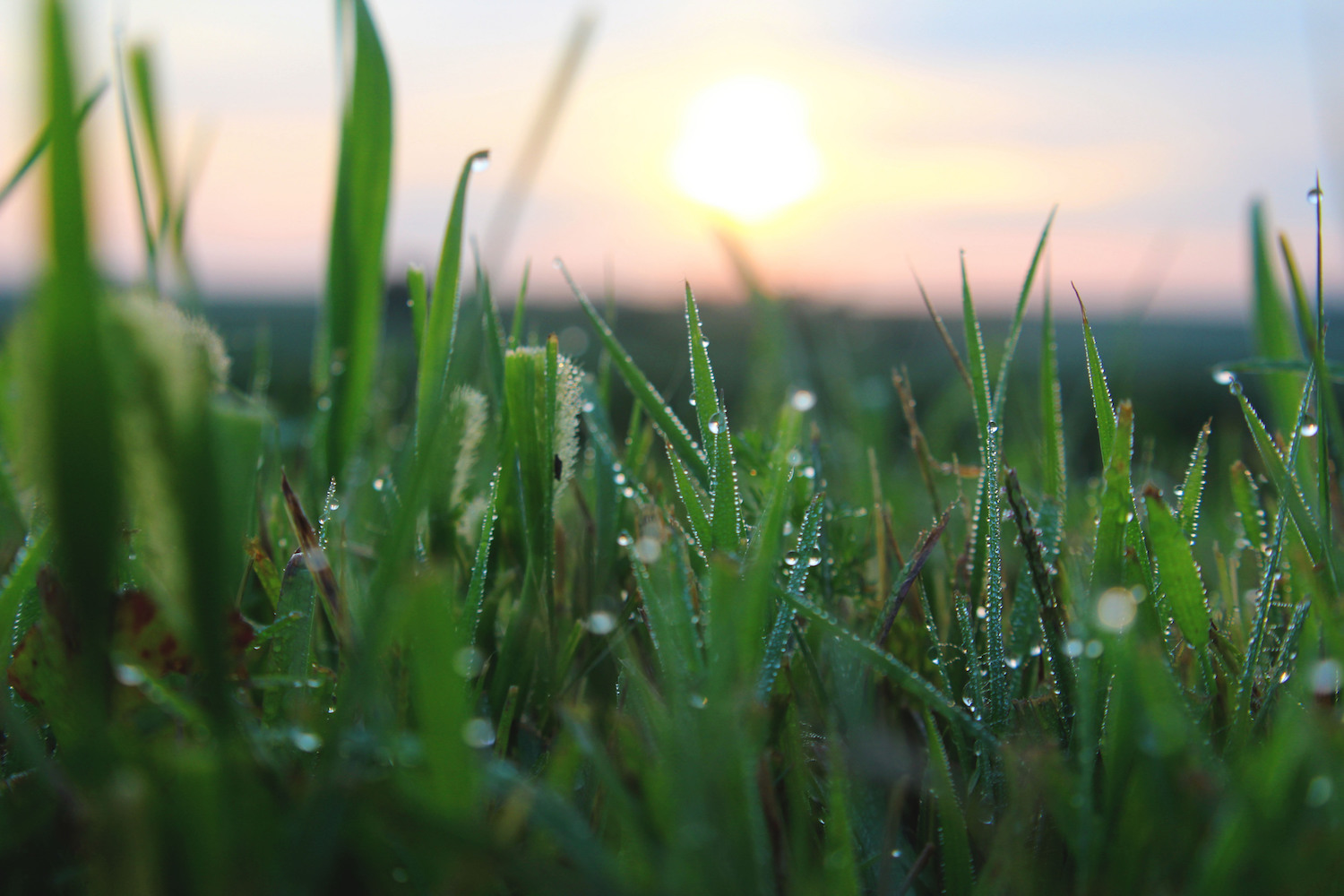
What does it mean when the grass is wet and dewy in the morning? Can it tell you anything about the weather to come?
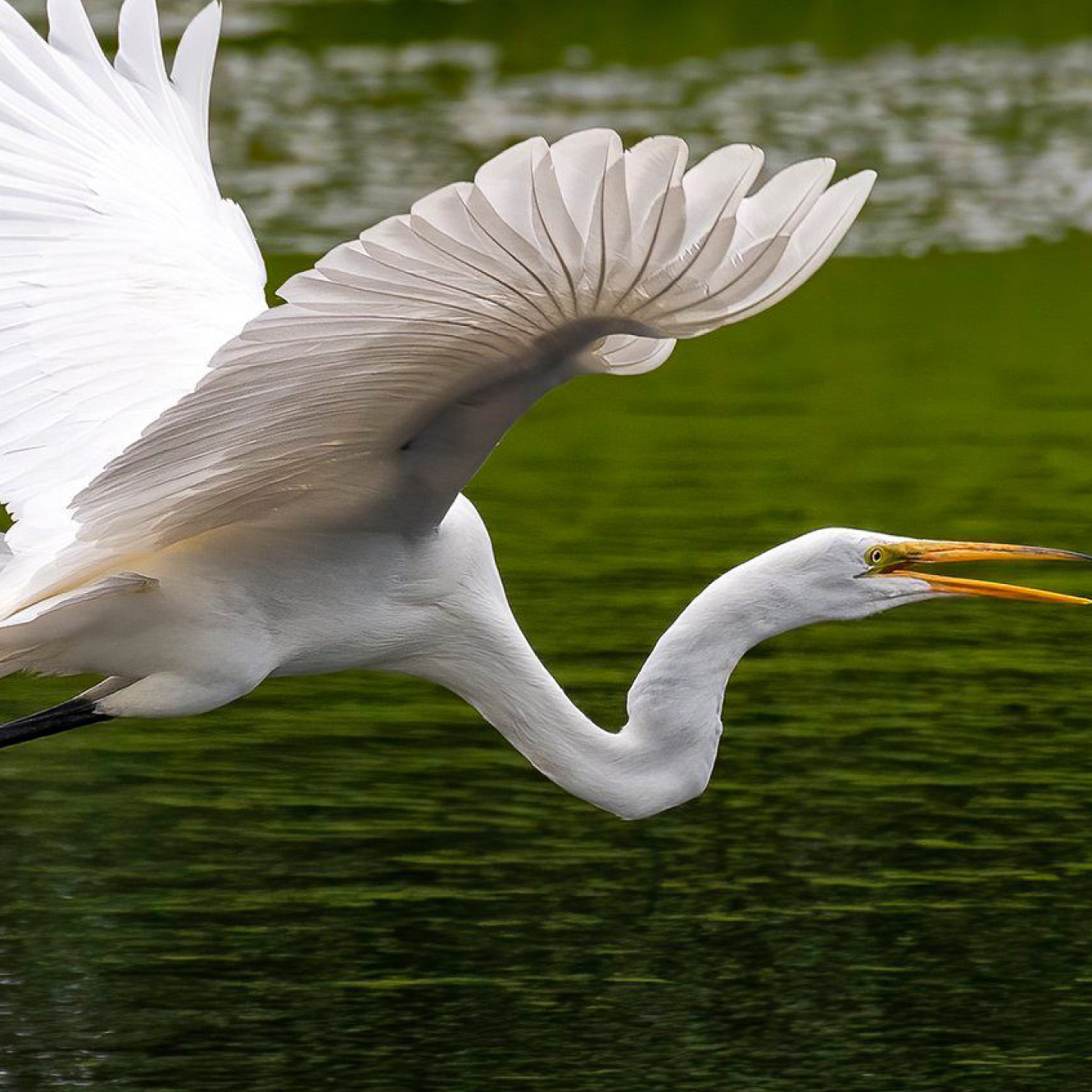
Not everything in nature is what it seems at first glance.
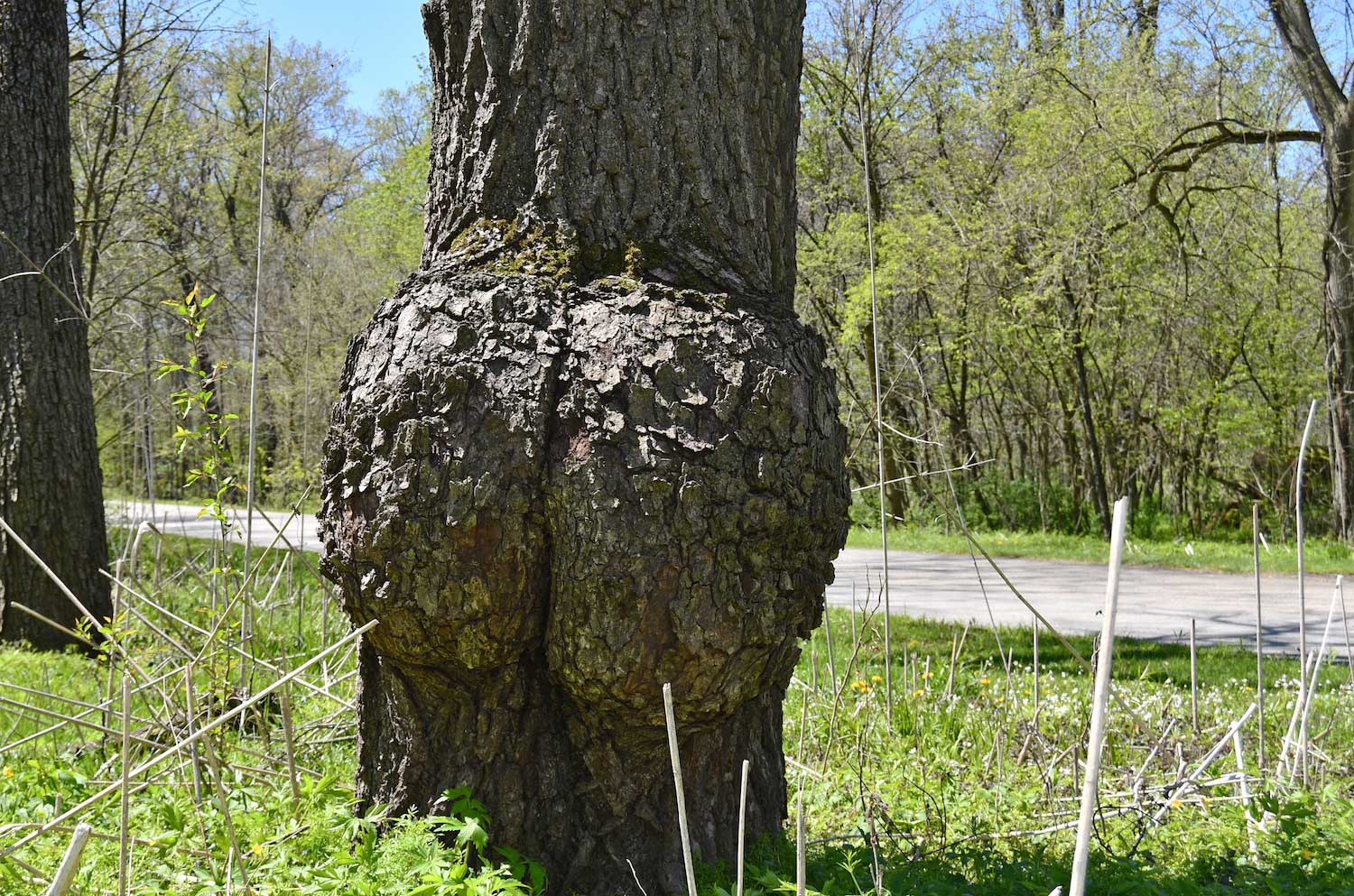
If you've ever seen a monkey in a tree in an Illinois forest, chances are it was really a tree burl creating an optical illusion.
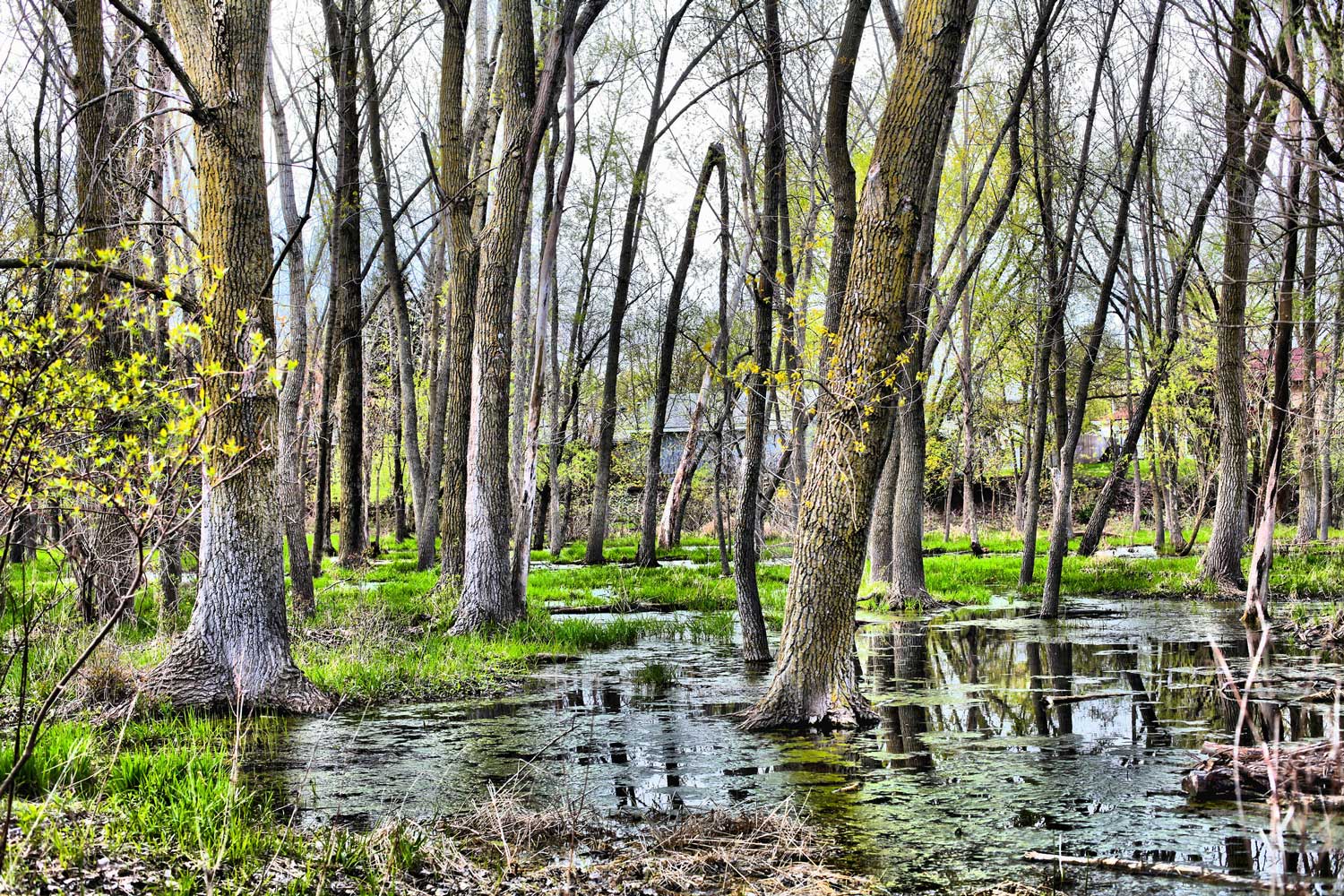
Wetlands link land and water, creating a crucial habitat with many important roles.
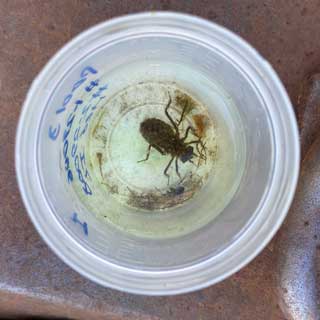
Only 300 or so of the green-eyed dragonflies are known to exist in Illinois, and the Forest Preserve District’s Lockport Prairie has the largest population of the federally endangered insect in the state.
Bee, wasp or hornet? Learn the differences among these stinging insects.
The ruby-throated hummingbird is among the most beloved birds in Will County, and the more you know about them the more you will love them.
Bats aren't blind — some can even see better than you — but they also don't need to rely on their vision to navigate in flight because they use echolocation.
Bug bites are an annoying fact of life, but being prepared can make your time outdoors more enjoyable.
The belted kingfisher is a common bird that lives across the entire United States, and they often catch the eye and the ear with their top-heavy appearance and loud, rattling calls.
Next time you stop to smell the roses, or any other sweet-smelling flower for that matter, keep in mind that the fragrance isn't intended for you. Instead, the plants are trying to attract insects and birds to aid in pollination.
Is that a moth or a butterfly? Learn the clues to help you tell the difference.
Opossums are often depicted in cartoons as hanging upside down by their tails, but they aren't really able to do it for any length of time.
River otters once nearly disappeared from Illinois, but these playful creatures have rebounded, thanks to a successful conservation program.
The preserves offer excellent canoeing and kayaking opportunities on our local waterways.
There’s a lot of variation among size, shape and materials.
What does it mean when the grass is wet and dewy in the morning? Can it tell you anything about the weather to come?
Not everything in nature is what it seems at first glance.
If you've ever seen a monkey in a tree in an Illinois forest, chances are it was really a tree burl creating an optical illusion.
Wetlands link land and water, creating a crucial habitat with many important roles.
Only 300 or so of the green-eyed dragonflies are known to exist in Illinois, and the Forest Preserve District’s Lockport Prairie has the largest population of the federally endangered insect in the state.
Calling all adventurers! Learn how to use a compass and map before embarking on an adventure through the woods.
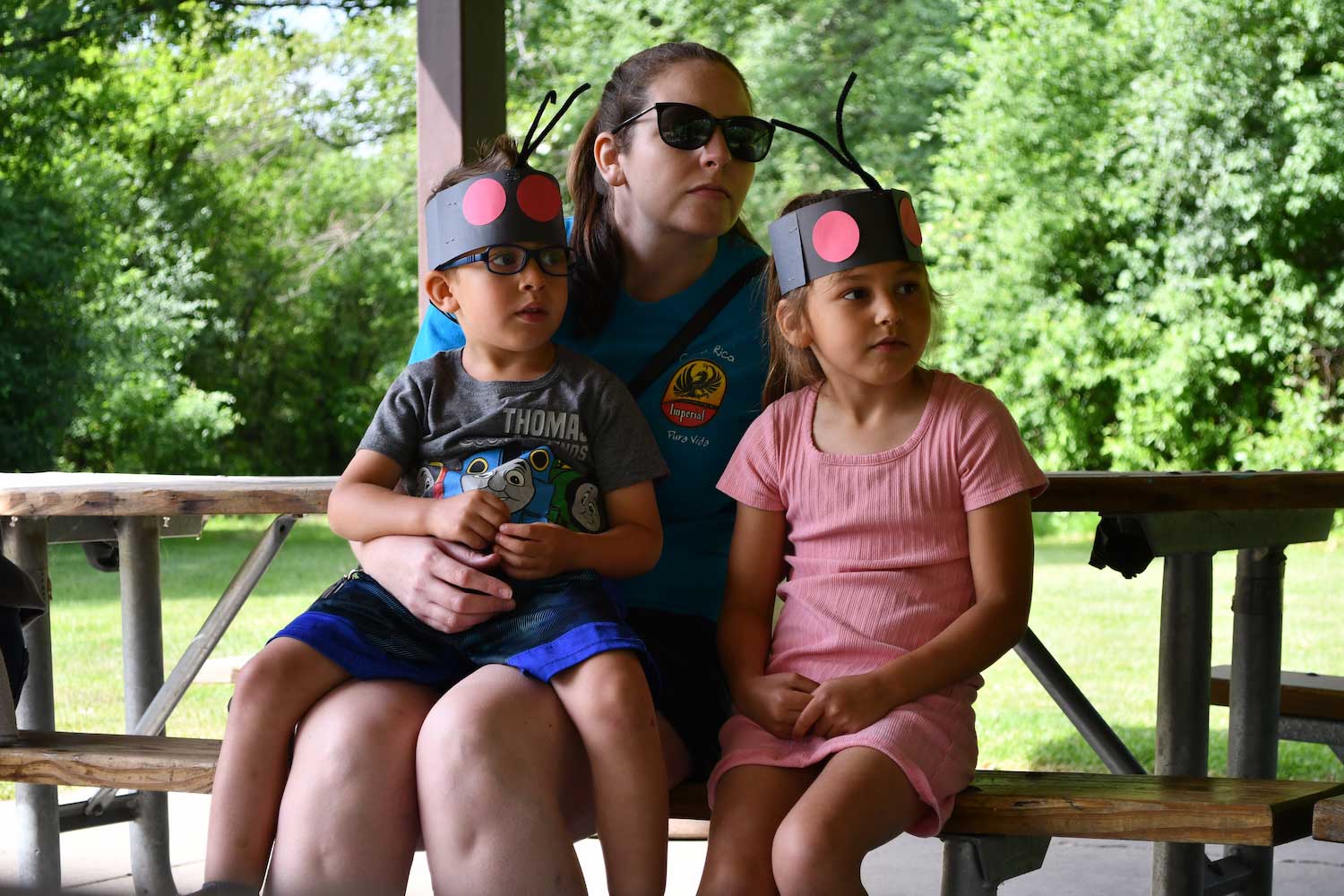
Answer the call of your wild child by getting outside with this monthly nature-themed program geared toward children ages 3 to 5.

It's not just our pets who suffer around the Fourth of July. Loud, booming fireworks pose serious risks to wildlife too.
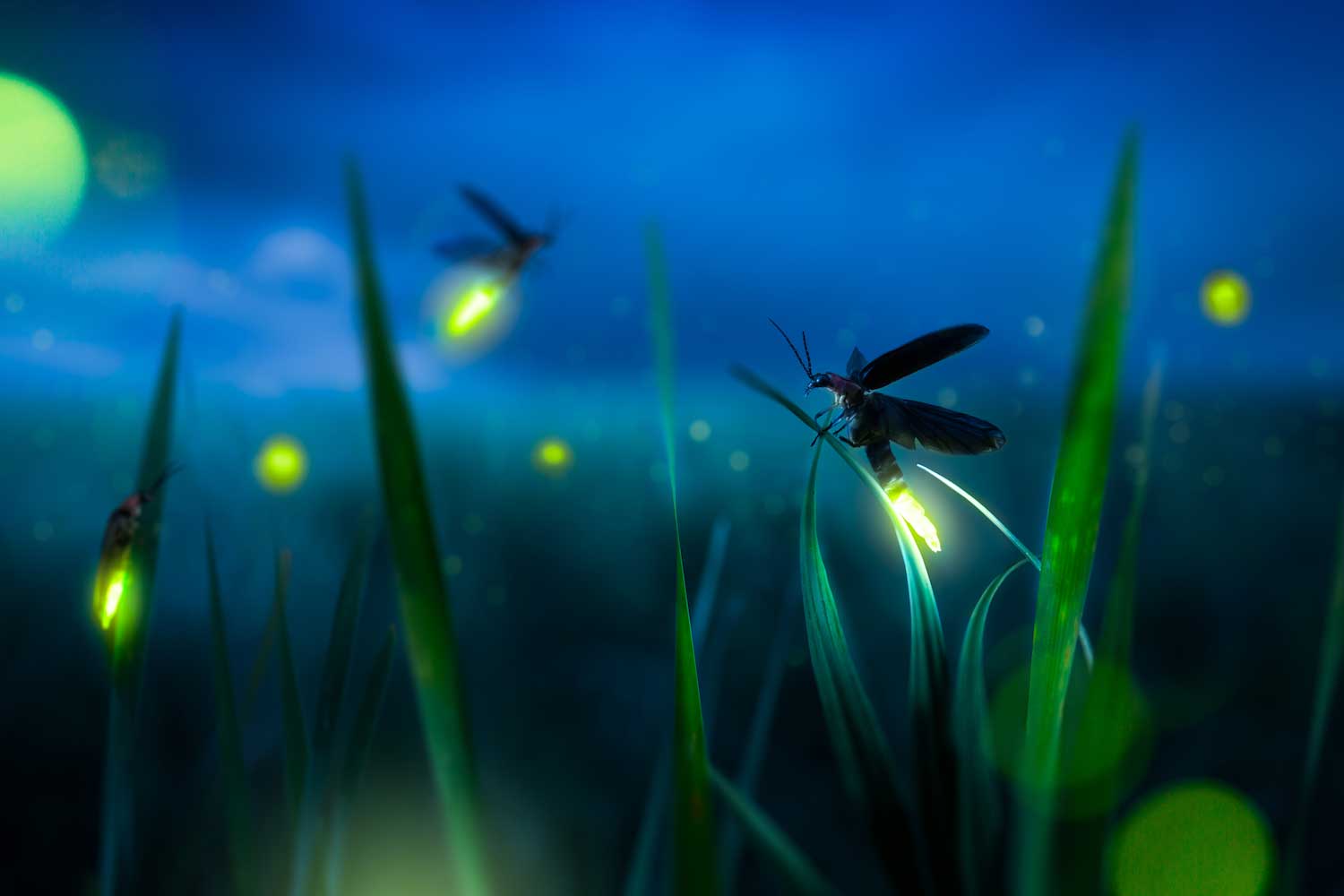
Catching lightning bugs is a summer rite of passage, but do you know how these bugs light up? Or why?
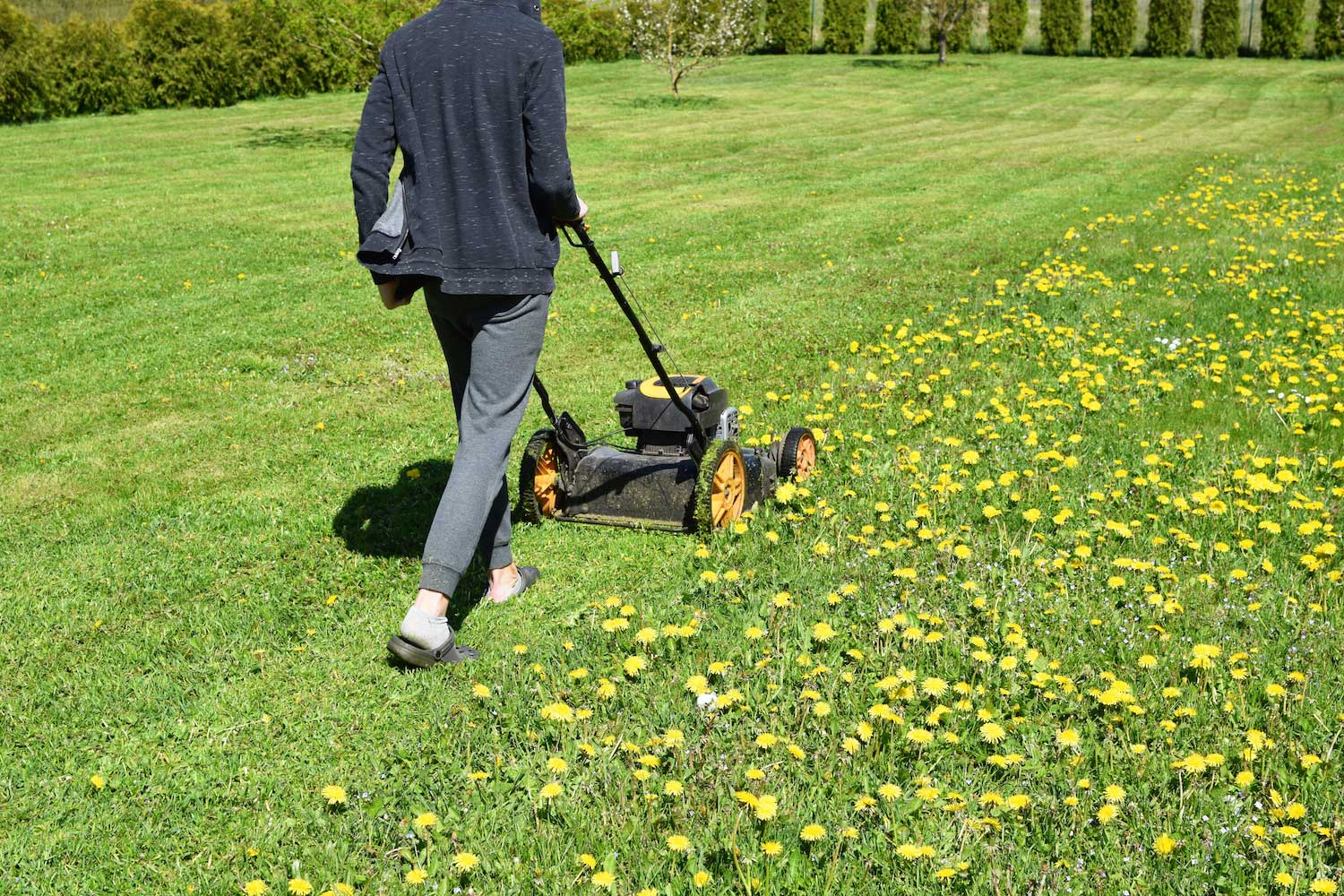
Participating in No Mow May isn't just a way to cut down on your yardwork for a month. You'll be helping bees and other essential insects too.