
Wilderness Wayfinders
June 25, 2026 | 9:30 A.M TO 11:00 A.M
Calling all adventurers! Learn how to use a compass and map before embarking on an adventure through the woods.

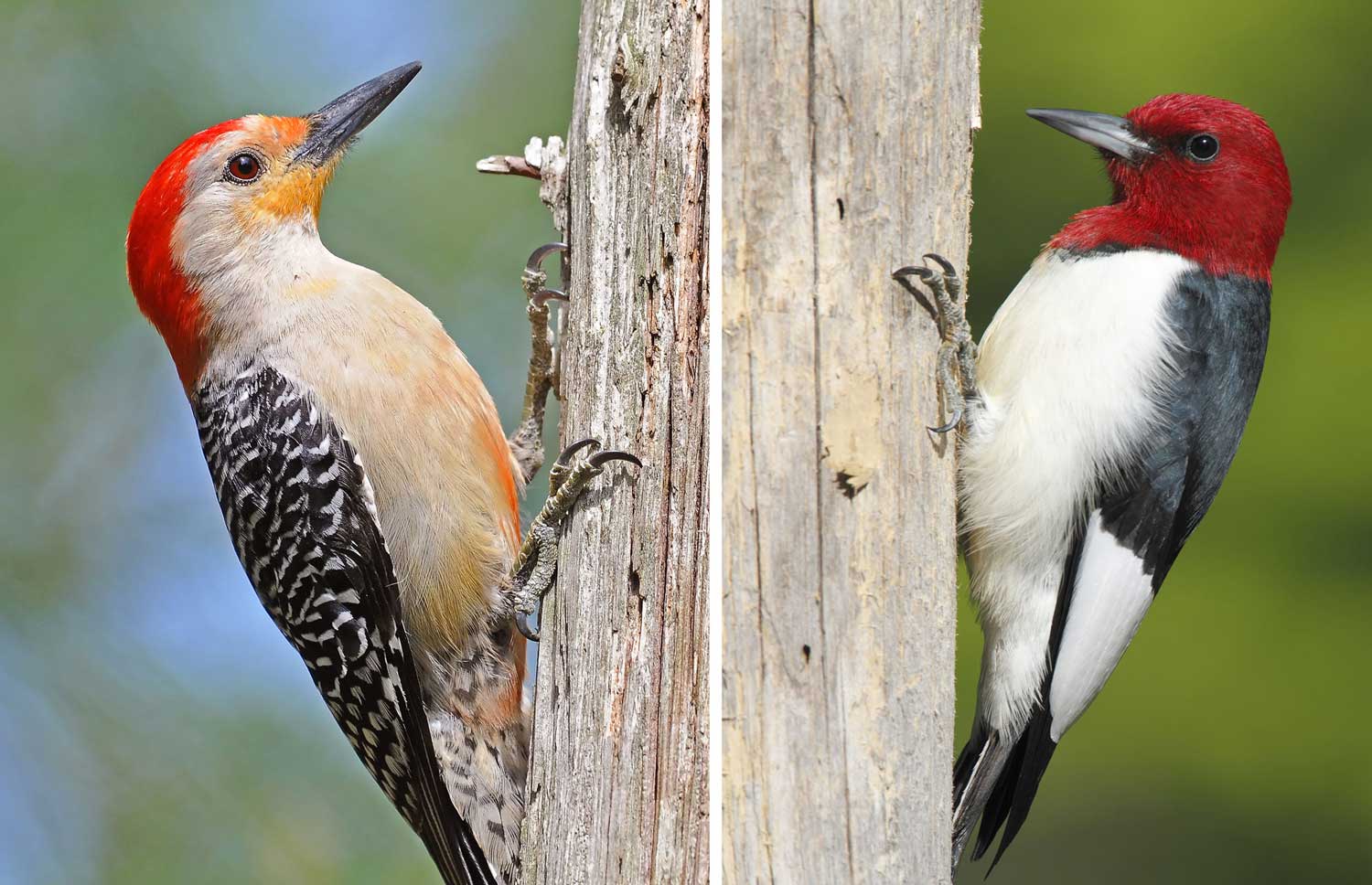
Red-headed and red-bellied woodpeckers are often confused with one another, but not because they look alike. Instead, it's because the name red-headed woodpecker is fitting for both birds.
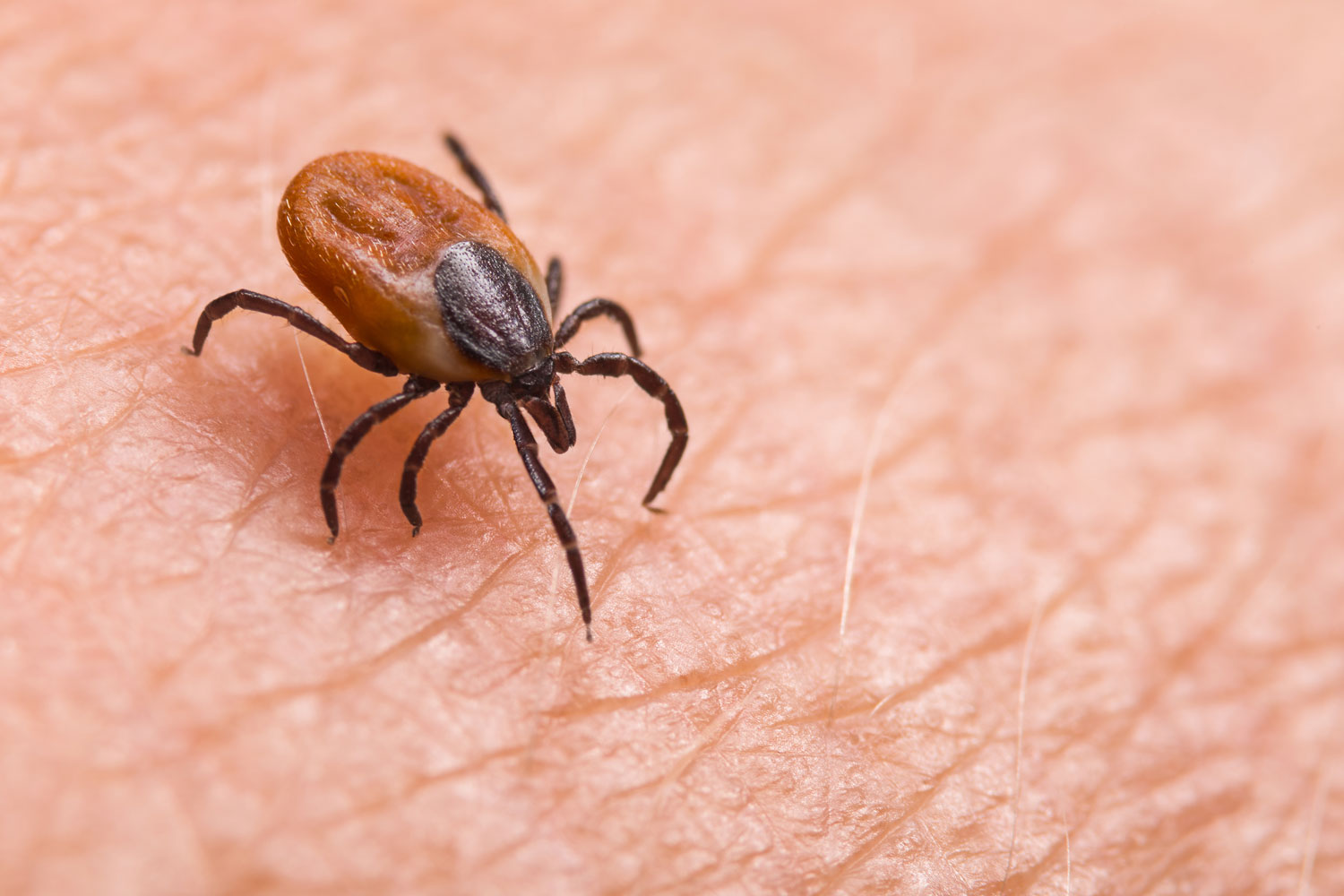
The arrival of winter isn't a guarantee that ticks don't pose a threat to you or your pets. If the temperature is above freezing and the ground isn't frozen, some ticks are still active, which means they can still spread tick-borne illnesses.
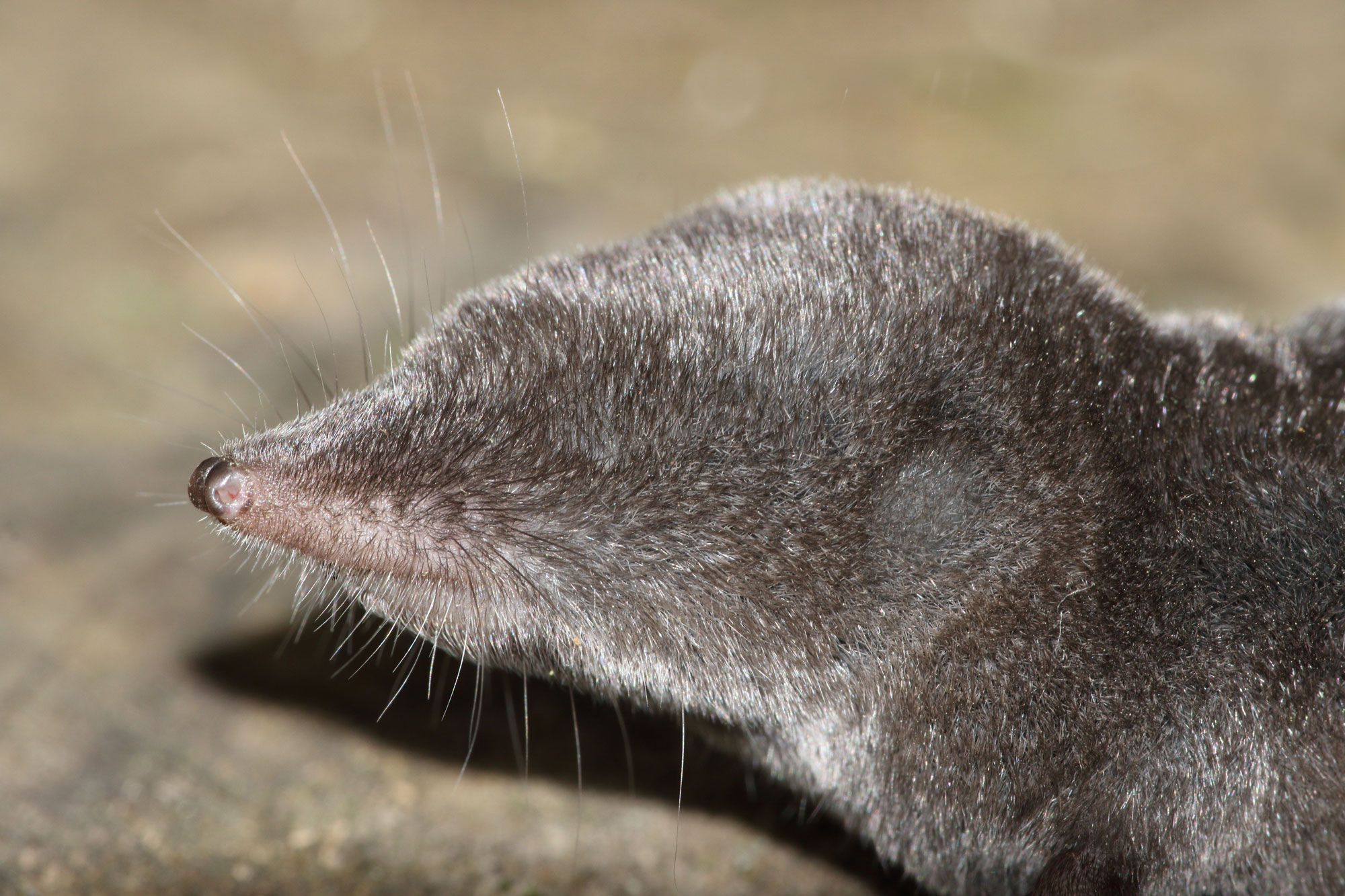
You may have seen a short-tailed shrew and mistaken it for a mouse, but these animals are entirely different. And the shrews are about as weird as it gets.
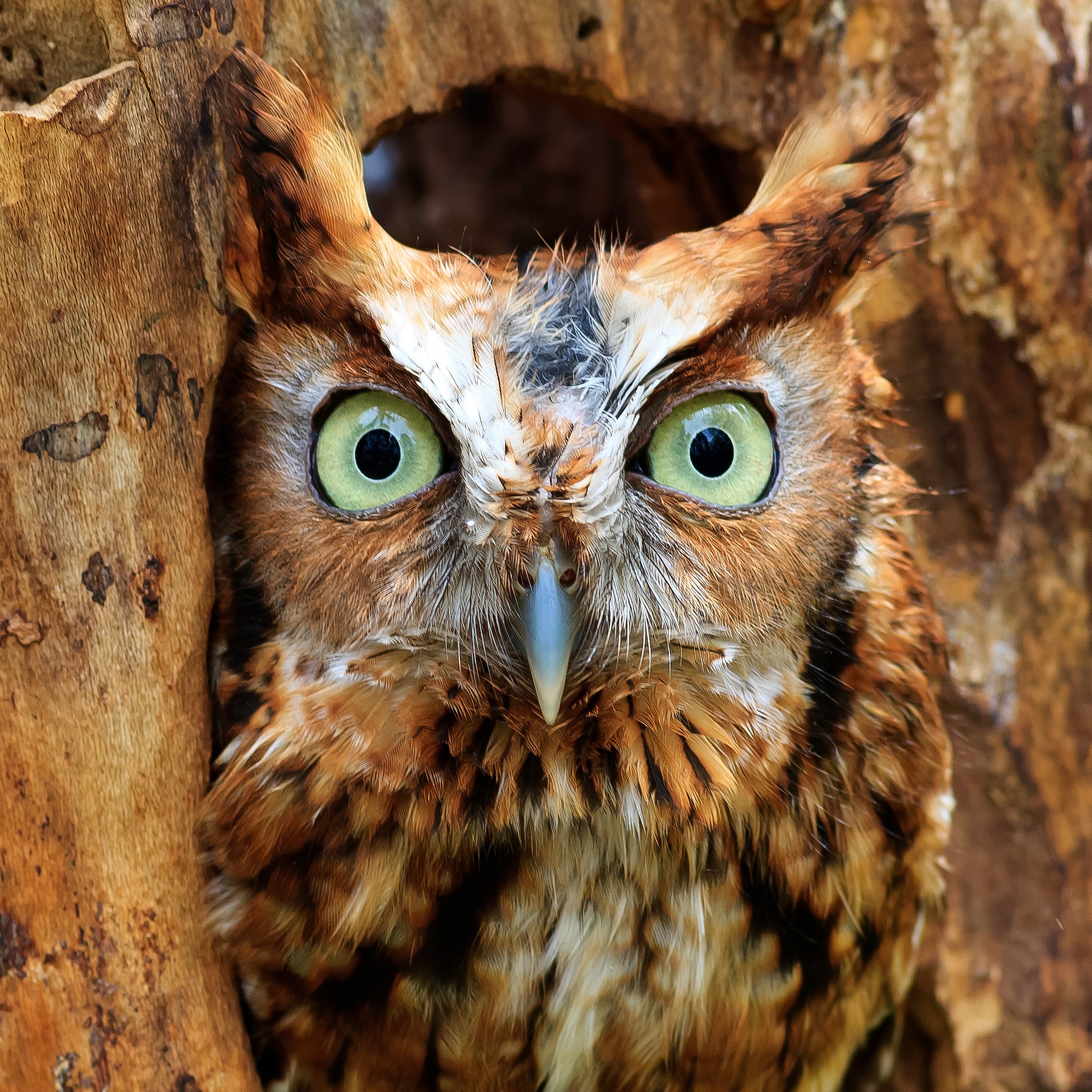
Many animals rely on their coloring to help them avoid detection.
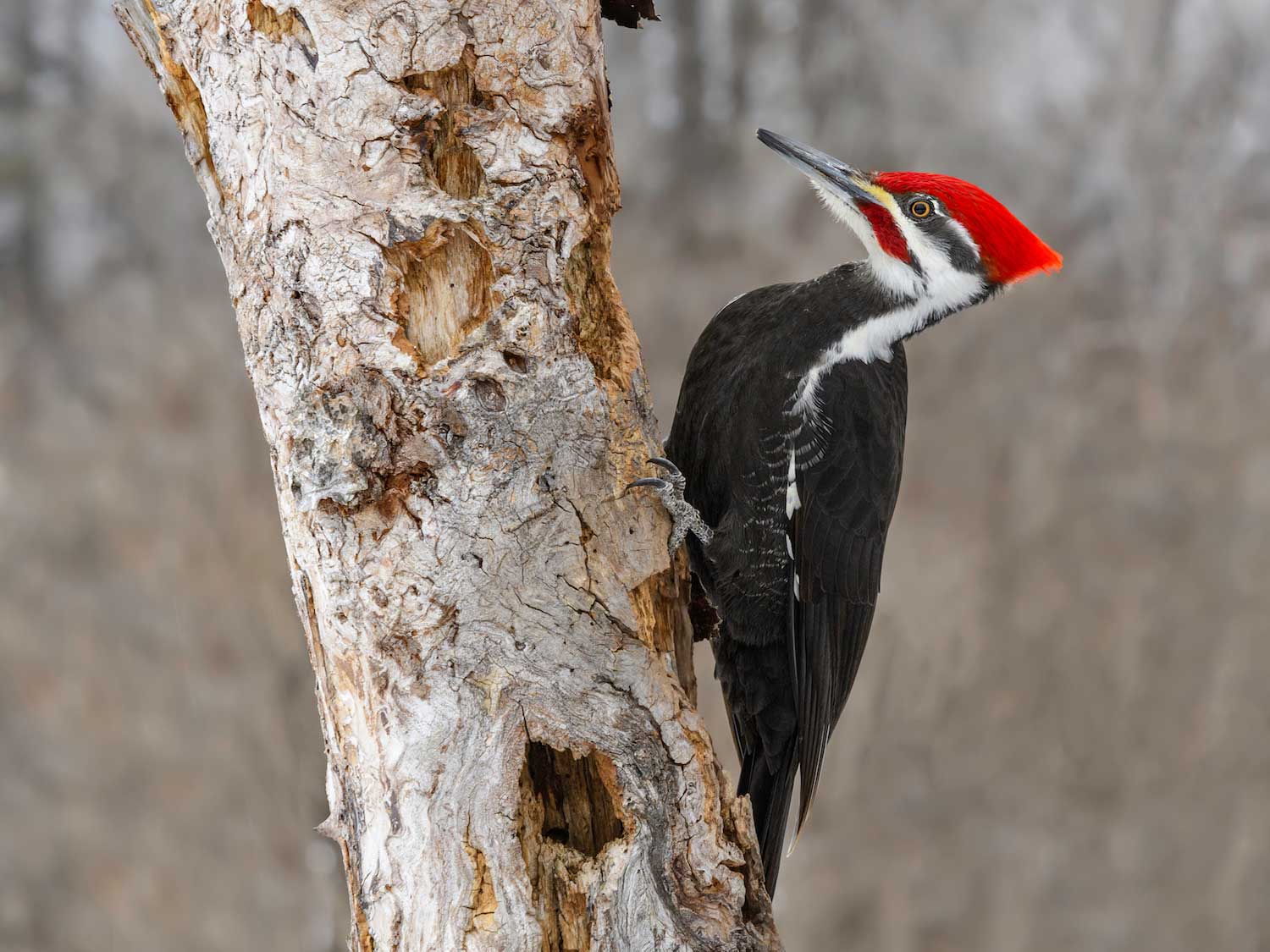
The pileated woodpecker is one of our most striking forest dwellers, and you can learn more about them in this creature feature.
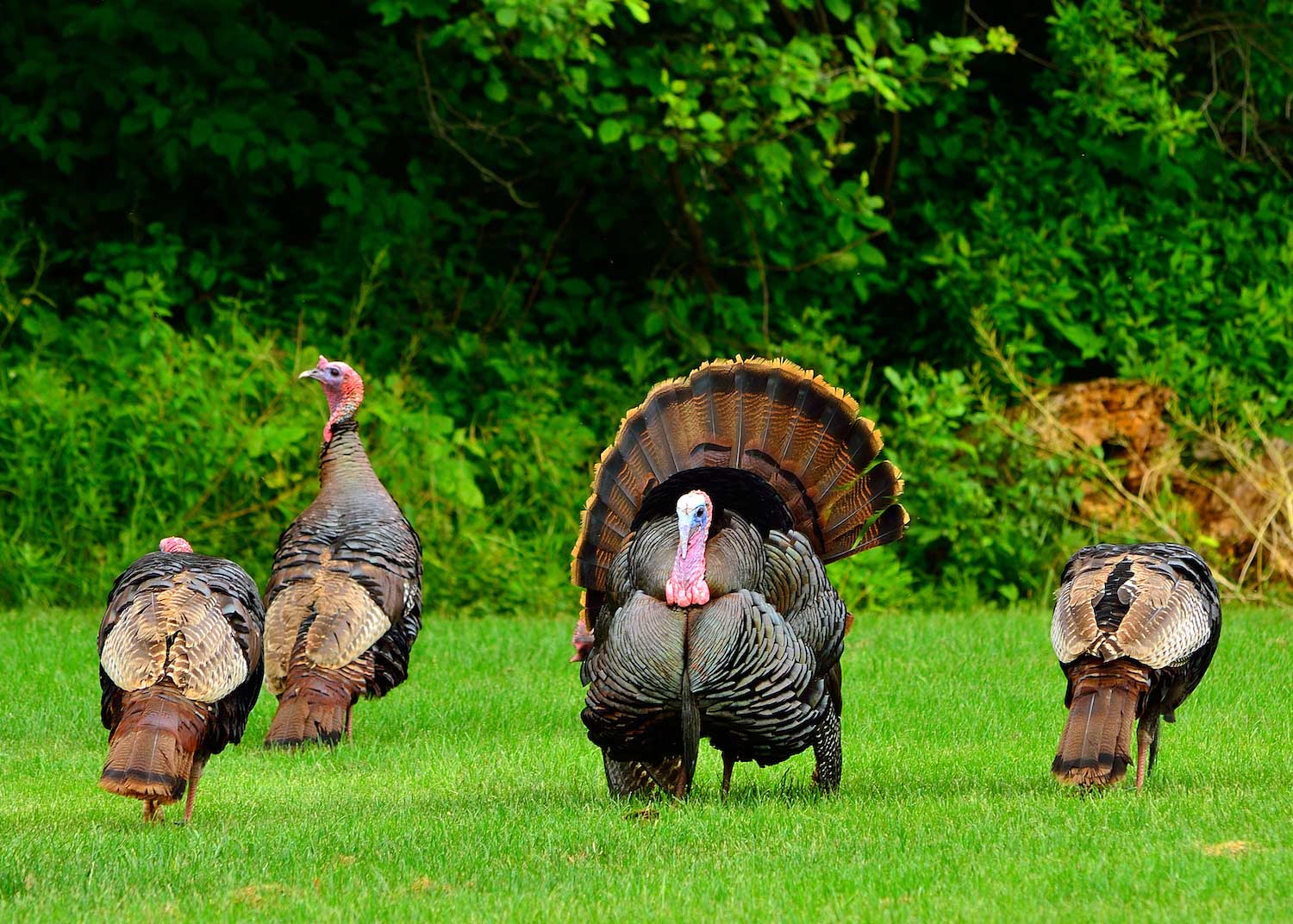
It's time to talk turkey, but not just the birds that grace our holiday tables. Take some time to learn about the wild turkeys that inhabit our woodlands.
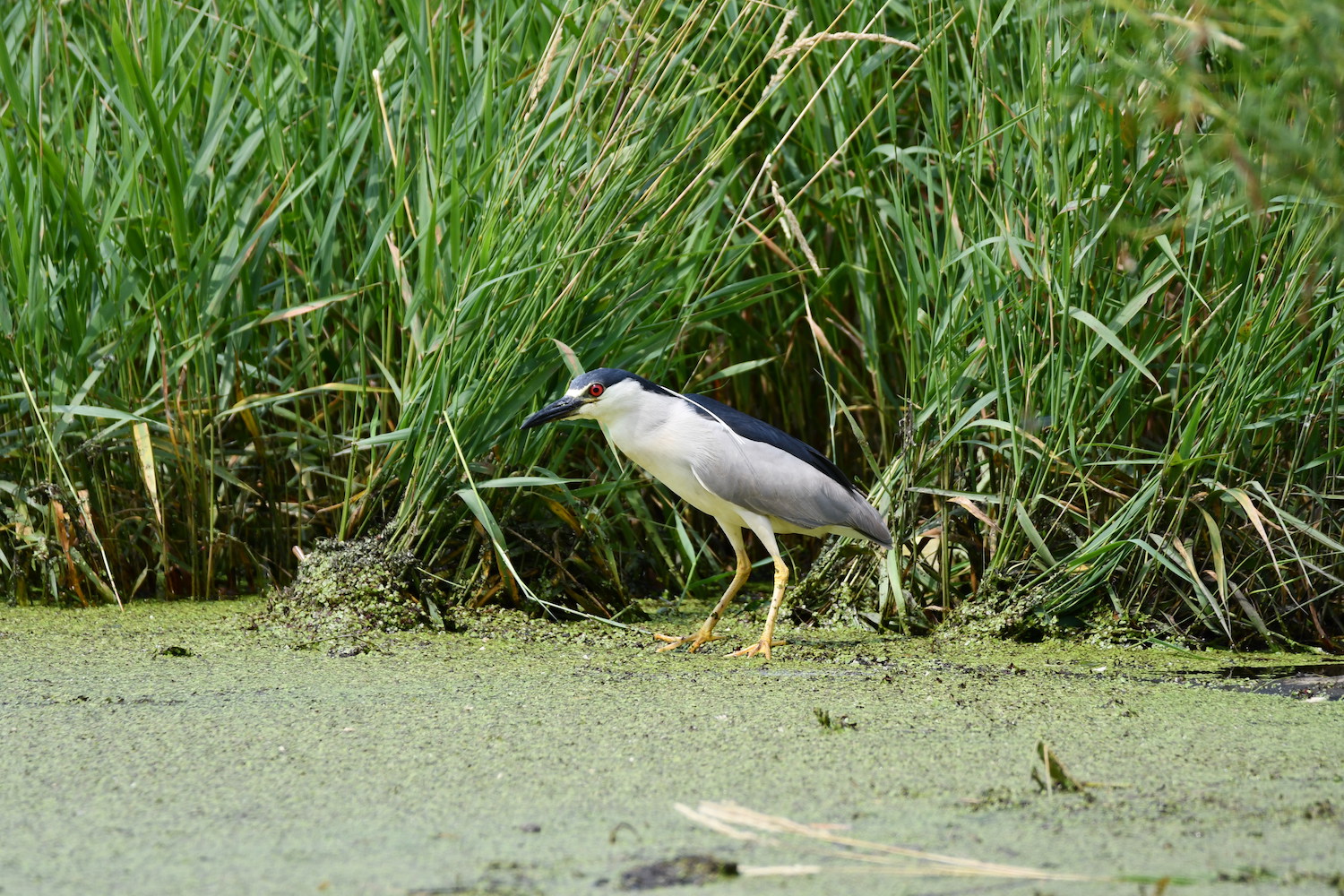
Saving endangered and threatened species from extinction is a complicated task and requires action at every level. Here's a look at the steps you can take to help.

Let technology enhance your outdoor adventures with these apps recommended by Forest Preserve District interpretive naturalists.
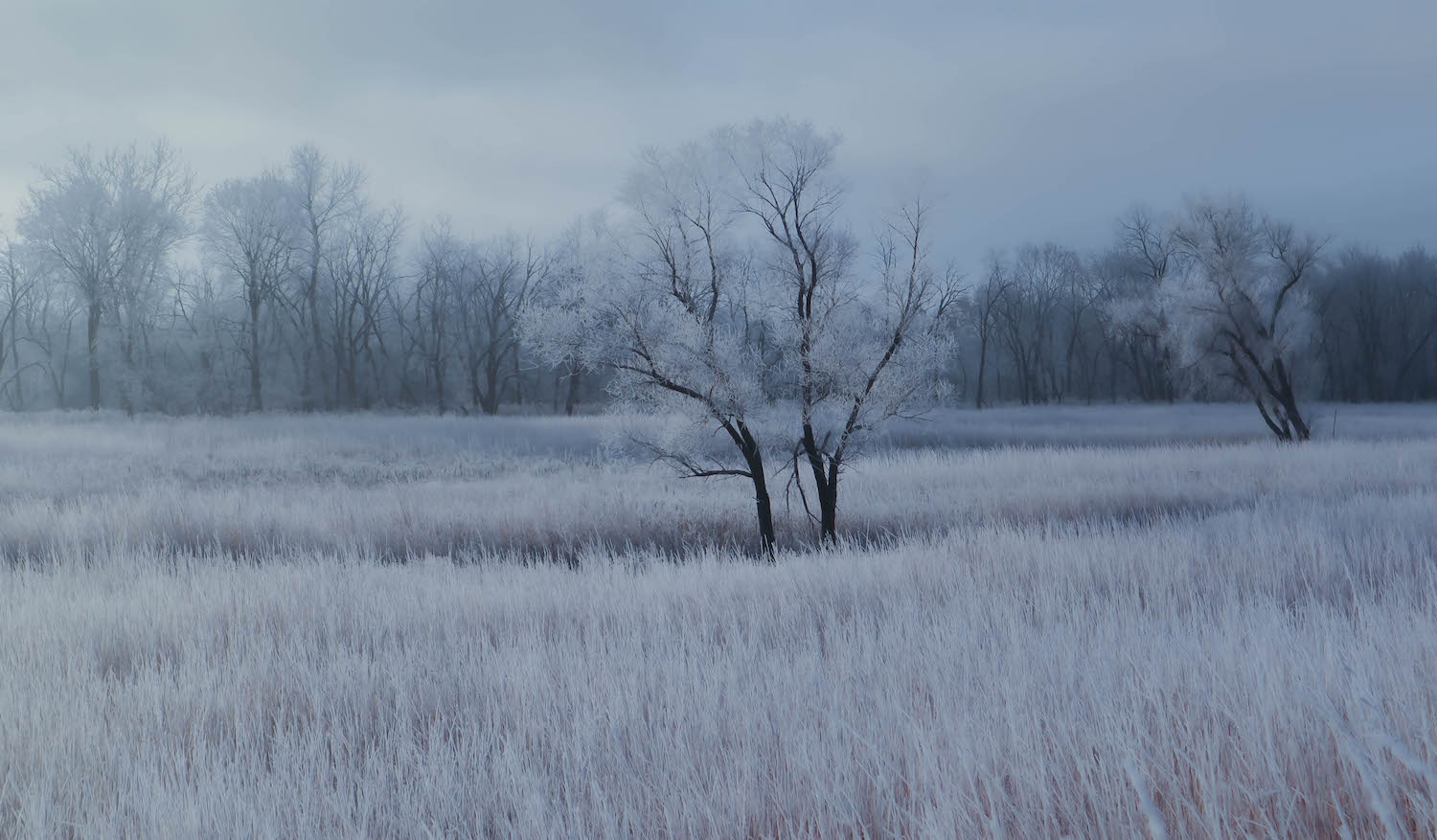
No matter what your favorite season is, you have the sun to thank for it.
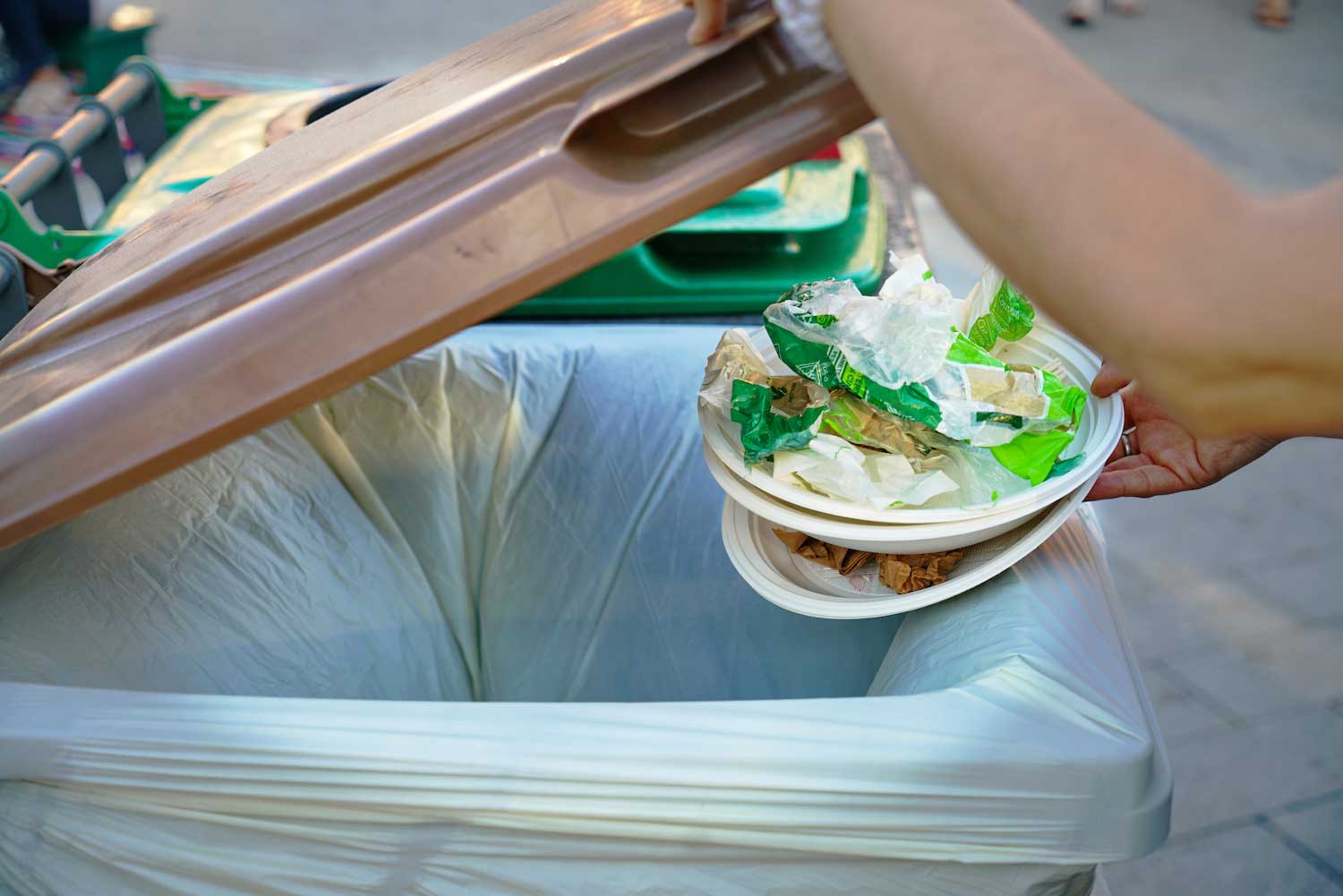
Think biodegradable and compostable products are best? Make sure you do your homework.
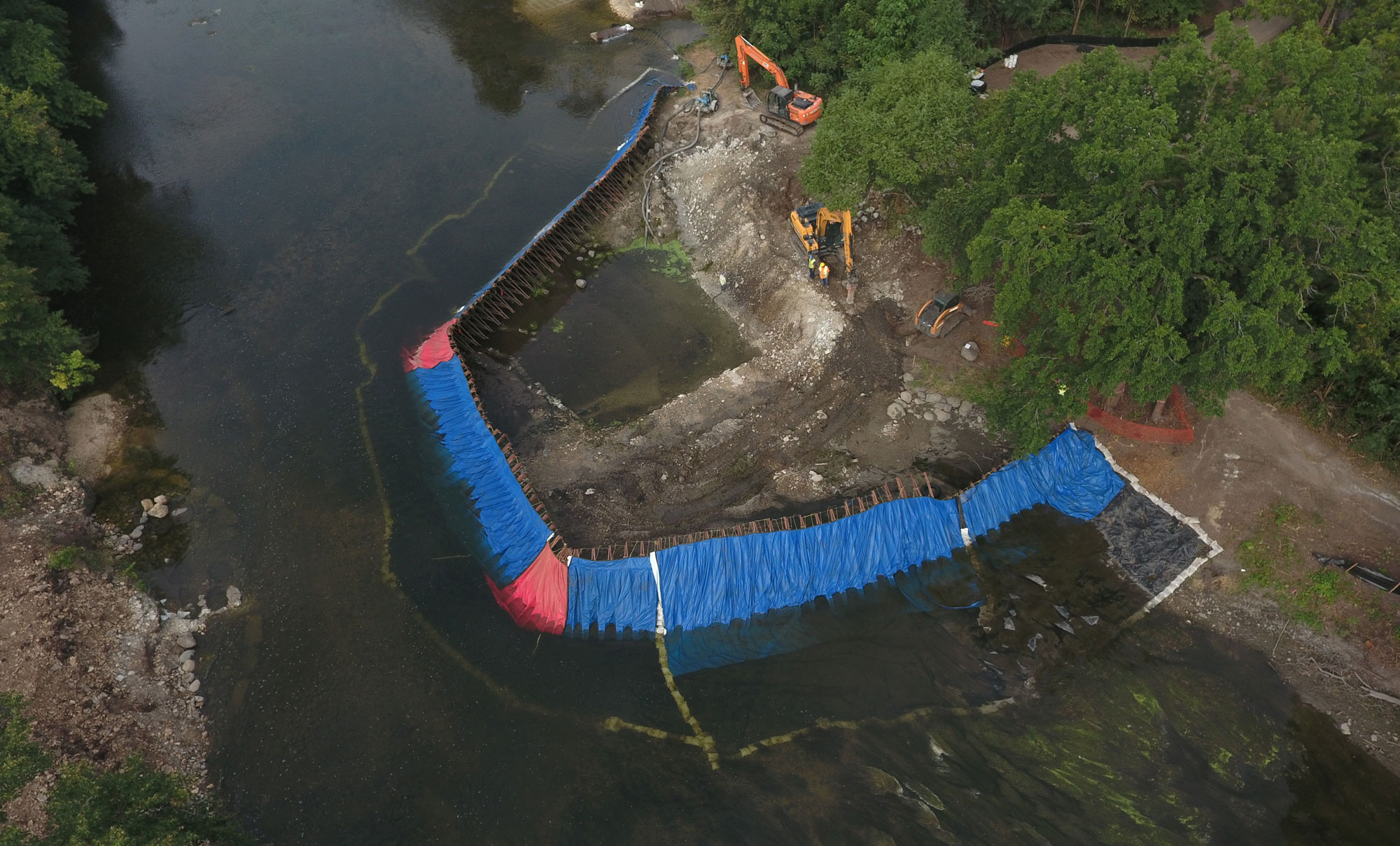
A video titled, "The Dam Project at Hammel Woods" is now available for viewing on the District's YouTube page. The video chronicles the dam removal process and explains why it was necessary and how it was done.
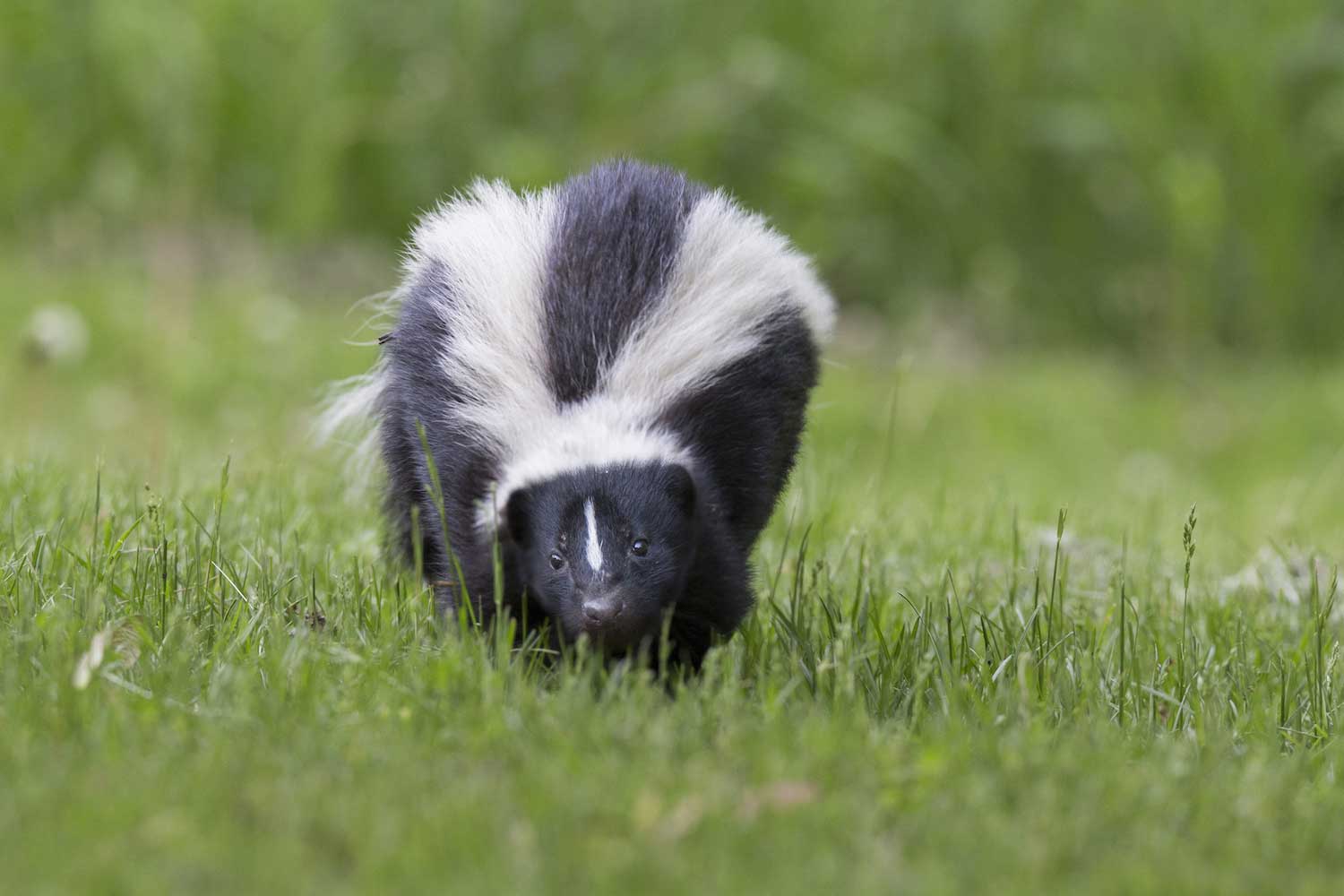
You know a skunk when you see one, but there's probably a lot you don't know about these animals.
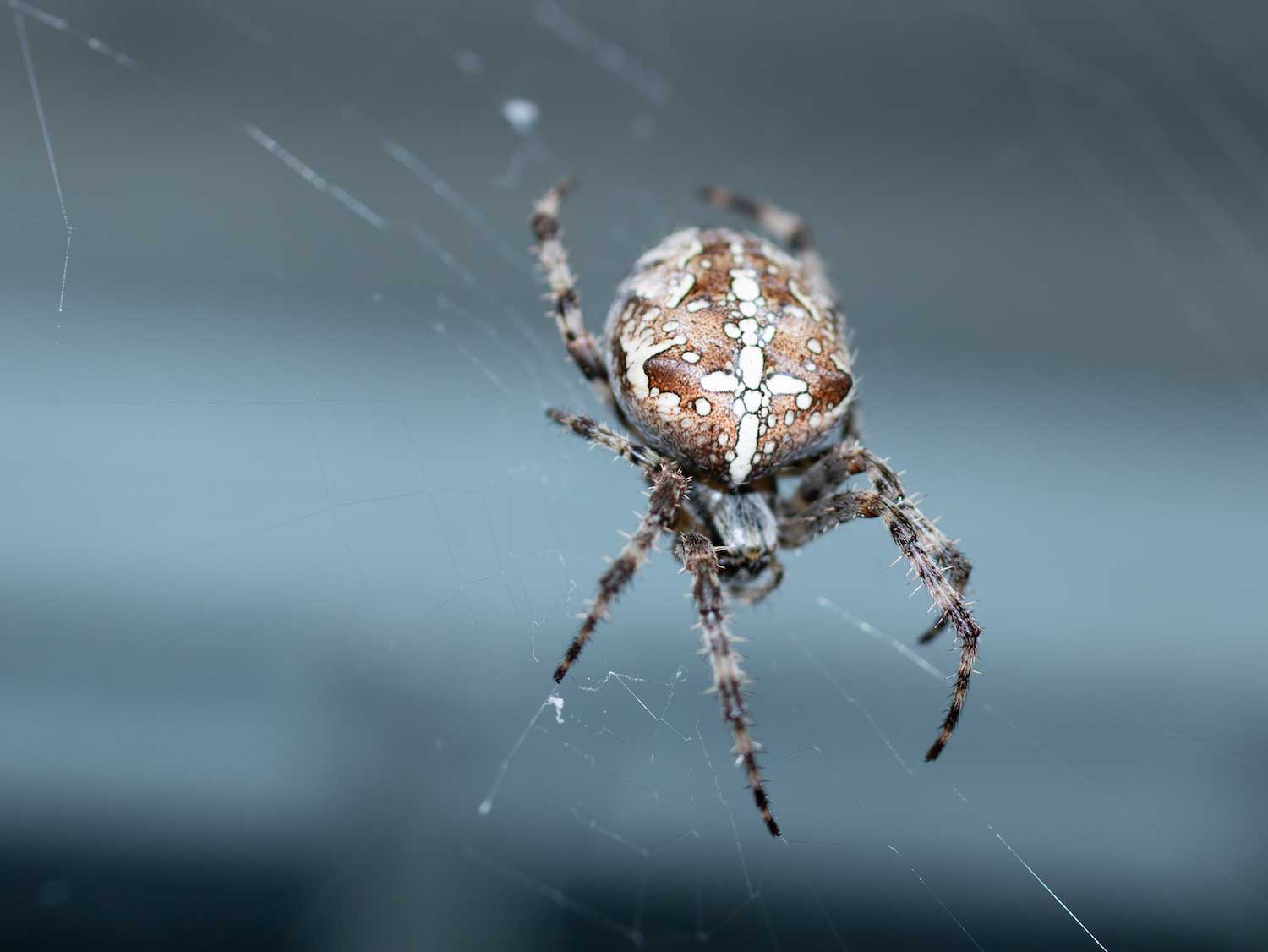
The world is home to 50,000 kinds of spiders, and they live just about everywhere.
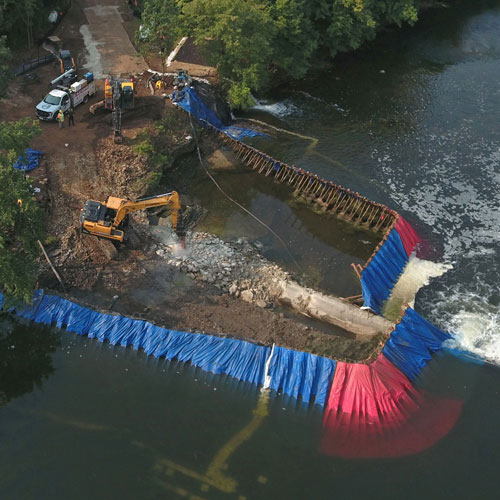
Here's a mostly bird's-eye view of the project from start to finish.

Light pollution affects our health and the health of the wildlife all around us, and it's getting worse.
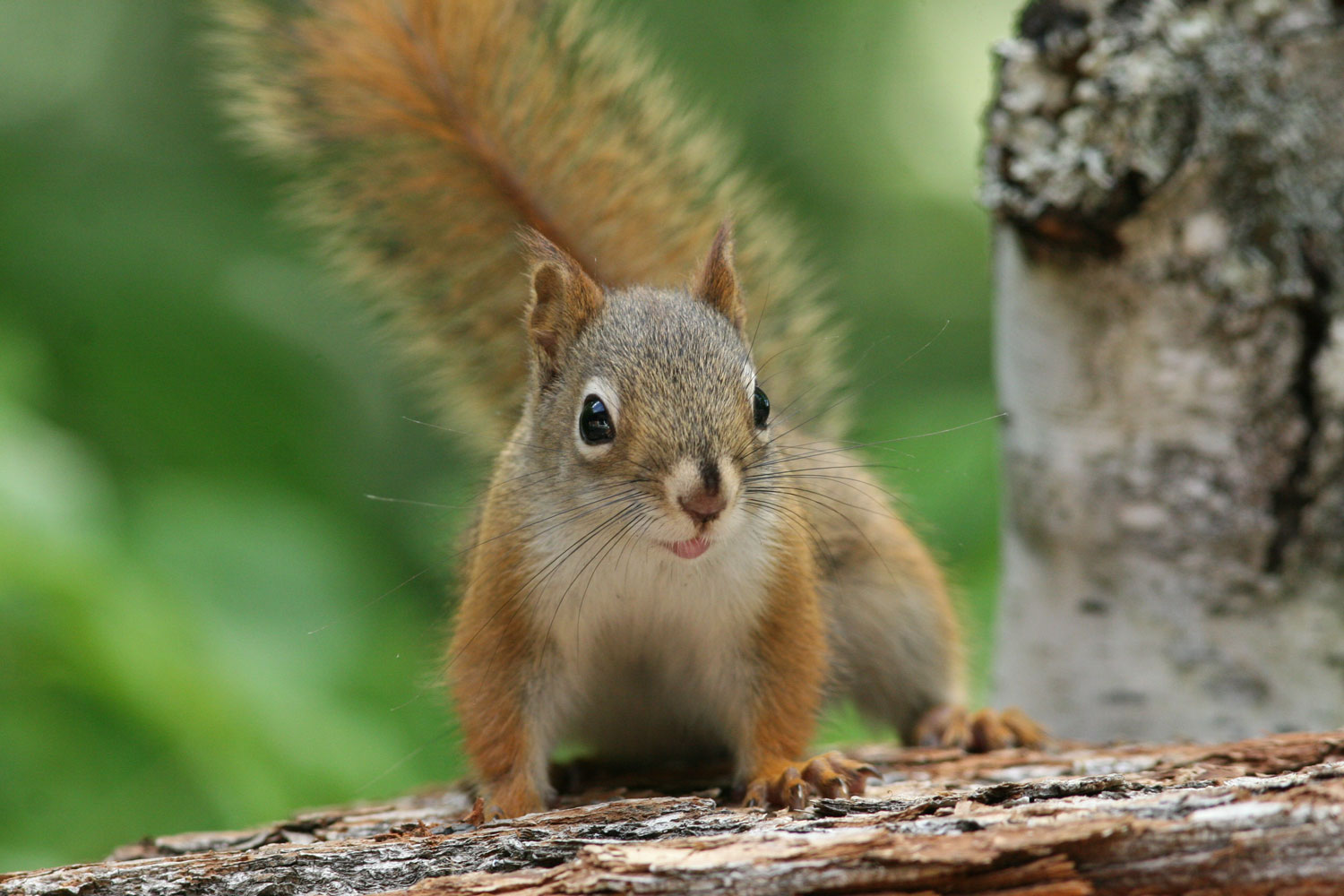
You probably know about gray squirrels and fox squirrels, but they aren't the only tree squirrels scurrying around Will County. The red squirrel is their less-common cousin, and it's found in a few Will County preserves.
Red-headed and red-bellied woodpeckers are often confused with one another, but not because they look alike. Instead, it's because the name red-headed woodpecker is fitting for both birds.
The arrival of winter isn't a guarantee that ticks don't pose a threat to you or your pets. If the temperature is above freezing and the ground isn't frozen, some ticks are still active, which means they can still spread tick-borne illnesses.
You may have seen a short-tailed shrew and mistaken it for a mouse, but these animals are entirely different. And the shrews are about as weird as it gets.
Many animals rely on their coloring to help them avoid detection.
The pileated woodpecker is one of our most striking forest dwellers, and you can learn more about them in this creature feature.
It's time to talk turkey, but not just the birds that grace our holiday tables. Take some time to learn about the wild turkeys that inhabit our woodlands.
Saving endangered and threatened species from extinction is a complicated task and requires action at every level. Here's a look at the steps you can take to help.
Let technology enhance your outdoor adventures with these apps recommended by Forest Preserve District interpretive naturalists.
No matter what your favorite season is, you have the sun to thank for it.
Think biodegradable and compostable products are best? Make sure you do your homework.
A video titled, "The Dam Project at Hammel Woods" is now available for viewing on the District's YouTube page. The video chronicles the dam removal process and explains why it was necessary and how it was done.
You know a skunk when you see one, but there's probably a lot you don't know about these animals.
The world is home to 50,000 kinds of spiders, and they live just about everywhere.
Here's a mostly bird's-eye view of the project from start to finish.
Light pollution affects our health and the health of the wildlife all around us, and it's getting worse.
You probably know about gray squirrels and fox squirrels, but they aren't the only tree squirrels scurrying around Will County. The red squirrel is their less-common cousin, and it's found in a few Will County preserves.
Calling all adventurers! Learn how to use a compass and map before embarking on an adventure through the woods.
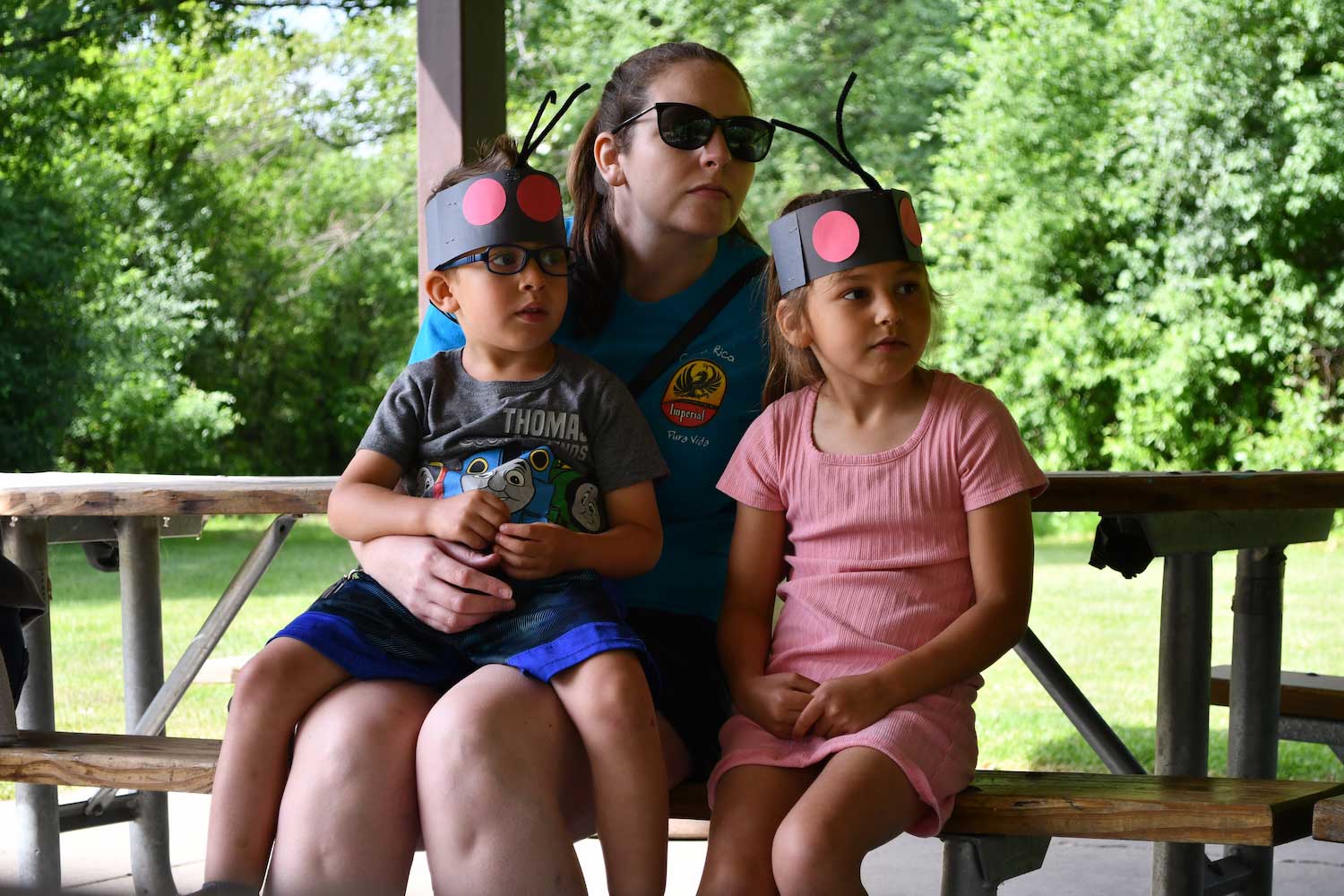
Answer the call of your wild child by getting outside with this monthly nature-themed program geared toward children ages 3 to 5.

It's not just our pets who suffer around the Fourth of July. Loud, booming fireworks pose serious risks to wildlife too.
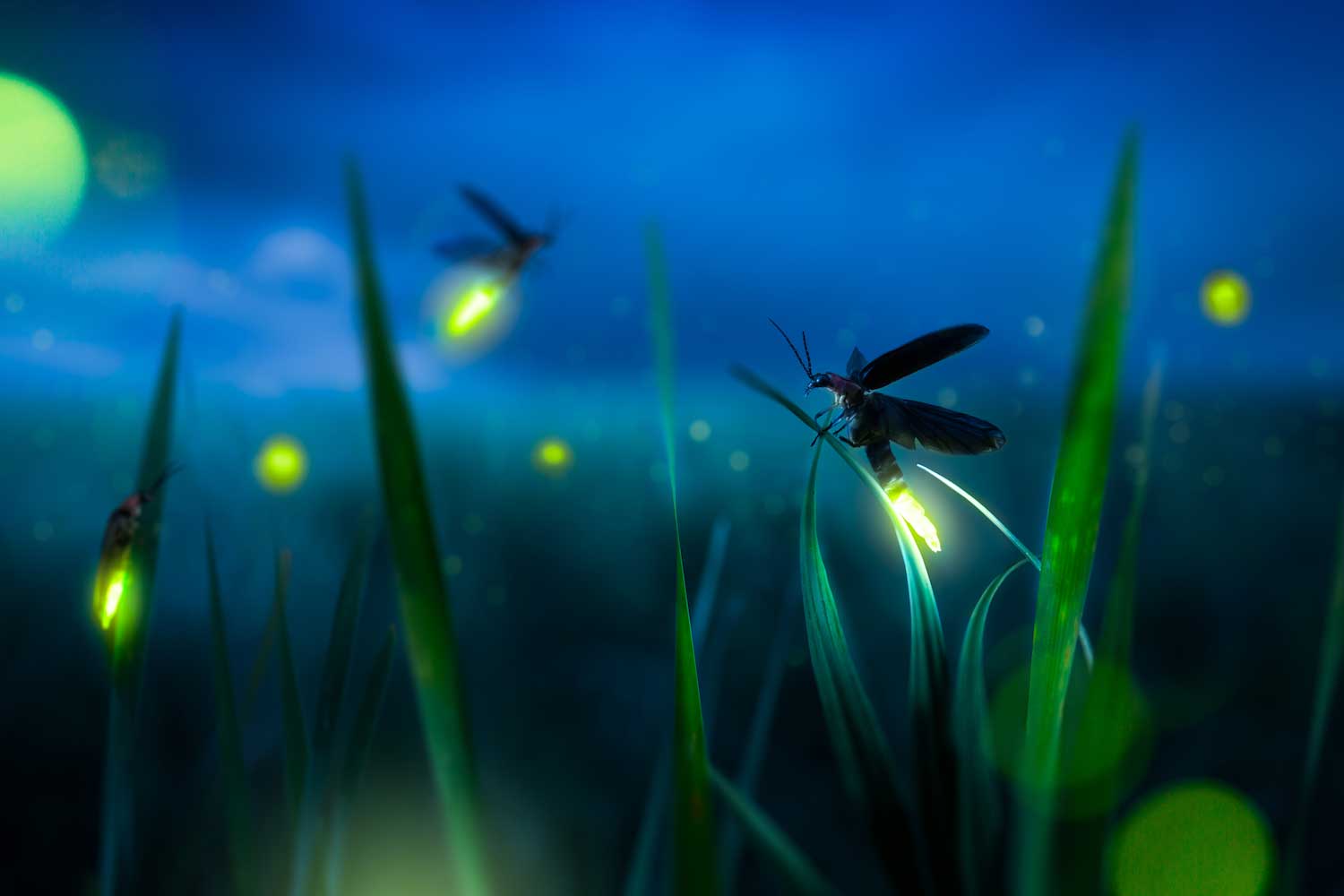
Catching lightning bugs is a summer rite of passage, but do you know how these bugs light up? Or why?
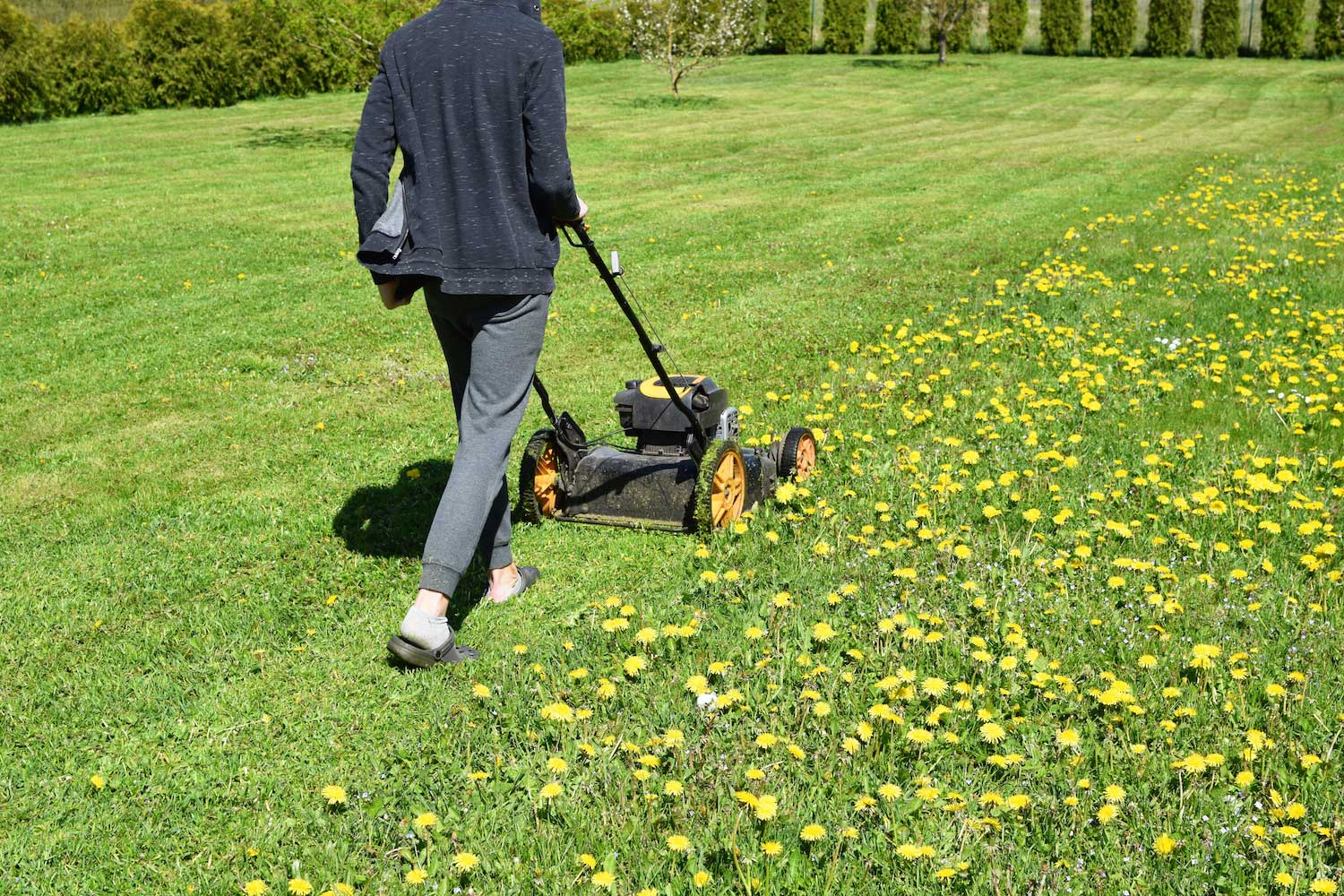
Participating in No Mow May isn't just a way to cut down on your yardwork for a month. You'll be helping bees and other essential insects too.