Fall is just around the corner. Ready for the harvest moon?
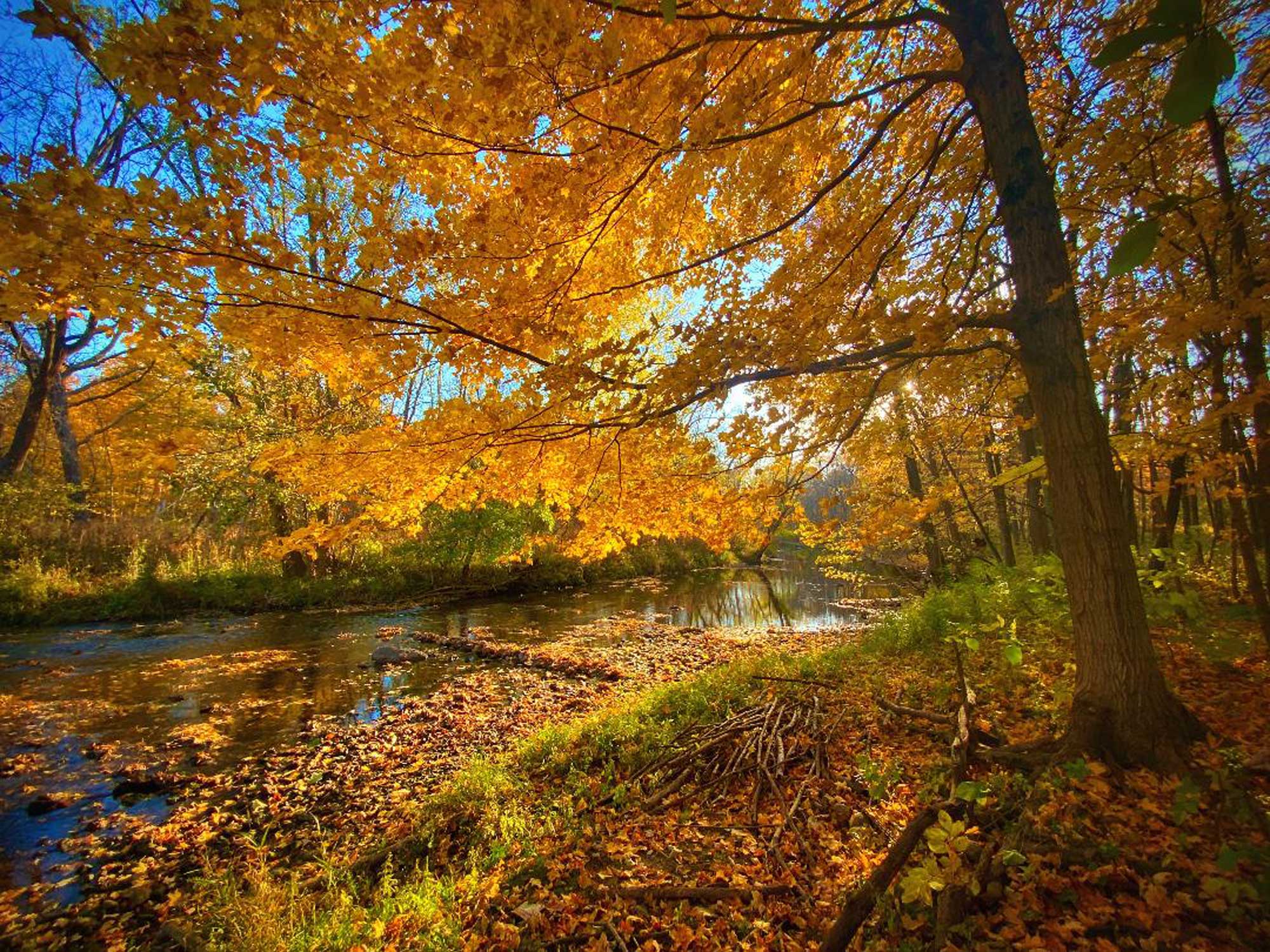
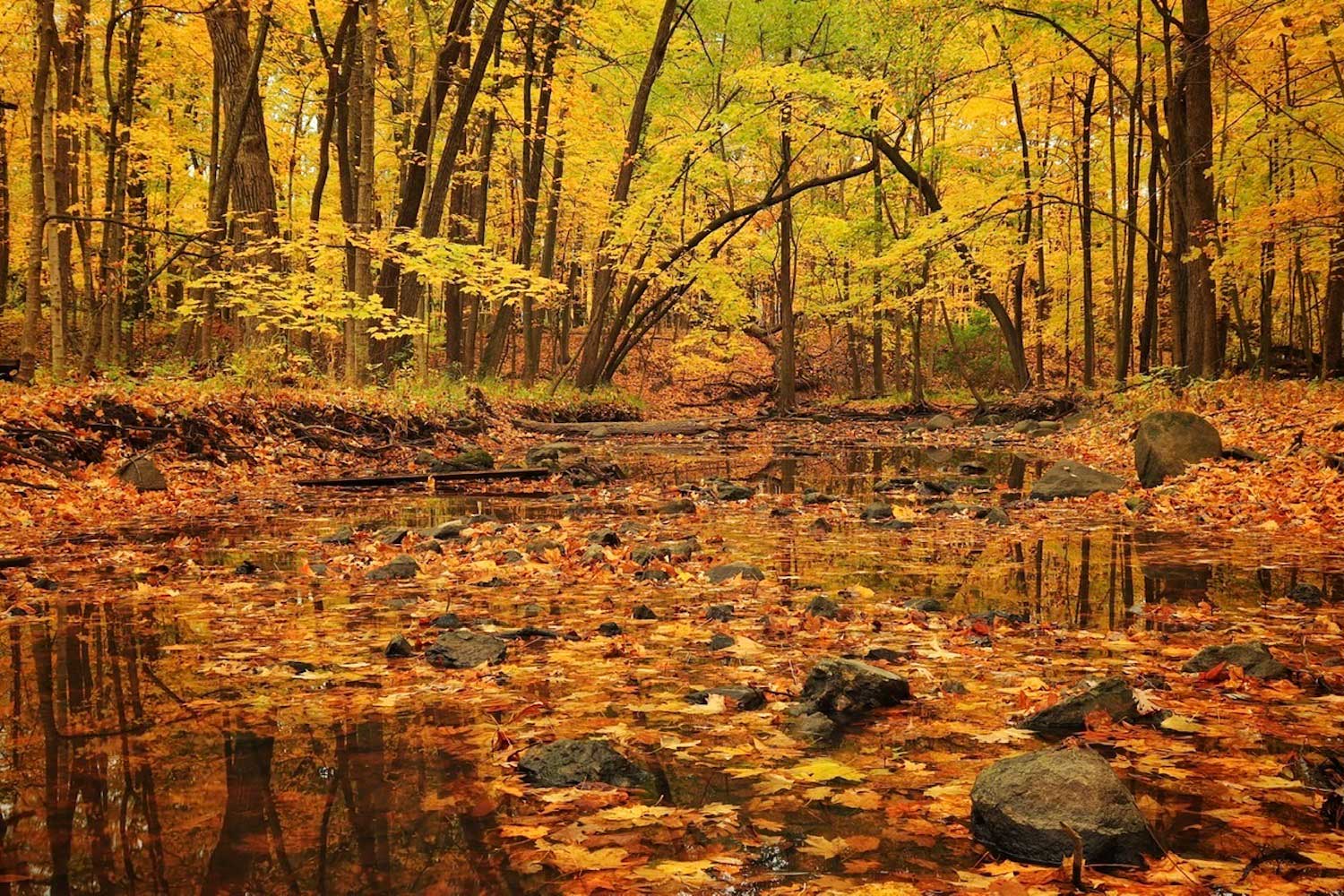
If you're among those who are anxiously awaiting fall, you don't have much longer to wait. But just how long you have to wait depends on if you are going to celebrate the season with the start of meteorological fall or astronomical fall.
Meteorological fall starts soonest — on Sept. 1. Astronomical fall comes a few weeks later, with the autumnal equinox on Sept. 22. Why two dates for the start of the same season? It's the same with all the seasons.
Meteorological seasons divide the 12 months of the year into four three-month-long seasons, according to the National Oceanic Atmospheric Administration. Spring is from March to May; summer is June, July and August; fall is September through November; and winter is December, January and February.
Astronomical seasons are based on Earth's position relative to the sun. In astronomical seasons, fall and spring start with an equinox and summer and winter start with a solstice. A solstice occurs when the North Pole is tilted either toward or away from the sun — toward in summer, away in winter. The equinoxes occur when the sun's path aligns with the equator, the NOAA reports. Each equinox occurs halfway between the two solstices.
The dates of the equinoxes and solstices vary slightly from year to year. This year, the autumnal equinox — the start of astronomical fall — will be Sept. 22. The precise moment of the equinox will be at 5:05 p.m. Central Daylight Time.
The word equinox is derived from a Latin word meaning "equal night," meaning we experience equal amounts of daylight and darkness on the days of the equinoxes. While the amount of light and dark on these days is close to equal, it is not quite exact. On this year's autumnal equinox, we will experience 12 hours and 9 minutes of daylight here in Illinois. Closer to the equator they will have a little less daylight (closer to equal) and farther from the equator they will experience a little more daylight, according to the NOAA.
Neptune at opposition
September is a good month for viewing Neptune, the farthest planet from Earth in our solar system. On the night of Sept. 25, Neptune will be at opposition, or the point at which Earth passes directly between Neptune and the sun, according to NASA.
When it is at opposition, it is illuminated by the sun, making it brighter and easier to see in the night sky. Even so, though, it is still best viewed with a strong telescope or binoculars. The distant planet can be seen in the sky at other times of the year, but the best opportunity is when it is at opposition.
On average, Neptune is about 2.8 billion miles from Earth, NASA reports. It is one of two ice giants in the solar system, the other being Uranus.
The harvest moon
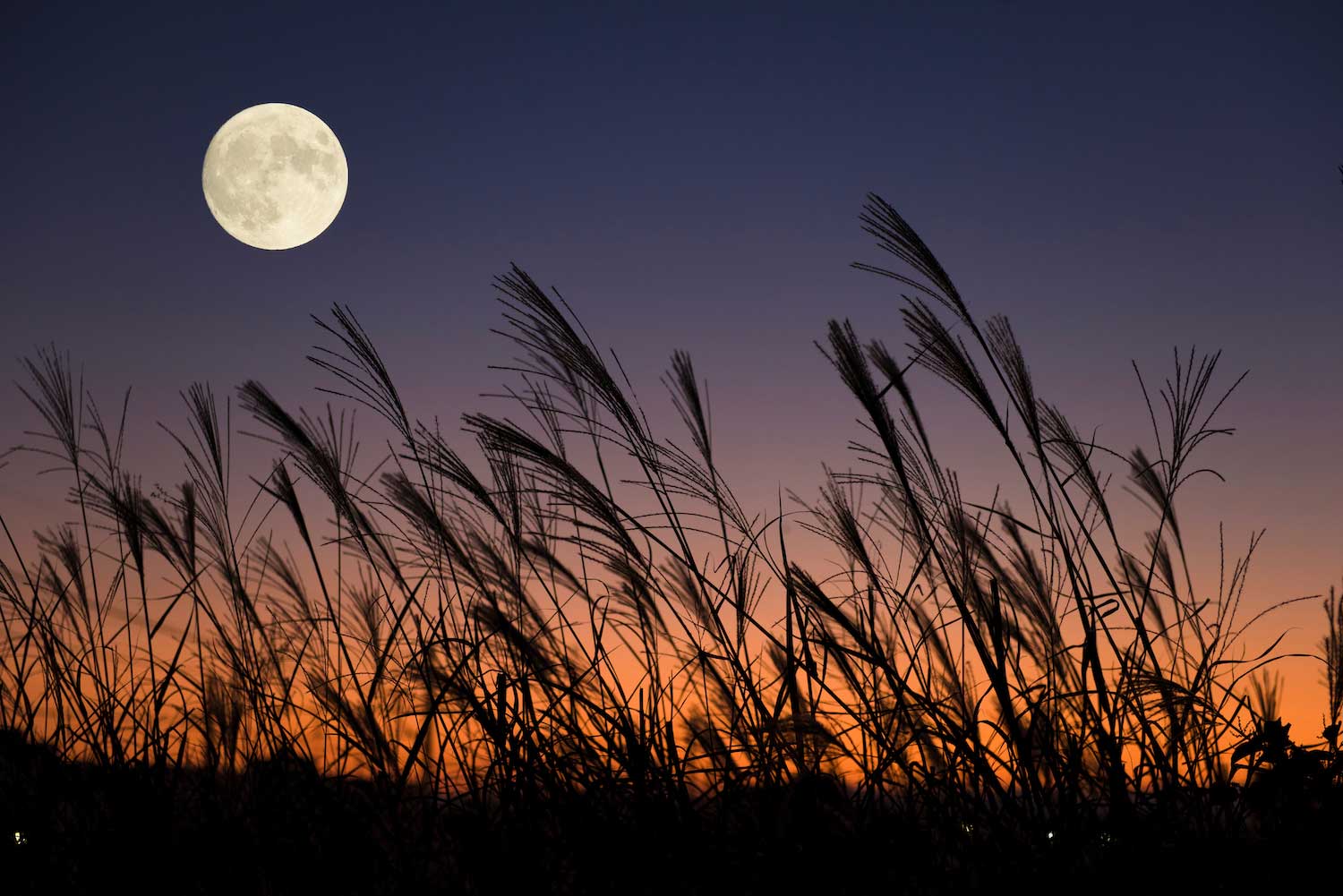
The month's full moon will be on Sept. 26, reaching its fullest point at 11:49 a.m. September's full moon is known as the harvest moon.
While each month's has a nickname it is traditionally known by — January is the wolf moon and June is the strawberry moon, for example — the harvest moon is a little different because it's not always in September. The harvest moon is the full moon that occurs nearest to the date of the autumnal equinox, so that means it can be in September or October, according to the The Old Farmer's Almanac.
The harvest moon is in September far more often than it is in October, but when it's not in September the month's full moon is known is the corn moon. When the October full moon is not the harvest moon, it is known as the hunter's moon.