
Curious about beekeeping? Plum Creek class offers hands-on experience
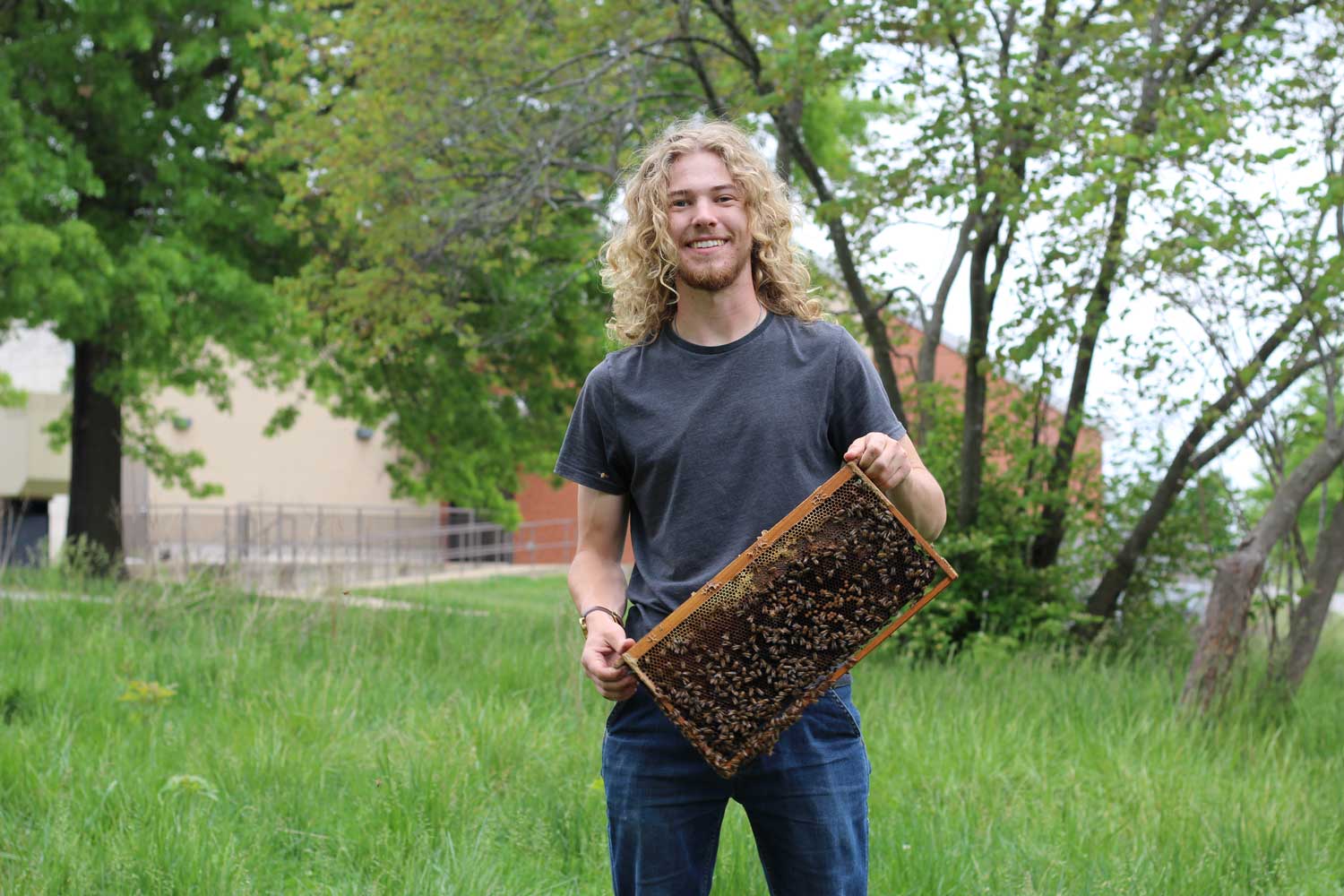
If you would like to learn more about installing and maintaining beehives, sign up for the Forest Preserve District’s six-week Be a Beekeeper Class at Plum Creek Nature Center.
Plum Creek also hosts the Meet a Beekeeper program, which features Dade Bradley, the District’s resident beekeeper who maintains a live honeybee hive at Plum Creek. Bradley will teach the six-week class, which begins on Saturday, June 20.
Class sessions will be from 9 a.m. to 10:30 a.m. on Saturdays (except July 4). The course is for ages 18 and older and the fee is $65 per person. There is an optional fee of $40 that includes the recommended course textbook.
The registration deadline is Tuesday, June 16.
We asked Bradley to explain how the class works and why people should consider signing up. Here are his answers:
What is the general overview of the class?
Doors will open early at 8:30 a.m. for a sort of "coffee hour," offering plenty of time for questions, conversation and networking. Each session will be dedicated to its own topic and provide an overview of hive management throughout the year. Lessons will include both honeybee biology and basics about beekeeping, as well as outdoor field days when weather permits.
Honeybees are fascinating critters, and there is so much to learn about them. There are as many different ways to keep bees as there are beekeepers. This class should give each participant the knowledge, and hopefully the confidence, to find the personal way they keep their own bees. But learning about honeybees never really seems to end, and that becomes more apparent with each year I keep bees.
How have you changed this class from what was offered in the past?
This class will offer my personal and chemical-free perspective on bees and beekeeping, as I hope to share my seven years of experience with participants. It will also use a new textbook that was recently published by my own mentor, Arvin Pierce, "About Bees & Keeping Honeybees Without Treatments: For Folks Who Just Want to Keep Bees."
Who should sign up for this course?
Perhaps you're a gardener who thinks beehives are the next best addition; or maybe someone who's become health conscious about where the food on your plate comes from; or even a naturalist who just wants to learn a little bit about honeybees. Regardless, this class is intended for the backyard beekeeper, people who want to enjoy their bees and become more aware of the world around them (and maybe have some honey for their family and friends).
I also aim for this class to be a good fit for both aspiring and current beekeepers alike, whether new or experienced. First-time beekeepers who bought bees this spring would benefit from this class, as it will be a resource throughout the summer to seek advice or answer any questions about their personal hives. Even beekeepers who have had hives for several years may find this class helpful if they are interested in learning more about treatment-free beekeeping.
What are some of the most important things you will cover?
The class will cover a variety of beekeeping topics, including obtaining and installing honeybees; the recommended woodenware, equipment and tools; as well as common pests and diseases that will be encountered in the hive. Most importantly, participants will gain hands-on experience working in beehives throughout the duration of the class. This will be especially beneficial for those who have not had the opportunity to lift the lid of a hive yet. Students will apply the knowledge they learn in the classroom during these outdoor field days and have an active role in hive management during the six weeks of class.
Why do we need more beekeepers?
I'm not sure we necessarily need more beekeepers, but I do believe we need more people who think like beekeepers. There are many myths, misconceptions and mysteries about honeybees. I do not expect every participant to become a beekeeper by the end of this course. However, I do hope to provide a better understanding of the bees' relationship to each other, their relationship to us, and how our impact on our shared environment affects both the bees and ourselves.